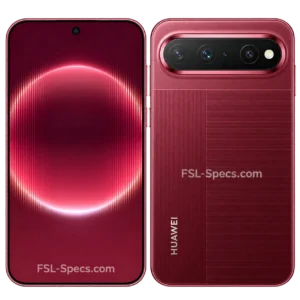










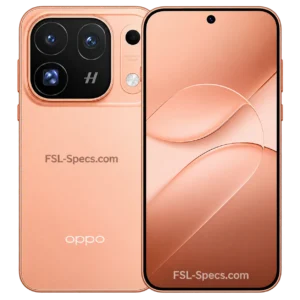
The itel S26 Ultra carries a 6.78-inch AMOLED panel running at 144Hz, and for a mid-range phone released in late 2024, that combination is genuinely hard to argue with. The 144Hz refresh rate makes scrolling and UI animations feel noticeably fluid it’s the kind of smoothness that’s hard to go back from once you’re used to it. What really stands out, though, is the 4500-nit peak brightness figure. The 1080 × 2436 pixel resolution keeps the screen sharp enough that text and images look clean at normal viewing distances on a display this size. Running Android 15 with itel OS 15.1 on top, the software is tuned to take reasonable advantage of what the display hardware offers. Slim at just 6.8mm thick, the phone doesn’t feel like it’s hiding a display this capable inside such a lean frame.
The itel S26 Ultra steps up to the Unisoc T7300, an octa-core chip built on a modern 6nm process a meaningful jump from the older 12nm designs found in previous itel models. The architecture pairs two performance cores at 2.2GHz with six efficiency cores running at 2.0GHz, which translates to snappy app launches and genuinely comfortable multitasking in day-to-day use. An AnTuTu score of around 520K puts it in competitive mid-range territory, roughly on par with chips like the Helio G99, meaning casual to moderate gaming, social media, and everyday productivity all feel smooth without any real hesitation. The Mali-G57 MP2 GPU handles the graphics side, and while it manages popular titles like PUBG Mobile and Call of Duty at medium settings reasonably well, don’t expect high-graphics gaming to stay smooth for extended sessions.. The main limitation is that the Unisoc brand still sits outside the mainstream benchmarking spotlight, so real-world gaming optimization from developers can sometimes lag behind what Snapdragon or Dimensity chips receive.
The S26 Ultra comes with 8GB of LPDDR4X RAM across both variants 128GB and 256GB storage options and the RAM amount stays consistent regardless of which you pick, which is a sensible call. The real upgrade over previous itel models is the UFS 2.2 storage, which is a noticeable step above UFS 2.0 app loads feel quicker and the overall snappiness of the interface benefits from it.
The S26 Ultra runs a triple rear setup 50MP main, 2MP depth, and a 0.08MP auxiliary lens where the main camera does the heavy lifting and resolves images at up to 8160 × 6144 pixels, giving you plenty of detail to work with in decent lighting. The 2MP depth sensor adds some legitimacy to portrait mode compared to phones that fake the effect entirely, though it’s still not the same as having a dedicated telephoto or ultrawide. Video recording steps up to 2K at 30fps on both the rear and front cameras, which is a genuine upgrade over the 1080p ceiling on older itel models and makes the footage noticeably cleaner for YouTube uploads or reels. The 32MP selfie camera resolves at 6528 × 4896 pixels and also shoots 2K video, so front-facing content creators will find it more capable than most phones in this segment. The 10x digital zoom is there when you need it, but realistically anything past 4x or 5x softens up quickly without optical zoom to back it. LED flash handles rear shots in low light, while the screen flash on the front works well enough for indoor selfies not perfect, but functional for casual use.
The S26 Ultra packs a 6000mAh Li-Polymer with 18W wired, which is functional but feels a little conservative for a 6000mAh cell in 2024; expect somewhere around two and a half hours for a full charge. The rest of the package Wi-Fi 5, Bluetooth 5.0, a front-mounted fingerprint sensor, and a single mono speaker covers the basics without surprises, and the plastic build keeps the weight down while the battery keeps the lights on.