
Redmi Note 15 Pro Plus vs vivo V60
| Specification | Redmi Note 15 Pro Plus | vivo V60 |
|---|---|---|
| General Information | ||
| Product Name | Redmi Note 15 Pro Plus | vivo V60 |
| Brand | Xiaomi | Vivo |
| Mobile Image |
 |
 |
| Price | 155000 | 144000 |
| Price India | 45000 | 45000 |
| Price USD | $470 | $470 |
| Price USA | 470 | 470 |
| Variants Prices | 12 + 512 GB | 8GB + 256GB 12GB + 256GB 12GB + 512GB |
| Display | ||
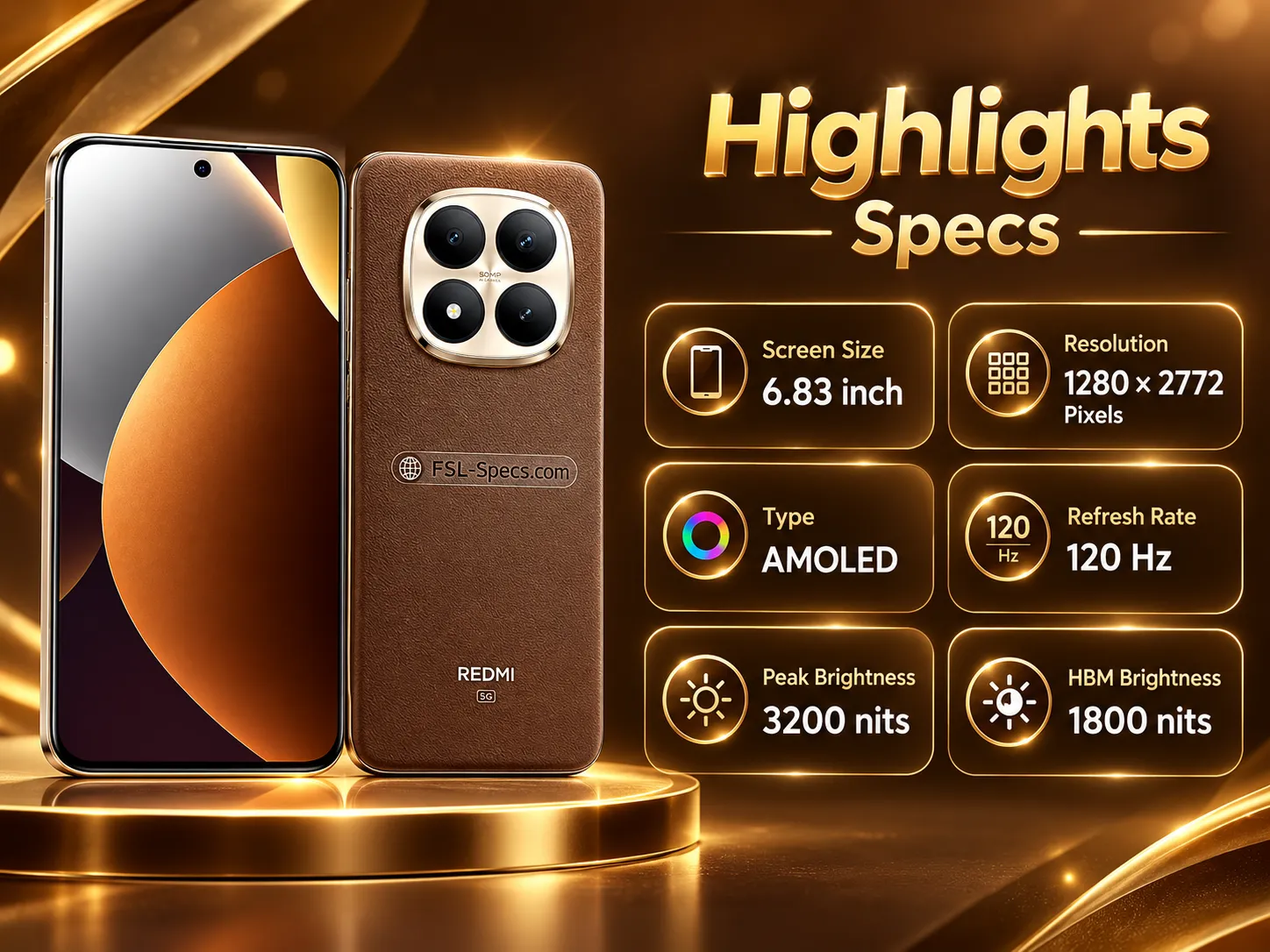
| Phone Dimensions | 163.3 × 78.3 × 8.2 / 8.5 mm | 163.5 x 77 x 7.5 mm |
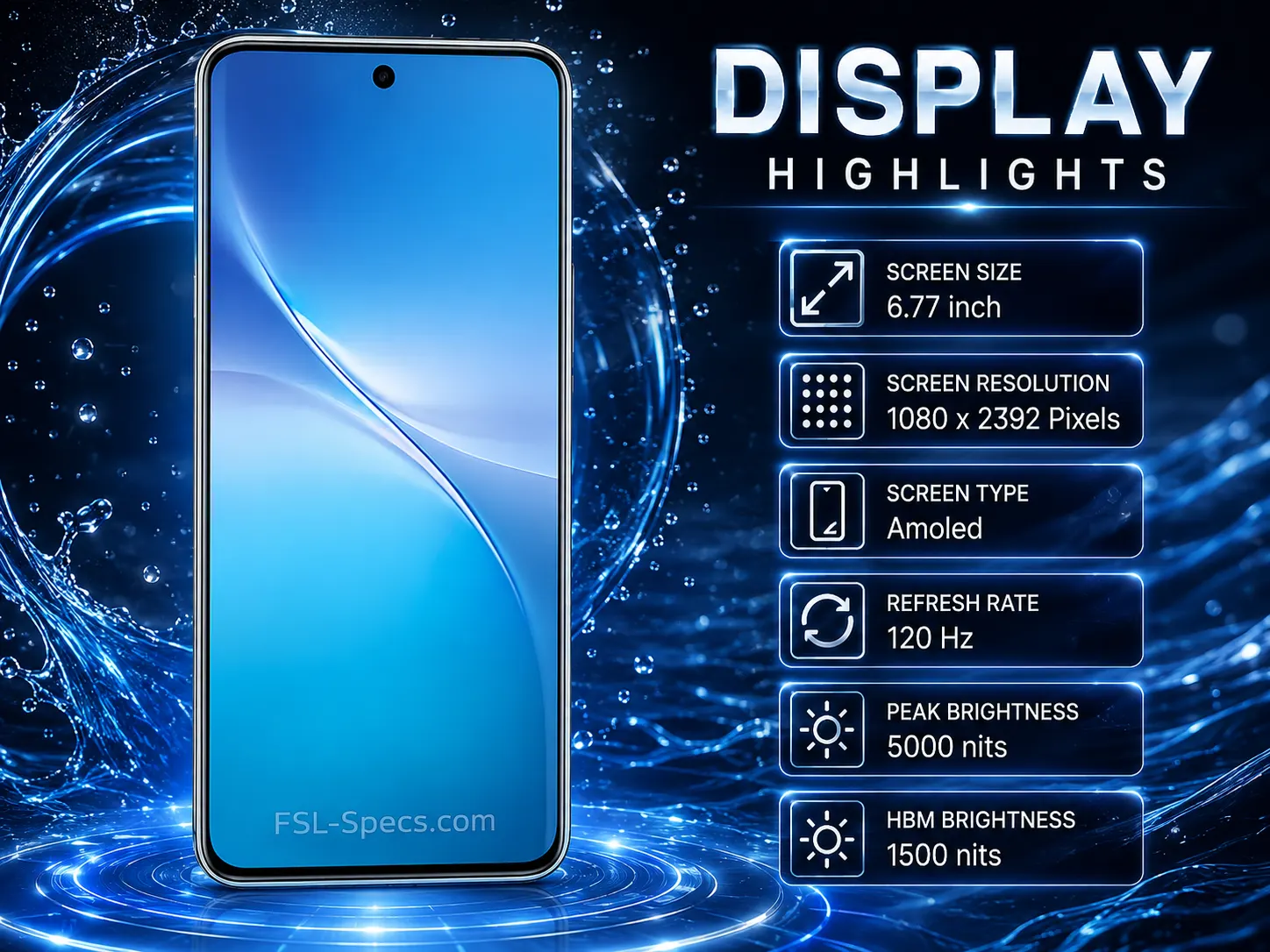
| Screen Size | 6.83 inch | 6.77 inch |
| Screen Resolution | 1280 × 2772 Pixels | 1080 x 2392 Pixels |
| Refresh Rate | 120 Hz | 120 Hz |
| Screen Type | AMOLED | Amoled |
| Peak Brightness | 3200 nits | 5000 nits |
| HBM Brightness | 1800 nits | 1500 nits |
| Performance | ||
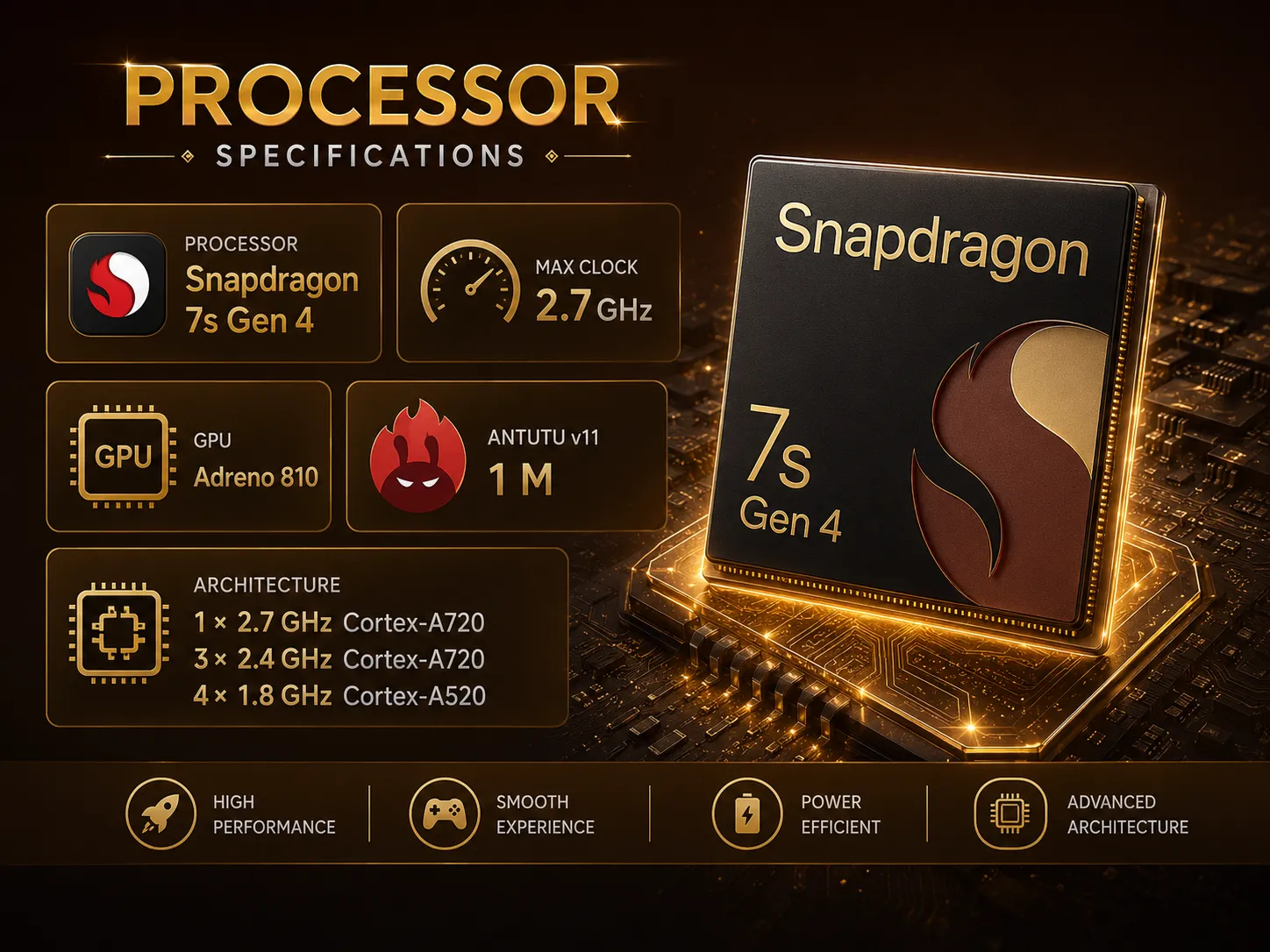
| Processor | Snapdragon 7s Gen 4 | Snapdragon 7 Gen 4 |
| Lithography Process | 4 nm | 4 nm |
| Max Clock | 2.7 GHz | 2.8 GHz |
| CPU Cores | Octa-core | 8 Cores |
| Architecture | 1×2.7 GHz Cortex-A720 | 1×2.8 GHz Cortex-A720 |
| GPU | Adreno 810 | Adreno 722 |
| AnTuTu Benchmark | 1 M | 1.1 M |
| Bootup Time | 24 s | 18 s |
| Memory | ||
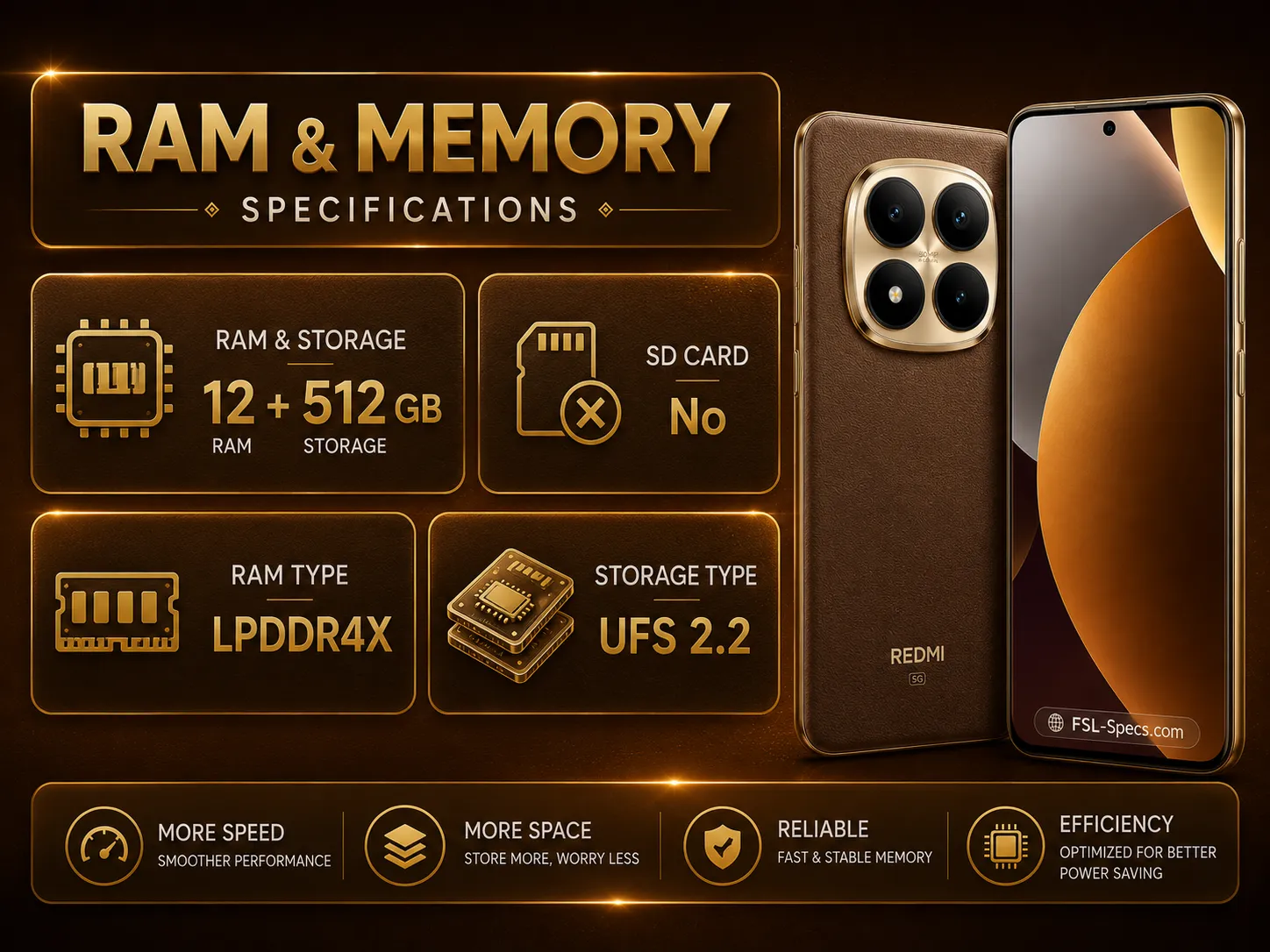
| RAM Memory | 12 + 512 GB | 12 + 512 GB |
| RAM Type | LPDDR4X | LPDDR4X |
| Storage Type | UFS 2.2 | UFS 2.2 |
| Card Slot | No | No |
| Variants | 8 + 256 GB | 8GB + 256GB |
| Rear Camera | ||
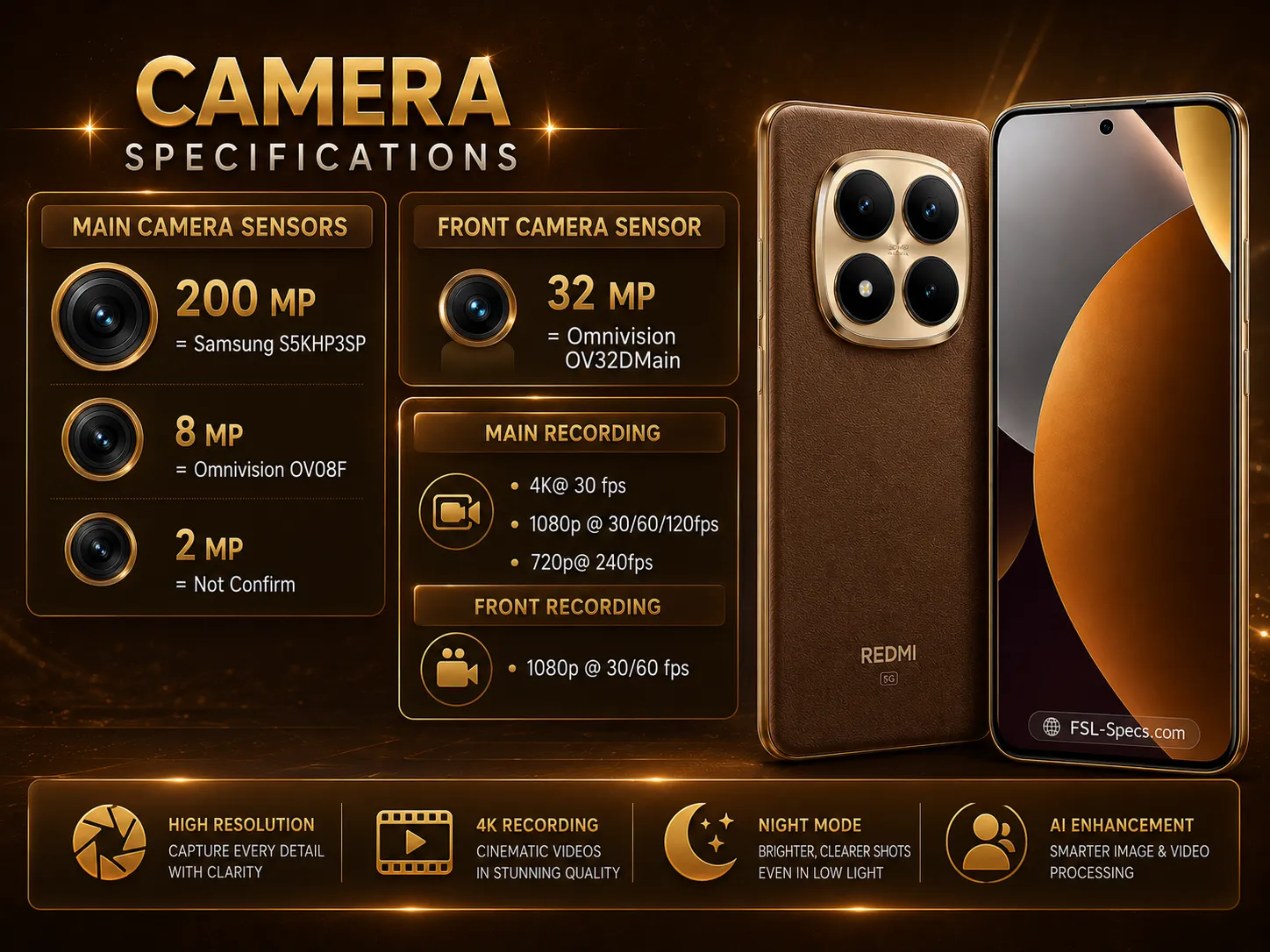
| Camera | 200 + 8 + 2 MP | 50 + 50 + 8 MP |
| Image Resolution | 8150 x 6150 Pixels | 8160 × 6144 pixels |
| Camera Sensor | 200 MP = Samsung S5KHP3SP | 50 MP = Sony IMX766 |
| Zoom | - | 3 x |
| Digital Zoom | 10 x | 100 x |
| Video Recording | 4K@ 30 fps | 4K @30 fps |
| Flash | LED | Ring Light |
| Front Camera | ||
| Front Camera | 32 MP | 50 MP |
| Front Sensor | 32 MP = Omnivision OV32D | |
| Front Resolution | — | 8192 x 6144 Pixels |
| Front Recording | 1080p @ 30/60 fps | 4K@ 30/60fps |
| Front Flash | Screen Flash | Not confirm |
| Battery | ||
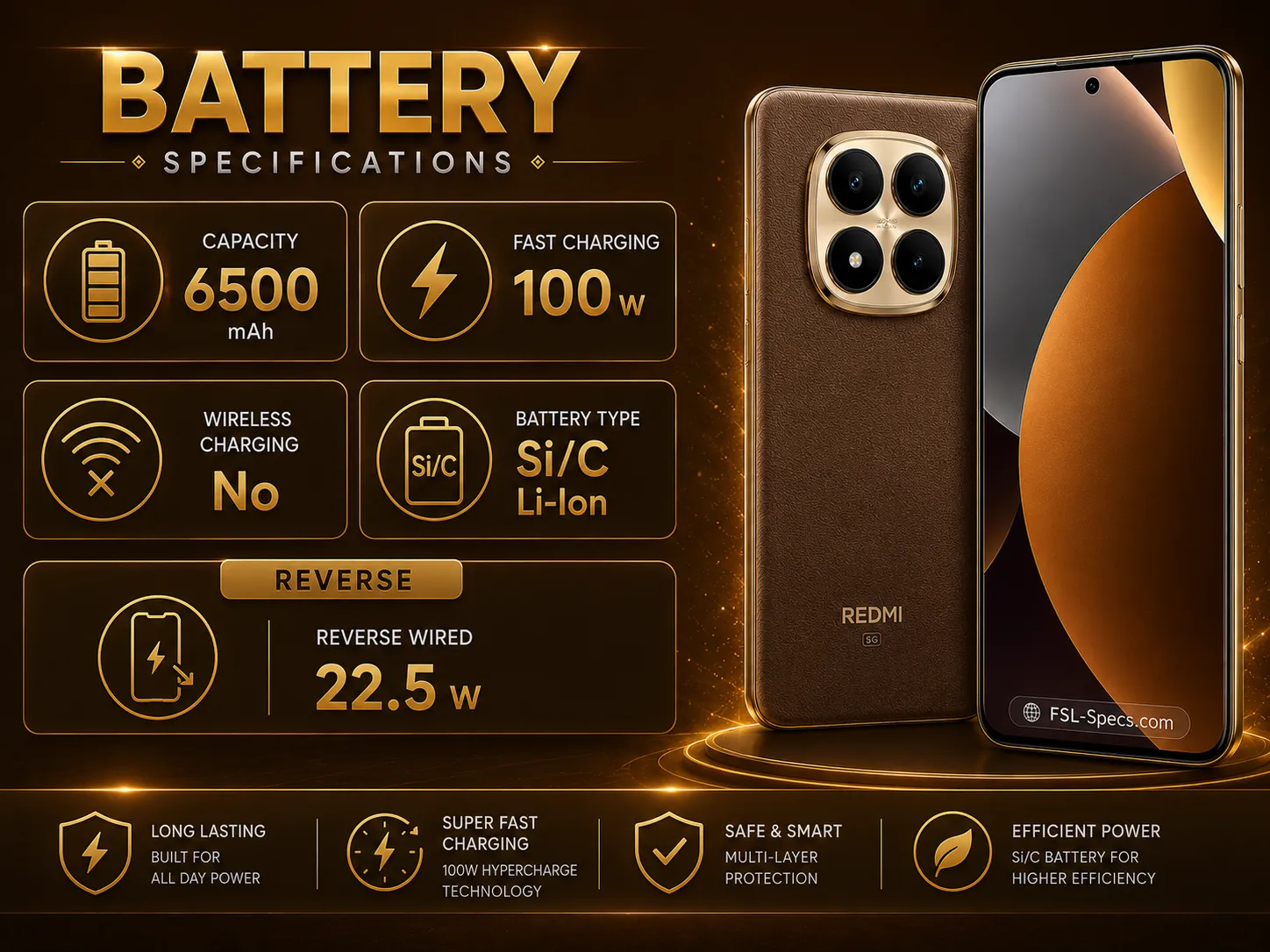
| Battery | 6500 mAh | 6500 mAh |
| Charging Watts | 100 W | 90 W |
| Battery Type | Si/C Li-Ion | Silicon-Carbon |
| Wireless Charging | No | No |
| Reverse Charging | 22.5 W | Yes |
| Reverse Wireless | No | No |
| Battery Life (PC Mark) | 14 h | ~13 hours |
| Charging Time | ~35 min / 45 mins ( 0-100% ) | 50m-60m (0% To 100%) |
| Software | ||
| Model Number | 2510ERA8BG | V2511 |
| Release Date | 25 December, 2026 | 19 August, 2026 |
| Year | 2025 | 2025 |
| Series Name | redmi Note | Vivo V Series |
| Category | Mid Range | Mid-Range |
| Android OS | Android 15 / HyperOS 2 | Android 17 |
| Body | ||
| Weight | 207 grams | 192 g or 201 g |
| Build | Metal Frame And Back glass-fiber reinforced plastic | plastic frame, plastic back / glass back |
| Special Features |
| Ring Light |
| Connectivity | ||
| SIM | Nano-SIM / E-Sim | Nano-SIM + Nano-SIM |
| Network | 4G / 4G+ / 5G | 4G / 4G+ / 5G |
| WiFi | Wi-Fi 6 / Wi-Fi 6E | Wi-Fi 6 / Wi-Fi 5 |
| Bluetooth | 5.4 | 5.4 |
| NFC | Yes / region dependent | Yes |
| Security & Audio | ||
| Speakers | Dual Stereo Speaker | Dual Stereo Speaker |
| Fingerprint | Hyper Sonic Front Finger | Front Finger |
| Other Sensors | Proximity sensor | Accelerometer |
| Highlights | ||
| Display Highlights |
 |
 |
| Processor Highlights |
 |
 |
| Memory Highlights |
 |
 |
| Camera Highlights |
 |
 |
| Battery Highlights |
 |
 |
| Verdict | ||
| Pros | ✅ Massive Battery (6500mAh) 🔋 | ✅ 6500mAh Battery |
| Cons | ❌ Older RAM (LPDDR4X) 🐌 | ❌ UFS 2.2 Storage |
| Best For | 🎯 Battery Heavy Users 🔋 | ✅ Portrait Photography |
| Not Best For | 🚫 Wireless Charging Fans 🔌 | ❌ Wireless Charging Users |