
ZTE Nubia V60 Design vs Itel s25
| Specification | ZTE Nubia V60 Design | Itel s25 |
|---|---|---|
| General Information | ||
| Product Name | ZTE Nubia V60 Design | Itel s25 |
| Brand | ZTE | itel |
| Mobile Image |
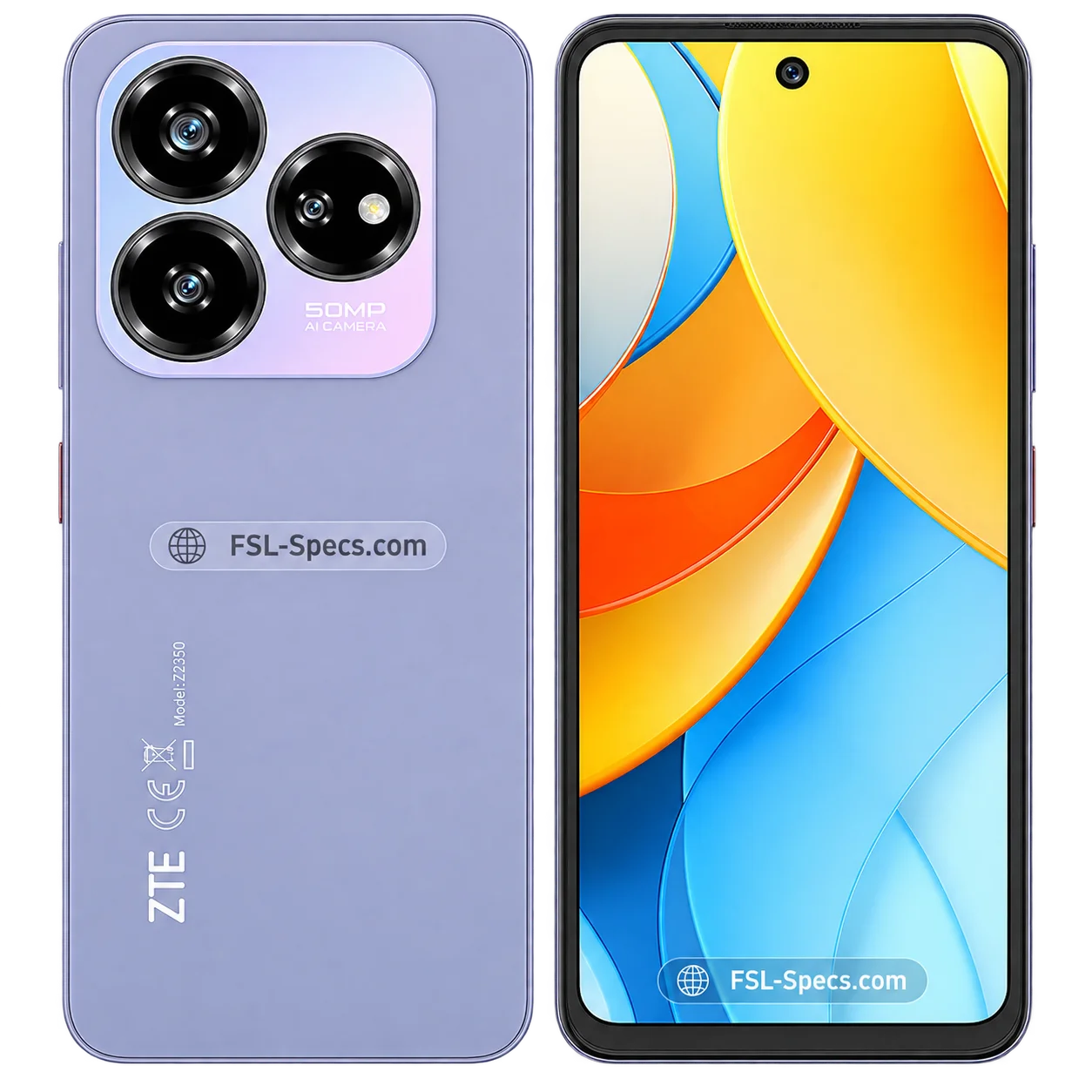 |
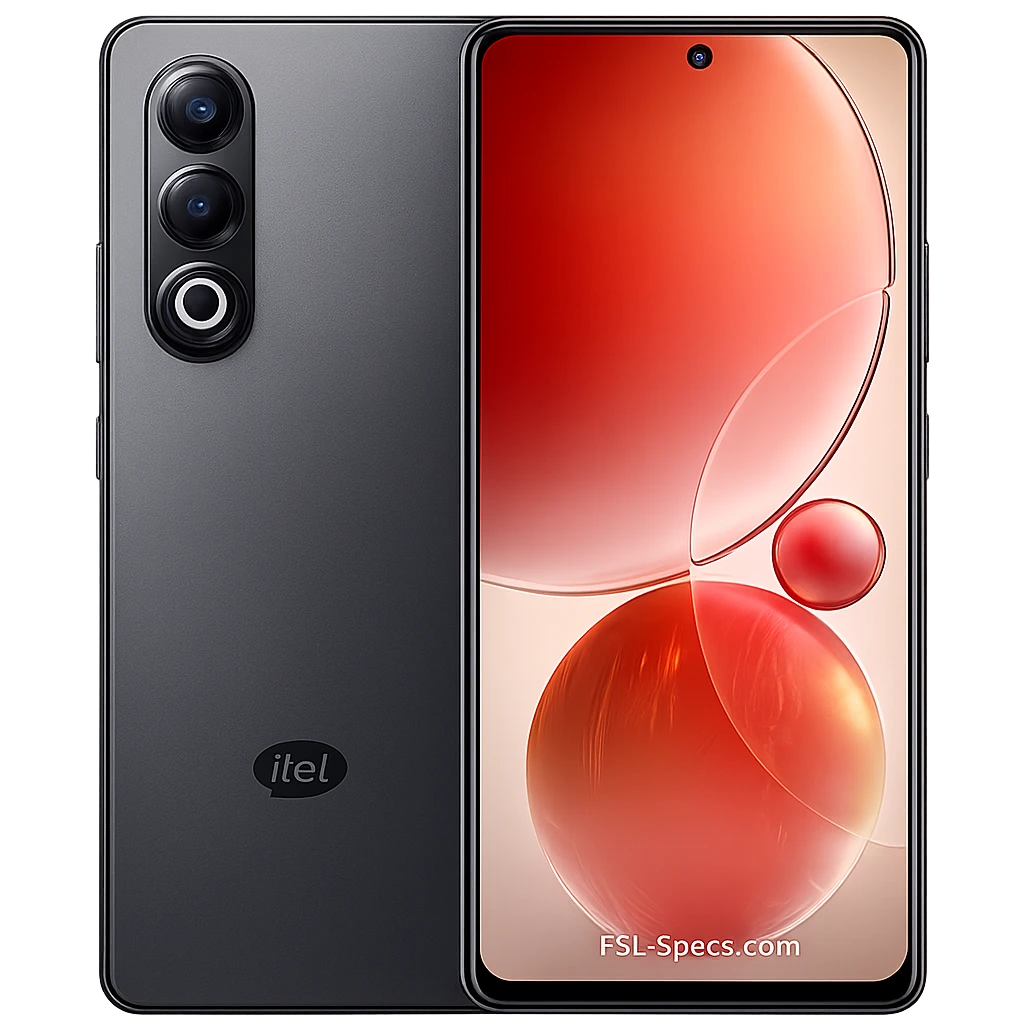 |
| Price | 32000 | 30000 |
| Price India | 8500 | 9000 |
| Price USD | $90 | $100 |
| Price USA | 90 | 100 |
| Variants Prices | 32,000 PKR | 90 $ | 8,500 INR | 8 + 128GB = 30,000 PKR | 100 $ | 9000 INR |
| Display | ||
| Phone Dimensions | 164.2 x 75.3 x 8.6 mm | 164.2 x 74.6 x 6.9 mm |
| Screen Size | 6.6 inch | 6.78 inch |
| Screen Resolution | 720 x 1612 pixels | 1080 x 2436 Pixels |
| Refresh Rate | 90 Hz | 120 Hz |
| Screen Type | IPS LCD | AMOLED |
| Peak Brightness | 500 Nits | 1800 nits |
| HBM Brightness | 400 Nits | 1200 nits |
| Performance | ||
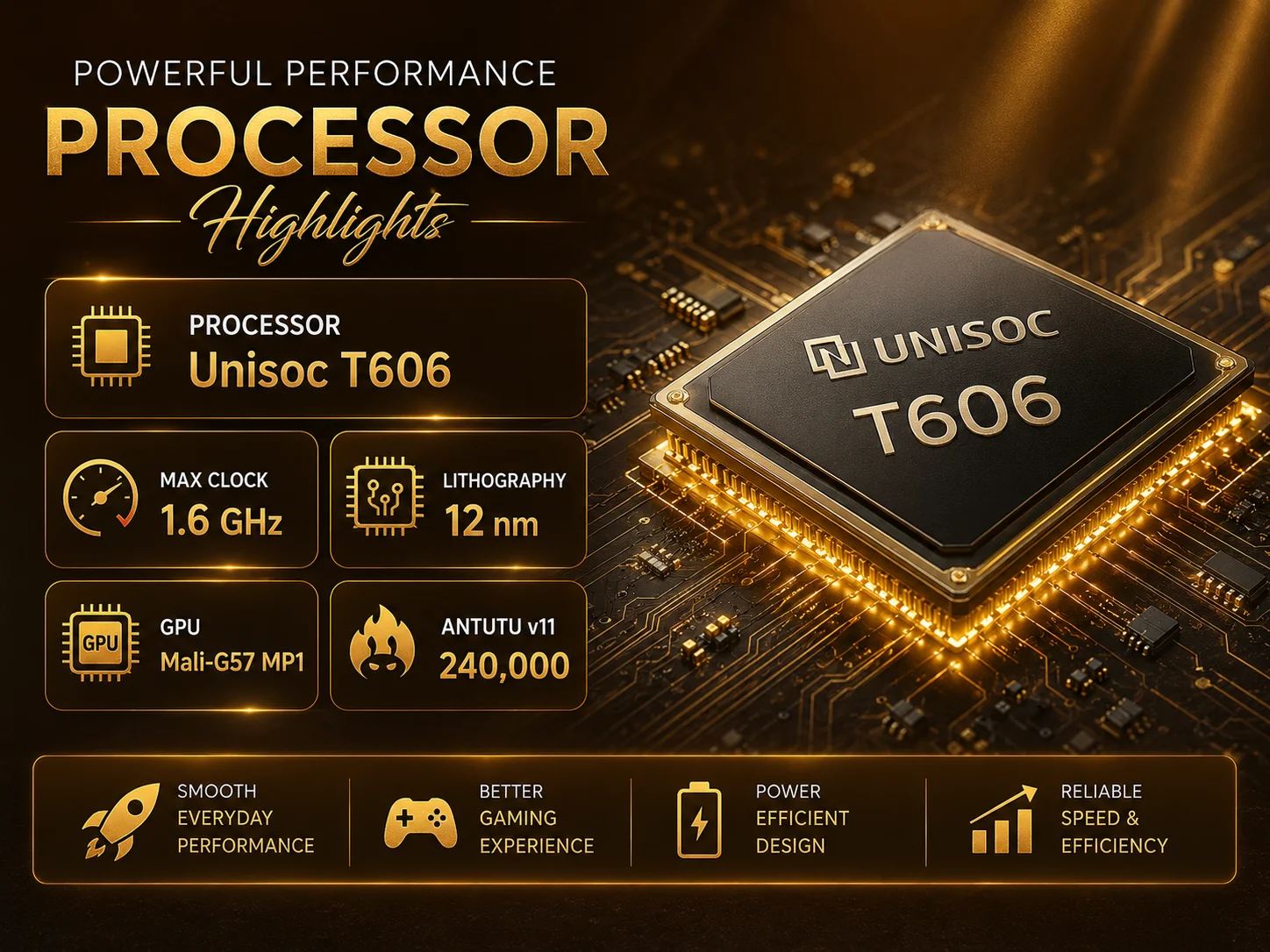
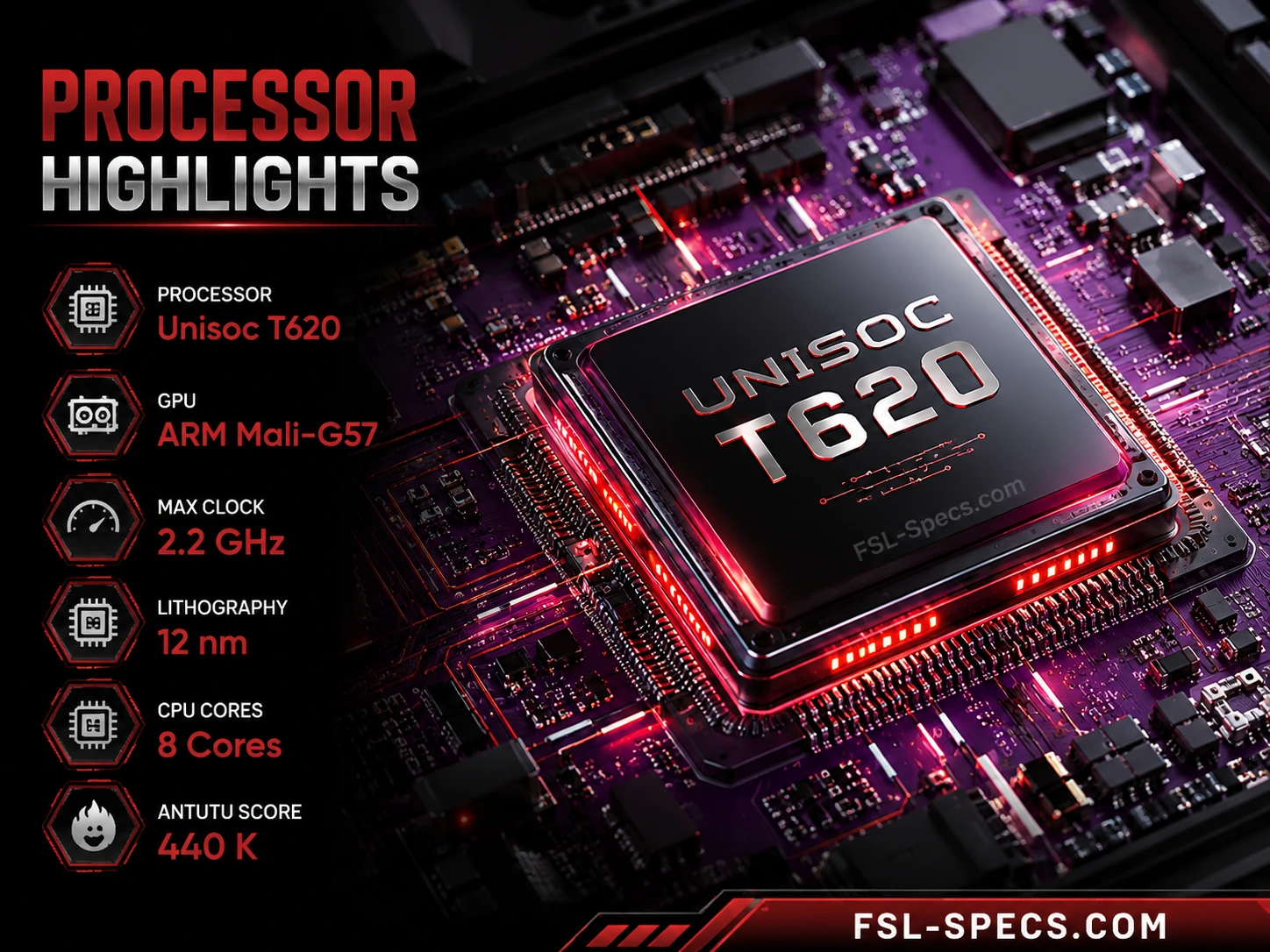
| Processor | Unisoc T606 | Unisoc T620 |
| Lithography Process | 12 nm | 12 nm |
| Max Clock | 1.6 GHz | 2.2 GHz |
| CPU Cores | 8 Cores | 8 Cores |
| Architecture | 2×1.6 GHz Cortex-A75 | 2×2.2 GHz Cortex-A75 |
| GPU | Mali-G57 MP1 | ARM Mali-G57 |
| AnTuTu Benchmark | 240,000 | 330 K |
| Bootup Time | - | ~30s |
| Memory | ||
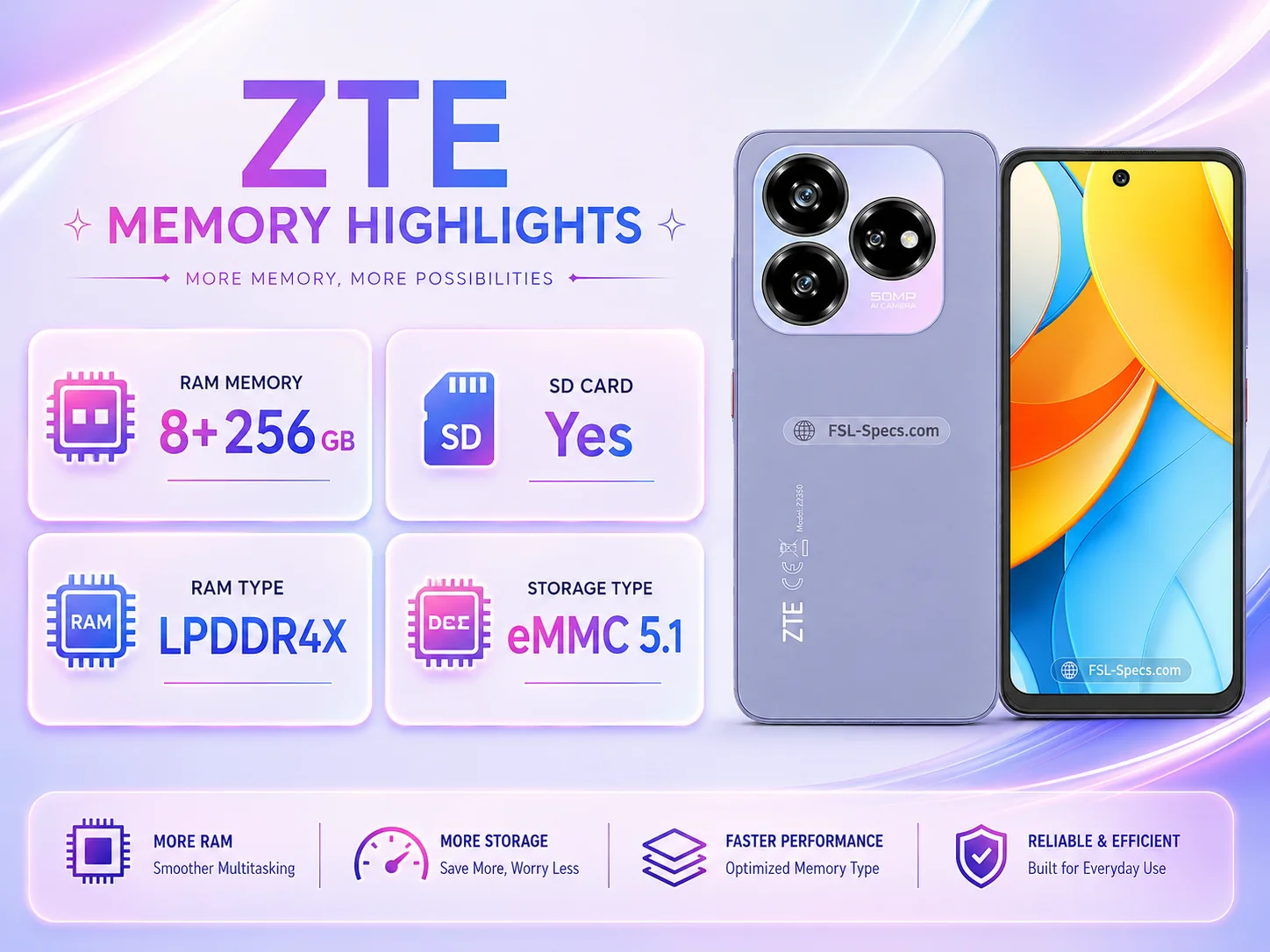
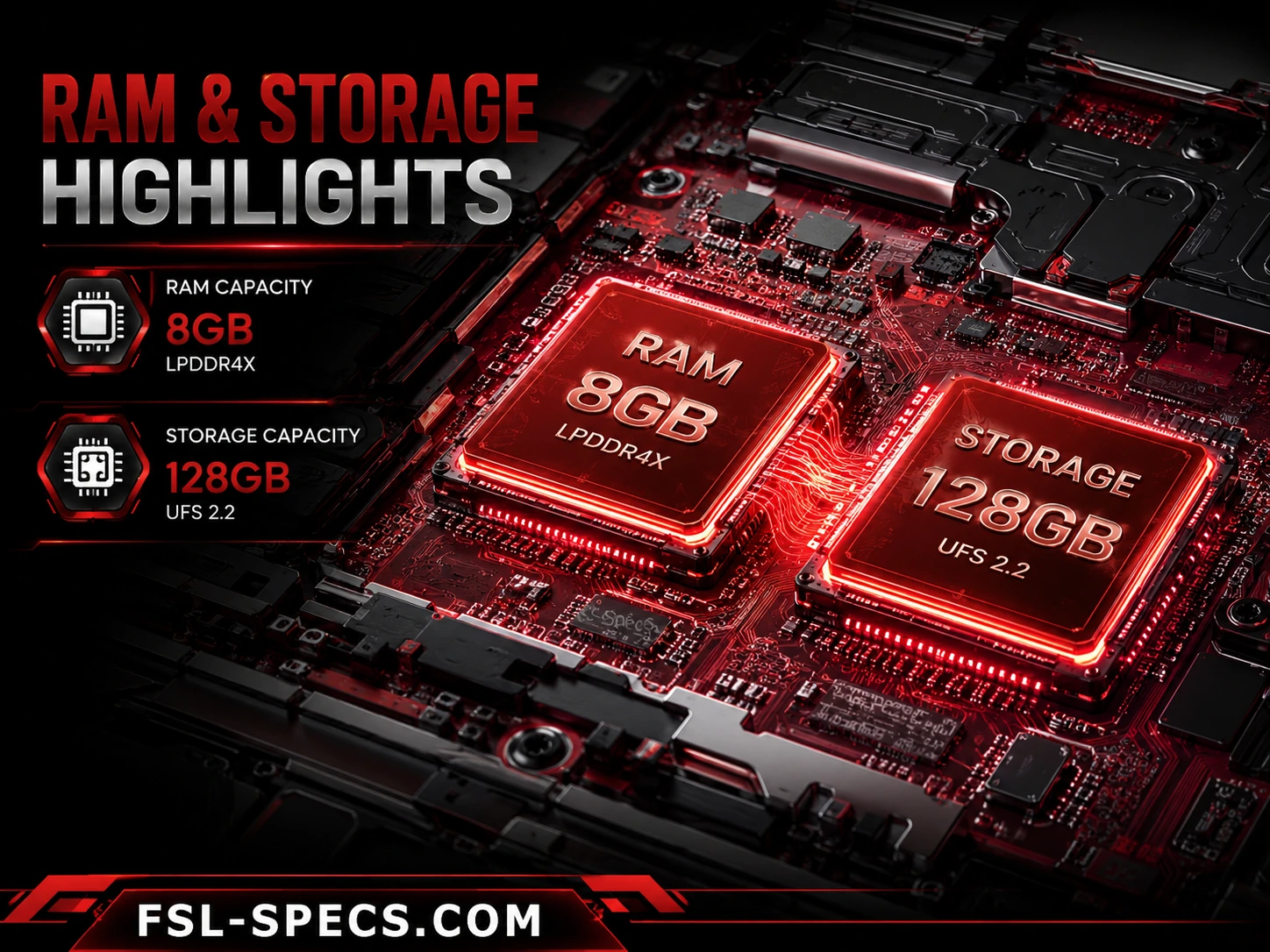
| RAM Memory | 8+ 256 GB | 8+128 GB |
| RAM Type | LPDDR4X | LPDDR4X |
| Storage Type | eMMC 5.1 | UFS 2.2 |
| Card Slot | Yes | Yes |
| Variants | 6 + 256 GB | 8 + 128GB |
| Rear Camera | ||
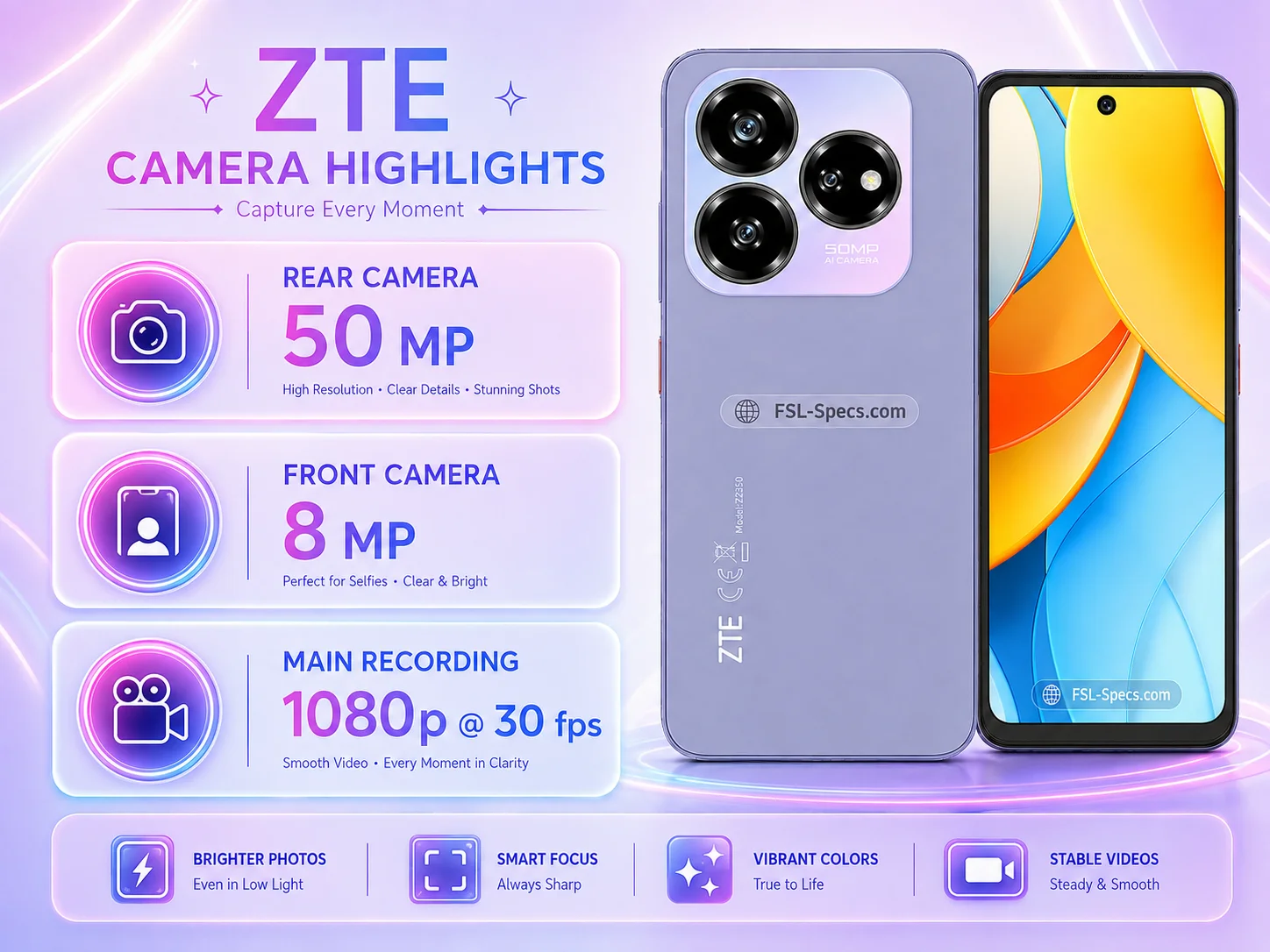
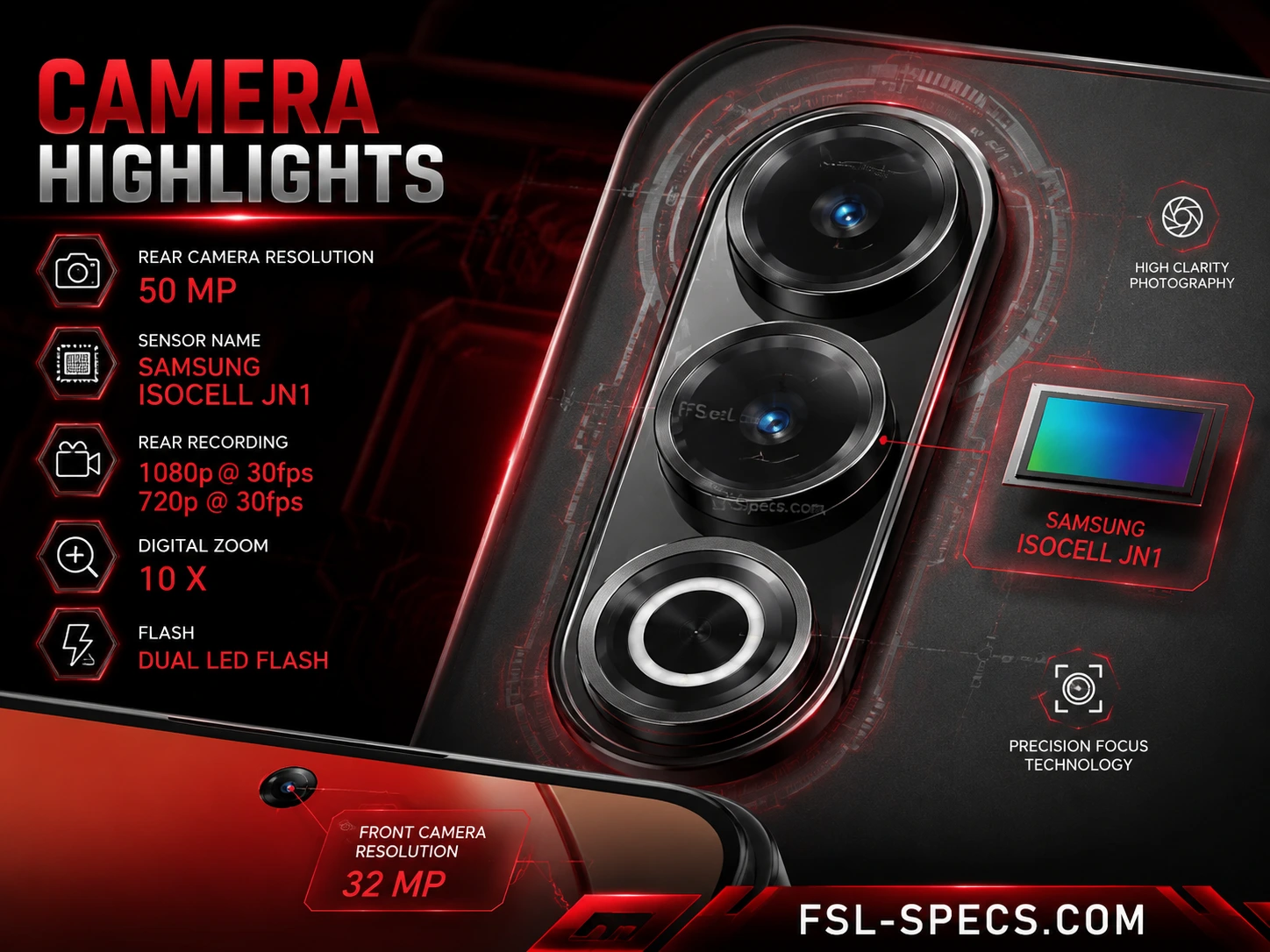
| Camera | 50 MP | 50 MP |
| Image Resolution | 8192 × 6144 pixels | 8160 × 6144 Pixels |
| Camera Sensor | 50 MP = Not Confirm | 50 MP = Samsung S5KJN1 |
| Zoom | - | - |
| Digital Zoom | 10 X | 10 X |
| Video Recording | 1080p @ 30 fps | 1080p @ 30fps |
| Flash | Flash | Ring-LED flash |
| Front Camera | ||
| Front Camera | 8 MP | 32 MP |
| Front Sensor | 8 MP = Not Confirm | Unknown Sensor |
| Front Resolution | 3840 x 2160 pixels | 6528 × 4896 Pixels |
| Front Recording | 1080p @ 30/60 fps | 1080p @ 30fps |
| Front Flash | Not confirm | Screen Flash |
| Battery | ||
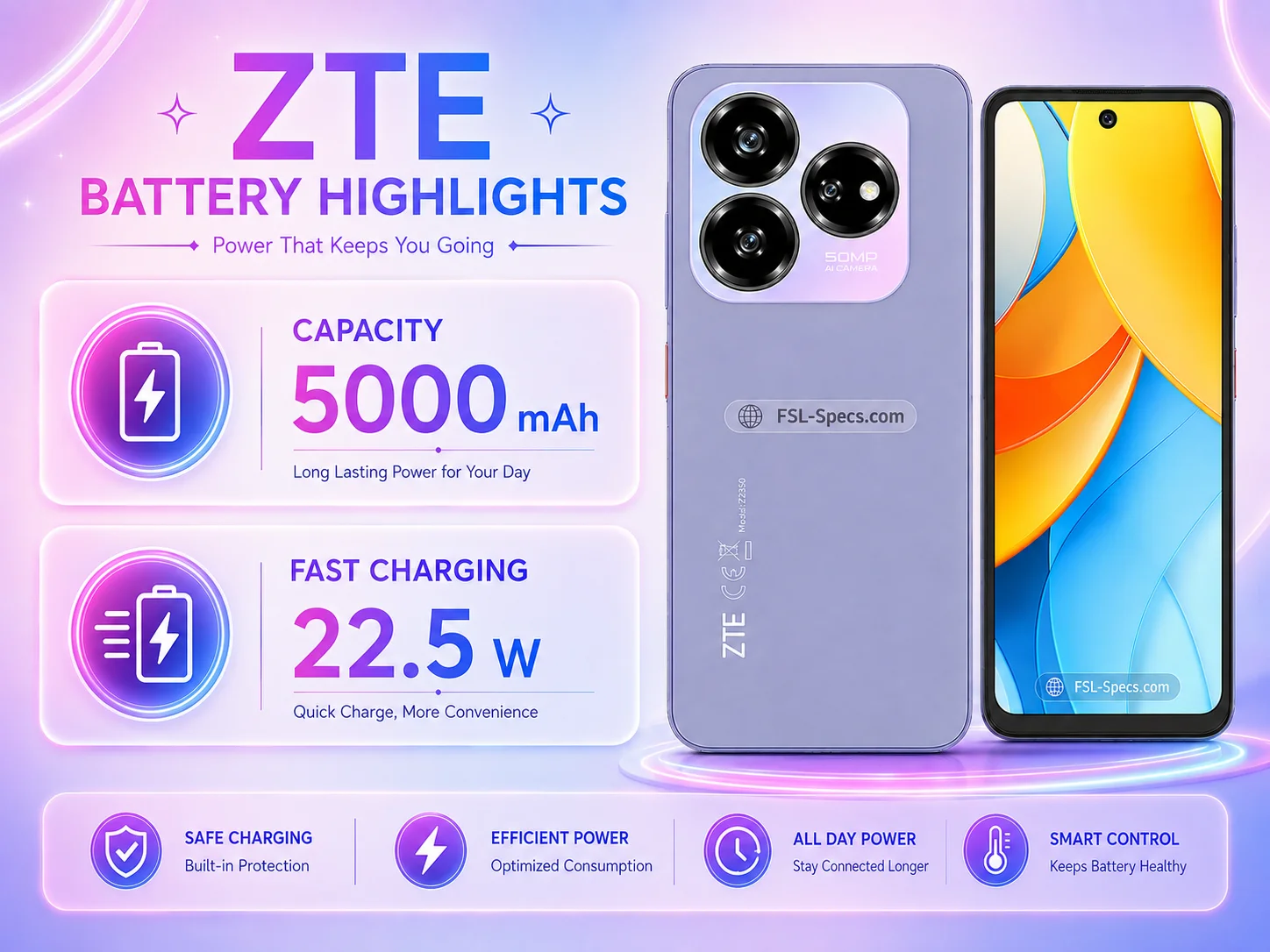
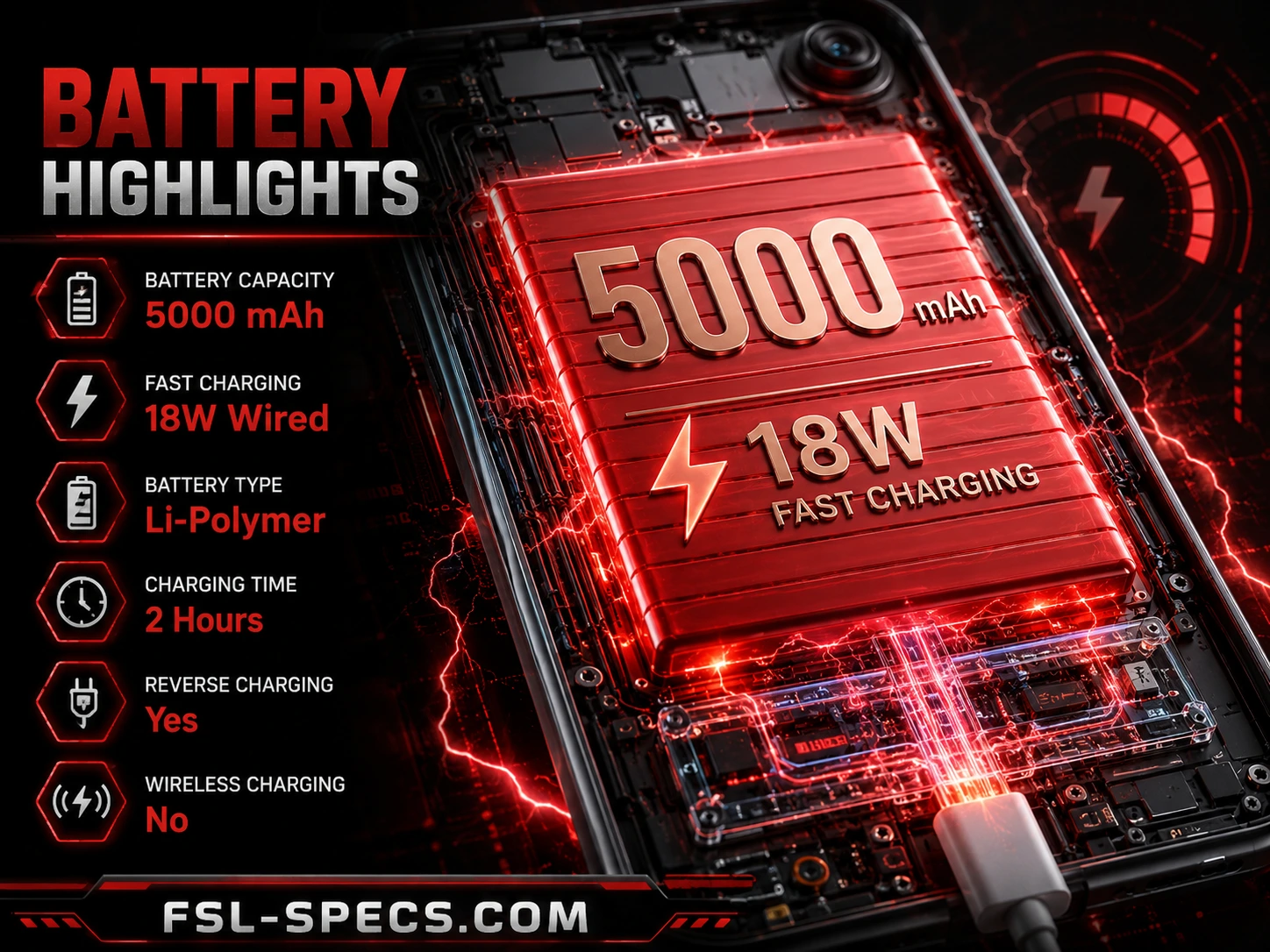
| Battery | 5000 mAh | 5000 mAh |
| Charging Watts | 22.5 W | 18 W |
| Battery Type | Li-Ion | Li-Polymer |
| Wireless Charging | No | No |
| Reverse Charging | No | No |
| Reverse Wireless | - | No |
| Battery Life (PC Mark) | - | - |
| Charging Time | - | - |
| Software | ||
| Model Number | — | S681LN |
| Release Date | 1 June, 2026 | 9 November, 2026 |
| Year | 2024 | 2023 |
| Series Name | Nubia V | S Series |
| Category | Budget | Mid-range |
| Android OS | Android 13 | Android 14 |
| Body | ||
| Weight | 198 g | 185 g |
| Build | Plastic Frame & Glass Back | Plastic ( Frame And Back) |
| Special Features | — | RGB ring notification light |
| Connectivity | ||
| SIM | Dual Nano Sim | Dual Nano-SIM |
| Network | 4G | 4G |
| WiFi | Wi-Fi 5 | Wi-Fi 802.11 a/b/g/n/ac |
| Bluetooth | 5.2 | 5.0 |
| NFC | No | Yes |
| Security & Audio | ||
| Speakers | Dual Stereo Speaker | Single Mono Speaker |
| Fingerprint | Side Mounted | Front Finger |
| Other Sensors | — | Side-Mounted Fingerprint Sensor |
| Highlights | ||
| Display Highlights |
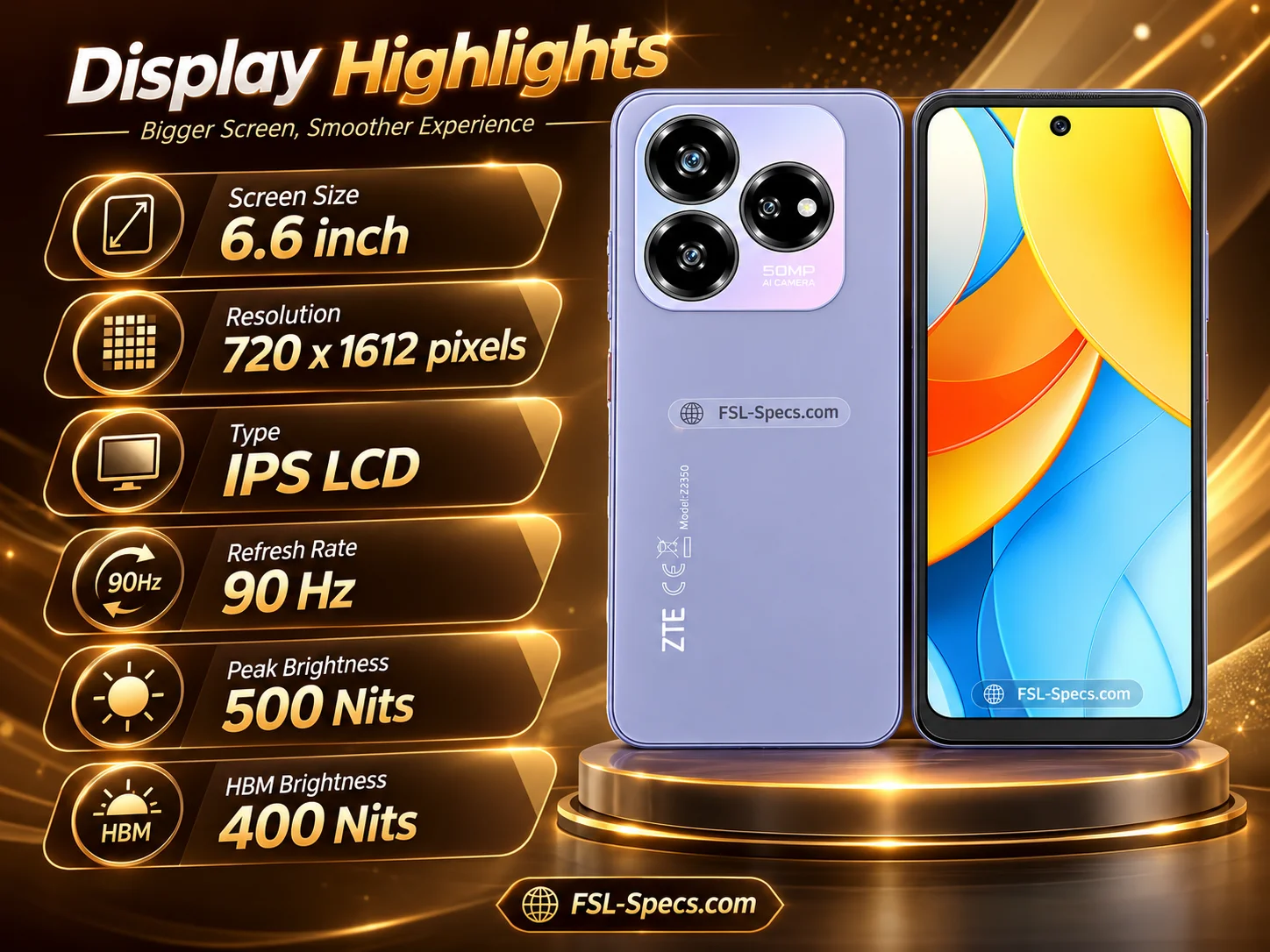 |
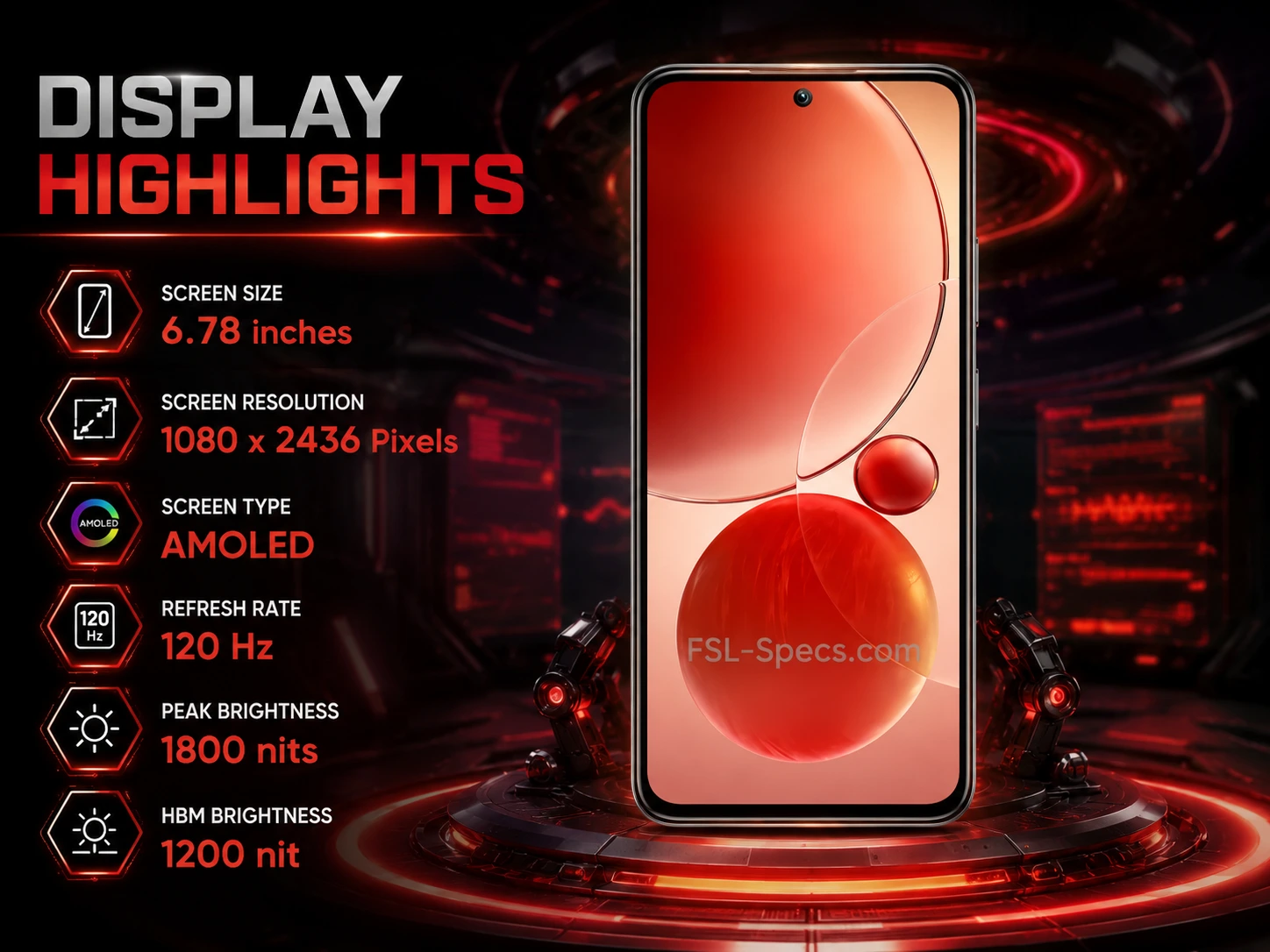 |
| Processor Highlights |
 |
 |
| Memory Highlights |
 |
 |
| Camera Highlights |
 |
 |
| Battery Highlights |
 |
 |
| Verdict | ||
| Pros | 256GB Storage 💾 | ✅Premium AMOLED display ✅120Hz smooth ✅All-day battery ✅Strong selfie |
| Cons | HD+ Resolution 📉 | ❌Weak chipset ❌Slow charging ❌Mono speaker |
| Best For | Daily Usage 📱 | ✅Media watchers ✅Selfie lovers ✅Outdoor users ✅Budget buyers ✅Light gamers ✅All-day users |
| Not Best For | Heavy Gaming 🎮 | ❌Heavy gamers ❌Audio lovers ❌Power users ❌Fast chargers ❌Pro photographers ❌Premium seekers |