











• Mobiles
  • Processors
  • Mobiles
  • Processors
  • Mobiles
  • Processors

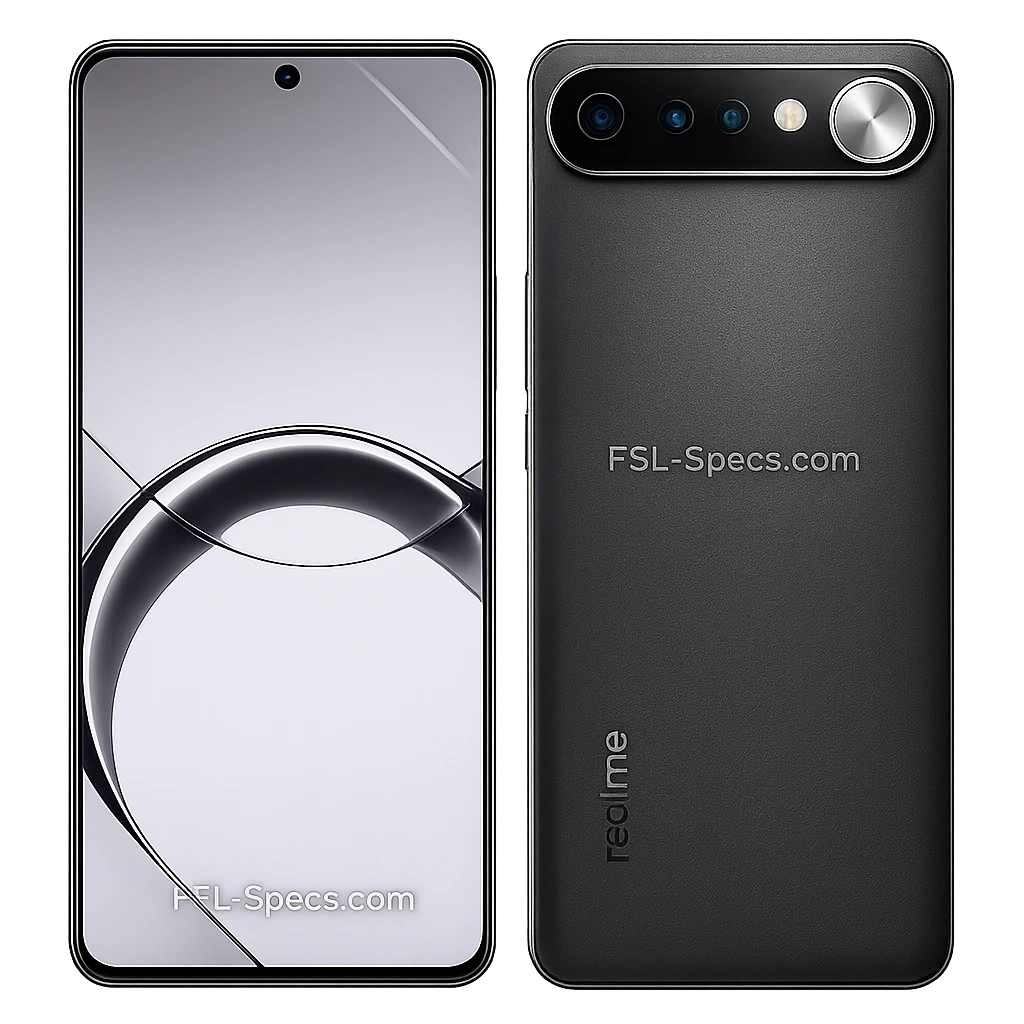
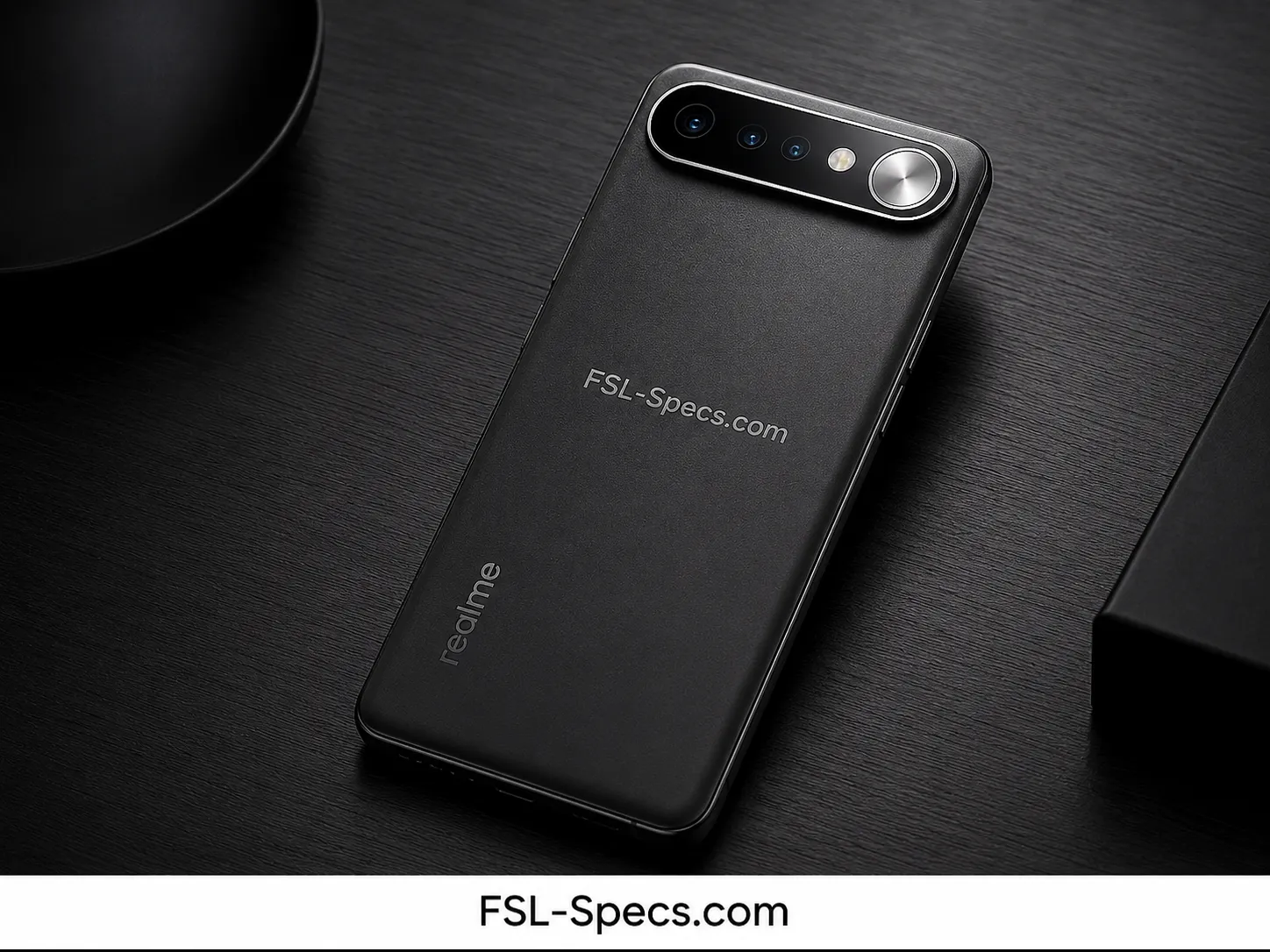
✪ Realme 16 ✪

Realme 16 Specs, Price, Camera, Battery & Best Review (2026)
United States flag United States
$370 USD
…
Pakistan flag Pakistan (PKR)
120,000 PKR
India flag India (INR)
₹37,000 INR

✪ Realme 16 ✪

Realme 16 Specs, Price, Camera, Battery & Best Review (2026)
Last Time Update : 9 October, 2026
0

Quick Specifications

AMOLED

Display Type

Dimensity 6400 Turbo

Processor

8 + 256 GB

Ram And Memory

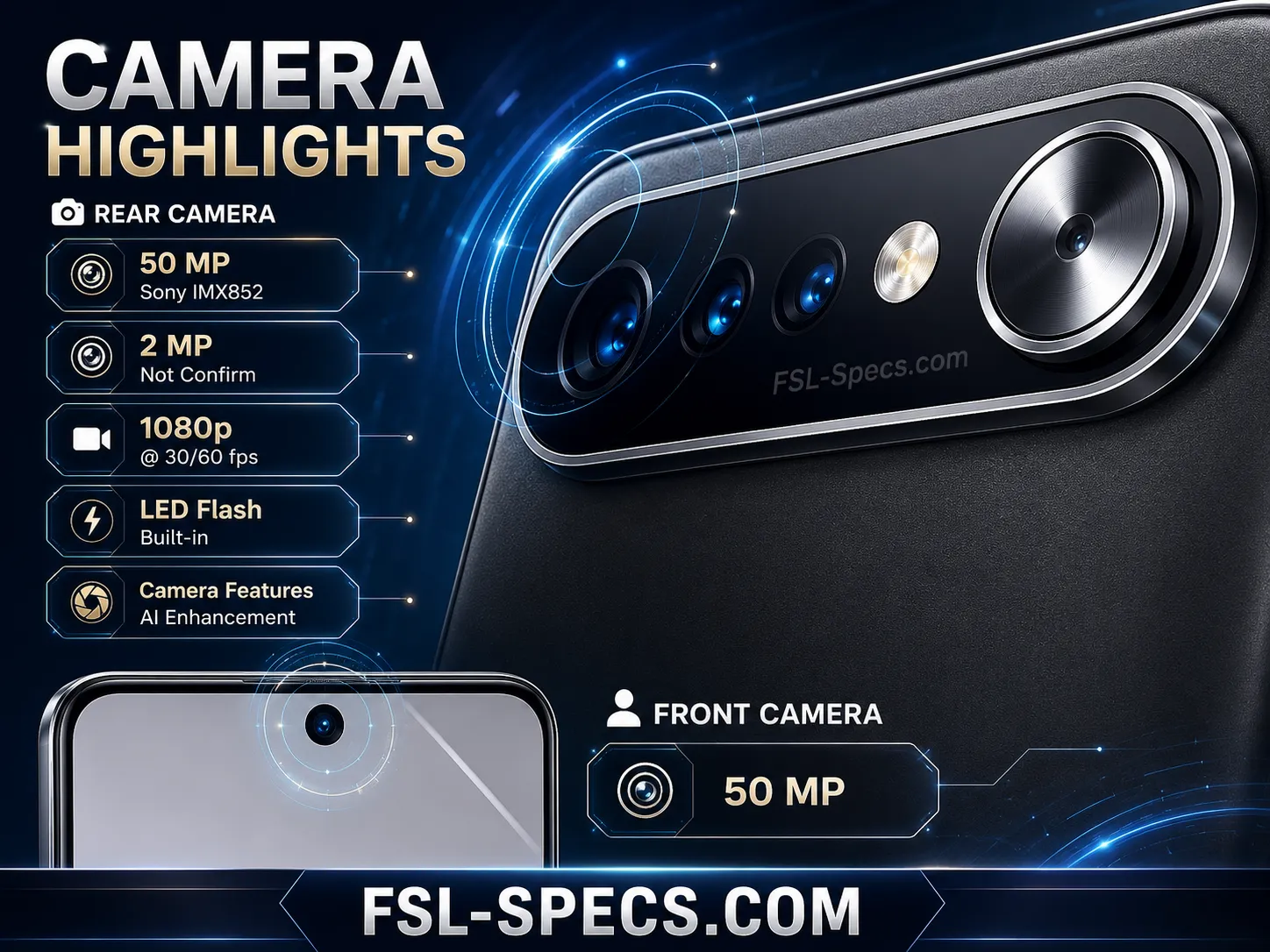
50 + 2 MP

Camera

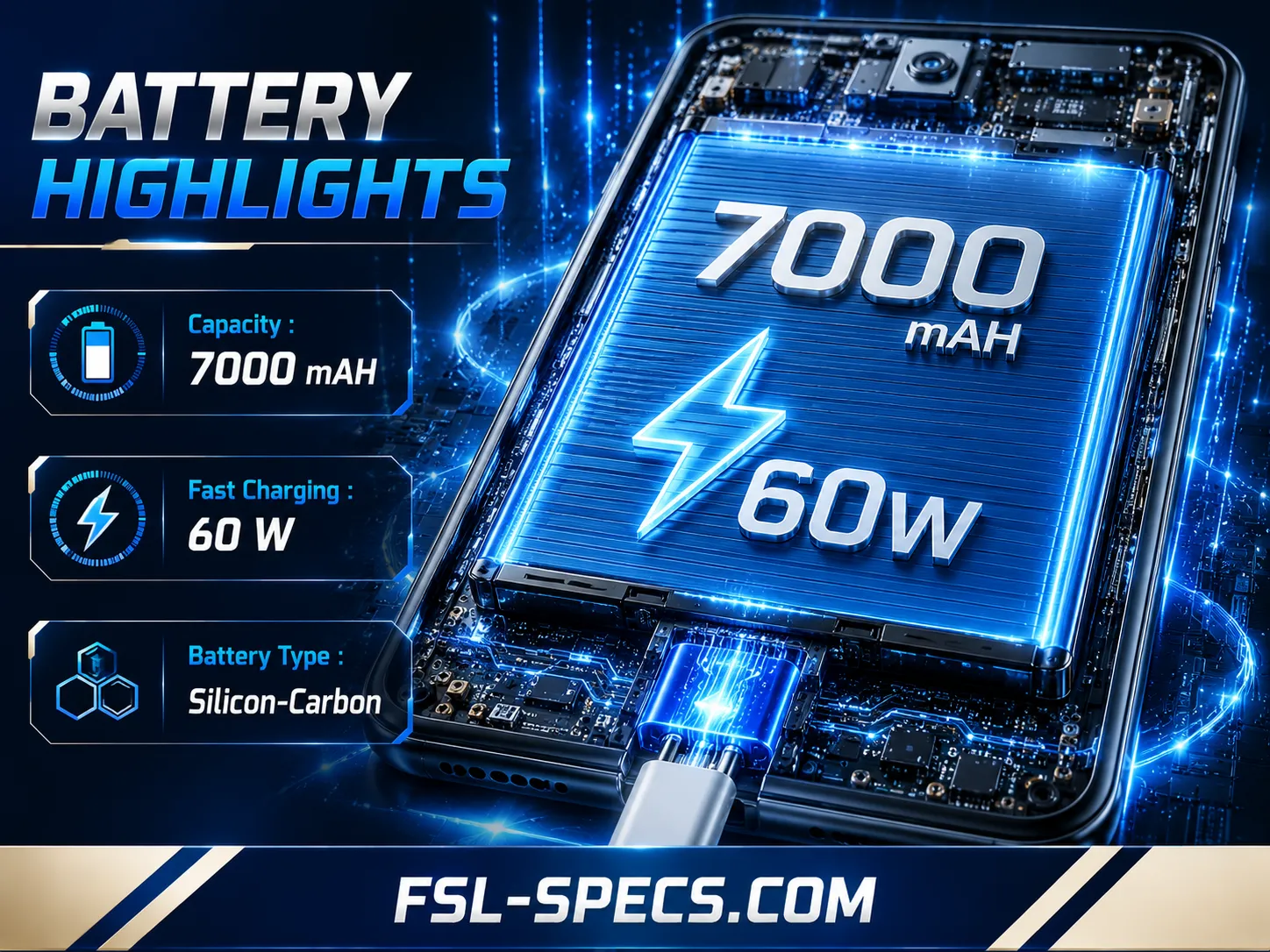
7000 mAH

Battery

60 W

Fast Charging

Full Specification

BASIC INFO
Mobile
Realme 16
Model
RMX5171
Series
Realme Number
Category
Mid-range
Release Date
29 January,2025
Year
2025
CONNECTIVITY
Sim
Dual SIM
Network
4G / 4G+ / 5G
WiFi
Wi-Fi 5
Bluetooth
5.3 v
NFC
Yes
OS
Android 17
BODY
Dimensions
158.3 x 75.1 x 8.1 mm
Build
Plastic ( Frame And Back)
KG Weight
183 g
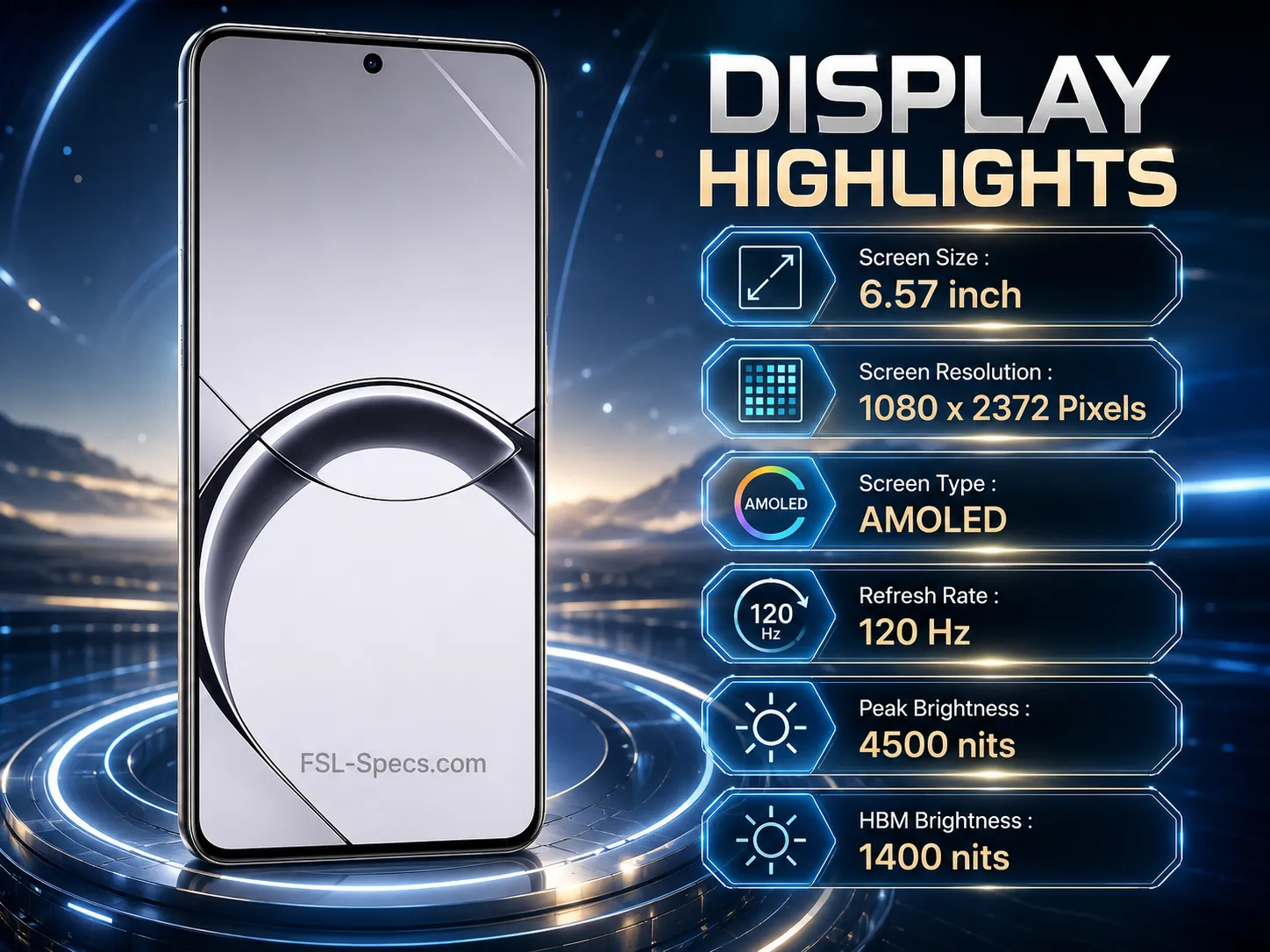
Screen Size
6.57 inch
Resolution
1080 x 2372 Pixels
Type
AMOLED
Refresh Rate
120 Hz
Peak Brightness
4500 nits
HBM Brightness
1400 nits
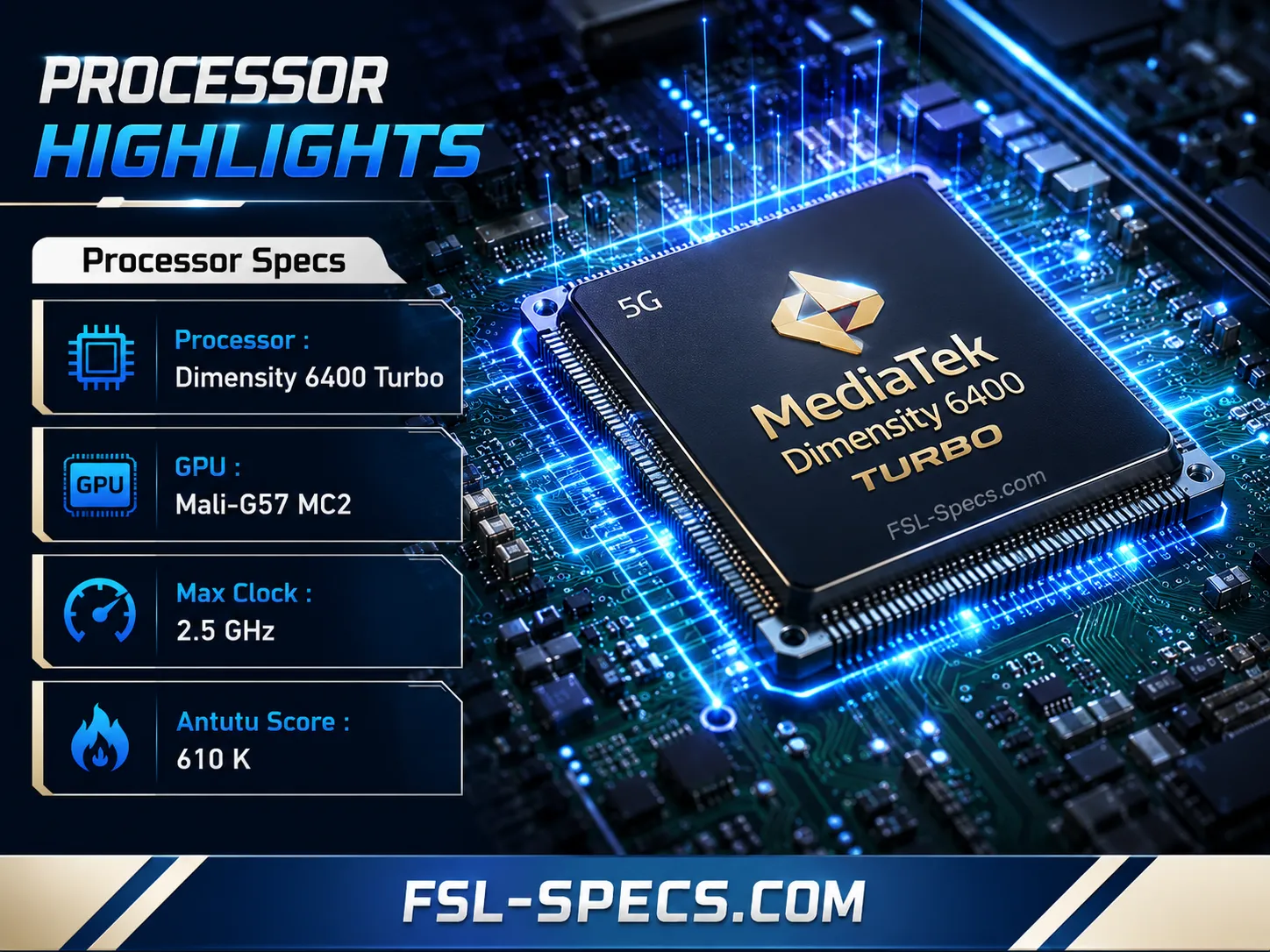
Processor
Dimensity 6400 Turbo
Processor Link
Max Clock
2.5 GHz
Lithography
6 nm
GPU
Mali-G57 MC2
CPU Cores
8 Cores
Antutu v11
610 K
Antutu v10
450 K
Bootup Time
30 s
Architecture
2 x 2.5 GHz Cortex-A76
6 x 2.0 GHz Cortex-A55
Ram Memory
8 + 256 GB
Ram Type
LPDDR4X
Storage Type
UFS 2.2
SD Card
Yes
Variants
8 + 128GB
8 + 256GB
12 + 256 GB
MP
Rear Camera
50 + 2 MP
Front Camera
50 MP
SENSORS
Camera Sensors
50 MP = Sony IMX852
2 MP = Not Confirm
Front Sensors
–
RECORDING FPS
Main Recording
1080p @ 30/60 fps
Front Recording
1080p @ 30/60fps
RESOLUTION
Main Resolution
8150 x 6150 pixels
Front Resolution
8192 x 6144 Pixels
ZOOM
D Digital Zoom
10 x
FLASH
Flash
LED
Front Flash
One LED Flash
Capacity
7000 mAH
Fast Charging
60 W
Li Battery Type
Silicon-Carbon
REVERSE
Reverse Wired
Yes
OTHER
Battery PC Marks
14 h 38m
Charging Time
~60-70m ( 0% To 100% )
AUDIO & SENSORS
Speaker
Dual Stereo Speaker
Fingerprint Sensor
Hyper Sonic Front Finger
Other Sensors
Accelerometer
Gyroscope
Proximity Sensor
Ambient Light Sensor
Electronic Compass
Infrared (IR) Blaster,etc
Special Features

Color spectrum sensor (GSMArena)
Laser AF (GSMArena)
Dual-Edge display design, 3D curved glass (Kimovil)
IR Blaster
Reverse wired charging

BASIC INFO
Mobile
Realme 16
Model
RMX5171
Series
Realme Number
Category
Mid-range
Release Date
29 January,2025
Year
2025
CONNECTIVITY
Sim
Dual SIM
Network
4G / 4G+ / 5G
WiFi
Wi-Fi 5
Bluetooth
5.3 v
NFC
Yes
OS
Android 17
BODY
Dimensions
158.3 x 75.1 x 8.1 mm
Build
Plastic ( Frame And Back)
KG Weight
183 g
Screen Size
6.57 inch
Resolution
1080 x 2372 Pixels
Type
AMOLED
Refresh Rate
120 Hz
Peak Brightness
4500 nits
HBM Brightness
1400 nits
Processor
Dimensity 6400 Turbo
Processor Link
Max Clock
2.5 GHz
Lithography
6 nm
GPU
Mali-G57 MC2
CPU Cores
8 Cores
Antutu v11
610 K
Antutu v10
450 K
Bootup Time
30 s
Architecture
2 x 2.5 GHz Cortex-A76
6 x 2.0 GHz Cortex-A55
Ram Memory
8 + 256 GB
SD Card
Yes
Ram Type
LPDDR4X
Storage Type
UFS 2.2
Variants
8 + 128GB
8 + 256GB
12 + 256 GB
MP
Rear Camera
50 + 2 MP
Front Camera
50 MP
SENSORS
Main Camera Sensors
50 MP = Sony IMX852
2 MP = Not Confirm
Front Camera Sensors
–
RECORDING FPS
Main Recording
1080p @ 30/60 fps
Front Recording
1080p @ 30/60fps
RESOLUTION
Main Resolution
8150 x 6150 pixels
Front Resolution
8192 x 6144 Pixels
ZOOM
D Digital Zoom
10 x
FLASH
Flash
LED
Front Flash
One LED Flash
Capacity
7000 mAH
Fast Charging
60 W
Li Battery Type
Silicon-Carbon
REVERSE
Reverse Wired
Yes
OTHER
Battery Life PCMark
14 h 38m
Charging Time
~60-70m ( 0% To 100% )
AUDIO & SENSORS
Speaker
Dual Stereo Speaker
Fingerprint Sensor
Hyper Sonic Front Finger
Other Sensors
Accelerometer
Gyroscope
Proximity Sensor
Ambient Light Sensor
Electronic Compass
Infrared (IR) Blaster,etc
Special Features

Color spectrum sensor (GSMArena)
Laser AF (GSMArena)
Dual-Edge display design, 3D curved glass (Kimovil)
IR Blaster
Reverse wired charging

Highlights & Review Of Realme 16

Display Review:

The realme 16 5G features a 6.57-inch FHD+ AMOLED display with a 120Hz refresh rate, while the Infinix Note 60 Pro offers a larger 6.78-inch 1.5K AMOLED panel with up to 144Hz. The OPPO Reno13 combines a 6.59-inch FHD+ AMOLED screen with 120Hz, whereas the vivo V70 FE features a 6.83-inch AMOLED display with 2800 × 1260 resolution and a 120Hz refresh rate.

Display specificationrealme 16 5GInfinix Note 60 ProOPPO Reno13vivo V70 FE
PanelAMOLEDAMOLEDAMOLEDAMOLED
Size6.57 inches6.78 inches6.59 inches6.83 inches
Resolution2372 × 10802644 × 12082760 × 12562800 × 1260
Refresh rate120HzUp to 144Hz120Hz120Hz
Brightness4200-nit peak4500-nit peak1200-nit HBM1900-nit local peak

The Infinix Note 60 Pro is the strongest choice for high-refresh-rate gaming because its screen supports up to 144Hz. This specification allows compatible games and interface animations to display more frames per second than the 120Hz panels of the other three phones. Actual game frame rates depend on game support and hardware performance.

The vivo V70 FE offers the largest display and highest listed resolution, making it attractive for reading, watching videos and viewing detailed images. The OPPO Reno13 also provides a relatively high pixel density of 460 PPI, while the realme 16 5G offers a 10-bit panel, 397 PPI and a stated typical high-brightness-mode rating of 1400 nits.

Brightness figures need careful interpretation: peak brightness, high-brightness mode and local peak brightness are not necessarily equivalent test measurements. Therefore, the figures above should not be treated as a perfectly standardized outdoor visibility test.

Display verdict: Choose the Infinix Note 60 Pro for maximum refresh rate, the vivo V70 FE for screen size and resolution, or the realme 16 5G for a more compact display. The OPPO Reno13 remains a competitive option for users who prefer a smaller, high-density AMOLED screen.

Processor Review:

The realme 16 5G is powered by the MediaTek Dimensity 6400 Turbo, built on a 6nm process. It has two Cortex-A76 performance cores at up to 2.5GHz, six Cortex-A55 efficiency cores at up to 2.0GHz, and a Mali-G57 MC2 GPU. The phone also includes a 6,050mm² vapour chamber, which helps control heat during extended use, although the chipset remains entry-level for its price segment.

The verified realme 16 AnTuTu v11 result is 612,195 points, broken down into 237,790 CPU, 47,559 GPU, 125,678 memory, and 201,168 UX points. Geekbench 6 results are approximately 803 single-core and 2,047 multi-core. This performance is sufficient for social media, streaming, navigation, office apps, and casual gaming, but demanding games such as BGMI or heavier titles require reduced graphics settings.

The Infinix Note 60 Pro uses the Snapdragon 7s Gen 4, a 4nm chipset with one Cortex-A720 core at 2.7GHz, three performance cores at 2.4GHz, four efficiency cores at 1.8GHz, and an Adreno 810 GPU. Infinix claims an AnTuTu v11 score above 1.1 million points, while third-party results are lower at around 963,648 points. Its 4,758mm² vapour chamber and support for selected 120fps games make it better suited to sustained gaming than the realme 16 5G.

The Oppo Reno 13 is powered by the MediaTek Dimensity 8350, manufactured on a 4nm process, with a Mali-G615 MC6 GPU. It records approximately 1,727,874 points on AnTuTu v11, making it the clear performance leader in this comparison. Its stronger CPU and GPU provide better app-opening speeds, multitasking, gaming stability, and long-term performance than both the realme 16 5G and Infinix Note 60 Pro.

The vivo V70 FE uses the MediaTek Dimensity 7360 Turbo, a 4nm chipset with four Cortex-A78 cores at up to 2.5GHz, four Cortex-A55 cores at 2.0GHz, and a Mali-G615 MC2 GPU. Its AnTuTu v11 result is listed at approximately 990,000 points. This places it above the realme 16 5G but below the Oppo Reno 13. The vivo V70 FE is suitable for everyday use and moderate gaming, but it is not intended to compete with higher-performance gaming phones.

Processor & Benchmark Comparison

Featurerealme 16 5GInfinix Note 60 ProOppo Reno 13vivo V70 FE
ProcessorDimensity 6400 TurboSnapdragon 7s Gen 4Dimensity 8350Dimensity 7360 Turbo
Process6nm4nm4nm4nm
CPU configuration2× 2.5GHz + 6× 2.0GHz1× 2.7GHz + 3× 2.4GHz + 4× 1.8GHzOcta-core, up to 3.35GHz4× 2.5GHz + 4× 2.0GHz
GPUMali-G57 MC2Adreno 810Mali-G615 MC6Mali-G615 MC2
AnTuTu v11612,195~963,648; over 1.1M claimed~1,727,874~990,000
Geekbench 6 single-core~803Not consistently verified~1,300+Not consistently verified
Geekbench 6 multi-core~2,047Not consistently verified~4,500+Not consistently verified
Cooling6,050mm² vapour chamber4,758mm² 3D vapour chamberStandard thermal solutionNot clearly specified
Best forBasic use and casual gamingMid-range gamingGaming and multitaskingBalanced daily use

AnTuTu v11 Percentage Difference

Using the verified or published scores:

  • Oppo Reno 13 vs realme 16 5G: approximately 182% faster.

  • Infinix Note 60 Pro vs realme 16 5G: approximately 57% faster using the third-party score of 963,648.

  • vivo V70 FE vs realme 16 5G: approximately 62% faster.

  • Oppo Reno 13 vs Infinix Note 60 Pro: approximately 79% faster using the third-party Infinix score.

  • Oppo Reno 13 vs vivo V70 FE: approximately 75% faster.

  • vivo V70 FE vs Infinix Note 60 Pro: approximately 3% faster using the listed scores.

  • Realme 16 5G vs Infinix Note 60 Pro: the Infinix phone scores about 36% higher than the realme 16 when calculated against the Infinix score.

  • Realme 16 5G vs vivo V70 FE: the vivo V70 FE scores about 38% higher than the realme 16.

The Infinix result has two figures because Infinix claims over 1.1 million, while independent databases report approximately 963,648. These should not be treated as identical test results.

Performance Verdict

The Oppo Reno 13 is the clear winner for performance, with around 1.73 million AnTuTu v11 points and the strongest Dimensity 8350 chipset. The vivo V70 FE and Infinix Note 60 Pro occupy the middle tier, with approximately 990,000 and 963,648 points respectively; the Infinix model is the better gaming-focused option because of its larger cooling system and official 120fps support in selected games.

Ram & Memory Review:

The OPPO Reno13 and vivo V70 FE have the strongest documented memory configurations in this comparison, with LPDDR5-class RAM and UFS 3.1 storage. The realme 16 5G uses LPDDR4X RAM and UFS 2.2 storage, while the Infinix Note 60 Pro combines LPDDR5 RAM with UFS 2.2 storage.

PhoneExact variantPhysical RAM typeStorage type
realme 16 5G8GB + 256GBLPDDR4XUFS 2.2
Infinix Note 60 Pro8GB + 256GBLPDDR5UFS 2.2
OPPO Reno1312GB + 256GBLPDDR5XUFS 3.1
vivo V70 FE8GB + 256GBLPDDR5XUFS 3.1

The OPPO Reno13’s 12GB of physical RAM gives it a capacity advantage over the three 8GB variants when keeping multiple applications active. This does not mean every task will run faster, because memory management, processor performance and software optimization also affect multitasking.

The vivo V70 FE matches the OPPO’s documented RAM and storage technologies in the supplied 8GB + 256GB configuration. Both phones use UFS 3.1, although real-world transfer speeds depend on implementation and workload. The Infinix Note 60 Pro’s LPDDR5 memory is a step above the realme’s LPDDR4X specification, but both use UFS 2.2 storage.

The realme 16 5G has one practical advantage: its official specification page confirms support for a memory card. The cited Infinix, OPPO and vivo specifications do not establish equivalent expandable-storage support for these exact variants. Virtual or extended RAM should not be counted as a replacement for physical memory.

RAM and memory verdict: The OPPO Reno13 leads in physical RAM capacity, while the OPPO Reno13 and vivo V70 FE have the stronger listed storage interfaces. The realme 16 5G is worth considering if expandable storage matters more than faster internal memory.

Cameras Review:

The realme 16 5G has a dual rear-camera setup with a 50MP Sony IMX852 main sensor (1/2.93-inch, f/1.8, autofocus) and a 2MP monochrome/depth sensor. It also features a 50MP front camera with an f/2.4 aperture. The phone includes a rear selfie mirror, Aura Ring Flash, voice countdown, Say Hi gesture capture, LumaColor Image processing, Vibe Master Mode, and AI portrait tools.

For video, the realme 16 5G records from its rear camera up to 1080p at 30fps, with gyro-EIS. Slow-motion recording is available at 1080p/120fps and 720p/120/240fps. The front camera supports 1080p at 30/60fps. It does not have 4K recording, and there is no dedicated ultrawide camera.

The Infinix Note 60 Pro features a 50MP OIS main camera and an 8MP ultrawide camera, paired with a 13MP front camera. The main camera records up to 4K at 30fps, while the ultrawide camera supports up to 1440p at 30fps. It is more versatile than the realme 16 5G because it includes an ultrawide lens and OIS, but its selfie camera has much lower resolution than realme’s 50MP front camera.

The Oppo Reno 13 offers a 50MP main camera with OIS, an 8MP ultrawide camera, and a 50MP autofocus front camera. Its main camera records up to 4K at 60fps, while the ultrawide camera is limited to 1080p at 30fps. The Reno 13 is the strongest option for video recording and selfies in this comparison, although it does not include a dedicated telephoto camera.

The vivo V70 FE uses a 200MP main camera with OIS and PDAF, an 8MP ultrawide camera, and a 32MP front camera on the international version. It records up to 4K at 30fps from the main and front cameras, while the ultrawide camera is limited to 1080p at 30fps. Its 200MP sensor produces high-resolution photos and allows more flexible cropping, but the phone lacks a dedicated telephoto lens.

Camera Comparison Table

Featurerealme 16 5GInfinix Note 60 ProOppo Reno 13vivo V70 FE
Main camera50MP Sony IMX852, f/1.8, AF50MP, OIS50MP, OIS200MP, OIS, PDAF
Secondary camera2MP monochrome/depth8MP ultrawide8MP ultrawide8MP ultrawide
TelephotoNoneNoneNoneNone
Front camera50MP, f/2.413MP50MP autofocus32MP international variant
Rear video1080p@30fps4K@30fps4K@60fps4K@30fps
Slow motion1080p@120fps; 720p@120/240fpsNot clearly verifiedNot clearly verifiedNot clearly verified
Front video1080p@30/60fpsUp to 4K@30fpsUp to 4K@30/60fps, region-dependent4K@30fps
OISNot confirmed for the base realme 16 5GMain cameraMain cameraMain camera
Special featuresSelfie Mirror, Aura Ring Flash, AI portraitsHDR videoAI imaging and 4K video200MP high-resolution photos
Best forPortrait selfies and casual photosEveryday photography with ultrawideSelfies and video recordingDetailed daylight photography

Camera Verdict

The Oppo Reno 13 is the best overall camera phone in this comparison because it combines a 50MP OIS main camera, 50MP autofocus selfie camera, and 4K@60fps video. The vivo V70 FE is the best choice for high-resolution photography because of its 200MP OIS main sensor, while the Infinix Note 60 Pro offers the most practical rear-camera flexibility with its ultrawide lens and 4K recording.

Battery Review:

The realme 16 5G has the largest battery in this comparison: a 7,000mAh typical-capacity cell with a 6,830mAh rated capacity. It supports 60W wired fast charging, as well as 45W PPS, 13.5W PD 2.0, and 10W BC1.2 charging standards. This combination should provide excellent endurance for streaming, browsing, and daily use, although the 60W charging speed is slower than the Oppo Reno 13’s 80W system.

The Infinix Note 60 Pro uses a 6,500mAh battery and supports 90W wired fast charging. Its large cell offers strong endurance, while the higher charging wattage allows faster top-ups than the realme 16 5G. The phone is a good option for users who want a large battery without giving up fast charging.

The Oppo Reno 13 includes a 5,600mAh battery with 80W SuperVOOC wired charging. In testing, it achieved an Active Use Score of approximately 16 hours and 50 minutes. It charged to around 41% in 15 minutes, 74% in 30 minutes, and reached full charge in approximately 43 minutes, making it the fastest documented charger in this comparison.

The vivo V70 FE has a 7,000mAh battery and supports 90W wired fast charging. Its capacity matches the realme 16 5G, while its 90W charging system offers faster top-ups. The V70 FE is therefore better suited to heavy users who want both long endurance and rapid charging.

Verdict : The realme 16 5G and vivo V70 FE offer the largest batteries at 7,000mAh, but the vivo V70 FE is more attractive for heavy users because it combines the same capacity with 90W charging, compared with the realme phone’s 60W system. The Infinix Note 60 Pro provides the best balance between a large 6,500mAh battery and 90W charging.

The Oppo Reno 13 has the smallest battery, but its efficient Dimensity 8350 chipset and well-tested 80W SuperVOOC system deliver strong real-world endurance and the fastest documented full-charge time.

Final Verdict :

The Oppo Reno 13 offers the best overall memory performance with up to 12GB RAM, 512GB storage, and UFS 3.1. The vivo V70 FE is also strong, but its maximum storage is limited to 256GB. The Infinix Note 60 Pro is adequate for normal use and gaming, but its lack of microSD support and 256GB storage limit make the 12GB+256GB version the safer choice.

Quick Winner by Category

  • Best Display for Gaming: Infinix Note 60 Pro — 144Hz AMOLED display.
  • Best Processor & Performance Potential: OPPO Reno13 — MediaTek Dimensity 8350.
  • Best RAM & Storage: OPPO Reno13 — 12GB RAM and UFS 3.1 storage.
  • Best Main Camera Specifications: vivo V70 FE — 200MP OIS main camera.
  • Best Selfie Camera Specifications: realme 16 5G and OPPO Reno13 — 50MP front cameras.
  • Best Battery Capacity: realme 16 5G and vivo V70 FE — 7000mAh.
  • Best Wired Charging: Infinix Note 60 Pro and vivo V70 FE — 90W.
  • Best Wireless Charging Features: Infinix Note 60 Pro — up to 30W wireless charging.
  • Best Expandable Storage: realme 16 5G — memory-card support.
  • Best Value for Performance-Oriented Users: OPPO Reno13 — a strong hardware package at the supplied PKR 120,000 price.

Important: These are specification-based category winners, not independently tested performance results. A definitive overall winner requires comparable real-world testing.

Final Recommendation

  • Choose Oppo Reno 13 if you want the safest all-round purchase, especially for selfies, video, software, and daily refinement.

  • Choose vivo V70 FE if your priorities are battery life, 200MP photography, and fast charging.

  • Choose Infinix Note 60 Pro if you want the strongest feature-to-price ratio, a 144Hz display, wireless charging, and a large battery.

Overall winner: Oppo Reno 13.
Best value alternative: Infinix Note 60 Pro.

Pros And Cons of Realme 16

Pros of Mobile

✅ Massive Battery — 🔋 7000 mAh capacity
✅ Vibrant Display — 🖥️ AMOLED 120Hz panel
✅ Water Resistant — 💧 IP68/IP69K rating
✅ Bright Screen — ☀️ 4500 nits peak
✅ High-Res Selfies — 🤳 50MP front camera
✅ Lightweight Design — ⚖️ 183g, slim body

Cons of Mobile

❌ Entry Chipset — 🧠 Dimensity 6400 Turbo
❌ No Ultrawide Lens — 🔭 mono depth sensor only
❌ No Headphone Jack — 🎧 USB-C only
❌ Basic Wi-Fi — 📶 no Wi-Fi 6/7

Best For - Not Best For

Best For

🎯 Battery-First Users — 🔋 7000mAh endurance
🎯 Selfie Lovers — 🤳 50MP front cam
🎯 Outdoor Use — 💧 IP68/69K protection
🎯 Budget-Conscious Buyers — 💰 mid-range value
🎯 Light Carry Preference — ⚖️ slim, lightweight

Not Best For

🚫 Heavy Gamers — 🧠 Medium-level chipset
🚫 Wide-Angle Shooters — 🔭 no ultrawide lens
🚫 Wired Audio Users — 🎧 no 3.5mm jack
🚫 Fast Wi-Fi Needs — 📶 lacks Wi-Fi 6/7

Trailer And Unboxing of Realme 16

Disassembly Or Teardown And Gaming Test of Realme 16

Camera Test Realme 16

Related Comparisions

Realme Mobile Series

Realme Mobile Series

FAQs Questions
Picture of Faisal Ur Rehman

Faisal Ur Rehman

Faisal Rehman is the founder and editor of FSL Specs, where he publishes in-depth smartphone specifications, comparisons, buying guides, and technology insights. With extensive experience in mobile hardware research and technical analysis, he provides accurate and up-to-date information on Android smartphones, processors, displays, cameras, batteries, performance benchmarks, and software features. His goal is to simplify complex specifications and help readers choose the right device with confidence.

It's a 6.78" AMOLED panel with a 144Hz refresh rate and HDR10+ support. Brightness ratings are strong on paper 1000 nits typical, 1400 nits in HBM mode, and a claimed 6500 nits peak so it holds up well outdoors even if peak numbers rarely get seen in daily use.

It's powered by the MediaTek Dimensity 7300 Max (4nm) with a Mali-G615 MC2 GPU solid mid-range performance that handles everyday multitasking and casual-to-moderate gaming comfortably, without pushing into flagship territory. It's a reliable daily driver rather than a dedicated gaming beast.

You get a 200MP main sensor (1/1.56", OIS) alongside an 8MP ultrawide, plus a 50MP selfie camera up front. The high-res main sensor pulls in noticeably more detail than the 50MP shooters from previous generations, though it's a simpler dual-camera setup compared to its Pro+ sibling no telephoto here.

The 7000mAh battery is a genuine highlight, easily carrying you through a full day of heavy use and then some. Charging comes via 80W wired support, which gets you topped up quickly without needing to wait around.

5G and NFC are both supported, and connectivity runs through Wi-Fi 6. There's no wireless charging on this model it's wired-charging only, and eSIM support tends to be market-dependent, so it's worth confirming for your specific region.

It carries an IP68/IP69K rating, tested for resistance against high-pressure water jets and immersion up to 2 meters for 30 minutes. Solid protection for the price bracket, though as always, treat lab ratings as a safety net rather than an invitation to go swimming with it.

Three options: 8GB+128GB, 8GB+256GB, and 12GB+256GB, running on UFS 3.1 storage with no expandable card slot so choose based on how much you'll realistically need long-term.

Yes, it records 4K at 30fps, along with 1080p at up to 120fps for smoother slow-motion clips. No 8K here, but that's expected at this price point.

8 + 128GB
₹34,000 INR | $360 | PKR 105,000


8+ 256GB
₹36,000 INR | $390 | PKR 113,000


12+ 256 GB
₹39,000 INR | $420 | PKR  122,000

Scroll to Top