

















• Mobiles
  • Processors
  • Mobiles
  • Processors
  • Mobiles
  • Processors

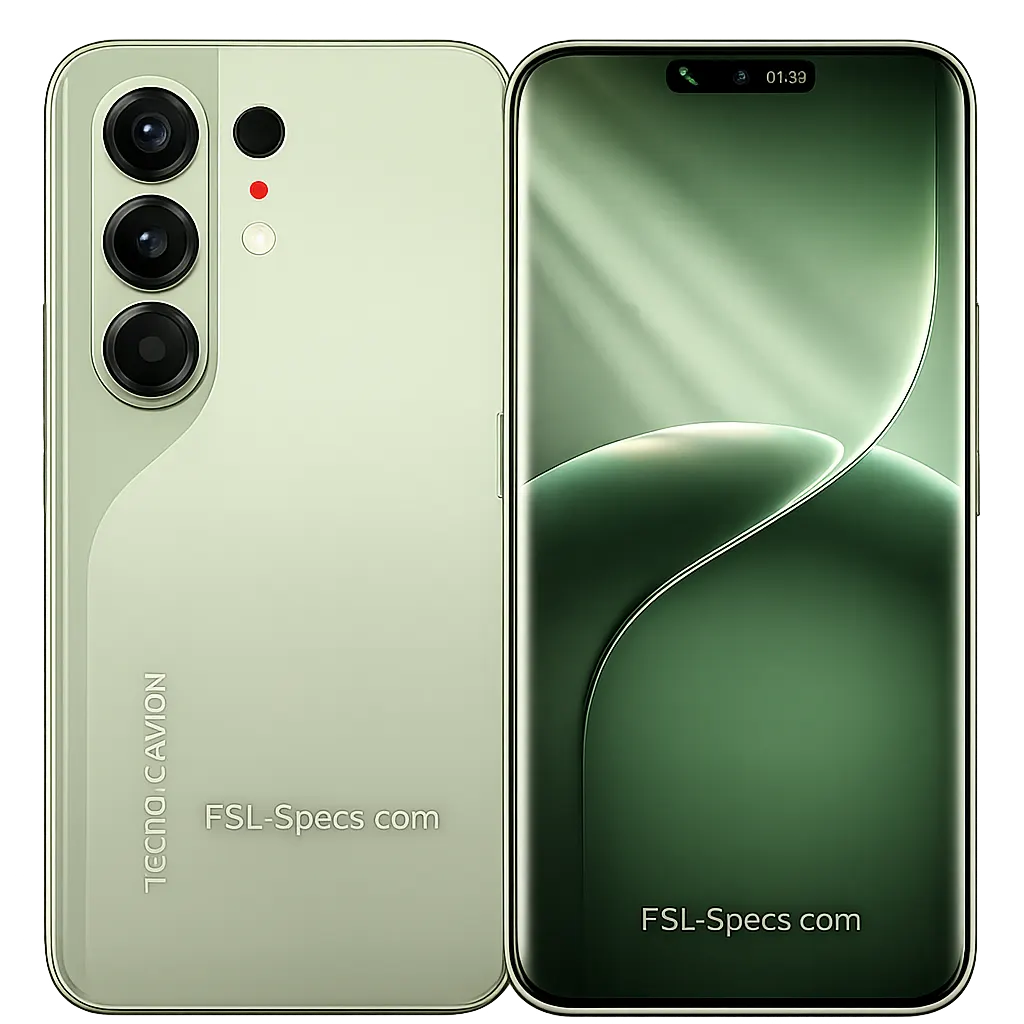
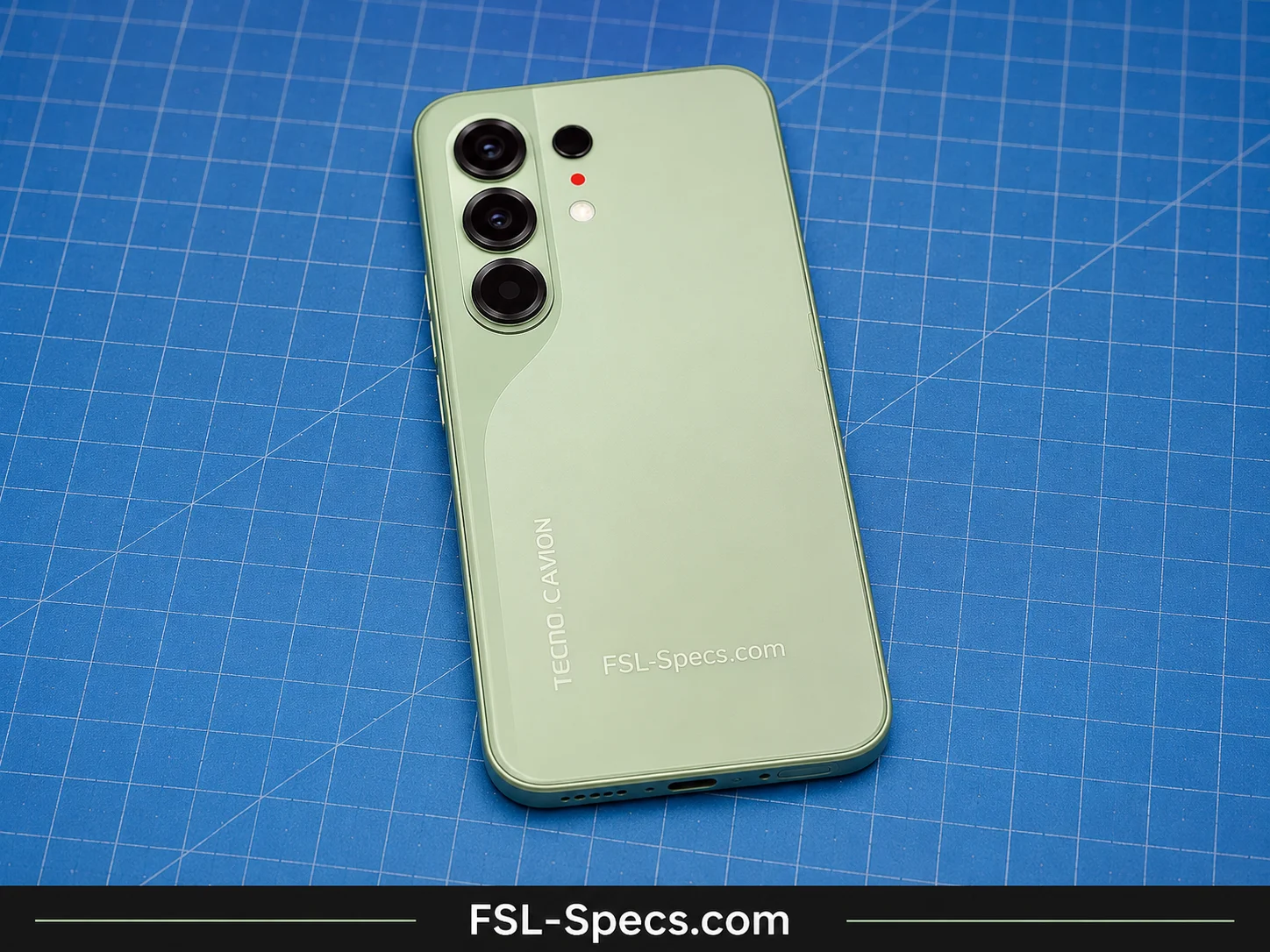
✪ Tecno Camon 50 4G ✪

Tecno Camon 50 4G Specs, Price, Camera, Battery & Best Review (2026)
United States flag United States
$280 USD
…
Pakistan flag Pakistan (PKR)
90,000 PKR
India flag India (INR)
₹27,000 INR

✪ Tecno Camon 50 4G ✪

Tecno Camon 50 4G Specs, Price, Camera, Battery & Best Review (2026)
Last Time Update : 7 October, 2026
0

Quick Specifications

Amoled

Display Type

Helio G200

Processor

8 + 256 GB

Ram And Memory

50+8 MP

Camera

6150 mAh

Battery

45 W

Fast Charging

Full Specification

BASIC INFO
Mobile
Tecno Camon 50 4G
Model
CN5
Series
Camon Series
Category
Mid-Range
Release Date
10 March,2026
Year
2026
CONNECTIVITY
Sim
Nano-SIM + Nano-SIM
Network
4G / 4G+
WiFi
Wi-Fi 5
Bluetooth
5.4
NFC
Yes
OS
Android 17, HiOS 17
BODY
Dimensions
162.4 x 77.2 x 7.5 mm
Build
Plastic ( Frame And Back)
Screen Size
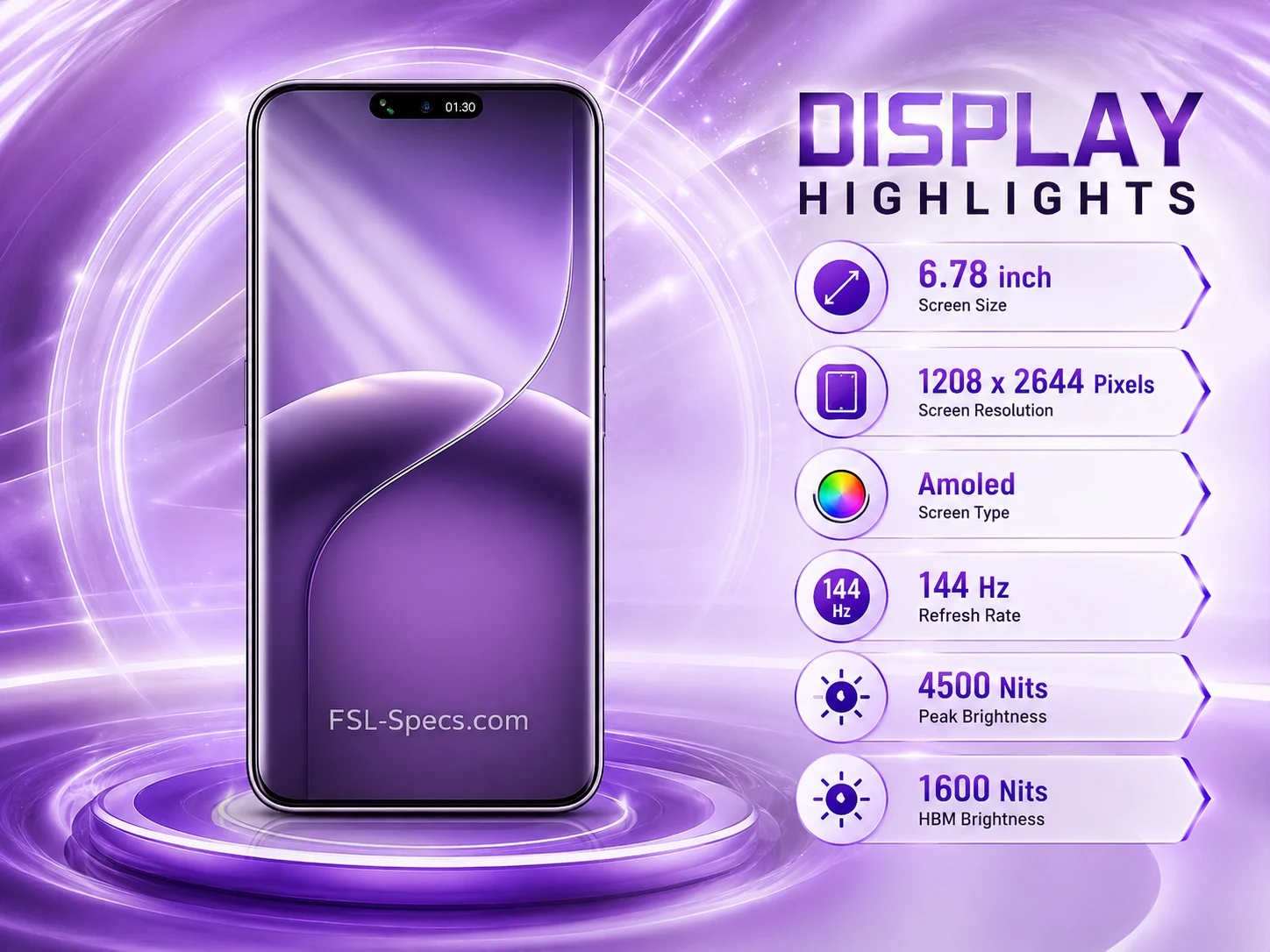
6.78 inch
Resolution
1208 x 2644 Pixels
Type
Amoled
Refresh Rate
144 Hz
Peak Brightness
4500 Nits
HBM Brightness
1600 Nits
Processor
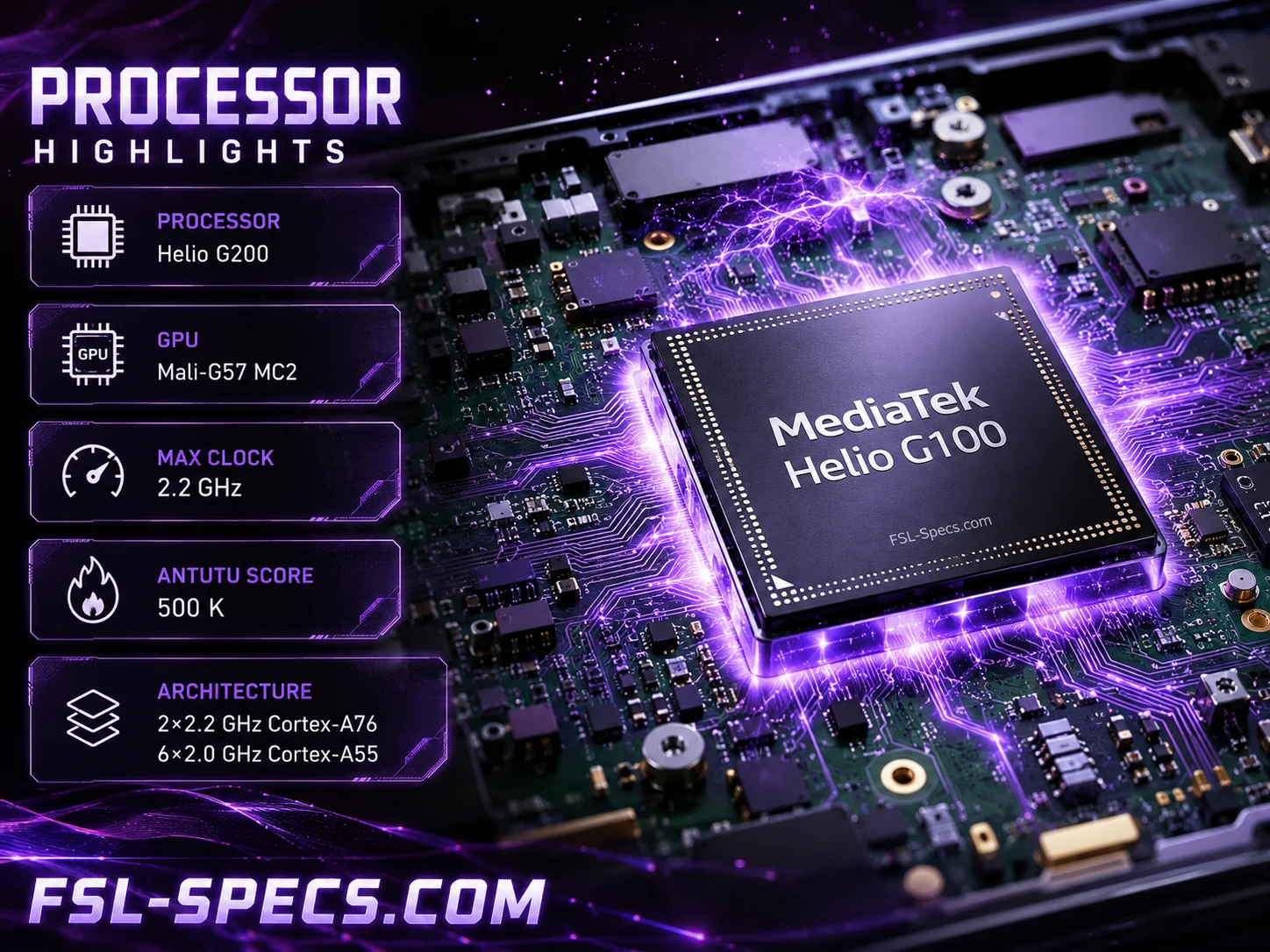
Helio G200
Max Clock
2.2 GHz
Lithography
6 nm
GPU
Mali-G57 MC2
CPU Cores
8 Cores
Antutu v11
450 K
Architecture
2×2.2 GHz Cortex-A76
6×2.0 GHz Cortex-A55
Ram Memory
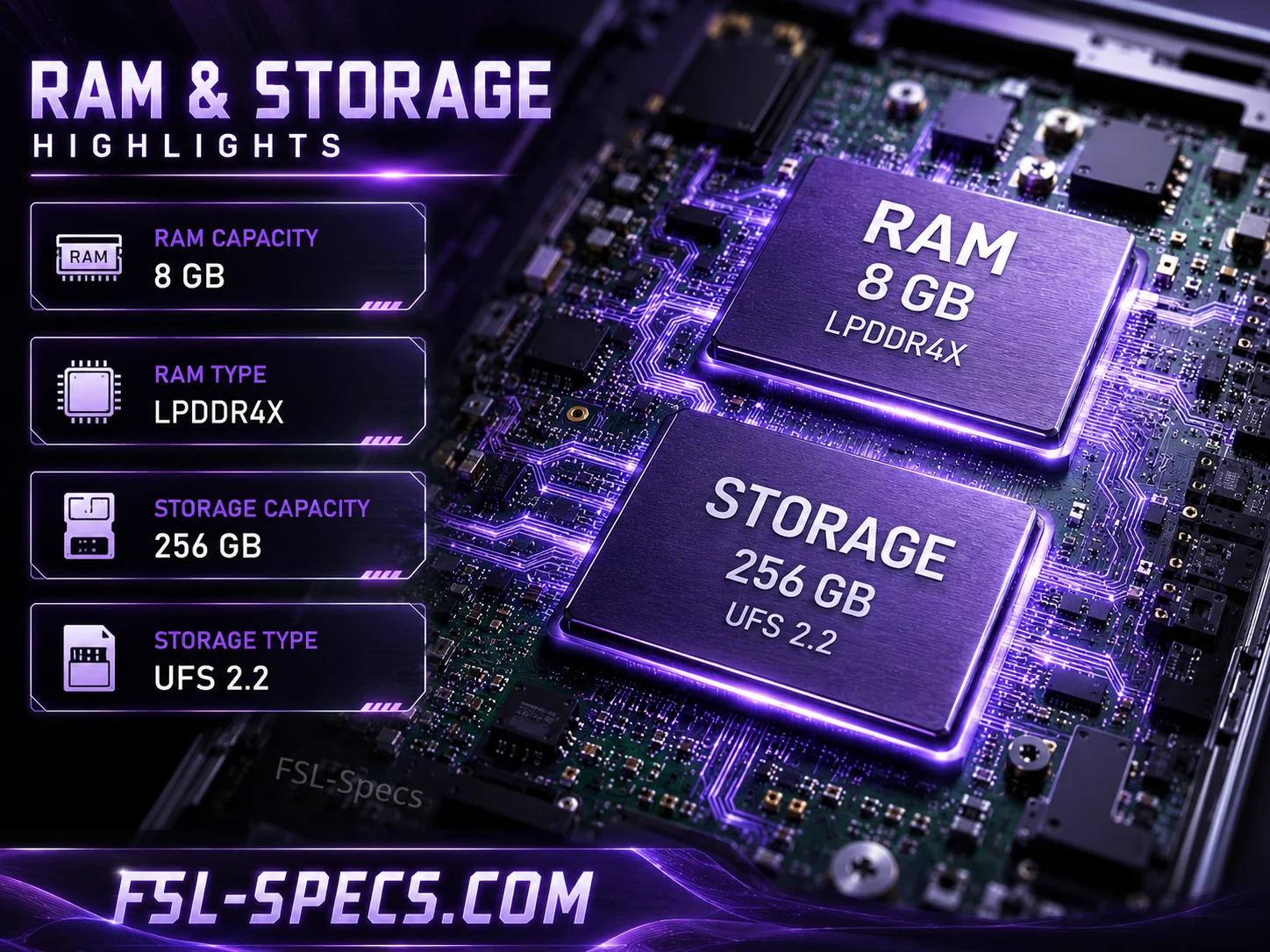
8 + 256 GB
Ram Type
LPDDR4X
Storage Type
UFS 2.2
SD Card
Not Confirm
Variants
8+ 256GB
MP
Rear Camera
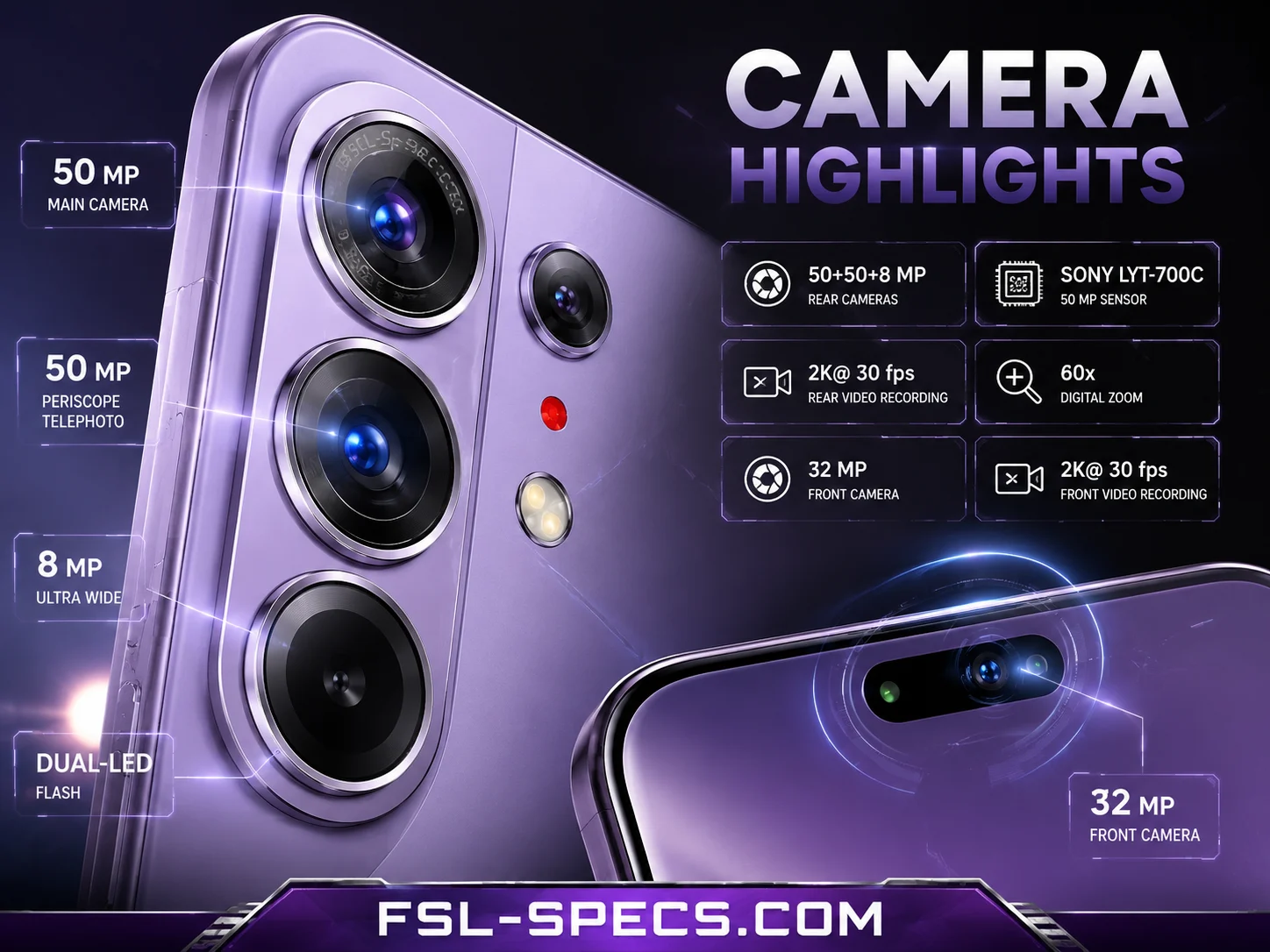
50+8 MP
Front Camera
32 MP
SENSORS
Camera Sensors
–
RECORDING FPS
Main Recording
2K@ 30 fps
1080p@ 60 fps
Front Recording
2K@ 30 fps
1080p@ 60 fps
RESOLUTION
Main Resolution
8160 × 6144 pixels
Front Resolution
6528 × 4896 Pixels
FLASH
Flash
Dual-LED Flash
Front Flash
Screen Flash
Capacity
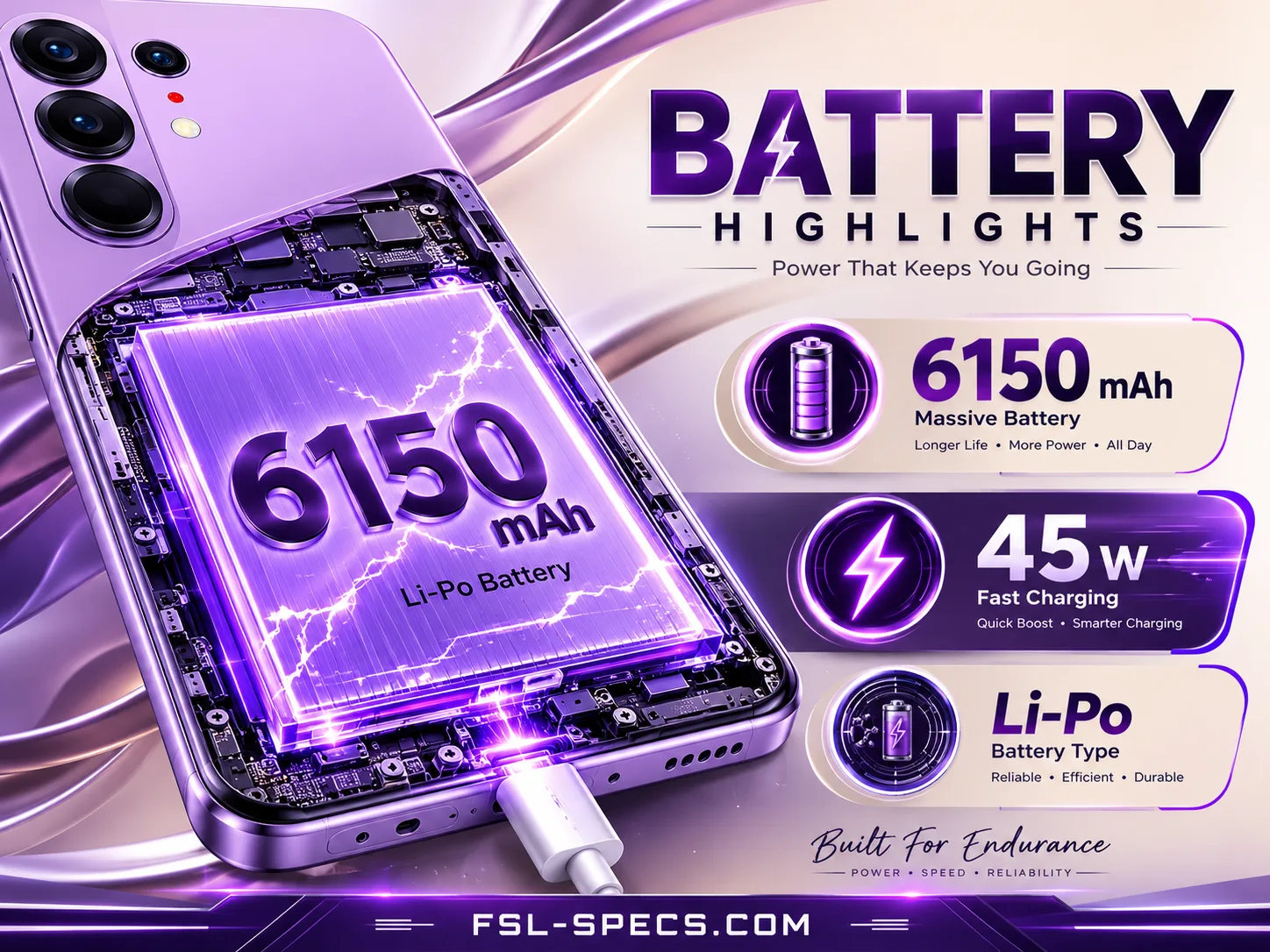
6150 mAh
Fast Charging
45 W
Li Battery Type
Li-Po
REVERSE
Reverse Wired
Yes
OTHER
Charging Time
1 hour 20 mints (0-100%)
AUDIO & SENSORS
Speaker
Dual Stereo Speaker
Fingerprint Sensor
Front Finger
Other Sensors
✅ Accelerometer
✅ Proximity Sensor
✅ Compass
✅ Gyroscope
✅Ambient Light
BASIC INFO
Mobile
Tecno Camon 50 4G
Model
CN5
Series
Camon Series
Category
Mid-Range
Release Date
10 March,2026
Year
2026
CONNECTIVITY
Sim
Nano-SIM + Nano-SIM
Network
4G / 4G+
WiFi
Wi-Fi 5
Bluetooth
5.4
NFC
Yes
OS
Android 17, HiOS 17
BODY
Dimensions
162.4 x 77.2 x 7.5 mm
Build
Plastic ( Frame And Back)
Screen Size
6.78 inch
Resolution
1208 x 2644 Pixels
Type
Amoled
Refresh Rate
144 Hz
Peak Brightness
4500 Nits
HBM Brightness
1600 Nits
Processor
Helio G200
Max Clock
2.2 GHz
Lithography
6 nm
GPU
Mali-G57 MC2
CPU Cores
8 Cores
Antutu v11
450 K
Architecture
2×2.2 GHz Cortex-A76
6×2.0 GHz Cortex-A55
Ram Memory
8 + 256 GB
SD Card
Not Confirm
Ram Type
LPDDR4X
Storage Type
UFS 2.2
Variants
8+ 256GB
MP
Rear Camera
50+8 MP
Front Camera
32 MP
SENSORS
Main Camera Sensors
–
RECORDING FPS
Main Recording
2K@ 30 fps
1080p@ 60 fps
Front Recording
2K@ 30 fps
1080p@ 60 fps
RESOLUTION
Main Resolution
8160 × 6144 pixels
Front Resolution
6528 × 4896 Pixels
FLASH
Flash
Dual-LED Flash
Front Flash
Screen Flash
Capacity
6150 mAh
Fast Charging
45 W
Li Battery Type
Li-Po
REVERSE
Reverse Wired
Yes
OTHER
Charging Time
1 hour 20 mints (0-100%)
AUDIO & SENSORS
Speaker
Dual Stereo Speaker
Fingerprint Sensor
Front Finger
Other Sensors
✅ Accelerometer
✅ Proximity Sensor
✅ Compass
✅ Gyroscope
✅Ambient Light

Highlights & Review Of Tecno Camon 50 4G

Display Review:

The Tecno Camon 50 4G has a 6.78-inch AMOLED display with a 1208 × 2644 resolution, approximately 429 ppi, and a 144Hz refresh rate. Tecno markets this as a 1.5K panel, but technical documentation clarifies that the display is driven at a native 1080 × 2364 resolution and upscaled to 1208 × 2644 by the T1 display chip, which is why some third-party apps may still report a 1080p resolution. The screen is rated up to 2,000 nits peak brightness, with typical brightness lower than this headline number. It supports 2,800Hz PWM dimming, which can reduce eye strain for sensitive users, but it does not support HDR10, HDR10+, or Dolby Vision. This is a large, smooth, and visually appealing panel for gaming, scrolling, and media, with good outdoor readability for its class.

The Realme 13+ 5G uses a flat 6.67-inch AMOLED display with a 1080 × 2400 resolution, around 395 ppi, and a 120Hz refresh rate. Its peak brightness is rated at 2,000 nits, with a typical brightness of 600 nits. It supports HDR10+ and offers high touch-sampling rates for responsive gaming. Compared with the Camon 50 4G, the Realme 13+ 5G has a slightly smaller, less dense panel and a lower refresh rate, but it remains a solid mid-range display for everyday use, streaming, and casual gaming at around PKR 90,000.

The Infinix Note Edge has a 6.78-inch AMOLED display with the same 1208 × 2644 resolution and 429 ppi as the Camon 50 4G, but it runs at a 120Hz refresh rate with 2,160Hz PWM dimming, 700 nits typical, 1,600 nits HBM, and 4,500 nits peak brightness. Its display hardware is very similar to the Camon 50 4G in size and resolution, though the refresh rate is lower and brightness tuning differs. At approximately PKR 93,000, it is a direct rival with nearly identical core display specifications but a more aggressive peak-brightness rating.

The vivo V40 (used) features a 6.78-inch AMOLED display with a higher 1260 × 2800 resolution, around 453 ppi, 120Hz refresh rate, 2,160Hz PWM dimming, and a claimed 4,500 nits peak brightness. Independent testing has recorded a maximum brightness of around 1,353 nits, which is still strong for outdoor use. Its resolution and pixel density are higher than the Camon 50 4G and Infinix Note Edge, making it sharper for text, photos, and detailed content. At roughly PKR 95,000 in the used market, it offers a premium display experience at a mid-range price.

Verdict: The Tecno Camon 50 4G has one of the smoothest displays in this group with its 6.78-inch 144Hz AMOLED and 1.5K-class resolution, closely matched in size and sharpness by the Infinix Note Edge; the vivo V40 is the sharpest with its higher 453 ppi panel, while the Realme 13+ 5G offers a smaller, less dense but still capable 120Hz AMOLED at the same starting price.

Processor Review:

The Tecno Camon 50 4G uses the MediaTek Helio G200 Ultimate chipset on a 6nm process. In AnTuTu v11 testing, it averages around 600,824 points, with roughly 219,000 CPU, 50,000 GPU, 165,000 memory, and 166,000 UX sub-scores. This is adequate for everyday apps, social media, light multitasking, and casual gaming, but it is clearly behind the 5G rivals here in raw processing and graphics power. At approximately PKR 90,000 for the 8GB + 256GB variant, it is positioned as a value camera-and-battery phone rather than a performance leader

The Realme 13+ 5G is powered by the MediaTek Dimensity 7300 Energy chipset on a 4nm process. Realme’s own marketing cites an AnTuTu score of 750,000, while third-party tests show results around 735,000–750,000, which aligns with typical v11 results for this chipset. This places the Realme 13+ 5G clearly ahead of the Camon 50 4G in CPU, GPU, and overall responsiveness, making it better suited for sustained gaming, heavier multitasking, and longer-term performance headroom. At around PKR 90,000 for the 12GB + 256GB version, it offers stronger performance per rupee than the Camon 50 4G.

The Infinix Note Edge uses the MediaTek Dimensity 7100 chipset on a 6nm process. Reported AnTuTu v11 scores vary between approximately 785,000 and 810,000 points depending on software version, thermal conditions, and testing methodology. Even taking a conservative figure around 785,000–790,000, the Note Edge is substantially faster than both the Camon 50 4G and Realme 13+ 5G, delivering more CPU and GPU headroom for gaming, camera processing, and future Android updates. At roughly PKR 93,000 for 8GB + 256GB, it is the performance leader among the new phones in this comparison.gadgets.

The vivo V40 (used) is powered by the Qualcomm Snapdragon 7 Gen 3 on a 4nm process. vivo states an AnTuTu v10 lab score of 830,000 points, while third-party databases show averages around 816,000–820,000 in v10 and approximately 1,010,000 points in AnTuTu v11. This makes the vivo V40 the fastest phone in this group on paper, with a significant lead over the Camon 50 4G and a clear advantage over the Realme 13+ 5G and Infinix Note Edge. In the used market at around PKR 95,000 for 12GB + 256GB, it offers flagship-mid-range performance at a mid-range price, although buyers must consider battery health and warranty status when purchasing used.

Using the most consistent available figures, the approximate AnTuTu v11 performance differences are:

ComparisonAnTuTu v11 scoreApproximate difference
vivo V40 vs Tecno Camon 50 4G1,010,000 vs 600,824vivo V40 is 68% faster
vivo V40 vs Realme 13+ 5G1,010,000 vs 750,000vivo V40 is 35% faster
vivo V40 vs Infinix Note Edge1,010,000 vs 790,000vivo V40 is 28% faster
Infinix Note Edge vs Tecno Camon 50 4G790,000 vs 600,824Note Edge is 31% faster
Infinix Note Edge vs Realme 13+ 5G790,000 vs 750,000Note Edge is 5% faster
Realme 13+ 5G vs Tecno Camon 50 4G750,000 vs 600,824Realme 13+ is 25% faster

Verdict: The vivo V40 is the performance leader with roughly 1 million AnTuTu v11 points, followed by the Infinix Note Edge as the strongest new-phone option; the Realme 13+ 5G offers solid mid-range speed at the same starting price as the Camon 50 4G, while the Tecno Camon 50 4G ranks last in raw performance but remains acceptable for casual users who prioritise camera, design, and battery over gaming and benchmark scores.

Ram & Memory Review:

The supplied variants are 8GB+256GB for the Tecno Camon 50 4G, 12GB+256GB for the Realme 13+ 5G, 8GB+256GB for the Infinix Note Edge, and 12GB+256GB for the vivo V40.

The Camon 50 4G’s official specification describes its configuration as 8GB physical RAM + 8GB extended RAM, giving it a marketed 16GB figure. The additional 8GB is virtual/extended memory and should not be treated as 16GB of physical RAM.

The Realme 13+ 5G has the strongest memory configuration among the new phones because the supplied variant provides 12GB physical RAM and 256GB storage. Its official specifications also identify LPDDR4X RAM and UFS 3.1 storage, giving it an important storage-speed advantage.

The vivo V40 also provides 12GB physical RAM and 256GB storage. Its official specifications list LPDDR4X RAM and UFS 2.2 storage, so it has the same physical RAM capacity as the Realme but a less advanced storage interface.

The Infinix Note Edge supplies 8GB RAM and 256GB storage. Extended RAM may increase the marketed memory figure, but it should not be treated as equivalent to physical RAM.

For heavy multitasking and long-term application retention, the 12GB configurations of the Realme 13+ and vivo V40 are preferable. The Realme gets the edge because its 12GB+256GB configuration is combined with UFS 3.1 storage.

RAM/Storage winner: Realme 13+ 5G

Cameras Review:

The Tecno Camon 50 4G has a dual rear camera system headlined by a 50MP main camera with a 1/1.56-inch sensor, f/1.8 aperture, PDAF, and OIS. It adds an 8MP ultrawide camera with a 112° field of view and autofocus, which is unusual at this price and helps with macro and wide-angle shots. The front camera is a 32MP unit with f/2.5 aperture. Video recording is limited to 1080p@30fps on both rear and front cameras, with no 4K, 60fps, or HDR video modes. At approximately PKR 90,000, the Camon 50 4G offers an OIS main camera and an autofocus ultrawide in the mid-range segment, but its lack of 4K video and 4G-only connectivity limit its appeal for content creators and future-proofing.

The Realme 13+ 5G uses a dual rear camera setup with a 50MP main camera based on the Sony LYT-600 sensor, f/1.8 aperture, PDAF, and OIS, plus an 8MP ultrawide camera. It does not include a dedicated telephoto lens, relying instead on digital zoom and cropping from the main sensor. The front camera is 16MP. Rear video recording supports 4K@30fps, 1080p@30/60/120fps, and gyro-EIS with OIS, while the front camera records up to 1080p@30fps. At around PKR 90,000, the Realme 13+ 5G provides solid main-camera quality with OIS and 4K video, but it lacks the telephoto flexibility and higher-resolution selfie camera found in some rivals.

The Infinix Note Edge has a single rear camera system with a 50MP main camera using the GalaxyCore GC50D1 sensor, f/1.7–1.8 aperture, PDAF, and no OIS. It does not include an ultrawide or telephoto lens. The front camera is 13MP with fixed focus. Rear video recording reaches 1440p@30fps and 1080p@60fps, while the front camera supports 1440p@30fps and 1080p@60fps. At roughly PKR 93,000, the Note Edge offers higher-resolution video than the Camon 50 4G, but its single-camera setup and lack of OIS make it less versatile for photography and low-light stability.

 Its rear setup includes a 50MP main camera with a 1/1.56-inch Samsung ISOCELL GNJ sensor, OIS, and ZEISS optics, plus a 50MP ZEISS ultrawide camera. The front camera is a 50MP ZEISS unit with autofocus and a 92° field of view. All three cameras support 4K@30fps video recording, with additional stabilization modes and ZEISS cinematic portrait video features. In the used market at around PKR 95,000, the vivo V40 delivers flagship-level camera hardware, superior selfie quality, and consistent 4K video across all lenses, making it the strongest camera choice in this comparison despite being a used device.

Verdict: The vivo V40 is the clear camera winner with its triple 50MP ZEISS system, 4K@30fps video on all cameras, and 50MP AF front camera; the Tecno Camon 50 4G offers an OIS main camera and an autofocus ultrawide at this price but is limited to 1080p@30fps video; the Realme 13+ 5G provides a capable 50MP OIS main camera with 4K video but no telephoto hardware, while the Infinix Note Edge has the simplest setup with a single 50MP rear camera and no OIS.

Battery Review:

The Tecno Camon 50 4G and Infinix Note Edge both offer 6500mAh batteries, making them the capacity leaders in this comparison. The Camon 50 supports 45W charging, while the Note Edge also supports 45W charging and offers reverse wired charging.

The vivo V40 has a smaller 5500mAh battery, but it compensates with substantially faster 80W charging. The Realme 13+ 5G has the smallest battery here at 5000mAh, but it also supports 80W Ultra Charge.

Battery capacity alone does not determine endurance. Display resolution, refresh rate, processor efficiency, software optimization and actual workload all influence how long a phone lasts. Therefore, the 6500mAh capacity of the Camon 50 and Note Edge should not automatically be interpreted as a guarantee of longer real-world battery life.

For users who prioritize capacity and long periods away from a charger, the Camon 50 and Note Edge are particularly attractive. The Camon also combines its large battery with a 144Hz 1.5K display, while the Note Edge offers a 120Hz 1.5K-class AMOLED panel.

For charging speed, however, the Realme 13+ and vivo V40 are clearly ahead with 80W charging. The Camon 50 wins the capacity-focused comparison, while the Realme 13+ and vivo V40 win for charging speed.

Battery winner: Tecno Camon 50 4G

Final Verdict :

Best For / Not Best For

Tecno Camon 50 4G — Best For

The Tecno Camon 50 4G is best for buyers who prioritize display quality, battery capacity and camera hardware over maximum processing power. Its 144Hz 1.5K AMOLED display is one of its biggest advantages, and the 6500mAh battery gives it strong capacity credentials.

It is also a sensible choice for users who do not need 5G and prefer a phone with a strong multimedia specification.

Realme 13+ 5G — Best For

The Realme 13+ 5G is best for gaming, performance, multitasking and fast charging. Its Dimensity 7300 Energy, 12GB physical RAM, UFS 3.1 storage, 80W charging and dedicated cooling system give it a well-balanced performance package.

It is the strongest new-phone value choice at the supplied PKR 90,000 price.

Infinix Note Edge — Best For

The Infinix Note Edge is best for users who want a large 1.5K-class AMOLED display and 6500mAh battery without moving to a larger flagship-style device.

Its biggest limitation is performance. The Dimensity 7100 is competent for everyday use but falls behind the Dimensity 7300 Energy and Snapdragon 7 Gen 3.

vivo V40 Used — Best For

The vivo V40 is best for camera quality, performance and premium multimedia use. Its ZEISS camera system, Snapdragon 7 Gen 3, 12GB RAM and 80W charging make it the technically strongest phone here.

The major concern is that the supplied unit is used. Condition, battery health and repair history have not been provided, so those factors cannot be assumed.


Final Verdict

The vivo V40 used ranks first overall because it combines the strongest performance, the most capable camera system, high-resolution AMOLED display, 12GB RAM and 80W charging. Its main disadvantage is not hardware but the fact that the supplied unit is used, with its condition and battery health unconfirmed.

The Realme 13+ 5G is the strongest new-phone alternative and arguably the safest value recommendation at PKR 90,000. It offers substantially stronger performance than the Camon 50 4G, 12GB physical RAM, UFS 3.1 storage, 5G and 80W charging.

The Tecno Camon 50 4G remains highly competitive because of its 1.5K 144Hz AMOLED display, 6500mAh battery and OIS camera hardware. Its major weakness is the Helio G200 Ultimate’s substantially lower performance compared with the 5G rivals.

The Infinix Note Edge is attractive for its 1.5K AMOLED display and 6500mAh battery, but its Dimensity 7100 platform makes it less compelling at PKR 93,000 when the Realme 13+ is available at PKR 90,000.

Overall winner: vivo V40 used

Best new phone for value: Realme 13+ 5G

Best display and battery package: Tecno Camon 50 4G

Best camera: vivo V40


Ranking

RankPhonePricePerformanceCameraDisplayBatteryRAM/StorageOverall
1vivo V40 Used 12+256GBPKR 95,0009.39.69.29.09.09.0
2Realme 13+ 5G 12+256GBPKR 90,0008.77.28.38.39.58.5
3Tecno Camon 50 4G 8+256GBPKR 90,0006.08.79.59.67.58.2
4Infinix Note Edge 8+256GBPKR 93,0007.46.89.09.77.48.2

The Camon 50 and Note Edge are extremely close in the weighted result; the Camon 50 gets the higher position because its camera system and display package provide more practical advantages in this particular comparison.

Price note: All four prices are preserved exactly as supplied in the comparison brief and represent the specified 7 October 2026 retailer snapshots. The vivo V40 price specifically refers to a used unit, so its value depends materially on condition and battery health.

Pros And Cons of Tecno Camon 50 4G

Pros of Mobile

✅ AMOLED Display (6.78″ FHD+ AMOLED)
✅ 120Hz Refresh (Smooth animations)
✅ 50MP OIS (Optical image stabilization)
✅ 5200mAh Battery (All-day endurance)
✅ 45W Charging (Fast wired charging)
✅ Stereo Speakers (Immersive audio)

Cons of Mobile

❌ 4G Only (No 5G connectivity)
❌ Helio G100 (Mid-range performance)
❌ No Ultra-Wide (Missing ultrawide lens)
❌ No Telephoto (Limited optical zoom)
❌ Plastic Frame (Less premium build)
❌ No Wireless (Wireless charging unavailable)

Best For - Not Best For

Best For

✅ Daily Usage
✅ Social Media
✅ Photo Capture
✅ Video Streaming
✅ Casual Gaming
✅ Office Work

Not Best For

❌ 5G Users
❌ Heavy Gaming
❌ Zoom Photography
❌ Flagship Performance
❌ Wireless Charging
❌ Professional Videos

Trailer And Unboxing of Tecno Camon 50 4G

Disassembly Or Teardown And Gaming Test of Tecno Camon 50 4G

Camera Test Tecno Camon 50 4G

Rival Mobiles

TECNO Series Row
Picture of Faisal Ur Rehman

Faisal Ur Rehman

Faisal Rehman is the founder and editor of FSL Specs, where he publishes in-depth smartphone specifications, comparisons, buying guides, and technology insights. With extensive experience in mobile hardware research and technical analysis, he provides accurate and up-to-date information on Android smartphones, processors, displays, cameras, batteries, performance benchmarks, and software features. His goal is to simplify complex specifications and help readers choose the right device with confidence.

FAQs Questions

It features a 6.78" flat AMOLED panel with FHD+ resolution and a 144Hz refresh rate. Tecno hasn't published official peak nits, but AMOLED tech at this size usually delivers solid contrast and decent sunlight visibility for everyday use.

Running on the Helio G200 Ultimate with a Mali-G57 MC2 GPU, it handles daily multitasking, social apps, and casual gaming smoothly. 

You get a 50MP main camera with Sony's LYT700C sensor and OIS, backed by an 8MP ultrawide, and a 32MP selfie shooter up front. Daylight shots come out sharp and well-detailed, though it skips the telephoto lens found on the Pro variant.

The 6150mAh battery is genuinely one of the standout features here, easily stretching across a full day and often into a second. 45W wired charging gets you topped up in roughly an hour to 90 minutes, with no wireless charging support.

This is a 4G-only phone, so no 5G despite the 2026 launch timing. NFC is included, but eSIM, Wi-Fi 7, and wireless charging are all absent.

Yes, it carries IP68/IP69/IP69K certification, which is a genuinely rare find at this price point. That covers dust protection, underwater submersion, and resistance to high-pressure water jets.

The standard configuration is 8GB RAM paired with either 128GB or 256GB storage depending on the market you're buying in. There's no expandable storage slot, so choose your variant based on how much local space you'll actually need.

No, video recording caps out at 2K @30 fps . Neither 4K nor 8K is supported, which fits its positioning as a mid-range everyday device rather than a content-creation phone.

8+ 256GB = 78,000 PKR | 240 $ | 20,000 INR

Scroll to Top