


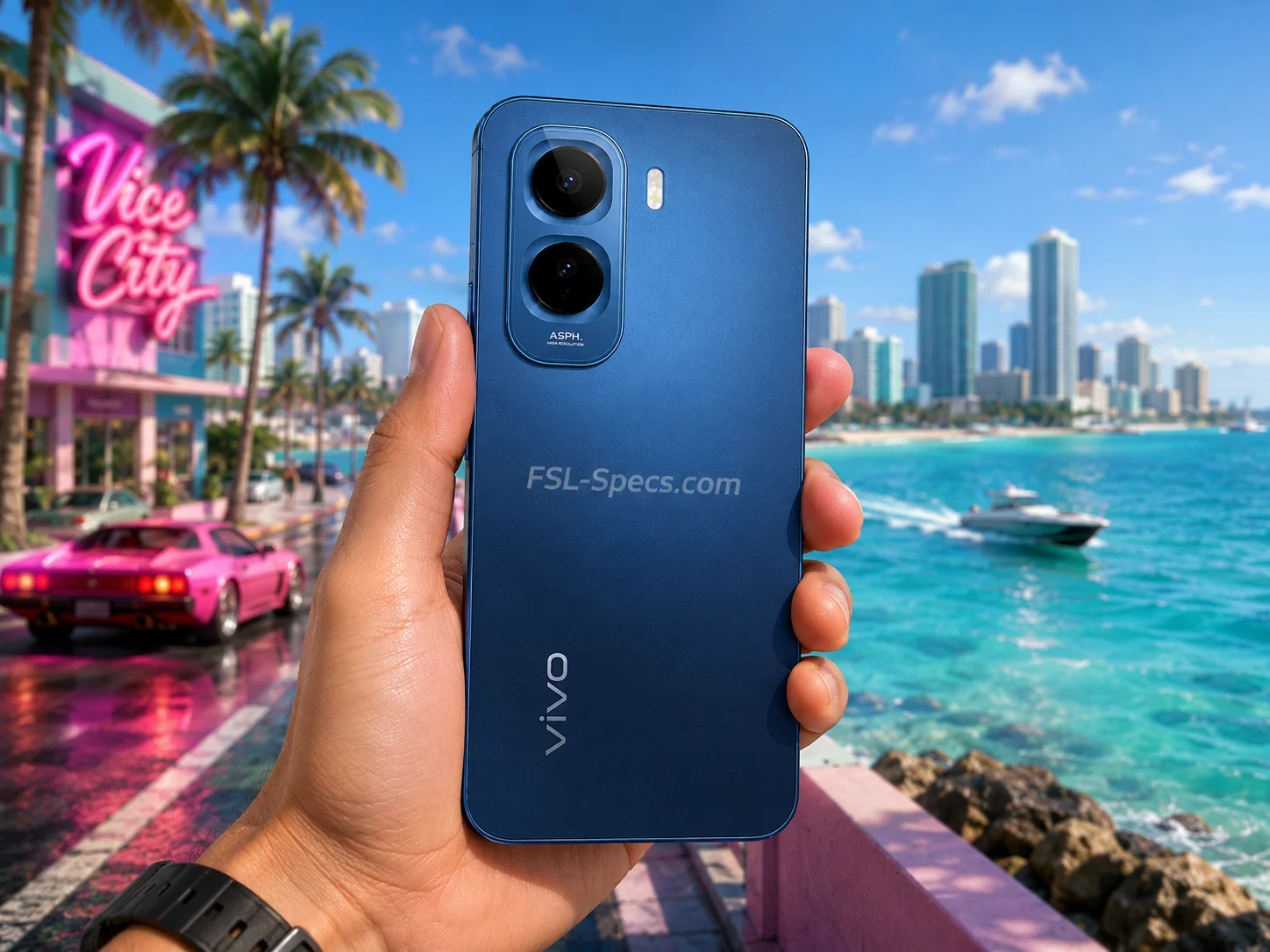
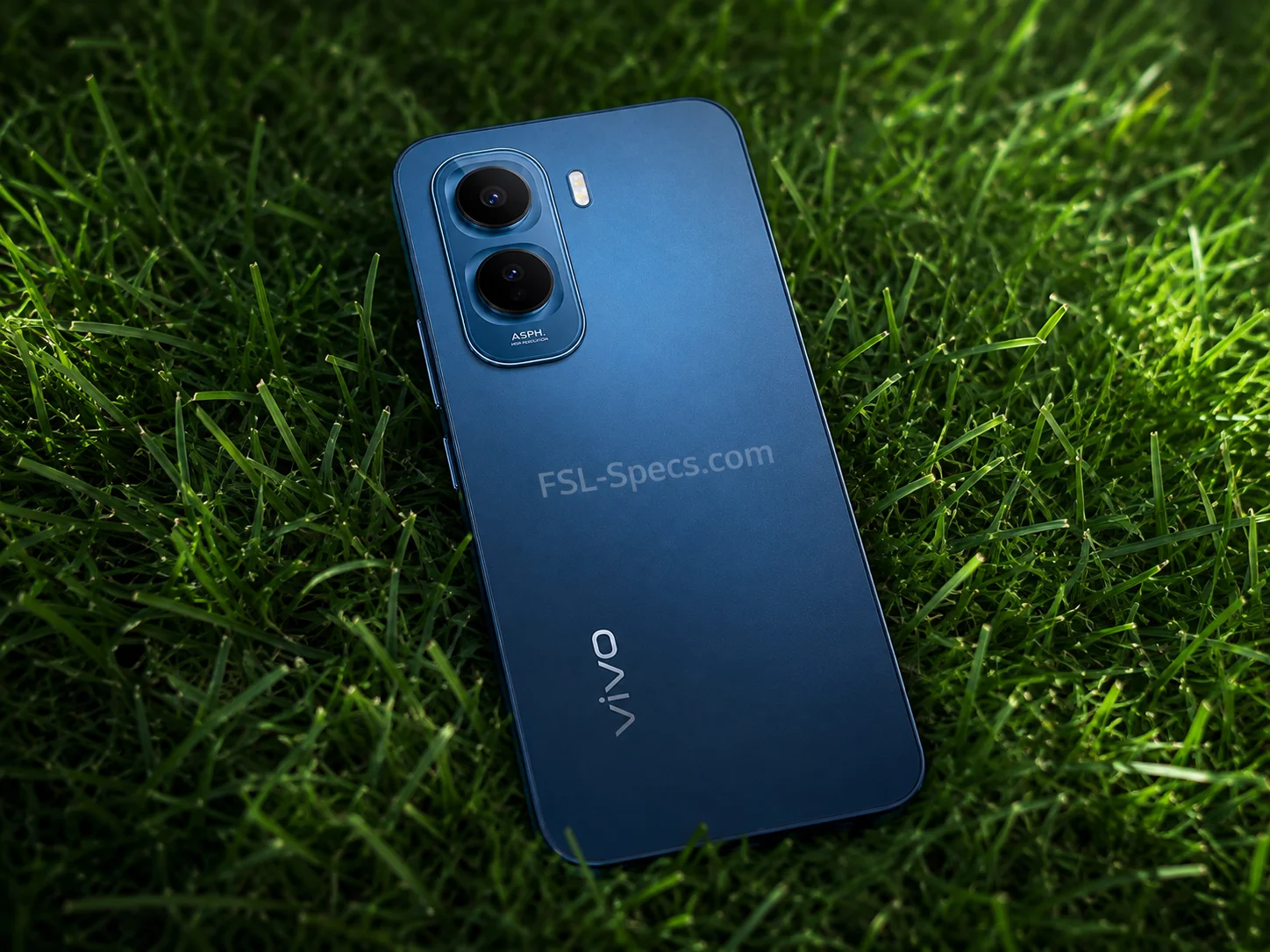
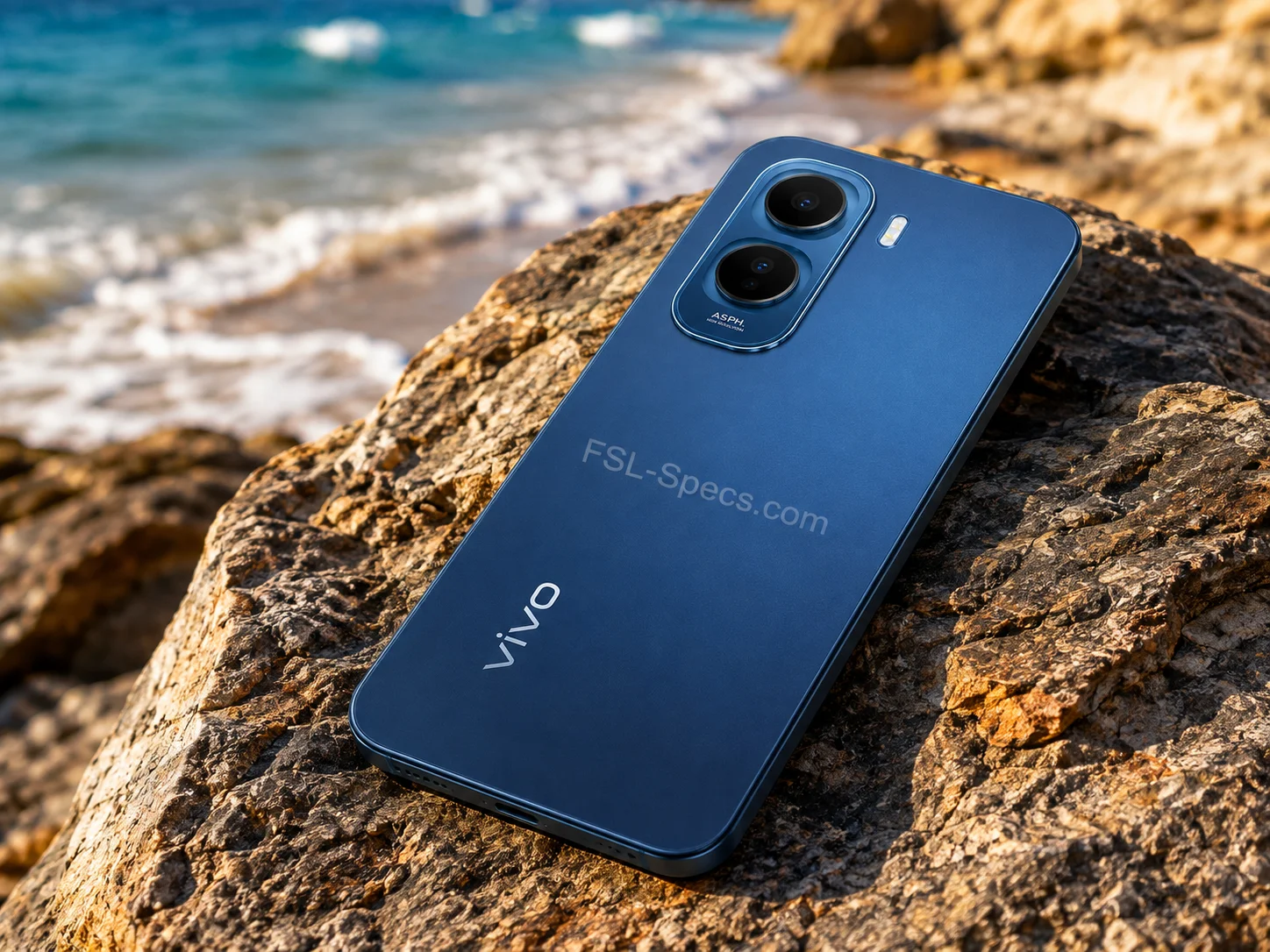
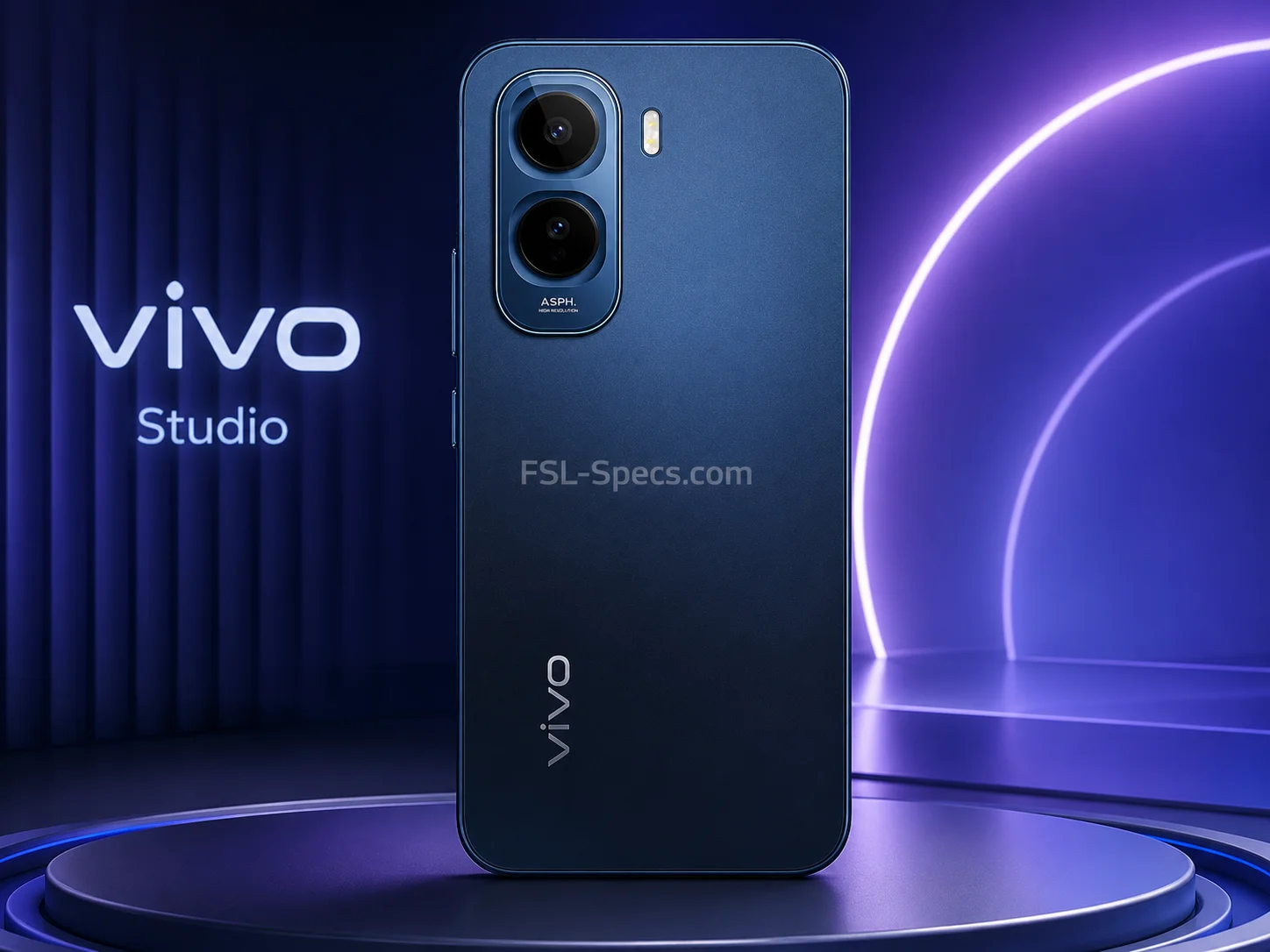














✪ Vivo Y500 ✪

Vivo Y500 Specs, Price, Camera, Battery & Best Review (2026)
United States flag United States
$320 USD
Pakistan flag Pakistan (PKR)
98,000 PKR
India flag India (INR)
₹19,000 INR

✪ Vivo Y500 ✪

Vivo Y500 Specs, Price, Camera, Battery & Best Review (2026)
Last Time Update : 26 August, 2026
0

Quick Specifications

Amoled

Display Type

Unisoc T7300

Processor

8+256 GB

Ram And Memory

50 + 2 MP

Camera

8100 mAh

Battery

44 W

Fast Charging

Full Specification

BASIC INFO
Mobile
Vivo Y500
Model
Not Confirm
Series
Vivo Y Series
Category
Mid-Range
Release Date
7 July,2026
Year
2026
CONNECTIVITY
Sim
Nano-SIM + Nano-SIM
Network
4G
WiFi
Wi-Fi 5
Bluetooth
5.4
NFC
No
OS
Android 16
BODY
Dimensions
163.73 × 76.18 × 8.19 mm
Build
Frame And Back (Plastic)
KG Weight
210g
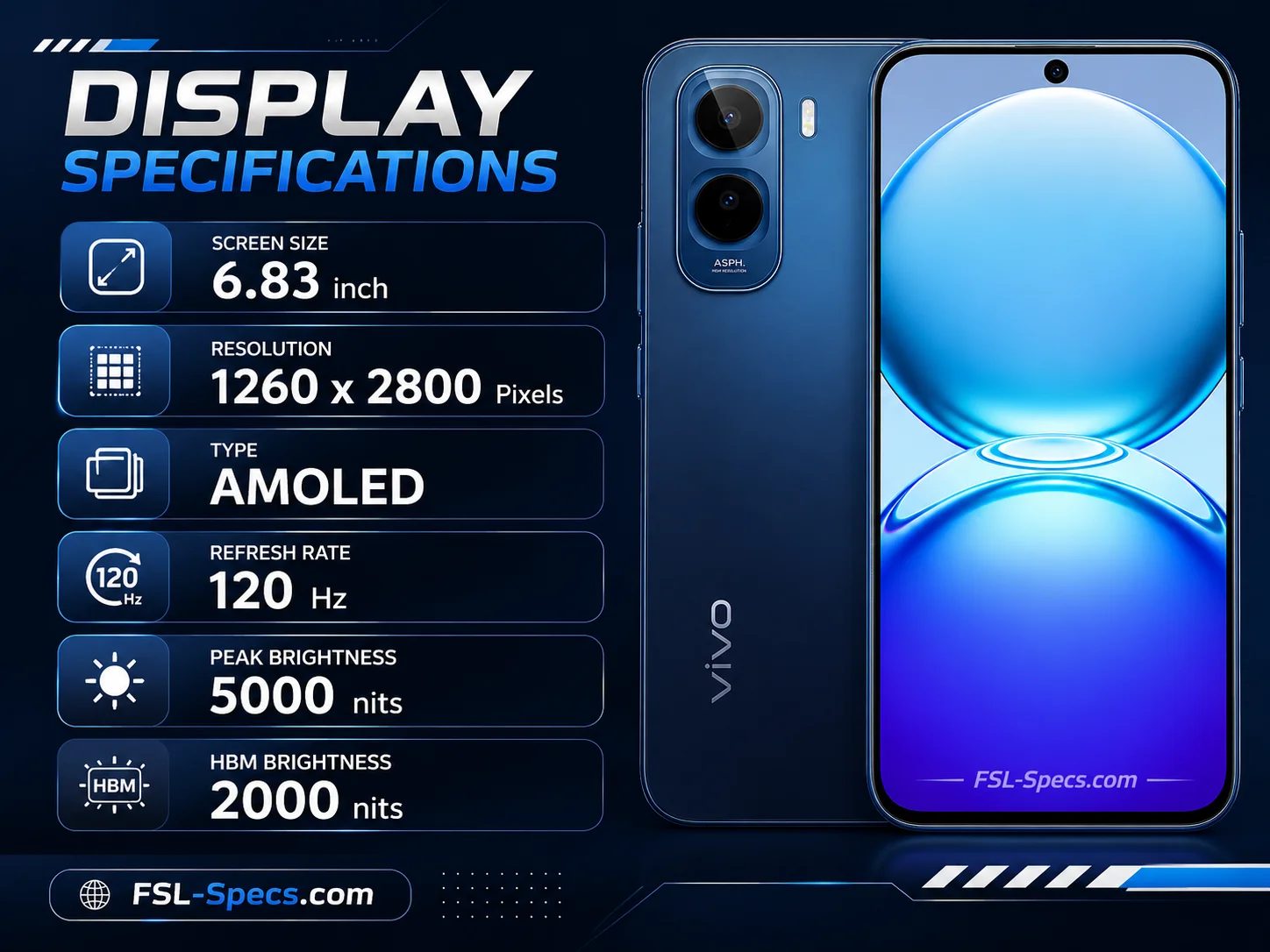
Screen Size
6.83 inch
Resolution
1260 x 2800 Pixels
Type
Amoled
Refresh Rate
120 Hz
Peak Brightness
5000 nits
HBM Brightness
2000 nits
Processor
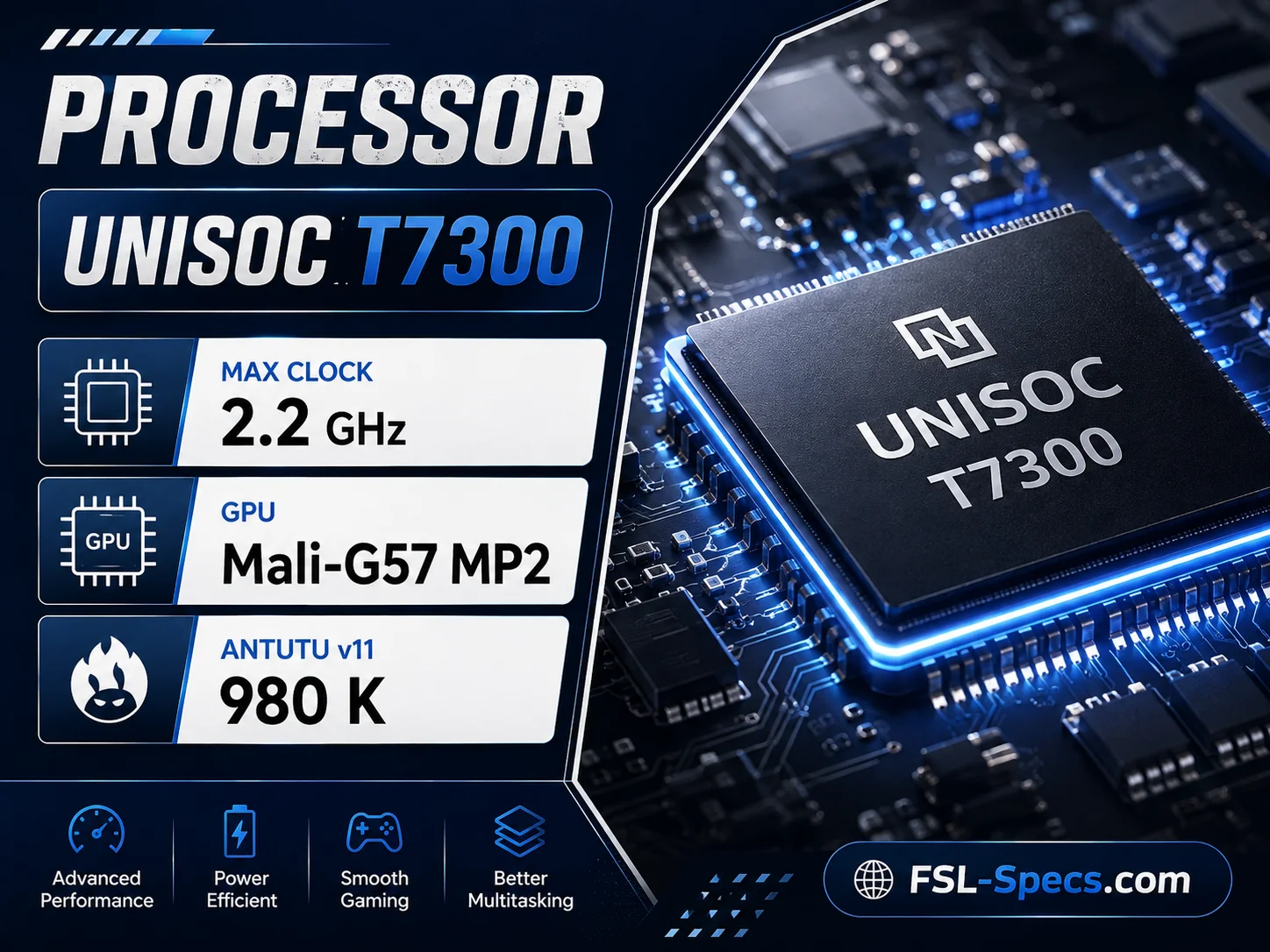
Unisoc T7300
Max Clock
2.2 GHz
Lithography
6 nm
GPU
Mali-G57 MP2
CPU Cores
8 Cores
Antutu v11
980 K
Antutu v10
Not Confirm
Bootup Time
Not Confirm
Architecture
2 x 2.2 GHz Cortex-A78
6 x 2.0 GHz Cortex-A55
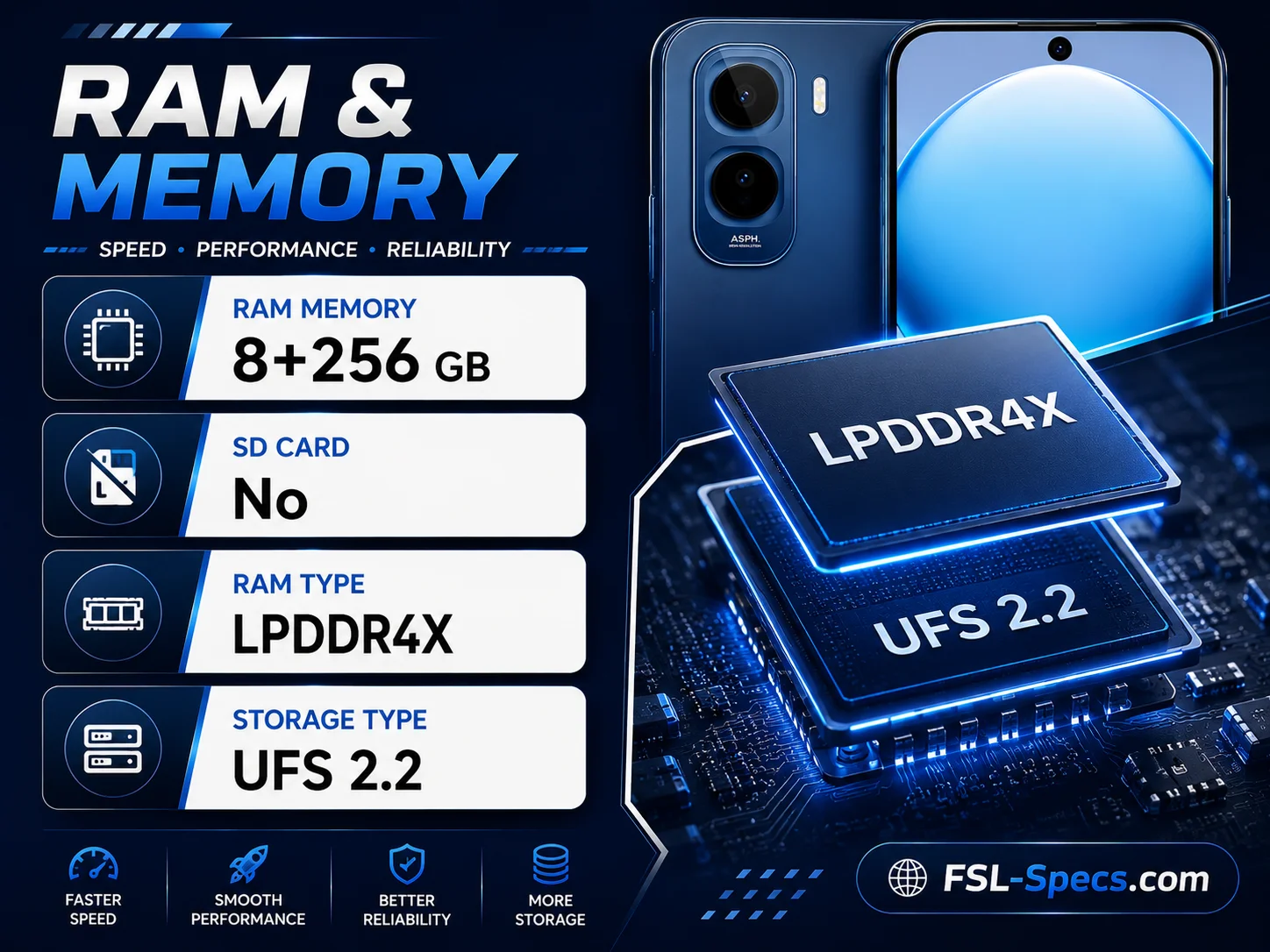
Ram Memory
8+256 GB
Ram Type
LPDDR4X
Storage Type
UFS 2.2
SD Card
No
Variants
8 + 128 GB
8 + 256 GB
MP
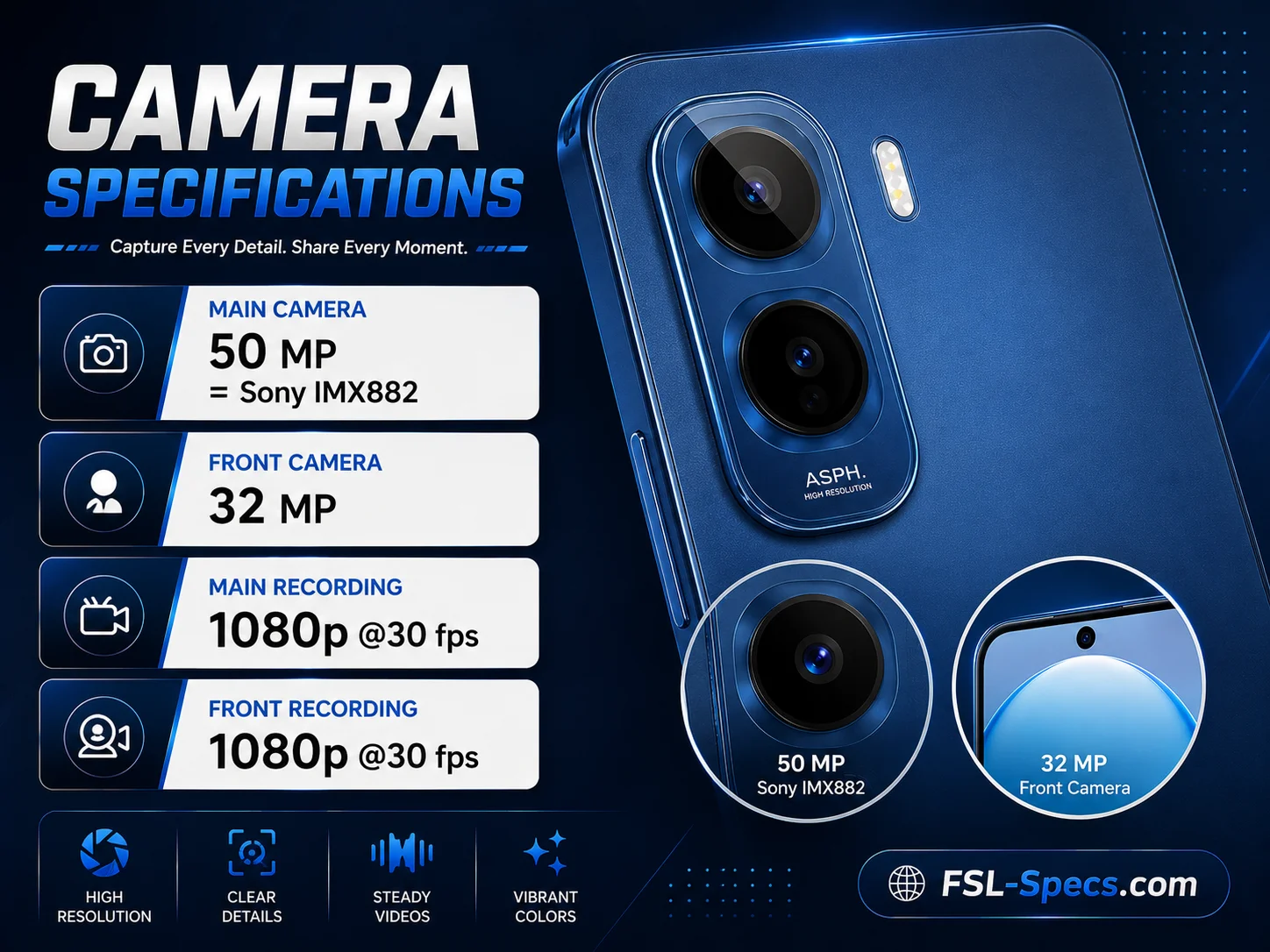
Rear Camera
50 + 2 MP
Front Camera
32 MP
SENSORS
Camera Sensors
50 MP = Sony IMX882
Front Sensors
32 MP = Not Confirm
RECORDING FPS
Main Recording
1080p @30 fps
Front Recording
1080p @30 fps
RESOLUTION
Main Resolution
8160 × 6144 pixels
Front Resolution
6532 × 4899 pixels
ZOOM
Optical Zoom
Not Confirm
D Digital Zoom
Not Confirm
Stabilization
Not Confirm
FLASH
Flash
Dual LED
Front Flash
Not Confirm
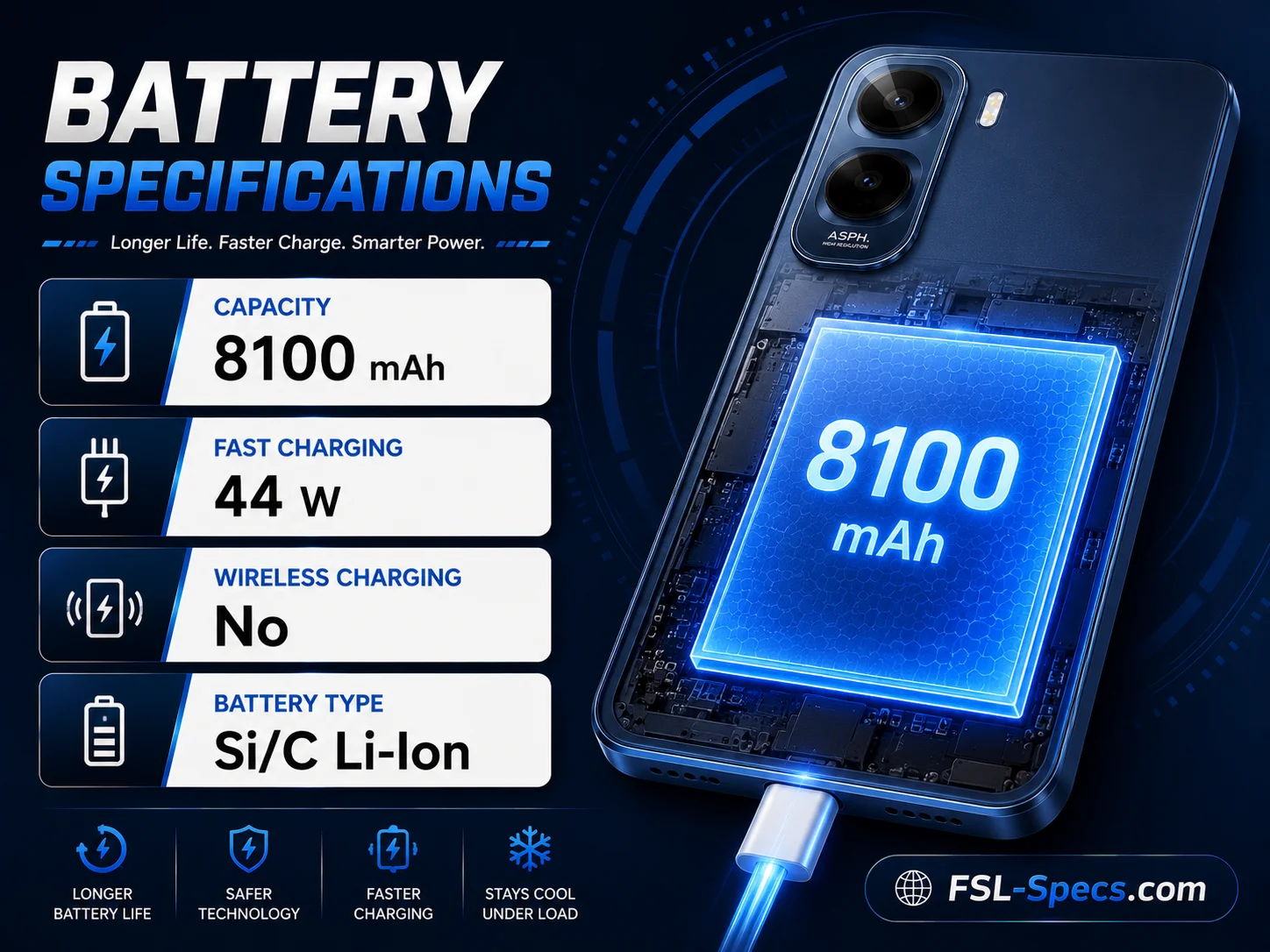
Capacity
8100 mAh
Fast Charging
44 W
Wireless Charging
No
Li Battery Type
Si/C Li-Ion
REVERSE
Reverse Wired
Yes
Reverse Wireless
No
OTHER
Battery PC Marks
Not Confirm
Charging Time
Not Confirm
AUDIO & SENSORS
Speaker
Dual Stereo Speaker
Fingerprint Sensor
Front Finger
Other Sensors
Accelerometer
Gyroscope
Proximity
Compass
etc
BASIC INFO
Mobile
Vivo Y500
Model
Not Confirm
Series
Vivo Y Series
Category
Mid-Range
Release Date
7 July,2026
Year
2026
CONNECTIVITY
Sim
Nano-SIM + Nano-SIM
Network
4G
WiFi
Wi-Fi 5
Bluetooth
5.4
NFC
No
OS
Android 16
BODY
Dimensions
163.73 × 76.18 × 8.19 mm
Build
Frame And Back (Plastic)
KG Weight
210g
Screen Size
6.83 inch
Resolution
1260 x 2800 Pixels
Type
Amoled
Refresh Rate
120 Hz
Peak Brightness
5000 nits
HBM Brightness
2000 nits
Processor
Unisoc T7300
Max Clock
2.2 GHz
Lithography
6 nm
GPU
Mali-G57 MP2
CPU Cores
8 Cores
Antutu v11
980 K
Antutu v10
Not Confirm
Bootup Time
Not Confirm
Architecture
2 x 2.2 GHz Cortex-A78
6 x 2.0 GHz Cortex-A55
Ram Memory
8+256 GB
SD Card
No
Ram Type
LPDDR4X
Storage Type
UFS 2.2
Variants
8 + 128 GB
8 + 256 GB
MP
Rear Camera
50 + 2 MP
Front Camera
32 MP
SENSORS
Main Camera Sensors
50 MP = Sony IMX882
Front Camera Sensors
32 MP = Not Confirm
RECORDING FPS
Main Recording
1080p @30 fps
Front Recording
1080p @30 fps
RESOLUTION
Main Resolution
8160 × 6144 pixels
Front Resolution
6532 × 4899 pixels
ZOOM
Optical Zoom
Not Confirm
D Digital Zoom
Not Confirm
Stabilization
Not Confirm
FLASH
Flash
Dual LED
Front Flash
Not Confirm
Capacity
8100 mAh
Fast Charging
44 W
Wireless Charging
No
Li Battery Type
Si/C Li-Ion
REVERSE
Reverse Wired
Yes
Reverse Wireless
No
OTHER
Battery Life PCMark
Not Confirm
Charging Time
Not Confirm
AUDIO & SENSORS
Speaker
Dual Stereo Speaker
Fingerprint Sensor
Front Finger
Other Sensors
Accelerometer
Gyroscope
Proximity
Compass
etc

Highlights & Review Of Vivo Y500

Display Review:

The vivo Y500 starts with a 6.83-inch AMOLED display, 2800 × 1260 resolution, and 120Hz refresh rate. Its 2000-nit HBM and 5000-nit local peak brightness give it a strong outdoor-visibility advantage, while the 449 PPI density keeps text, images, and video details sharp.

The Redmi Note 15 Pro 4G is the closest display rival at your stated PKR 109,000, using a 6.77-inch AMOLED panel with 2392 × 1080 resolution and 120Hz refresh rate. Xiaomi lists up to 3200 nits peak brightness, so the Redmi has a higher peak marketing figure, but the vivo’s 2000-nit HBM is a more useful figure for sustained high-brightness situations. The vivo also has a higher-resolution panel, giving it a small sharpness advantage.

The Infinix Note 60, priced at PKR 97,000, uses a 6.78-inch AMOLED display with 1208 × 2644 resolution and a faster 144Hz refresh rate. Its 1600-nit HBM and 4500-nit peak brightness are impressive, but the vivo Y500 still offers 2000-nit HBM and 5000-nit local peak brightness.

The Infinix Note 60 Pro at PKR 112,000 keeps the same 6.78-inch, 1208 × 2644 AMOLED configuration and 144Hz refresh rate, with 1600-nit HBM and 4500-nit peak brightness. Its 144Hz refresh rate is better for extremely smooth scrolling and supported gaming, but the Y500 offers the larger panel and stronger brightness figures.

Verdict: Infinix Note 60 Pro is the better pick if your priority is the smoother 144Hz refresh rate. , The vivo Y500 wins the display comparison overall for resolution, size and high-brightness performance.

Processor Review:

The vivo Y500 is powered by the Unisoc T7300, a 6nm 4G chipset with an octa-core CPU using 2×2.2GHz Cortex-A76 and 6×2.0GHz Cortex-A55 cores, paired with an Arm Mali-G57 MC2 GPU. vivo officially rates the Y500 at 680,000+ AnTuTu, while also claiming a 28% CPU-performance increase over the Snapdragon 685 used in the previous generation.

At PKR 98,000, however, the Y500 faces a major performance challenge from the Infinix Note 60, priced at PKR 97,000. The Note 60 uses the 4nm MediaTek Dimensity 7400 Ultimate, with four Cortex-A78 cores at 2.6GHz and four Cortex-A55 cores at 2.0GHz, plus Mali-G615 MP2 graphics. NanoReview’s current AnTuTu 11 average is 977,113, around 44% higher than the Y500’s 680,000+ official score.

The Infinix Note 60 Pro is even further ahead. Its 4nm Snapdragon 7s Gen 4 combines a Kryo Prime core at up to 2.7GHz, three performance cores at 2.4GHz, four efficiency cores at 1.8GHz, and an Adreno 810 GPU. NanoReview records an AnTuTu 11 average of 1,065,801, approximately 57% higher than the Y500’s 680,000+ result.

The Redmi Note 15 Pro 4G is the weakest performance rival. Its 6nm Helio G100 scores about 591,254 in AnTuTu 11, roughly 13% below the Y500’s official 680,000+ figure.

Verdict: The Infinix Note 60 Pro wins performance, followed by the Note 60. The Y500 beats the Redmi Note 15 Pro 4G, but at PKR 98,000, its performance-to-price ratio is much weaker than the cheaper Note 60.

Ram & Memory Review:

The vivo Y500 offers 8GB RAM with 256GB storage, and its Chinese-market specification lists LPDDR4X RAM paired with faster UFS 3.1 storage. That UFS 3.1 combination gives the Y500 a clear storage-speed advantage over rivals using UFS 2.2, particularly for app installation, large file transfers and loading data-heavy applications. vivo also offers higher Y500 configurations, but the 8GB + 256GB version is the configuration relevant to your PKR 98,000 price.

The Redmi Note 15 Pro 4G is the strongest option for raw capacity. Your 12GB + 512GB configuration at PKR 109,000 gives users 50% more RAM and 100% more internal storage than the Y500. It uses LPDDR4X + UFS 2.2, so the Redmi sacrifices storage speed compared with the Y500, but it compensates with substantially more space. Xiaomi also supports microSD expansion up to 2TB, making the Redmi particularly attractive for users who store large video, photo and game libraries.

The Infinix Note 60, at PKR 97,000, provides 8GB + 256GB, matching the Y500’s capacity. However, its LPDDR5X RAM is a newer memory standard, while its UFS 2.2 storage is slower on paper than the Y500’s UFS 3.1. The Note 60 also lacks a memory-card slot.

The Infinix Note 60 Pro at PKR 112,000 also offers 8GB + 256GB, with LPDDR5X + UFS 2.2 and no microSD support.

Verdict: The Redmi Note 15 Pro 4G wins for capacity, while the vivo Y500 has the strongest storage-speed specification. For balanced everyday use, the Y500’s 8GB + 256GB UFS 3.1 package is compelling, but heavy storage users should choose the Redmi’s 12GB + 512GB configuration.

Cameras Review:

The vivo Y500 at PKR 98,000 uses a 50MP Sony IMX852 main camera with an f/1.8 aperture, supported by a 2MP bokeh camera, while the front camera is 32MP. vivo confirms autofocus on the rear main camera and EIS video stabilization, but the main camera does not have OIS. This gives the Y500 a strong selfie-camera advantage over several rivals, although the lack of OIS is a notable limitation for night photography and stabilized video.

The Redmi Note 15 Pro 4G, priced at PKR 109,000, is considerably more camera-focused on the rear. Its 200MP main camera has a large 1/1.4-inch sensor, f/1.7 aperture, PDAF and OIS, alongside an 8MP ultrawide camera. It also has a 32MP selfie camera. Compared with the Y500’s 50MP main sensor and 2MP bokeh unit, the Redmi provides much more capable hardware for detailed photography, ultrawide shots and low-light stability. Xiaomi confirms rear recording up to 1080p at 60fps, but no 4K recording.

The Infinix Note 60 Pro at PKR 112,000 takes a different approach with a 50MP OIS main camera, 8MP ultrawide and 13MP selfie camera. Its main camera supports 4K at 30fps, giving it a major video-recording advantage over both the Y500 and Redmi.

For the Infinix Note 60, I could not verify sufficiently reliable camera specifications from an official source during this search, so I would not assign it a camera advantage based on unverified figures.

Verdict: The Redmi Note 15 Pro 4G wins for rear-camera hardware, while the Infinix Note 60 Pro is the strongest choice for stabilized photography plus 4K video. The vivo Y500 remains attractive for selfies because of its 32MP front camera, but its lack of OIS makes it the weaker camera choice overall.

Battery Review:

The vivo Y500 has the largest battery in this comparison, with an 8,100mAh capacity and 44W FlashCharge. vivo’s official testing reports up to 18.4 hours of continuous screen-on use, while the company also claims the battery is designed for long-term durability. At PKR 98,000, this gives the Y500 a significant endurance advantage for users who prioritize long battery life.

The Redmi Note 15 Pro 4G, priced at PKR 109,000, uses a 6,500mAh silicon-carbon battery with 45W turbo charging. Its capacity is 1,600mAh smaller than the Y500, a difference of roughly 20%, although Xiaomi claims up to 2 days of battery life, 25 hours of video playback, and 55 hours of calling in its laboratory testing. It also supports up to 18W wired reverse charging, giving it a useful advantage for charging other devices.

The Infinix Note 60 at PKR 97,000 also uses a 6,500mAh battery, according to Infinix’s official global listing, and adds wireless charging, making it particularly interesting for buyers who value charging convenience. However, its battery capacity remains 1,600mAh below the Y500.

For the Infinix Note 60 Pro, the available official information needs to be treated carefully because regional configurations can differ. I would not assign it a specific charging-time or battery-capacity advantage without matching the exact Pakistani variant.

Verdict: The vivo Y500 wins for battery endurance, combining the largest 8,100mAh battery with 44W charging. The Redmi offers stronger reverse-charging functionality, while the Note 60’s wireless charging is a useful convenience feature, but neither matches the Y500’s raw battery capacity.

Final Verdict :

At PKR 98,000, the vivo Y500 8GB + 256GB is a strong all-rounder, but it does not offer the best overall value in this four-phone comparison. Its biggest strengths are the 8,100mAh battery, 6.83-inch 1.5K AMOLED display, IP68/IP69 protection, and a balanced 8GB + 256GB configuration. vivo’s Pakistan listing confirms the 8GB + 256GB model, LPDDR4X RAM, UFS 2.2 storage and 44W charging.

The Infinix Note 60 Pro takes the overall performance crown. Its Snapdragon 7s Gen 4, 144Hz 1.5K display, 90W charging, 6,500mAh battery and official 1.1-million+ AnTuTu V11 score make it the strongest choice for gaming and demanding users. The problem is its higher PKR 112,000 price.

The Infinix Note 60 is arguably the biggest value threat to the Y500 at PKR 97,000. It offers a 144Hz 1.5K display, 6,500mAh battery and wireless charging, while costing slightly less than the Y500.

The Redmi Note 15 Pro 4G remains the best choice for buyers prioritizing cameras and storage. Its 200MP OIS camera, 12GB + 512GB configuration and microSD expansion are compelling, although its Helio G200-Ultra performance is considerably less exciting than the Infinix Note 60 Pro. Xiaomi officially confirms the 12GB + 512GB option and expandable storage up to 2TB.

Verdict: Infinix Note 60 Pro ranks #1 overall, followed by Infinix Note 60, vivo Y500, and Redmi Note 15 Pro 4G. The Y500 is the battery-life champion, but the Note 60 gives it the toughest value challenge at almost the same price.

Overall Ranking

RankPhonePriceBest StrengthOverall Position
🥇 1Infinix Note 60 ProPKR 112,000Performance & chargingBest Overall
🥈 2Infinix Note 60PKR 97,000Value & displayBest Value
🥉 3vivo Y500PKR 98,000Battery & durabilityBest Battery
4Redmi Note 15 Pro 4GPKR 109,000Camera & storageBest Camera/Storage

Pros And Cons of Vivo Y500

Pros of Mobile

8100 mAh Battery 🔋 ✅
5000-peak Nits Display ☀️ ✅
IP68/IP69 Protection 💧 ✅
44W Fast Charging ⚡ ✅

Cons of Mobile

No 5G 📶 ❌
No NFC 💳 ❌
Too High Price ❌
No Ultrawide Camera 📷 ❌
Not Value For Money ❌
UFS 2.2 Storage 💾 ❌
No Headphone Jack 🎧 ❌

Best For - Not Best For

Best For

Long Battery Life 🔋
Bright Display ☀️
Outdoor Usage 🌤️
Media Consumption 🎬
Durable Usage 🛡️

Not Best For

5G Connectivity 📶
Mobile Photography 📷
Wireless Charging ⚡
NFC Payments 💳
Storage Speed 💾
Wired Audio 🎧

Trailer And Unboxing of Vivo Y500

Disassembly Or Teardown And Gaming Test of Vivo Y500

Camera Test Vivo Y500

Vivo Y400
Redmi Note 15 Pro
infinix Note Edge
infinix Note 60
Infinix Note 60 Pro
Samsung A56

Vivo Mobile Series

Vivo Mobile Series

Picture of Faisal Ur Rehman

Faisal Ur Rehman

Faisal Rehman is the founder and editor of FSL Specs, where he publishes in-depth smartphone specifications, comparisons, buying guides, and technology insights. With extensive experience in mobile hardware research and technical analysis, he provides accurate and up-to-date information on Android smartphones, processors, displays, cameras, batteries, performance benchmarks, and software features. His goal is to simplify complex specifications and help readers choose the right device with confidence.

FAQs Questions

No, it doesn't. It runs on the Unisoc T7300 chipset, which is a 4G-only processor, so despite the large battery and premium-looking display, this phone is limited to 4G LTE networks with no 5G option.

Very long. It packs an 8100mAh battery, one of the largest in its price bracket, backed by a 3000mm² vapor chamber cooling system to manage heat during extended use. Heavy users should comfortably get through a full day and then some before needing a charge.

It's decent but not fast for the battery size. The Y500 4G supports 44W wired charging, which will take a noticeably longer time to fully charge an 8100mAh cell compared to phones with 65W or 80W charging, so expect a longer wait when it's near empty.

It's built more for casual use than serious photography. The rear setup is a 50MP main camera (Sony IMX852) paired with a 2MP secondary sensor, while the front gets a 32MP selfie camera. It'll handle daily photos and selfies well, but the lack of a dedicated ultrawide or telephoto lens means it's not aimed at photography enthusiasts.

Yes, this is one of its strongest features. The 6.83-inch AMOLED display runs at 1260 x 2800 resolution, 120Hz refresh rate, and reaches up to 5000 nits of local peak brightness, which is genuinely excellent for outdoor visibility under direct sunlight and smooth for everyday scrolling and video.

Yes, it's built tougher than most phones at this price. It carries IP68 and IP69 ratings for dust and water resistance, plus MIL-STD-810H military-grade shock certification, so it can handle accidental splashes, dust exposure, and drops better than a typical budget device.

8 + 256 GB
₹19,000 INR | $ 320 | PKR ~98,000

Leave a Reply

Your email address will not be published. Required fields are marked *

Scroll to Top