




AMOLED
Display Type

Snapdragon 8 Elite Gen 5
Processor

16+ 512 GB
Ram And Memory

50+50+2 MP
Camera

7500mAh
Battery

80 W
Fast Charging

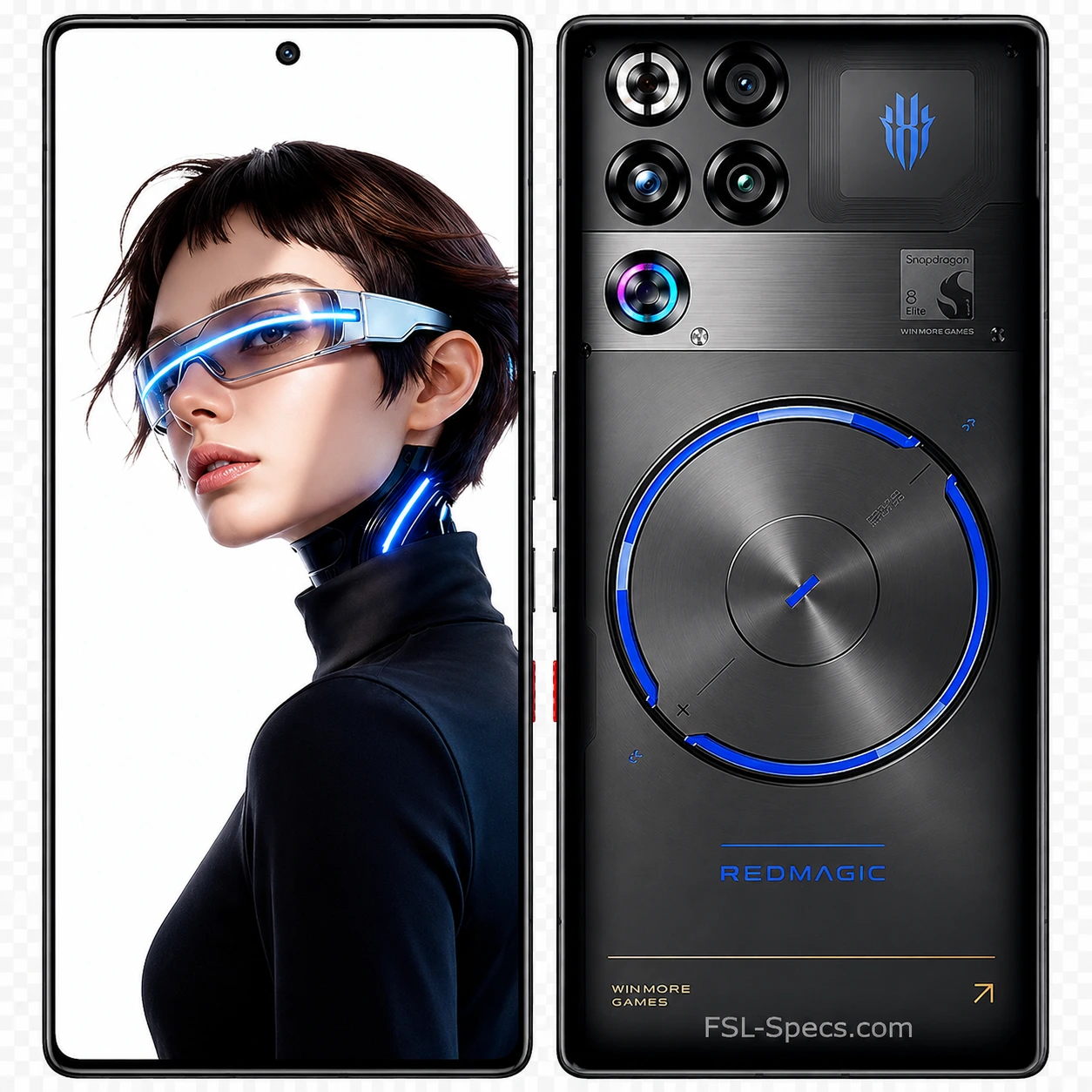
6.85 inches with a pixel arrangement that keeps text crisp and game environments sharp, there’s real visual density without feeling oversized. The 144Hz panel is where things click into place scrolling feels frictionless, fast-paced games respond without perceivable lag, and UI animations carry a snappiness that cheaper refresh rates simply can’t fake. AMOLED blacks add genuine depth to dark-themed games and content Brightness peaks at 1800 nits in high-brightness mode, handling harsh lighting conditions without washing out. For a gaming-first device, the panel pulls more than its weight.
4.74GHz from the lead cores is not a number that exists in isolation you feel it the moment you start stress-testing this phone. App launches are immediate, system navigation never stutters, and under sustained gaming load the frame delivery stays consistent in a way that mid-range silicon simply cannot maintain. The Adreno 840 GPU handles graphically demanding titles without compromise, and the Antutu result north of 4.4 million reflects real-world capability rather than synthetic luck. Built on a 3nm process, heat generation under extended sessions is better managed than previous generations, though active cooling here does meaningful work alongside the chipset’s own efficiency. Where this chip matters most is longevity demanding apps and games three years from now will still find headroom. For a gaming-focused device, the silicon choice is exactly right.
16GB of LPDDR5X RAM on a gaming-focused device is a deliberate choice background apps stay loaded, game states don’t get flushed mid-session, and heavy multitasking. UFS 4.1 Pro storage means large game installations land quickly, and asset loading inside those games reflects that speed visibly. The 512GB configuration gives serious mobile gamers genuine breathing room without constant library management. Casual users would survive on the base variant, but for the audience this phone targets, the higher tier is the honest recommendation.
Camera expectations need adjusting before anything else this is a gaming phone that happens to have cameras, not the other way around. 50+50+8MP setup covers wide and ultrawide shooting reasonably well in good light, with the OmniVision sensors producing detailed daytime shots that work well for social sharing. Where things get more honest is low-light; without a dedicated telephoto and no particularly large sensor, indoor and night shots show limitations that competing flagships at similar prices handle more gracefully. Video recording reaches 8K at 30fps, which gives content creators genuine flexibility, and the 960fps slow-motion at 720p is a fun addition for gaming highlight clips. The 16MP front camera handles video calls and casual selfies without complaint. For a device built around performance, the camera system is adequate rather than aspirational.
7500mAH in a gaming phone is less about surviving a day and more about surviving a session and then another one after that. Running graphically demanding titles at high refresh rates, with the active cooling fan drawing its own power, this battery still pushes through extended play without the anxiety that comes with smaller cells. 80W wired and wireless both hit the same ceiling, and a full refill in roughly 40 minutes means downtime between sessions stays short. For the target user someone gaming hard and often the power system is genuinely matched to the use case.