




OLED
Display Type

Apple A18 Pro
Processor

8 +512 GB
Ram And Memory

48+48+12 MP
Camera

4685 mAh
Battery
25W
Fast Charging

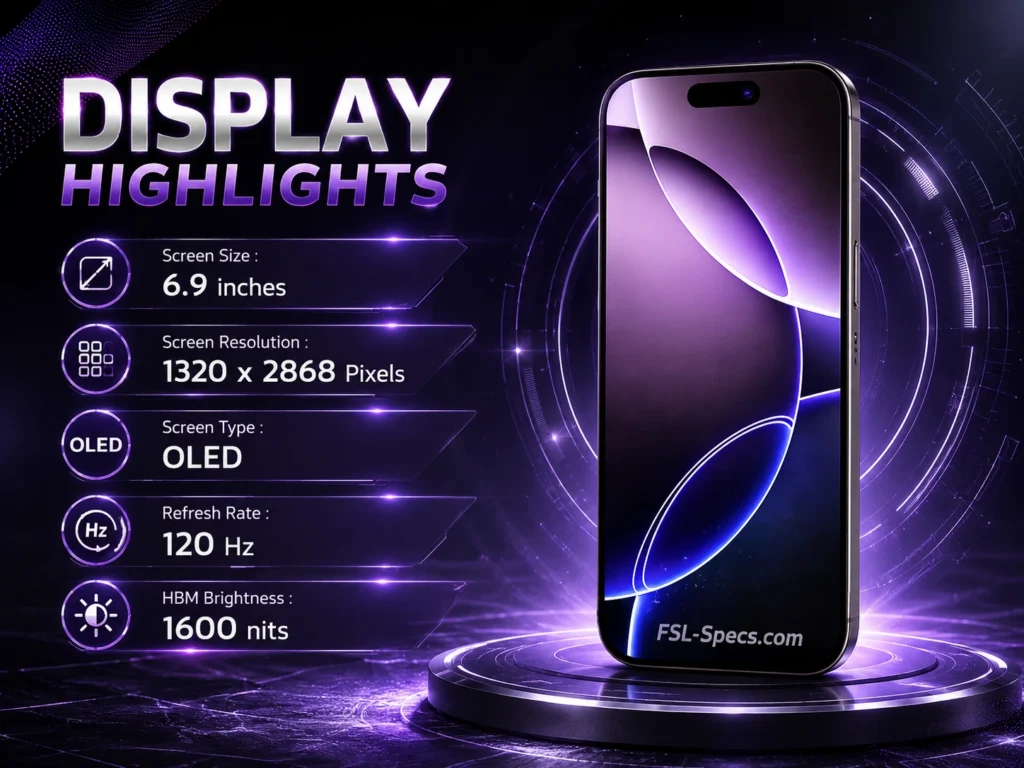
At 6.9 inches, there is simply more room for everything longer articles breathe, streaming content fills your peripheral vision, and fine UI details become noticeably easier to read. Sharpness sits at a level where individual pixels disappear entirely; text at small sizes stays crisp without any visual noise. Motion handling is where things get interesting the adaptive 120Hz panel makes fast scrolling feel almost frictionless, and high-frame-rate gaming responds with a tactile immediacy that lower-refresh panels cannot replicate. Outdoors, 2000 nits peak brightness means harsh sunlight rarely wins, though everyday indoor use draws from a more conservative ceiling. OLED’s inherent contrast behavior makes dark scenes in films genuinely deep rather than washed grey.
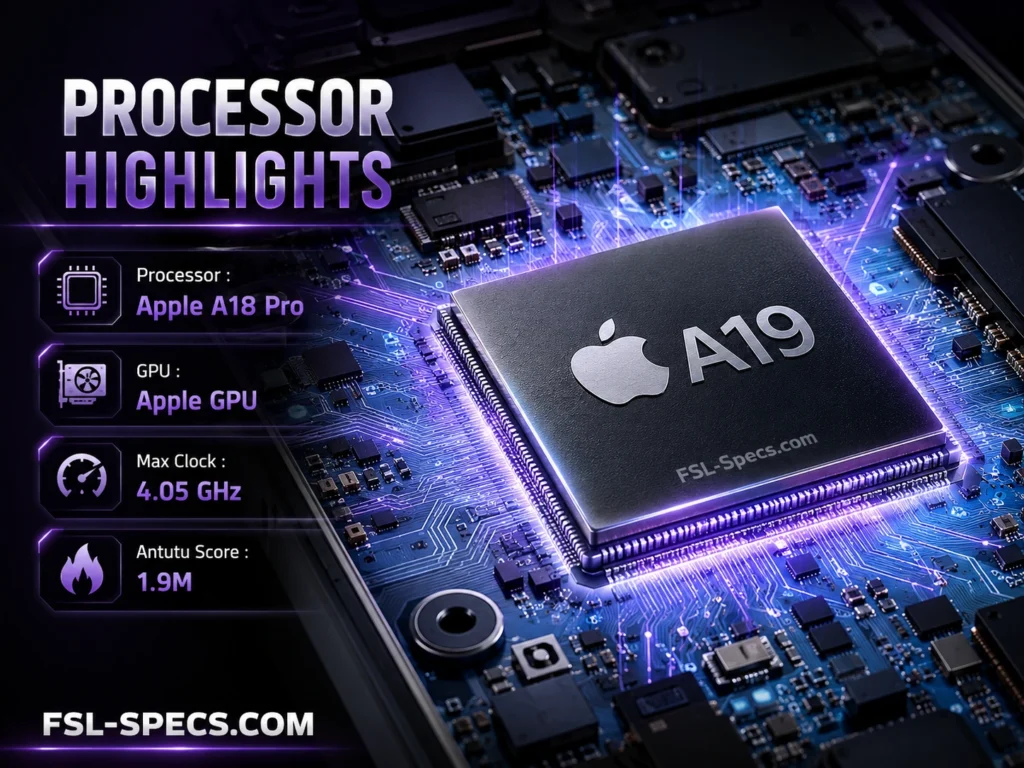
Three years from now, when most Android flagships of this generation begin showing their age under heavier software demands, this chip will likely still feel current. it comes with Apple A18 Pro processor , An AnTuTu result pushing 1.9 million is not just a number for benchmark enthusiasts; it translates to a processor that genuinely has surplus capacity beyond what today’s apps require. Gaming at maximum settings produces stable frame delivery without the thermal throttling that plagues lesser silicon under prolonged sessions. The 3nm fabrication keeps heat manageable and battery drain in check. Practically speaking, there are no meaningful performance weaknesses here the only honest limitation is that such headroom may feel excessive for users who never push the hardware beyond social media and streaming.
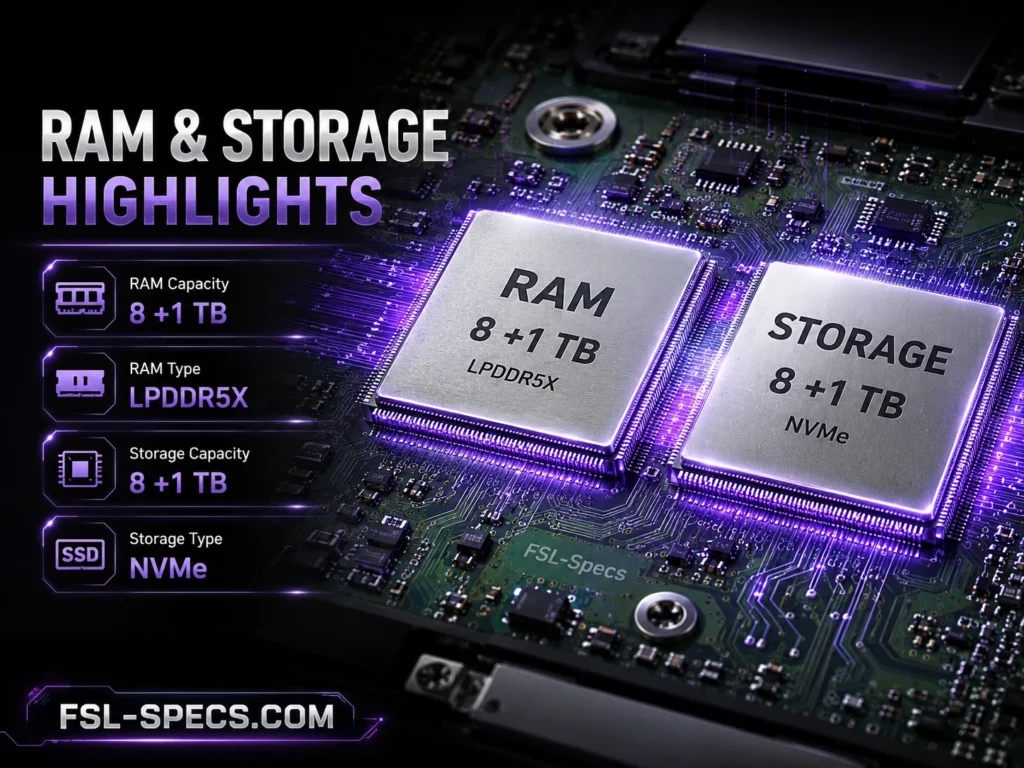
8GB of LPDDR5X keeps active apps available without constant reloading, and that responsiveness holds up over years of use rather than just early ownership. NVMe storage means file access and app launches stay quick regardless of how full the drive gets. The 1TB ceiling is particularly relevant for users who shoot ProRes video or accumulate large media libraries without wanting to manage iCloud offloading constantly. For most buyers, 256GB covers daily needs comfortably but the upper variants exist precisely for those who treat local storage as a genuine working environment rather than temporary overflow.
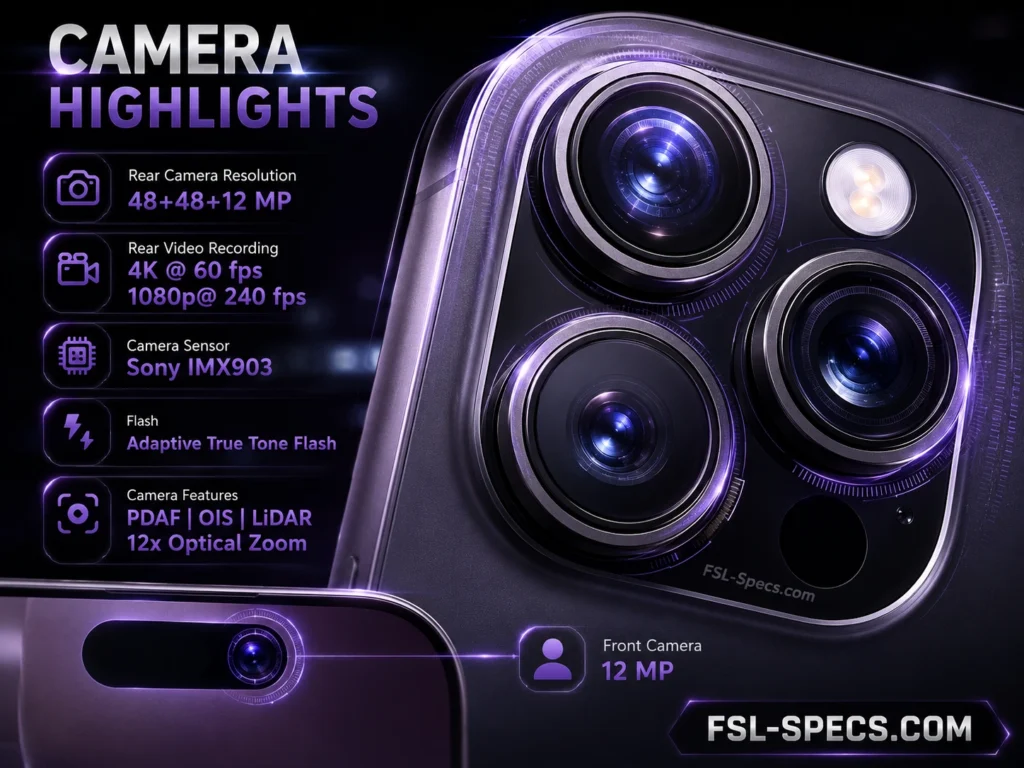
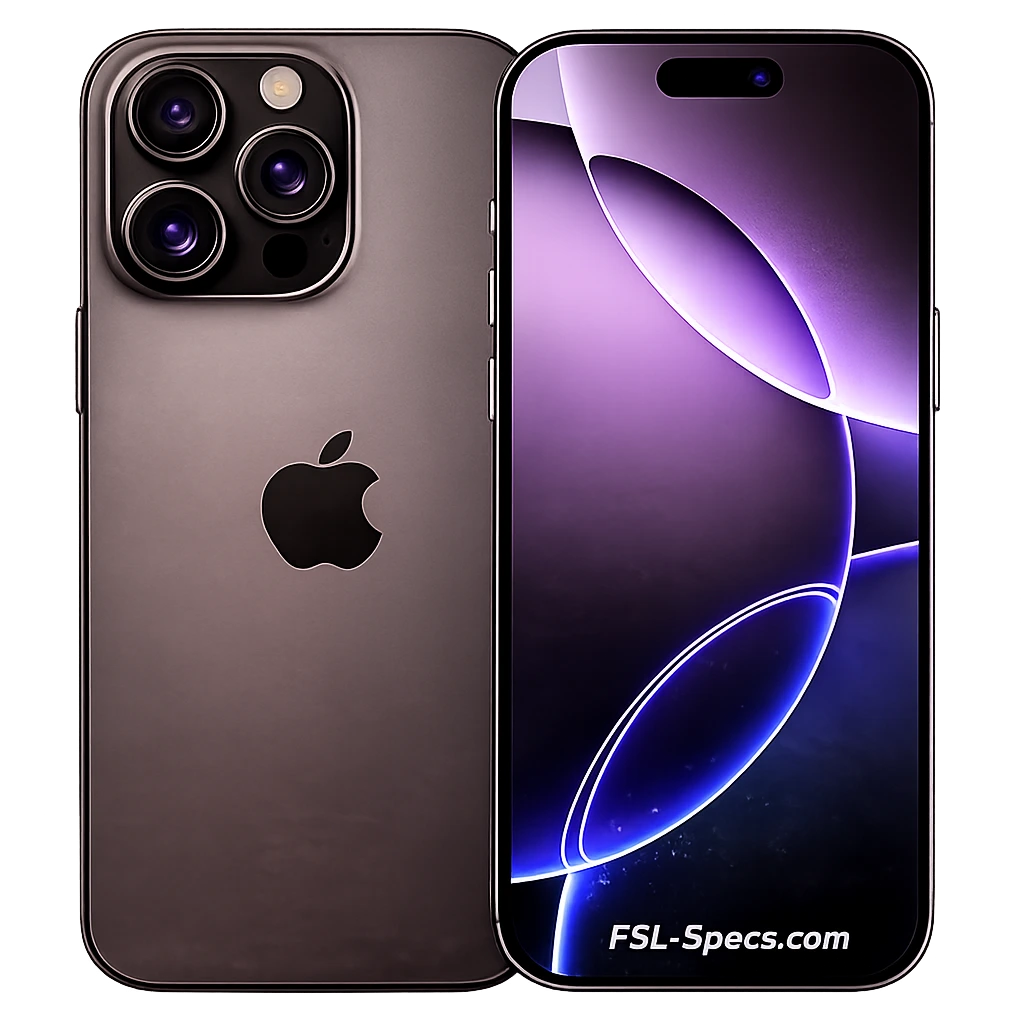
For anyone who shoots with intent rather than just convenience, the triple-sensor arrangement here offers genuine flexibility. The main Sony IMX903 handles the heavy lifting in most conditions daylight shots carry strong texture detail and dynamic range that holds highlight and shadow information without aggressive processing. Where things get interesting for creators is the 5x optical reach, which pulls in distant subjects without the soft, painterly degradation that digital zoom produces. Slow-motion at 1080p 240fps opens up creative options for motion-heavy content, while 4K at 60fps delivers footage smooth enough for direct social or professional editing without stabilization fixes in post. The 48MP ultrawide adds compositional range rarely found at this depth. Selfie quality on the 12MP Sony IMX714 handles video calls and front-facing content reliably, though low-light selfie detail has its ceiling. Overall, this is a system built for people who actually use every lens.
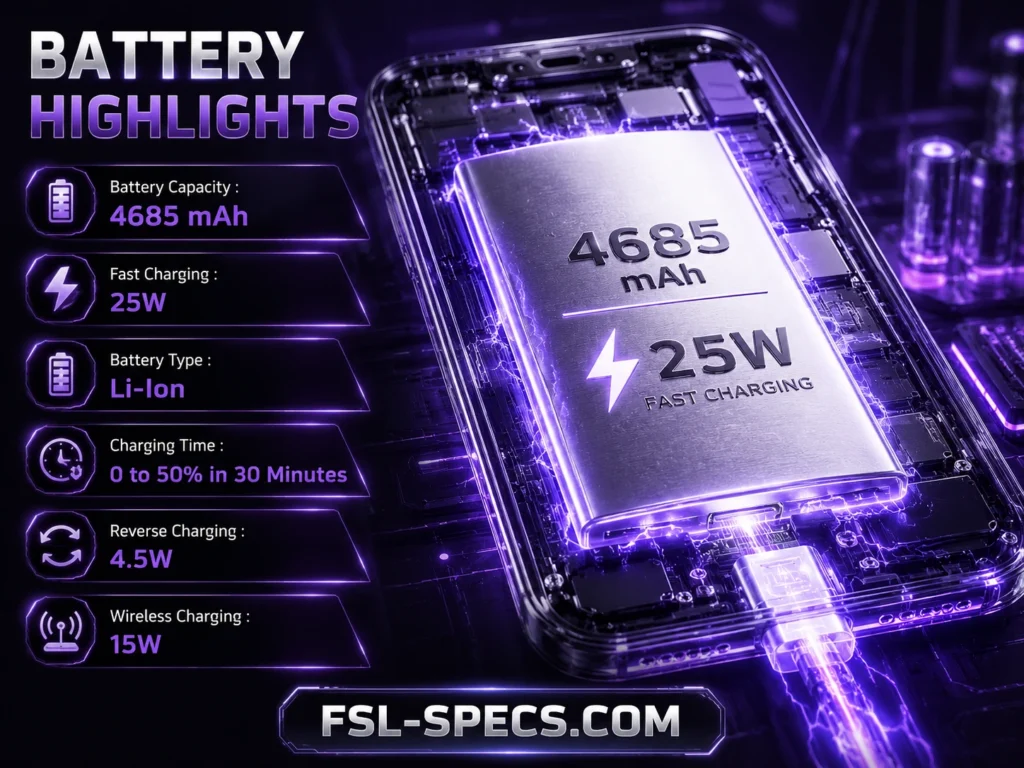
Packing light means relying heavily on a single device across long transit days, and a 4685mAh cell paired with Apple’s power-efficient silicon handles that pressure reasonably well. A full day covering navigation, photography, messaging, and occasional video streaming typically lands with meaningful charge remaining not scraping single digits by evening. The 25W wired charging covers a meaningful top-up during a short layover without needing a full sit-down session, though the roughly two-and-a-half hour full charge is unhurried rather than rapid. Wireless at 15W works fine for overnight hotel top-ups. No reverse wireless charging means this stays a receiver-only setup, which is a minor but real limitation for accessory-dependent travelers.