

















• Mobiles
  • Processors
  • Mobiles
  • Processors
  • Mobiles
  • Processors

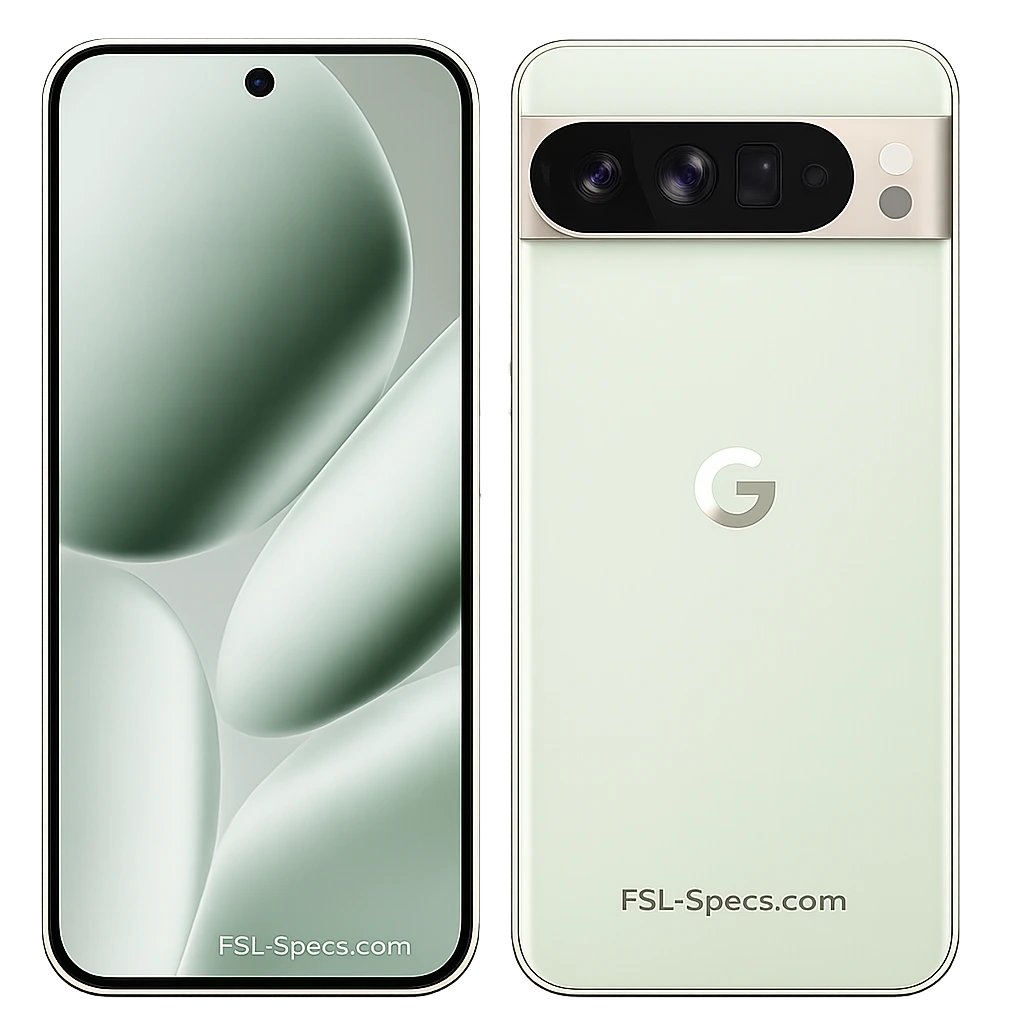
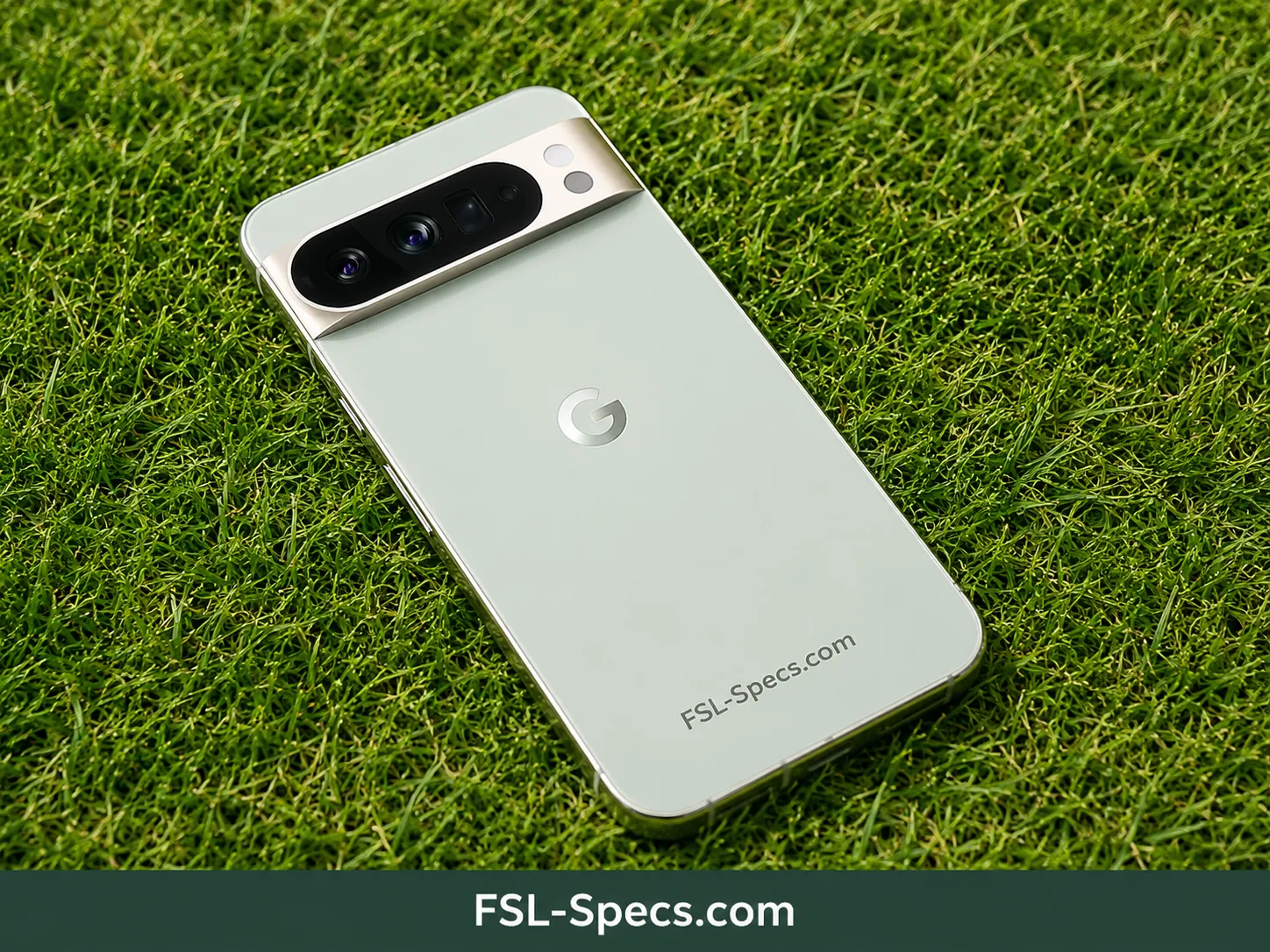
✪ Google Pixel 10 Pro XL ✪

Google Pixel 10 Pro XL Specs, Price, Camera, Battery & Best Review (2026)
United States flag United States
$1,150 USD
…
Pakistan flag Pakistan (PKR)
370,000 PKR
India flag India (INR)
₹112,000 INR

✪ Google Pixel 10 Pro XL ✪

Google Pixel 10 Pro XL Specs, Price, Camera, Battery & Best Review (2026)
Last Time Update : 7 October, 2026
0

Quick Specifications

Amoled

Display Type

Google Tensor G5

Processor

16 + 256 GB

Ram And Memory

50 + 48 + 48 MP

Camera

5200 mAh

Battery

45 W

Fast Charging

Full Specification

BASIC INFO
Mobile
Google Pixel 10 Pro XL
Model
G45RY
Series
Pixel Pro XL
Category
Flagship
Release Date
28 August,2025
Year
2025
CONNECTIVITY
Sim
Nano-SIM / E-Sim
Network
4G / 4G+ / 5G
WiFi
WiFi 7
Bluetooth
6.0
NFC
Yes
OS
Android 17 Now
BODY
Dimensions
162.8 x 76.6 x 8.5 mm
Build
Frame Aluminum And Glass Back
KG Weight
232 g
Screen Size
6.8 inch
Resolution
1344 x 2992 Pixels
Type
Amoled
Refresh Rate
120 Hz
Peak Brightness
3300 nits
HBM Brightness
2200 nits
Processor
Google Tensor G5
Max Clock
3.78 GHz
Lithography
3 nm
GPU
PowerVR DXT-48-1536
CPU Cores
8 Cores
Antutu v11
1.55 M
Antutu v10
1.4 M
Bootup Time
10 s
Architecture
1  x Cortex-X4 @ 3.78GHz
5  x Cortex-A725 @ 3.05GHz
2  x Cortex-A520 @ 2.25GHz
Ram Memory
16 + 256 GB
Ram Type
LPDDR5X
Storage Type
UFS 4.0
SD Card
No
Variants
16 + 256 GB
16 + 512 GB
16 + 1 TB
MP
Rear Camera
50 + 48 + 48 MP
Front Camera
42 MP
SENSORS
Camera Sensors
50 MP = Samsung GNV
Front Sensors
42 MP = Sony IMX858
RECORDING FPS
Main Recording
8K @ 30 fps
4k @ 60 fps
1080p @ 240 fps
Front Recording
4k @ 60 fps
1080p @ 60 fps
RESOLUTION
Main Resolution
8150 x 6150 pixels
Front Resolution
7483 × 5612 pixels
ZOOM
Optical Zoom
5 x
D Digital Zoom
100 x
FLASH
Flash
Yes
Front Flash
Screen Flash
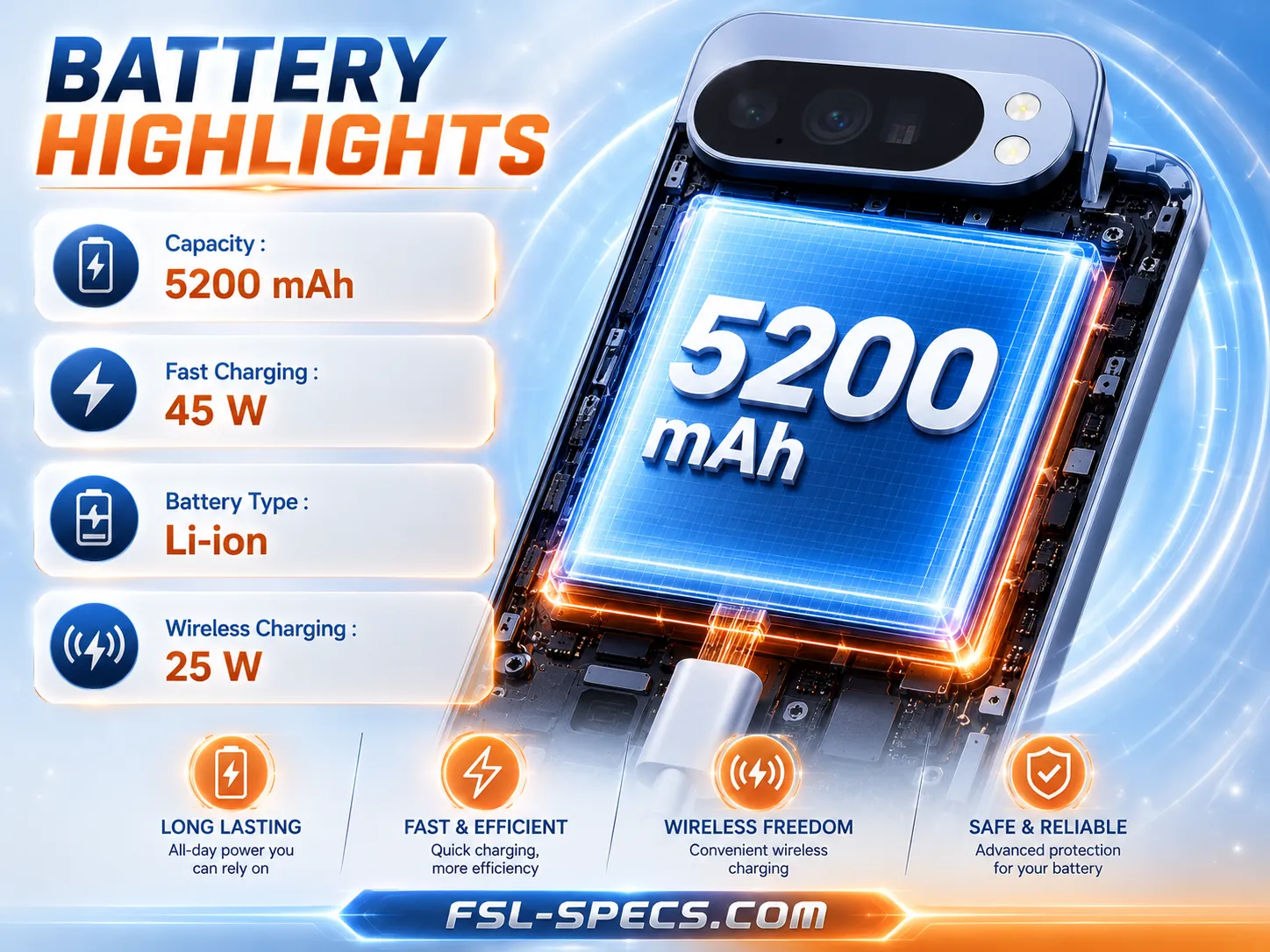
Capacity
5200 mAh
Fast Charging
45 W
Wireless Charging
25 W
Li Battery Type
Li-ion
REVERSE
Reverse Wired
Yes
Reverse Wireless
Not confirm
OTHER
Battery PC Marks
10h 30m
Charging Time
50-60 m (0% To 100%)
AUDIO & SENSORS
Speaker
Dual Stereo Speaker
Fingerprint Sensor
Hyper Sonic Front Finger
Other Sensors
Accelerometer
Gyroscope
Proximity
Compass
Hall sensor
RGB/color spectrum sensor
Special Features

Ultra Wideband (UWB) support
Satellite SOS service
Skin temperature sensor (thermometer)
Bypass charging support
Multi-zone Laser AF, Pixel Shift, Ultra-HDR
Best Take, Zoom Enhance camera software features
7 years of Android OS updates and 7 years of security updates
EU energy label: Class B efficiency, Class A free-fall (270 falls)
Class B repairability, 1000-cycle battery endurance rating

BASIC INFO
Mobile
Google Pixel 10 Pro XL
Model
G45RY
Series
Pixel Pro XL
Category
Flagship
Release Date
28 August,2025
Year
2025
CONNECTIVITY
Sim
Nano-SIM / E-Sim
Network
4G / 4G+ / 5G
WiFi
WiFi 7
Bluetooth
6.0
NFC
Yes
OS
Android 17 Now
BODY
Dimensions
162.8 x 76.6 x 8.5 mm
Build
Frame Aluminum And Glass Back
KG Weight
232 g
Screen Size
6.8 inch
Resolution
1344 x 2992 Pixels
Type
Amoled
Refresh Rate
120 Hz
Peak Brightness
3300 nits
HBM Brightness
2200 nits
Processor
Google Tensor G5
Max Clock
3.78 GHz
Lithography
3 nm
GPU
PowerVR DXT-48-1536
CPU Cores
8 Cores
Antutu v11
1.55 M
Antutu v10
1.4 M
Bootup Time
10 s
Architecture
1  x Cortex-X4 @ 3.78GHz
5  x Cortex-A725 @ 3.05GHz
2  x Cortex-A520 @ 2.25GHz
Ram Memory
16 + 256 GB
SD Card
No
Ram Type
LPDDR5X
Storage Type
UFS 4.0
Variants
16 + 256 GB
16 + 512 GB
16 + 1 TB
MP
Rear Camera
50 + 48 + 48 MP
Front Camera
42 MP
SENSORS
Main Camera Sensors
50 MP = Samsung GNV
Front Camera Sensors
42 MP = Sony IMX858
RECORDING FPS
Main Recording
8K @ 30 fps
4k @ 60 fps
1080p @ 240 fps
Front Recording
4k @ 60 fps
1080p @ 60 fps
RESOLUTION
Main Resolution
8150 x 6150 pixels
Front Resolution
7483 × 5612 pixels
ZOOM
Optical Zoom
5 x
D Digital Zoom
100 x
FLASH
Flash
Yes
Front Flash
Screen Flash
Capacity
5200 mAh
Fast Charging
45 W
Wireless Charging
25 W
Li Battery Type
Li-ion
REVERSE
Reverse Wired
Yes
Reverse Wireless
Not confirm
OTHER
Battery Life PCMark
10h 30m
Charging Time
50-60 m (0% To 100%)
AUDIO & SENSORS
Speaker
Dual Stereo Speaker
Fingerprint Sensor
Hyper Sonic Front Finger
Other Sensors
Accelerometer
Gyroscope
Proximity
Compass
Hall sensor
RGB/color spectrum sensor
Special Features

Ultra Wideband (UWB) support
Satellite SOS service
Skin temperature sensor (thermometer)
Bypass charging support
Multi-zone Laser AF, Pixel Shift, Ultra-HDR
Best Take, Zoom Enhance camera software features
7 years of Android OS updates and 7 years of security updates
EU energy label: Class B efficiency, Class A free-fall (270 falls)
Class B repairability, 1000-cycle battery endurance rating

Highlights & Review Of Google Pixel 10 Pro XL

Display Review:

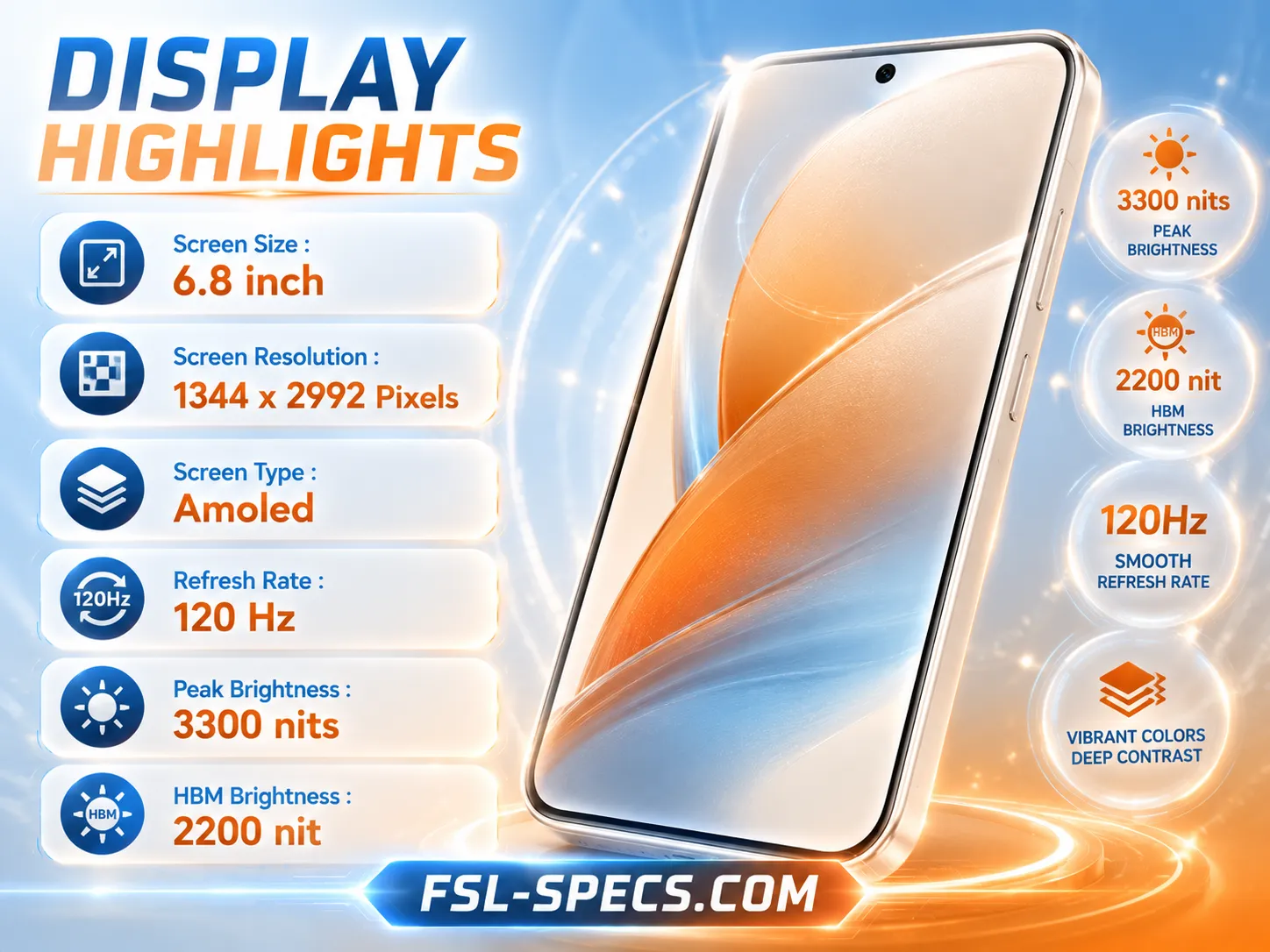
The Google Pixel 10 Pro XL uses a 6.8-inch LTPO OLED display with a 1344 × 2992 resolution, 486 PPI, and an adaptive 1-120Hz refresh rate. Its 2200-nit HBM and 3300-nit peak brightness give it strong outdoor visibility and excellent HDR headroom. FSL Specs also lists the exact 16+512GB configuration, while Google confirms the same display specifications.

The Xiaomi 17 Ultra goes larger with a 6.9-inch HyperRGB OLED panel at 2608 × 1200 and 1-120Hz adaptive refresh rate. Its 3500-nit peak brightness is higher than the Pixel’s 3300 nits, while its 2000-nit HBM is slightly below Pixel’s 2200 nits. Xiaomi’s display also adds 12-bit color, HDR10+, and Dolby Vision, making it particularly strong for HDR video.

The iPhone 17 Pro Max also has a 6.9-inch OLED display, but its 2868 × 1320 resolution produces 460 PPI, below Pixel’s 486 PPI and Samsung’s sharper QHD+ panel. Apple’s ProMotion reaches 120Hz, with 3000-nit outdoor brightness, placing it between Pixel and Xiaomi for maximum brightness.

At 6.9 inches, the Samsung Galaxy S26 Ultra offers the strongest resolution at 3120 × 1440, approximately 499 PPI, alongside 120Hz adaptive refresh and 2600-nit peak brightness. That combination gives Samsung the sharpest text and fine-detail rendering, although Pixel remains stronger on peak brightness.

Verdict: The Galaxy S26 Ultra wins for maximum sharpness, while the Pixel 10 Pro XL offers the best balance of high resolution, adaptive LTPO refresh, and exceptional brightness for its expected PKR 350,000-370,000 positioning.

Processor Review:

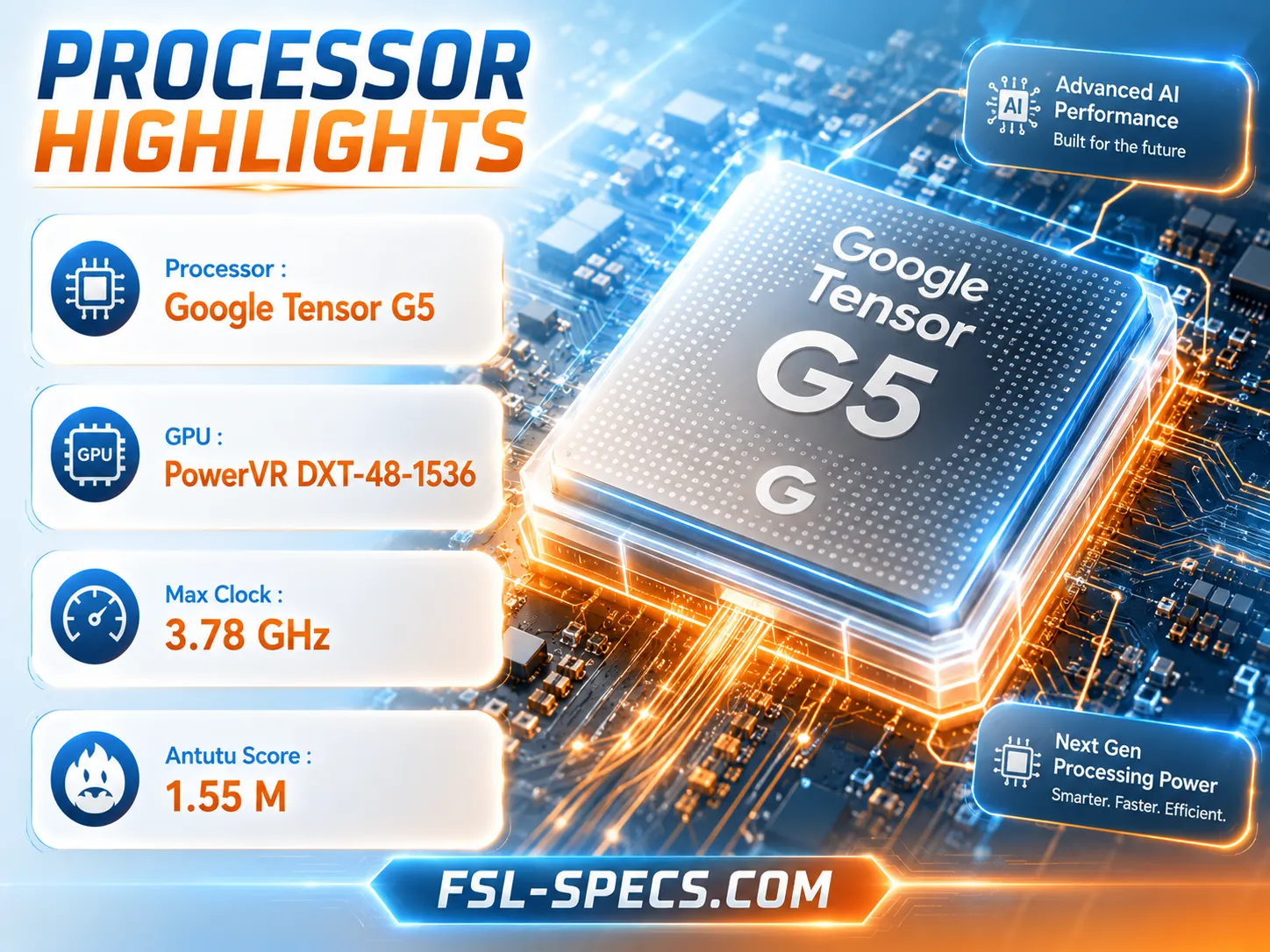
The Google Pixel 10 Pro XL is powered by Google’s Tensor G5, a 3nm chipset with an octa-core CPU reaching 3.78GHz and a PowerVR DXT-48-1536 GPU. For the exact 16+512GB variant, NanoReview records an average AnTuTu v11 score of 1,617,706, with 760,240 CPU and 181,200 GPU points.

The performance gap becomes substantial against the Xiaomi 17 Ultra, which uses the Snapdragon 8 Elite Gen 5. NanoReview reports 3,667,711 AnTuTu v11, while 91mobiles records 3,654,776 for its tested 16GB configuration. Using NanoReview’s figure, Xiaomi scores about 127% higher than the Pixel, giving it dramatically more CPU and especially GPU headroom for demanding gaming, emulation and sustained workloads.

The Samsung Galaxy S26 Ultra, also using Snapdragon 8 Elite Gen 5, reaches an even higher 3,939,244 AnTuTu v11 average on NanoReview. That is approximately 144% higher than the Pixel 10 Pro XL, making Samsung the strongest raw Android performer in this comparison. Its 1,520,337 GPU score is particularly important because the Pixel’s GPU score is only 181,200 on the same benchmark platform.

The iPhone 17 Pro Max uses Apple’s A19 Pro and records 2,590,567 AnTuTu v11, approximately 60% higher than the Pixel. However, cross-platform AnTuTu comparisons should be treated cautiously because benchmark behavior differs between Android and iOS. Apple’s A19 Pro nevertheless demonstrates excellent real-world CPU and graphics performance, with Geekbench 6 results of 3,871 single-core and 9,968 multi-core.

Verdict: The Tensor G5 is capable for everyday use and Google’s AI-focused features, but for raw performance, the Galaxy S26 Ultra leads, followed closely by the Xiaomi 17 Ultra, while the iPhone 17 Pro Max also clearly outperforms the Pixel in benchmark performance.

Ram & Memory Review:

The Google Pixel 10 Pro XL comes in the target 16GB RAM + 512GB configuration, giving it the same RAM capacity as the Xiaomi 17 Ultra and 4GB more RAM than the iPhone 17 Pro Max and Galaxy S26 Ultra. Google officially confirms 16GB RAM and a 512GB Zoned UFS storage option for the Pixel 10 Pro XL.

The Xiaomi 17 Ultra matches the Pixel with 16GB RAM + 512GB and has a clear storage-technology advantage, using LPDDR5X RAM and UFS 4.1 storage. This combination should provide stronger sustained file-transfer and application-loading performance than the Pixel’s Zoned UFS implementation, particularly for large games and heavy data workloads.

The iPhone 17 Pro Max has the lowest RAM capacity in this comparison at 12GB + 256GB in the specified variant. Although iOS generally manages memory differently from Android, the Pixel offers 4GB more RAM and twice the storage capacity, making the Pixel configuration considerably more attractive for users who keep many large apps, photos and videos locally.

The Samsung Galaxy S26 Ultra configuration provides 12GB RAM + 512GB storage, meaning it matches the Pixel’s storage capacity but has 25% less RAM. Samsung officially lists 12GB RAM and 512GB storage, with approximately 478.7GB available after system software.

Verdict: For the exact configurations being compared, the Xiaomi 17 Ultra wins the memory hardware battle with 16GB LPDDR5X + UFS 4.1, while the Pixel 10 Pro XL is a strong second with 16GB RAM + 512GB storage and offers twice the storage of the specified iPhone 17 Pro Max variant.

Cameras Review:

The Google Pixel 10 Pro XL uses a 50MP main + 48MP ultrawide + 48MP telephoto camera system, and its biggest advantage is Google’s computational photography rather than simply having the highest megapixel numbers. In real-world testing, the Pixel produced excellent dynamic range and particularly strong portrait processing. TechRadar currently highlights the Pixel 10 Pro XL as one of the strongest phones for AI-assisted photography, with natural-looking portrait separation and impressive digital-zoom results. However, the camera app can occasionally lag when using demanding modes such as 50MP high-resolution capture or Night Sight, which can result in missed shots.

The Xiaomi 17 Ultra is the most hardware-focused camera rival. It combines a 50MP 1-inch main sensor with a 200MP telephoto offering mechanical optical zoom from approximately 3.2x to 4.3x. Real-world testing found excellent detail, texture and noise control, while its large telephoto sensor gives Xiaomi a major advantage for long-range photography. DXOMARK also found strong dynamic range and color performance, although autofocus can sometimes select the wrong subject in real-world scenes.

The iPhone 17 Pro Max remains the strongest choice for users who prioritize video and realistic-looking photos. Current camera-phone testing places the iPhone 17 Pro Max at the top overall, particularly because of its lifelike image rendering and class-leading video quality.

The Samsung Galaxy S26 Ultra is the most versatile Android camera system here, especially for zoom and ultra-wide photography. Extensive real-world testing involving hundreds of photos shows that Samsung’s camera upgrades become most noticeable when comparing fine details across its primary, ultra-wide and telephoto cameras. Current camera testing also ranks it as the strongest Android option for overall versatility and zoom performance.

Verdict: The Xiaomi 17 Ultra wins for camera hardware and long-range photography, the iPhone 17 Pro Max leads for video and natural rendering, while the Galaxy S26 Ultra offers the best all-round Android camera versatility. The Pixel 10 Pro XL remains the strongest choice for computational photography, portraits and AI-assisted shooting, but its occasional camera-processing lag is a genuine weakness.

Battery Review:

The Google Pixel 10 Pro XL packs a 5,200mAh battery with up to 45W wired charging and 25W Qi2 wireless charging. Google rates it for 24+ hours of battery life, while real-world testing from Gadgets 360 recorded more than 7 hours of screen-on time during heavy mixed usage. PhoneArena’s testing measured 6h 58min overall battery life, including 19h 41min browsing, 10 hours video playback, and 4h 35min gaming.

The Xiaomi 17 Ultra has the biggest battery here, with a 6,000mAh global battery and much faster 90W wired + 50W wireless charging. In real-world testing, TechRadar achieved around 8 hours of screen-on time and found that the phone could stretch to two days with careful usage. Tech Advisor also recorded more than 48 hours of usage and 21h 27min in its PCMark battery test.

The iPhone 17 Pro Max uses a 4,832mAh battery in the tested configuration, but its efficiency is exceptional. Gadgets 360 achieved roughly 36 hours of real-world use with over 8 hours of screen-on time, while Tom’s Guide recorded an impressive 17h 54min in its web-browsing battery test. It supports up to 40W wired charging.

The Samsung Galaxy S26 Ultra retains a 5,000mAh battery but improves charging to 60W wired and 25W wireless. SamMobile reports around 1.5 days of typical use, with approximately 80% charge in 30 minutes and a full charge in about 50 minutes. Tom’s Guide’s testing also puts the S26 Ultra at 16h 40min in its web-surfing battery test.

Verdict: The Xiaomi 17 Ultra wins for battery capacity and charging speed, while the iPhone 17 Pro Max delivers the strongest tested endurance. The Pixel 10 Pro XL is respectable for all-day use, but its 45W charging and gaming endurance leave it behind the Xiaomi and Samsung.

Final Verdict :

Why Pixel should NOT be #1 overall

The Pixel 16GB + 512GB is very attractive at your expected PKR 350k-370k, but its Tensor G5 is the major limitation. Current testing shows the Pixel 10 Pro XL far behind the Galaxy S26 Ultra in demanding performance, particularly graphics.

Meanwhile, the Galaxy S26 Ultra combines flagship Snapdragon performance with a 200MP quad-camera system, strong display hardware and excellent battery/charging. Current camera testing actually ranks it as the best camera phone overall.

The iPhone 17 Pro Max deserves #2 because it is currently regarded as one of the strongest all-around phones, with particularly strong performance, video and battery endurance. Tom’s Guide currently ranks it as its best overall phone.

The Xiaomi 17 Ultra is extremely competitive and arguably should be #2 if your ranking gives camera hardware + charging + raw performance more weight. Its main problem in your comparison is the supplied 450,000 INR price, which isn’t directly comparable with the Pakistan prices.

But for Value for Money, the ranking changes

Value RankPhoneYour Price
🥇 1Google Pixel 10 Pro XL 16+512GBPKR 350k-370k expected
🥈 2Samsung Galaxy S26 Ultra 12+512GBPKR 450k
🥉 3Xiaomi 17 Ultra 16+512GB450,000 INR
4iPhone 17 Pro Max 12+256GBPKR 460k

So the key correction is:
Pixel 10 Pro XL = #1 value, but NOT #1 overall flagship

Pros And Cons of Google Pixel 10 Pro XL

Pros of Mobile

✅ 5x optical zoom 🔭
✅ 3300-nit peak brightness ☀️
✅ 7-year OS support 🔄
✅ Qi2 magnetic charging 🧲
✅ IP68 rating 💧
✅ Gorilla Glass Victus 2 🛡️

Cons of Mobile

❌ Only 45W wired ⚡
❌ Tensor G5 lags rivals 🐢
❌ No charger included 🔌
❌ Pricey flagship cost 💰
❌ Slow UFS on base 💾

Best For - Not Best For

Best For

🎯 AI feature lovers 🤖
🎯 Long-term software users 🔄
🎯 Zoom photography fans 🔭
🎯 Wireless charging fans 🧲
🎯 Stock Android purists 📱

Not Best For

🚫 Raw benchmark chasers 🚀
🚫 Fast-charging seekers ⚡
🚫 Lightweight phone fans 🪶

Trailer And Unboxing of Google Pixel 10 Pro XL

Disassembly Or Teardown And Gaming Test of Google Pixel 10 Pro XL

Camera Test Google Pixel 10 Pro XL

Zte Redmagic 11 Pro
Iphone 17 Pro Max
Samsung Galaxy S26 Ultra
Xiaomi 17 Ultra

Picture of Faisal Ur Rehman

Faisal Ur Rehman

Faisal Rehman is the founder and editor of FSL Specs, where he publishes in-depth smartphone specifications, comparisons, buying guides, and technology insights. With extensive experience in mobile hardware research and technical analysis, he provides accurate and up-to-date information on Android smartphones, processors, displays, cameras, batteries, performance benchmarks, and software features. His goal is to simplify complex specifications and help readers choose the right device with confidence.

FAQs Questions

It features a 6.8" LTPO OLED display with a sharp 1344×2992 resolution and adaptive 120Hz refresh rate. Peak brightness hits an impressive 3300 nits, making it one of the brightest screens on any phone right now.

It's powered by Google's own Tensor G5 chip, which is excellent for everyday use, AI features, and smooth multitasking, but it's genuinely not built for heavy gaming — raw gaming benchmarks lag behind Snapdragon and Dimensity flagships.

The triple rear setup includes a 50MP main sensor, a 48MP periscope telephoto with 5x optical zoom, and a 48MP ultrawide, backed by a 42MP selfie camera. This is genuinely one of the best camera systems in any phone today, especially for computational photography and low light.

The 5200mAh battery comfortably lasts over 24 hours of regular use, and Google claims up to 100 hours in extreme battery saver mode. Charging is 45W wired (70% in 30 minutes) plus 25W Qi2 magnetic wireless charging.

Yes across the board — 5G, NFC, eSIM, Wi-Fi 7, and Qi2 magnetic wireless charging are all supported, making it one of the most future-proofed phones on this list.

Yes, it's rated IP68, meaning it can survive submersion up to 1.5 meters for 30 minutes, plus it's built with an aluminum frame and Gorilla Glass Victus 2 on both front and back.

It comes with 16GB RAM paired with 256GB, 512GB, or 1TB storage options — no lower-RAM variants this generation.

It supports 4K recording at up to 60fps natively, and even offers 8K@30fps through cloud-based upscaling — a unique approach compared to native 8K sensors on other flagships.

16 + 256 GB
 | ~₹114,000 | ~$1180


16 + 512 GB
| ~₹125,000 | ~$ 1300 | ~460,000 PKR


Scroll to Top