






















• Mobiles
  • Processors
  • Mobiles
  • Processors
  • Mobiles
  • Processors

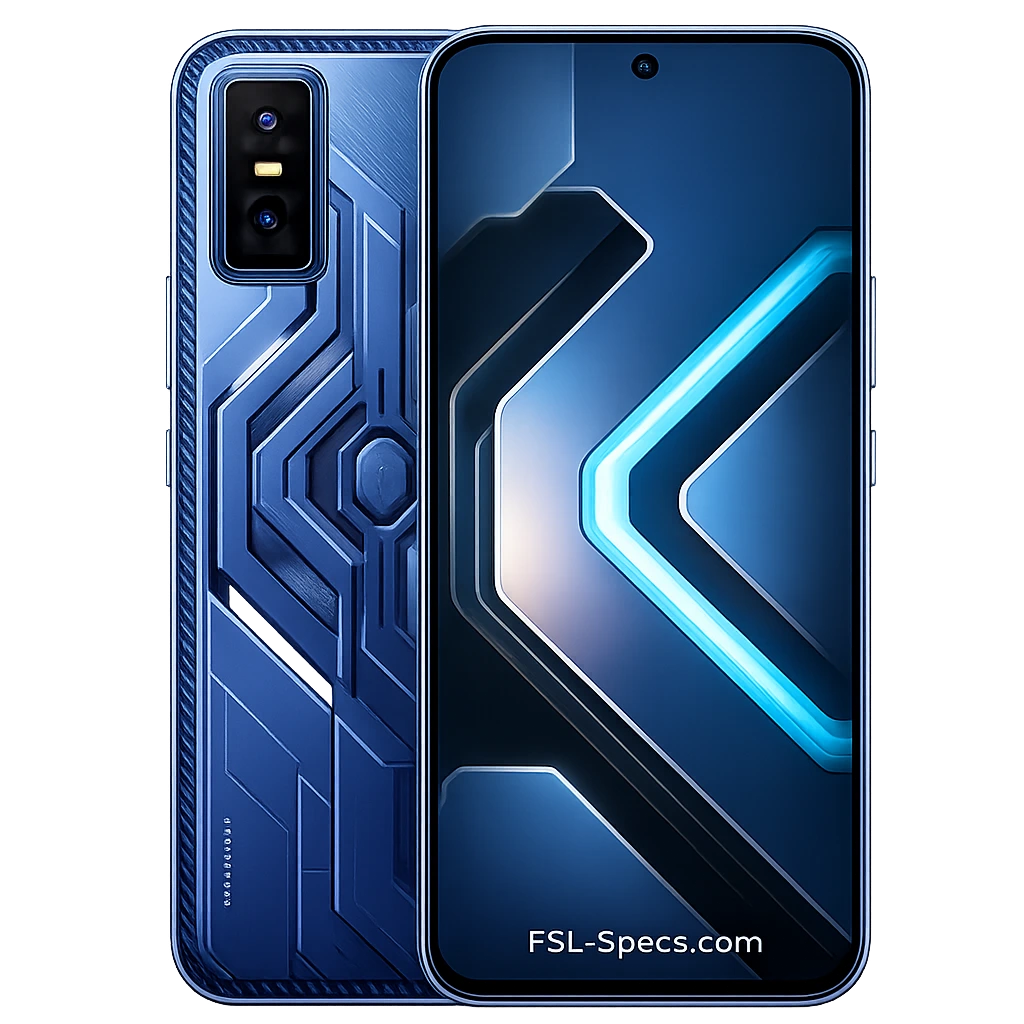
✪ Infinix GT 30 ✪

Infinix GT 30 Specs, Price, Camera, Battery & Best Review (2026)
United States flag United States
$250 USD
…
Pakistan flag Pakistan (PKR)
90,000 PKR
India flag India (INR)
₹24,000 INR

✪ Infinix GT 30 ✪

Infinix GT 30 Specs, Price, Camera, Battery & Best Review (2026)
Last Time Update : 7 October, 2026
0

Quick Specifications

AMOLED

Display Type

Dimensity 7400

Processor

8 +256 GB

Ram And Memory

64 + 8 MP

Camera

5500 mAH

Battery

45 W

Fast Charging

Full Specification

BASIC INFO
Mobile
Infinix GT 30
Model
X6876
Series
GT Series
Category
Mid-range
Release Date
11 August,2025
Year
2025
CONNECTIVITY
Sim
Dual SIM, Nano-SIM
Network
4G / 4G+ / 5G
WiFi
Wi-Fi 6
Bluetooth
5.4
NFC
Yes
OS
Android 15 , XOS 15
BODY
Dimensions
163.7 x 75.8 x 8 mm
Build
Plastic ( Frame And Back)
KG Weight
187 grams
Screen Size
6.78 inch
Resolution
1224 x 2720 Pixels
Type
AMOLED
Refresh Rate
144 Hz
Peak Brightness
4500 nits
HBM Brightness
1600 nits
Processor
Dimensity 7400
Processor Link
Max Clock
2.6 GHz
Lithography
4 nm
GPU
Mali-G615 MC2
CPU Cores
8 Cores
Antutu v11
800 K
Architecture
4 x 2.6GHz A78
4 x 2.0GHz A55
Ram Memory
8 +256 GB
Ram Type
LPDDR5X
Storage Type
UFS 2.2
SD Card
No
Variants
8+ 128GB
8+ 256GB
MP
Rear Camera
64 + 8 MP
Front Camera
13 MP
SENSORS
Camera Sensors
64 MP = Sony IMX682 Exmor RS
8 MP = GalaxyCore GC08A8
Front Sensors
13 MP = GalaxyCore GC13AO
RECORDING FPS
Main Recording
4K@30 fps
1080p@30/60 fps
Front Recording
4K@30 fps
1080p@30/60 fps
RESOLUTION
Main Resolution
9248 × 6936 Pixels
Front Resolution
4128 x 3096 Pixels
FLASH
Flash
Dual-LED Flash
Front Flash
Screen Flash
Capacity
5500 mAH
Fast Charging
45 W
Li Battery Type
Li-Polymer
REVERSE
Reverse Wired
10 W
OTHER
Battery PC Marks
7 hours
Charging Time
100% in 60-80 min
AUDIO & SENSORS
Speaker
Dual Stereo Speaker
Fingerprint Sensor
Front Finger
Other Sensors
Accelerometer
Gyroscope
Proximity Sensor
Ambient Light Sensor
Electronic Compass
More
Special Features

RGB notification light on the back
Gaming triggers
Vapor Chamber Cooling

BASIC INFO
Mobile
Infinix GT 30
Model
X6876
Series
GT Series
Category
Mid-range
Release Date
11 August,2025
Year
2025
CONNECTIVITY
Sim
Dual SIM, Nano-SIM
Network
4G / 4G+ / 5G
WiFi
Wi-Fi 6
Bluetooth
5.4
NFC
Yes
OS
Android 15 , XOS 15
BODY
Dimensions
163.7 x 75.8 x 8 mm
Build
Plastic ( Frame And Back)
KG Weight
187 grams
Screen Size
6.78 inch
Resolution
1224 x 2720 Pixels
Type
AMOLED
Refresh Rate
144 Hz
Peak Brightness
4500 nits
HBM Brightness
1600 nits
Processor
Dimensity 7400
Processor Link
Max Clock
2.6 GHz
Lithography
4 nm
GPU
Mali-G615 MC2
CPU Cores
8 Cores
Antutu v11
800 K
Architecture
4 x 2.6GHz A78
4 x 2.0GHz A55
Ram Memory
8 +256 GB
SD Card
No
Ram Type
LPDDR5X
Storage Type
UFS 2.2
Variants
8+ 128GB
8+ 256GB
MP
Rear Camera
64 + 8 MP
Front Camera
13 MP
SENSORS
Main Camera Sensors
64 MP = Sony IMX682 Exmor RS
8 MP = GalaxyCore GC08A8
Front Camera Sensors
13 MP = GalaxyCore GC13AO
RECORDING FPS
Main Recording
4K@30 fps
1080p@30/60 fps
Front Recording
4K@30 fps
1080p@30/60 fps
RESOLUTION
Main Resolution
9248 × 6936 Pixels
Front Resolution
4128 x 3096 Pixels
FLASH
Flash
Dual-LED Flash
Front Flash
Screen Flash
Capacity
5500 mAH
Fast Charging
45 W
Li Battery Type
Li-Polymer
REVERSE
Reverse Wired
10 W
OTHER
Battery Life PCMark
7 hours
Charging Time
100% in 60-80 min
AUDIO & SENSORS
Speaker
Dual Stereo Speaker
Fingerprint Sensor
Front Finger
Other Sensors
Accelerometer
Gyroscope
Proximity Sensor
Ambient Light Sensor
Electronic Compass
More
Special Features

RGB notification light on the back
Gaming triggers
Vapor Chamber Cooling

Highlights & Review Of Infinix GT 30

Display Review:

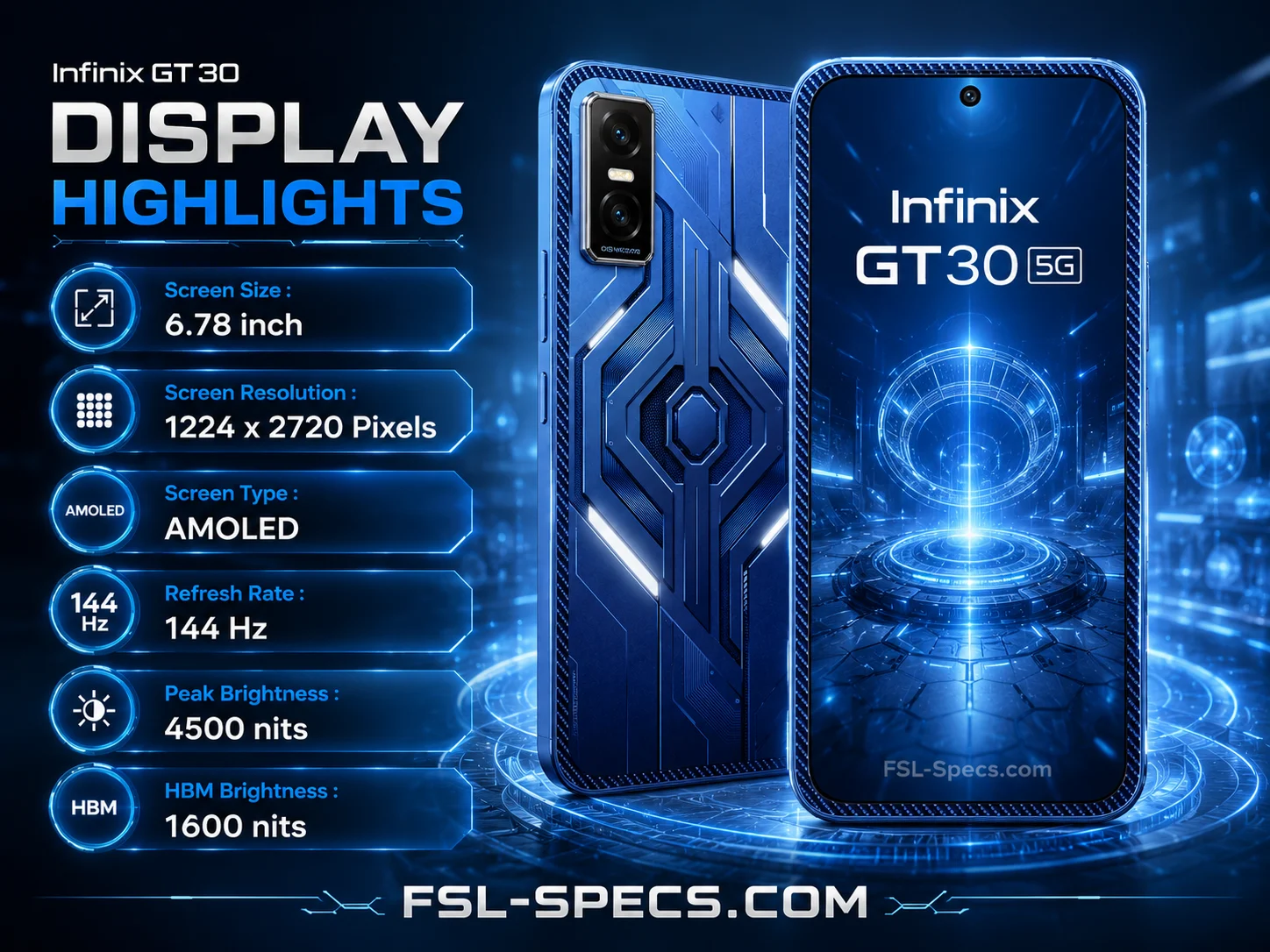
The Infinix GT 30 (PKR 95,000) runs a 6.78-inch AMOLED panel at a sharper 1224 x 2720 resolution and 144Hz refresh rate, with GSMArena listing 700 nits typical and 1600 nits peak brightness, well below the 4500 nits figure Infinix advertises, which is a marketing-spec local peak rather than a lab-measured number.

The Tecno Pova 7 Pro (PKR 85,000) matches that same 6.78-inch AMOLED, 1224 x 2720, 144Hz panel almost spec for spec, and it too only carries a 4500 nits marketing claim with no independently verified brightness figure, so on paper these two are essentially tied. Stepping down in resolution is the Infinix GT 20 Pro (PKR 85,000), which uses a 6.78-inch AMOLED FHD+ panel at 1080 x 2436 with the same 144Hz refresh rate but a more modest, GSMArena-confirmed 1300 nits peak brightness, a real and disclosed number rather than a marketing ceiling.

The Vivo V50 (PKR 100,000, used) is the outlier on refresh rate at just 120Hz on a 6.77-inch AMOLED FHD+ 1080 x 2392 screen, and while Vivo also claims 4500 nits peak, GSMArena’s own lab measurement recorded just 588 nits manual and 1274 nits auto brightness, meaning its real-world outdoor visibility is closer to the GT 20 Pro’s confirmed number than to any marketing figure.

So the GT 30 wins on sharpness against every rival here, ties the Pova 7 Pro on refresh rate and unverified brightness, and only the GT 20 Pro and V50 have brightness numbers independently confirmed rather than manufacturer-claimed.

Verdict: The Infinix GT 30 has the sharpest and joint-fastest display in this group at PKR 95,000, but buyers chasing verified outdoor brightness rather than marketing peaks should note the GT 20 Pro is the only rival with a fully disclosed, non-marketing brightness figure at a lower price.

Processor Review:

The Vivo V50 (PKR 100,000, used market) posts the strongest confirmed score in this comparison, its Snapdragon 7 Gen 3 hitting 1,025,251 on NanoReview’s community AnTuTu 11 results, a clear step above every MediaTek chip in this group despite the phone itself being the priciest.

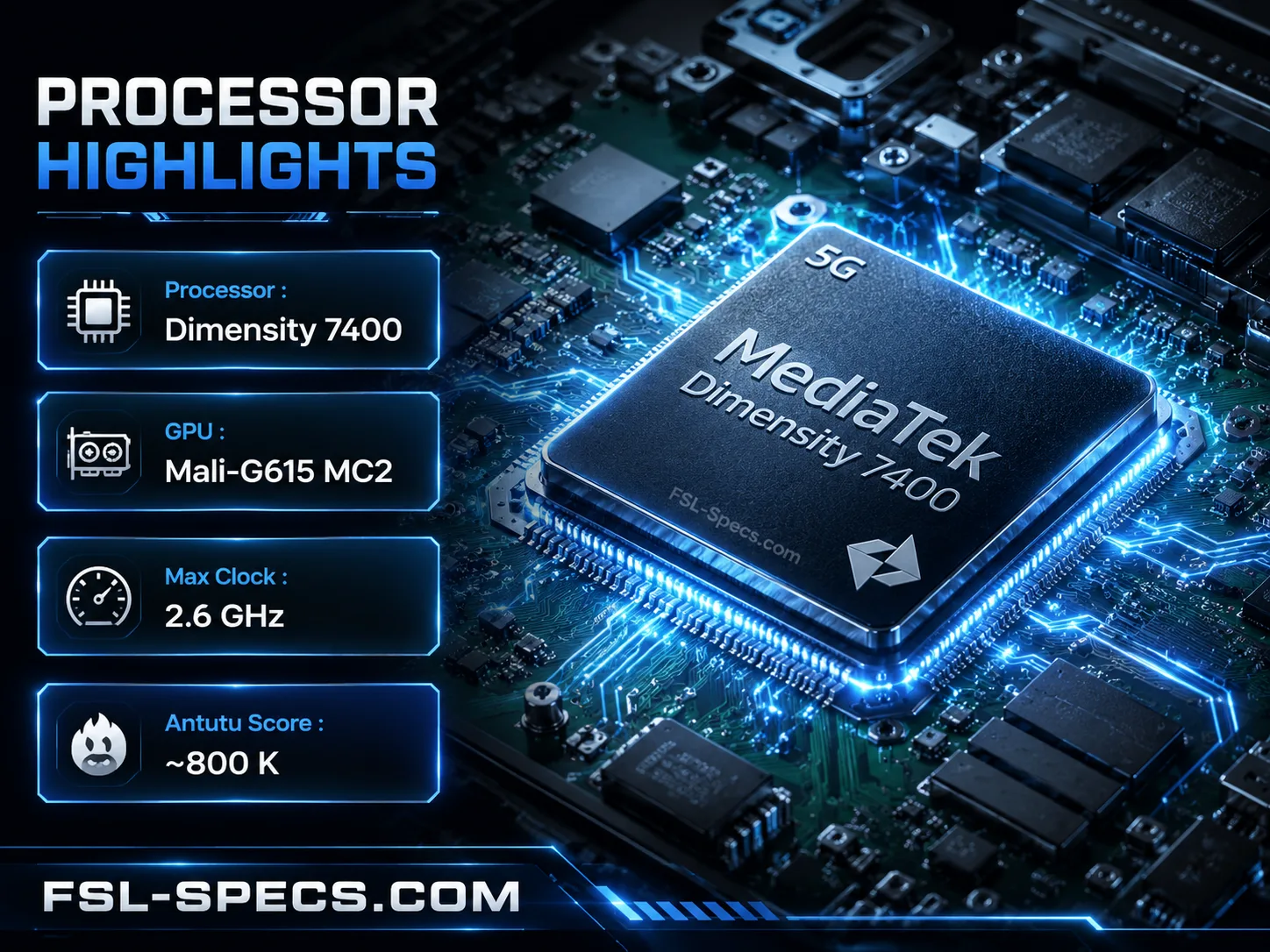
The Infinix GT 30 (PKR 95,000) follows with its Dimensity 7400 scoring 956,756 on AnTuTu 11, the strongest MediaTek result here and a real gap above its two closest rivals rather than a rounding difference. Sitting close together behind it are the Infinix GT 20 Pro (PKR 85,000) and Tecno Pova 7 Pro (PKR 85,000): the GT 20 Pro’s Dimensity 8200 Ultimate scores roughly 936,985 on AnTuTu 11, though this figure is cross-referenced from 91Mobiles rather than a confirmed NanoReview device submission,

so it’s tagged , while the Pova 7 Pro’s Dimensity 7300 Ultimate scores a device-specific 931,014 directly from NanoReview’s own device rankings, meaning these two sit within roughly 1% of each other despite one being a generation newer chip on paper.

All four scores come from the same AnTuTu 11 benchmark version, so the ranking here holds up as a fair like-for-like comparison, with the one caveat being the GT 20 Pro’s unconfirmed sourcing.

Verdict: The Vivo V50 delivers the clearest performance lead in this group, the Infinix GT 30 is the strongest MediaTek option and justifies its higher price over its own GT 20 Pro sibling, while the GT 20 Pro and Tecno Pova 7 Pro are close enough in raw power that buyers should decide between them on other factors like RAM tier or battery instead.

Ram & Memory Review:

The Infinix GT 30 (PKR 95,000) ships with 8GB LPDDR5X RAM and 256GB storage on the older UFS 2.2 standard, with no microSD slot, confirmed directly on GSMArena’s spec sheet. Despite being the priciest MediaTek phone in this group, it’s actually the weakest here on raw RAM tier, since all three rivals ship with 12GB as tested.

The Tecno Pova 7 Pro (PKR 85,000) offers 12GB RAM and 256GB storage with no card slot either, though its exact storage standard isn’t confirmed across GSMArena or Kimovil, so that detail stays . The Infinix GT 20 Pro (PKR 85,000) matches that 12GB RAM tier but pulls ahead on storage speed with confirmed UFS 3.1, a genuinely faster standard than the GT 30’s UFS 2.2 despite the GT 20 Pro being the older, cheaper phone, a real reversal worth calling out honestly rather than assuming the newer model automatically wins.

The Vivo V50 (PKR 100,000, used market) tops the group on raw capacity with 12GB RAM and 512GB storage, double the GT 30’s storage ceiling, though like the other three it has no expansion slot at all.

Verdict: For buyers focused on RAM headroom or storage speed, the Infinix GT 30 is actually the weakest phone in its own comparison despite its higher price, both trailing the Infinix GT 20 Pro on UFS storage speed and trailing all three rivals on RAM tier; the Vivo V50 is the strongest overall on memory, and the GT 20 Pro is the best value pick for anyone who wants 12GB RAM and fast storage without Vivo’s higher used-market price.

Cameras Review:

The Infinix GT 20 Pro (PKR 85,000) has the strongest confirmed camera hardware in this group by a clear margin: a 108MP, f/1.75 main sensor from a confirmed Samsung HM6, with genuine OIS, paired with the highest video ceiling here at 4K@30/60fps rear and up to 1080p@240fps slow motion, while its 32MP front camera (confirmed GalaxyCore GC32E1) records 1440p@30fps.

The Vivo V50 (PKR 100,000, used market) counters with a more balanced dual 50MP setup, a confirmed OmniVision OV50e main sensor with OIS plus a genuine 50MP autofocus ultrawide on a confirmed Samsung ISOCELL JN1, though video tops out lower at 4K@30fps on both rear and its 50MP front camera.

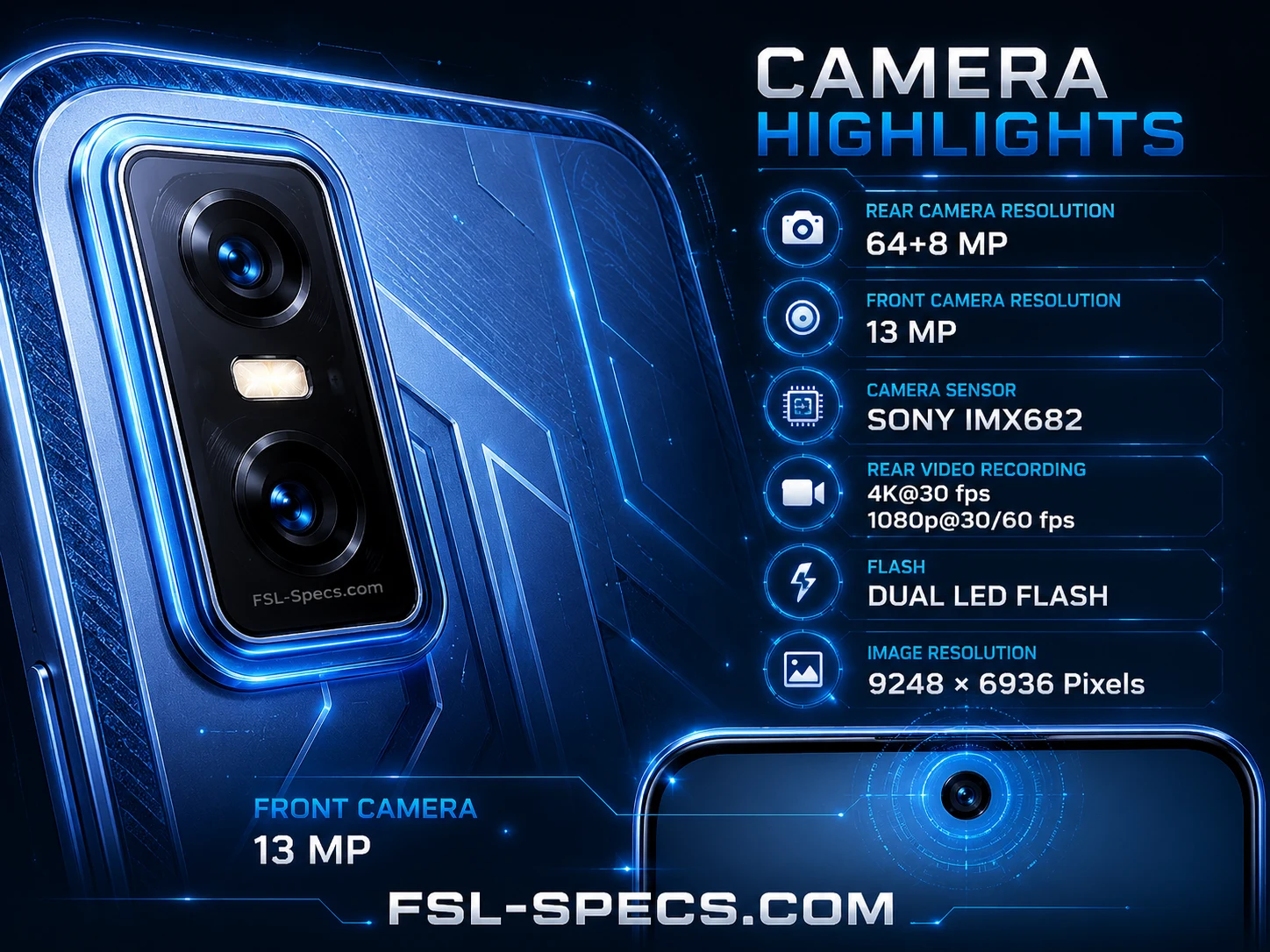
The Infinix GT 30 (PKR 95,000) drops to a 64MP, f/1.8 main sensor with no OIS and an undisclosed sensor brand, paired with an 8MP ultrawide, and while its 13MP front camera also hits 4K@30fps, neither of its rear or front sensors has a confirmed manufacturer the way the GT 20 Pro’s or V50’s do, so both stay [Unconfirmed] despite the phone’s higher price than its own GT 20 Pro sibling.

The Tecno Pova 7 Pro (PKR 85,000) is the weakest here: a 64MP main sensor (confirmed Sony IMX682, no OIS) with an 8MP ultrawide, matching the GT 30’s 4K@30fps rear video, but its 13MP front camera’s exact recording resolution isn’t specified on GSMArena, leaving front video fps [Unconfirmed].

Verdict: The Infinix GT 20 Pro has the most complete, best-verified camera setup in this comparison, undercutting the pricier Infinix GT 30 on nearly every camera spec that matters, while the Vivo V50 is the strongest all-round alternative for buyers who want two genuinely useful 50MP lenses rather than a single high-megapixel sensor.

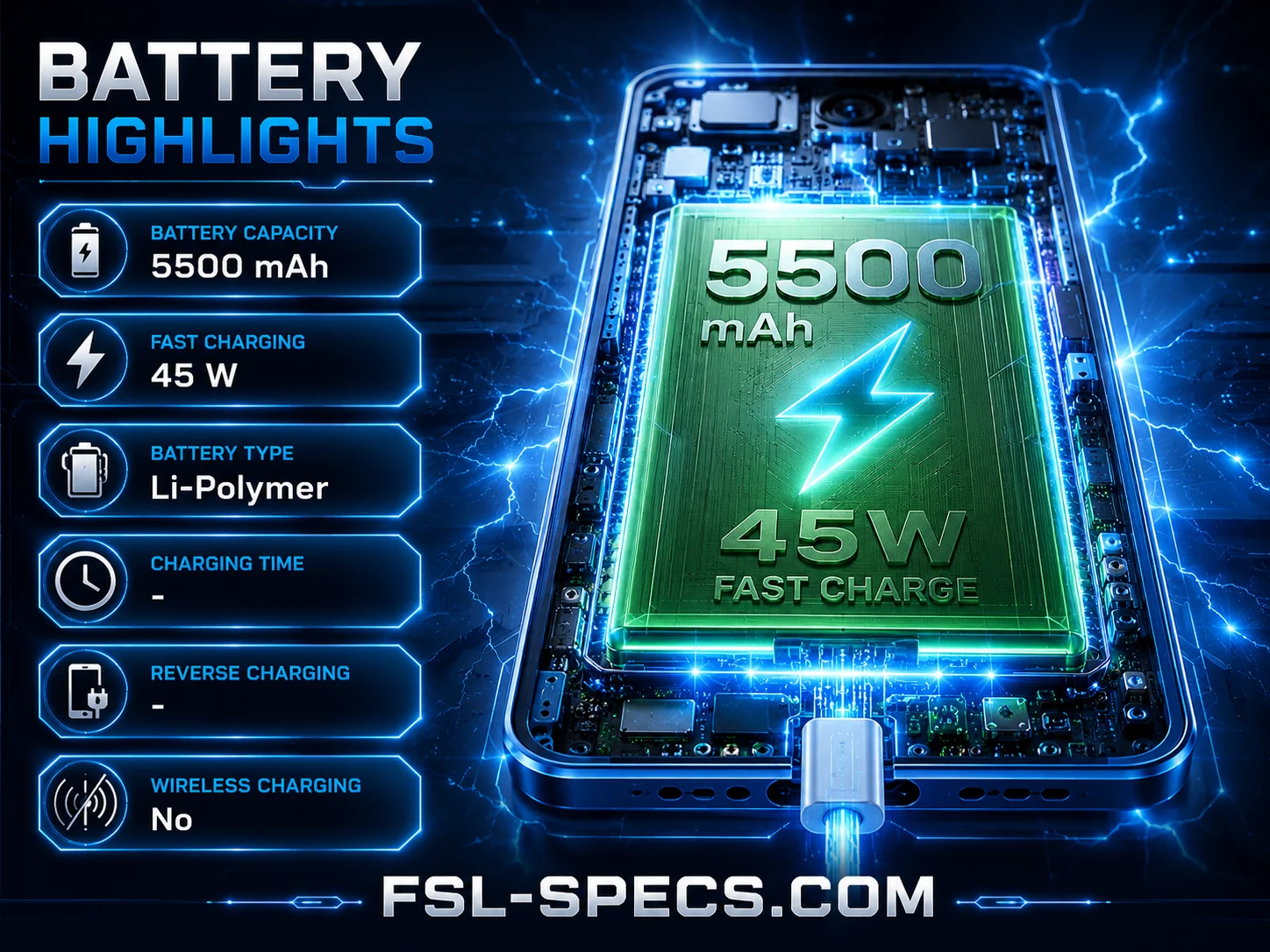
Battery Review:

The Vivo V50 (PKR 100,000, used market) has the fastest charging in this group by a wide margin: a 6000mAh battery paired with 90W wired charging and reverse wired support, roughly double the wattage of every rival here despite carrying a similar or larger capacity. The Tecno Pova 7 Pro (PKR 85,000) counters with the most complete feature set rather than the fastest speed: also 6000mAh.

but at 45W wired (confirmed 50% in 26 minutes, 100% in 61 minutes), plus 30W wireless magnetic charging and 10W reverse wired, features neither the GT 30 nor the GT 20 Pro offer. The Infinix GT 30 (PKR 95,000) carries a 5500mAh battery with 45W wired and 10W reverse wired charging plus bypass charging for cooler gaming sessions, though its exact charge time to 50% or 100% isn’t published on GSMArena, so that detail stays [Unconfirmed], and it has no wireless charging at all, a real gap against the similarly priced Pova 7 Pro.

The Infinix GT 20 Pro (PKR 85,000) has the smallest capacity here at 5000mAh, with 45W wired charging and bypass support, but no confirmed wireless or reverse charging, and like the GT 30 its exact charge time isn’t disclosed, leaving that figure [Unconfirmed] as well.

Verdict: The Vivo V50 wins outright on charging speed, the Tecno Pova 7 Pro is the best all-round pick for anyone who wants wireless charging without paying Vivo’s higher used-market price, and the Infinix GT 30 offers no real charging advantage over its own cheaper GT 20 Pro sibling despite costing PKR 10,000 more.

Final Verdict :

Across every section, the Infinix GT 20 Pro emerges as the strongest value in this group despite being tied for the lowest price at PKR 85,000: it has the best confirmed camera hardware of the four, with a genuine OIS main sensor and the highest video recording ceiling, backed by 12GB RAM and the fastest confirmed UFS 3.1 storage, and a processor within 1% of the pricier Infinix GT 30.

The Vivo V50, at the highest price of PKR 100,000 (used market), delivers the strongest raw processor score and the fastest charging in the group at 90W, plus a genuinely capable dual 50MP camera setup, making it the pick for buyers who want outright performance and don’t mind paying more for a used unit. The Tecno Pova 7 Pro (PKR 85,000) is the most balanced all-rounder on charging, the only phone here with both wireless and reverse charging, but its camera is the weakest of the four with no OIS and an unconfirmed front video spec.

The Infinix GT 30, despite being the target phone and priced PKR 10,000 above its own GT 20 Pro sibling at PKR 95,000, is honestly the weakest overall performer here: it trails every rival on RAM tier, uses older UFS 2.2 storage against the GT 20 Pro’s UFS 3.1, has no wireless charging, and its camera sensors remain undisclosed where rivals’ are confirmed. Its only genuine edge is display sharpness at 1224 x 2720.

Bottom line: Buyers should seriously consider the Infinix GT 20 Pro over the pricier Infinix GT 30 unless display resolution is the deciding factor, since the GT 20 Pro matches or beats it on camera, storage speed, and RAM for PKR 10,000 less.

Ranking:

  1. Infinix GT 20 Pro – PKR 85,000
  2. Vivo V50 – PKR 100,000 (used market)
  3. Tecno Pova 7 Pro – PKR 85,000
  4. Infinix GT 30 – PKR 95,000

Pros And Cons of Infinix GT 30

Pros of Mobile

✅Good value pricing
✅144Hz AMOLED display
✅ 5500mAh battery
✅45W charging
✅Gaming shoulder triggers
✅Strong gaming performance

Cons of Mobile

❌Older UFS 2.2 storage
❌No SD card slot
❌No 3.5mm jac
❌Plastic build quality
❌Overheating during gaming in summer
❌Only 8GB RAM option
❌No wireless charging

Best For - Not Best For

Best For

✅ Budget gamers
✅Battery life seekers
✅ Style conscious buyers
✅ Frequent travelers
✅First-time 5G buyers

Not Best For

❌Camera-focused users
❌Expandable storage needs
❌Wired audio listeners
❌Wireless charging fans
❌Heat sensitive users

Trailer And Unboxing of Infinix GT 30

Disassembly Or Teardown And Gaming Test of Infinix GT 30

Camera Test Infinix GT 30

Infinix Series Row
Picture of Faisal Ur Rehman

Faisal Ur Rehman

Faisal Rehman is the founder and editor of FSL Specs, where he publishes in-depth smartphone specifications, comparisons, buying guides, and technology insights. With extensive experience in mobile hardware research and technical analysis, he provides accurate and up-to-date information on Android smartphones, processors, displays, cameras, batteries, performance benchmarks, and software features. His goal is to simplify complex specifications and help readers choose the right device with confidence.

FAQs Questions

Infinix GT 30 features a 144Hz 1.5K AMOLED display with up to 4500 nits peak brightness for smooth visuals and strong outdoor visibility.

Infinix GT 30 is powered by the MediaTek Dimensity 7400 chipset, delivering efficient gaming and daily performance.

Infinix GT 30 combines LPDDR5X RAM with UFS 2.2 storage for responsive multitasking and faster data access.

Infinix GT 30 comes with a 64MP rear camera for detailed photography and a 13MP front camera for selfies and video calls.

Infinix GT 30 packs a 5500mAh battery and supports 45W fast charging to keep you powered throughout the day.

8+  256 GB  = 100,000 PKR | 250 $ | 27,000 INR

Scroll to Top