







• Mobiles
  • Processors
  • Mobiles
  • Processors
  • Mobiles
  • Processors

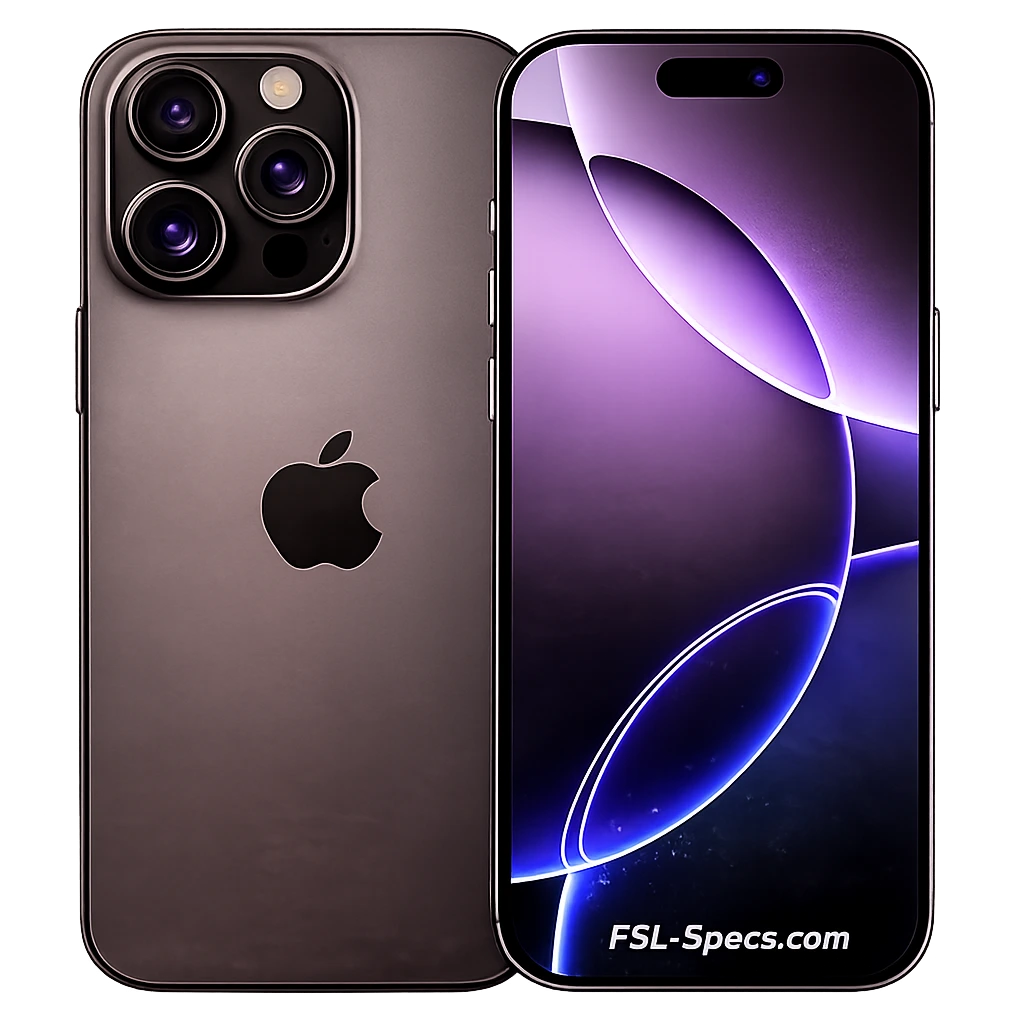
✪ iPhone 16 Pro Max ✪

iPhone 16 Pro Max Specs, Price, Camera, Battery & Best Review (2026)
United States flag United States
$1,400 USD
…
Pakistan flag Pakistan (PKR)
505,000 PKR
India flag India (INR)
₹150,000 INR

✪ iPhone 16 Pro Max ✪

iPhone 16 Pro Max Specs, Price, Camera, Battery & Best Review (2026)
Last Time Update : 7 October, 2026
0

Quick Specifications

OLED

Display Type

Apple A18 Pro

Processor

8 +512 GB

Ram And Memory

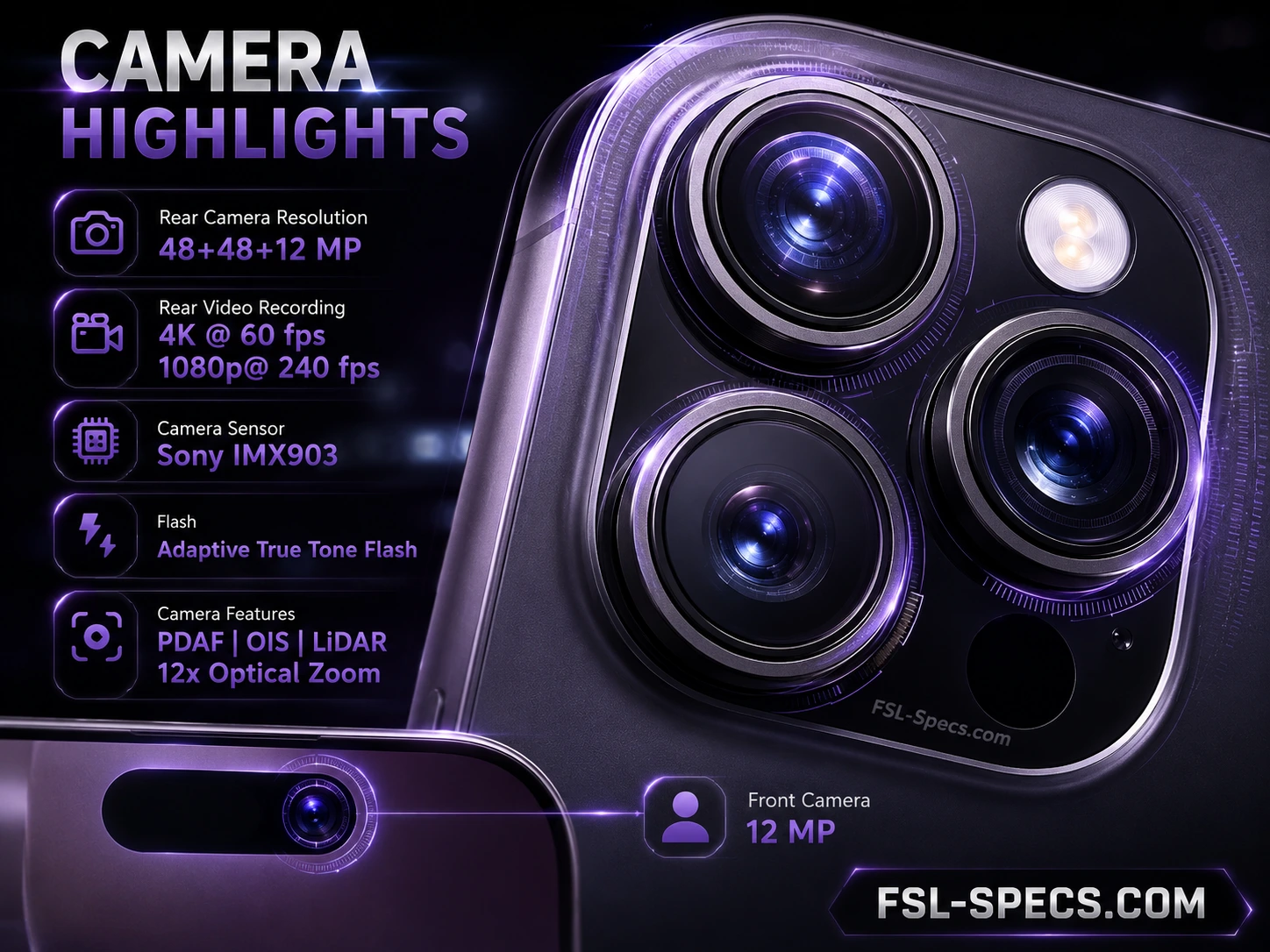
48 + 48 + 12 MP

Camera

4685 mAh

Battery

30 W

Fast Charging

Full Specification

BASIC INFO
Mobile
iPhone 16 Pro Max
Series
iPhone 16
Category
Flagship
Release Date
9 September,2024
Year
2024
CONNECTIVITY
Sim
Nano-SIM/ E-SIM
Network
4G / 4G+ / 5G/ 5G+
WiFi
Wi-Fi 7
Bluetooth
5.3
NFC
Yes
OS
iOS 27
BODY
Dimensions
163 × 77.6 × 8.3 mm
Build
Frame And Back Aluminum
KG Weight
277 grams
Screen Size
6.9 inch
Resolution
1320 x 2868 Pixels
Type
OLED
Refresh Rate
120 Hz
Peak Brightness
2000 nits
HBM Brightness
1600 nits
Processor
Apple A18 Pro
Max Clock
2× 4.05 GHz
Lithography
3 nm
GPU
Apple GPU
CPU Cores
6 Cores
Antutu v11
1.9 M
Architecture
2× Everest 4.26 GHz
4× Sawtooth 2.6 GHz
Ram Memory
8 +512 GB
Ram Type
LPDDR5X
Storage Type
NVMe
SD Card
No
Variants
8 + 256GB
8 + 512GB
8 + 1TB
MP
Rear Camera
48 + 48 + 12 MP
Front Camera
12 MP
SENSORS
Camera Sensors
48 MP = Sony IMX903
48 MP = Sony IMX972
12 MP = Sony IMX913
Front Sensors
12 MP = Sony IMX714
RECORDING FPS
Main Recording
4K @ 60 fps
1080p@ 240 fps
Front Recording
4K @60 fps
1080p @ 120 fps
RESOLUTION
Main Resolution
8064 x 6048 pixels
Front Resolution
4000 × 3000 pixels
ZOOM
Optical Zoom
5x
D Digital Zoom
25 x
FLASH
Flash
Dual-LED dual-tone
Front Flash
-
Capacity
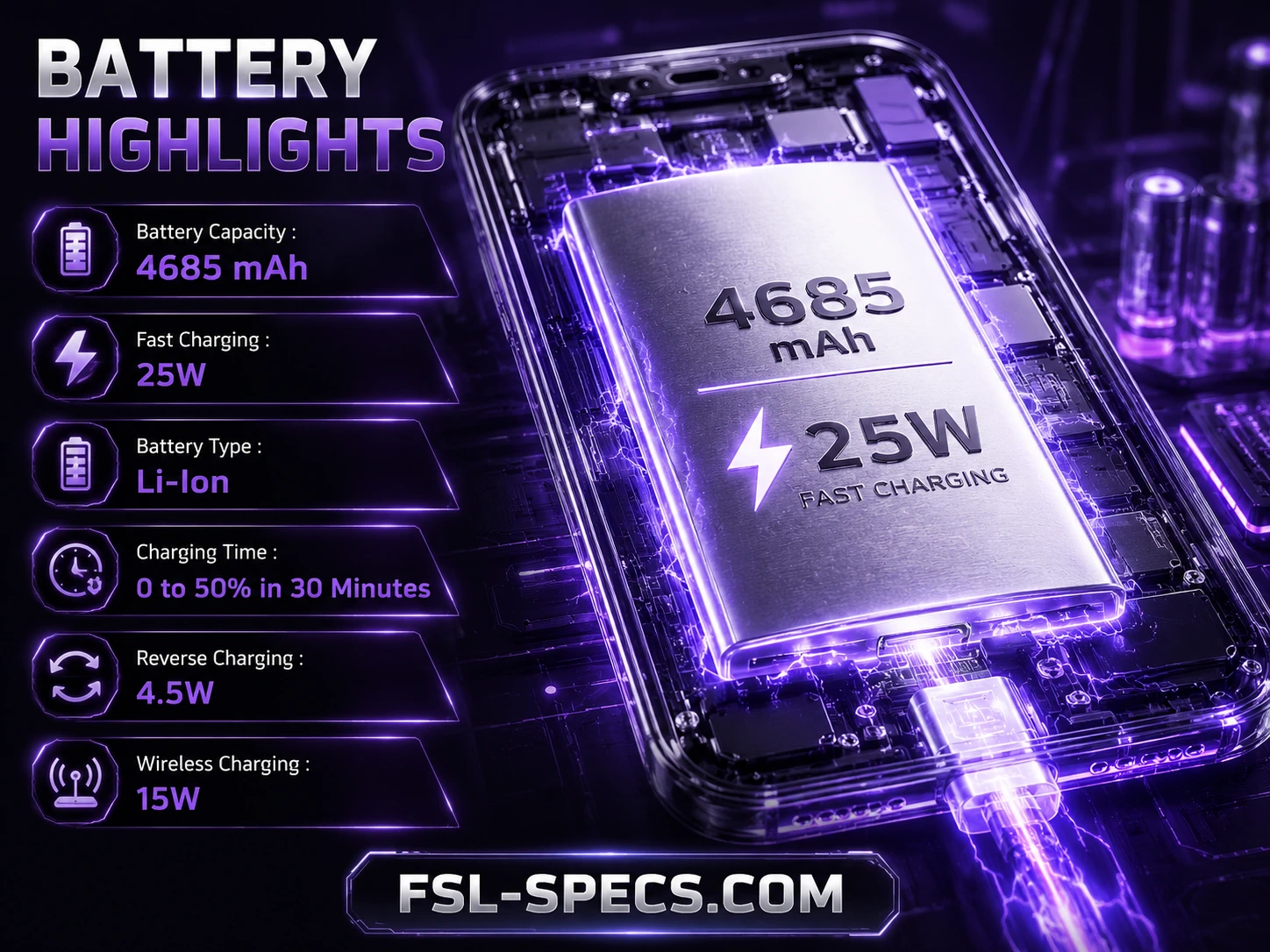
4685 mAh
Fast Charging
30 W
Wireless Charging
25 W
Li Battery Type
Li-Ion
REVERSE
Reverse Wired
-
Reverse Wireless
yes
OTHER
Battery PC Marks
-
Charging Time
2 hour 20 mints
AUDIO & SENSORS
Speaker
Dual Stereo Speaker
Fingerprint Sensor
Face ID
Other Sensors
Face ID
Accelerometer
Gyroscope
Barometer
Proximity
Compass
Ambient Light
LiDAR
Special Features

Emergency SOS via Satellite
Camera Control key

BASIC INFO
Mobile
iPhone 16 Pro Max
Series
iPhone 16
Category
Flagship
Release Date
9 September,2024
Year
2024
CONNECTIVITY
Sim
Nano-SIM/ E-SIM
Network
4G / 4G+ / 5G/ 5G+
WiFi
Wi-Fi 7
Bluetooth
5.3
NFC
Yes
OS
iOS 27
BODY
Dimensions
163 × 77.6 × 8.3 mm
Build
Frame And Back Aluminum
KG Weight
277 grams
Screen Size
6.9 inch
Resolution
1320 x 2868 Pixels
Type
OLED
Refresh Rate
120 Hz
Peak Brightness
2000 nits
HBM Brightness
1600 nits
Processor
Apple A18 Pro
Max Clock
2× 4.05 GHz
Lithography
3 nm
GPU
Apple GPU
CPU Cores
6 Cores
Antutu v11
1.9 M
Architecture
2× Everest 4.26 GHz
4× Sawtooth 2.6 GHz
Ram Memory
8 +512 GB
SD Card
No
Ram Type
LPDDR5X
Storage Type
NVMe
Variants
8 + 256GB
8 + 512GB
8 + 1TB
MP
Rear Camera
48 + 48 + 12 MP
Front Camera
12 MP
SENSORS
Main Camera Sensors
48 MP = Sony IMX903
48 MP = Sony IMX972
12 MP = Sony IMX913
Front Camera Sensors
12 MP = Sony IMX714
RECORDING FPS
Main Recording
4K @ 60 fps
1080p@ 240 fps
Front Recording
4K @60 fps
1080p @ 120 fps
RESOLUTION
Main Resolution
8064 x 6048 pixels
Front Resolution
4000 × 3000 pixels
ZOOM
Optical Zoom
5x
D Digital Zoom
25 x
FLASH
Flash
Dual-LED dual-tone
Front Flash
-
Capacity
4685 mAh
Fast Charging
30 W
Wireless Charging
25 W
Li Battery Type
Li-Ion
REVERSE
Reverse Wired
-
Reverse Wireless
yes
OTHER
Battery Life PCMark
-
Charging Time
2 hour 20 mints
AUDIO & SENSORS
Speaker
Dual Stereo Speaker
Fingerprint Sensor
Face ID
Other Sensors
Face ID
Accelerometer
Gyroscope
Barometer
Proximity
Compass
Ambient Light
LiDAR
Special Features

Emergency SOS via Satellite
Camera Control key

Highlights & Review Of iPhone 16 Pro Max

Display Review:

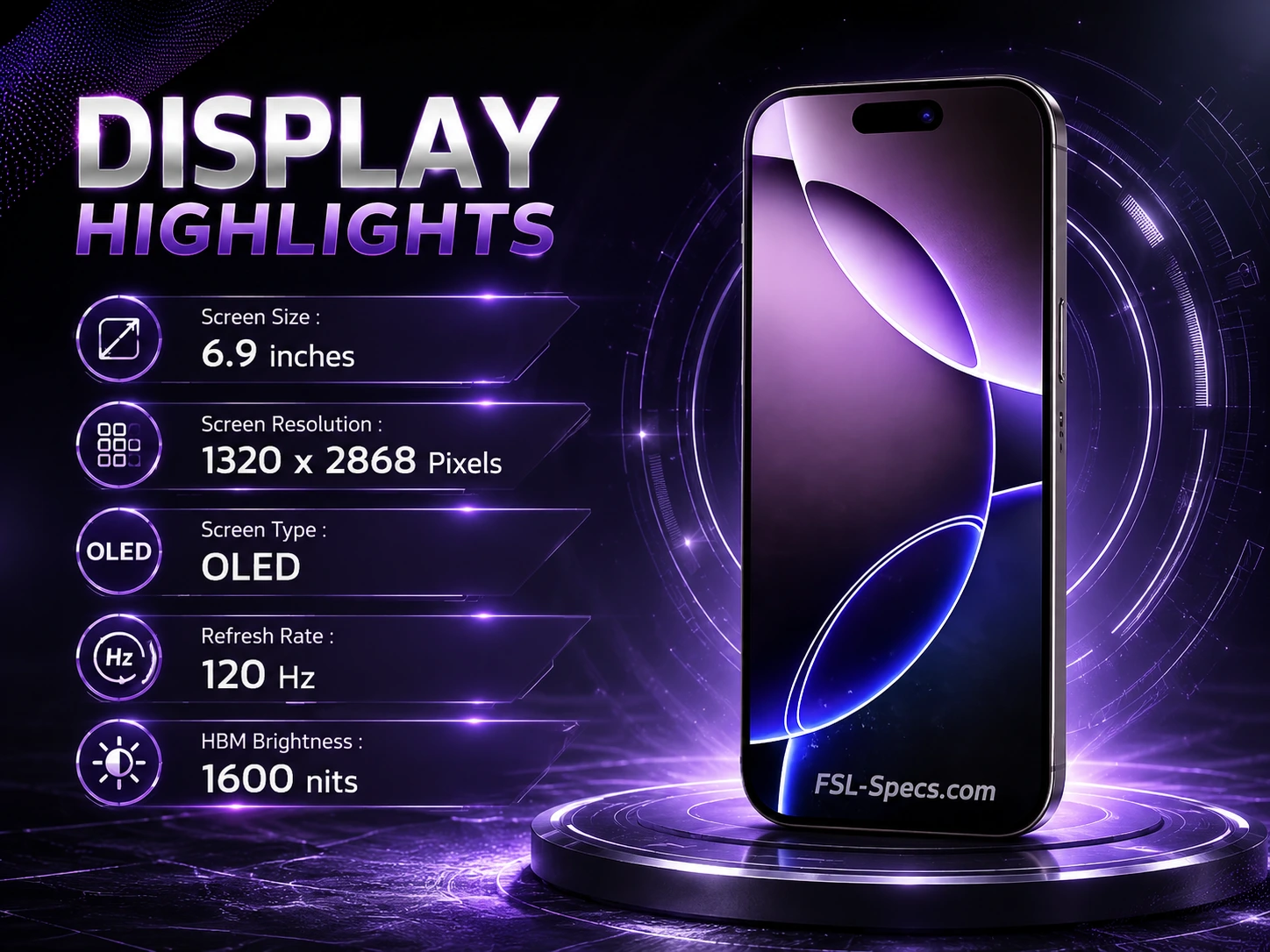
The iPhone 16 Pro Max uses a 6.9-inch Super Retina XDR OLED display with 2868 × 1320 resolution, 460 ppi, and ProMotion adaptive refresh rates up to 120Hz. Apple rates the panel at 1,000 nits typical brightness, 1,600 nits HDR peak, and 2,000 nits outdoor peak brightness. Its large 6.9-inch screen provides the same physical size as the Galaxy S26 Ultra, but the Samsung offers a higher 1440p-class resolution.

The Samsung Galaxy S26 Ultra has the highest-resolution large-screen panel here, using a 6.9-inch Dynamic AMOLED 2X display at 3120 × 1440, around 500 ppi, with a 120Hz refresh rate. Samsung rates peak brightness at 2,600 nits, while GSMArena measured more than 2,800 nits on a 10% test pattern. Its DX anti-reflective coating also improves outdoor readability, and the Privacy Display adds another practical display feature.

The Samsung Galaxy S26 Plus steps down to a 6.7-inch Dynamic AMOLED 2X panel but retains the 3120 × 1440 resolution and 120Hz refresh rate. At approximately 516 ppi, it has the highest pixel density in this comparison, while its 2,600-nit peak brightness matches the S26 Ultra on paper. This makes the S26 Plus particularly strong for text clarity and detailed images despite its smaller screen.

The iPhone 17 Pro is the smallest display here at 6.3 inches, with 2622 × 1206 resolution, 460 ppi, and adaptive 120Hz ProMotion. Its rated brightness reaches 3,000 nits outdoors, higher than the iPhone 16 Pro Max’s 2,000 nits and Samsung’s 2,600-nit advertised peak.

Verdict: Samsung Galaxy S26 Ultra wins the overall display comparison for its 6.9-inch QHD+ panel, 500 ppi density and strong 2,600-nit brightness, while the Galaxy S26 Plus has the highest pixel density; iPhone 17 Pro leads on advertised outdoor brightness, and iPhone 16 Pro Max remains a strong 6.9-inch 120Hz OLED option.

Processor Review:

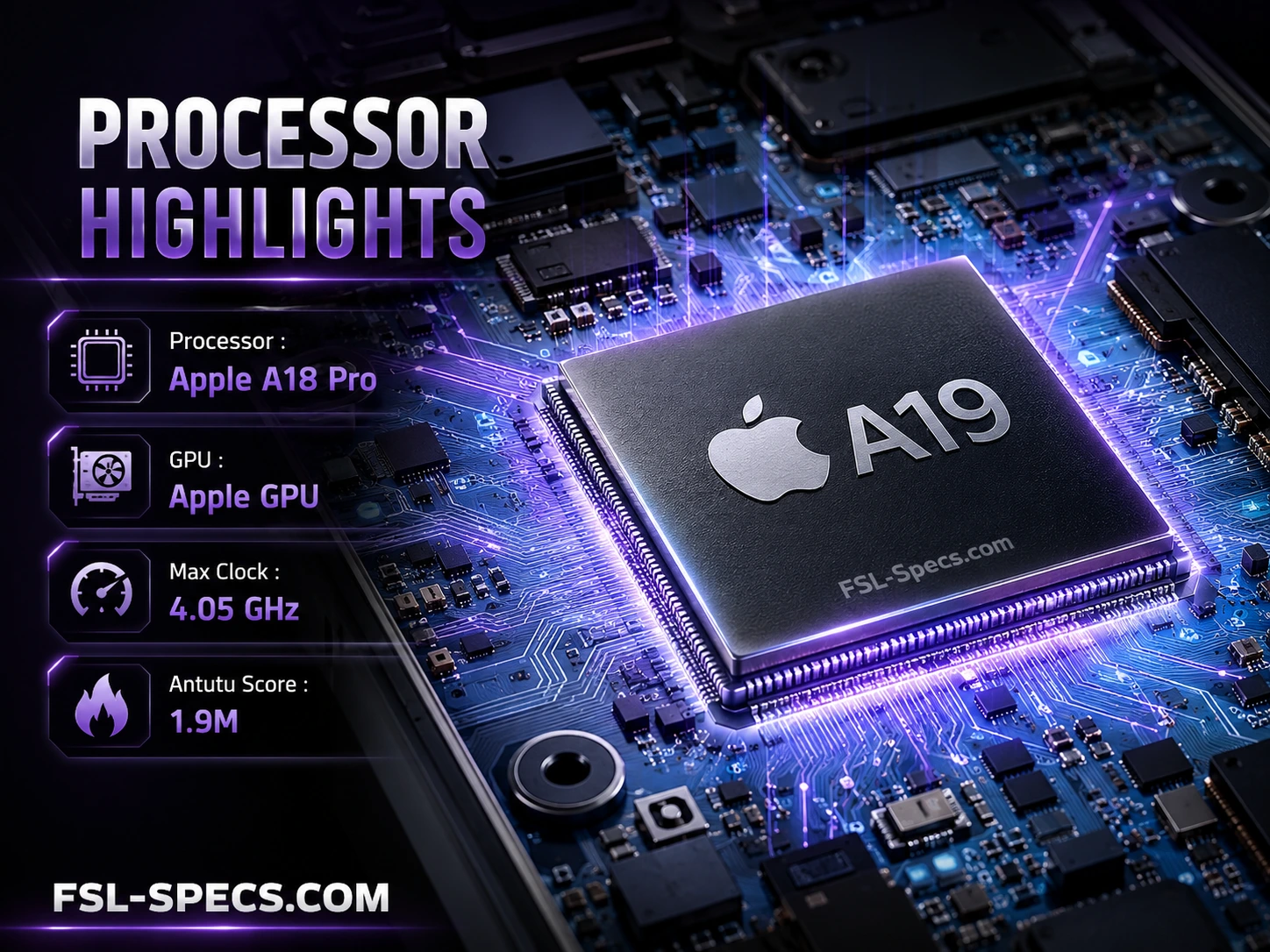
The iPhone 16 Pro Max is powered by Apple’s A18 Pro (3nm) chipset with a 6-core CPU (2x performance + 4x efficiency cores) and 6-core Apple GPU, scoring ~1,859,039 to 2,600,583 points on AnTuTu v11 depending on the test environment and iOS version, with Geekbench 6 single-core at ~3,428–3,445 and multi-core at ~8,502–8,576, making it the slowest in raw AnTuTu scores but still highly efficient for iOS optimization and sustained performance.benchmarks.ul+5

The Samsung Galaxy S26 Ultra uses the Snapdragon 8 Elite Gen 5 for Galaxy (3nm) chipset with an octa-core CPU (1x 4.74GHz + 3x 3.8GHz + 4x 3.0GHz) and Adreno 840 GPU, scoring ~3,720,219 to 4,027,702 points on AnTuTu v11, with Geekbench 6 single-core at ~3,648 and multi-core at ~10,989, making it the fastest in this group for raw AnTuTu scores and gaming performance, though it trails the iPhone 17 Pro in single-core Geekbench.gsmarena+5

The Samsung Galaxy S26 Plus comes in two variants: the Snapdragon 8 Elite Gen 5 (3nm) model scores ~2,790,237 to 4,408,019 points on AnTuTu v11 (depending on RAM/storage configuration), while the Exynos 2600 (2nm) variant scores ~3,157,198 points, with Geekbench 6 single-core at ~2,777 and multi-core at ~9,718, making the Snapdragon variant competitive with the S26 Ultra but the Exynos variant slower in raw scores, though both offer strong sustained performance with One UI 8.5 optimization.gsmarena+2

The iPhone 17 Pro is powered by Apple’s A19 Pro (3nm) chipset with a 6-core CPU (2x performance + 4x efficiency cores) and 6-core Apple GPU, scoring ~2,430,575 to 2,600,583 points on AnTuTu v11, with Geekbench 6 single-core at ~3,778–3,966 and multi-core at ~9,988–10,465, making it the fastest in single-core Geekbench and second-fastest in AnTuTu v11, with a 30% improvement over the iPhone 16 Pro Max and 55% improvement over the iPhone 15 Pro, though it trails the Galaxy S26 Ultra in raw AnTuTu scores due to iOS optimization differences.benchmarks.ul+5

Processor & AnTuTu v11 Comparison Table

FeatureiPhone 16 Pro MaxSamsung Galaxy S26 UltraSamsung Galaxy S26 Plus (Snapdragon)Samsung Galaxy S26 Plus (Exynos)iPhone 17 Pro
ChipsetA18 Pro (3nm)Snapdragon 8 Elite Gen 5 for Galaxy (3nm)Snapdragon 8 Elite Gen 5 (3nm)Exynos 2600 (2nm)A19 Pro (3nm)
CPU6-core (2P + 4E)1x 4.74GHz + 3x 3.8GHz + 4x 3.0GHz1x 4.61GHz + 3x 3.8GHz + 4x 3.0GHz1x 4.5GHz + 3x 3.7GHz + 4x 2.8GHz6-core (2P + 4E)
GPU6-core Apple GPUAdreno 840Adreno 840Xclipse 9606-core Apple GPU
AnTuTu v11 Score~1,859,039 – 2,600,583~3,720,219 – 4,027,702~2,790,237 – 4,408,019~3,157,198~2,430,575 – 2,600,583
Geekbench 6 Single~3,428–3,445~3,648~2,777~2,777~3,778–3,966
Geekbench 6 Multi~8,502–8,576~10,989~9,718~9,718~9,988–10,465
Best ForiOS optimization & sustained performanceRaw AnTuTu & gamingBalanced performance & multitaskingBudget flagship performanceSingle-core CPU & AI tasks

AnTuTu v11 Percentage Difference

  • Samsung Galaxy S26 Ultra vs iPhone 16 Pro Max: +42–50% faster (3.7–4.0M vs 1.86–2.6M average)

  • Samsung Galaxy S26 Ultra vs iPhone 17 Pro: +43–52% faster (3.7–4.0M vs 2.43–2.6M average)

  • Samsung Galaxy S26 Ultra vs Samsung Galaxy S26 Plus (Snapdragon): +0–5% faster (3.7–4.0M vs 2.79–4.4M average)

  • Samsung Galaxy S26 Ultra vs Samsung Galaxy S26 Plus (Exynos): +18–22% faster (3.7–4.0M vs 3.16M average)

  • iPhone 17 Pro vs iPhone 16 Pro Max: +0–5% faster (2.43–2.6M vs 1.86–2.6M average)

  • iPhone 17 Pro vs Samsung Galaxy S26 Plus (Exynos): -23–25% slower (2.43–2.6M vs 3.16M average)

  • Samsung Galaxy S26 Plus (Snapdragon) vs iPhone 16 Pro Max: +7–50% faster (2.79–4.4M vs 1.86–2.6M average)

Verdict

The Samsung Galaxy S26 Ultra leads in raw AnTuTu v11 scores (~3.72–4.03M points) and gaming performance, making it the best choice for users who prioritize peak performance and graphics-intensive tasks. The iPhone 17 Pro dominates in single-core Geekbench (~3,778–3,966) and AI tasks, with a 30% improvement over the iPhone 16 Pro Max, making it ideal for iOS users who value efficiency and sustained performance.

The Samsung Galaxy S26 Plus (Snapdragon) offers competitive performance (~2.79–4.4M points) with strong multitasking and One UI optimization, while the iPhone 16 Pro Max trails in raw AnTuTu scores but remains highly efficient for iOS optimization and everyday use. For Pakistani buyers, the Samsung Galaxy S26 Plus at PKR 370,000 offers the best value, while the iPhone 16 Pro Max at PKR 500,000–510,000 justifies its premium for users who prioritize Apple’s ecosystem and iOS optimization over raw benchmark scores.

Ram & Memory Review:

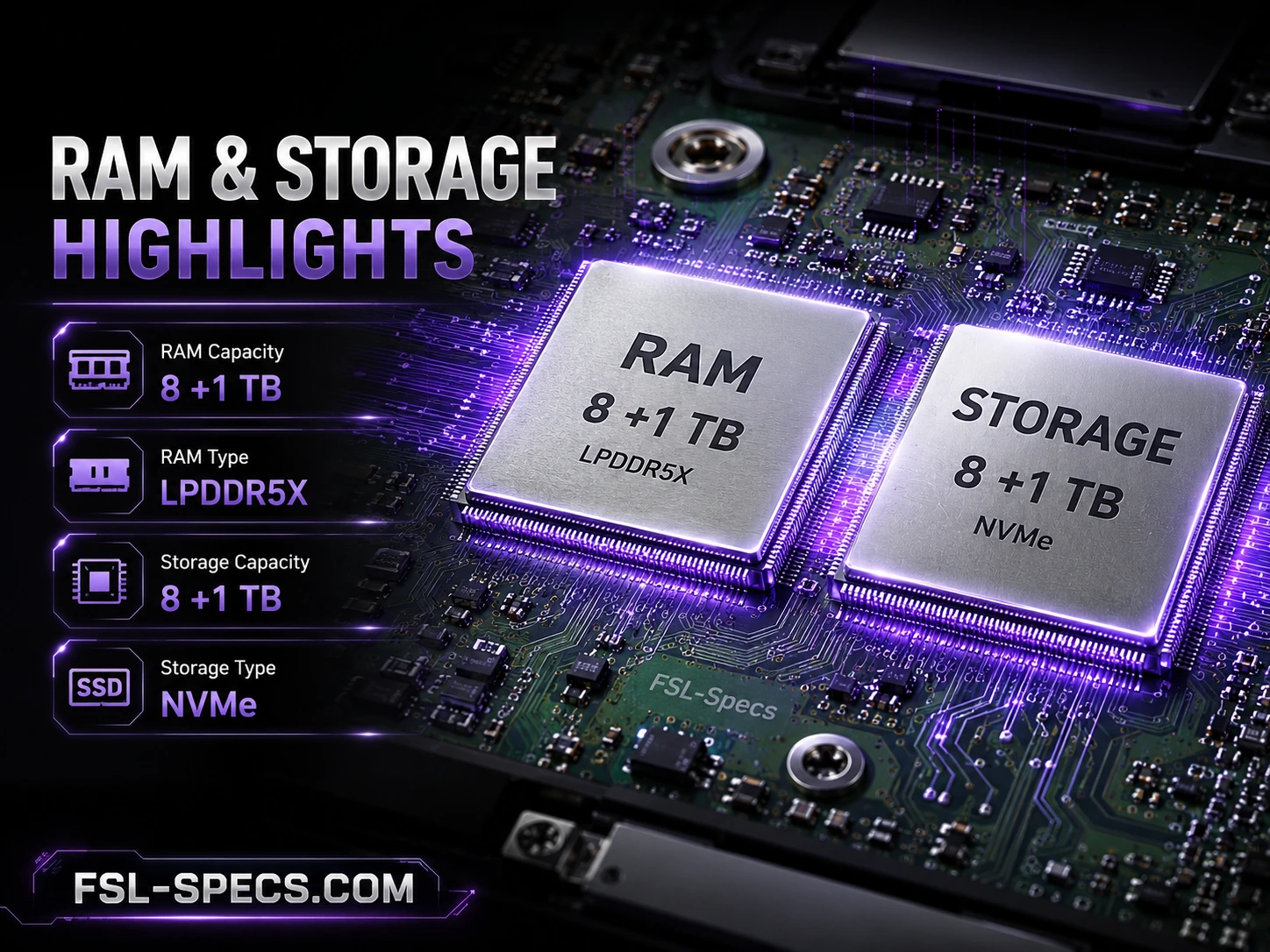
The iPhone 16 Pro Max 8GB + 512GB variant has 8GB RAM and 512GB NVMe storage. GSMArena lists 8GB RAM across the 256GB, 512GB and 1TB versions, with no microSD card slot. For this comparison, its biggest advantage is the generous 512GB capacity, but its 8GB RAM is the lowest among the four phones.

The Samsung Galaxy S26 Ultra selected here has 12GB RAM + 256GB storage. Samsung officially confirms that both 256GB and 512GB versions use 12GB memory, while only the 1TB model increases to 16GB. The S26 Ultra therefore gives you 50% more RAM than the iPhone 16 Pro Max, but the selected 256GB version has only half its storage capacity. Samsung also provides no microSD expansion, so the built-in capacity is fixed.

The Samsung Galaxy S26 Plus offers 12GB RAM + 512GB storage in the selected configuration. Samsung’s Pakistan specification page confirms the exact 12GB/512GB variant, giving it the same RAM as the S26 Ultra while doubling the S26 Ultra’s selected storage capacity. This makes the S26 Plus the strongest Samsung option in this comparison for users who need both high RAM and large internal storage.

The iPhone 17 Pro 12GB + 512GB configuration uses 12GB LPDDR5X RAM and 512GB NVMe storage. GSMArena confirms that the 17 Pro moved from 8GB in the previous generation to 12GB LPDDR5X 8533, while retaining NVMe storage across its 256GB, 512GB and 1TB versions. That gives the iPhone 17 Pro the same RAM and storage capacity as the S26 Plus in this comparison.

Verdict: iPhone 17 Pro and Samsung Galaxy S26 Plus tie for the strongest memory configuration with 12GB + 512GB, while Galaxy S26 Ultra offers 12GB + 256GB and iPhone 16 Pro Max has 8GB + 512GB; the S26 Ultra has more RAM than the iPhone 16 Pro Max, while the iPhone 16 Pro Max retains the same 512GB capacity as the two 12GB/512GB leaders.

Cameras Review:

The iPhone 16 Pro Max features a triple rear camera system with a 48MP Sony IMX903 main sensor (1/1.28″, f/1.78, OIS, sensor-shift), a 48MP Sony IMX972 ultrawide (1/2.55″, f/2.2, 13mm, PDAF), and a 12MP Sony IMX913 telephoto (1/3.06″, 5x optical zoom, f/2.8, OIS), plus a 12MP front camera (f/1.9, 23mm). It records rear video up to 4K@120fps (main + ultrawide), 4K@60fps (all rear cameras), 10-bit HDR + Dolby Vision, ProRes, and 3D spatial video, with front video at 4K@60fps and 1080p@120fps.apple+4

The Samsung Galaxy S26 Ultra offers a quad rear camera system with a 200MP Samsung ISOCELL HP2 main sensor (1/1.3″, f/1.4, OIS, 2x optical zoom), a 50MP Samsung ISOCELL JN3 ultrawide (1/2.5″, f/1.9, PDAF), a 50MP telephoto (5x optical zoom, f/2.9, OIS, 10x optical quality zoom), and a 10MP telephoto (3x optical zoom, f/2.4, OIS), plus a 12MP front camera (f/2.2, 26mm). It records rear video up to 8K@30fps (all rear cameras), 4K@120fps (all rear cameras), APV codec, and 10-bit HDR10+, with front video at 4K@60fps HDR.samsung+3

The Samsung Galaxy S26 Plus features a triple rear camera system with a 50MP Samsung ISOCELL GN3 main sensor (1/1.56″, f/1.8, OIS, PDAF), a 12MP Sony IMX564 ultrawide (1/2.55″, f/2.2, 13mm, fixed focus), and a 10MP Samsung S5K3K1 telephoto (1/3.94″, 3x optical zoom, f/2.4, OIS, PDAF), plus a 12MP front camera (f/2.2, 26mm). It records rear video up to 8K@30fps (main only), 4K@120fps (main + ultrawide), 4K@60fps (all rear cameras), and 10-bit HDR10+, with front video at 4K@60fps.samsung+2

The iPhone 17 Pro is equipped with a triple rear camera system with a 48MP Sony IMX905 main sensor (1/1.28″, f/1.78, OIS, sensor-shift, dual-pixel AF), a 48MP Sony IMX972 ultrawide (1/2.55″, f/2.2, 13mm, dual-pixel AF), and a 48MP telephoto (100mm equivalent, f/2.8, OIS, dual-pixel AF, 4x/8x zoom), plus a 24MP front camera (f/1.9, 23mm, Center Stage). It records rear video up to 4K@120fps (main + ultrawide), 4K@60fps (all rear cameras), 10-bit HDR + Dolby Vision, ProRes, and 3D spatial video, with front video at 4K@60fps and 1080p@120fps.apple+4

Camera Sensors & Video Recording Comparison Table

FeatureiPhone 16 Pro MaxSamsung Galaxy S26 UltraSamsung Galaxy S26 PlusiPhone 17 Pro
Main Camera48MP Sony IMX903 (1/1.28″, f/1.78, OIS)200MP Samsung HP2 (1/1.3″, f/1.4, OIS, 2x zoom)50MP Samsung GN3 (1/1.56″, f/1.8, OIS)48MP Sony IMX905 (1/1.28″, f/1.78, OIS)
Telephoto12MP Sony IMX913 (5x, f/2.8, OIS)50MP (5x, f/2.9, OIS) + 10MP (3x, f/2.4, OIS)10MP Samsung S5K3K1 (3x, f/2.4, OIS)48MP (100mm, f/2.8, OIS, 4x/8x zoom)
Ultrawide48MP Sony IMX972 (1/2.55″, f/2.2, 13mm)50MP Samsung JN3 (1/2.5″, f/1.9, PDAF)12MP Sony IMX564 (1/2.55″, f/2.2, 13mm)48MP Sony IMX972 (1/2.55″, f/2.2, 13mm)
Front Camera12MP (f/1.9, 23mm)12MP (f/2.2, 26mm)12MP (f/2.2, 26mm)24MP (f/1.9, 23mm, Center Stage)
Rear Video Max4K@120fps (main + ultrawide), 4K@60fps (all)8K@30fps (all), 4K@120fps (all)8K@30fps (main), 4K@120fps (main + ultrawide)4K@120fps (main + ultrawide), 4K@60fps (all)
Front Video Max4K@60fps, 1080p@120fps4K@60fps HDR4K@60fps4K@60fps, 1080p@120fps
Special FeaturesProRes, Dolby Vision, 3D spatial videoAPV codec, HDR10+, 10x optical quality zoomHDR10+, 3x optical zoomProRes, Dolby Vision, 3D spatial video, Center Stage

Battery Review:

The iPhone 16 Pro Max packs a 4,685mAh battery and delivered an excellent 17 hours 18 minutes Active Use Score in GSMArena’s testing, the highest endurance result among these four phones. Its wired charging reaches around 30W in testing, although Apple officially only promises 50% in 30 minutes with a compatible 20W adapter. It also supports 25W MagSafe wireless charging and around 4.5W reverse wired charging. GSMArena needed 46% in 30 minutes and 1 hour 57 minutes for a full charge.

The Samsung Galaxy S26 Ultra has a larger 5,000mAh battery but recorded a slightly lower 16 hours 23 minutes Active Use Score. Its major advantage is charging speed: 60W wired charging reached 84% in 30 minutes and a full charge took only 43 minutes in GSMArena’s test. Wireless charging has also improved to 25W Qi2.2, while 4.5W reverse wireless charging is available. This makes the S26 Ultra the fastest-charging phone here despite not having the largest battery.

The Samsung Galaxy S26 Plus uses a 4,900mAh battery and achieved a 16 hours 25 minutes Active Use Score, almost matching the S26 Ultra. It supports 45W wired charging, reaching 69% in 30 minutes and 100% in 61 minutes in GSMArena’s testing. The phone also supports 20W Qi2.2 wireless charging and 4.5W reverse wireless charging, giving it a more complete charging system than the iPhone 16 Pro Max.

The iPhone 17 Pro has a 3,998mAh battery in the physical-SIM version, with a 4,252mAh cell in the eSIM-only version. Its Active Use Score is 15 hours 23 minutes, while charging reached 70% in 30 minutes and full charge in 1 hour 18 minutes during testing. It supports 25W MagSafe/Qi2 wireless charging and 4.5W reverse wired charging.

Verdict: iPhone 16 Pro Max wins for tested battery endurance, Galaxy S26 Ultra wins charging speed, and Galaxy S26 Plus offers the best balance of endurance and charging, while iPhone 17 Pro ranks fourth for battery performance in this comparison.

Final Verdict :

The Samsung Galaxy S26 Ultra is the overall winner at around PKR 390,000, offering the most complete package at the lowest price among the two top-tier flagships. Its combination of a 6.9-inch QHD+ 120Hz LTPO AMOLED display, Snapdragon 8 Elite Gen 5 performance, 12GB + 256GB configuration, highly versatile camera system with two dedicated telephoto cameras, S Pen support and 5,000mAh battery gives it the strongest balance across the comparison. Independent reviews also rate the S26 Ultra highly for its display, cameras, performance and battery.

The iPhone 17 Pro ranks second and is the strongest choice for buyers who specifically prioritize Apple’s camera and video ecosystem. Its 12GB + 512GB configuration is substantially more generous than the selected iPhone 16 Pro Max, and its newer camera system improves the hardware gap with the Samsung flagship. However, at around PKR 510,000, it costs roughly PKR 120,000 more than the S26 Ultra, making its value proposition considerably weaker in this particular Pakistan-price comparison.

The iPhone 16 Pro Max takes third place at approximately PKR 400,000. It remains a highly capable premium phone with a 6.9-inch 120Hz OLED display, strong A18 Pro performance, a versatile 5x telephoto camera and excellent battery endurance. Its biggest disadvantages are its older-generation processor and 8GB RAM, particularly when the similarly priced S26 Ultra provides 12GB RAM and newer flagship hardware.

The Samsung Galaxy S26 Plus finishes fourth at PKR 370,000. Its 12GB + 512GB configuration is excellent for the money, and the phone delivers a strong AMOLED display and dependable flagship performance. However, Samsung’s own S26 Plus positioning leaves it noticeably below the Ultra in camera capability and premium features, and independent reviews also point out that its value is difficult to justify when the Ultra is relatively close in price.

Bottom line: Samsung Galaxy S26 Ultra is the best overall buy at its PKR 390,000 price, iPhone 17 Pro is the best premium Apple option, iPhone 16 Pro Max remains a strong older-generation flagship, and Galaxy S26 Plus is the value-oriented Samsung alternative but loses ground to the Ultra in overall hardware completeness.

Ranking:

  1. Samsung Galaxy S26 Ultra – PKR 390,000
  2. iPhone 17 Pro – PKR 510,000
  3. iPhone 16 Pro Max – PKR 400,000
  4. Samsung Galaxy S26 Plus – PKR 370,000

Ranking Table:

RankPhonePakistan PriceRAM + StoragePerformanceDisplayCameraBatteryOverall Position
1Samsung Galaxy S26 UltraPKR 390,00012GB + 256GBExcellentBest overallBest versatilityVery strongBest overall
2iPhone 17 ProPKR 510,00012GB + 512GBExcellentExcellentExcellentVery goodBest premium Apple option
3iPhone 16 Pro MaxPKR 400,0008GB + 512GBVery strongExcellentExcellentExcellent enduranceStrong premium option
4Samsung Galaxy S26 PlusPKR 370,00012GB + 512GBVery strongExcellentGoodGoodBest lower-cost Samsung option

Pros And Cons of iPhone 16 Pro Max

Pros of Mobile

✅ Fastest mobile chip
✅Premium Titanium Build
✅Stunning OLED Display
✅Powerful A18 Pro Chip
✅Excellent Camera System
✅Long Battery Life
✅Fast Face ID

Cons of Mobile

❌ Very high price
❌Very Expensive
❌Slow Charging Speed
❌No Charger Included
❌Limited Customization

Best For - Not Best For

Best For

✅Professional content creators
✅Professional Photography
✅Content Creators
✅Video Recording
✅Gaming Enthusiasts
✅Power Users
✅Apple Ecosystem Users
✅Long-Term Use
✅Business Professionals

Not Best For

❌Value-for-money seekers
❌Budget Buyers
❌Fast Charging Lovers
❌Compact Phone Fans
❌Android Customization Users
❌Lightweight Phone Seekers
❌Value-for-Money Hunters

Trailer And Unboxing of iPhone 16 Pro Max

Disassembly Or Teardown And Gaming Test of iPhone 16 Pro Max

Camera Test iPhone 16 Pro Max

iphone Mobile Series

iphone Mobile Series

FAQs Questions
Picture of Faisal Ur Rehman

Faisal Ur Rehman

Faisal Rehman is the founder and editor of FSL Specs, where he publishes in-depth smartphone specifications, comparisons, buying guides, and technology insights. With extensive experience in mobile hardware research and technical analysis, he provides accurate and up-to-date information on Android smartphones, processors, displays, cameras, batteries, performance benchmarks, and software features. His goal is to simplify complex specifications and help readers choose the right device with confidence.

The iPhone 16 Pro Max uses an LTPO Super Retina XDR OLED display with 1,000 nits typical, 1,600 nits HDR, and 2,000 nits peak outdoor brightness.

The iPhone 16 Pro Max is powered by Apple's A18 Pro chip, built on a 3nm process.

The iPhone 16 Pro Max has 8GB LPDDR5X RAM and NVMe storage, available in 256GB, 512GB, and 1TB options.

The iPhone 16 Pro Max has a 48MP main camera and a 12MP front camera.

The iPhone 16 Pro Max has a 4,685 mAh battery. For fast charging, it supports up to ~30W wired and up to 25W wireless via MagSafe with a 30W or higher adapter.

8GB + 512GB
₹1,53,000 INR | $1,600 | PKR 510,000


8GB + 1TB
₹1,72,000 INR | $1,800 | PKR 580,000

Scroll to Top