
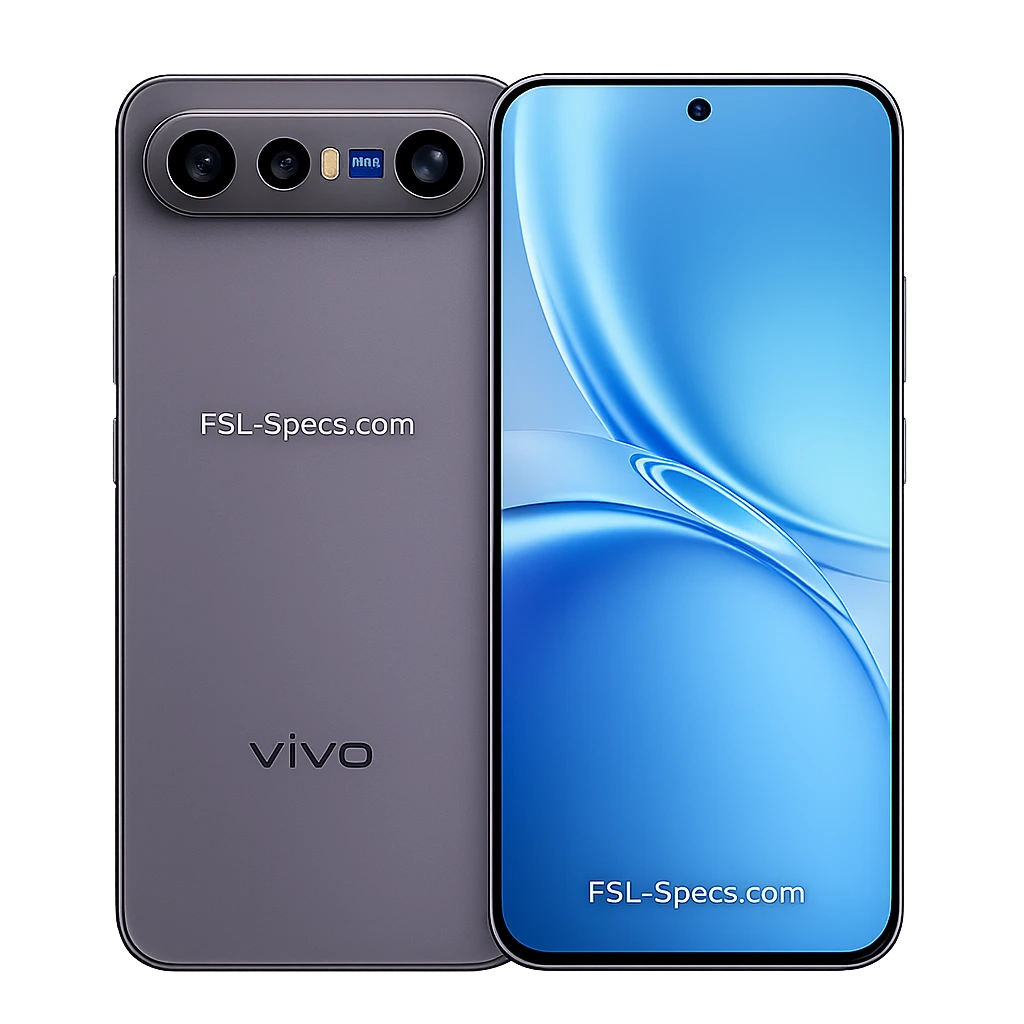
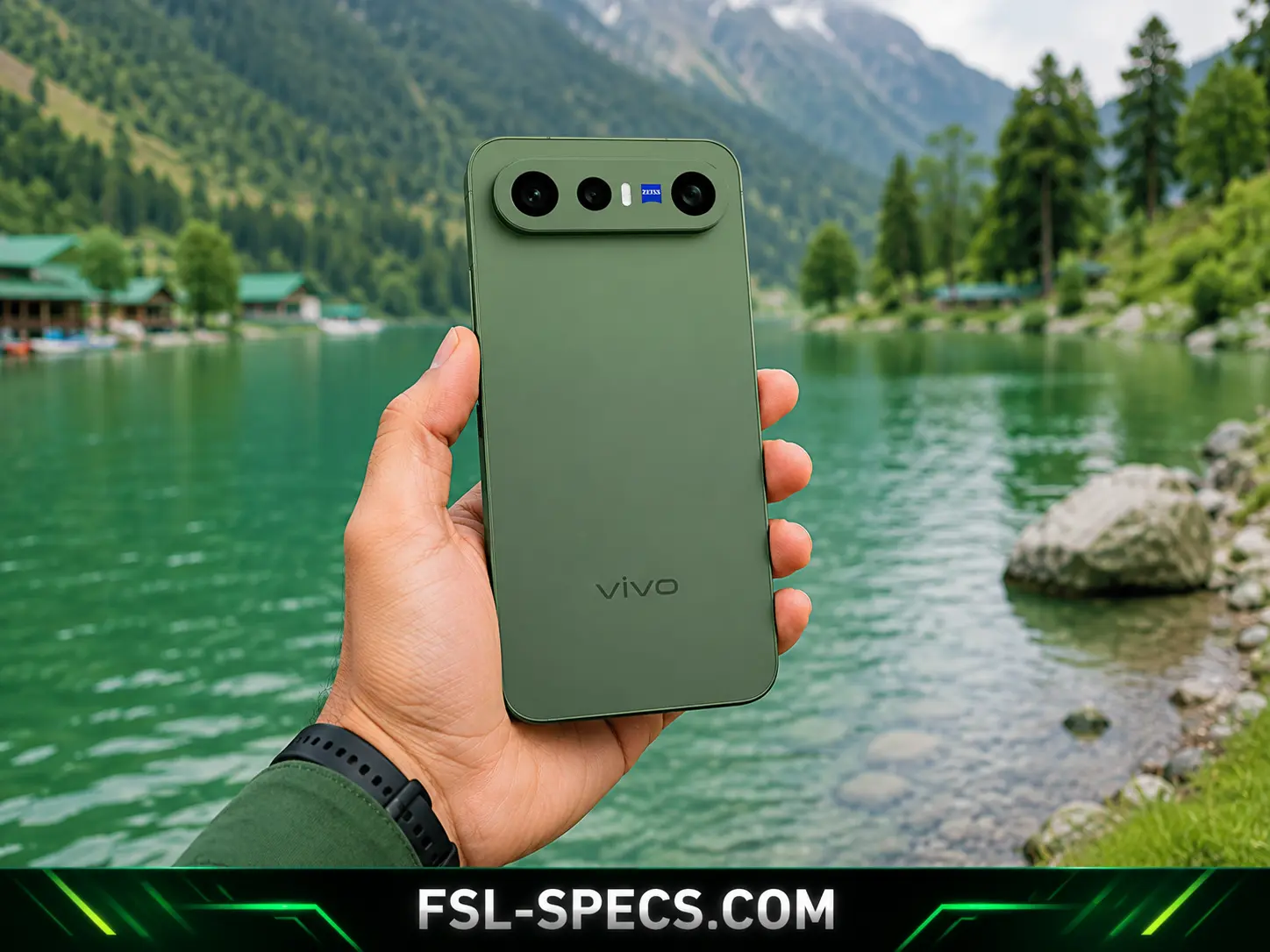
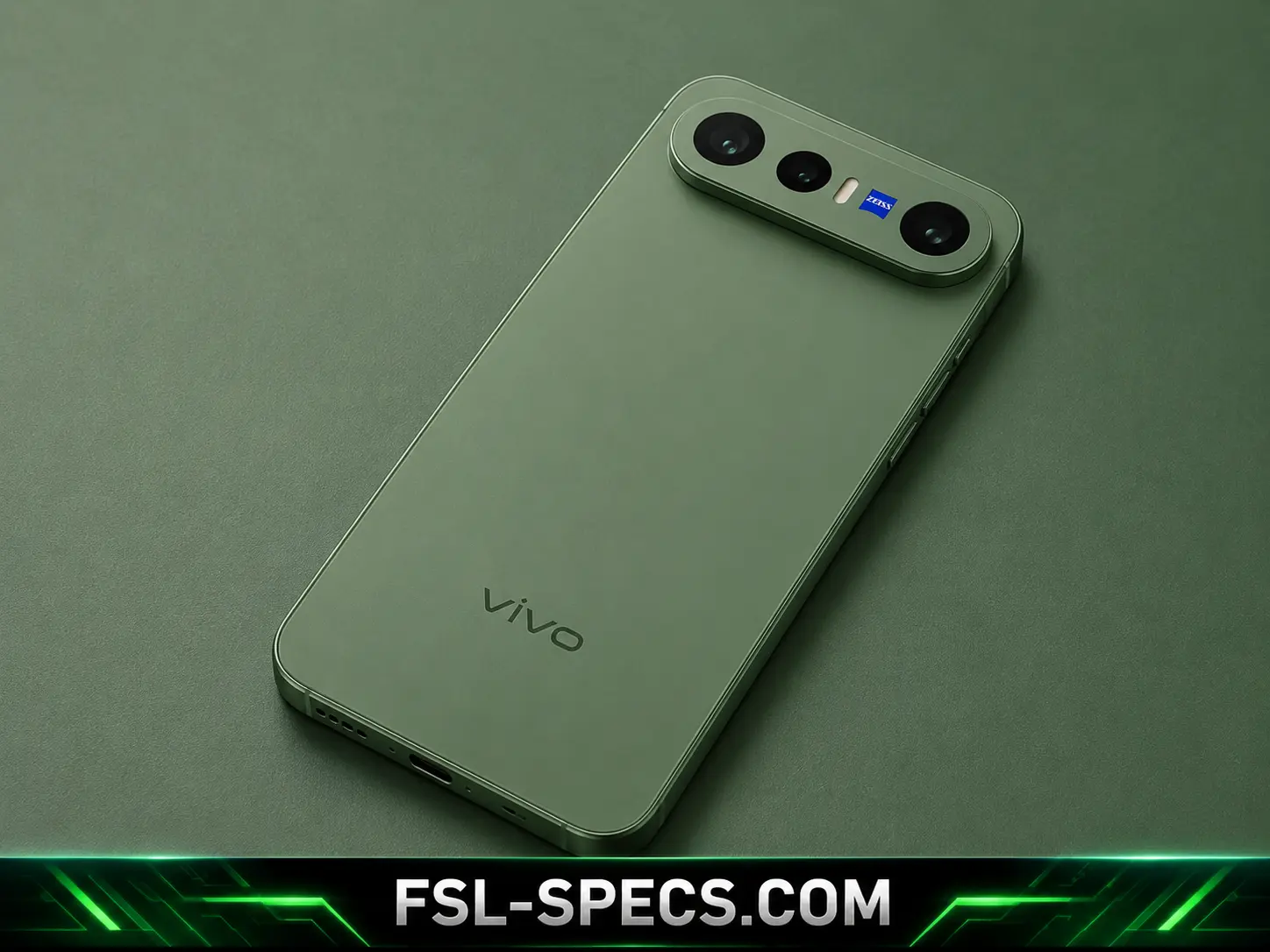
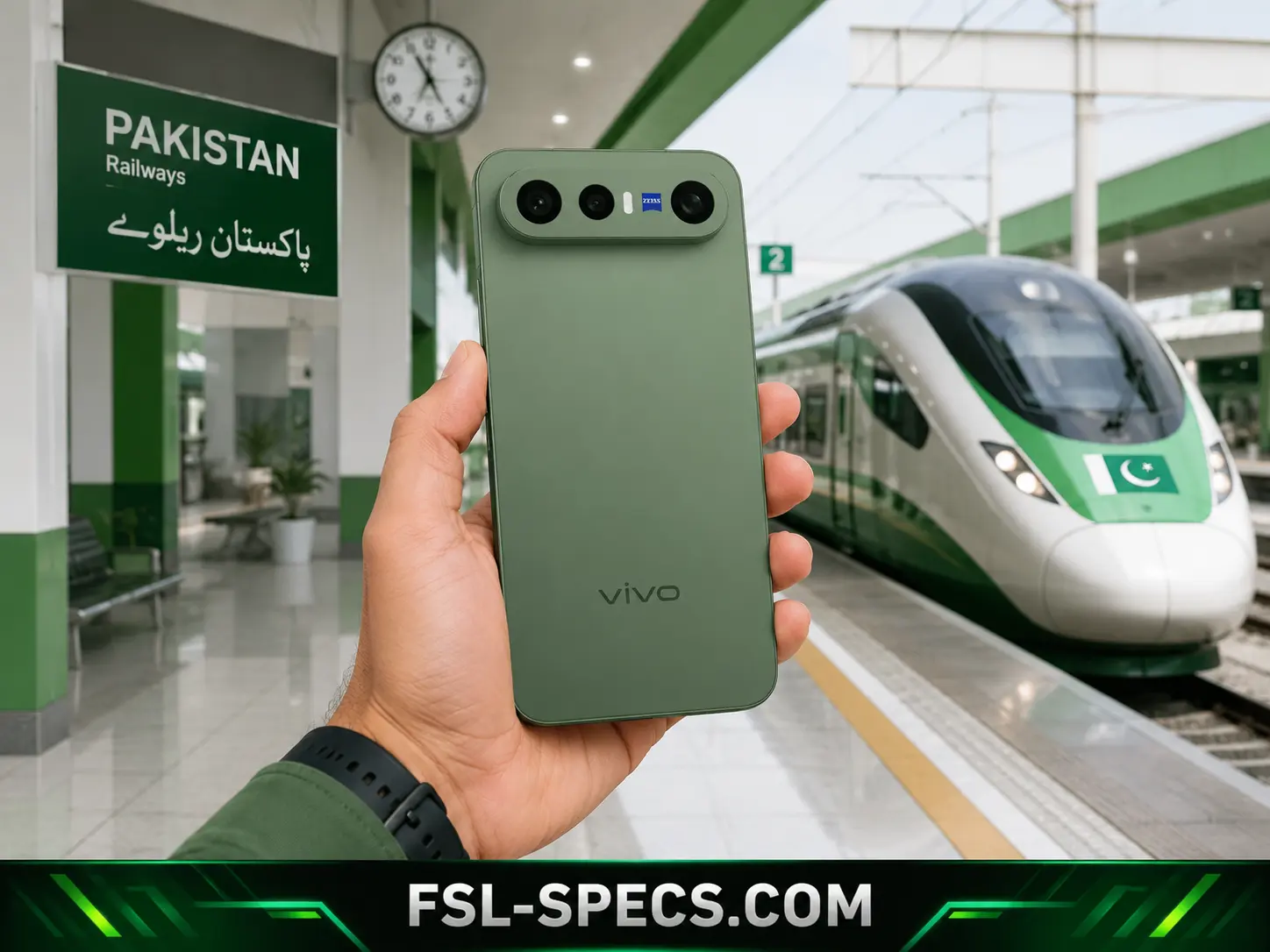

















✪ Vivo x300 FE ✪

Vivo x300 FE Specs, Price, Camera, Battery & Best Review (2026)
United States flag United States
$850 USD
Pakistan flag Pakistan (PKR)
240,000 PKR
India flag India (INR)
₹85,000 INR

✪ Vivo x300 FE ✪

Vivo x300 FE Specs, Price, Camera, Battery & Best Review (2026)
Last Time Update : 13 August, 2026
0

Quick Specifications

LTPO Amoled

Display Type

Snapdragon 8 Elite Gen 5

Processor

12+512 GB

Ram And Memory

50 + 50 + 8 MP

Camera

6500 mAh

Battery

90 W

Fast Charging

Full Specification

BASIC INFO
Mobile
Vivo x300 FE
Model
V2537
Series
Vivo X Series
Category
Flagship
Release Date
29 April,2026
Year
2026
CONNECTIVITY
Sim
Nano-SIM / E-Sim
Network
4G / 4G+ / 5G
WiFi
WiFi 7 (802.11be)
Bluetooth
5.4
NFC
Yes
OS
Android 17, OriginOS 7
BODY
Dimensions
150.8 × 71.8 × 8 mm
Build
Frame Aluminum And Glass Back
KG Weight
191 g
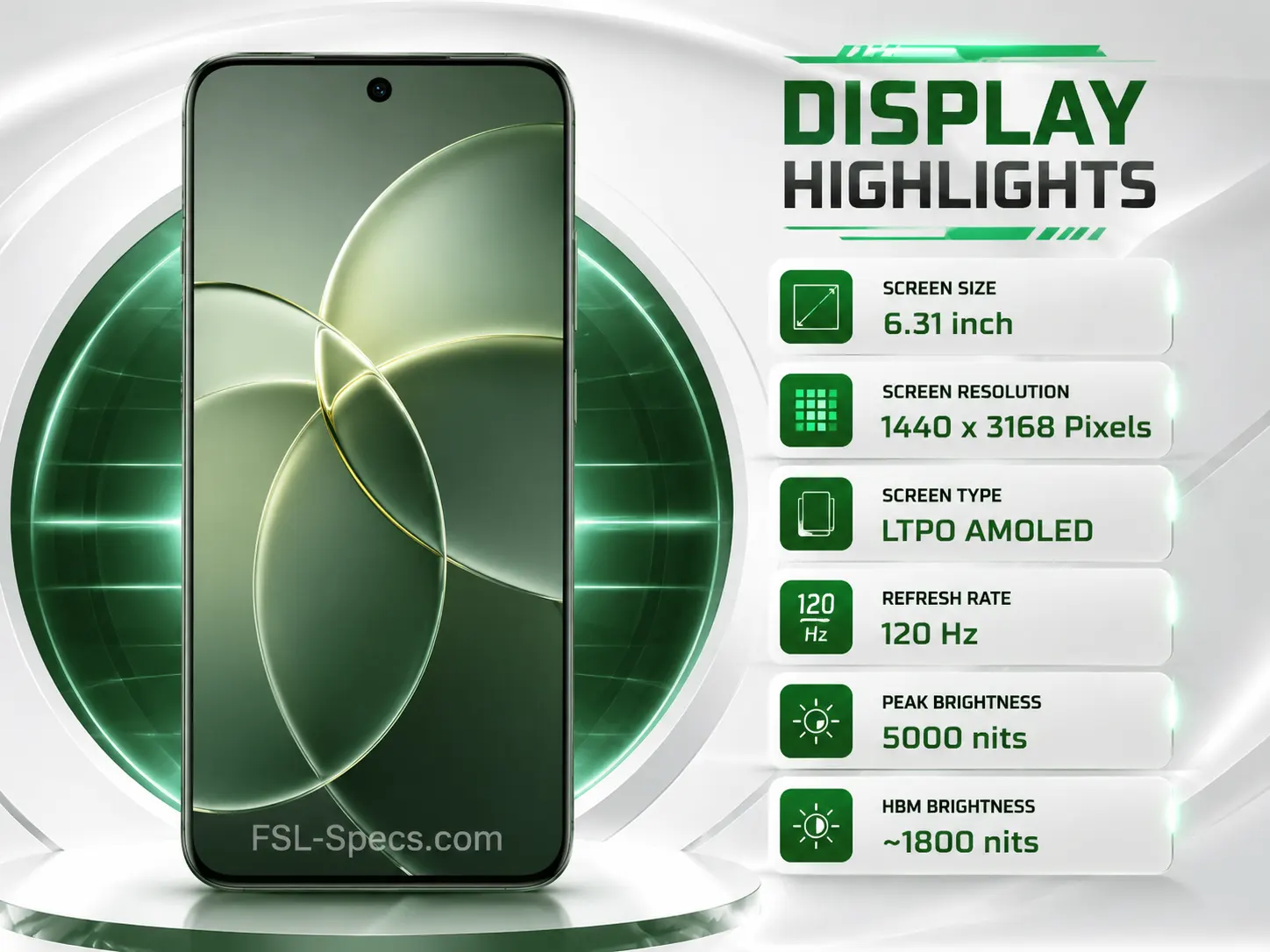
Screen Size
6.31 inch
Resolution
1440 x 3168 Pixels
Type
LTPO Amoled
Refresh Rate
120 Hz
Peak Brightness
5000 nits
HBM Brightness
~1800 nits
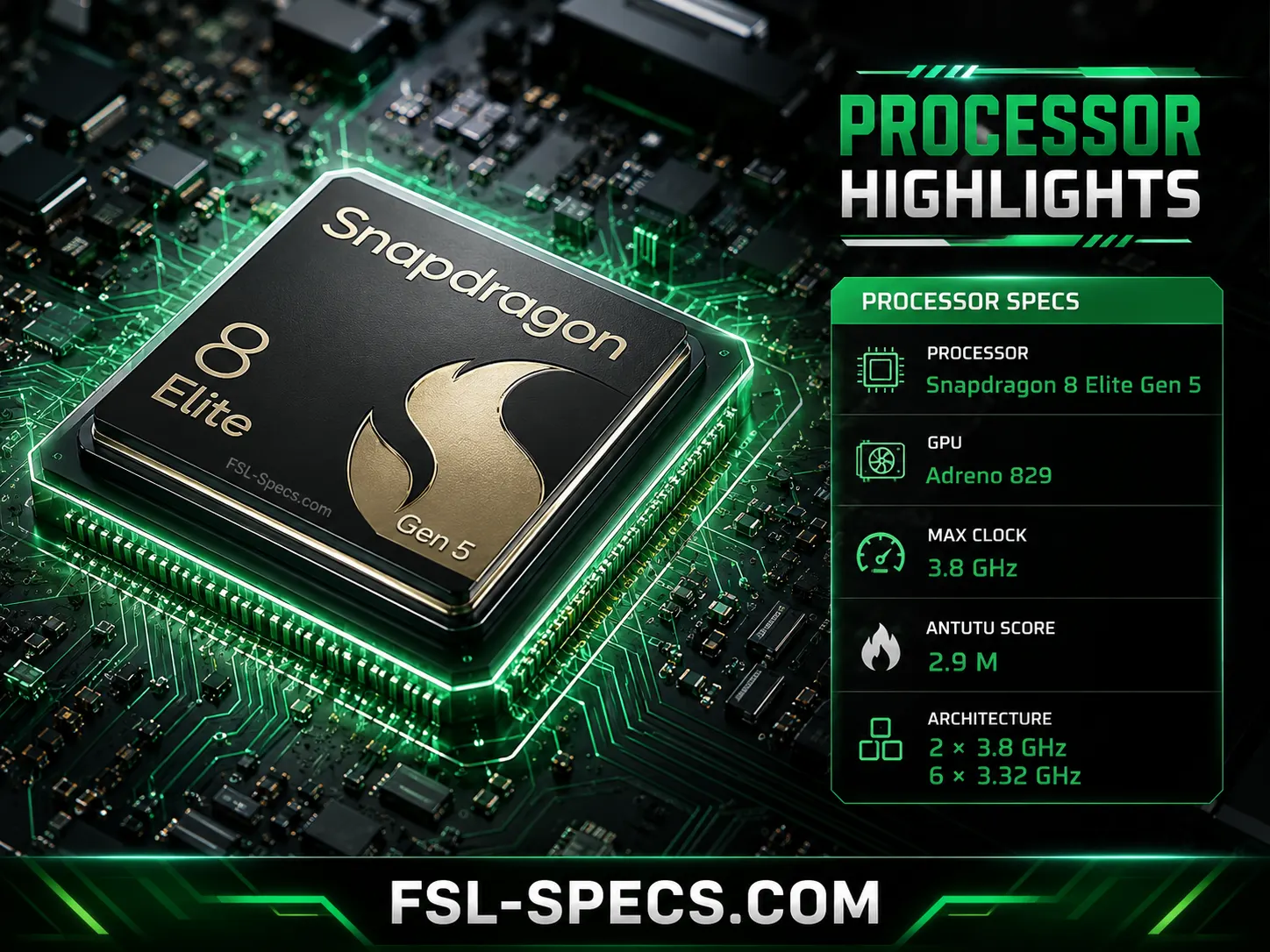
Processor
Snapdragon 8 Elite Gen 5
Max Clock
3.8 GHz
Lithography
3 nm
GPU
Adreno 829
CPU Cores
8 Cores
Antutu v11
2.9 M
Bootup Time
-
Architecture
2 × 3.8 GHz
6 × 3.32 GHz
Ram Memory
12+512 GB
Ram Type
LPDDR5X (5300 MHz)
Storage Type
UFS 4.1
SD Card
No
Variants
12 + 256 GB
12 + 512 GB
MP
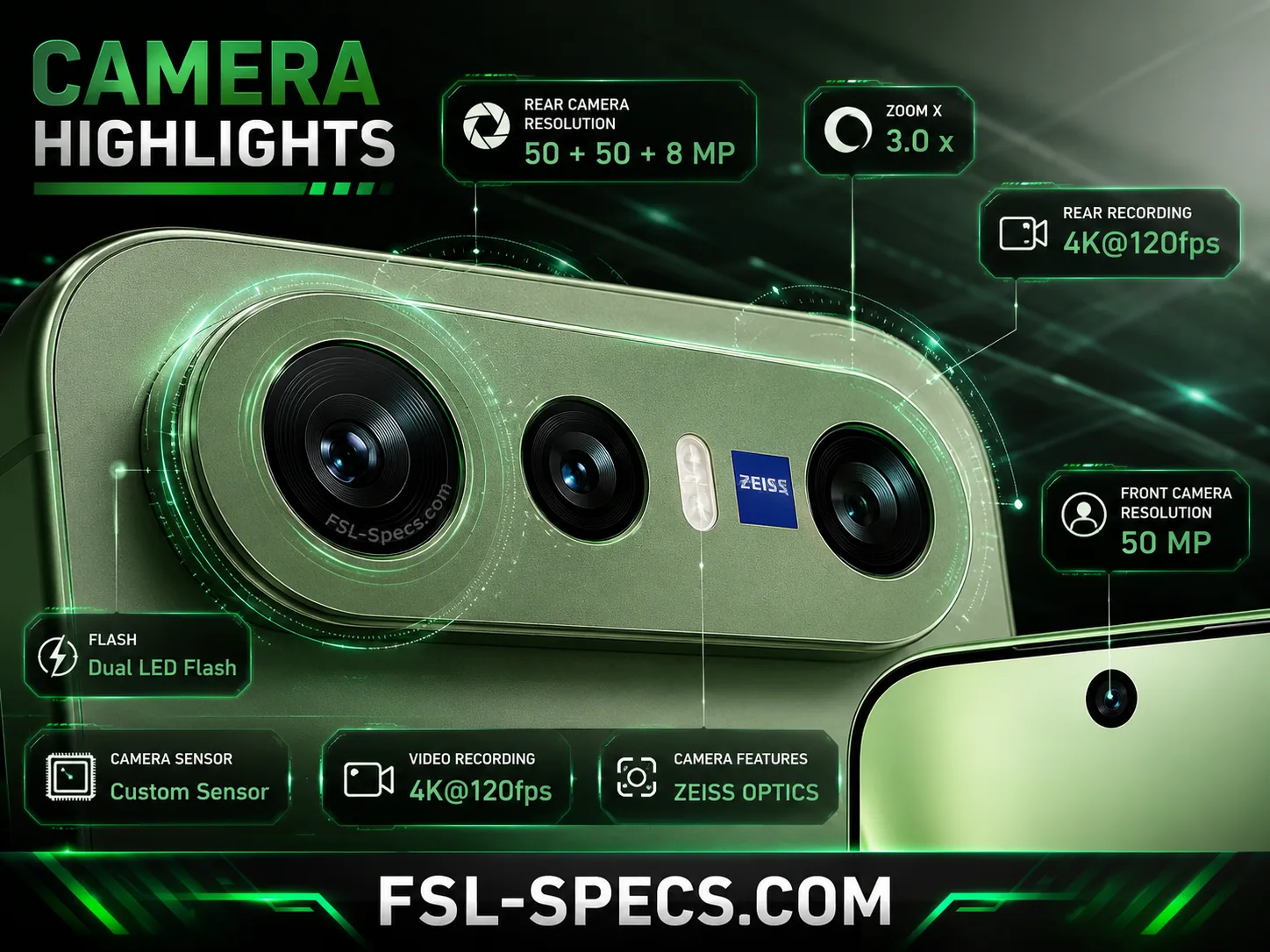
Rear Camera
50 + 50 + 8 MP
Front Camera
50 MP
SENSORS
Camera Sensors
50 MP= Sony IMX882
50 MP= Sony IMX921
8 MP = Unknown
Front Sensors
50 MP=Samsung S5KJN1
RECORDING FPS
Main Recording
4K@30/60/120fps
1080p@30/60/120/240fps
Front Recording
4K@60fps
RESOLUTION
Main Resolution
8160 × 6144 pixels
Front Resolution
8192 x 6144 Pixels
ZOOM
Optical Zoom
3.0 x
D Digital Zoom
-
FLASH
Flash
-
Front Flash
No
Capacity
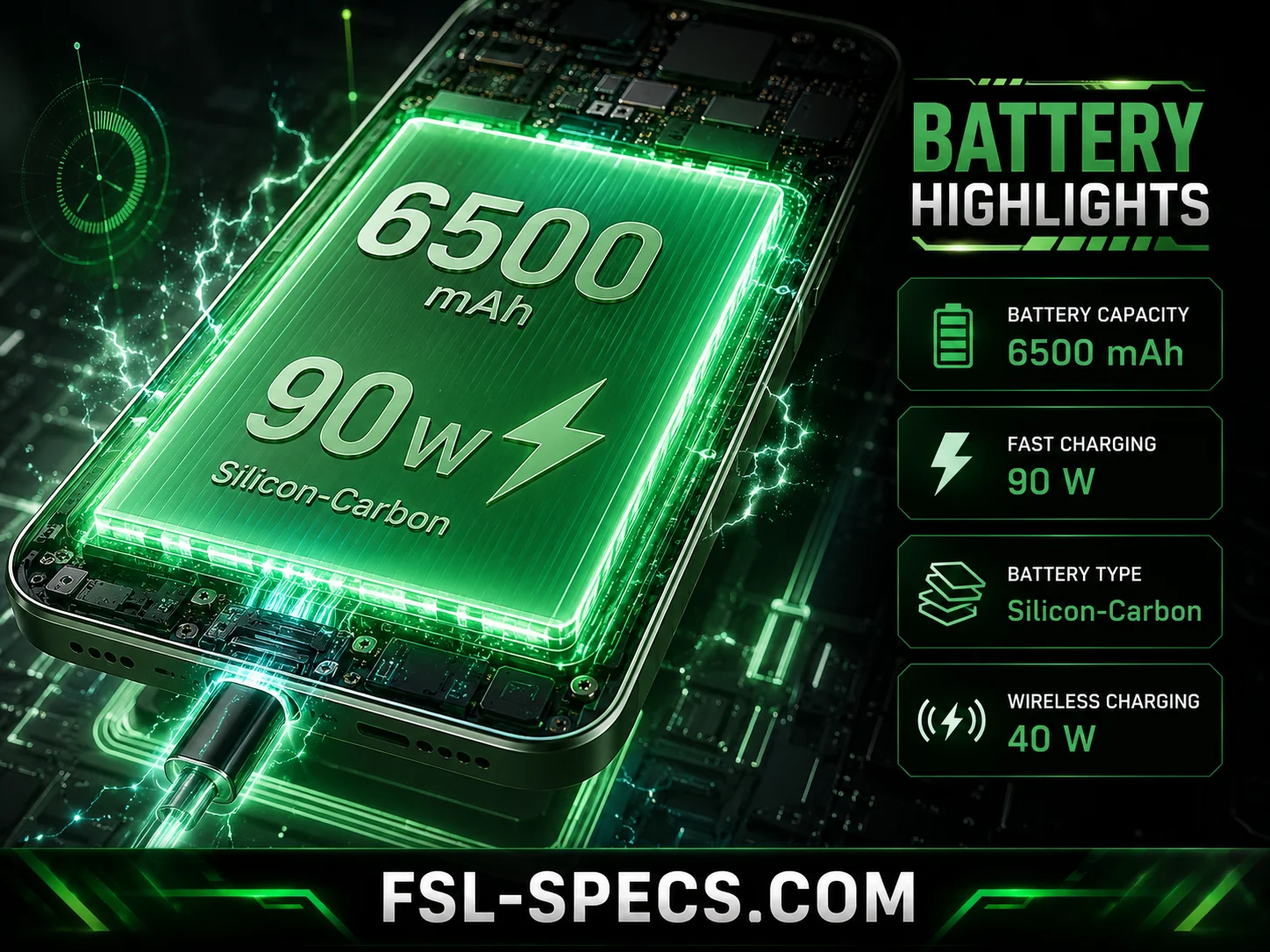
6500 mAh
Fast Charging
90 W
Wireless Charging
40 W
Li Battery Type
Silicon-Carbon
REVERSE
Reverse Wired
Yes
Reverse Wireless
Yes
OTHER
Battery PC Marks
-
Charging Time
-
AUDIO & SENSORS
Speaker
Dual Stereo Speaker
Fingerprint Sensor
Hyper Sonic Front Finger
Other Sensors
Accelerometer
Gyroscope
Proximity
Compass
Hall sensor
RGB/color spectrum sensor
Special Features

ZEISS Telephoto Extender Gen 2: Supports an optional magnetic 200mm optical expansion lens kit.
Origin Island UI: Features Drag & Go and Copy & Go semantic AI quick actions.
Ecosystem Integration: Includes specialized AirPods status UI, cross-platform task handoff, and Remote PC control.
Flash Portrait Night Engine: Maps adaptive flash across 5 focal profiles (23mm to 100mm).

BASIC INFO
Mobile
Vivo x300 FE
Model
V2537
Series
Vivo X Series
Category
Flagship
Release Date
29 April,2026
Year
2026
CONNECTIVITY
Sim
Nano-SIM / E-Sim
Network
4G / 4G+ / 5G
WiFi
WiFi 7 (802.11be)
Bluetooth
5.4
NFC
Yes
OS
Android 17, OriginOS 7
BODY
Dimensions
150.8 × 71.8 × 8 mm
Build
Frame Aluminum And Glass Back
KG Weight
191 g
Screen Size
6.31 inch
Resolution
1440 x 3168 Pixels
Type
LTPO Amoled
Refresh Rate
120 Hz
Peak Brightness
5000 nits
HBM Brightness
~1800 nits
Processor
Snapdragon 8 Elite Gen 5
Max Clock
3.8 GHz
Lithography
3 nm
GPU
Adreno 829
CPU Cores
8 Cores
Antutu v11
2.9 M
Bootup Time
-
Architecture
2 × 3.8 GHz
6 × 3.32 GHz
Ram Memory
12+512 GB
SD Card
No
Ram Type
LPDDR5X (5300 MHz)
Storage Type
UFS 4.1
Variants
12 + 256 GB
12 + 512 GB
MP
Rear Camera
50 + 50 + 8 MP
Front Camera
50 MP
SENSORS
Main Camera Sensors
50 MP= Sony IMX882
50 MP= Sony IMX921
8 MP = Unknown
Front Camera Sensors
50 MP=Samsung S5KJN1
RECORDING FPS
Main Recording
4K@30/60/120fps
1080p@30/60/120/240fps
Front Recording
4K@60fps
RESOLUTION
Main Resolution
8160 × 6144 pixels
Front Resolution
8192 x 6144 Pixels
ZOOM
Optical Zoom
3.0 x
D Digital Zoom
-
FLASH
Flash
-
Front Flash
No
Capacity
6500 mAh
Fast Charging
90 W
Wireless Charging
40 W
Li Battery Type
Silicon-Carbon
REVERSE
Reverse Wired
Yes
Reverse Wireless
Yes
OTHER
Battery Life PCMark
-
Charging Time
-
AUDIO & SENSORS
Speaker
Dual Stereo Speaker
Fingerprint Sensor
Hyper Sonic Front Finger
Other Sensors
Accelerometer
Gyroscope
Proximity
Compass
Hall sensor
RGB/color spectrum sensor
Special Features

ZEISS Telephoto Extender Gen 2: Supports an optional magnetic 200mm optical expansion lens kit.
Origin Island UI: Features Drag & Go and Copy & Go semantic AI quick actions.
Ecosystem Integration: Includes specialized AirPods status UI, cross-platform task handoff, and Remote PC control.
Flash Portrait Night Engine: Maps adaptive flash across 5 focal profiles (23mm to 100mm).

Highlights & Review Of Vivo x300 FE

Display Review:

The Vivo X300 FE runs a 6.31-inch LTPO AMOLED display at 1216×2640 resolution (1.5K), a 120Hz refresh rate, and a 5000-nit peak brightness. It’s the most compact panel of the three phones here by a wide margin.

Against the Xiaomi 17T Pro (260,000 PKR), the size gap is significant. The 17T Pro’s 6.83-inch AMOLED panel runs 1280×2772 resolution at up to 144Hz, both a bigger canvas and a smoother refresh rate than the X300 FE’s 120Hz cap. Its peak brightness sits at 3500 nits, lower than the X300 FE’s 5000-nit figure, but the 17T Pro compensates with a higher HBM sustained brightness of 2000 nits. For buyers who want a large-screen experience with the smoothest scrolling, the 17T Pro wins clearly here.

Against the Samsung Galaxy S23 Ultra (270,000 PKR), the comparison shifts toward resolution and maturity of panel tech. The S23 Ultra’s 6.8-inch Dynamic AMOLED runs a sharper 3088×1440 resolution at 501 PPI, denser than the X300 FE’s panel, though it caps at 120Hz same as the Vivo, and its peak brightness of 1750 nits trails well behind the X300 FE’s 5000-nit figure. It’s worth noting the S23 Ultra is a 2023-era flagship, so at 270,000 PKR you’re paying premium money for older display tech, LTPO variable refresh and modern peak-brightness gains have moved on significantly since this panel launched.

What this means day to day:The 17T Pro is the better pick for anyone prioritizing size and refresh smoothness, while the S23 Ultra’s age works against it on brightness despite sharper resolution.  the X300 FE’s compact size is a deliberate trade-off, it’s the “Fan Edition” built for one-hand use rather than screen real estate.

The honest verdict: if you want the biggest, smoothest display in this bracket, the Xiaomi 17T Pro wins outright. If outdoor brightness matters most, the X300 FE’s 5000-nit peak leads all three. The S23 Ultra, being two years older, is the weakest display performer of the trio despite the highest price tag, buyers should factor in that it’s an older flagship before paying the most for it.

Processor Review:

The Vivo X300 FE runs on the Snapdragon 8 Gen 5 (non-Elite), pairing two 3.8GHz Oryon V3 Phoenix L cores with six 3.32GHz Oryon V3 Phoenix M cores. Its AnTuTu v11 score averages 2,869,139, a genuinely flagship-tier number, though reviewers note the compact chassis runs warm under sustained load and throttles more aggressively than the hardware’s raw numbers suggest.

Against the Xiaomi 17T Pro (260,000 PKR): the gap favors Xiaomi. The 17T Pro’s Dimensity 9500 (3nm, all-big-core architecture) scores 3,330,144 on AnTuTu v11, about +16% higher than the X300 FE. The all-big-core design (no small efficiency cores) is a real architectural advantage for sustained performance, and Xiaomi’s larger 6.83-inch body gives it more thermal headroom to actually use that power without throttling as hard as the compact Vivo.

Against the Samsung Galaxy S23 Ultra (270,000 PKR): this is where the price-to-performance gap becomes stark. The S23 Ultra’s Snapdragon 8 Gen 2 for Galaxy (a 2023 chip, even if overclocked) scores just 1,762,339 on AnTuTu v11, roughly 39% lower than the X300 FE, meaning the X300 FE outperforms it by well over 60%. At 270,000 PKR, the highest price of the three, the S23 Ultra is running silicon that’s now two full generations behind, a direct consequence of buying a 2023 flagship at current pricing instead of a newer release.

What this means day to day: the X300 FE sits in a genuinely strong middle position, clearly ahead of the aging S23 Ultra, but behind the larger, cooler-running 17T Pro. For gaming and sustained workloads specifically, the X300 FE’s thermal throttling in its compact body means real-world performance won’t fully reflect that benchmark number, something the 17T Pro’s bigger frame handles better.

The honest verdict: the Xiaomi 17T Pro is the clear performance leader in this bracket, both on paper and in sustained use. The X300 FE is a strong second, let down slightly by thermal limits in its compact design rather than the chipset itself. The Samsung S23 Ultra is significantly outdated on raw performance for its price, buyers considering it should weigh that its 270,000 PKR price tag is buying 2023 silicon, not 2026 flagship power, and the camera or brand loyalty would need to be the real reason to choose it over either rival.

Ram & Memory Review:

The Vivo X300 FE pairs 12GB LPDDR5X RAM with UFS 4.1 storage in your specified 256GB variant, no card slot. This is current-generation memory hardware across the board.

Against the Xiaomi 17T Pro (260,000 PKR): the memory setup is essentially identical. The 17T Pro also runs 12GB LPDDR5X RAM with UFS 4.1 storage in your specified 512GB tier, no real difference in memory technology here, the gap between these two comes down to raw storage capacity, 512GB versus the X300 FE’s 256GB, rather than speed or type.

Against the Samsung Galaxy S23 Ultra (270,000 PKR): this is where the S23 Ultra’s age shows clearly. Even its base 8GB configuration runs LPDDR5X RAM with UFS 4.0 storage, a half-generation behind the UFS 4.1 standard both the X300 FE and 17T Pro use, and your specified 12+256GB variant still tops out at that same UFS 4.0 tier. UFS 4.0 versus UFS 4.1 isn’t a dramatic real-world gap, but at the highest price of the three phones, buying storage tech a generation behind is a genuine value concern.

What this means day to day: all three phones handle multitasking and app-loading comfortably at their respective RAM tiers, but the X300 FE and 17T Pro’s matching UFS 4.1 storage gives them a slight edge in raw read and write speeds over the S23 Ultra, useful for large file transfers, RAW photo editing, and heavy app-switching.

The honest verdict: the X300 FE and 17T Pro are essentially tied on memory hardware, so the deciding factor there is storage capacity, not speed. The Samsung Galaxy S23 Ultra, despite costing the most, runs the oldest storage standard of the three, another point where its 2023 origins work against its current asking price.

Cameras Review:

The Vivo X300 FE runs a triple setup: 50MP main (Sony IMX921, 1/1.56″, f/1.6, OIS), 50MP periscope telephoto (Sony IMX882, 1/1.95″, 3x optical zoom, OIS), and an 8MP ultrawide (fixed focus). The 50MP front camera has autofocus. Video tops out at 4K120 or 8K30 on the main camera, 4K60 on telephoto and selfie, and just 1080p30 on the ultrawide.

Against the Xiaomi 17T Pro (260,000 PKR): camera hardware is close but Xiaomi pulls ahead on telephoto reach. The 17T Pro’s 50MP main (OmniVision, 1/1.3″, f/1.67, OIS, multi-directional PDAF) uses a larger sensor than the vivo X300 FE’s, and its 50MP telephoto reaches 5x optical zoom (versus the X300 FE’s 3x), with a 12MP ultrawide. Front camera is 32MP fixed focus, lower resolution than the vivo X300 FE’s 50MP AF selfie camera. Video is where the 17T Pro genuinely wins, 8K30 or 4K120 on the main matches the vivo X300 FE, but the telephoto reaches 4K60 and even the ultrawide hits 4K30, both ahead of the X300 FE’s weaker secondary lenses.

Against the Samsung Galaxy S23 Ultra (270,000 PKR): this is a fundamentally different camera philosophy, quad camera versus triple. The S23 Ultra’s headline 200MP main (ISOCELL HP2, 1/1.3″, f/1.7, OIS) pixel-bins down to 12MP or 50MP shots, paired with a 12MP ultrawide, a 10MP 3x telephoto, and a 10MP 10x periscope telephoto, genuinely more focal-length flexibility than either rival offers. Front camera is just 12MP, notably behind both the X300 FE and 17T Pro. Video reaches 8K30 and 4K60 HDR10+, competitive numbers, but this is 2023-era sensor tech, and the S23 Ultra’s max digital zoom of 100x is a specification that looks better on paper than in real shooting results.

What this means day to day: the X300 FE and 17T Pro are the closer match, near-identical main camera resolution, but the 17T Pro’s 5x zoom and larger sensor give it an edge for photography, while the  vivo X300 FE counters with the strongest selfie camera of the three. The S23 Ultra offers the most versatile zoom range on paper (true 10x optical) but its per-lens resolution is lower everywhere except the headline main sensor, and its selfie camera is the weakest here.

The honest verdict: for main and telephoto photography, the Xiaomi 17T Pro has the strongest overall package. For selfies and video versatility per-lens, the Vivo X300 FE holds its own. The Samsung S23 Ultra’s biggest selling point remains its true 10x optical periscope, genuine reach neither rival matches, but everything else about its camera system shows its two-year age at a price higher than both newer rivals.

Battery Review:

The Vivo X300 FE packs a 6500mAh Silicon-Carbon battery with 90W wired charging (100% in 55 minutes per GSMArena’s lab test), plus 40W wireless charging, reverse wired, and reverse wireless charging. That’s a big battery, fast wired speed, and full wireless support in a compact 6.31-inch body, a genuinely strong package.

Against the Xiaomi 17T Pro (260,000 PKR): the 17T Pro edges ahead on raw capacity with a 7000mAh Silicon-Carbon battery, 500mAh more than the X300 FE, and its 100W wired charging technically outpaces the X300 FE’s 90W, reaching a full charge in around 45 minutes in real-world testing. It also adds 50W wireless charging, faster than the X300 FE’s 40W, plus 22.5W reverse wired charging. On nearly every battery metric, the 17T Pro is ahead, bigger cell, faster wired and wireless charging, though the gap in practice (45 min vs 55 min) isn’t dramatic given the X300 FE is charging 500mAh less capacity.

Against the Samsung Galaxy S23 Ultra (270,000 PKR): this is where the S23 Ultra’s age becomes the clearest weakness in the entire comparison. Its 5000mAh battery is 1500mAh smaller than the X300 FE’s and 2000mAh smaller than the 17T Pro’s, and its 45W wired charging (with Samsung claiming 65% in 30 minutes) is roughly half the speed of both rivals. It does offer 15W wireless charging and reverse wireless charging, but at 270,000 PKR, the highest price of the three, buyers are getting the smallest battery and the slowest charging speed by a wide margin.

What this means day to day: the X300 FE and 17T Pro both deliver genuinely modern flagship charging, big Si-C batteries, fast wired and wireless speeds, full charges well under an hour. The S23 Ultra needs roughly 60-70 minutes for a full charge and carries meaningfully less capacity, a real gap in daily convenience for anyone upgrading from a newer mid-ranger.

The honest verdict: the Xiaomi 17T Pro wins this round outright with the biggest battery and fastest charging on both wired and wireless. The Vivo X300 FE is a close second, genuinely impressive for its compact size. The Samsung Galaxy S23 Ultra, despite the highest price tag, is clearly the weakest battery performer here, another reminder that buyers are paying current flagship money for two-year-old hardware.

Final Verdict :

Across five rounds, display, processor, RAM & storage, camera, and battery, a clear pattern emerges: the Xiaomi 17T Pro wins or ties in every category, the Vivo X300 FE is a strong, consistent second, and the Samsung Galaxy S23 Ultra, despite carrying the highest price of the three, loses meaningfully in every single round due to its two-year-old hardware.

Where the X300 FE wins: display peak brightness (5000 nits vs the 17T Pro’s 3500 nits) and front camera resolution (50MP AF vs the 17T Pro’s 32MP fixed-focus). It also holds its own on RAM/storage, matching the 17T Pro’s LPDDR5X and UFS 4.1 exactly.

Where the X300 FE loses: screen size and refresh rate (6.31″ at 120Hz vs the 17T Pro’s 6.83″ at 144Hz), processor performance (about 16% behind the 17T Pro on AnTuTu), telephoto zoom range (3x vs the 17T Pro’s 5x), and battery (500mAh less capacity, slower wired and wireless charging than the 17T Pro).

Against the Samsung Galaxy S23 Ultra: the X300 FE wins decisively almost everywhere, newer chipset (39% better AnTuTu), faster charging, bigger battery, and current-gen UFS 4.1 storage versus the S23 Ultra’s UFS 4.0. The S23 Ultra’s only genuine advantage is its true 10x optical periscope zoom, real reach that neither the X300 FE nor the 17T Pro can match.

Ranking by priority:

Best all-round buyer → Xiaomi 17T Pro (260,000 PKR). Wins display, processor, camera zoom range, and battery. The cheapest of the three rivals despite being the strongest performer, this is the clear value leader in the bracket.

Compact flagship buyer → Vivo X300 FE (243,000 PKR). The cheapest phone here and the only one built for one-hand use without sacrificing flagship specs. Best pick for buyers who specifically want a smaller phone and are willing to trade some screen size and zoom range for it.

Zoom photography buyer → Samsung Galaxy S23 Ultra (270,000 PKR), with caveats. The only phone with true 10x optical zoom, and the S Pen remains a unique feature neither rival offers. But buyers need to go in aware they’re paying the most money for 2023 silicon, the smallest battery, and the slowest charging in the entire comparison.

The honest bottom line: on pure spec-for-price value, the Xiaomi 17T Pro is the standout winner in this bracket, it beats the more expensive S23 Ultra everywhere and edges out the cheaper X300 FE in most categories too. The Vivo X300 FE is a genuinely competitive second choice for anyone who prioritizes a compact form factor. The Samsung Galaxy S23 Ultra is the hardest phone to recommend here on specs alone, its case rests entirely on the S Pen and true optical zoom, not on justifying the highest price tag in the group with 2026-era hardware.

Pros And Cons of Vivo x300 FE

Pros of Mobile

✅ Compact Flagship (6.31″ LTPO AMOLED)
✅ Powerful Chipset (Snapdragon 8 Gen 5)
✅ ZEISS Cameras (50MP + 50MP + 8MP)
✅ Long Battery (6500mAh Silicon-Carbon)
✅ Fast Charging (90W Wired, 40W Wireless)
✅ Premium Protection (IP68/IP69 Rating)

Cons of Mobile

❌ No SD Card (No microSD Slot)
❌ Average Ultrawide (8MP Ultra-Wide)
❌ No Charger (Region Dependent)
❌ Premium Price (Flagship Segment)
❌ Compact Display (6.31-inch Panel)
❌ USB 2.0 (Slower Data Transfer)

Best For - Not Best For

Best For

✅ Mobile Photography
✅ One-Handed Use
✅ Daily Gaming
✅ Travel Users
✅ Power Users
✅ Content Watching

Not Best For

❌ Budget Buyers
❌ Large Displays
❌ Expandable Storage
❌ Casual Users

Trailer And Unboxing of Vivo x300 FE

Disassembly Or Teardown And Gaming Test of Vivo x300 FE

Camera Test Vivo x300 FE

Samsung Galaxy S23 Ultra
xiaomi 17t pro
oppo reno 15 pro
Xiaomi Poco F7 Ultra

Vivo Mobile Series

Vivo Mobile Series

Picture of Faisal Ur Rehman

Faisal Ur Rehman

Faisal Rehman is the founder and editor of FSL Specs, where he publishes in-depth smartphone specifications, comparisons, buying guides, and technology insights. With extensive experience in mobile hardware research and technical analysis, he provides accurate and up-to-date information on Android smartphones, processors, displays, cameras, batteries, performance benchmarks, and software features. His goal is to simplify complex specifications and help readers choose the right device with confidence.

FAQs Questions

Vivo X300 FE features a 6.31-inch LTPO AMOLED display with a 120Hz refresh rate and up to 5,000 nits peak brightness, making it sharp, colorful, and easy to read even outdoors.

Yes, the Snapdragon 8 Elite Gen 5 chipset and up to 12GB LPDDR5X RAM deliver fast performance for gaming, multitasking, and demanding everyday apps.

Its 50MP triple rear camera system with 3x optical zoom captures detailed photos, while the 50MP front camera produces sharp selfies and high-quality videos.

The 6,500mAh Silicon-Carbon battery easily powers a full day of heavy use, and 90W wired plus 40W wireless charging reduce waiting time significantly.

Yes, it supports 5G, NFC, eSIM, Wi-Fi 7, and 40W wireless charging, offering the latest connectivity and charging features.

Yes, Vivo X300 FE comes with an IP68 and IP69 rating, providing strong protection against dust, water, and high-pressure water exposure.

Vivo X300 FE is available in 12GB + 256GB and 12GB + 512GB variants with LPDDR5X RAM and fast UFS 4.1 storage.

Yes, it supports 4K video recording at up to 120fps on the rear camera and 4K at 60fps on the front camera, but 8K recording is not supported.

12 + 256 GB
~240,000 PKR | ~₹85,000 | ~$850

12 + 512 GB
~300,000 PKR | ~₹90,000 | ~$900

Leave a Reply

Your email address will not be published. Required fields are marked *

Scroll to Top