














• Mobiles
  • Processors
  • Mobiles
  • Processors
  • Mobiles
  • Processors

✪ Xiaomi 17 Pro Max ✪

Xiaomi 17 Pro Max Specs, Price, Camera, Battery & Best Review (2026)
United States flag United States
$1,100 USD
…
Pakistan flag Pakistan (PKR)
380,000 PKR
India flag India (INR)
₹112,000 INR

✪ Xiaomi 17 Pro Max ✪

Xiaomi 17 Pro Max Specs, Price, Camera, Battery & Best Review (2026)
Last Time Update : 8 October, 2026
0

Quick Specifications

LTPO AMOLED

Display Type

Snapdragon 8 Elite Gen 5

Processor

16 + 512 GB

Ram And Memory

50 + 50 + 50 MP

Camera

7500 mAh

Battery

100 W

Fast Charging

Full Specification

BASIC INFO
Mobile
Xiaomi 17 Pro Max
Model
2509FPN0BC
Series
Xiaomi Number
Category
Flagship
Release Date
25 September,2025
Year
2025
CONNECTIVITY
Sim
Nano-SIM / E-Sim
Network
4G / 4G+ / 5G/ 5G+
WiFi
Wi-Fi 7
Bluetooth
5.4
NFC
Yes
OS
Android 17 , HyperOS 4
BODY
Dimensions
162.9 x 77.6 x 8.0 mm
Build
Aluminium Alloy +Glass back
KG Weight
219 grams
Screen Size
6.9 inch
Resolution
1200 x 2608 Pixels / 596 x 976 (secondary)
Type
LTPO AMOLED
Refresh Rate
120 Hz (Both)
Peak Brightness
3500 nits
HBM Brightness
1200 nits
Processor
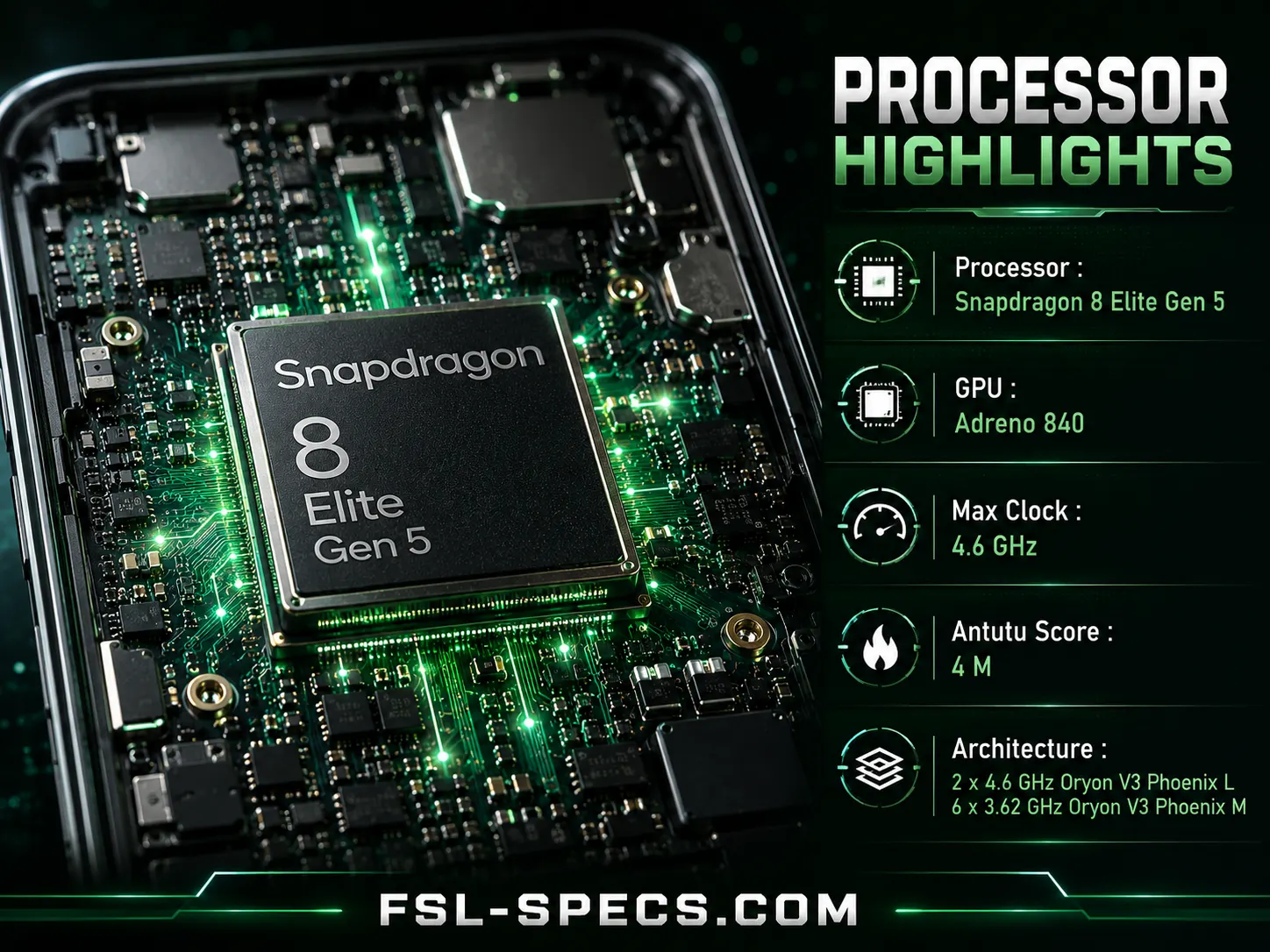
Snapdragon 8 Elite Gen 5
Processor Link
Max Clock
4.6 GHz
Lithography
3 nm
GPU
Adreno 840
CPU Cores
Octa-core
Antutu v11
4 M
Architecture
2 x 4.6 GHz Oryon V3 Phoenix L
6 x 3.62 GHz Oryon V3 Phoenix M
Ram Memory
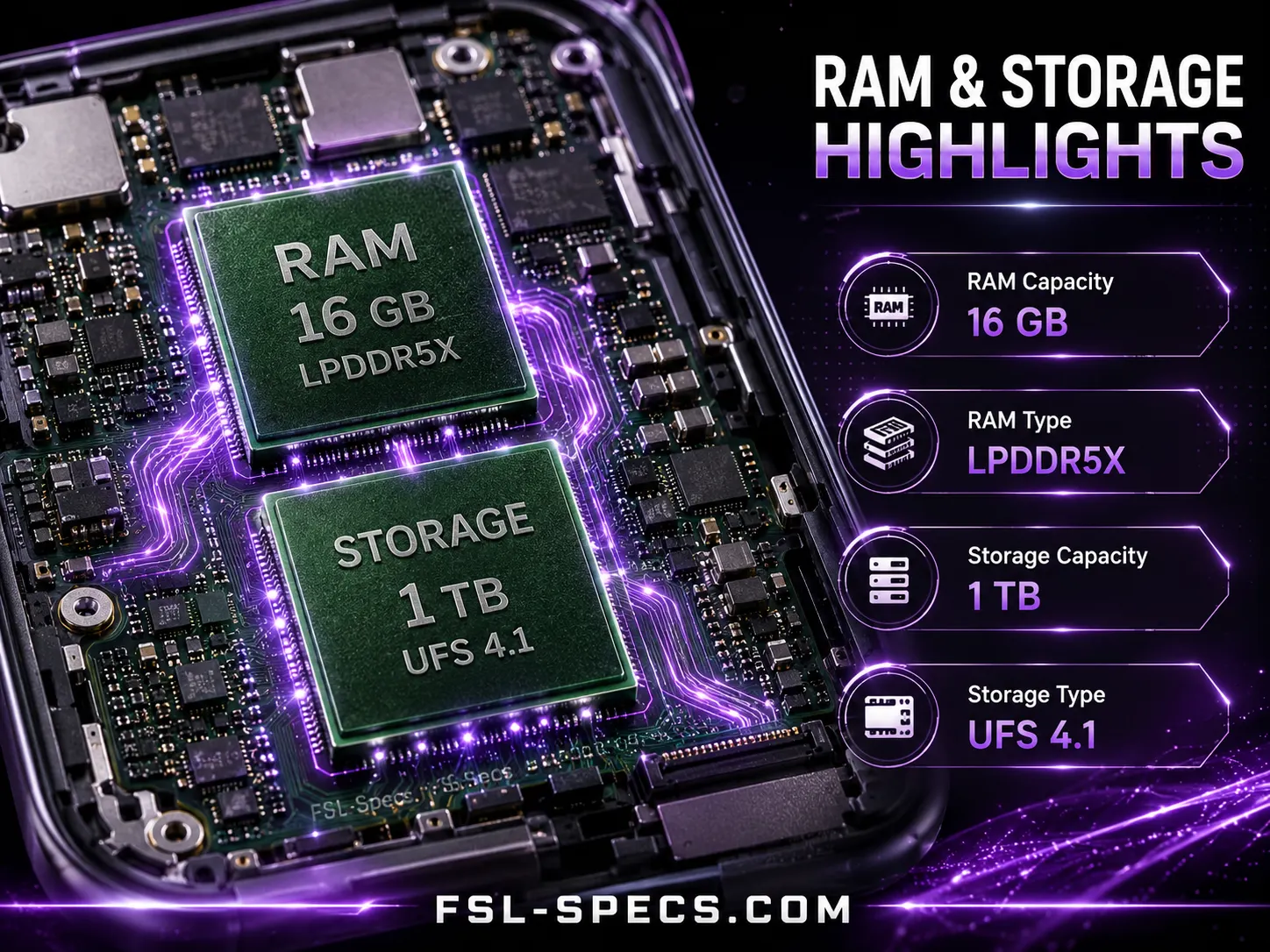
16 + 512 GB
Ram Type
LPDDR5X
Storage Type
UFS 4.1
SD Card
No
Variants
12 + 512GB
16 + 512 GB
16 + 1TB
MP
Rear Camera
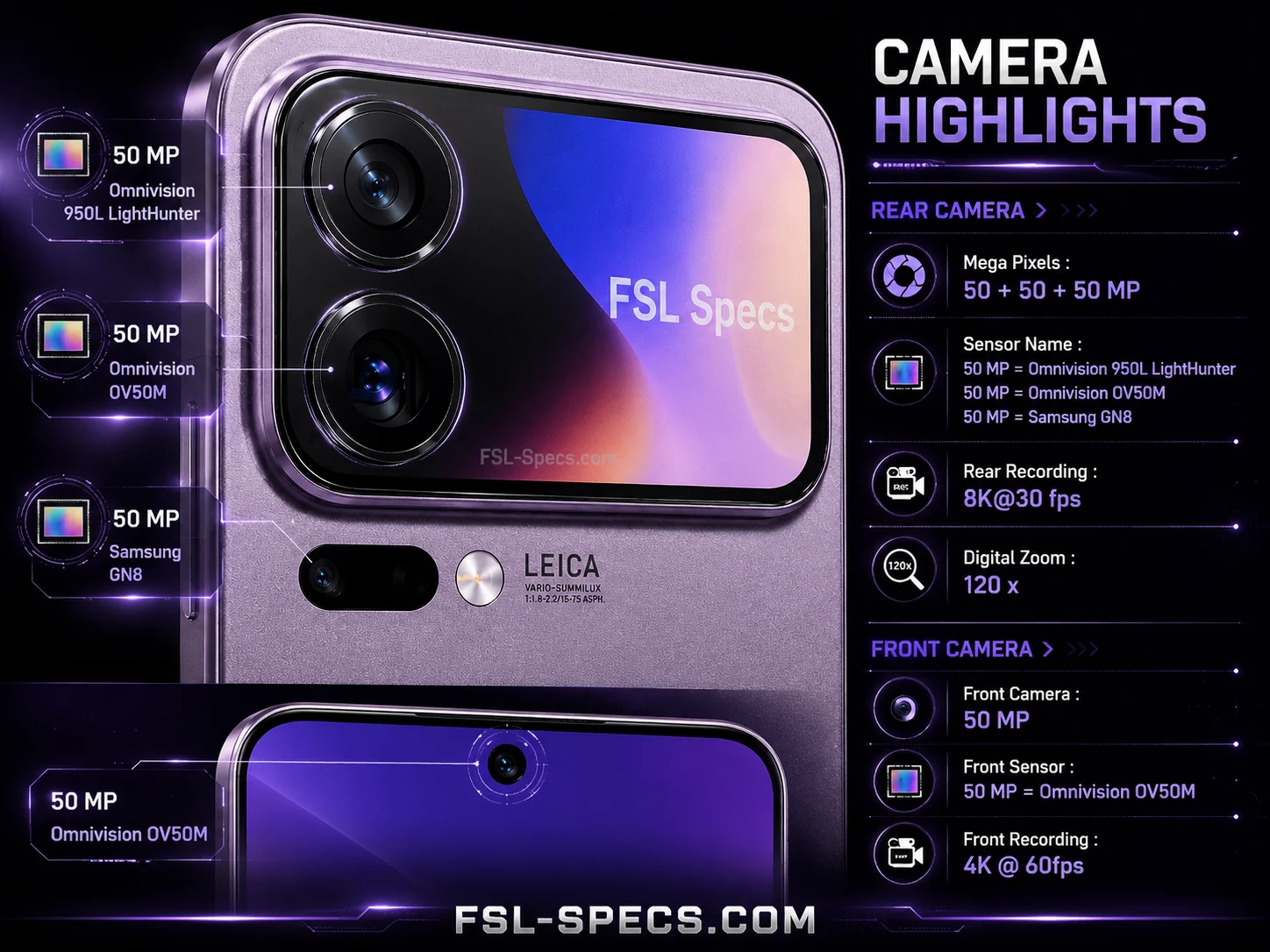
50 + 50 + 50 MP
Front Camera
50 MP
SENSORS
Camera Sensors
50 MP    = Omnivision 950L LightHunter
50 MP    = Omnivision OV50M
50 MP    = Samsung GN8
Front Sensors
50 MP = Omnivision OV50M
RECORDING FPS
Main Recording
8K@30 fps
4K@120 fps
1080p@960fps
Front Recording
4K @ 60fps
1080p @ 60fps
RESOLUTION
Main Resolution
8160 × 6144 pixels
Front Resolution
8192 x 6144 Pixels
ZOOM
Optical Zoom
5 x
Stabilization
Yes
FLASH
Flash
Dual LED
Front Flash
Screen Flash
Capacity
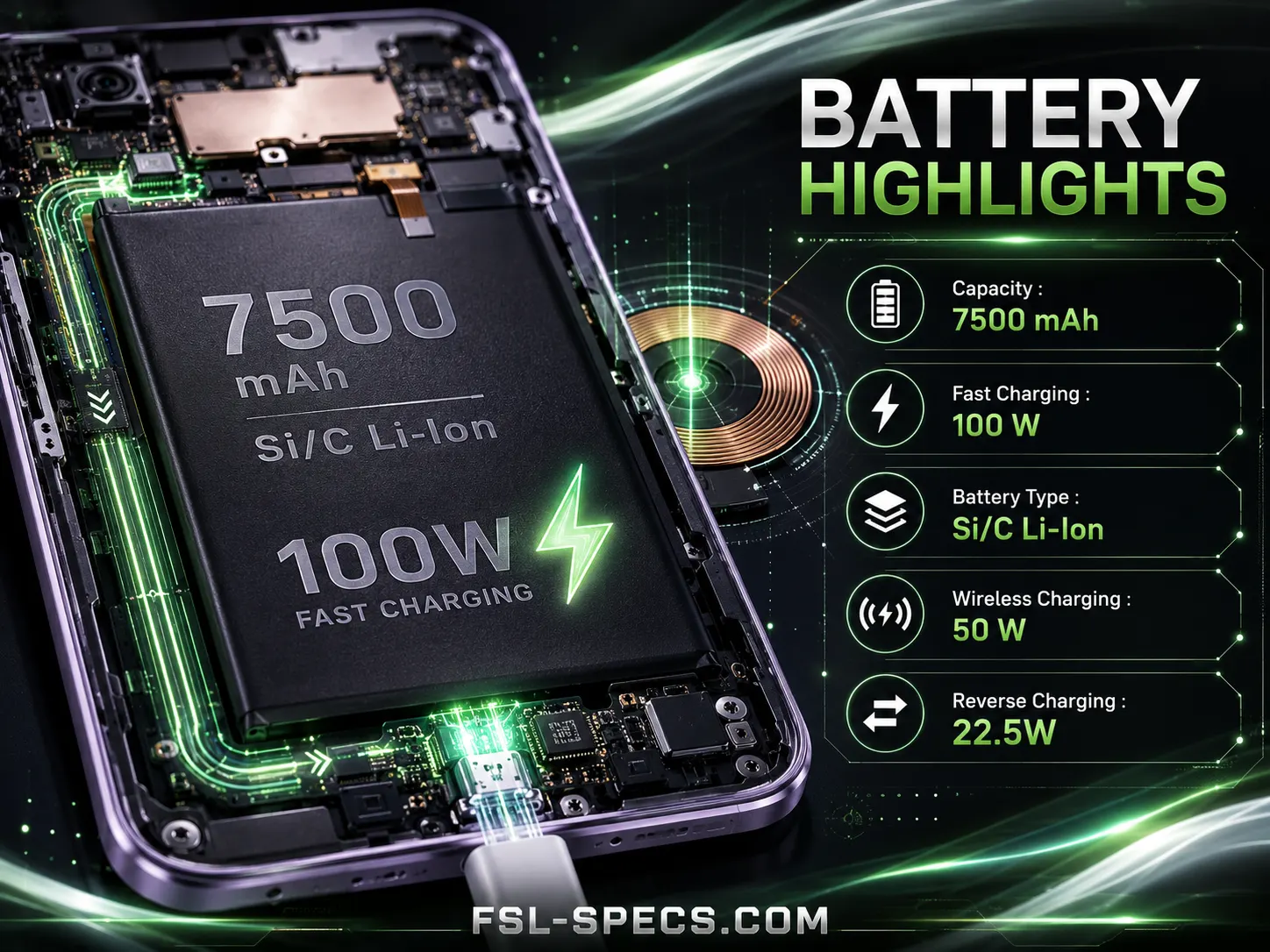
7500 mAh
Fast Charging
100 W
Wireless Charging
50 W
Li Battery Type
Si/C Li-Ion
REVERSE
Reverse Wired
22.5W
OTHER
Charging Time
45-50 Mints ( 0-100% )
AUDIO & SENSORS
Speaker
Dual Stereo Speaker
Fingerprint Sensor
Hyper Sonic Front Finger
Other Sensors
Proximity sensor
Gyroscope
Accelerometer
Ambient light sensor
Compass, etc
Special Features

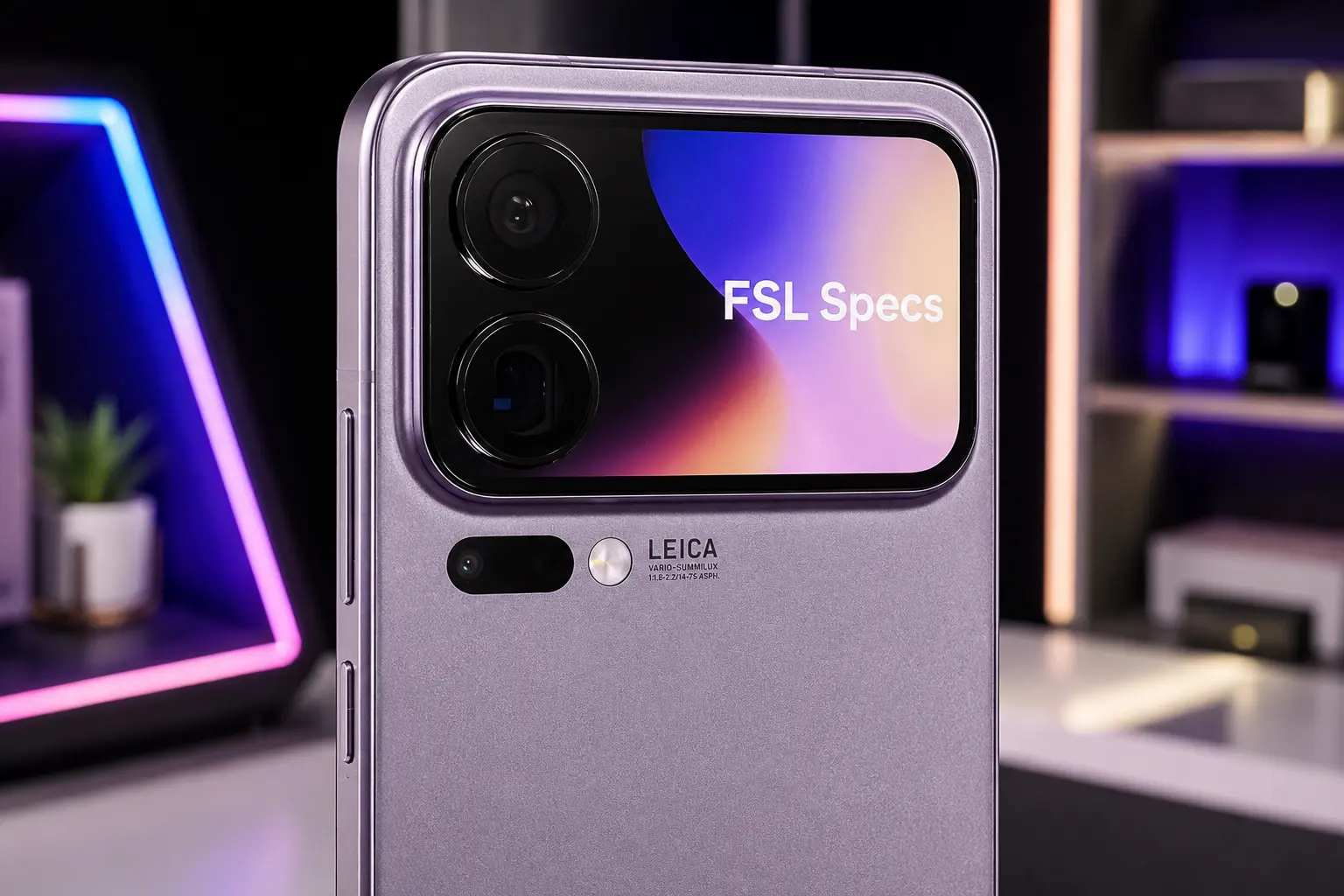
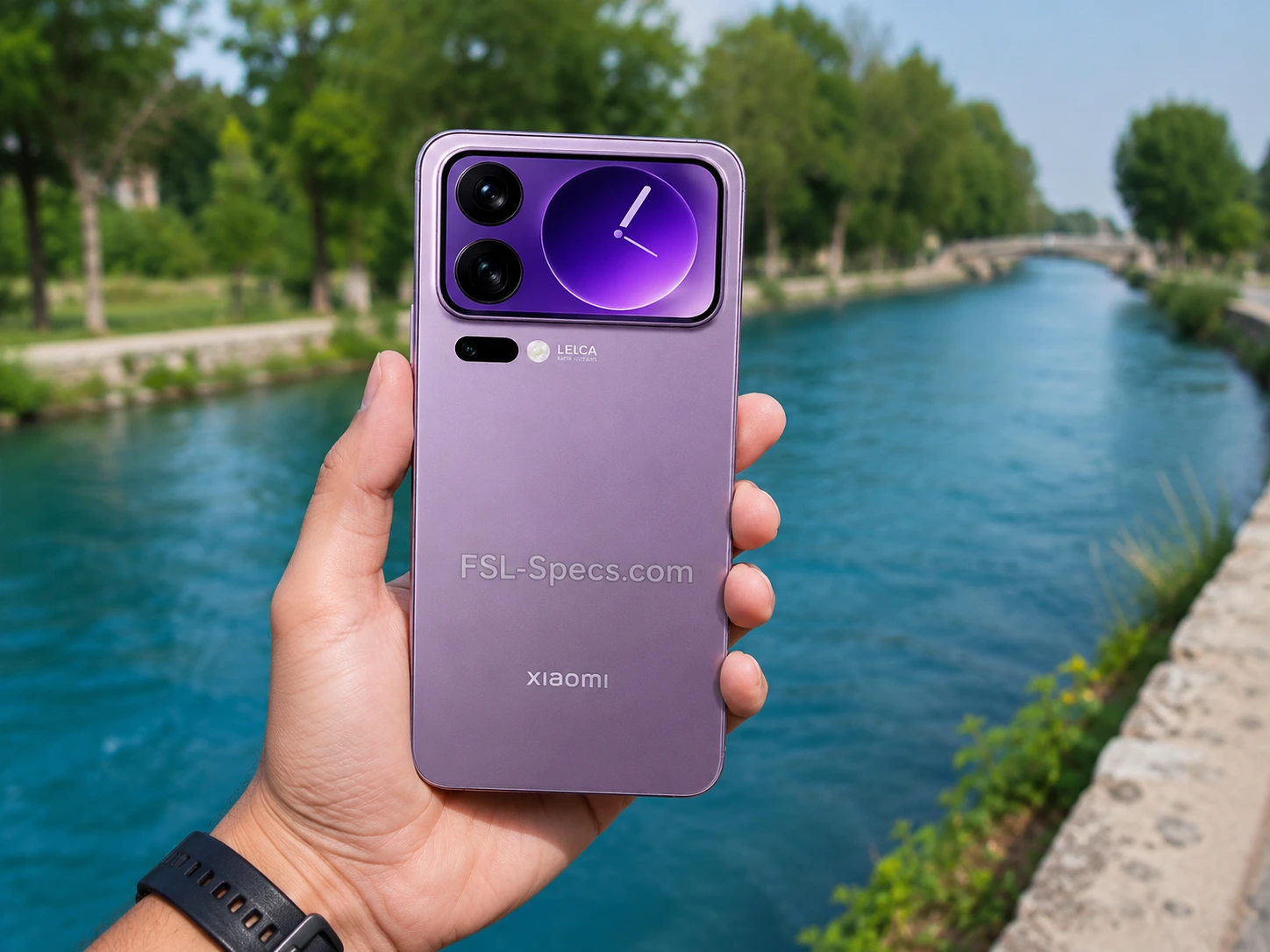
Secondary 2.9″ LTPO AMOLED “Dynamic Back Display”.
Leica-tuned triple 50MP camera system with color spectrum sensor.
Xiaomi T1 & T1P signal booster chips with 4 mid/high-frequency antennas.
Snapdragon Sound certification.
Bypass charging support.

BASIC INFO
Mobile
Xiaomi 17 Pro Max
Model
2509FPN0BC
Series
Xiaomi Number
Category
Flagship
Release Date
25 September,2025
Year
2025
CONNECTIVITY
Sim
Nano-SIM / E-Sim
Network
4G / 4G+ / 5G/ 5G+
WiFi
Wi-Fi 7
Bluetooth
5.4
NFC
Yes
OS
Android 17 , HyperOS 4
BODY
Dimensions
162.9 x 77.6 x 8.0 mm
Build
Aluminium Alloy +Glass back
KG Weight
219 grams
Screen Size
6.9 inch
Resolution
1200 x 2608 Pixels / 596 x 976 (secondary)
Type
LTPO AMOLED
Refresh Rate
120 Hz (Both)
Peak Brightness
3500 nits
HBM Brightness
1200 nits
Processor
Snapdragon 8 Elite Gen 5
Processor Link
Max Clock
4.6 GHz
Lithography
3 nm
GPU
Adreno 840
CPU Cores
Octa-core
Antutu v11
4 M
Architecture
2 x 4.6 GHz Oryon V3 Phoenix L
6 x 3.62 GHz Oryon V3 Phoenix M
Ram Memory
16 + 512 GB
SD Card
No
Ram Type
LPDDR5X
Storage Type
UFS 4.1
Variants
12 + 512GB
16 + 512 GB
16 + 1TB
MP
Rear Camera
50 + 50 + 50 MP
Front Camera
50 MP
SENSORS
Main Camera Sensors
50 MP    = Omnivision 950L LightHunter
50 MP    = Omnivision OV50M
50 MP    = Samsung GN8
Front Camera Sensors
50 MP = Omnivision OV50M
RECORDING FPS
Main Recording
8K@30 fps
4K@120 fps
1080p@960fps
Front Recording
4K @ 60fps
1080p @ 60fps
RESOLUTION
Main Resolution
8160 × 6144 pixels
Front Resolution
8192 x 6144 Pixels
ZOOM
Optical Zoom
5 x
Stabilization
Yes
FLASH
Flash
Dual LED
Front Flash
Screen Flash
Capacity
7500 mAh
Fast Charging
100 W
Wireless Charging
50 W
Li Battery Type
Si/C Li-Ion
REVERSE
Reverse Wired
22.5W
OTHER
Charging Time
45-50 Mints ( 0-100% )
AUDIO & SENSORS
Speaker
Dual Stereo Speaker
Fingerprint Sensor
Hyper Sonic Front Finger
Other Sensors
Proximity sensor
Gyroscope
Accelerometer
Ambient light sensor
Compass, etc
Special Features

Secondary 2.9″ LTPO AMOLED “Dynamic Back Display”.
Leica-tuned triple 50MP camera system with color spectrum sensor.
Xiaomi T1 & T1P signal booster chips with 4 mid/high-frequency antennas.
Snapdragon Sound certification.
Bypass charging support.

Highlights & Review Of Xiaomi 17 Pro Max

Display Review:

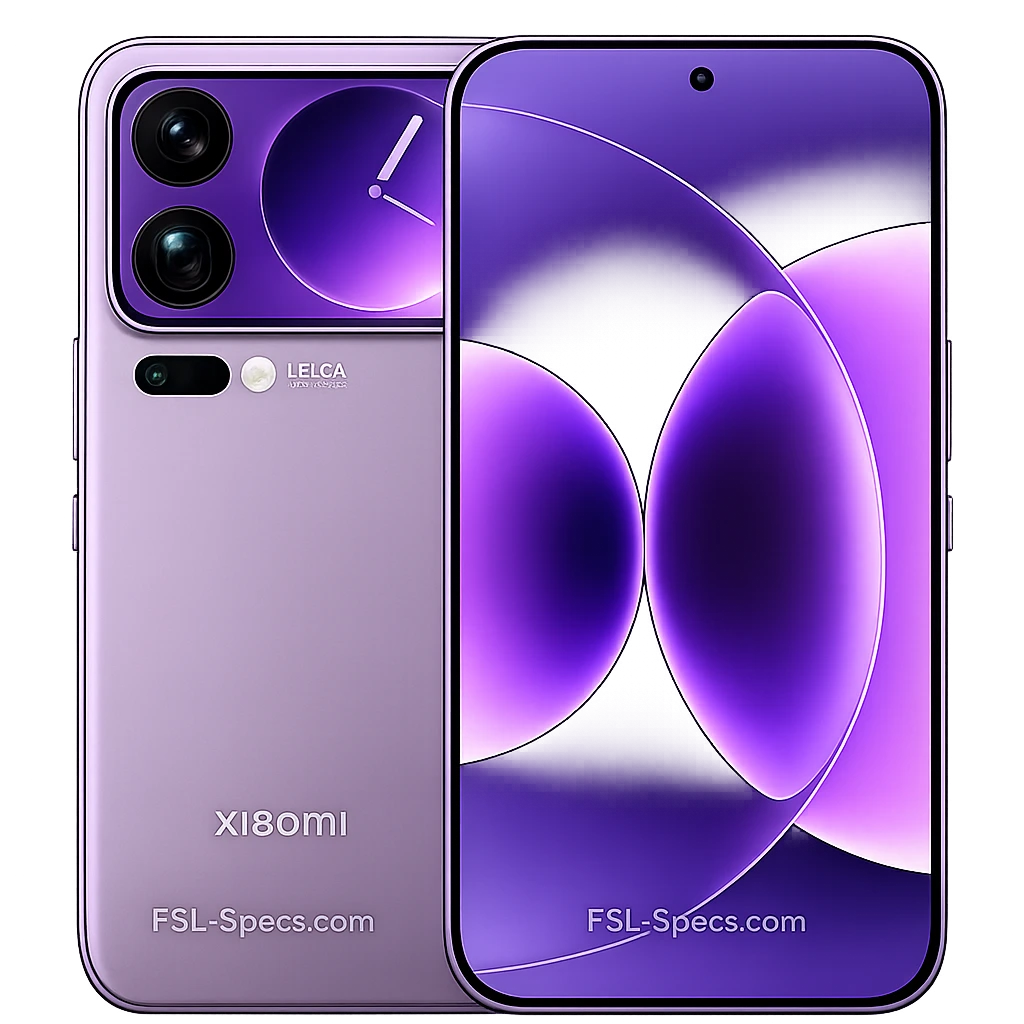
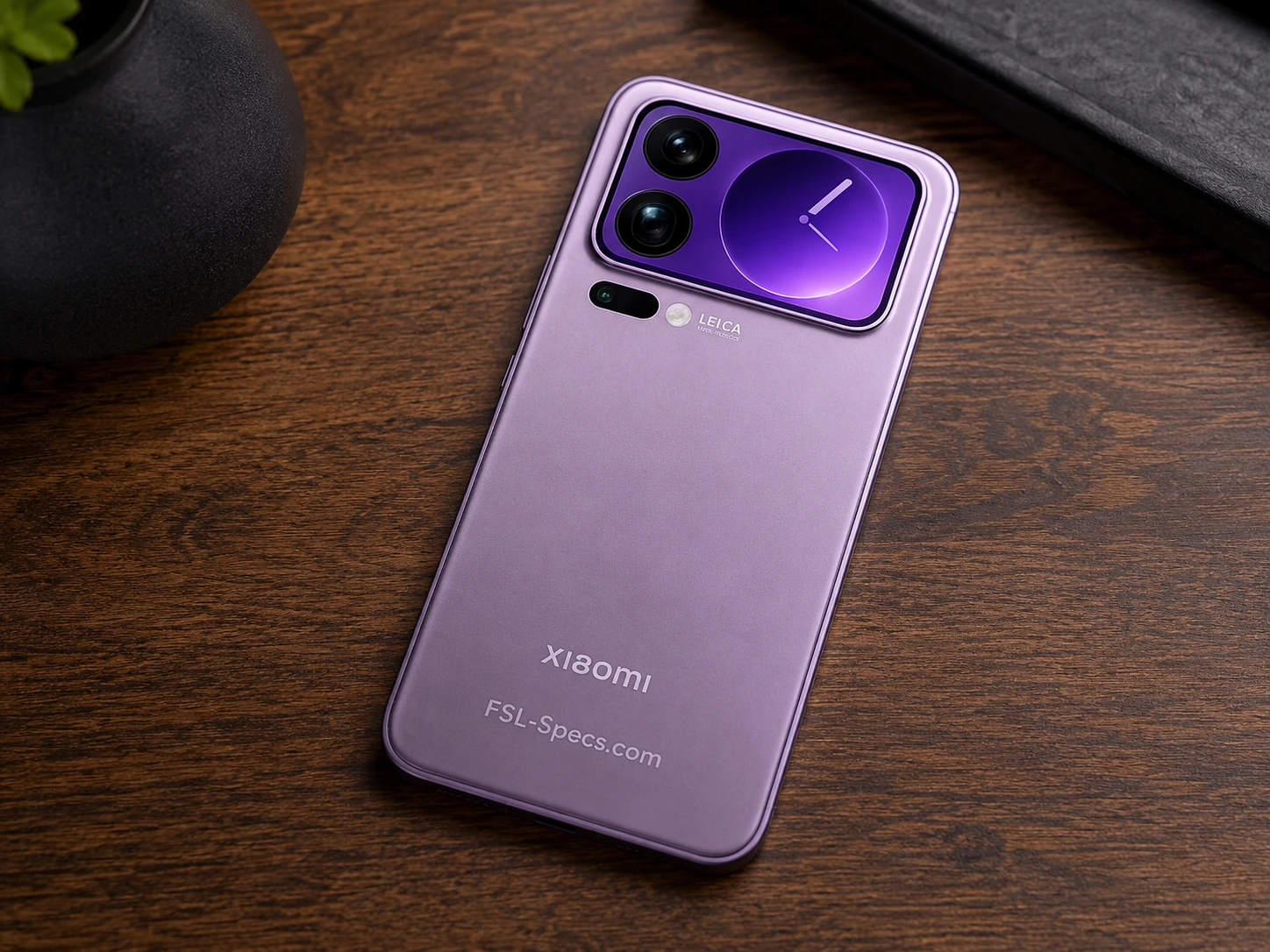
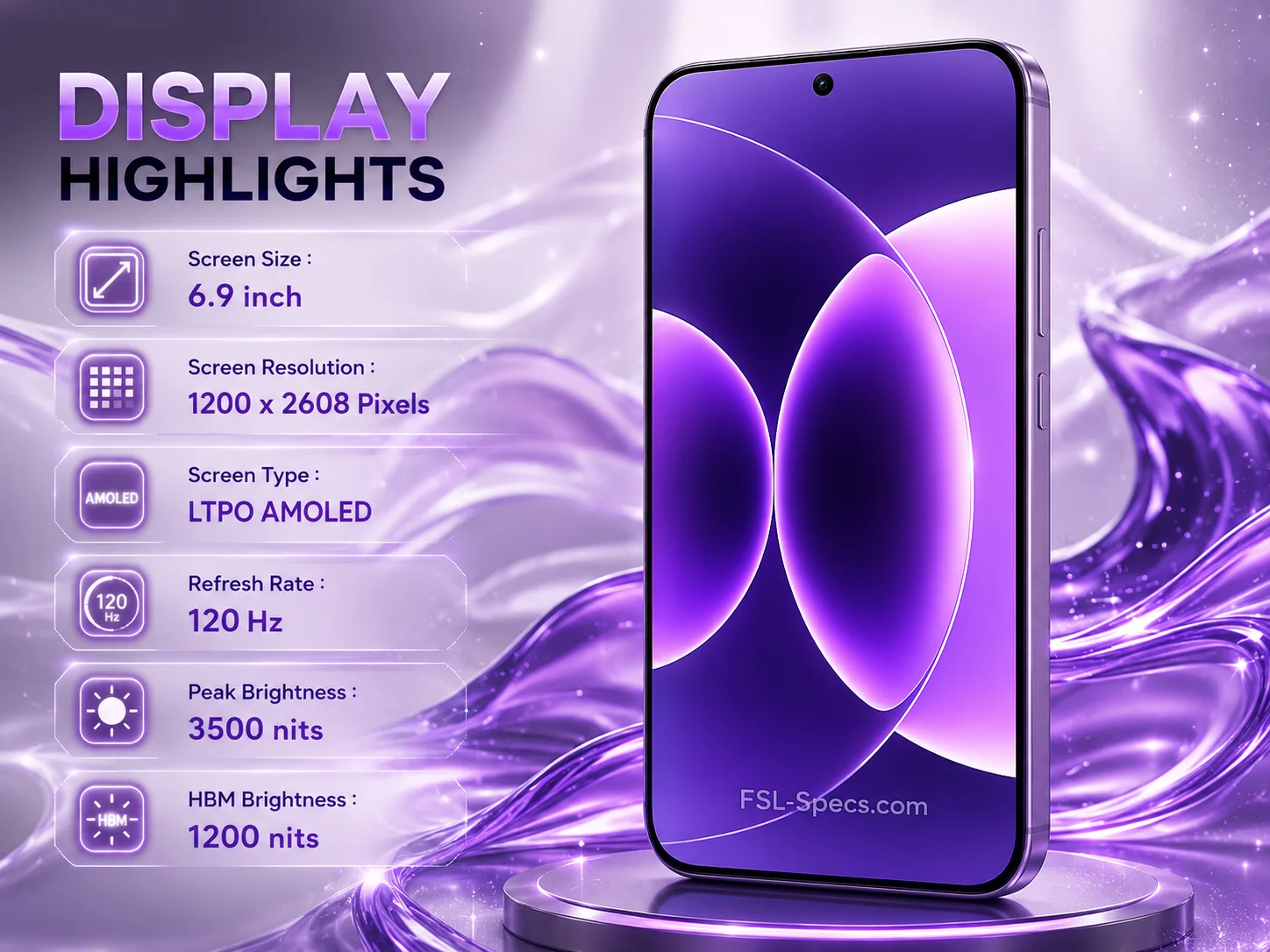
The Xiaomi 17 Pro Max has the most distinctive display setup here, combining a 6.9-inch LTPO AMOLED main screen with 120Hz refresh rate and a 2.9-inch rear AMOLED display. Its main panel runs at 1200 × 2608 pixels, supports Dolby Vision, HDR10+, HDR Vivid and is listed at up to 3,500 nits peak brightness. The rear display also supports 120Hz and the same HDR-oriented features, giving Xiaomi a major hardware differentiator that none of the other three phones offers.

The Samsung Galaxy S26 Ultra counters with a more conventional but technically excellent 6.9-inch QHD+ Dynamic AMOLED 2X panel at 3120 × 1440 pixels and 120Hz adaptive refresh rate. Its higher resolution gives it the sharpness advantage, while Samsung also adds Vision Booster and the new built-in Privacy Display

The Samsung Galaxy S26 Plus uses a 6.7-inch QHD+ Dynamic AMOLED 2X display with 3120 × 1440 resolution and 120Hz. It is smaller than the Xiaomi and S26 Ultra, but its pixel density and Samsung’s display processing make it a strong premium-screen option.

The iPhone 17 Pro Max also has a 6.9-inch OLED display, with 2868 × 1320 resolution, ProMotion adaptive refresh up to 120Hz, HDR, True Tone and up to 3,000 nits outdoor peak brightness.

Display winner: Samsung Galaxy S26 Ultra for resolution and overall flagship display technology, while the Xiaomi 17 Pro Max wins for versatility because of its unique rear screen.

Processor Review:

The Xiaomi 17 Pro Max is powered by Qualcomm’s Snapdragon 8 Elite Gen 5 (3nm) chipset with an octa-core CPU (1x 4.74GHz + 3x 3.8GHz + 4x 3.0GHz) and Adreno 840 GPU, scoring ~4,027,702 points on AnTuTu v11, the highest in this group, with Geekbench 6 single-core at ~3,793 and multi-core at ~10,000+, making it the fastest for raw AnTuTu scores, gaming, and sustained performance, thanks to its 16GB LPDDR5X RAM and 512GB UFS 4.1 storage.

The Samsung Galaxy S26 Ultra uses Qualcomm’s Snapdragon 8 Elite Gen 5 for Galaxy (3nm) chipset with an octa-core CPU (1x 4.74GHz + 3x 3.8GHz + 4x 3.0GHz) and Adreno 840 GPU, scoring ~3,491,536 to 3,905,605 points on AnTuTu v11, with Geekbench 6 single-core at ~3,733 and multi-core at ~11,407, making it the second-fastest in this group for raw AnTuTu scores, with strong sustained performance and 12GB LPDDR5X RAM for multitasking.

The Samsung Galaxy S26 Plus comes in two variants: the Snapdragon 8 Elite Gen 5 (3nm) model scores ~3,140,000 points on AnTuTu v11, while the Exynos 2600 (2nm) variant scores ~2,743,774 points, with Geekbench 6 single-core at ~2,777 and multi-core at ~10,982, making the Snapdragon variant competitive with the S26 Ultra but the Exynos variant slower in raw scores, though both offer strong sustained performance with One UI 8.5 optimization.

The Apple iPhone 17 Pro Max is powered by Apple’s A19 Pro (3nm) chipset with a 6-core CPU (2x performance + 4x efficiency cores) and 6-core Apple GPU, scoring ~2,600,583 to 2,717,755 points on AnTuTu v11, with Geekbench 6 single-core at ~3,871 and multi-core at ~9,968, making it the fastest in single-core Geekbench and third-fastest in AnTuTu v11, with a 30% improvement over the iPhone 16 Pro Max and 55% improvement over the iPhone 15 Pro, though it trails the Xiaomi 17 Pro Max and Galaxy S26 Ultra in raw AnTuTu scores due to iOS optimization differences.

Processor & AnTuTu v11 Comparison Table

FeatureXiaomi 17 Pro MaxSamsung Galaxy S26 UltraSamsung Galaxy S26 Plus (Snapdragon)Samsung Galaxy S26 Plus (Exynos)Apple iPhone 17 Pro Max
ChipsetSnapdragon 8 Elite Gen 5 (3nm)Snapdragon 8 Elite Gen 5 for Galaxy (3nm)Snapdragon 8 Elite Gen 5 (3nm)Exynos 2600 (2nm)A19 Pro (3nm)
CPU1x 4.74GHz + 3x 3.8GHz + 4x 3.0GHz1x 4.74GHz + 3x 3.8GHz + 4x 3.0GHz1x 4.61GHz + 3x 3.8GHz + 4x 3.0GHz1x 4.5GHz + 3x 3.7GHz + 4x 2.8GHz6-core (2P + 4E)
GPUAdreno 840Adreno 840Adreno 840Xclipse 9606-core Apple GPU
AnTuTu v11 Score~4,027,702~3,491,536 – 3,905,605~3,140,000~2,743,774~2,600,583 – 2,717,755
Geekbench 6 Single~3,793~3,733~2,777~2,777~3,871
Geekbench 6 Multi~10,000+~11,407~10,982~10,982~9,968
RAM + Storage16GB + 512GB (LPDDR5X + UFS 4.1)12GB + 256GB (LPDDR5X + UFS 4.0)12GB + 512GB (LPDDR5X + UFS 4.0)12GB + 512GB (LPDDR5X + UFS 4.0)12GB + 256GB (LPDDR5X + UFS 4.0)
Best ForGaming & peak performanceGaming, multitasking, & single-core CPUMultitasking & One UI optimizationBudget flagship performanceSingle-core CPU & AI tasks

AnTuTu v11 Percentage Difference

  • Xiaomi 17 Pro Max vs Samsung Galaxy S26 Ultra: +3–15% faster (4.03M vs 3.49–3.91M average)

  • Xiaomi 17 Pro Max vs Samsung Galaxy S26 Plus (Snapdragon): +28% faster (4.03M vs 3.14M average)

  • Xiaomi 17 Pro Max vs Samsung Galaxy S26 Plus (Exynos): +47% faster (4.03M vs 2.74M average)

  • Xiaomi 17 Pro Max vs Apple iPhone 17 Pro Max: +48–55% faster (4.03M vs 2.60–2.72M average)

  • Samsung Galaxy S26 Ultra vs Samsung Galaxy S26 Plus (Snapdragon): +11–24% faster (3.49–3.91M vs 3.14M average)

  • Samsung Galaxy S26 Ultra vs Samsung Galaxy S26 Plus (Exynos): +27–42% faster (3.49–3.91M vs 2.74M average)

  • Samsung Galaxy S26 Ultra vs Apple iPhone 17 Pro Max: +28–50% faster (3.49–3.91M vs 2.60–2.72M average)

  • Samsung Galaxy S26 Plus (Snapdragon) vs Apple iPhone 17 Pro Max: +15–21% faster (3.14M vs 2.60–2.72M average)

  • Samsung Galaxy S26 Plus (Exynos) vs Apple iPhone 17 Pro Max: +1–5% faster (2.74M vs 2.60–2.72M average)

Verdict

The Xiaomi 17 Pro Max leads in raw AnTuTu v11 scores (~4.03M points) and gaming performance, making it the best choice for users who prioritize peak performance, graphics-intensive tasks, and sustained gaming sessions. The Samsung Galaxy S26 Ultra offers competitive performance (~3.49–3.91M points) with strong multitasking and single-core Geekbench, while the Samsung Galaxy S26 Plus (Snapdragon) provides balanced performance (~3.14M points) with strong multitasking and One UI optimization. The Apple iPhone 17 Pro Max trails with ~2.60–2.72M points but remains competitive for everyday use and media consumption.

Ram & Memory Review:

For the supplied 16GB + 512GB configuration, the Xiaomi 17 Pro Max has the largest physical RAM allocation in this comparison and combines it with 512GB storage. Xiaomi’s specification listings identify 12GB/16GB RAM configurations and UFS 4.1 storage, with no microSD expansion.

The Samsung Galaxy S26 Ultra 12GB + 256GB is more conservative on memory capacity but uses 12GB LPDDR5X RAM and 256GB UFS 4.0 storage in the specified configuration. There is no microSD slot. This means the Xiaomi has both 4GB more RAM and twice the storage capacity at the supplied prices.

The Galaxy S26 Plus 12GB + 512GB matches the Samsung Ultra in RAM capacity while providing the same 512GB storage capacity as the Xiaomi. Samsung officially lists the 512GB model with 12GB memory.

The iPhone 17 Pro Max 12GB + 256GB has 12GB RAM and NVMe-based internal storage according to current specification databases, while Apple officially confirms the available 256GB storage tier.

For heavy multitasking, large games and long-term local storage, Xiaomi 17 Pro Max 16GB + 512GB is the strongest configuration. The S26 Plus is the best Samsung alternative because its supplied 512GB storage matches Xiaomi’s capacity, while the S26 Ultra and iPhone start with only 256GB in this comparison.

RAM & Storage winner: Xiaomi 17 Pro Max.

Cameras Review:

The Xiaomi 17 Pro Max features a triple rear camera system with a 50MP Light Fusion 950L main sensor (1/1.28″, f/1.7, OIS, ToF-assisted dual-pixel PDAF), a 50MP Samsung ISOCELL GN8 periscope telephoto (1/1.95″, 5x optical zoom, f/2.6, OIS, PDAF), and a 50MP OmniVision OV50M40 ultrawide (1/2.88″, f/2.4, 17mm, PDAF), plus a 50MP front camera (f/2.0, AF). It records rear video up to 8K@30fps (main), 4K@120fps (main), 4K@30fps (telephoto + ultrawide), and 10-bit Dolby Vision + 10-bit Log, with front video at 4K@60fps, making it the most versatile for photography and video in this group.

The Samsung Galaxy S26 Ultra offers a quad rear camera system with a 200MP Samsung ISOCELL HP2 main sensor (1/1.3″, f/1.4, OIS, 2x optical zoom), a 50MP Samsung ISOCELL JN3 ultrawide (1/2.5″, f/1.9, PDAF), a 50MP telephoto (5x optical zoom, f/2.9, OIS, 10x optical-quality zoom), and a 10MP telephoto (3x optical zoom, f/2.4, OIS), plus a 12MP front camera (f/2.2, 26mm). It records rear video up to 8K@30fps (all rear cameras), 4K@120fps (all rear cameras), APV codec, and 10-bit HDR10+, with front video at 4K@60fps HDR, making it the most versatile for photography and video in this group.

The Samsung Galaxy S26 Plus features a triple rear camera system with a 50MP Samsung ISOCELL GN3 main sensor (1/1.56″, f/1.8, OIS, PDAF), a 12MP Sony IMX564 ultrawide (1/2.55″, f/2.2, 13mm, fixed focus), and a 10MP Samsung S5K3K1 telephoto (1/3.94″, 3x optical zoom, f/2.4, OIS, PDAF), plus a 12MP front camera (f/2.2, 26mm). It records rear video up to 8K@30fps (main only), 4K@120fps (main + ultrawide), 4K@60fps (all rear cameras), and 10-bit HDR10+, with front video at 4K@60fps, making it the most versatile for video recording in this group.

The Apple iPhone 17 Pro Max is equipped with a triple rear camera system with a 48MP Fusion main sensor (1/1.28″, f/1.78, OIS, sensor-shift, dual-pixel AF), a 48MP Fusion ultrawide (1/2.55″, f/2.2, 13mm, dual-pixel AF), and a 48MP Fusion telephoto (100mm equivalent, f/2.8, OIS, dual-pixel AF, 4x/8x zoom), plus a 24MP front camera (f/1.9, 23mm, Center Stage). It records rear video up to 4K@120fps (main), 4K@60fps (all rear cameras), 10-bit HDR + Dolby Vision, ProRes, and 3D spatial video, with front video at 4K@60fps, making it the most versatile for photography and video in this group.

Camera Sensors & Video Recording Comparison Table

FeatureXiaomi 17 Pro MaxSamsung Galaxy S26 UltraSamsung Galaxy S26 PlusApple iPhone 17 Pro Max
Main Camera50MP Light Fusion 950L (1/1.28″, f/1.7, OIS)200MP Samsung HP2 (1/1.3″, f/1.4, OIS, 2x zoom)50MP Samsung GN3 (1/1.56″, f/1.8, OIS)48MP Fusion (1/1.28″, f/1.78, OIS)
Telephoto50MP Samsung GN8 (5x, f/2.6, OIS)50MP (5x, f/2.9, OIS, 10x optical-quality) + 10MP (3x, f/2.4, OIS)10MP Samsung S5K3K1 (3x, f/2.4, OIS)48MP Fusion (100mm, f/2.8, OIS, 4x/8x zoom)
Ultrawide50MP OmniVision OV50M40 (1/2.88″, f/2.4, 17mm, PDAF)50MP Samsung JN3 (1/2.5″, f/1.9, PDAF)12MP Sony IMX564 (1/2.55″, f/2.2, 13mm)48MP Fusion (1/2.55″, f/2.2, 13mm)
Front Camera50MP (f/2.0, AF)12MP (f/2.2, 26mm)12MP (f/2.2, 26mm)24MP (f/1.9, 23mm, Center Stage)
Rear Video Max8K@30fps (main), 4K@120fps (main), 4K@30fps (telephoto + ultrawide)8K@30fps (all), 4K@120fps (all)8K@30fps (main), 4K@120fps (main + ultrawide)4K@120fps (main), 4K@60fps (all)
Front Video Max4K@60fps4K@60fps HDR4K@60fps4K@60fps
Special Features10-bit Dolby Vision, 10-bit LogAPV codec, 10-bit HDR10+10-bit HDR10+ProRes, Dolby Vision, 3D spatial video

Verdict

The Xiaomi 17 Pro Max dominates with its 50MP main + 50MP 5x periscope telephoto + 50MP ultrawide system, 8K@30fps video, 4K@120fps video, and 10-bit Dolby Vision + 10-bit Log, making it the best choice for photography enthusiasts and content creators who need maximum versatility. The Samsung Galaxy S26 Ultra offers a strong 200MP main + 50MP 5x telephoto + 50MP ultrawide system with 8K@30fps video and APV codec, making it ideal for high-resolution photography and video stabilization.

The Samsung Galaxy S26 Plus provides a reliable 50MP main + 10MP 3x telephoto + 12MP ultrawide setup with 8K@30fps video, though it trails in telephoto resolution and sensor quality. The Apple iPhone 17 Pro Max is the weakest, with no telephoto lens, 48MP main + 48MP ultrawide only, and 1080p@30fps ultrawide video, making it unsuitable for serious photography or video work despite its gaming focus.

Battery Review:

The Xiaomi 17 Pro Max has the largest battery in this comparison at 7,500mAh, supported by 100W wired charging and 50W wireless charging, giving it a major hardware advantage for users who prioritize battery capacity and charging speed.

The Samsung Galaxy S26 Ultra uses a 5,000mAh battery and supports substantially faster wired charging than previous-generation Samsung flagships, with Samsung stating that it can reach up to 75% in around 30 minutes under its specified conditions.

The Galaxy S26 Plus has a 4,900mAh battery and supports up to 69% charging in around 30 minutes according to Samsung’s Pakistan information. Samsung also rates it for up to 31 hours of video playback under its testing conditions.

The iPhone 17 Pro Max has excellent rated endurance, but its battery capacity differs by SIM configuration. Current specifications report around 5,088mAh for the eSIM model, while Apple’s official specifications emphasize usage and display characteristics rather than publishing a battery-capacity figure

The Xiaomi therefore has the strongest hardware advantage for battery capacity and charging. However, battery capacity alone does not prove the longest real-world endurance.

Battery winner: Xiaomi 17 Pro Max.

Final Verdict :

The Xiaomi 17 Pro Max is the overall winner in this four-phone comparison based on the weighted evaluation. It combines the strongest benchmark position, 16GB + 512GB memory configuration, 7,500mAh battery, 100W wired charging, 50W wireless charging, a 6.9-inch 120Hz LTPO AMOLED display, and an additional 2.9-inch rear display.

The Samsung Galaxy S26 Ultra is the closest rival. Its AnTuTu v11 average of 3,939,244 is only about 1.47% below Xiaomi’s 3,998,145, while its QHD+ display and more versatile camera system make it arguably the strongest specialist alternative.

The Samsung Galaxy S26 Plus offers excellent value at the supplied PKR 370,000, but its Exynos 2600 benchmark position is considerably behind the Xiaomi and S26 Ultra. The iPhone 17 Pro Max remains a premium choice for iOS and professional video, but its PKR 505,000 price makes it the weakest value proposition in this particular hardware comparison.

Overall winner: Xiaomi 17 Pro Max.
Strongest camera alternative: Samsung Galaxy S26 Ultra.
Best lower-price Samsung option: Galaxy S26 Plus.
Best for iOS/video workflows: iPhone 17 Pro Max.
Best overall value: Xiaomi 17 Pro Max.


Ranking

RankPhonePricePerformanceCameraDisplayBatteryRAM/StorageOverall
1Xiaomi 17 Pro Max 16+512GBPKR 380,0009.59.59.710.010.09.71
2Samsung Galaxy S26 Ultra 12+256GBPKR 390,0009.39.79.88.79.29.23
3iPhone 17 Pro Max 12+256GBPKR 505,0008.59.89.68.08.88.68
4Samsung Galaxy S26 Plus 12+512GBPKR 370,0008.08.49.07.59.08.49

AnTuTu v11 reference: Xiaomi 17 Pro Max 3,998,145; Galaxy S26 Ultra 3,939,244; Galaxy S26 Plus Exynos 3,119,822; iPhone 17 Pro Max 2,590,567.

Important regional note: Samsung states that processor availability can vary by country, region or carrier. The Galaxy S26 Plus benchmark above uses the Exynos 2600 configuration; if the retailer’s Pakistani unit is a Snapdragon variant instead, its performance result would materially change. The exact comparison variants and supplied prices are specified in your uploaded master prompt.

Pros And Cons of Xiaomi 17 Pro Max

Pros of Mobile

✅ 7500mAh Battery
✅ 100W Charging
✅ 50W Wireless
✅ 5x Optical Zoom
✅ Dual 120Hz Displays
✅ UFS 4.1 Storage

Cons of Mobile

❌ Heavy 219g
❌ No MicroSD
❌ Large 6.9-inch
❌ China-Only Model
❌ No Audio Jack
❌ 416ppi Density

Best For - Not Best For

Best For

✅ Heavy Gaming
✅ Telephoto Photography
✅ Long Endurance
✅ Heavy Multitasking
✅ Media Consumption
✅ Power Users

Not Best For

❌ Compact Phone Fans
❌ Lightweight Phone Users
❌ Expandable Storage Users
❌ One-Handed Users
❌ Wired Audio Users
❌ Global Warranty Seekers

Trailer And Unboxing of Xiaomi 17 Pro Max

Disassembly Or Teardown And Gaming Test of Xiaomi 17 Pro Max

Camera Test Xiaomi 17 Pro Max

Xiaomi Series Row
Redmi Series Row
POCO Series Row
Picture of Faisal Ur Rehman

Faisal Ur Rehman

Faisal Rehman is the founder and editor of FSL Specs, where he publishes in-depth smartphone specifications, comparisons, buying guides, and technology insights. With extensive experience in mobile hardware research and technical analysis, he provides accurate and up-to-date information on Android smartphones, processors, displays, cameras, batteries, performance benchmarks, and software features. His goal is to simplify complex specifications and help readers choose the right device with confidence.

FAQs Questions

The Xiaomi 17 Pro Max has a 6.9-inch LTPO AMOLED screen with a 120Hz refresh rate. Its 3500-nit peak brightness should keep text and visuals readable in bright outdoor conditions.

Yes, the Snapdragon 8 Elite Gen 5 provides enough power for demanding games and heavy apps. Fast LPDDR5X RAM also makes switching between multiple apps feel quick and responsive.

Its triple 50MP camera setup gives users more flexibility for regular shots, wide scenes, and distant subjects. The 5x periscope camera is particularly useful when physical zoom is not possible.

A 7500mAh battery gives the phone plenty of capacity for gaming, videos, and extended daily use. With 100W wired charging, spending hours connected to a charger should not be necessary.


The phone includes 5G, NFC, Wi-Fi 7, and wireless charging for modern connectivity and convenient daily use. eSIM support can depend on the specific market and software configuration.

Its IP68 rating adds protection against dust and accidental water exposure in tested conditions. This is useful for everyday accidents, but it does not make the phone a dedicated underwater device.

The Xiaomi 17 Pro Max offers 12GB and 16GB RAM options, with storage reaching up to 1TB. Higher configurations make more sense for large games, 4K videos, and long-term use.

Yes, it can record 8K video at 30fps and 4K at up to 120fps using the rear camera system. 8K prioritizes detail, while high-frame-rate 4K is more practical for smooth motion footage.

16 + 512 GB
₨ 360,000 | ₹110,000 | $1000

16 + 1 TB
₨ 390,000 | ₹120,000 | $1100

Scroll to Top