





















• Mobiles
  • Processors
  • Mobiles
  • Processors
  • Mobiles
  • Processors

✪ Redmi Note 15 Pro 4G ✪

Xiaomi Redmi Note 15 Pro 4G
United States flag United States
$340 USD
…
Pakistan flag Pakistan (PKR)
112,000 PKR
India flag India (INR)
₹32,000 INR

✪ Redmi Note 15 Pro 4G ✪

Xiaomi Redmi Note 15 Pro 4G
Last Time Update : 7 October, 2026
0

Quick Specifications

AMOLED

Display Type

Helio G200 Ultra

Processor

12 + 512 GB

Ram And Memory

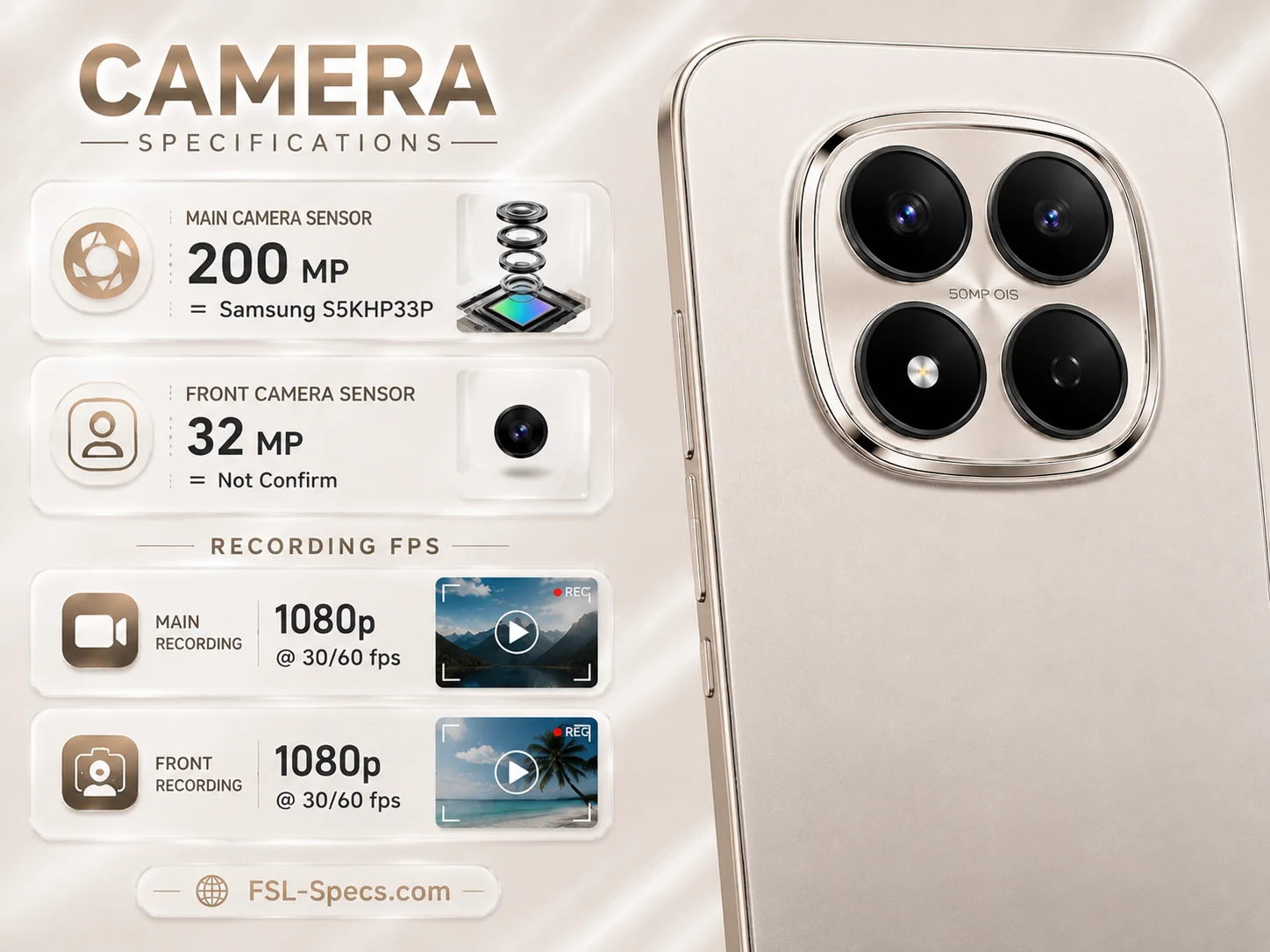
200 + 8 MP

Camera

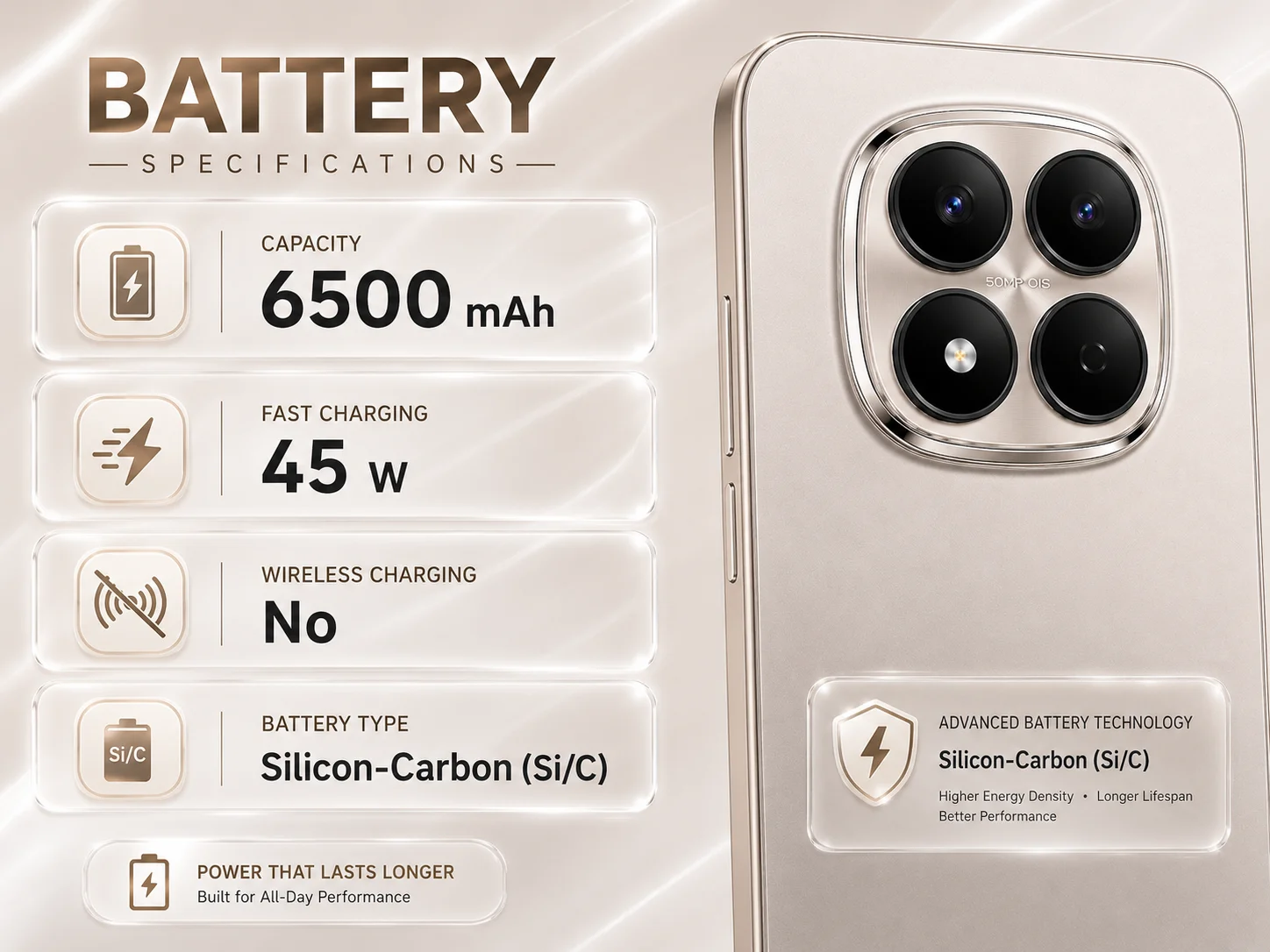
6500 mAh

Battery

45 W

Fast Charging

Full Specification

BASIC INFO
Mobile
Redmi Note 15 Pro 4G
Model
25100RA69G
Series
Redmi Note
Category
Mid Range
Release Date
6 January,2026
Year
2026
CONNECTIVITY
Sim
Nano-SIM + Nano-SIM
Network
4G / 4G+ / 5G
WiFi
Wi-Fi 5
Bluetooth
5.3
NFC
Yes / region dependent
OS
Android 17, up to 2 major updates
BODY
Dimensions
163.61 × 78.09 × ~8.0 mm
Build
Glass front , plastic back
KG Weight
195 grams
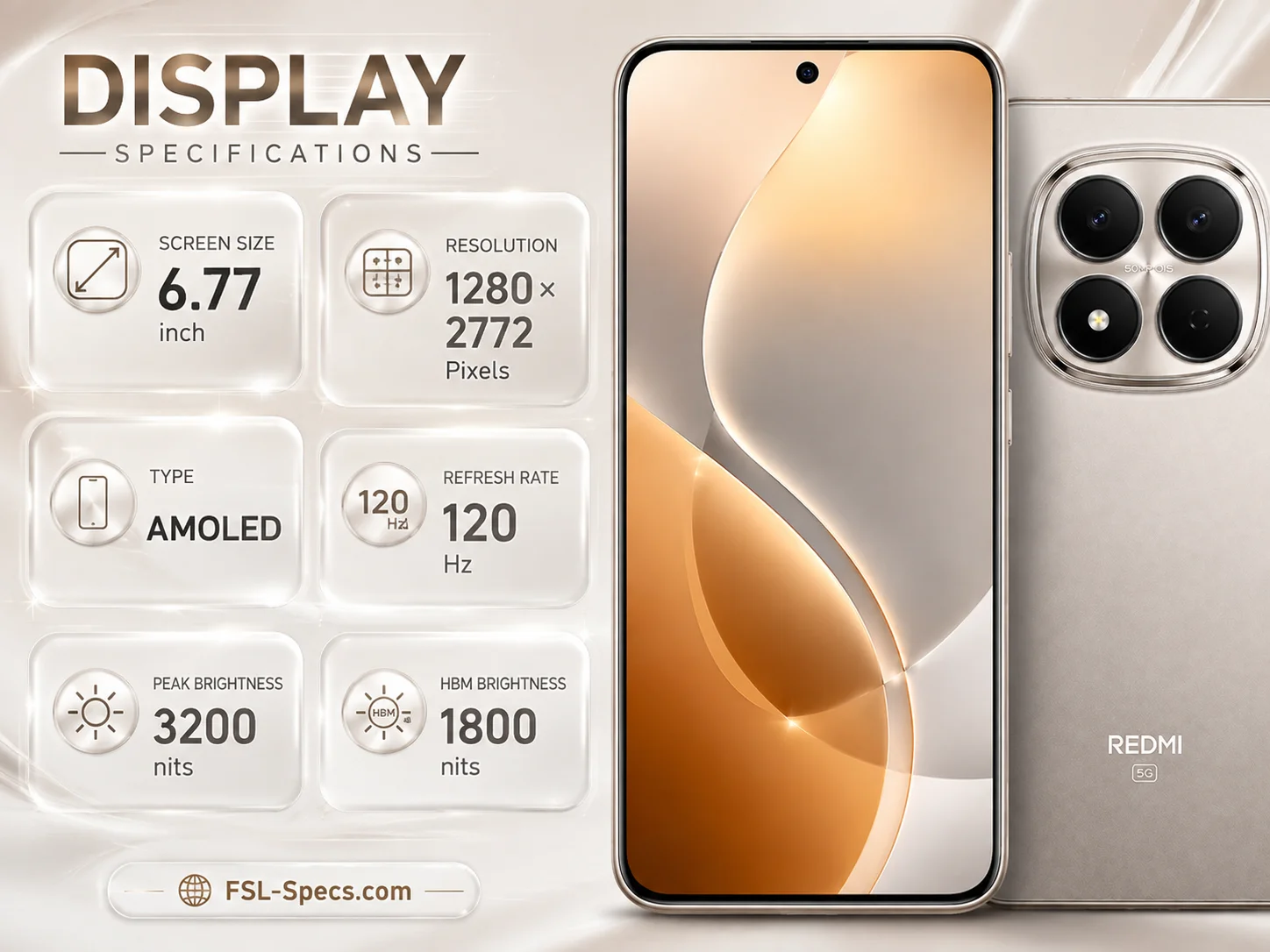
Screen Size
6.77 inch
Resolution
1280 × 2772 Pixels
Type
AMOLED
Refresh Rate
120 Hz
Peak Brightness
3200 nits
HBM Brightness
1800 nits
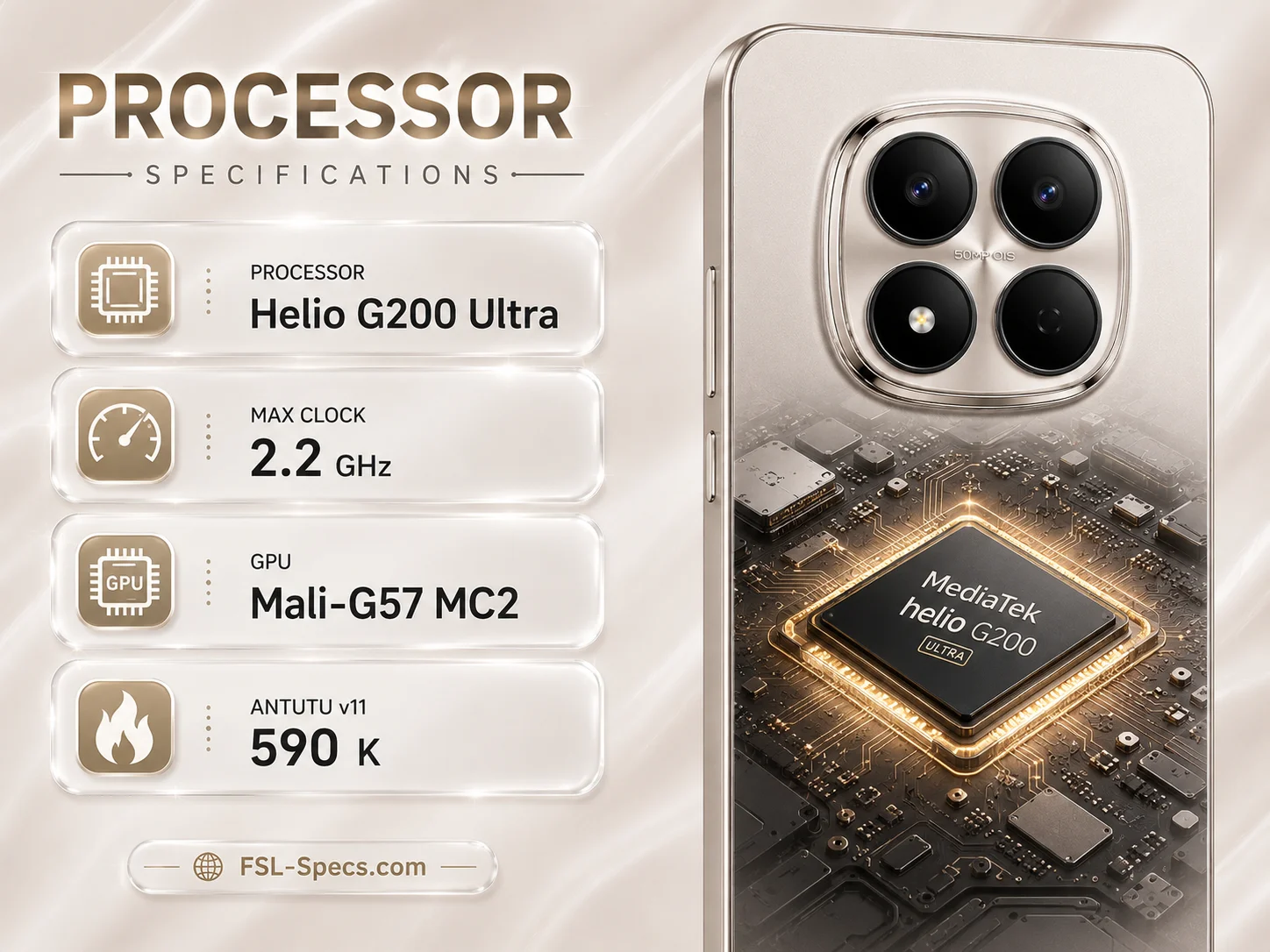
Processor
Helio G200 Ultra
Max Clock
2.2 GHz
Lithography
6 nm
GPU
Mali-G57 MC2
CPU Cores
Octa-core
Antutu v11
590 K
Antutu v10
450 K
Bootup Time
Not Confirm
Architecture
2 x 2.2 GHz Cortex-A76
6 x 2.0 GHz Cortex-A55
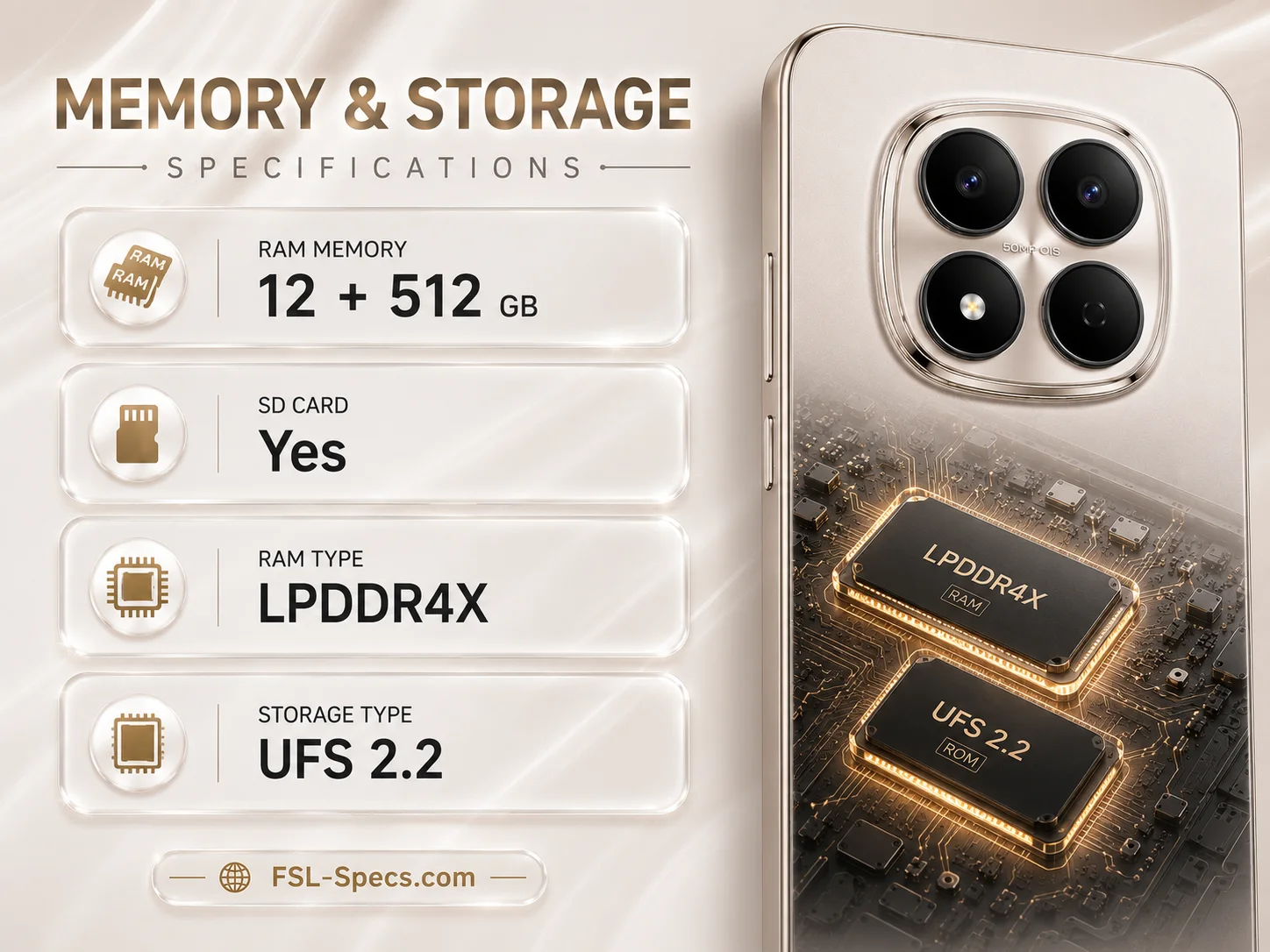
Ram Memory
12 + 512 GB
Ram Type
LPDDR4X
Storage Type
UFS 2.2
SD Card
Yes
Variants
8 + 256 GB
12 + 256 GB
12 + 512 GB
MP
Rear Camera
200 + 8 MP
Front Camera
32 MP
SENSORS
Camera Sensors
200 MP    = Samsung S5KHP3SP
Front Sensors
32 MP = Not Confirm
RECORDING FPS
Main Recording
1080p @ 30/60 fps
Front Recording
1080p @ 30/60 fps
RESOLUTION
Main Resolution
8150 x 6150 Pixels
Front Resolution
6,532 × 4,899 Pixels
ZOOM
Optical Zoom
-
D Digital Zoom
10 x
Stabilization
Yes
FLASH
Flash
LED
Front Flash
Screen Flash
Capacity
6500 mAh
Fast Charging
45 W
Wireless Charging
No
Li Battery Type
Silicon-Carbon (Si/C)
REVERSE
Reverse Wired
18 W
Reverse Wireless
No
OTHER
Battery PC Marks
14 h 22 min
Charging Time
~58 min (20–100%)
AUDIO & SENSORS
Speaker
Dual Stereo Speaker
Fingerprint Sensor
Front Finger
Other Sensors
Proximity sensor
Gyroscope
Accelerometer
Ambient light sensor
Compass, etc
BASIC INFO
Mobile
Redmi Note 15 Pro 4G
Model
25100RA69G
Series
Redmi Note
Category
Mid Range
Release Date
6 January,2026
Year
2026
CONNECTIVITY
Sim
Nano-SIM + Nano-SIM
Network
4G / 4G+ / 5G
WiFi
Wi-Fi 5
Bluetooth
5.3
NFC
Yes / region dependent
OS
Android 17, up to 2 major updates
BODY
Dimensions
163.61 × 78.09 × ~8.0 mm
Build
Glass front , plastic back
KG Weight
195 grams
Screen Size
6.77 inch
Resolution
1280 × 2772 Pixels
Type
AMOLED
Refresh Rate
120 Hz
Peak Brightness
3200 nits
HBM Brightness
1800 nits
Processor
Helio G200 Ultra
Max Clock
2.2 GHz
Lithography
6 nm
GPU
Mali-G57 MC2
CPU Cores
Octa-core
Antutu v11
590 K
Antutu v10
450 K
Bootup Time
Not Confirm
Architecture
2 x 2.2 GHz Cortex-A76
6 x 2.0 GHz Cortex-A55
Ram Memory
12 + 512 GB
SD Card
Yes
Ram Type
LPDDR4X
Storage Type
UFS 2.2
Variants
8 + 256 GB
12 + 256 GB
12 + 512 GB
MP
Rear Camera
200 + 8 MP
Front Camera
32 MP
SENSORS
Main Camera Sensors
200 MP    = Samsung S5KHP3SP
Front Camera Sensors
32 MP = Not Confirm
RECORDING FPS
Main Recording
1080p @ 30/60 fps
Front Recording
1080p @ 30/60 fps
RESOLUTION
Main Resolution
8150 x 6150 Pixels
Front Resolution
6,532 × 4,899 Pixels
ZOOM
Optical Zoom
-
D Digital Zoom
10 x
Stabilization
Yes
FLASH
Flash
LED
Front Flash
Screen Flash
Capacity
6500 mAh
Fast Charging
45 W
Wireless Charging
No
Li Battery Type
Silicon-Carbon (Si/C)
REVERSE
Reverse Wired
18 W
Reverse Wireless
No
OTHER
Battery Life PCMark
14 h 22 min
Charging Time
~58 min (20–100%)
AUDIO & SENSORS
Speaker
Dual Stereo Speaker
Fingerprint Sensor
Front Finger
Other Sensors
Proximity sensor
Gyroscope
Accelerometer
Ambient light sensor
Compass, etc

Highlights & Review Of Redmi Note 15 Pro 4G

Display Review:

The Redmi Note 15 Pro 4G uses a 6.77-inch AMOLED panel with 1080 x 2392 resolution (388ppi) and a 120Hz refresh rate, topping out at 3200 nits peak brightness. At PKR 108,000, it is the sharpest-refreshing screen of the group only on paper, since three rivals push past it on raw specs.

The Infinix Note 60 Pro (PKR 112,000) uses the same 6.78-inch AMOLED panel found across the whole Note 60 series, at a higher 1208 x 2644 resolution (429ppi), a faster 144Hz refresh rate, and a claimed 4500 nits peak with 1600 nits HBM, meaning smoother scrolling and stronger sunlight legibility than the Redmi, at a small price premium.

The Samsung Galaxy A56 5G (PKR 113,000) sticks to 6.7-inch Super AMOLED at 1080 x 2340 (385ppi) with 120Hz and 1900 nits peak (1200 nits HBM), and adds HDR10+ certification, which neither the Redmi nor the Infinix pair officially list, giving it an edge for HDR video streaming despite the lower resolution and brightness ceiling.

The cheapest option, the Infinix Note 60 (PKR 97,000), carries the identical 6.78-inch AMOLED, 1208 x 2644, 144Hz, 4500 nits peak panel as its Pro sibling, per GSMArena’s teardown, undercutting the Redmi by PKR 11,000 while beating it on resolution, refresh rate, and brightness.

Verdict: On raw display numbers, the Redmi Note 15 Pro 4G is outclassed by both Infinix Note 60 variants and edged on HDR support by the Galaxy A56 5G. Buyers who care primarily about screen quality per rupee should look at the Infinix Note 60 instead.

Processor Review:

The Redmi Note 15 Pro 4G runs the MediaTek Helio G200 Ultra (6nm), an octa-core setup with 2×2.2GHz Cortex-A76 and 6×2.0GHz Cortex-A55 cores. AnTuTu v11 listings for it conflict noticeably, ranging from 455,000 on Kimovil to roughly 580,000 in independent lab testing, so treat any single number here with caution rather than as gospel.

Either way, at PKR 108,000 this is the weakest chip of the four by a wide margin. The Infinix Note 60 Pro (PKR 112,000) uses the Snapdragon 7s Gen 4 (4nm) with an Adreno 810 GPU, officially claimed at over 1,100,000 AnTuTu v11, though independently measured runs land closer to 884,000, still comfortably ahead of the Redmi either way.

The Samsung Galaxy A56 5G (PKR 113,000) pairs the Exynos 1580 (4nm) with an Xclipse 540 GPU, with real-world measured scores clustering around 900,000 to 936,000 AnTuTu v11 across multiple trackers, putting it a step behind the Infinix pair but still well clear of the Redmi.

The Infinix Note 60 (PKR 97,000) runs the Dimensity 7400 Ultimate (4nm) with a Mali-G615 MC2 GPU, measured around 849,000 to 977,000 AnTuTu v11 depending on source, undercutting the Redmi by PKR 11,000 while still roughly doubling its performance. In practical terms, the Redmi’s older Helio-based CPU cores mean it will struggle with anything beyond light gaming, while all three rivals have real headroom for modern titles at medium to high settings.

Verdict: The Redmi Note 15 Pro 4G is the clear performance laggard here. For gaming or heavy multitasking, the Infinix Note 60 Pro is the strongest pick, with the standard Note 60 the best value-for-performance option.

Ram & Memory Review:

The Redmi Note 15 Pro 4G ships with 12GB of LPDDR4X RAM and 512GB of UFS 2.2 storage at PKR 108,000, and it also supports microSDXC expansion through a shared SIM slot, a rare feature at this tier. That combination gives it a real capacity advantage over all three rivals here, none of which offer expandable storage at all.

The Infinix Note 60 Pro (PKR 112,000) comes with 8GB of LPDDR5 RAM and 256GB of UFS 2.2 storage, no microSD slot, meaning buyers are locked into whatever storage tier they purchase.

The Samsung Galaxy A56 5G (PKR 113,000) also offers 8GB of LPDDR5 RAM paired with 256GB of UFS 3.1 storage, again with no card slot, though the newer UFS 3.1 standard should give it an edge in sustained read and write speeds over the two UFS 2.2 phones. The Infinix Note 60 (PKR 97,000) rounds out the group with 8GB RAM and 256GB of UFS 2.2 storage, also without microSD support. Its RAM type hasn’t been explicitly disclosed in available listings, so we won’t guess at it here.

In practical terms, the Redmi Note 15 Pro ‘s 12GB and 512GB combination means noticeably more headroom for keeping apps alive in the background and storing media locally, and its microSD support is a genuine trade-off advantage the other three simply don’t offer, even though they’re priced similarly or higher. The Galaxy A56 5G’s UFS 3.1 storage should feel snappier for large file transfers and app installs despite the smaller capacity.

Verdict: For raw memory and storage capacity, the Redmi Note 15 Pro 4G is the strongest of the four, especially for buyers who record a lot of video or want expandable storage. Speed-focused buyers who don’t need microSD may still prefer the Galaxy A56 5G’s UFS 3.1 storage.

Cameras Review:

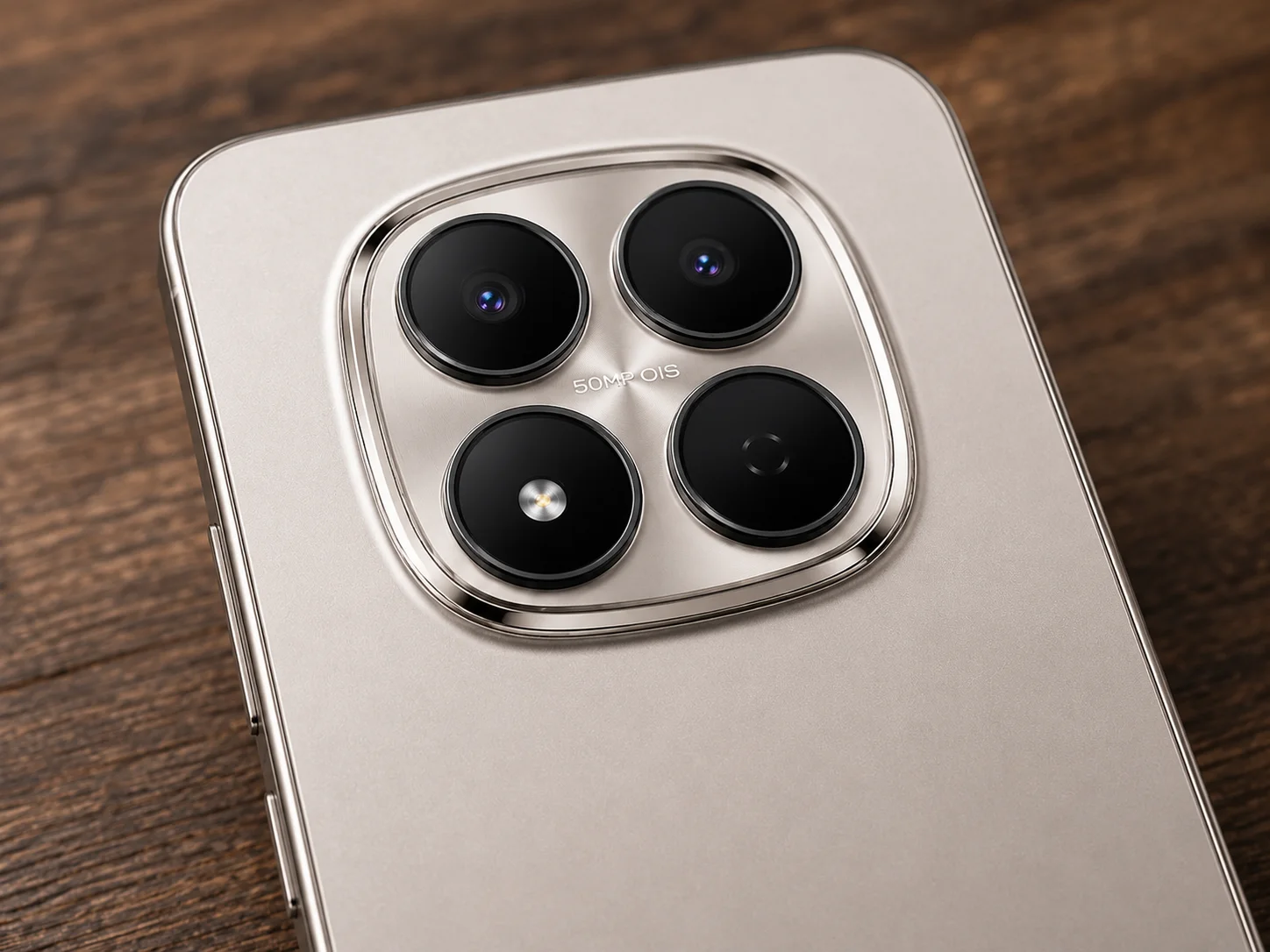
The Redmi Note 15 Pro 4G uses a 200MP Samsung ISOCELL HP3 main sensor (1/1.4-inch, f/1.7, OIS) alongside an 8MP GalaxyCore ultrawide (f/2.2), with a 32MP OmniVision selfie camera. Its main sensor is verifiably the most detailed on paper, but the phone’s weaker chipset caps rear video at 1080p60, and the front camera is limited to 1080p30, both trailing every rival here on video specs.

The Infinix Note 60 Pro (PKR 112,000) pairs a 50MP main sensor (f/1.6, OIS, unconfirmed brand) with an 8MP ultrawide (f/2.2) and a 13MP selfie camera, recording 4K30 on both rear and front, a genuine advantage over the Redmi for anyone shooting video.

The Samsung Galaxy A56 5G (PKR 113,000) goes further with a triple setup, a 50MP Sony IMX906 main sensor (f/1.8, OIS), a 12MP Sony IMX258 ultrawide (f/2.2), and a 5MP macro, plus a 12MP Samsung selfie sensor, with 4K30 video from both rear and front cameras. Named, verifiable Sony sensors on both rear lenses give the Galaxy A56 5G more hardware transparency than the two Infinix models, whose main sensor brands aren’t publicly confirmed.

The Infinix Note 60 (PKR 97,000) mirrors its Pro sibling’s rear setup almost exactly, a 50MP main sensor (f/1.6, OIS, PDAF) with an 8MP ultrawide (f/2.2) and a 13MP selfie camera, also hitting 4K30 on both rear and front video.

Verdict: The Redmi Note 15 Pro 4G wins on main sensor resolution and OIS but loses the video race badly, capped at 1080p while all three rivals shoot 4K. Buyers who prioritize verified sensor hardware and video quality should lean toward the Galaxy A56 5G or either Infinix Note 60 variant instead.

Battery Review:

The Redmi Note 15 Pro 4G packs a 6500mAh Si/C battery with 45W wired charging and 18W reverse wired charging, but no wireless charging at all. At PKR 108,000, GSMArena’s lab test clocked a full 0-100% charge in around 1 hour 20 minutes, the slowest of the four despite sharing the same 45W rating as two of its rivals.

The Infinix Note 60 Pro (PKR 112,000) also runs a 6500mAh cell but supports 90W wired charging plus 30W wireless, 7.5W reverse wired, and 5W reverse wireless charging, with measured results of 47% in 15 minutes and 100% in just 41 minutes, nearly twice as fast as the Redmi despite an identical battery size.

The Samsung Galaxy A56 5G (PKR 113,000) has the smallest capacity here at 5000mAh, with 45W wired charging and no wireless option, measured at 65% in 30 minutes and 100% in 68 minutes, meaning it charges faster than the Redmi despite having 1500mAh less capacity to fill.

The Infinix Note 60 (PKR 97,000) shares the 6500mAh battery and 30W wireless charging of its Pro sibling but drops to 45W wired charging; independent lab-measured 0-100% charging time for this specific model hasn’t been published yet, so that exact figure shouldn’t be assumed to match the Pro’s results.

In practical terms, the Redmi’s charging speed is a genuine weak point despite matching the 45W rating on paper, both the Galaxy A56 5G and Infinix Note 60 charge meaningfully faster in real-world testing, and the Infinix Note 60 Pro is in a different league entirely thanks to its 90W wired and 30W wireless support.

Verdict: For raw battery capacity, the Redmi Note 15 Pro 4G ties for the largest cell, but its charging speed lags every rival here. The Infinix Note 60 Pro is the clear winner for anyone who values fast top-ups and wireless charging.

Ready to move on to the Final Verdict, Best For / Not Best For, Value For Money, or FAQs whenever you’d like.

Final Verdict :

Across display, processor, RAM, camera, and battery, the Infinix Note 60 Pro comes out on top overall. At PKR 112,000, it wins the sharper and faster 144Hz AMOLED display, the strongest AnTuTu performance with real headroom for gaming, 4K video on both cameras, and by far the fastest charging at 90W wired plus 30W wireless.

The Redmi Note 15 Pro 4G counters with the largest RAM and storage combination (12GB/512GB), expandable microSD storage, and the highest-resolution 200MP main sensor, but its dated Helio G200 Ultra chipset drags it to last place on performance and video capability, and its charging is the slowest of the four despite a similar battery size.

The Samsung Galaxy A56 5G, at PKR 113,000, is the most expensive of the group yet has the smallest battery and no expandable storage, but it makes up ground with verified Sony camera sensors, HDR10+ display support, and Samsung’s long software update promise. The Infinix Note 60, at just PKR 97,000, delivers nearly the same display, camera, and charging hardware as its Pro sibling for PKR 15,000 less, making it the strongest value pick of the four.

Bottom line: The Redmi Note 15 Pro 4G is not the best all-rounder in this comparison, buyers chasing overall performance and value are better served by the Infinix Note 60 or Note 60 Pro.


Ranking (High to Low) and Best-Use Case:

  1. Infinix Note 60 Pro — PKR 112,000. Best for buyers who want the strongest all-round performance: fastest chipset, sharpest and fastest display, 4K video, and the quickest charging in the group. Best mobile purpose: gaming and heavy daily multitasking.
  2. Infinix Note 60 — PKR 97,000. Nearly identical hardware to the Note 60 Pro at a noticeably lower price, trading some processor headroom for savings. Best mobile purpose: best value pick for everyday use, media, and casual gaming.
  3. Samsung Galaxy A56 5G — PKR 113,000. Weaker battery and no expandable storage, but verified camera hardware, HDR10+ display, and Samsung’s long update policy. Best mobile purpose: photography-focused buyers and those who prioritize long-term software support.
  4. Redmi Note 15 Pro 4G — PKR 108,000. Weakest chipset and slowest charging of the four, but the largest RAM/storage combo, microSD support, and the highest-resolution main camera sensor. Best mobile purpose: buyers who need maximum storage and don’t prioritize gaming or fast charging.

Pros And Cons of Redmi Note 15 Pro 4G

Pros of Mobile

✅ Massive Battery (6500mAh) 🔋
✅ Fast Charging (45 W) ⚡
✅ Bright Display (3200 nits) ☀️
✅ High-Res Camera (200MP OIS) 📸

Cons of Mobile

❌ Older RAM (LPDDR4X) 
❌ No Audio Jack 🎧
❌ Base Storage (UFS 2.2) 💾
❌ No Telephoto Lens 🔭
❌ Wi-Fi 5 Only 📶

Best For - Not Best For

Best For

🎯 Battery Heavy Users 🔋
🎯 Camera Enthusiasts 📸
🎯 Outdoor Bright Use ☀️
🎯 Durability Focused Buyers 🛡️
🎯 Mid-Range Value Seekers 💰

Not Best For

🚫 Wireless Charging Fans 🔌
🚫 Zoom Photography Lovers 🔭
🚫 Wired Audio Users 🎧
🚫 Gaming Benchmark Chasers 🎮

Trailer And Unboxing of Redmi Note 15 Pro 4G

Disassembly Or Teardown And Gaming Test of Redmi Note 15 Pro 4G

Camera Test Redmi Note 15 Pro 4G

Redmi Note 14 Pro
Infinix Note 60
Infinix Note 60 Pro
Samsung Galaxy A56

Xiaomi Series Row
POCO Series Row
Redmi Series Row
Picture of Faisal Ur Rehman

Faisal Ur Rehman

Faisal Rehman is the founder and editor of FSL Specs, where he publishes in-depth smartphone specifications, comparisons, buying guides, and technology insights. With extensive experience in mobile hardware research and technical analysis, he provides accurate and up-to-date information on Android smartphones, processors, displays, cameras, batteries, performance benchmarks, and software features. His goal is to simplify complex specifications and help readers choose the right device with confidence.

FAQs Questions

It runs on the MediaTek Helio G200 Ultra, which GSMArena itself flagged as the weakest part of the spec sheet on this phone. It handles everyday tasks and light gaming fine, but if you're chasing serious gaming performance, this chipset is the compromise you're making for the rest of the package.

Yes, the 200MP main sensor comes with OIS, which is genuinely useful for photo stabilization at that resolution, and pairs with an 8MP ultrawide. The megapixel count looks flashy, but the OIS is the more meaningful spec here since it actually improves real-world shot quality, not just marketing numbers.

It packs a 6500mAh battery with 45W wired charging, and Xiaomi even used the same silicon-carbon cell tech as the pricier 5G model. That's a strong capacity for this price bracket, so all-day use shouldn't be a concern for most people.

No, it only offers 45W wired charging and 18W reverse wired charging, so you can use it to top up accessories like earbuds, but there's no charging pad support. Given the large battery already covers most people's daily needs, this is a reasonable trade-off.

It's a 6.77-inch AMOLED panel at 1080x2392 resolution with 120Hz refresh rate and a bright 3200 nits peak brightness. That's genuinely impressive brightness for this price range, though it's worth noting it lacks HDR support, which the 5G sibling does have.

It's available in 8GB/256GB and 12GB/512GB configurations, both using UFS 2.2 storage, which is a step behind the faster UFS 3.1 and 4.0 standards on some rivals. There's also a microSDXC slot, though it shares space with the SIM tray, so you'll need to choose between dual SIM and expandable storage.

It carries an IP65 rating, protecting against dust and low-pressure water jets, but it's not fully submersible like phones rated IP68 or higher. It's fine for rain or accidental splashes, just don't expect it to survive being dropped in water.

 
12 + 512 GB = 108,000 PKR | ₹30,000 | ~$ 320
Scroll to Top