
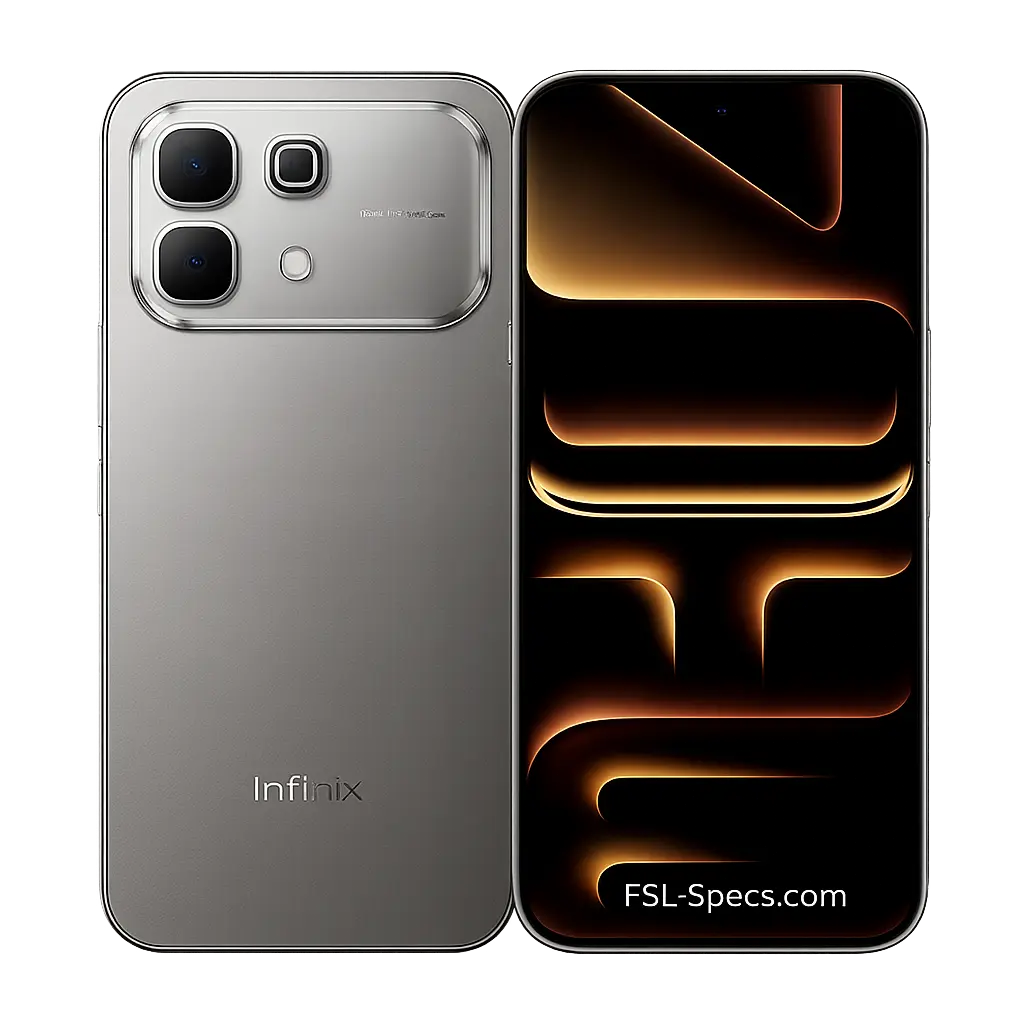









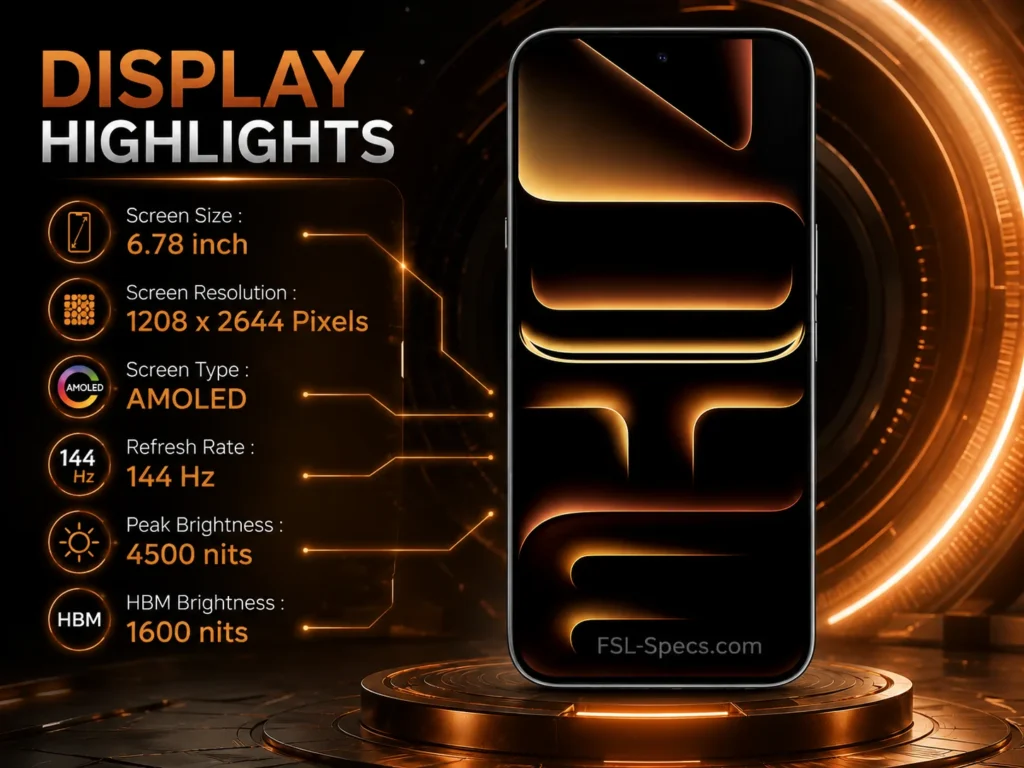
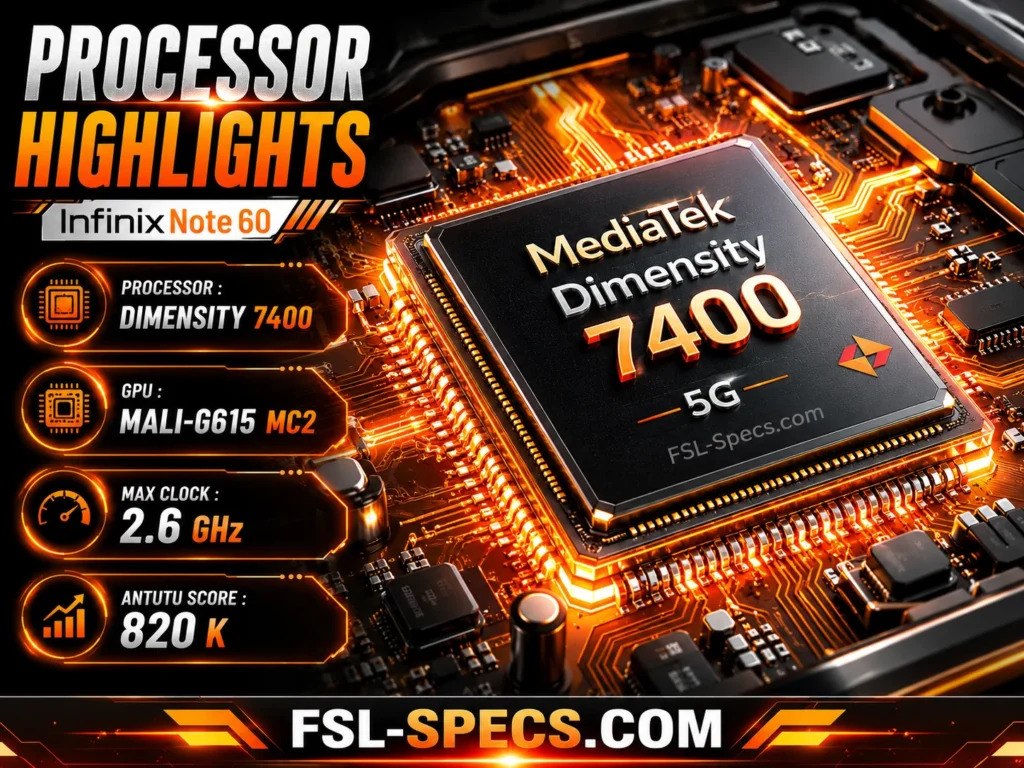

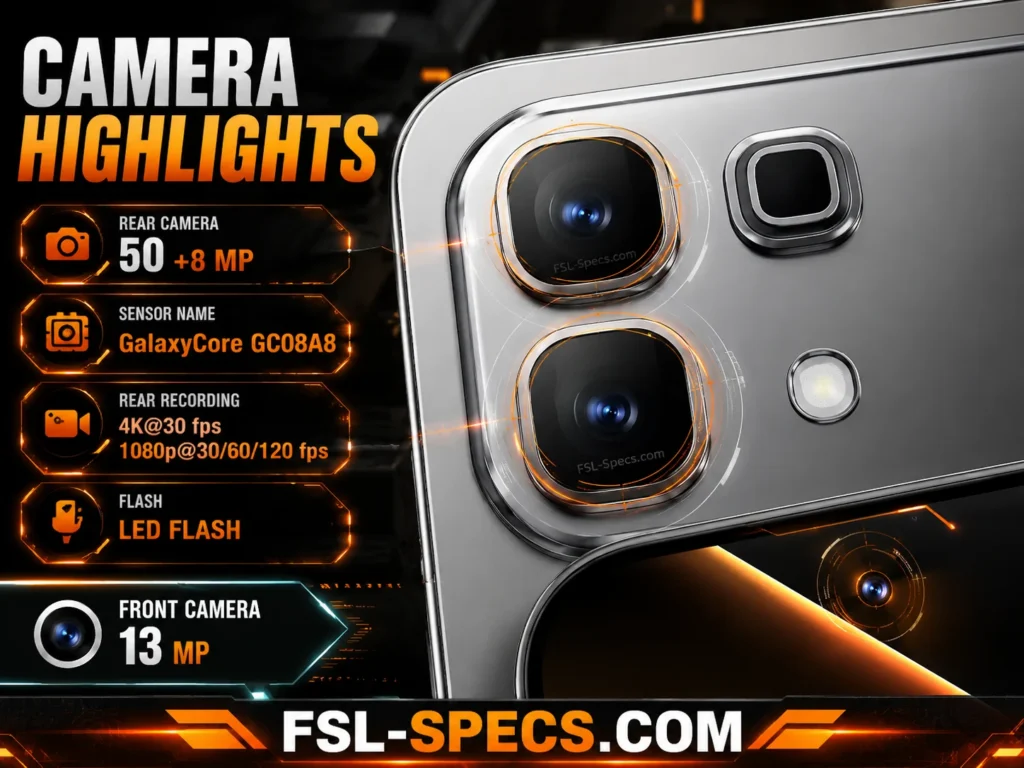
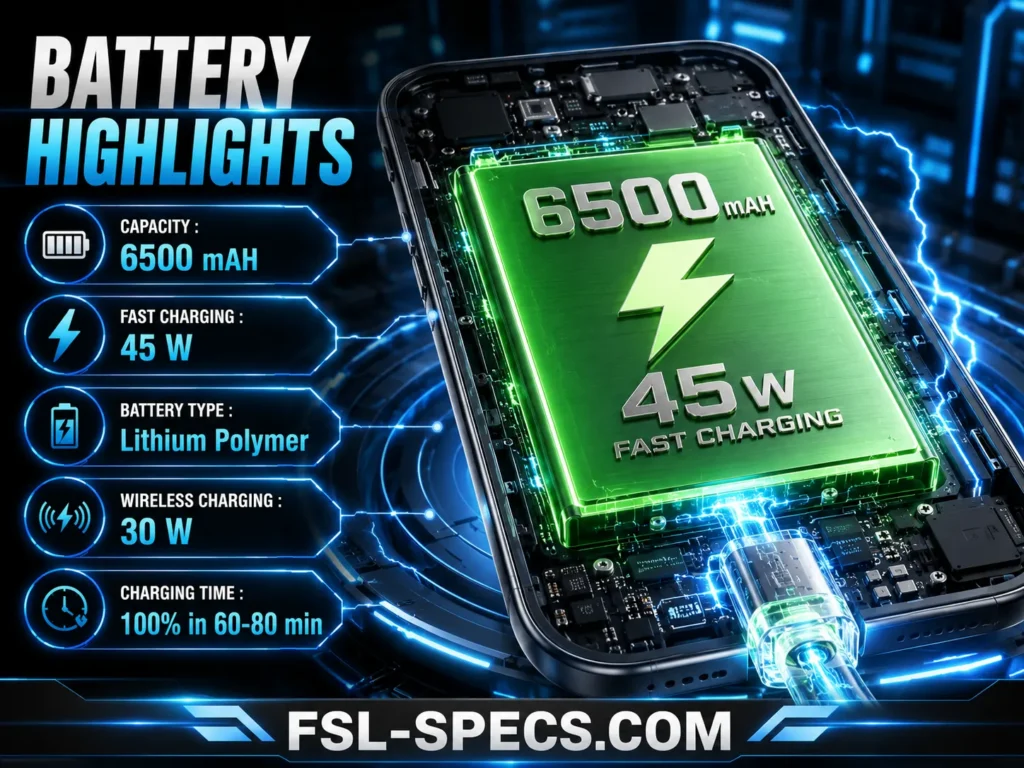
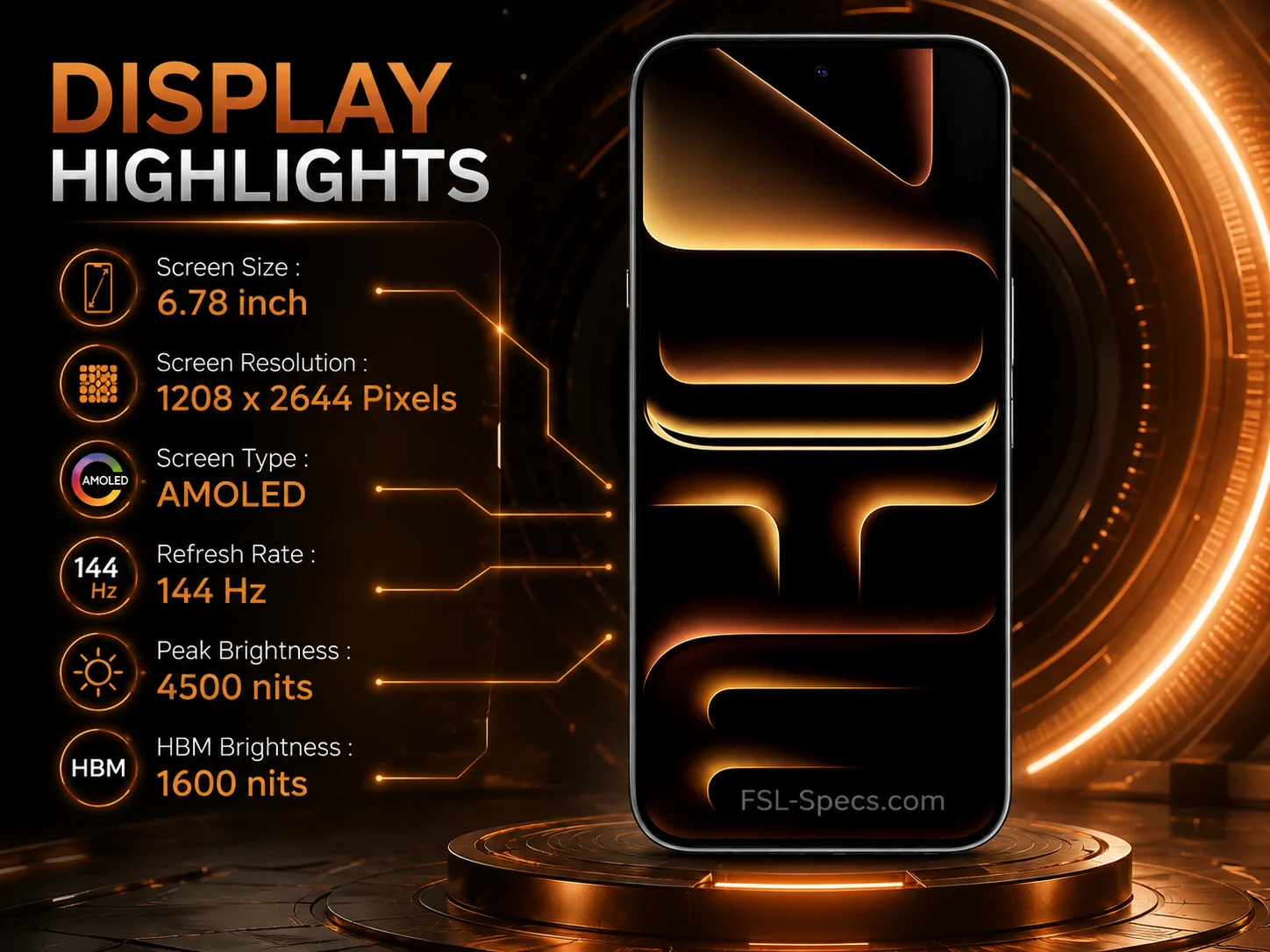
The Infinix Note 60 offers a 6.78-inch 1.5K LTPS AMOLED display with a 144Hz refresh rate, while the Oppo Reno13 uses a smaller 6.59-inch AMOLED panel with 1256 × 2760-pixel resolution, 120Hz refresh rate, and up to 1,200 nits peak brightness. This gives the Note 60 the advantage in screen size and refresh-rate smoothness, while the Reno13 provides slightly higher pixel density because its display is more compact. Oppo’s panel also supports 1 billion colors, HDR10+, and 120Hz scrolling, making it a strong choice for users who prefer a smaller and sharper-looking screen.
The Vivo V70 FE is the strongest rival for outdoor visibility. It features a larger 6.83-inch AMOLED display with 2800 × 1260-pixel resolution, 120Hz refresh rate, 449 ppi, HDR10+, and up to 1,900 nits HBM brightness. Compared with the Infinix Note 60, the Vivo V70 FE offers a slightly larger panel and substantially higher confirmed high-brightness output, but the Note 60 responds with a faster 144Hz refresh rate. That difference may be noticeable in supported games and fast scrolling, although 120Hz is already smooth for normal use. citevivo+1
Available listings for the Infinix Note 60 mention around 700 nits typical brightness, 1,600 nits HBM brightness, and up to 4,500 nits peak or HDR brightness. However, these brightness figures should be treated cautiously because the available sources do not establish identical testing conditions, and a peak or HDR figure is not the same as sustained manual brightness. The Infinix Note 60 therefore leads on refresh rate, the Vivo V70 FE leads on reported HBM brightness, and the Oppo Reno13 offers the most compact high-density display.
Verdict: The Infinix Note 60 is the better display choice for buyers who want a large 6.78-inch screen and 144Hz smoothness at PKR 102,000, but the Vivo V70 FE is the stronger option for confirmed outdoor brightness, while the Oppo Reno13 suits users who prefer a smaller, sharper 6.59-inch panel.