


















✪ Oppo A6s Pro ✪

Oppo A6s Pro image
United States flag United States
$280 USD
Pakistan flag Pakistan (PKR)
102,000 PKR
India flag India (INR)
₹28,000 INR

✪ Oppo A6s Pro ✪

Oppo A6s Pro image
Last Time Update : 27 August, 2026
0

Quick Specifications

Amoled

Display Type

Helio G100

Processor

8+256 GB

Ram And Memory

50 MP

Camera

7000 mAh

Battery

80 W

Fast Charging

Full Specification

BASIC INFO
Mobile
Oppo A6s Pro
Series
Oppo A Series
Category
Mid Range
Release Date
3 July,2026
Year
2026
CONNECTIVITY
Sim
Dual Nano-SIM
Network
4G
WiFi
Wi-Fi 5
Bluetooth
5.4
NFC
Yes
OS
Android 17 Now
BODY
Dimensions
158.2 x 75 x 8 mm
Build
Frame Plastic And Glass Back
KG Weight
190 g
Screen Size
6.57 inch
Resolution
1080 x 2372 Pixels
Type
Amoled
Refresh Rate
120 Hz
Peak Brightness
-
HBM Brightness
1400 nits
Processor
Helio G100
Max Clock
2.2 GHz
Lithography
6 nm
GPU
Mali-G57 MC2
CPU Cores
8 Cores
Antutu v11
-
Antutu v10
-
Bootup Time
-
Architecture
2 x 2.2 GHz Cortex-A76
6 x 2.0 GHz Cortex-A55
Ram Memory
8+256 GB
Ram Type
LPDDR4X
Storage Type
UFS 2.2
SD Card
Yes
Variants
8 + 256 GB
MP
Rear Camera
50 MP
Front Camera
50 MP
SENSORS
Camera Sensors
Front Sensors
RECORDING FPS
Main Recording
1080p@30/60/120fps
Front Recording
1080p @ 30 fps
RESOLUTION
Main Resolution
8150 x 6150 pixels
Front Resolution
8192 x 6144 Pixels
ZOOM
Optical Zoom
-
D Digital Zoom
-
Stabilization
-
FLASH
Flash
Yes
Front Flash
-
Capacity
7000 mAh
Fast Charging
80 W
Wireless Charging
No
Li Battery Type
Li-ion
REVERSE
Reverse Wired
5 W
Reverse Wireless
No
OTHER
Battery PC Marks
-
Charging Time
Not Confirm
AUDIO & SENSORS
Speaker
Dual Stereo Speaker
Fingerprint Sensor
Front Finger
Other Sensors
Accelerometer
Gyroscope
Proximity
Compass
etc.
Special Features

BASIC INFO
Mobile
Oppo A6s Pro
Series
Oppo A Series
Category
Mid Range
Release Date
3 July,2026
Year
2026
CONNECTIVITY
Sim
Dual Nano-SIM
Network
4G
WiFi
Wi-Fi 5
Bluetooth
5.4
NFC
Yes
OS
Android 17 Now
BODY
Dimensions
158.2 x 75 x 8 mm
Build
Frame Plastic And Glass Back
KG Weight
190 g
Screen Size
6.57 inch
Resolution
1080 x 2372 Pixels
Type
Amoled
Refresh Rate
120 Hz
Peak Brightness
-
HBM Brightness
1400 nits
Processor
Helio G100
Max Clock
2.2 GHz
Lithography
6 nm
GPU
Mali-G57 MC2
CPU Cores
8 Cores
Antutu v11
-
Antutu v10
-
Bootup Time
-
Architecture
2 x 2.2 GHz Cortex-A76
6 x 2.0 GHz Cortex-A55
Ram Memory
8+256 GB
SD Card
Yes
Ram Type
LPDDR4X
Storage Type
UFS 2.2
Variants
8 + 256 GB
MP
Rear Camera
50 MP
Front Camera
50 MP
SENSORS
Main Camera Sensors
Front Camera Sensors
RECORDING FPS
Main Recording
1080p@30/60/120fps
Front Recording
1080p @ 30 fps
RESOLUTION
Main Resolution
8150 x 6150 pixels
Front Resolution
8192 x 6144 Pixels
ZOOM
Optical Zoom
-
D Digital Zoom
-
Stabilization
-
FLASH
Flash
Yes
Front Flash
-
Capacity
7000 mAh
Fast Charging
80 W
Wireless Charging
No
Li Battery Type
Li-ion
REVERSE
Reverse Wired
5 W
Reverse Wireless
No
OTHER
Battery Life PCMark
-
Charging Time
Not Confirm
AUDIO & SENSORS
Speaker
Dual Stereo Speaker
Fingerprint Sensor
Front Finger
Other Sensors
Accelerometer
Gyroscope
Proximity
Compass
etc.
Special Features

Highlights & Review Of Oppo A6s Pro

Display Review:

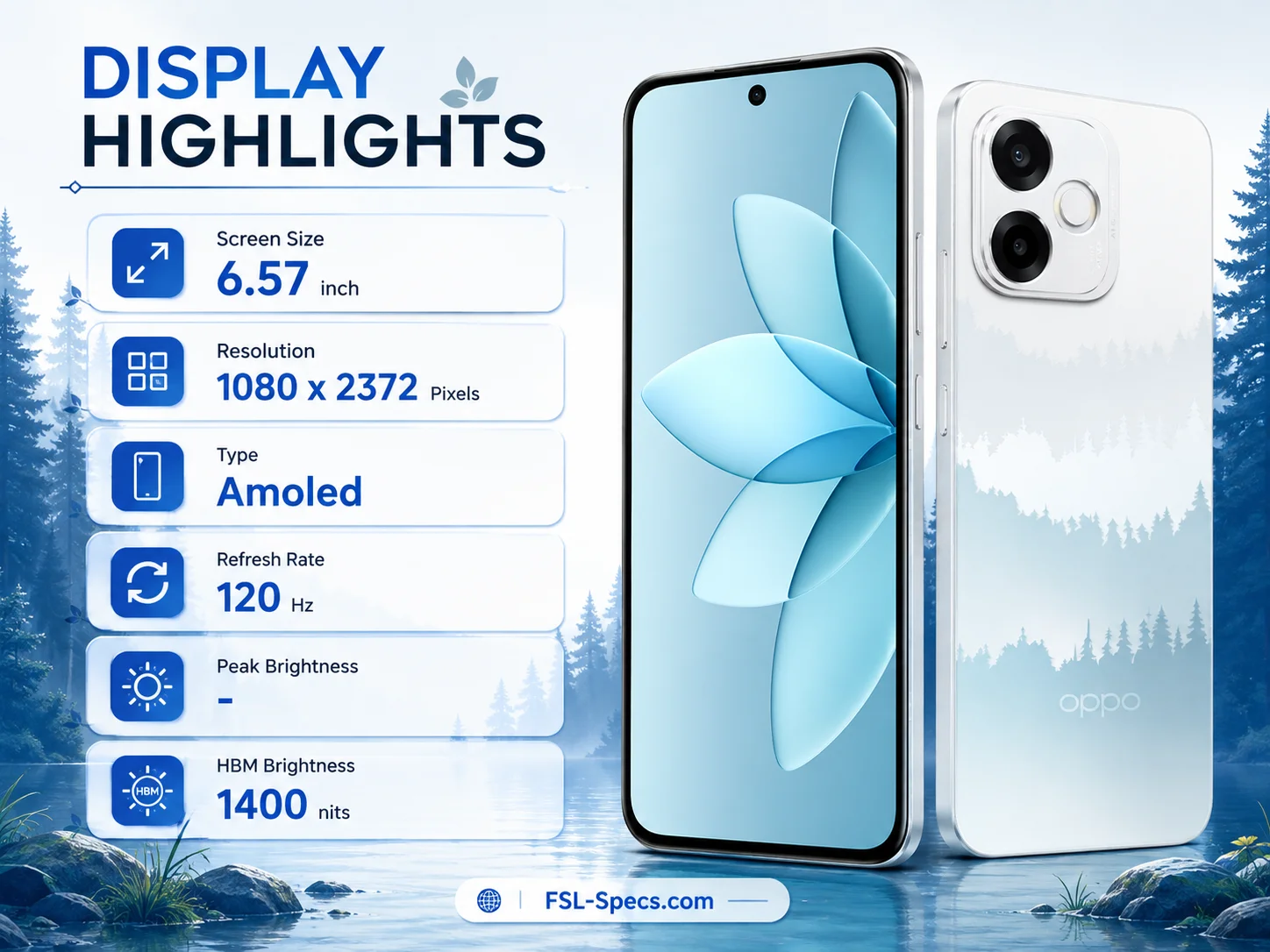
The Oppo A6s Pro (Helio G100 Max variant) features a 6.57-inch AMOLED display at FHD+ 2372 x 1080 resolution with a 120Hz refresh rate, rated at 600 nits typical brightness and 1400 nits HBM. At PKR 102,000, it has the smallest screen of the four phones here.

The Infinix Note 60 Pro (PKR 112,000) steps up to a 6.78-inch AMOLED panel at a sharper 1208 x 2644 resolution, a faster 144Hz refresh rate, and brightness figures of 700 nits typical, 1600 nits HBM, and 4500 nits peak, meaning noticeably smoother scrolling and stronger outdoor legibility for PKR 10,000 more.

The Xiaomi Redmi Note 14 Pro (Helio G100 Ultra, PKR 88,000) undercuts the A6s Pro by PKR 14,000 while still offering a 6.67-inch AMOLED screen at 2400 x 1080, 120Hz, and a claimed 1800 nits peak brightness, though Xiaomi publishes this as a single peak figure rather than Oppo and Infinix’s typical/HBM split, so the numbers aren’t perfectly apples-to-apples.

The Infinix Note 60 (PKR 96,000) carries the same 6.78-inch, 1208 x 2644, 144Hz panel as its Note 60 Pro sibling, with identical 700 nits typical, 1600 nits HBM, 4500 nits peak ratings, undercutting the A6s Pro’s price while beating it on nearly every display spec. Across all three rivals, the A6s Pro has the smallest screen, the lowest resolution, and the lowest refresh rate, and its HBM brightness trails both Infinix models by 200 nits.

Verdict: The Oppo A6s Pro’s display is the weakest of the four on paper, and the cheaper Infinix Note 60 offers a bigger, sharper, faster panel for less money, making it the stronger pick for anyone who prioritizes screen quality over battery or build extras.

Processor Review:

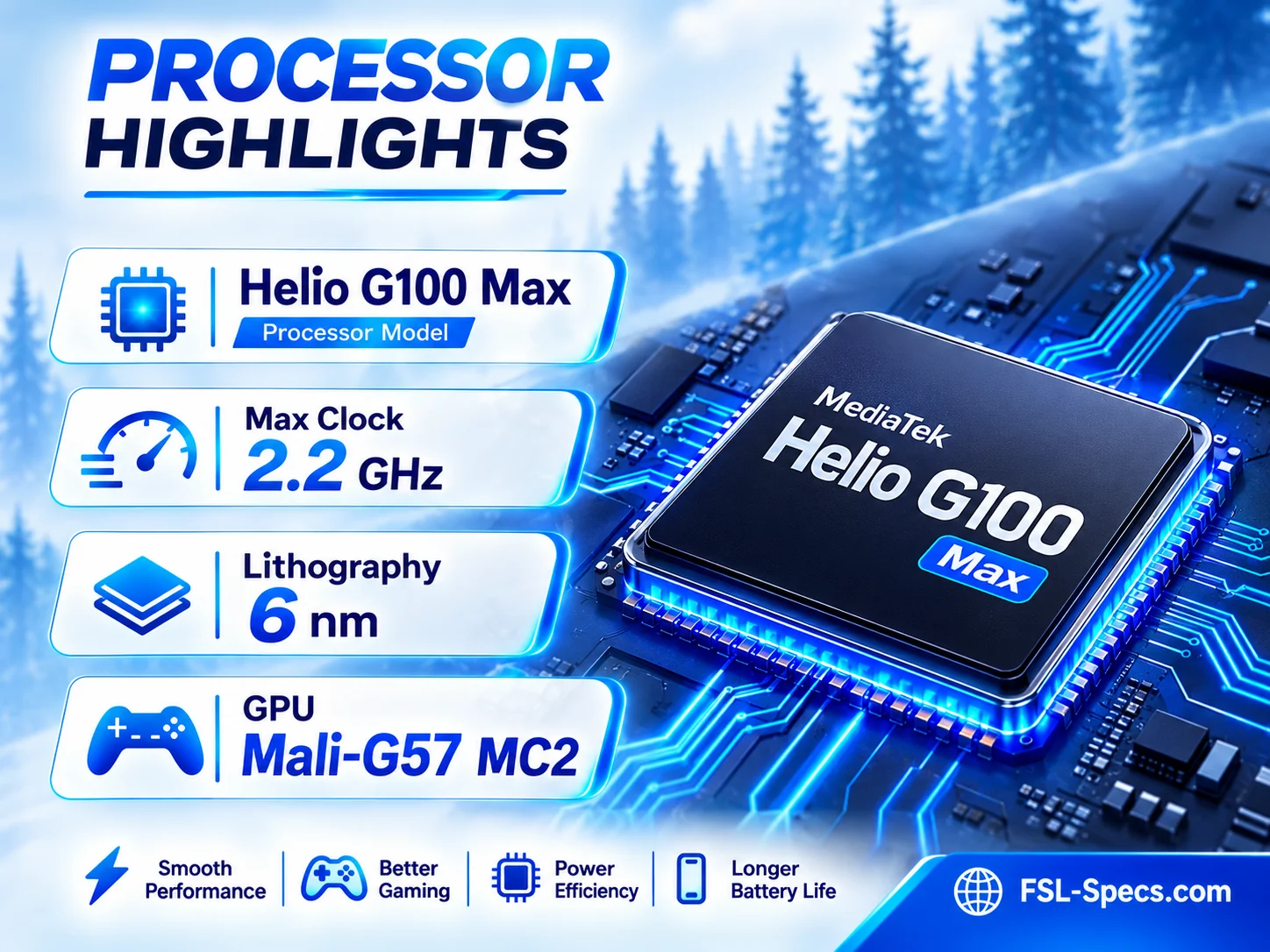
The Oppo A6s Pro runs on the MediaTek Helio G100 Max, an octa-core chip pairing 2×2.2GHz Cortex-A76 cores with 6×2.0GHz Cortex-A55 cores and a Mali-G57 MC2 GPU, scoring 429,000 on AnTuTu v11 in third-party lab testing. It’s a 4G-only, entry-level mid-range chip built for everyday tasks rather than gaming headroom.

At PKR 112,000, the Infinix Note 60 Pro steps up to a Snapdragon 7s Gen 4 platform with a 2.7GHz Cortex-A720 prime core, scoring 884,000 on AnTuTu v11, more than double the A6s Pro’s result, meaning noticeably smoother heavy gaming and multitasking. Infinix’s own marketing claims a higher 1,100,000 figure for this chip, so buyers should treat manufacturer-quoted numbers with some caution and lean on independently tested scores.

The Xiaomi Redmi Note 14 Pro (Helio G100 Ultra, PKR 88,000) shares the same core architecture as the A6s Pro’s chip and scores 420,000, though that figure comes from AnTuTu v10 rather than v11, so it isn’t a perfectly apples-to-apples comparison with the other three phones here. Even accounting for that version gap, the two Helio-based phones land in a similar performance bracket, meaning the pricier A6s Pro buys little extra raw power over the cheaper Redmi.

The Infinix Note 60 (PKR 96,000) runs the Dimensity 7400 Ultimate with 4×2.6GHz Cortex-A78 cores, scoring 849,804 on AnTuTu v11, roughly double the A6s Pro’s result for PKR 6,000 less.

Verdict: The Oppo A6s Pro’s Helio G100 Max trails all three rivals in raw performance, and both Infinix models nearly double its AnTuTu score for a similar or lower price, making the Note 60 the stronger pick for anyone who games or multitasks heavily.

Ram & Memory Review:

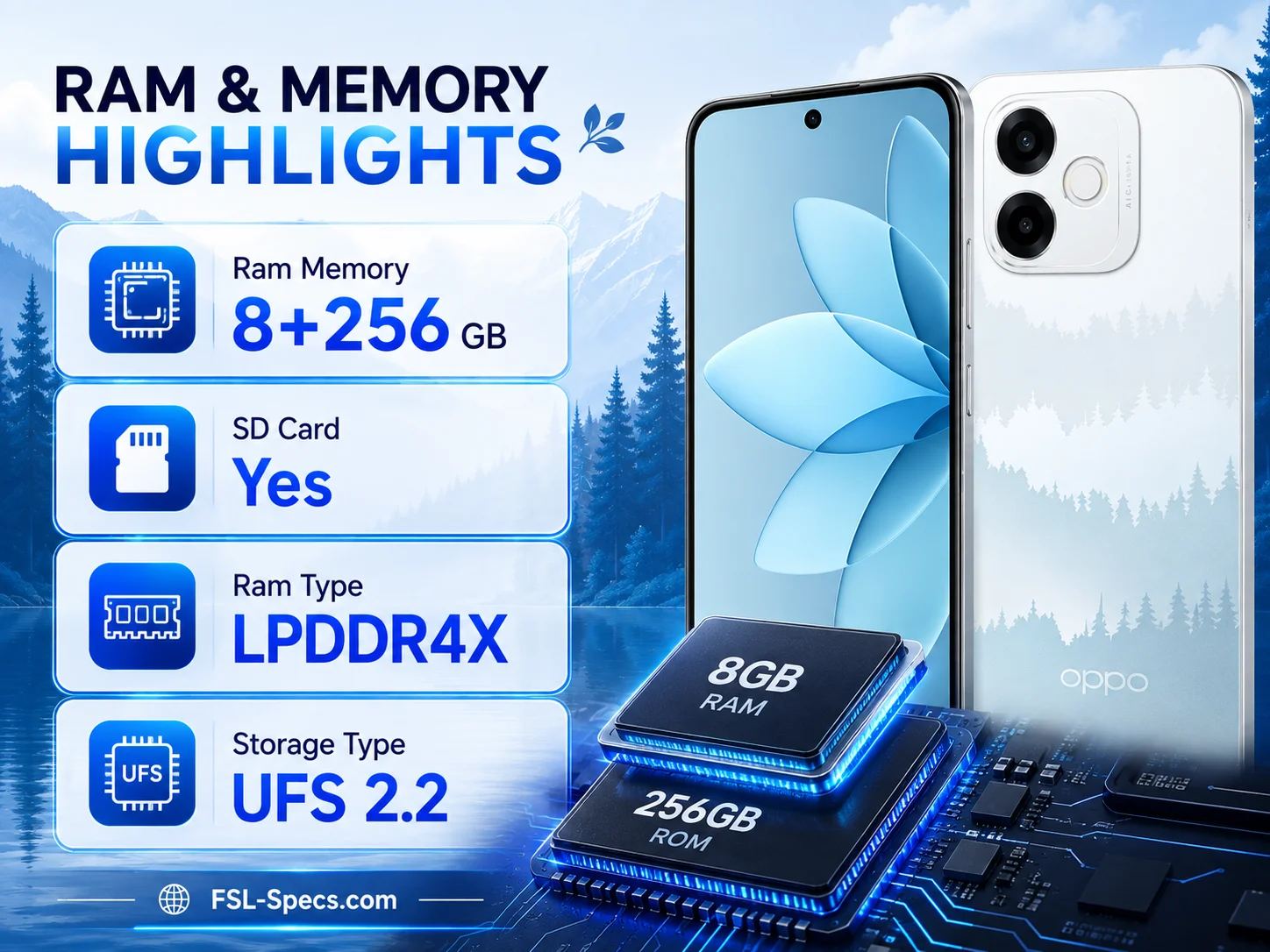
The Oppo A6s Pro ships with 8GB RAM and 256GB UFS 2.2 storage, and unlike the other three phones here, it includes a microSDXC card slot for storage expansion. At PKR 102,000, it’s the only phone in this comparison offering that flexibility.

The Infinix Note 60 Pro (PKR 112,000) matches the A6s Pro’s 8GB RAM and 256GB storage exactly, but drops microSD support entirely, meaning buyers are locked into whatever storage they pick at checkout. The Xiaomi Redmi Note 14 Pro (PKR 88,000) undercuts the Oppo A6s Pro by PKR 14,000 while offering 12GB RAM and 512GB UFS 2.2 storage, double the memory headroom of the Oppo phone for considerably less money, and it also supports expansion via a hybrid SIM/microSD slot, closing the one gap where the A6s Pro stood alone.

The Infinix Note 60 (PKR 96,000) is trickier to pin down: Infinix’s official spec sheet lists 8GB of physical RAM, with an additional 8 to 10GB available through its MemFusion virtual RAM feature, which borrows space from the 256GB of internal storage rather than adding real hardware memory. That’s where marketing figures like “18GB” come from, and buyers should know this expanded number isn’t equivalent to genuine RAM in speed or behavior. Like the Note 60 Pro, it has no microSD slot.

Verdict: For raw memory and storage per rupee, the Redmi Note 14 Pro is the clear value leader with genuine 12GB RAM and 512GB storage well below the Oppo A6s Pro’s price, while the A6s Pro’s microSD support remains its only real memory advantage over the other three.

Cameras Review:

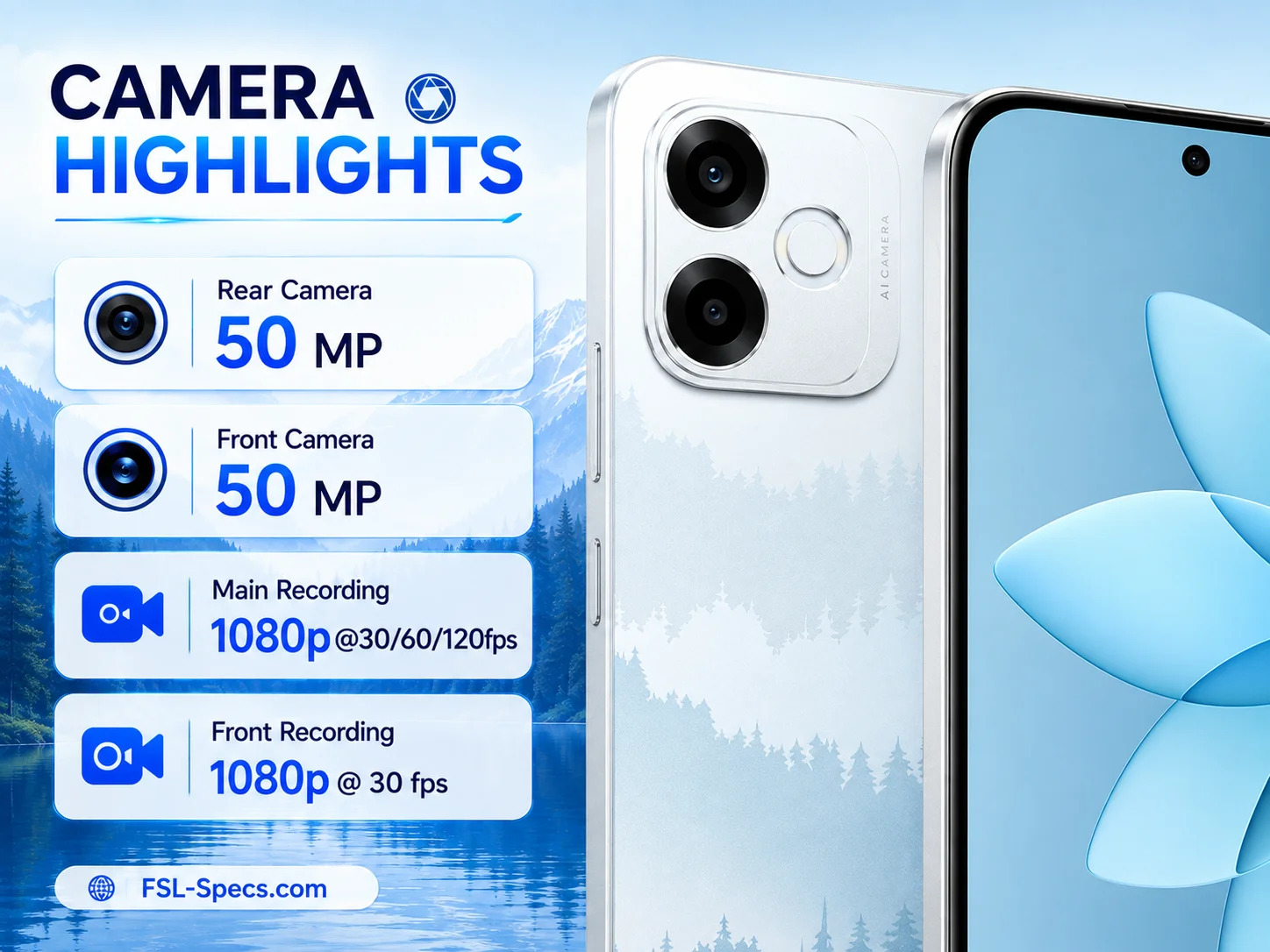
The Oppo A6s Pro‘s rear setup pairs a 50MP f/1.8 wide lens with a 2MP f/2.4 monochrome sensor, but Oppo hasn’t disclosed the main sensor’s brand or model, so buyers can’t verify the hardware behind the megapixel count. There’s no OIS on the primary lens, and rear video tops out at 1080p@30/60/120fps with no 4K option. The front camera is a genuine strength though, a 50MP f/2.0 selfie shooter with autofocus.

The Infinix Note 60 Pro (PKR 112,000) uses a verified 50MP f/1.6 wide sensor with OIS and PDAF plus an 8MP f/2.2 ultrawide, something the A6s Pro lacks entirely, and it records 4K@30fps rear video plus a 13MP f/2.2 selfie camera also capable of 4K, clear upgrades in stabilization and footage quality over the Oppo phone.

The Xiaomi Redmi Note 14 Pro (PKR 88,000) brings the most resolved main sensor of the four, a verified 200MP Samsung ISOCELL HP3 at f/1.7 with OIS and multi-directional PDAF, plus an 8MP ultrawide and 2MP macro, though its Helio G100 Ultra chipset caps rear video at 1080p@30/60fps with no 4K at all, and the 32MP selfie camera is limited to 1080p@30fps too.

The Infinix Note 60 (PKR 96,000) mirrors its Pro sibling’s camera hardware almost exactly: a 50MP f/1.6 OIS main sensor with an 8MP ultrawide, 4K@30fps rear video, and a 13MP f/2.2 selfie camera also shooting 4K, all for PKR 6,000 less than the A6s Pro and PKR 16,000 less than the Note 60 Pro.

Verdict: The A6s Pro is the only phone here with an undisclosed main sensor, no ultrawide, no OIS, and no 4K video, making both Infinix Note 60 models the stronger all-round camera picks, while the Redmi Note 14 Pro wins on raw resolution if 4K video isn’t a priority.

Battery Review:

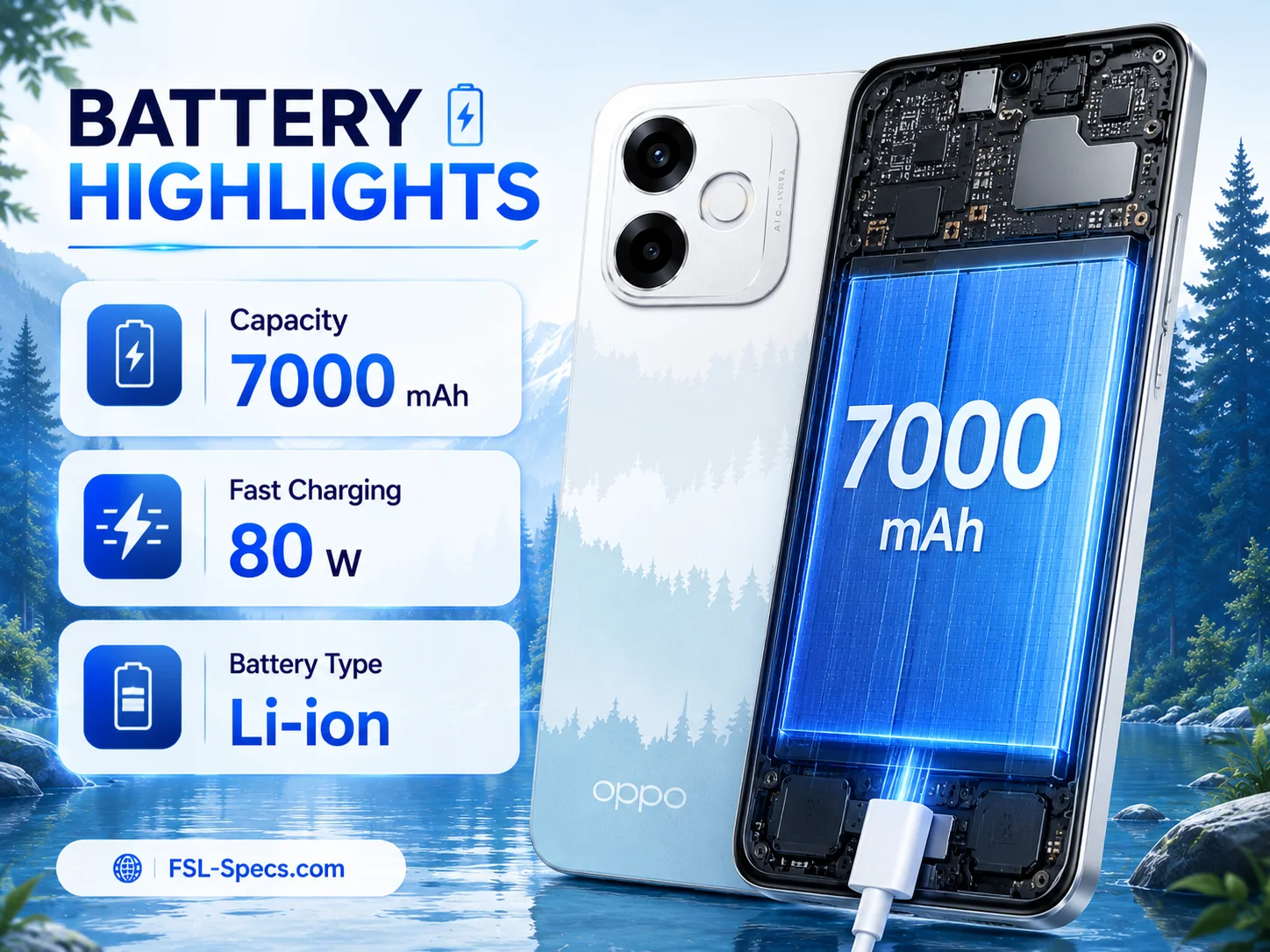
The Oppo A6s Pro packs the largest battery of the four at 7000mAh, paired with 80W wired SuperVOOC charging (with 33W PPS and 13.5W PD fallback support) and 5W reverse wired charging, but there’s no wireless charging, and Oppo hasn’t published an independently verified 0-100% charge time for this specific model. At PKR 102,000, it trades charging-speed transparency for sheer capacity.

The Infinix Note 60 Pro (PKR 112,000) has a smaller 6500mAh cell but faster 90W wired charging, independently tested at 50% in 16 minutes and a full charge in 41 minutes, plus 30W wireless charging and 7.5W reverse wired charging, features the A6s Pro doesn’t offer at all.

The Xiaomi Redmi Note 14 Pro (PKR 88,000) has the smallest battery here at 5500mAh with 45W wired charging, independently tested at 21% in 15 minutes, 42% in 30 minutes, and a full charge in 1 hour 21 minutes, the slowest tested charging speed of the three phones with verified lab data, and it has no wireless charging either.

The Infinix Note 60 (PKR 96,000) matches the A6s Pro’s battery capacity with its own 6500mAh cell and adds 30W wireless charging plus 10W reverse wired charging, though its 45W wired speed is noticeably slower than the Note 60 Pro’s 90W, and no independently tested charge time is available for this specific model.

Verdict: The A6s Pro has the biggest battery on paper but the least verified charging data and no wireless charging at all, while the Infinix Note 60 Pro offers the fastest tested charging and the most complete charging feature set of the four, making it the strongest all-round battery pick if the higher price is workable.

Final Verdict :

Across every category compared, the Oppo A6s Pro (PKR 102,000) is outperformed by at least one rival at a lower price. The Infinix Note 60 (PKR 96,000) beats it on display (144Hz vs 120Hz, higher resolution and brightness), processor (849,804 vs 429,000 AnTuTu v11), and camera (OIS, ultrawide, 4K video vs none of those on the A6s Pro), while matching its 7000mAh-class battery capacity with its own 6500mAh cell and adding wireless charging the A6s Pro lacks entirely.

The Xiaomi Redmi Note 14 Pro (PKR 88,000) undercuts the A6s Pro by PKR 14,000 while offering more RAM and storage (12GB/512GB) and a higher-resolution main camera (200MP), though it shares the A6s Pro’s weak Helio-class performance and is capped at 1080p video. The Infinix Note 60 Pro (PKR 112,000) is the only rival priced above the A6s Pro, and it earns that premium with the fastest charging, strongest processor, and best camera hardware of the four.

Bottom line: The Oppo A6s Pro’s only genuine advantages over its rivals are its microSD slot and largest-on-paper battery; buyers who don’t need those two things get more phone for less money from either Infinix Note 60 model or the Redmi Note 14 Pro.

PhonePrice (PKR)Overall Rank
Redmi Note 14 Pro88,0001st
Infinix Note 6096,0001st (tie)
Infinix Note 60 Pro112,0002nd
Oppo A6s Pro102,0004th

Pros And Cons of Oppo A6s Pro

Pros of Mobile

✅ Massive battery — 7000mAh 🔋
✅ Fast charging speed — 80W SUPERVOOC ⚡
✅ Military-grade durability — IP66/68/69 + MIL-STD-810H 🛡️

Cons of Mobile

❌ outdated chipset — Helio G100 Max (6nm) 🐌
❌ Slow storage type — UFS 2.2 💿
❌ Limited base RAM — 8GB LPDDR4X 🧠
❌ Weak secondary camera — 2MP depth sensor 📷
❌ Capped video recording — 1080p@60fps max, no 4K 🎥
❌ Basic selfie camera — 16MP, 1080p@30fps 🤳

Best For - Not Best For

Best For

🎯 All-day battery users 🔋
🎯 Rugged outdoor use 🛡️
🎯 Bright outdoor screen ☀️
🎯 Fast top-up needs ⚡
🎯 Casual daily tasks 📱

Not Best For

🚫 Heavy mobile gamers 🎮
🚫 Camera enthusiasts 📸
🚫 Heavy multitaskers 🧠
🚫 4K video creators 🎥
🚫 Large local storage 💾
🚫 Performance benchmarkers ⚙️

Trailer And Unboxing of Oppo A6s Pro

Disassembly Or Teardown And Gaming Test of Oppo A6s Pro

Picture of Faisal Ur Rehman

Faisal Ur Rehman

Faisal Rehman is the founder and editor of FSL Specs, where he publishes in-depth smartphone specifications, comparisons, buying guides, and technology insights. With extensive experience in mobile hardware research and technical analysis, he provides accurate and up-to-date information on Android smartphones, processors, displays, cameras, batteries, performance benchmarks, and software features. His goal is to simplify complex specifications and help readers choose the right device with confidence.

OPPO Series Row

FAQs Questions

It runs on the Helio G100 Max, an octa-core chipset with a Mali-G57 MC2 GPU, backed by a vapor chamber cooling system. It's tuned for smooth everyday performance rather than heavy gaming, so treat it as a reliable daily driver, not a gaming chip.

It packs a massive 7000mAh battery with 80W SUPERVOOC wired charging, which is one of the largest capacities in its price segment. That size alone should easily get most users through a full day and then some, even with heavy use.

No, it only supports 80W wired charging, with 5W reverse wired charging so it can top up other small devices. There's no wireless charging coil here, which is a fair trade-off given how large the battery already is.

Yes, it carries IP66, IP68, and IP69 ratings along with MIL-STD-810H military-grade certification, meaning it can handle dust, submersion, and high-pressure water jets. This makes it a genuinely strong pick for anyone who's rough on their phone or works outdoors.

It comes with 8GB of LPDDR4X RAM and 256GB of UFS 2.2 storage, both on the older side compared to newer LPDDR5X and UFS 3.1/4.0 phones in similar price brackets. It also supports a microSDXC card slot, so storage can be expanded if 256GB isn't enough.

It has a 6.57-inch AMOLED display with a 120Hz refresh rate and up to 1400 nits peak brightness, plus a slim 1.67mm top bezel. That brightness level makes it genuinely usable under direct sunlight, which matters more than resolution for most daily use.

It has a 50MP main camera with PDAF paired with a basic 2MP depth sensor, recording up to 1080p at 60fps, with no 4K option and no ultrawide lens. It covers casual photo needs fine, but camera enthusiasts or anyone wanting 4K video should look elsewhere.

8 + 256 GB
 | ~₹28,000 | ~$280 | ~ 102,000 PKR

Leave a Reply

Your email address will not be published. Required fields are marked *

Scroll to Top