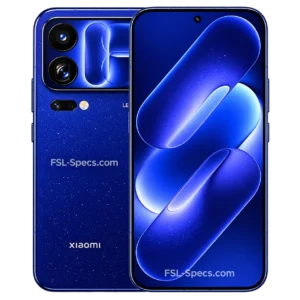














Xiaomi Redmi K90 Max Full Specifications : An Outstanding Flagship in 2026

Xiaomi Redmi K90 Max

~240,000 PKR
80,000 ₹
850 $

🔁 PKR Price Converted from the Given USD Price.
🚫 Officially Unavailable in This Country.

Specification Scores System , Device Comparisons & Offical Buy Links  Coming Soon.

Xiaomi-Redmi-K80-Full-Specifications

Xiaomi Redmi K90 Max

Xiaomi-Redmi-K80-Full-Specifications
~240,000 PKR
80,000 ₹
80,000 ₹

Specification Scores System , Device Comparisons & Offical Buy Links  Coming Soon.

🔁 PKR Price Converted from the Given USD Price.
🚫 Officially Unavailable in This Country.

Image Gallery

Quick Specifications

AMOLED

Display Type

MediaTek Dimensity 9500

Processor

16 GB + 1 TB

Ram And Memory

50 MP + 8 MP

Camera

8550 mAh

Battery

100W

Fast Charging

Feature Names

Full Specification

General Specs

Mobile :

Xiaomi Redmi K90 Max

Model :

25102RKBEC

Avalability :

Available

Series Name :

Redmi K Series

Release Date :

21 April,2026

Category :

Flagship

SIM :

Nano-SIM + Nano-SIM

Network :

4G / 4G+ / 5G/ 5G+

Phone Dimenstions :

162.9 x 77.9 x 8.2 mm

Android :

Android 17 , HyperOS 4

General Specs

Mobile :

Xiaomi Redmi K90 Max

Model :

25102RKBEC

Avalability :

Available

Series :

Redmi K Series

Category :

Flagship

SIM :

Nano-SIM + Nano-SIM

Network :

4G / 4G+ / 5G/ 5G+

Dimenstions :

162.9 x 77.9 x 8.2 mm

Android :

Android 17 , HyperOS 4

Display Specs

Screen Size :

6.83 inches

Screen Resolution :

1280 x 2772 Pixels

Screen Type :

AMOLED

Refresh Rate :

165Hz

Peak Brightness :

3500 nits

HBM Brightness :

2000 nits

Display Specs

Screen Size :

6.83 inches

Resolution :

1280 x 2772 Pixels

Screen Type :

AMOLED

Refresh Rate :

165Hz

Peak Brightness :

3500 nits

HBM Brightness :

2000 nits

Processor Specs

Processor :

MediaTek Dimensity 9500

GPU :

Mali-G1 Ultra MC12

Max Clock :

4.21 GHz

Lithography :

3 nm

CPU Cores :

Octa-core

Antutu Score :

4.12M+

Bootup Time :

-

Architecture :

1×4.21 GHz C1-Ultra
3×3.5 GHz C1-Premium
4×2.7 GHz C1-Pro

Processor Specs

Processor :

MediaTek Dimensity 9500

GPU :

Mali-G1 Ultra MC12

Max Clock :

4.21 GHz

Lithography :

3 nm

CPU Cores :

Octa-core

Antutu Score :

4.12M+

Bootup Time :

-

Architecture :

1×4.21 GHz C1-Ultra
3×3.5 GHz C1-Premium
4×2.7 GHz C1-Pro

Ram And Memory

Ram Memory :

16 GB + 1 TB

Varients :

12 GB + 256 GB
16 GB + 256 GB
12 GB + 512 GB
16 GB + 512 GB
16 GB + 1 TB

Ram Type :

LPDDR5X

Storage Type :

UFS 4.1

Ram And Memory

Ram / Rom :

16 GB + 1 TB

Ram Type :

LPDDR5X

Storage Type :

UFS 4.1

Varients :

12 GB + 256 GB
16 GB + 256 GB
12 GB + 512 GB
16 GB + 512 GB
16 GB + 1 TB

Main Camera Specs

Mega Pixels :

50 MP + 8 MP

Image Resolution :

8160 × 6144 pixels

Sensor Name :

Omnivision 800 LightHunter

Zoom X :

5 X

Rear Recording :

8K@30fps
4K@30/60fps
1080p@30/60/120/240/960fps

Digital Zoom :

20 X

Main Camera Specs

Mega Pixels :

50 MP + 8 MP

Sensor Name:

Omnivision 800 LightHunter

Rear Recording :

8K@30fps
4K@30/60fps
1080p@30/60/120/240/960fps

Image Resolution :

8160 × 6144 pixels

Optical Zoom :

5 X

Digital Zoom :

20 X

Front Camera Specs

Front Camera :

20 MP

Image Resolution :

5184 x 3888

Front Sensor :

OmniVision OV32D

Front Recording :

4K @ 60fps
1080p @ 60fps

Main Flash :

Dual LED

Front Flash :

No

Front Camera Specs

Mega Pixels :

20 MP

Front Sensor :

OmniVision OV32D

Front Recording :

4K @ 60fps
1080p @ 60fps

Image Resolution :

5184 x 3888

Main Flash :

Dual LED

Front Flash :

No

Battery Specs

Capacity :

8550 mAh

Fast Charging :

100W

Battery Type :

Si/C Li-Ion

Wireless Charging :

50W

Reverse Charging :

22.5W

Reverse Wireless :

-

Battery Life PC Marks :

20 hours , 50 mint

Charging Time :

~ 45–55 minutes

Battey Specs

Capacity :

8550 mAh

Watts:

100W

Battery Type :

Si/C Li-Ion

Wireless :

50W

Wired Reverse:

22.5W

Reverse Wireless :

-

Battery Life PC Marks :

20 hours , 50 mint

Charging Time:

~ 45–55 minutes

Other Specs

Weight :

227 grams

Build :

Aluminium Alloy + Fiberglass Back

WiFi :

Wi-Fi 7

Bluetooth :

5.4

NFC :

Yes

Speakers :

Dual Stereo Speaker

Finger Sensor :

Hyper Sonic Front Finger

Special Features :

Built-in active cooling fan, Infrared port

Other Sensors :

Proximity sensor
Gyroscope
Accelerometer
Ambient light sensor
Compass

Other Specs

Weight :

227 grams

Build :

Aluminium Alloy + Fiberglass Back

Wi-Fi :

Wi-Fi 7

Bluetooth :

5.4

NFC :

Yes

Speakers :

Dual Stereo Speaker

Special Feature :

Built-in active cooling fan, Infrared port

Other Sensors:

Proximity sensor
Gyroscope
Accelerometer
Ambient light sensor
Compass

Note :

Certain devices may have different processors, cameras, charging speeds, network bands, or pricing in different countries. Always verify important details with the official brand website or local retailer before purchase.

Note :

Certain devices may have different processors, cameras, charging speeds, network bands, or pricing in different countries. Always verify important details with the official brand website or local retailer before purchase.

Highlights And Review Of Phone

Display Review:

Released in April 2026, the Xiaomi Redmi K90 Max is a flagship device running Android 17 with HyperOS 4, and its 6.83-inch AMOLED screen is one of the first things you notice when you pick it up  it’s large, sharp, and immediately feels premium in a body that measures just 8.2mm thin. The 1280 x 2772 pixel resolution keeps everything looking crisp and detailed, and the 165Hz refresh rate makes daily interactions feel genuinely fluid scrolling, swiping, and gaming all carry a smoothness that lower refresh rate displays simply can’t match. Brightness is where this display really pulls ahead of most competitors  it sustains 2000 nits in high brightness mode for comfortable outdoor use, and when conditions demand it, it can push all the way to 3500 nits peak, which is enough to make the screen readable even in direct harsh sunlight. Being AMOLED, the blacks are true blacks rather than a dark grey, colors look naturally vivid without being overdone, and the contrast makes everything from streaming to photo editing look noticeably better than what you’d get on an LCD panel at any price. For a 5G flagship sitting in this category, the display alone makes a strong first impression.

Processor Review:

The Redmi K90 Max is powered by the MediaTek Dimensity 9500, a flagship-tier octa-core chip built on a 3nm process that puts it firmly in the same performance conversation as the best mobile processors available in 2026. The architecture is thoughtfully layered  a single ultra-performance core pushing up to 4.21 GHz handles the most demanding single-core tasks, three premium cores at 3.5 GHz take care of sustained heavy workloads like gaming and video processing, and four efficiency cores at 2.7 GHz manage background tasks and lighter daily use to keep battery drain reasonable. In practical terms this means the phone handles everything from aggressive multitasking and high-graphics gaming to smooth everyday app switching without any hesitation, and the 3nm process keeps thermals more manageable than older chip generations under similar loads. The Mali-G1 Ultra MC12 GPU is a serious graphics component that makes high frame rate gaming genuinely comfortable  demanding titles should run at high settings without the kind of throttling that cheaper chips resort to after a few minutes. An AnTuTu score north of 4.12 million confirms this chip belongs at the top of the performance chart, sitting comfortably alongside the Snapdragon 8 Elite class in benchmark terms. The one honest caveat is that MediaTek’s software optimisation ecosystem, while much improved, still occasionally lags behind Qualcomm in third-party app compatibility and sustained performance consistency over longer gaming sessions  not a dealbreaker, but worth knowing if you game heavily for hours at a stretch

Memory Review:

The Redmi K90 Max offers five variants ranging from 12GB with 256GB storage all the way up to a seriously generous 16GB with 1TB, which means there is a configuration for budget-conscious buyers and power users alike  though honestly, if you are buying a flagship in 2026, the 16GB variants are the ones worth considering. The LPDDR5X RAM is the fastest mobile memory standard currently available, and with 16GB of it the phone keeps a large number of apps comfortably loaded in the background so nothing needs to reload when you switch back to it  a small thing that makes daily use feel noticeably more polished over time. On the storage side, UFS 4.1 is equally top-tier — it is fast enough that app installs, large file transfers, and camera saves to storage all happen almost instantly, and you will never sit watching a loading spinner because your storage can not keep up with the processor. The 1TB top variant is genuinely meaningful for users who shoot a lot of 4K footage, keep large game libraries on device, or simply prefer not to rely on cloud storage for everything. Even the entry 12GB/256GB configuration is a capable everyday setup, though 256GB does fill up faster than most people expect once games, photos, and apps accumulate over months. There is no microSD expansion, so picking the right storage tier at purchase is important when in doubt, go one step higher than you think you need.

Camera Review:

The Redmi K90 Max runs a dual rear camera setup built around a 50MP OmniVision 800 LightHunter sensor that resolves images at 8160 x 6144 pixels  the LightHunter branding refers to OmniVision’s larger pixel architecture designed specifically for better light gathering, which in practical terms means the main camera should hold up reasonably well in mixed and lower light conditions rather than falling apart the moment you step indoors. The secondary 8MP lens handles the telephoto side with 5x optical zoom, giving you genuine reach for distant subjects without the quality collapse that pure digital zoom delivers, and the 20x digital zoom extends that range further for reference shots though detail naturally softens at that extreme end. Video recording is a genuine strength here  8K at 30fps sits at the top of the capability list for those who need maximum resolution footage, while 4K at up to 60fps covers most practical content creation needs, and the slow motion options stretch all the way to 960fps at 1080p which is genuinely useful for sports, action, and creative video work. The 20MP front camera uses an OmniVision OV32D sensor and resolves selfies at 5184 x 3888 pixels, which gives you enough detail and cropping flexibility that selfies look sharp and natural in good lighting rather than the soft, over-processed look that cheaper front sensors produce. The dual camera system is honest and focused two properly specced cameras doing their jobs well rather than a third or fourth lens added purely to inflate the spec sheet, and for most daily photography and video needs that focused approach tends to produce more consistent results.

Battery Review:

The Redmi K90 Max packs an 8550mAh silicon-carbon Li-Ion battery  one of the largest capacities you will find in a mainstream flagship right now  and the silicon-carbon chemistry is the reason Xiaomi can fit that much energy into a body that is only 8.2mm thin and 227 grams, because it stores more power per unit of physical space than traditional lithium cells. PCMark clocked battery life at over 20 hours and 50 minutes under mixed continuous workload testing, which in real daily use comfortably translates to a day and a half for most people and two full days for moderate users without any battery anxiety whatsoever. When you do eventually need to charge, 100W wired fast charging takes the phone from empty to full in roughly 45 to 55 minutes and with a battery this size that is genuinely impressive, meaning a lunch break plug-in gets you back to full rather than just a nervous top-up. The 50W wireless charging is equally practical for desk or bedside pad users who prefer not to deal with cables, and the 22.5W reverse wired charging lets you use the K90 Max as a power bank to top up earbuds, smartwatches, or a friend’s phone in a pinch. Beyond the battery, the phone is built from an aluminium alloy frame with a fibreglass back that balances durability with weight, and the built-in active cooling fan is a genuinely useful addition for sustained gaming sessions  paired with Wi-Fi 7, Bluetooth 5.4, NFC, dual stereo speakers, an infrared port, and an under-display Hyper Sonic fingerprint sensor, this is a phone that covers every practical feature base without leaving obvious gaps.

Pros And Cons Of Device

Pros of Mobile

✅ The MediaTek Dimensity 9500 World’s Bestest Chipset gives you flagship-level performance
✅ An AnTuTu score of over 4. 12M puts it amongst the fastest Android phones you can buy.
✅ Your 8550mAh silicon-carbon battery offers exceptional endurance
✅ A 144Hz 2K AMOLED display provides much smoother visuals than many of your flagship rivals.
✅ Your UFS 4. 1 storage ensures extremely fast app loading and file transfers.
✅ IP68/IP69 certification gives you a phone that’s a lot more durable than many competitors.
✅ 100W wired and 50W wireless charging really complements the massive battery well.

Cons of Mobile

❌ the telephoto hardware won’t be quite up to the mark of dedicated camera-focused flagship rivals.
❌ the fiberglass back doesn’t feel as high-end as some alternatives made from glass.
❌ the premium price point itself makes more value-focused “flagship killer” phones rather more alluring.

Best For - Not Best For

Best For

✅ Hardcore gamers

✅ Power users

✅ Heavy battery users

✅ Travelers

✅ Multimedia consumers

✅ Mobile photographers

✅ Users wanting flagship performance

Not Best For

❌ Compact phone users

❌ Lightweight phone seekers

❌ Professional zoom photographers

❌ Users wanting ultra-fast 150W charging

❌ Users seeking the absolute best camera flagship

Xiaomi Redmi K90 Max — Upgrades From Xiaomi Redmi K80 Max

Redmi K90 Max VS Redmi K80 Max Mobile Comparision :

Feature Xiaomi Redmi K80 Xiaomi Redmi K90 Max Upgrade Type
Chipset Qualcomm Snapdragon 8 Gen 3 (4 nm) MediaTek Dimensity 9500 (3 nm) Generation & Performance Leap
Display Size 6.67 inches 6.83 inches Larger Viewable Area
Refresh Rate 120Hz 165Hz Ultra-smooth Gaming
Peak Brightness 3200 nits 3500 nits Better Outdoor Visibility
Glass Protection Corning Gorilla Glass 7i Dragon Crystal Glass Structural Durability
Cooling Standard passive cooling Built-in active cooling fan Advanced Thermal Control
Sound System Standard stereo speakers Bose 2.1 stereo sound system with a woofer Deep Bass & Audio Upgrade
Durability Rating IP68 IP68 / IP69 Triple Rating Rugged Environment Protection
Battery Capacity 6550 mAh 8550 mAh Massive Battery Life Upgrade (+2000 mAh)
Wired Charging 90W 100W Faster Charging Speed
Storage Standard UFS 4.0 UFS 4.1 Faster Read/Write speeds
Software Android 15, HyperOS 2 Android 16, HyperOS 3 Newer OS Lifecycle

Trailer And Unboxing Of Redmi K90 Max

Redmi K90 Max Offical Trailer

Redmi K90 Max Unboxing

Disassembly & PUBG Test of Redmi K90 Max

Redmi K90 Max Disassembly

Redmi K90 Max PUBG Test

Reviews About Redmi K90 Max

FAQs Questions About itel 24

Redmi K90 Max uses an AMOLED display  a 6.83-inch panel running at 165Hz with a 1280 x 2772 pixel resolution. AMOLED technology means each pixel produces its own light independently, so when the screen shows black, those pixels simply turn off completely rather than a backlight shining through a filter. The result is genuine deep blacks, naturally rich colors, and better battery efficiency during dark-themed content compared to any LCD alternative. At 165Hz this is also one of the smoothest-feeling displays you can get on a smartphone right now.

It sustains 2000 nits in High Brightness Mode for everyday outdoor use, and can push to a peak of 3500 nits under direct sunlight conditions. To put that in perspective — most people start struggling to read their phone around 500 to 600 nits outdoors. At 2000 nits sustained and 3500 nits peak, this display handles the brightest outdoor environments without you ever needing to shield the screen or squint. Indoors the phone automatically dials brightness back to comfortable levels so your eyes are not strained during nighttime use.

The K90 Max runs on the MediaTek Dimensity 9500 built on a 3nm process with an octa-core layout — one core at 4.21 GHz for peak performance tasks, three cores at 3.5 GHz for sustained heavy workloads, and four efficiency cores at 2.7 GHz for lighter background operations. An AnTuTu score above 4.12 million puts it squarely at the top of mobile performance in 2026, competing directly with Snapdragon 8 Elite class devices. In real daily use this means everything from gaming to video editing to aggressive multitasking happens without any hesitation. The 3nm process also keeps power consumption and heat better managed than older chip generations at similar performance levels.

The K90 Max uses LPDDR5X RAM and UFS 4.1 storage — the fastest standards currently available in any smartphone. LPDDR5X means the phone handles aggressive multitasking with ease, keeping many apps alive simultaneously without constant reloading. UFS 4.1 storage is fast enough that app launches, game loads, and file operations feel near-instant rather than making you wait. The top configuration gives you 16GB of RAM and 1TB of storage, with four other variants available down to 12GB and 256GB. There is no microSD slot so the storage you pick at purchase is what you live with — worth thinking about upfront.

The primary rear camera is 50MP using an OmniVision 800 LightHunter sensor that captures images at up to 8160 x 6144 pixels. The LightHunter architecture uses larger individual pixels to gather more light per pixel rather than just stacking up megapixels, which means the camera genuinely handles mixed and lower light conditions better than a standard 50MP sensor would. A secondary 8MP telephoto lens with 5x optical zoom rounds out the rear system, giving you real zoom capability for distant subjects that holds actual detail rather than just digitally cropping a wide shot.

The front camera is 20MP using an OmniVision OV32D sensor resolving images at 5184 x 3888 pixels. That resolution gives selfies enough detail and cropping room that they look sharp and natural in good lighting rather than soft and over-processed. It is a focused, honest front camera — not the highest megapixel count on a flagship front shooter, but the OmniVision sensor choice means the image quality foundation is solid rather than a generic chip inflating the spec sheet.

The main rear camera uses the OmniVision 800 LightHunter sensor — OmniVision's large-pixel flagship imaging chip specifically engineered for improved light capture in challenging conditions. The front camera uses the OmniVision OV32D sensor. Both cameras sourcing from OmniVision means consistent color science and image processing behavior across front and rear shooting, which tends to produce more uniform results when switching between cameras compared to phones mixing sensors from completely different manufacturers across their system.

The K90 Max carries an 8550mAh silicon-carbon Li-Ion battery — one of the largest capacities in any flagship smartphone currently available. The silicon-carbon chemistry is the critical detail here because it allows Xiaomi to pack this much energy into a phone that is only 8.2mm thin. In PCMark testing it lasted over 20 hours and 50 minutes under continuous mixed workload, which in real life means a day and a half to two days of normal use on a single charge for most people. Battery anxiety is simply not a concern with this phone.

Yes — and the charging setup is one of the most complete available anywhere. It supports 100W wired fast charging that fills the 8550mAh battery from empty to full in roughly 45 to 55 minutes. On top of that, 50W wireless charging makes cable-free charging genuinely quick rather than an overnight-only affair. There is also 22.5W reverse wired charging so you can use the phone as a power bank to charge other devices. Three distinct charging modes covering every practical scenario whether you are at a desk, on a wireless pad, or sharing power with someone else.

For what it offers on paper and in real use absolutely yes, and with genuine confidence. The combination of a flagship Dimensity 9500 chip, a top-tier 165Hz AMOLED display hitting 3500 nits, an 8550mAh silicon-carbon battery with 100W charging, LPDDR5X RAM with UFS 4.1 storage, Wi-Fi 7, Bluetooth 5.4, NFC, dual stereo speakers, an infrared port, and a built-in active cooling fan is a hardware package that checks virtually every box a power user could think of.

Leave a Comment

Scroll to Top