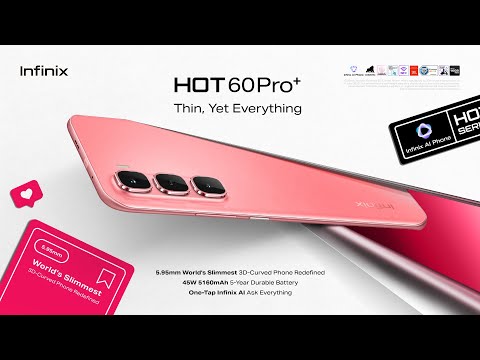

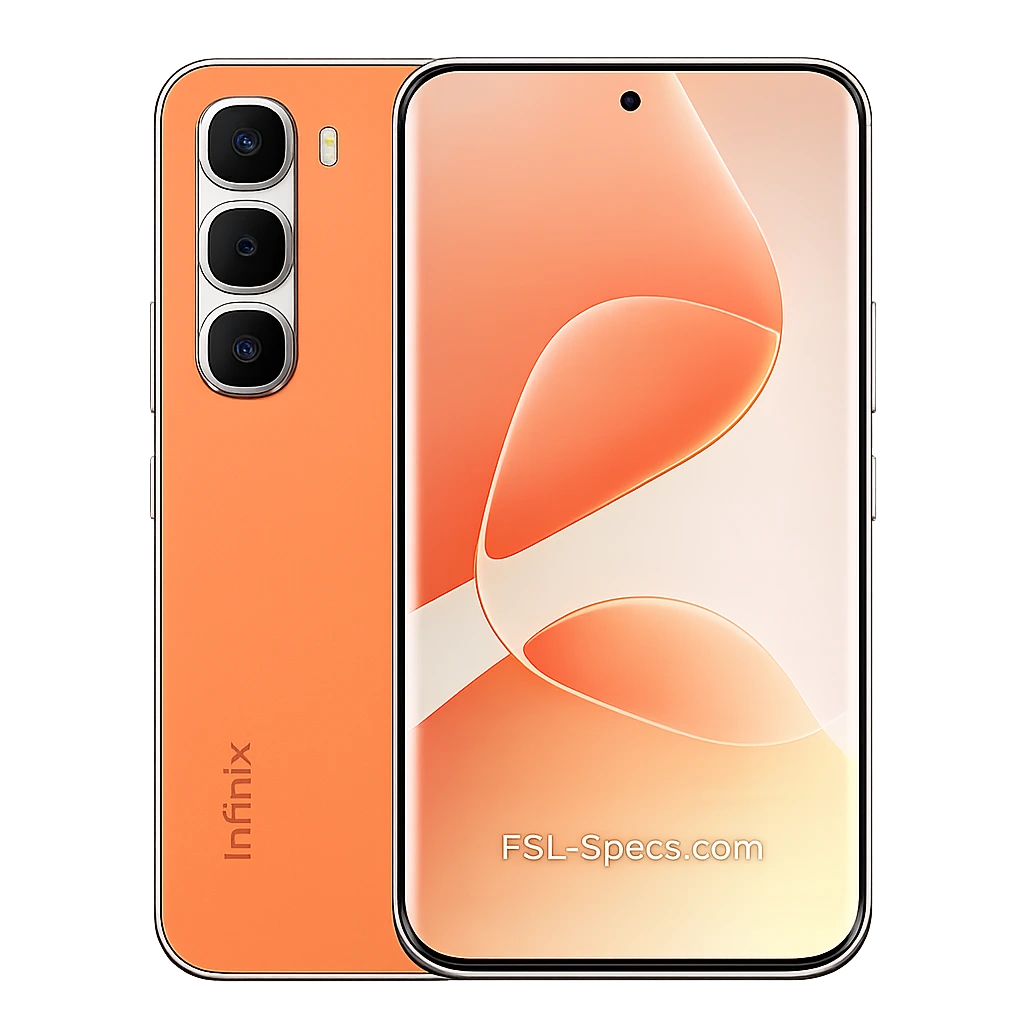


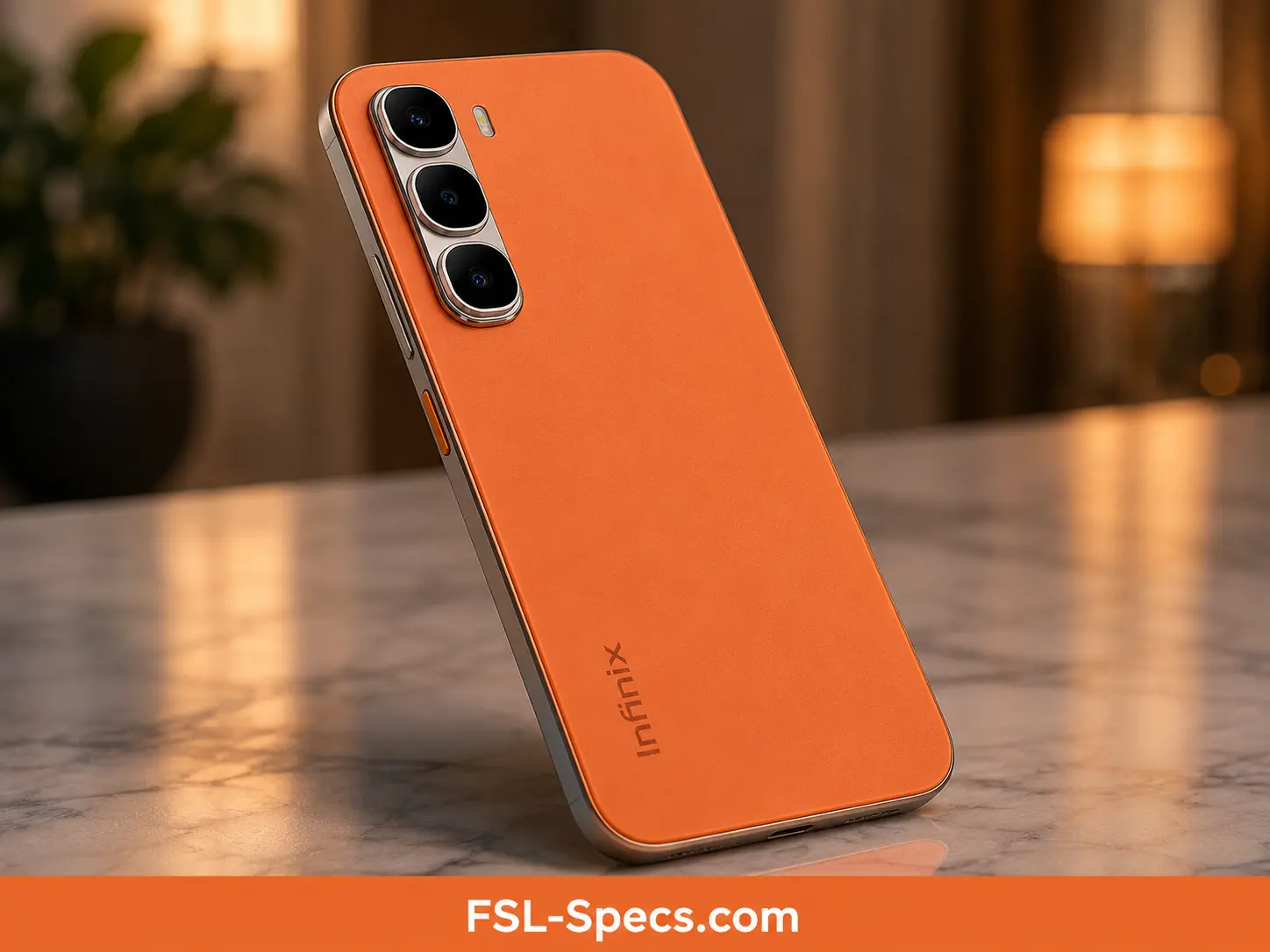







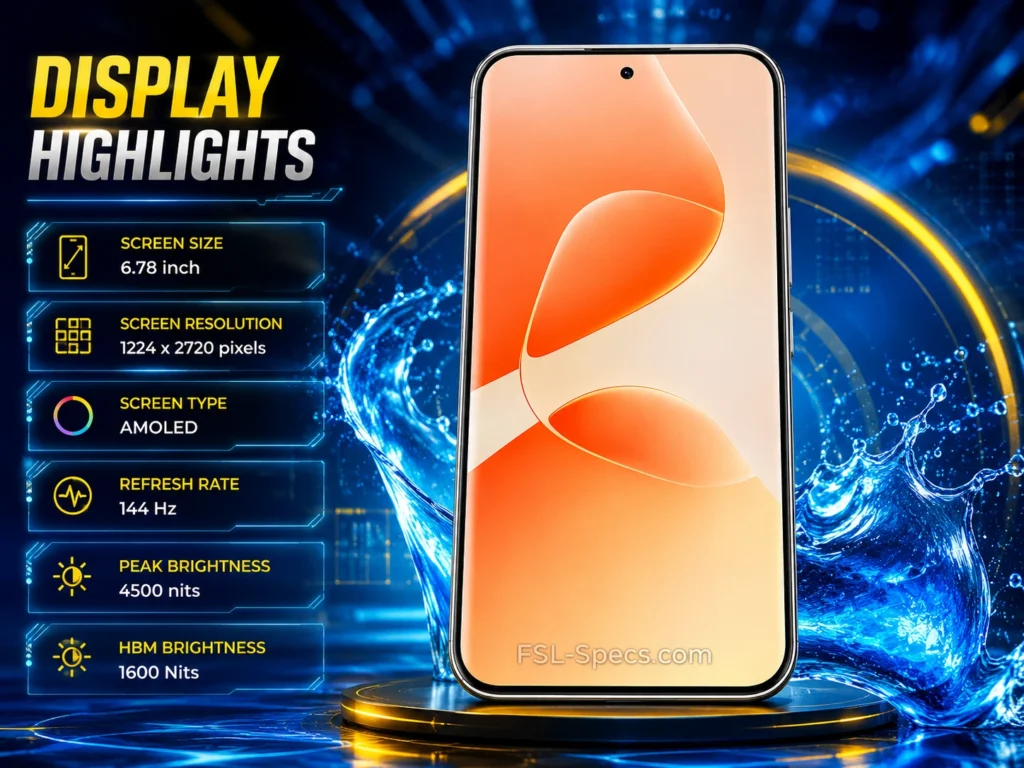
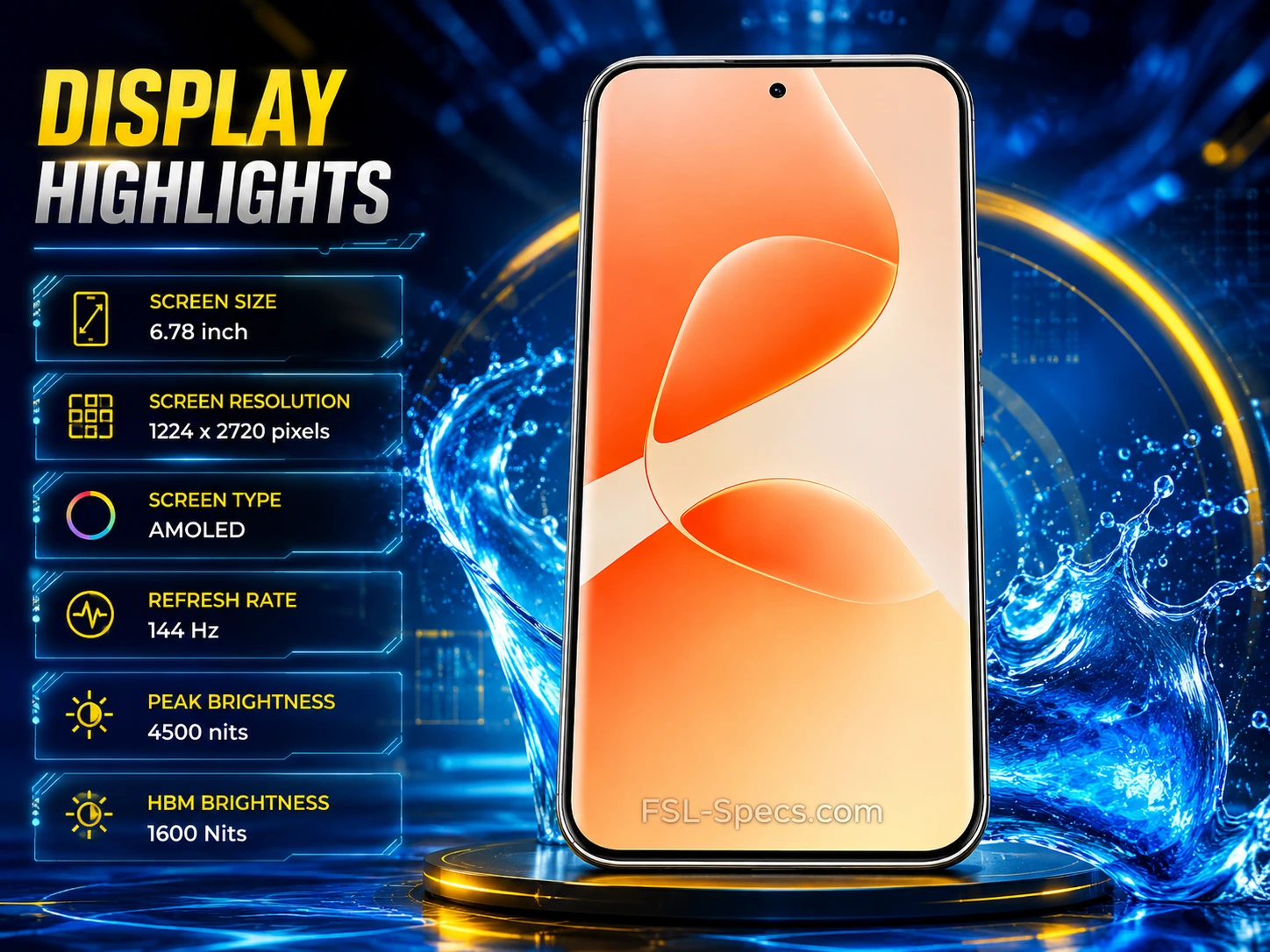
The Infinix Hot 60 Pro at PKR 67,000 features a 6.78-inch AMOLED display with a 1224 × 2720 resolution, 144Hz refresh rate, 1600-nit HBM brightness, and 4500-nit peak brightness. That gives it a high-density 440 ppi panel with noticeably smoother scrolling and animations than conventional 120Hz screens.
The Xiaomi Redmi Note 15 4G, priced at PKR 71,000 for 8+256GB, uses a slightly smaller 6.77-inch AMOLED panel with 2392 × 1080 resolution and a 120Hz refresh rate. Xiaomi rates it at 800 nits typical and up to 3200 nits peak brightness. The Redmi has the advantage in advertised peak brightness, but the Hot 60 Pro delivers a sharper 2720 × 1224 resolution and faster 144Hz refresh rate, which makes it the stronger choice for high-resolution content and smoother interface movement.
The Tecno Spark 40 Pro Plus, at PKR 70,000 with 8+256GB, is the closest display rival. It also offers a 6.78-inch 3D curved AMOLED, 1224 × 2720 resolution, and 144Hz refresh rate, matching the Hot 60 Pro almost exactly. TECNO lists 1600-nit HBM and 4500-nit peak brightness, while also noting that its advertised 1.5K output is upscaled from a native 1080p GPU output.
The Redmi Note 14 Pro 4G at PKR 73,000 uses a 6.67-inch AMOLED, 2400 × 1080 resolution, and 120Hz refresh rate, with 1200-nit HBM and 1800-nit peak brightness. It adds premium features such as 10-bit color and Gorilla Glass Victus 2, but its resolution, refresh rate and brightness figures are lower than the Hot 60 Pro.
Verdict: The Infinix Hot 60 Pro offers one of the strongest display packages here, while the Tecno Spark 40 Pro Plus is its closest rival, and the Redmi Note 14 Pro stands out mainly for its premium display protection and color features.