
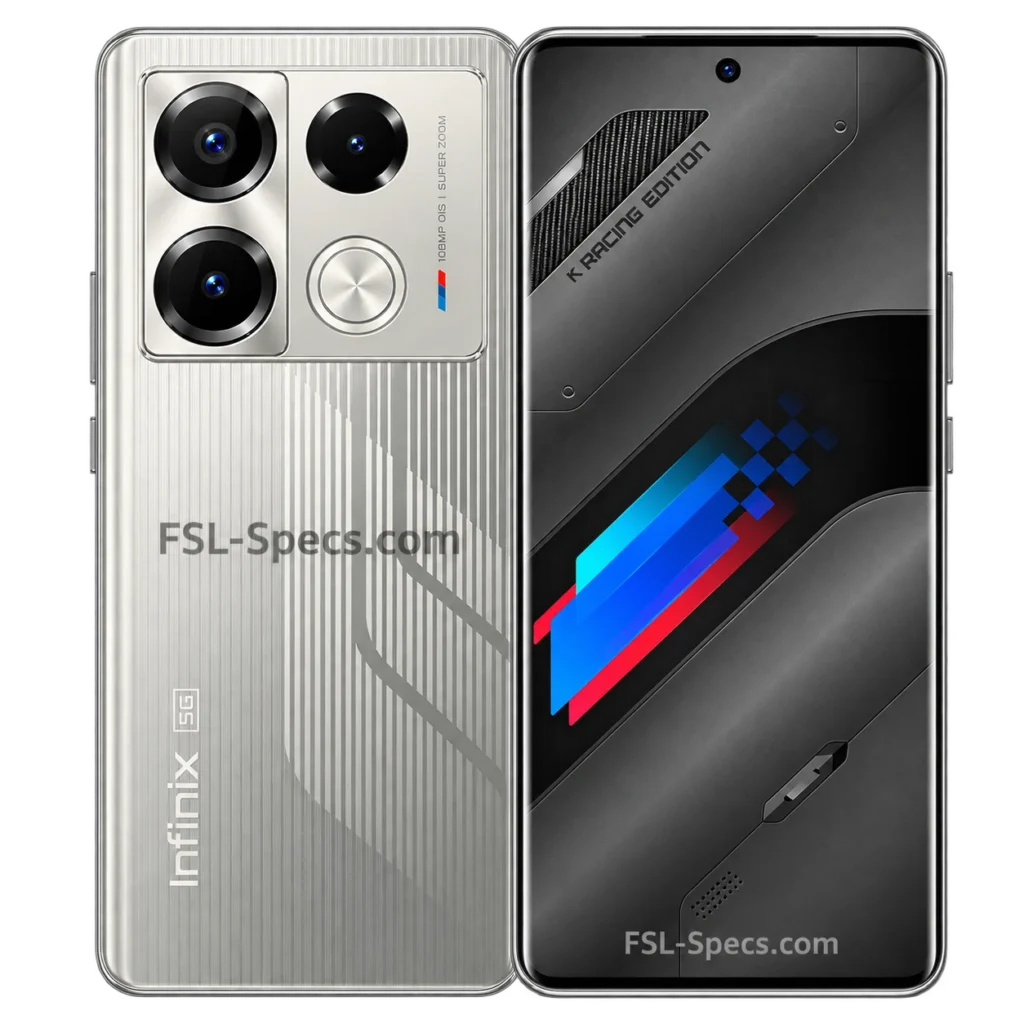






✪ Infinix Note 40 Pro Plus ✪

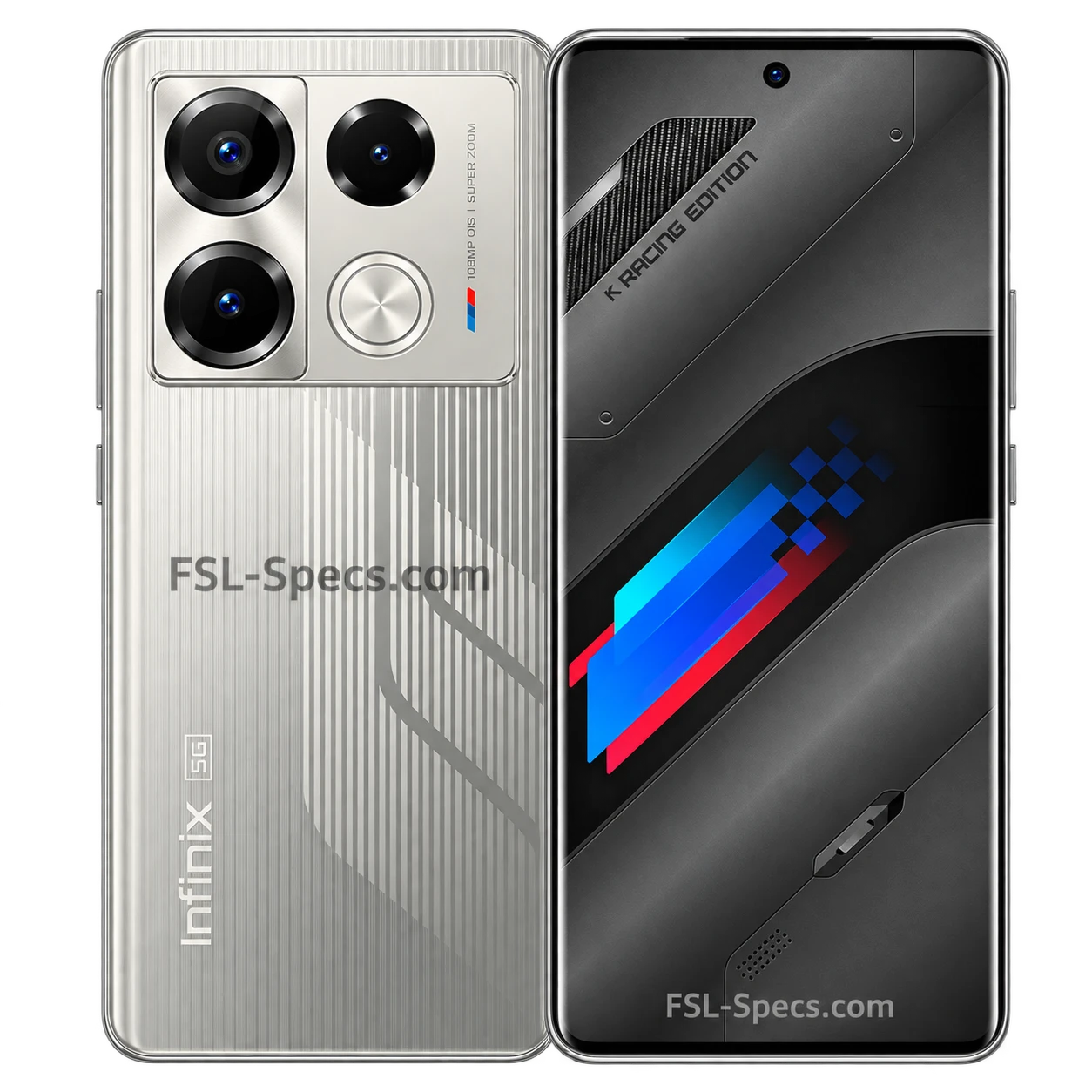
infinix note 40 pro plus png image
Last Time Update : 21 October, 2026
United States flagUnited States
250USD
…iPrice NoteYour Country price depends on USD. Prices may be different in your region due to taxes and duties.
Pakistan flagPakistan (PKR)
70000PKR
India flagIndia (INR)
23000INR

✪ Infinix Note 40 Pro Plus ✪

infinix note 40 pro plus png image
Quick Specs
Display
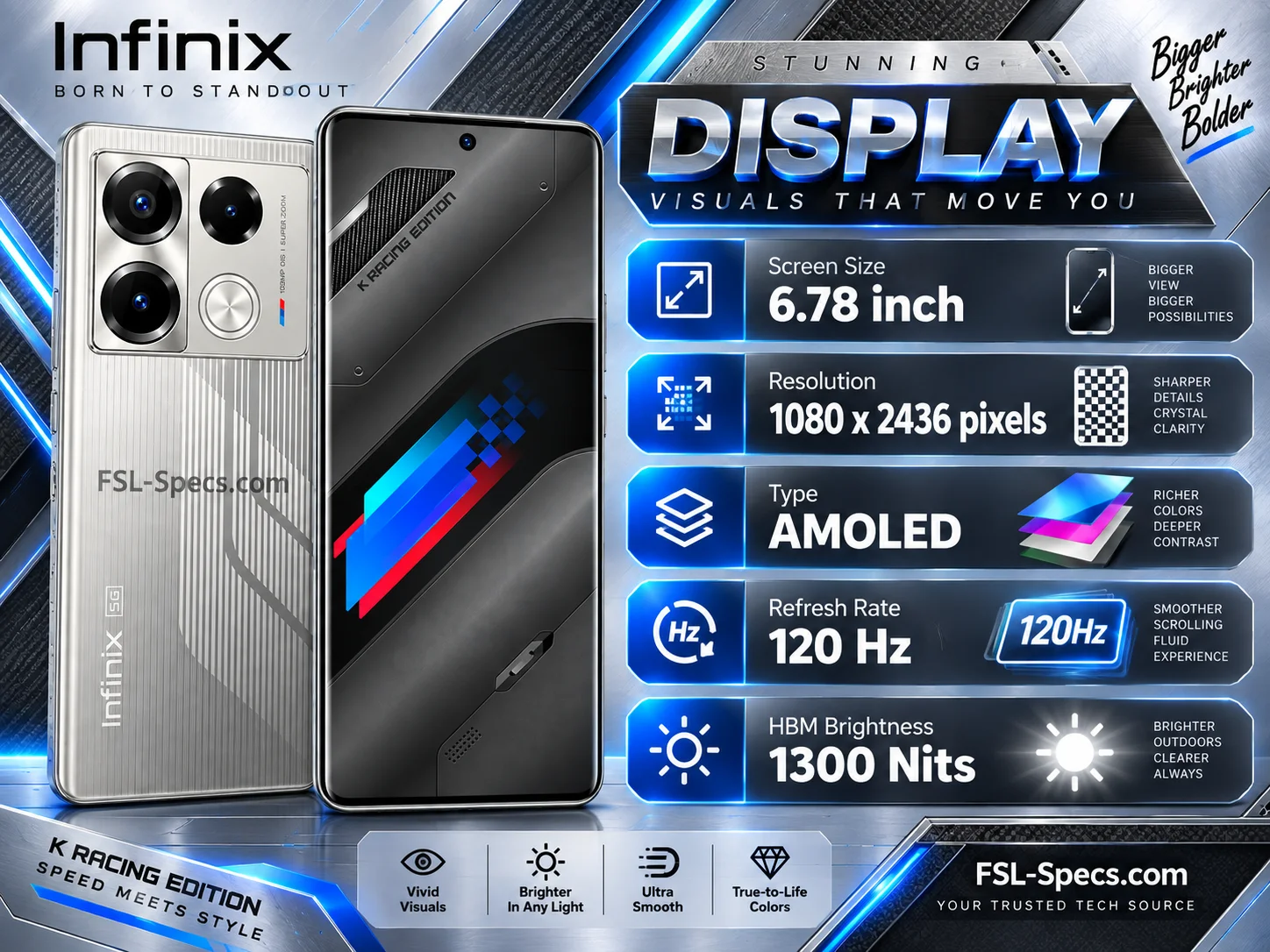
6.78 inchAMOLED120 Hz
Processor
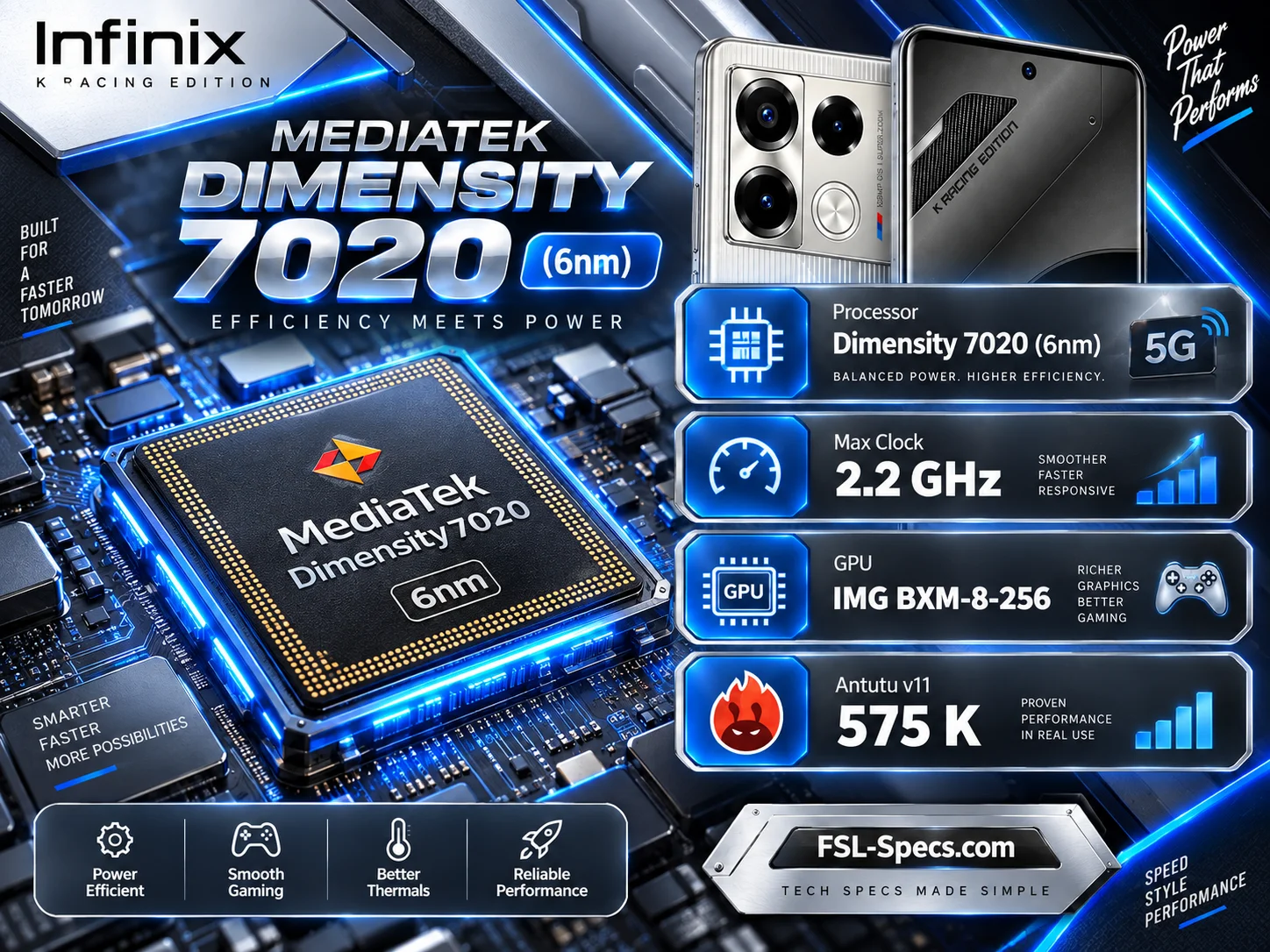
Dimensity 70202.2 GHz
RAM & Storage
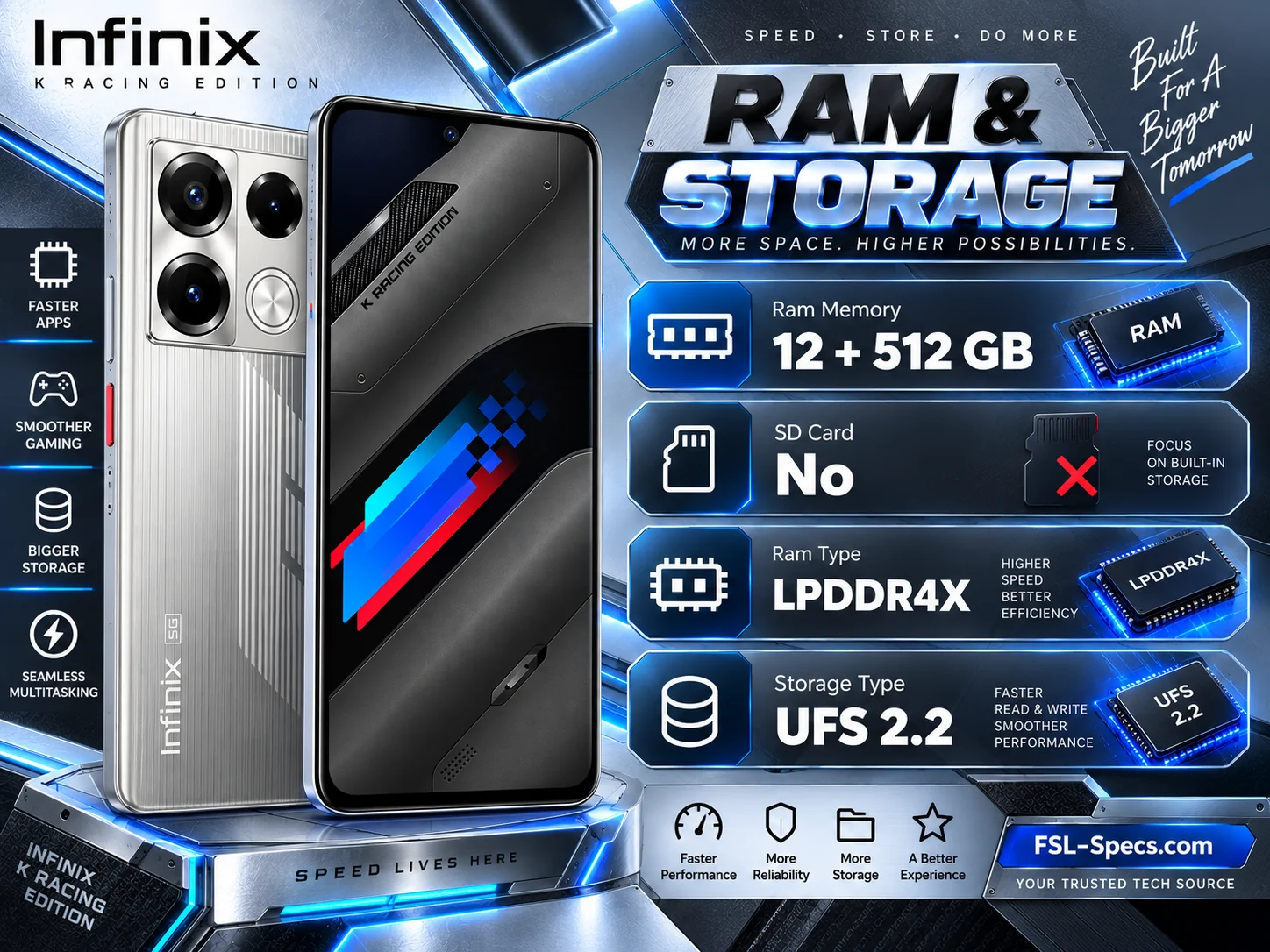
12+256 GB
Rear Camera
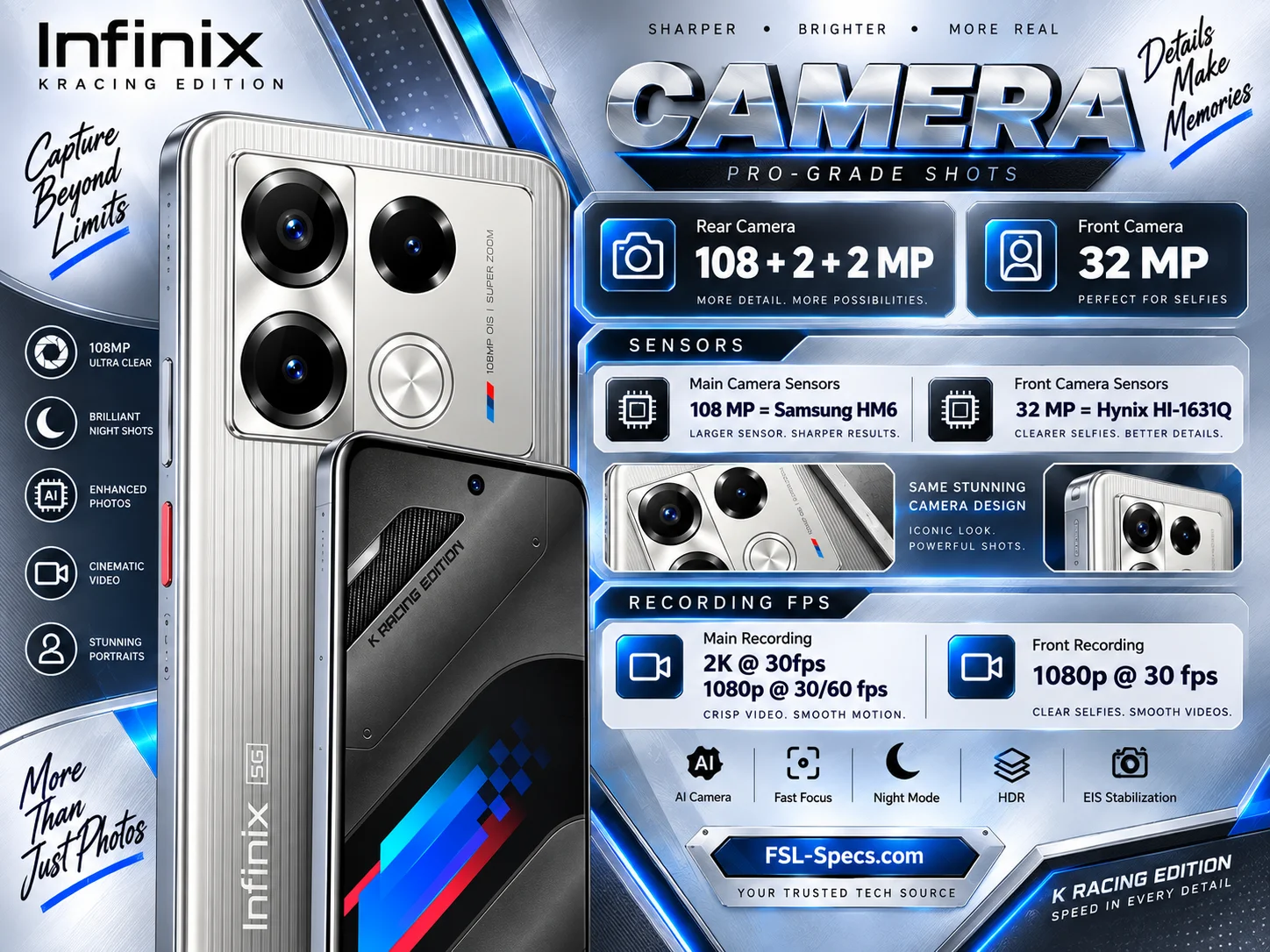
108 + 2 + 2 MP
Front Camera
32 MP
Battery & Charging
4600 mAH100 W20 W Wireless

Full Specification

!
IMPORTANT INFORMATION

Specifications Disclaimer

NOTICE

Specifications are collected from official manufacturers and trusted sources. Actual details may vary by region, model variant, or software updates. We strive for accuracy but cannot guarantee error-free information.

Basic Info

Mobile
Infinix Note 40 Pro Plus
Model
X6851B
Series
Note Series
Category
Mid-range
Release Date
19 March,2024
Year
2024

Connectivity

SIM
Nano-SIM + Nano-SIM
Network
4G / 4G+ / 5G
WiFi
Wi-Fi 5
Bluetooth
5.2
NFC
Yes
OS
Android 14, up to 2 major OS updates

Body

Dimensions
164.3 x 74.5 x 8.1 mm
Build
Plastic frame, eco leather back
Weight
196 g
Screen Size
6.78 inch
Resolution
1080 x 2436 pixels
Type
AMOLED
Refresh Rate
120 Hz
HBM Brightness
1300 Nits
Processor Specs
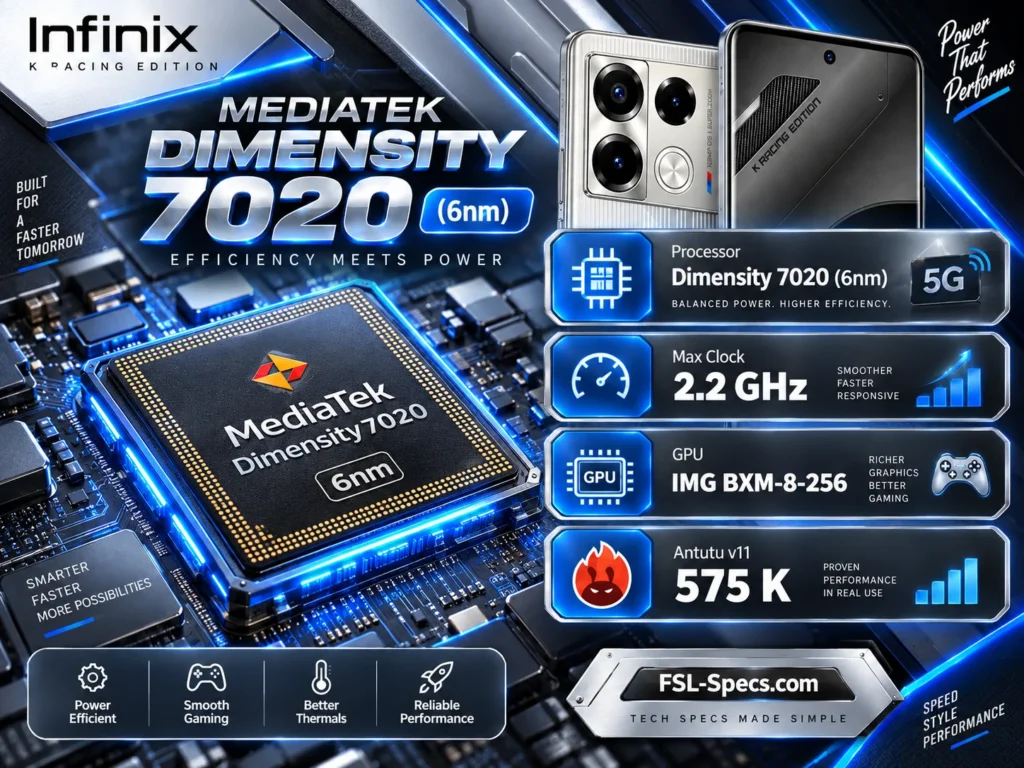
Processor
Dimensity 7020
Processor Link
Max Clock
2.2 GHz
Lithography
6 nm
GPU
IMG BXM-8-256
CPU Cores
8 Cores
Antutu v11
575 K
Antutu v10
460 K
Architecture
2 x 2.2 GHz Cortex-A78
6 x 2.0 GHz Cortex-A55
RAM & ROM Specs
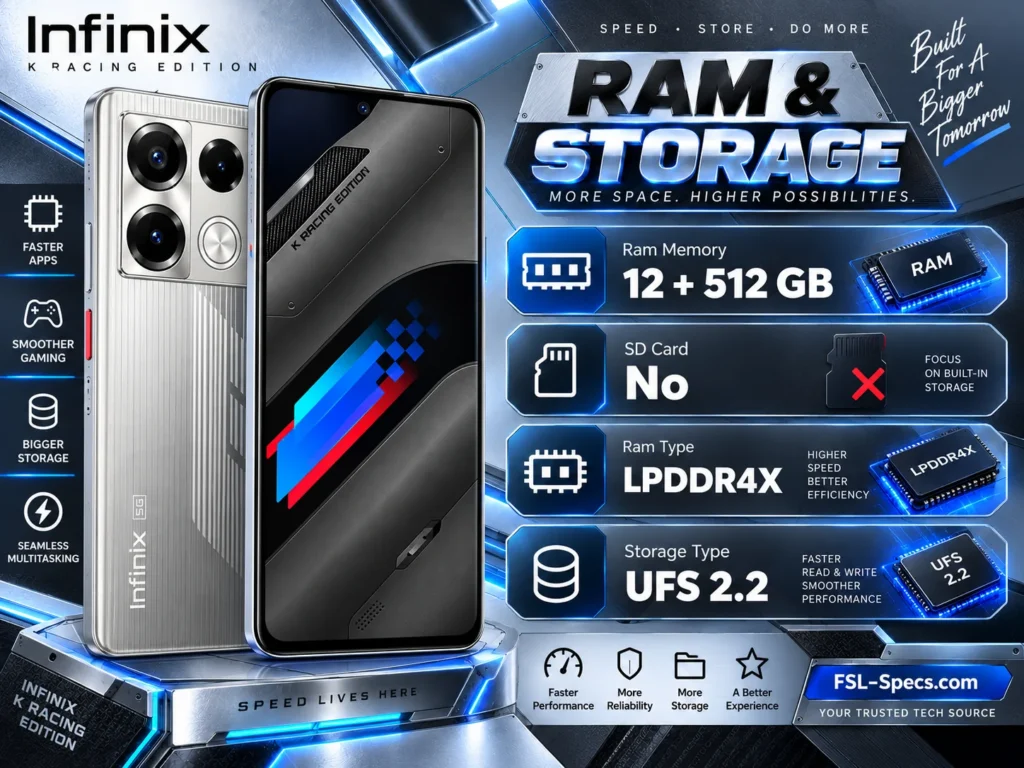
RAM Memory
12+256 GB
RAM Type
LPDDR4X
Storage Type
UFS 2.2
SD Card
No
Variants
12+256 GB
12+512 GB
Camera Specs
MP
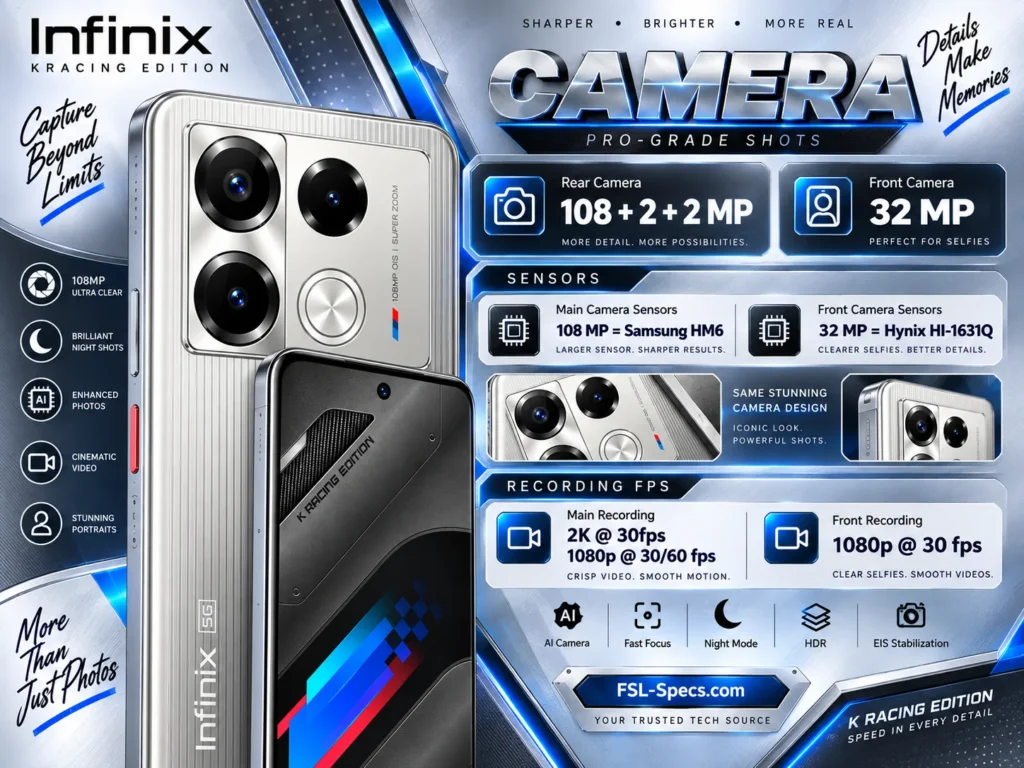
Rear Camera
108 + 2 + 2 MP
Front Camera
32 MP
Sensors
Camera Sensors
108 MP = Samsung HM6
Front Sensors
32 MP = Hynix HI-1631Q
Recording FPS
Main Recording
2K @ 30fps
1080p @ 30/60 fps
Front Recording
1080p @ 60fps
Zoom
Optical Zoom
3 x
Digital Zoom
10 x
Stabilization
Yes
Flash
Flash
Dual-LED Flash
Battery Specs
Capacity
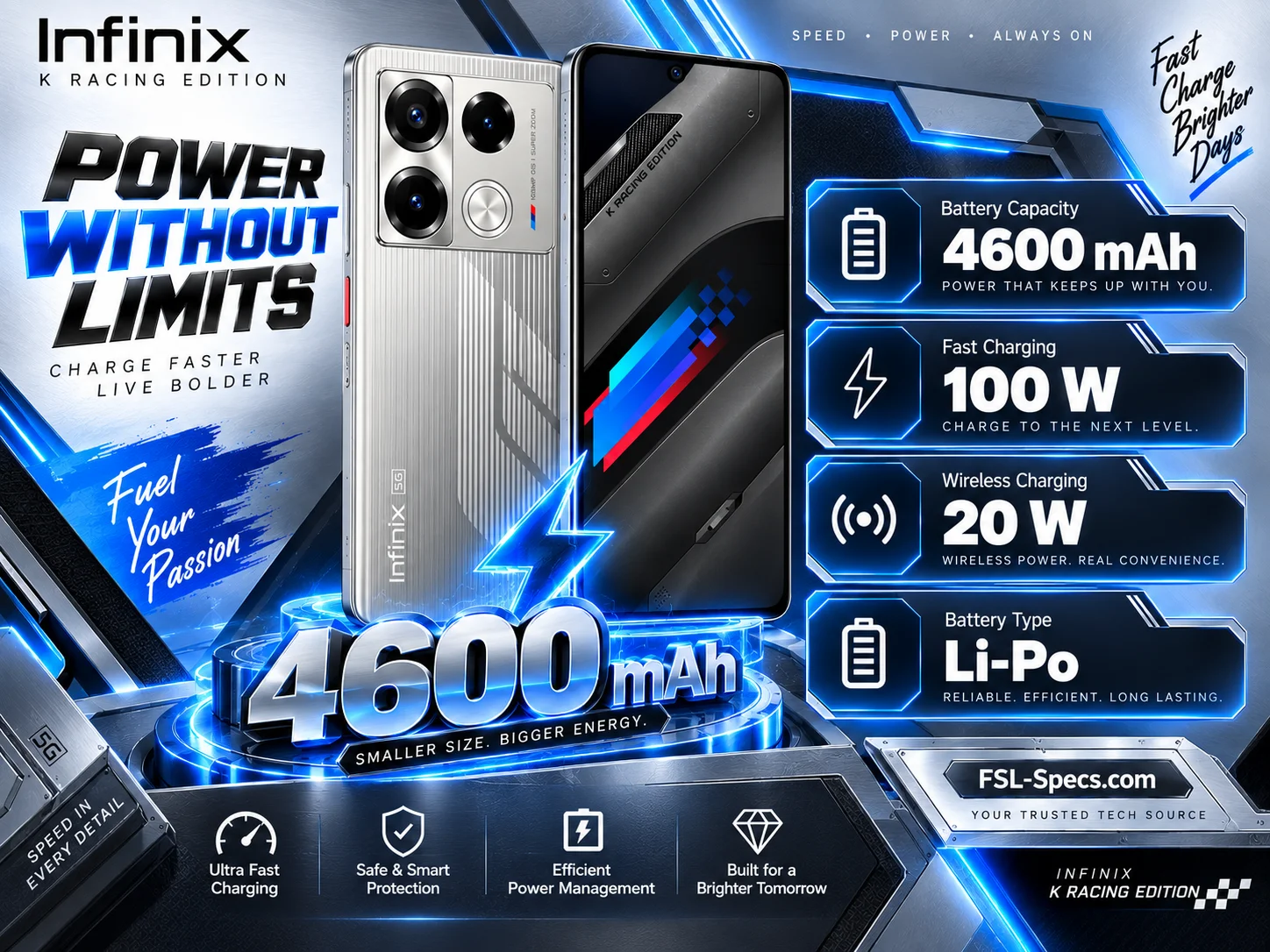
4600 mAH
Fast Charging
100 W
Wireless Charging
20 W
Battery Type
Li-Po
Other
Charging Time
27 Mints
Other Specs
Audio & Sensors
IP Rating
ip 53
Speaker
Dual Stereo Speaker
Fingerprint Sensor
Front Finger
Other Sensors
– Proximity sensor
– Gyroscope
– Accelerometer
– Ambient light sensor
– Compass
– Fingerprint
BASIC INFO
Mobile
Infinix Note 40 Pro Plus
Model
X6851B
Series
Note Series
Category
Mid-range
Release Date
19 March,2024
Year
2024
CONNECTIVITY
Sim
Nano-SIM + Nano-SIM
Network
4G / 4G+ / 5G
WiFi
Wi-Fi 5
Bluetooth
5.2
NFC
Yes
OS
Android 14, up to 2 major OS updates
BODY
Dimensions
164.3 x 74.5 x 8.1 mm
Build
Plastic frame, eco leather back
Weight
196 g
Screen Size
6.78 inch
Resolution
1080 x 2436 pixels
Type
AMOLED
Refresh Rate
120 Hz
HBM Brightness
1300 Nits
Processor
Dimensity 7020
Processor Link
Max Clock
2.2 GHz
Lithography
6 nm
GPU
IMG BXM-8-256
CPU Cores
8 Cores
Antutu v11
575 K
Antutu v10
460 K
Architecture
2 x 2.2 GHz Cortex-A78
6 x 2.0 GHz Cortex-A55
Ram Memory
12+256 GB
SD Card
No
Ram Type
LPDDR4X
Storage Type
UFS 2.2
Variants
12+256 GB
12+512 GB
MP
Rear Camera
108 + 2 + 2 MP
Front Camera
32 MP
SENSORS
Main Camera Sensors
108 MP = Samsung HM6
Front Camera Sensors
32 MP = Hynix HI-1631Q
RECORDING FPS
Main Recording
2K @ 30fps
1080p @ 30/60 fps
Front Recording
1080p @ 60fps
RESOLUTION
Main Resolution
12000 x 9000 Pixels
ZOOM
Optical Zoom
3 x
Digital Zoom
10 x
Stabilization
Yes
FLASH
Flash
Dual-LED Flash
Capacity
4600 mAH
Fast Charging
100 W
Wireless Charging
20 W
Battery Type
Li-Po
OTHER
Charging Time
27 Mints
PROTECTION
IP Rating
ip 53
AUDIO & SENSORS
Speaker
Dual Stereo Speaker
Fingerprint Sensor
Front Finger
Other Sensors
– Proximity sensor – Gyroscope – Accelerometer – Ambient light sensor – Compass – Fingerprint

Verify Mobile Specifications

Official information & trusted references

Official Manufacturer WebsiteExplore the original product information (opens in a new tab)

Trusted Specification Sources

Cross-reference · 6 sources

Links open third-party websites. The Purple ticks are a design marker only; they do not mean a source has verified these specifications or endorses FSL-Specs.

Last Time Update : 21 October, 2026

Highlights & Review Of Infinix Note 40 Pro Plus

Display Highlights

Display Highlights

The Infinix Note 40 Pro Plus 12GB/256GB has a 6.78-inch AMOLED display with 1080 × 2436 resolution, 393 ppi, 120Hz refresh rate, 10-bit colour and 1,300-nit peak brightness. It is the only phone here with a flat 120Hz panel, while its lower resolution and brightness make it less impressive for outdoor visibility than the newer rivals.

The Tecno Spark 40 Pro+ 8GB/256GB uses a 6.78-inch 1.5K AMOLED display with 1224 × 2720 resolution, 440 ppi, 144Hz refresh rate, 1,600-nit HBM and 4,500-nit peak brightness. Tecno says the 1.5K output is upscaled by its T1 chip, while the GPU’s native output is 1080p, so its sharpness advantage is not a fully native-resolution advantage.

The Infinix GT 10 Pro 8GB/256GB used has a 6.67-inch AMOLED display at 1080 × 2400, 395 ppi, 120Hz refresh rate and 900-nit peak brightness. It is the least bright panel in this comparison, but its smaller size and 120Hz refresh rate still make it suitable for gaming and everyday use.

The Xiaomi Redmi Note 14 Pro 8GB/256GB has a 6.67-inch AMOLED display at 2400 × 1080, 395 ppi, 120Hz refresh rate, 1,800-nit peak brightness, 10-bit colour and Gorilla Glass Victus 2. It is brighter than the HONOR’s rivals in this group except the Tecno, but it does not match the Tecno’s 144Hz refresh rate.

Phone and variantDisplayResolutionRefresh ratePeak brightness
Infinix Note 40 Pro Plus, 12GB/256GB6.78-inch AMOLED1080 × 2436120Hz1,300 nits
Tecno Spark 40 Pro Plus, 8GB/256GB6.78-inch 1.5K AMOLED1224 × 2720144Hz4,500 nits
Infinix GT 10 Pro, 8GB/256GB used6.67-inch AMOLED1080 × 2400120Hz900 nits
Xiaomi Redmi Note 14 Pro, 8GB/256GB6.67-inch AMOLED2400 × 1080120Hz1,800 nits

At the prices you supplied, the Infinix Note 40 Pro Plus is PKR 70,000, the Tecno Spark 40 Pro+ PKR 73,000, the used Infinix GT 10 Pro PKR 65,000, and the Redmi Note 14 Pro PKR 75,000. Public Pakistani listings can vary by seller, warranty and PTA status, so confirm the exact variant before publishing.

Verdict: The Tecno Spark 40 Pro+ has the strongest display specifications with 144Hz and 4,500-nit peak brightness, while the Xiaomi Redmi Note 14 Pro offers the best balance of brightness and premium glass; the Infinix Note 40 Pro Plus is adequate but trails both in sharpness and outdoor visibility.
Performance Highlights

Performance Highlights

The Infinix Note 40 Pro Plus 12GB/256GB uses the MediaTek Dimensity 7020, with 12GB RAM and 256GB storage. GSMArena measured 459,546 in AnTuTu v10, while NanoReview’s average is 439,176. The phone is suitable for everyday apps and light gaming, but GSMArena notes that it lacks Vulkan support, preventing some graphics benchmarks from running.

The Tecno Spark 40 Pro+ 8GB/256GB also sits in the same performance class, with a GadgetVersus average of 458,412 in AnTuTu v10. That is essentially level with the Infinix Note 40 Pro Plus’s GSMArena result, only about 0.2% lower. Its advantage is the newer display and more modern software package, not raw processing power.

The Infinix GT 10 Pro 8GB/256GB used is the clear performance leader, powered by the MediaTek Dimensity 8050. NanoReview lists an average AnTuTu v10 score of 774,538, making it about 69% faster than the Note 40 Pro Plus’s GSMArena result and about 69% faster than the Tecno Spark 40 Pro+’s GadgetVersus average. Its older design and used status remain important buying considerations.

The Xiaomi Redmi Note 14 Pro 8GB/256GB uses the MediaTek Helio G100 Ultra. GSMArena measured 423,868 in AnTuTu v10, making it about 8% slower than the Infinix Note 40 Pro+ and about 8% slower than the Tecno Spark 40 Pro+ in the cited results. It is better suited to balanced everyday use than demanding gaming.

Phone and variantProcessorAnTuTu v10Difference vs Infinix Note 40 Pro+
Infinix Note 40 Pro+, 12GB/256GBDimensity 7020459,546Baseline
Tecno Spark 40 Pro+, 8GB/256GBHelio G200-class chipset458,412About 0.2% lower
Infinix GT 10 Pro, 8GB/256GB usedDimensity 8050774,538About 69% higher
Xiaomi Redmi Note 14 Pro, 8GB/256GBHelio G100 Ultra423,868About 8% lower

These are benchmark results, not guaranteed scores for every retail or used unit. Software, temperature, background activity and test conditions can affect results, so percentages should be treated as approximate comparisons rather than fixed real-world gains.

Verdict: The used Infinix GT 10 Pro is the clear performance leader at 774,538 AnTuTu v10, while the Infinix Note 40 Pro Plus and Tecno Spark 40 Pro+ are nearly tied; the Xiaomi Redmi Note 14 Pro is the slowest in the cited benchmark results.

Memory & Storage Highlights

Memory & Storage Highlights

The Infinix Note 40 Pro Plus 12GB/256GB has the most RAM in this comparison at 12GB, paired with 256GB UFS 2.2 storage. It does not support microSD expansion, so its storage is fixed at purchase.

The Tecno Spark 40 Pro+ 8GB/256GB has 8GB LPDDR4X RAM and 256GB storage, with a dedicated microSDXC slot for expandable storage. That makes it the most flexible option if you need to add a memory card later.

Phone and variantRAMStoragemicroSD
Infinix Note 40 Pro Plus, 12GB/256GB12GB256GB UFS 2.2No
Tecno Spark 40 Pro+, 8GB/256GB8GB LPDDR4X256GBDedicated microSDXC slot
Infinix GT 10 Pro, 8GB/256GB used8GB LPDDR4X256GB UFS 3.1Dedicated microSDXC slot
Xiaomi Redmi Note 14 Pro, 8GB/256GB8GB LPDDR4X256GB UFS 2.2Expandable up to 1TB

The Infinix GT 10 Pro 8GB/256GB used matches the Tecno’s RAM capacity but uses faster UFS 3.1 storage, and it also has a dedicated microSDXC slot. The Xiaomi Redmi Note 14 Pro 8GB/256GB matches the same RAM and storage capacity, with LPDDR4X RAM, UFS 2.2 storage, and microSD expansion up to 1TB.

For heavy multitasking, the Infinix Note 40 Pro Plus’s 12GB RAM gives it an advantage, but its lack of expandable storage is a real trade-off. The Tecno, GT 10 Pro and Redmi Note 14 Pro offer only 8GB RAM, but all three can add a memory card.

Verdict: The Infinix Note 40 Pro Plus leads on RAM with 12GB, while the Tecno Spark 40 Pro+, Infinix GT 10 Pro and Xiaomi Redmi Note 14 Pro offer expandable storage; the GT 10 Pro also has the fastest documented storage type at UFS 3.1.

Camera Highlights

Camera Highlights

The Infinix Note 40 Pro Plus 12GB/256GB has a 108MP Samsung ISOCELL HM6 main camera with a 1/1.67-inch sensor, f/1.8 aperture, 0.64-micron pixels and PDAF. It is joined by 2MP depth and 2MP macro cameras, while the front camera is 32MP GalaxyCore GC32E1 with f/2.2 aperture. The main and front cameras record up to 1440p at 30fps, and the front camera also supports 1080p at 60fps.

The Tecno Spark 40 Pro Plus 8GB/256GB uses a 50MP Hynix HI5022Q main sensor with 1/2.8-inch size, 0.64-micron pixels, f/1.6 aperture and PDAF. Its front camera is a 13MP GalaxyCore GC13A0 with f/2.2 aperture and dual-LED flash. The main camera records up to 1440p at 30fps, while the front camera reaches 1080p at 30fps

The Infinix GT 10 Pro 8GB/256GB used has a 108MP Samsung ISOCELL HM6 main camera with 1/1.67-inch sensor, f/1.75 aperture and 0.8-micron pixels. It also has 2MP macro and 2MP depth cameras, plus a 32MP front camera. Its main camera records up to 4K at 30fps, giving it the highest rear-video resolution in this comparison.

The Xiaomi Redmi Note 14 Pro 8GB/256GB uses a 200MP Samsung main camera with OIS, multi-directional PDAF and 2.24-micron 16-in-1 pixel fusion. It also has 8MP ultrawide, 2MP macro and 32MP front cameras. Its main camera records up to 1080p at 60fps, while the front camera records up to 1080p at 30fps

Phone and variantMain camera and sensorOther rear camerasFront cameraRear video
Infinix Note 40 Pro Plus, 12GB/256GB108MP Samsung HM6, 1/1.67-inch, f/1.8, PDAF2MP depth, 2MP macro32MP GalaxyCore GC32E1, f/2.21440p/30fps
Tecno Spark 40 Pro+, 8GB/256GB50MP Hynix HI5022Q, 1/2.8-inch, f/1.6, PDAFAuxiliary lens13MP GalaxyCore GC13A0, f/2.21440p/30fps
Infinix GT 10 Pro, 8GB/256GB used108MP Samsung HM6, 1/1.67-inch, f/1.752MP macro, 2MP depth32MP4K/30fps
Xiaomi Redmi Note 14 Pro, 8GB/256GB200MP Samsung, OIS, 2.24-micron 16-in-1 pixel fusion8MP ultrawide, 2MP macro32MP1080p/60fps

The Infinix Note 40 Pro Plus and GT 10 Pro share the same 108MP Samsung HM6 main sensor, but the GT 10 Pro records higher-resolution video. The Redmi Note 14 Pro has the highest-resolution main camera at 200MP and adds OIS, while the Tecno Spark 40 Pro+ has the smallest main sensor at 1/2.8 inch.

Verdict: The Xiaomi Redmi Note 14 Pro has the strongest main-camera hardware with a 200MP OIS sensor, while the used Infinix GT 10 Pro offers the best rear-video resolution at 4K/30fps; the Infinix Note 40 Pro Plus has a solid 108MP main camera but weaker auxiliary cameras.

Battery & Charging Highlights

Battery & Charging Highlights

The Infinix Note 40 Pro Plus 12GB/256GB has a 4,600mAh battery, 100W wired charging, and 20W wireless MagCharge. GSMArena measured an Active Use Score of 12 hours 23 minutes, with 61% after 15 minutes and a full charge in 27 minutes. Its small battery is offset by exceptionally fast charging, and it is the only phone here with wireless charging.

The Tecno Spark 40 Pro+ 8GB/256GB has a larger 5,200mAh battery, 45W wired charging and 30W wireless charging. Tecno says a full charge takes less than an hour, while one review reported 65% in under 45 minutes. No GSMArena Active Use Score was available in the cited results, so its endurance should be treated as unconfirmed rather than ranked.

The Infinix GT 10 Pro 8GB/256GB used has a 5,000mAh battery and 45W wired charging. GSMArena reported a full charge in 61 minutes, with 73% after 30 minutes. Its overall endurance rating was 112 hours, though the site notes that higher-than-usual standby drain reduced the final score.

The Xiaomi Redmi Note 14 Pro 8GB/256GB has the largest battery at 5,500mAh, with 45W wired charging. GSMArena measured an Active Use Score of 12 hours 7 minutes, while PhoneArena recorded 48% after 30 minutes and a full charge in 1 hour 10 minutes. It offers solid endurance but is the slowest to fully charge in the cited tests.

Phone and variantBatteryWired chargingWireless chargingTested full charge
Infinix Note 40 Pro Plus, 12GB/256GB4,600mAh100W20W MagCharge27 minutes
Tecno Spark 40 Pro Plus, 8GB/256GB5,200mAh45W30WLess than 1 hour, official claim
Infinix GT 10 Pro, 8GB/256GB used5,000mAh45WNo61 minutes
Xiaomi Redmi Note 14 Pro, 8GB/256GB5,500mAh45WNo1 hour 10 minutes

The available results come from different test conditions, so they should be treated as indications rather than a perfectly controlled ranking. The Infinix Note 40 Pro Plus is the clear choice for fastest refuelling, while the Redmi Note 14 Pro offers the largest battery.

Verdict: The Infinix Note 40 Pro Plus charges fastest by a wide margin and is the only option with wireless charging, while the Xiaomi Redmi Note 14 Pro has the largest battery; the used Infinix GT 10 Pro offers dependable endurance but slower charging.

Final Verdict

At the retailer prices supplied for 15 October 2026, the Infinix Note 40 Pro Plus 12GB/256GB is the best all-round choice at PKR 70,000. It offers the most RAM at 12GB, exceptionally fast 100W wired charging, 20W wireless MagCharge, and a solid 108MP Samsung HM6 main camera. Its main compromises are a smaller 4,600mAh battery, slower UFS 2.2 storage, and no microSD slot.

The Tecno Spark 40 Pro+ 8GB/256GB, at PKR 73,000, is the best display-focused alternative. It has a 144Hz 1.5K AMOLED screen, a larger 5,200mAh battery, 45W wired and 30W wireless charging, plus a dedicated microSD slot. However, its 8GB RAM and weaker camera hardware make it less balanced than the Infinix.

The used Infinix GT 10 Pro 8GB/256GB, at PKR 65,000, is the strongest performance pick, with a Dimensity 8050 chipset and 4K/30fps rear video. Its used status, older software and lack of wireless charging are important trade-offs. The Xiaomi Redmi Note 14 Pro 8GB/256GB, at PKR 75,000, is best for camera hardware and battery capacity, with a 200MP OIS main camera and 5,500mAh battery, but it is the slowest charger in the cited tests.

Ranking

  1. Infinix Note 40 Pro Plus, 12GB/256GB – PKR 70,000. Best overall balance of RAM, charging speed, wireless charging and camera quality.

  2. Xiaomi Redmi Note 14 Pro, 8GB/256GB – PKR 75,000. Best for camera hardware and battery capacity, with OIS and a 200MP main sensor.

  3. Tecno Spark 40 Pro+, 8GB/256GB – PKR 73,000. Best for display smoothness and expandable storage, but weaker cameras and RAM.

  4. Infinix GT 10 Pro, 8GB/256GB used – PKR 65,000. Best performance-per-rupee option, but it is used and has older software.

Bottom line: Choose the Infinix Note 40 Pro Plus for the best all-round value; choose the Xiaomi Redmi Note 14 Pro if camera quality matters most, or the used Infinix GT 10 Pro if maximum performance per rupee is the priority.

Display Highlights

Display Highlights

The Infinix Note 40 Pro Plus 12GB/256GB has a 6.78-inch AMOLED display with 1080 × 2436 resolution, 393 ppi, 120Hz refresh rate, 10-bit colour and 1,300-nit peak brightness. It is the only phone here with a flat 120Hz panel, while its lower resolution and brightness make it less impressive for outdoor visibility than the newer rivals.

The Tecno Spark 40 Pro+ 8GB/256GB uses a 6.78-inch 1.5K AMOLED display with 1224 × 2720 resolution, 440 ppi, 144Hz refresh rate, 1,600-nit HBM and 4,500-nit peak brightness. Tecno says the 1.5K output is upscaled by its T1 chip, while the GPU’s native output is 1080p, so its sharpness advantage is not a fully native-resolution advantage.

The Infinix GT 10 Pro 8GB/256GB used has a 6.67-inch AMOLED display at 1080 × 2400, 395 ppi, 120Hz refresh rate and 900-nit peak brightness. It is the least bright panel in this comparison, but its smaller size and 120Hz refresh rate still make it suitable for gaming and everyday use.

The Xiaomi Redmi Note 14 Pro 8GB/256GB has a 6.67-inch AMOLED display at 2400 × 1080, 395 ppi, 120Hz refresh rate, 1,800-nit peak brightness, 10-bit colour and Gorilla Glass Victus 2. It is brighter than the HONOR’s rivals in this group except the Tecno, but it does not match the Tecno’s 144Hz refresh rate.

Phone and variantDisplayResolutionRefresh ratePeak brightness
Infinix Note 40 Pro Plus, 12GB/256GB6.78-inch AMOLED1080 × 2436120Hz1,300 nits
Tecno Spark 40 Pro Plus, 8GB/256GB6.78-inch 1.5K AMOLED1224 × 2720144Hz4,500 nits
Infinix GT 10 Pro, 8GB/256GB used6.67-inch AMOLED1080 × 2400120Hz900 nits
Xiaomi Redmi Note 14 Pro, 8GB/256GB6.67-inch AMOLED2400 × 1080120Hz1,800 nits

At the prices you supplied, the Infinix Note 40 Pro Plus is PKR 70,000, the Tecno Spark 40 Pro+ PKR 73,000, the used Infinix GT 10 Pro PKR 65,000, and the Redmi Note 14 Pro PKR 75,000. Public Pakistani listings can vary by seller, warranty and PTA status, so confirm the exact variant before publishing.

Verdict: The Tecno Spark 40 Pro+ has the strongest display specifications with 144Hz and 4,500-nit peak brightness, while the Xiaomi Redmi Note 14 Pro offers the best balance of brightness and premium glass; the Infinix Note 40 Pro Plus is adequate but trails both in sharpness and outdoor visibility.
Performance Highlights

Performance Highlights

The Infinix Note 40 Pro Plus 12GB/256GB uses the MediaTek Dimensity 7020, with 12GB RAM and 256GB storage. GSMArena measured 459,546 in AnTuTu v10, while NanoReview’s average is 439,176. The phone is suitable for everyday apps and light gaming, but GSMArena notes that it lacks Vulkan support, preventing some graphics benchmarks from running.

The Tecno Spark 40 Pro+ 8GB/256GB also sits in the same performance class, with a GadgetVersus average of 458,412 in AnTuTu v10. That is essentially level with the Infinix Note 40 Pro Plus’s GSMArena result, only about 0.2% lower. Its advantage is the newer display and more modern software package, not raw processing power.

The Infinix GT 10 Pro 8GB/256GB used is the clear performance leader, powered by the MediaTek Dimensity 8050. NanoReview lists an average AnTuTu v10 score of 774,538, making it about 69% faster than the Note 40 Pro Plus’s GSMArena result and about 69% faster than the Tecno Spark 40 Pro+’s GadgetVersus average. Its older design and used status remain important buying considerations.

The Xiaomi Redmi Note 14 Pro 8GB/256GB uses the MediaTek Helio G100 Ultra. GSMArena measured 423,868 in AnTuTu v10, making it about 8% slower than the Infinix Note 40 Pro+ and about 8% slower than the Tecno Spark 40 Pro+ in the cited results. It is better suited to balanced everyday use than demanding gaming.

Phone and variantProcessorAnTuTu v10Difference vs Infinix Note 40 Pro+
Infinix Note 40 Pro+, 12GB/256GBDimensity 7020459,546Baseline
Tecno Spark 40 Pro+, 8GB/256GBHelio G200-class chipset458,412About 0.2% lower
Infinix GT 10 Pro, 8GB/256GB usedDimensity 8050774,538About 69% higher
Xiaomi Redmi Note 14 Pro, 8GB/256GBHelio G100 Ultra423,868About 8% lower

These are benchmark results, not guaranteed scores for every retail or used unit. Software, temperature, background activity and test conditions can affect results, so percentages should be treated as approximate comparisons rather than fixed real-world gains.

Verdict: The used Infinix GT 10 Pro is the clear performance leader at 774,538 AnTuTu v10, while the Infinix Note 40 Pro Plus and Tecno Spark 40 Pro+ are nearly tied; the Xiaomi Redmi Note 14 Pro is the slowest in the cited benchmark results.

Memory & Storage Highlights

Memory & Storage Highlights

The Infinix Note 40 Pro Plus 12GB/256GB has the most RAM in this comparison at 12GB, paired with 256GB UFS 2.2 storage. It does not support microSD expansion, so its storage is fixed at purchase.

The Tecno Spark 40 Pro+ 8GB/256GB has 8GB LPDDR4X RAM and 256GB storage, with a dedicated microSDXC slot for expandable storage. That makes it the most flexible option if you need to add a memory card later.

Phone and variantRAMStoragemicroSD
Infinix Note 40 Pro Plus, 12GB/256GB12GB256GB UFS 2.2No
Tecno Spark 40 Pro+, 8GB/256GB8GB LPDDR4X256GBDedicated microSDXC slot
Infinix GT 10 Pro, 8GB/256GB used8GB LPDDR4X256GB UFS 3.1Dedicated microSDXC slot
Xiaomi Redmi Note 14 Pro, 8GB/256GB8GB LPDDR4X256GB UFS 2.2Expandable up to 1TB

The Infinix GT 10 Pro 8GB/256GB used matches the Tecno’s RAM capacity but uses faster UFS 3.1 storage, and it also has a dedicated microSDXC slot. The Xiaomi Redmi Note 14 Pro 8GB/256GB matches the same RAM and storage capacity, with LPDDR4X RAM, UFS 2.2 storage, and microSD expansion up to 1TB.

For heavy multitasking, the Infinix Note 40 Pro Plus’s 12GB RAM gives it an advantage, but its lack of expandable storage is a real trade-off. The Tecno, GT 10 Pro and Redmi Note 14 Pro offer only 8GB RAM, but all three can add a memory card.

Verdict: The Infinix Note 40 Pro Plus leads on RAM with 12GB, while the Tecno Spark 40 Pro+, Infinix GT 10 Pro and Xiaomi Redmi Note 14 Pro offer expandable storage; the GT 10 Pro also has the fastest documented storage type at UFS 3.1.

Camera Highlights

Camera Highlights

The Infinix Note 40 Pro Plus 12GB/256GB has a 108MP Samsung ISOCELL HM6 main camera with a 1/1.67-inch sensor, f/1.8 aperture, 0.64-micron pixels and PDAF. It is joined by 2MP depth and 2MP macro cameras, while the front camera is 32MP GalaxyCore GC32E1 with f/2.2 aperture. The main and front cameras record up to 1440p at 30fps, and the front camera also supports 1080p at 60fps.

The Tecno Spark 40 Pro Plus 8GB/256GB uses a 50MP Hynix HI5022Q main sensor with 1/2.8-inch size, 0.64-micron pixels, f/1.6 aperture and PDAF. Its front camera is a 13MP GalaxyCore GC13A0 with f/2.2 aperture and dual-LED flash. The main camera records up to 1440p at 30fps, while the front camera reaches 1080p at 30fps

The Infinix GT 10 Pro 8GB/256GB used has a 108MP Samsung ISOCELL HM6 main camera with 1/1.67-inch sensor, f/1.75 aperture and 0.8-micron pixels. It also has 2MP macro and 2MP depth cameras, plus a 32MP front camera. Its main camera records up to 4K at 30fps, giving it the highest rear-video resolution in this comparison.

The Xiaomi Redmi Note 14 Pro 8GB/256GB uses a 200MP Samsung main camera with OIS, multi-directional PDAF and 2.24-micron 16-in-1 pixel fusion. It also has 8MP ultrawide, 2MP macro and 32MP front cameras. Its main camera records up to 1080p at 60fps, while the front camera records up to 1080p at 30fps

Phone and variantMain camera and sensorOther rear camerasFront cameraRear video
Infinix Note 40 Pro Plus, 12GB/256GB108MP Samsung HM6, 1/1.67-inch, f/1.8, PDAF2MP depth, 2MP macro32MP GalaxyCore GC32E1, f/2.21440p/30fps
Tecno Spark 40 Pro+, 8GB/256GB50MP Hynix HI5022Q, 1/2.8-inch, f/1.6, PDAFAuxiliary lens13MP GalaxyCore GC13A0, f/2.21440p/30fps
Infinix GT 10 Pro, 8GB/256GB used108MP Samsung HM6, 1/1.67-inch, f/1.752MP macro, 2MP depth32MP4K/30fps
Xiaomi Redmi Note 14 Pro, 8GB/256GB200MP Samsung, OIS, 2.24-micron 16-in-1 pixel fusion8MP ultrawide, 2MP macro32MP1080p/60fps

The Infinix Note 40 Pro Plus and GT 10 Pro share the same 108MP Samsung HM6 main sensor, but the GT 10 Pro records higher-resolution video. The Redmi Note 14 Pro has the highest-resolution main camera at 200MP and adds OIS, while the Tecno Spark 40 Pro+ has the smallest main sensor at 1/2.8 inch.

Verdict: The Xiaomi Redmi Note 14 Pro has the strongest main-camera hardware with a 200MP OIS sensor, while the used Infinix GT 10 Pro offers the best rear-video resolution at 4K/30fps; the Infinix Note 40 Pro Plus has a solid 108MP main camera but weaker auxiliary cameras.

Battery & Charging Highlights

Battery & Charging Highlights

The Infinix Note 40 Pro Plus 12GB/256GB has a 4,600mAh battery, 100W wired charging, and 20W wireless MagCharge. GSMArena measured an Active Use Score of 12 hours 23 minutes, with 61% after 15 minutes and a full charge in 27 minutes. Its small battery is offset by exceptionally fast charging, and it is the only phone here with wireless charging.

The Tecno Spark 40 Pro+ 8GB/256GB has a larger 5,200mAh battery, 45W wired charging and 30W wireless charging. Tecno says a full charge takes less than an hour, while one review reported 65% in under 45 minutes. No GSMArena Active Use Score was available in the cited results, so its endurance should be treated as unconfirmed rather than ranked.

The Infinix GT 10 Pro 8GB/256GB used has a 5,000mAh battery and 45W wired charging. GSMArena reported a full charge in 61 minutes, with 73% after 30 minutes. Its overall endurance rating was 112 hours, though the site notes that higher-than-usual standby drain reduced the final score.

The Xiaomi Redmi Note 14 Pro 8GB/256GB has the largest battery at 5,500mAh, with 45W wired charging. GSMArena measured an Active Use Score of 12 hours 7 minutes, while PhoneArena recorded 48% after 30 minutes and a full charge in 1 hour 10 minutes. It offers solid endurance but is the slowest to fully charge in the cited tests.

Phone and variantBatteryWired chargingWireless chargingTested full charge
Infinix Note 40 Pro Plus, 12GB/256GB4,600mAh100W20W MagCharge27 minutes
Tecno Spark 40 Pro Plus, 8GB/256GB5,200mAh45W30WLess than 1 hour, official claim
Infinix GT 10 Pro, 8GB/256GB used5,000mAh45WNo61 minutes
Xiaomi Redmi Note 14 Pro, 8GB/256GB5,500mAh45WNo1 hour 10 minutes

The available results come from different test conditions, so they should be treated as indications rather than a perfectly controlled ranking. The Infinix Note 40 Pro Plus is the clear choice for fastest refuelling, while the Redmi Note 14 Pro offers the largest battery.

Verdict: The Infinix Note 40 Pro Plus charges fastest by a wide margin and is the only option with wireless charging, while the Xiaomi Redmi Note 14 Pro has the largest battery; the used Infinix GT 10 Pro offers dependable endurance but slower charging.

Final Verdict

At the retailer prices supplied for 15 October 2026, the Infinix Note 40 Pro Plus 12GB/256GB is the best all-round choice at PKR 70,000. It offers the most RAM at 12GB, exceptionally fast 100W wired charging, 20W wireless MagCharge, and a solid 108MP Samsung HM6 main camera. Its main compromises are a smaller 4,600mAh battery, slower UFS 2.2 storage, and no microSD slot.

The Tecno Spark 40 Pro+ 8GB/256GB, at PKR 73,000, is the best display-focused alternative. It has a 144Hz 1.5K AMOLED screen, a larger 5,200mAh battery, 45W wired and 30W wireless charging, plus a dedicated microSD slot. However, its 8GB RAM and weaker camera hardware make it less balanced than the Infinix.

The used Infinix GT 10 Pro 8GB/256GB, at PKR 65,000, is the strongest performance pick, with a Dimensity 8050 chipset and 4K/30fps rear video. Its used status, older software and lack of wireless charging are important trade-offs. The Xiaomi Redmi Note 14 Pro 8GB/256GB, at PKR 75,000, is best for camera hardware and battery capacity, with a 200MP OIS main camera and 5,500mAh battery, but it is the slowest charger in the cited tests.

Ranking

  1. Infinix Note 40 Pro Plus, 12GB/256GB – PKR 70,000. Best overall balance of RAM, charging speed, wireless charging and camera quality.

  2. Xiaomi Redmi Note 14 Pro, 8GB/256GB – PKR 75,000. Best for camera hardware and battery capacity, with OIS and a 200MP main sensor.

  3. Tecno Spark 40 Pro+, 8GB/256GB – PKR 73,000. Best for display smoothness and expandable storage, but weaker cameras and RAM.

  4. Infinix GT 10 Pro, 8GB/256GB used – PKR 65,000. Best performance-per-rupee option, but it is used and has older software.

Bottom line: Choose the Infinix Note 40 Pro Plus for the best all-round value; choose the Xiaomi Redmi Note 14 Pro if camera quality matters most, or the used Infinix GT 10 Pro if maximum performance per rupee is the priority.

Pros and Cons

Pros

  • ✅ 100W Fast Charging ⚡
  • ✅ 120Hz AMOLED Display 📱
  • ✅ 108MP OIS Camera 📸
  • ✅ 20W Wireless Charging 🔋
  • ✅ JBL Stereo Speakers 🔊
  • ✅ Dimensity 7020 5G 🚀

Cons

  • ❌ 4600mAh Battery Capacity 🔋
  • ❌ IP53 Protection Only 💧
  • ❌ Midrange Chipset ⚙️
  • ❌ No Telephoto Camera 🔭
  • ❌ Curved Display Fragility 📱
  • ❌ Limited Android Updates 🔄

Who Is It Best For?

Best For

  • 🎯 Fast Charging ⚡
  • 🎯 AMOLED Media 🎬
  • 🎯 Casual Photography 📸
  • 🎯 5G Connectivity 📶
  • 🎯 Music Consumption 🔊
  • 🎯 Everyday Multitasking 📱

Not Best For

  • 🚫 Heavy Gaming 🎮
  • 🚫 Extreme Battery Life 🔋
  • 🚫 Zoom Photography 🔭
  • 🚫 Waterproof Usage 💧
  • 🚫 Long-Term Updates 🔄
  • 🚫 Rugged Usage 🛡️
Video Reviews & Tests
// hands-on videos for this phone

Official Trailer

Launch Teaser
Official Trailer

Unboxing

What's In The Box
Unboxing

Disassembly / Teardown

Inside Look
Disassembly / Teardown

PUBG Gaming Test

FPS & Heat Test
PUBG Gaming Test

Camera Test

Photo & Video Samples
Camera Test
Infinix Series Row
Picture of Faisal Ur Rehman

Faisal Ur Rehman

Faisal Rehman is the founder and editor of FSL Specs, where he publishes in-depth smartphone specifications, comparisons, buying guides, and technology insights. With extensive experience in mobile hardware research and technical analysis, he provides accurate and up-to-date information on Android smartphones, processors, displays, cameras, batteries, performance benchmarks, and software features. His goal is to simplify complex specifications and help readers choose the right device with confidence.

FAQs Questions

The Infinix Note 40 Pro+ 5G is powered by the MediaTek Dimensity 7020 5G chipset. It offers smooth everyday performance, 5G connectivity, and enough power for casual gaming and multitasking.

Yes, it features a 6.78-inch 120Hz AMOLED display with a curved design. The high refresh rate makes scrolling feel smoother, while AMOLED delivers strong colors and deep blacks.

The phone supports 100W wired fast charging, which is one of its standout features. It also supports 20W MagCharge wireless charging when used with the compatible Infinix magnetic accessory.

It comes with a 108MP main camera with OIS, along with a 32MP front camera. OIS helps reduce blur from hand movement, making the main camera more useful for everyday photos and low-light shots.

The Infinix Note 40 Pro+ 5G has a 4,600mAh battery. Combined with 100W charging, it is particularly convenient for users who want to quickly top up their phone during a busy day.

Yes, the phone supports 5G connectivity, although the actual 5G experience depends on network availability and supported bands from your carrier in Pakistan. The phone's Dimensity 7020 platform provides 5G support.

Yes, it has dual stereo speakers tuned with JBL, giving it a more immersive sound experience for videos, music and gaming than a typical single-speaker setup.

It has an IP53 rating, which provides protection against dust and light water splashes. It is splash-resistant, but it should not be treated as a waterproof phone or submerged in water.

Scroll to Top