
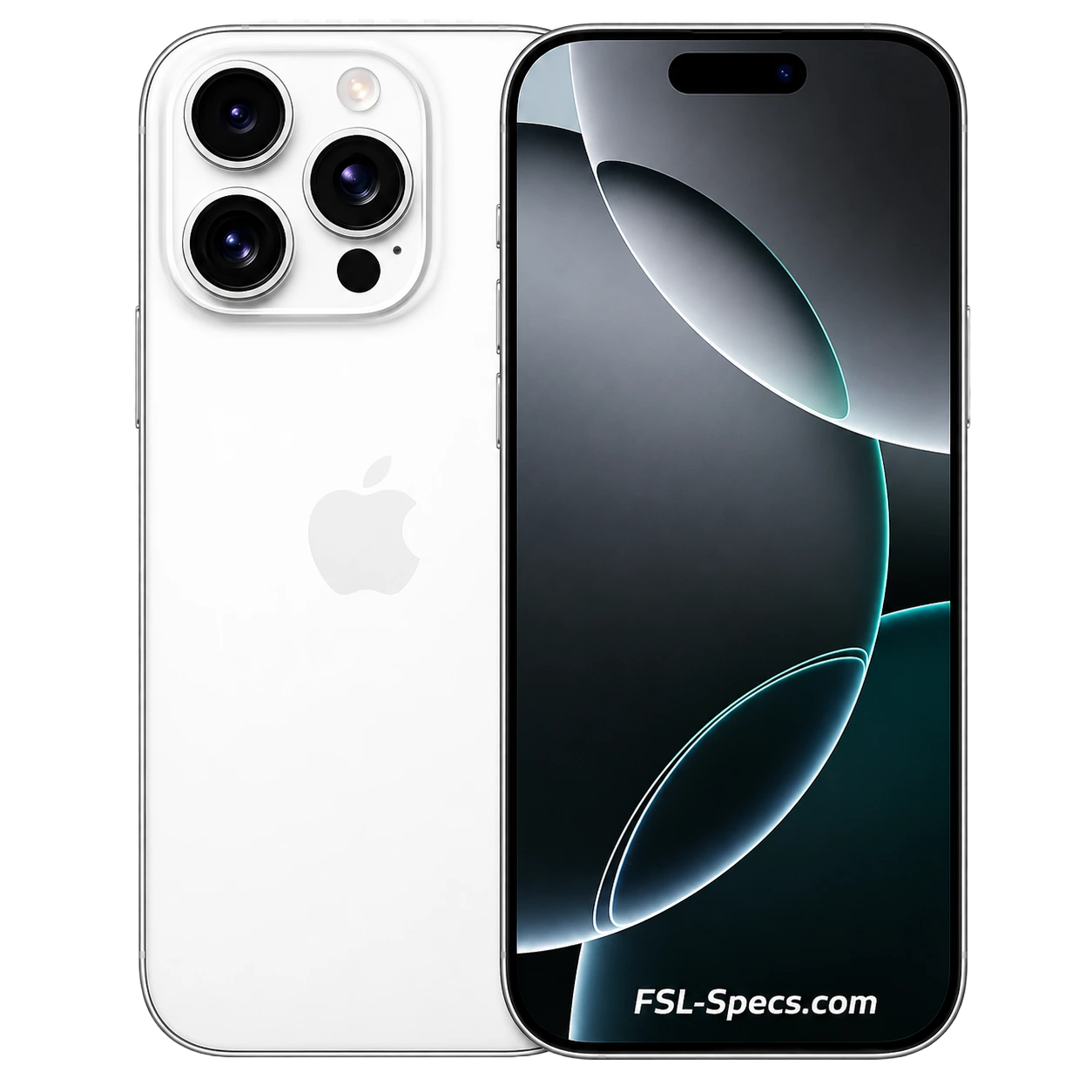


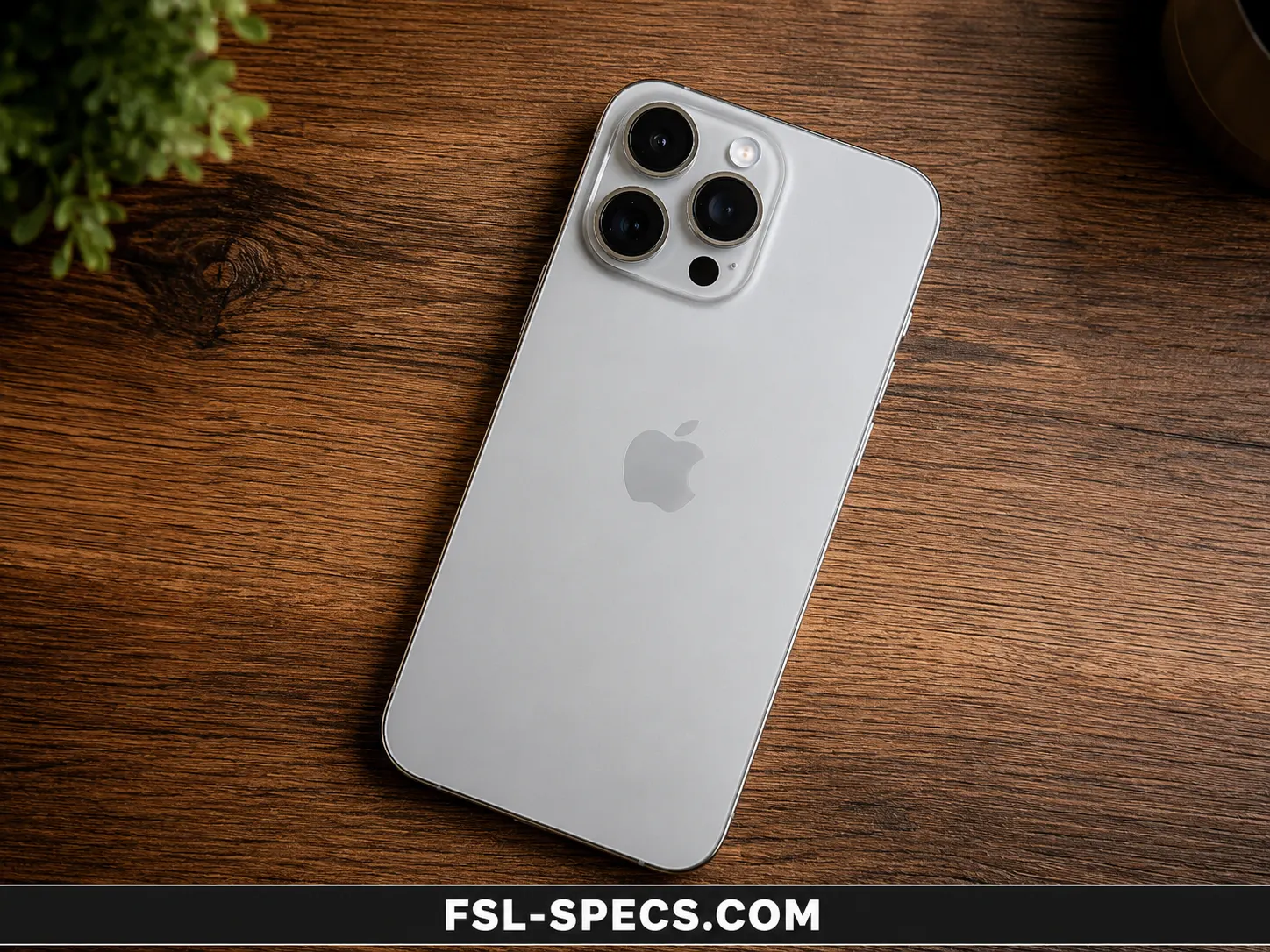
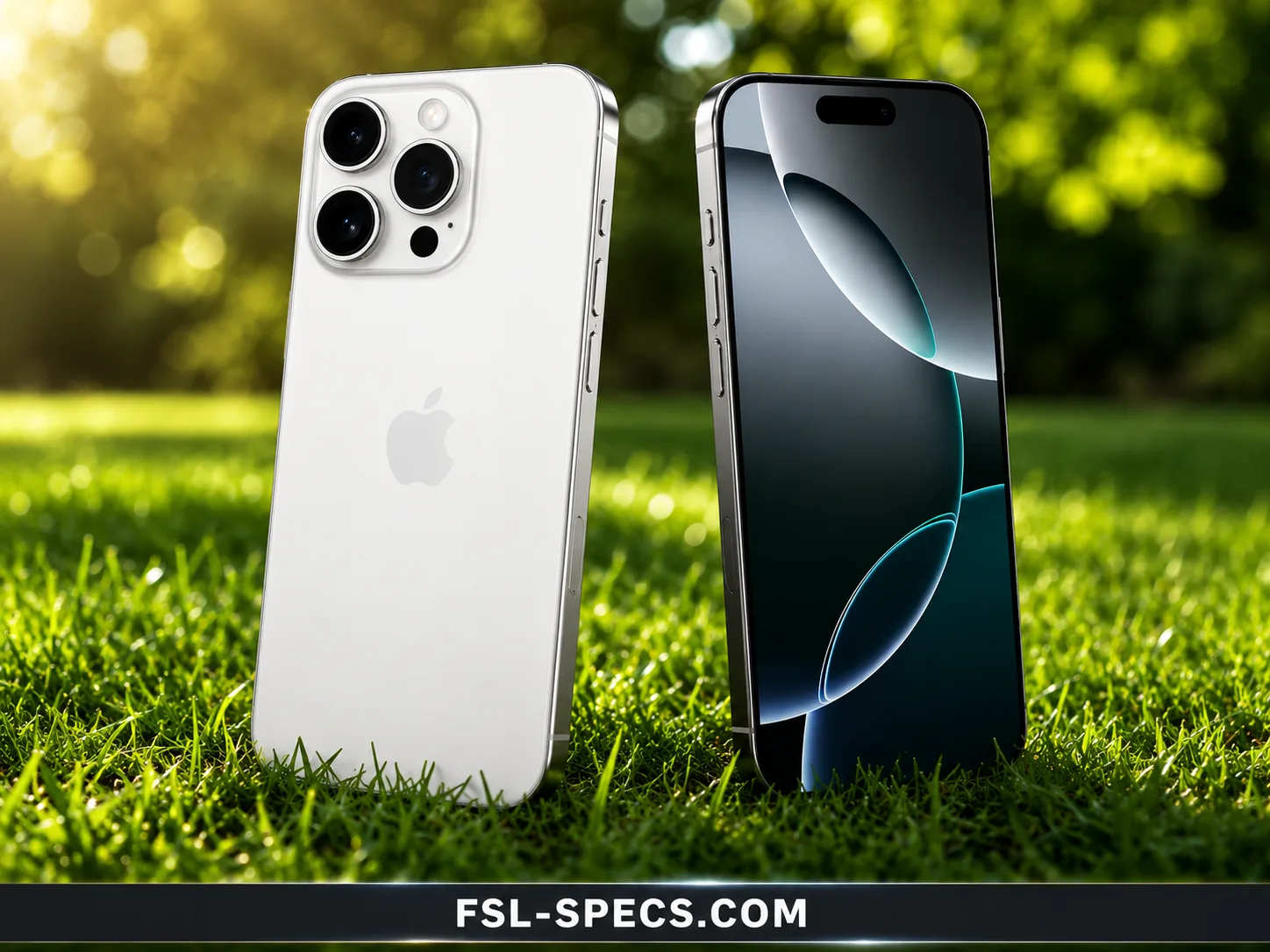







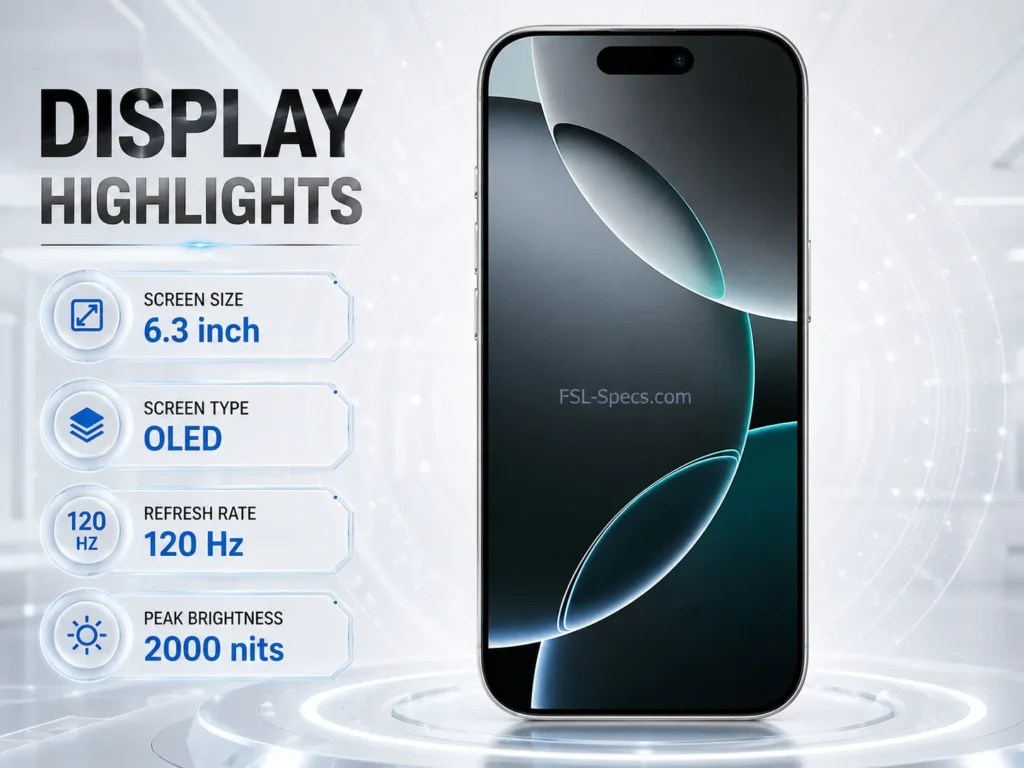
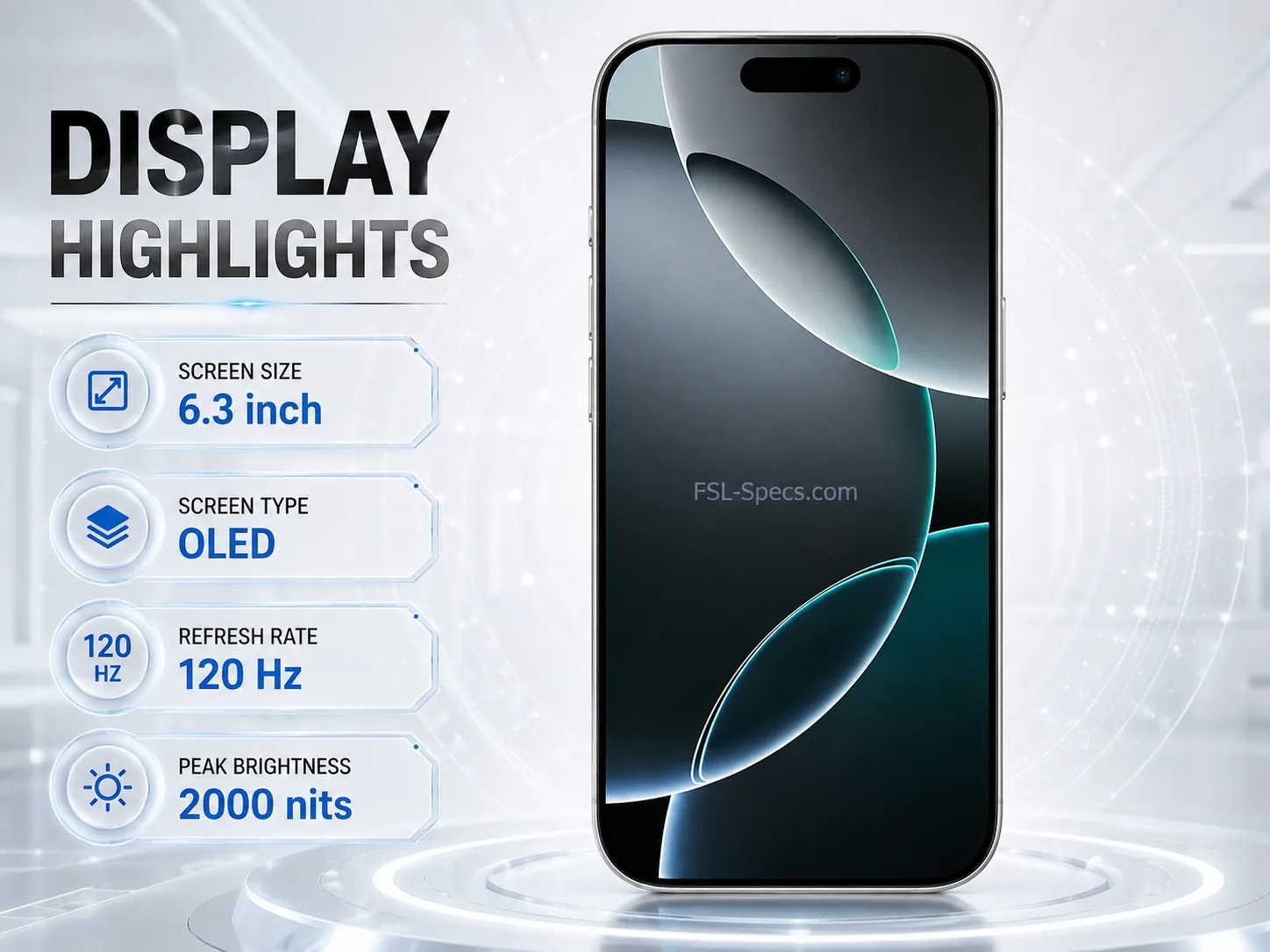
The iPhone 16 Pro uses a 6.3-inch Super Retina XDR OLED display with 2622 × 1206 resolution, 460 ppi, and adaptive ProMotion up to 120Hz. Apple rates it at 1,000 nits typical brightness, 1,600 nits HDR peak, and 2,000 nits outdoor peak, with Always-On display, HDR, True Tone and P3 wide color. Its LTPO panel gives it a smooth adaptive refresh rate, while the compact 6.3-inch size makes it easier to handle than the larger Samsung displays.
The Samsung Galaxy S24 Ultra has a substantially larger 6.8-inch Dynamic AMOLED 2X display with 3120 × 1440 QHD+ resolution, 120Hz adaptive refresh rate, and 2,600 nits peak brightness. The higher resolution and roughly 505 ppi density give it a clear sharpness advantage over the iPhone 16 Pro, while Samsung’s anti-reflective Gorilla Armor also improves outdoor readability.
The Samsung Galaxy S26 Plus steps up to a 6.7-inch Dynamic AMOLED 2X panel with 3120 × 1440 QHD+ resolution and 120Hz refresh rate. Samsung lists 2,600 nits peak brightness, while GSMArena measured the panel at around 755 nits with its standardized maximum-brightness test and described the LTPO display as highly capable. Its combination of QHD+ resolution, high pixel density and adaptive refresh makes it one of the strongest displays in this comparison.
The Samsung Galaxy S26 Ultra is the largest and highest-end panel here, featuring a 6.9-inch Dynamic AMOLED 2X display at 3120 × 1440 QHD+, 120Hz and 2,600 nits peak brightness. GSMArena measured more than 2,800 nits on a 10% test pattern and found the new anti-reflective coating significantly improves outdoor legibility. The built-in Privacy Display is another practical advantage that none of the other phones in this comparison offers.
Verdict: Samsung Galaxy S26 Ultra wins the overall display comparison with its 6.9-inch QHD+ 120Hz AMOLED, 2,600-nit brightness and Privacy Display, followed closely by Galaxy S24 Ultra and S26 Plus; the iPhone 16 Pro remains excellent for users who prefer a compact 6.3-inch LTPO OLED, but its smaller FHD-class resolution gives Samsung a clear advantage in this group.