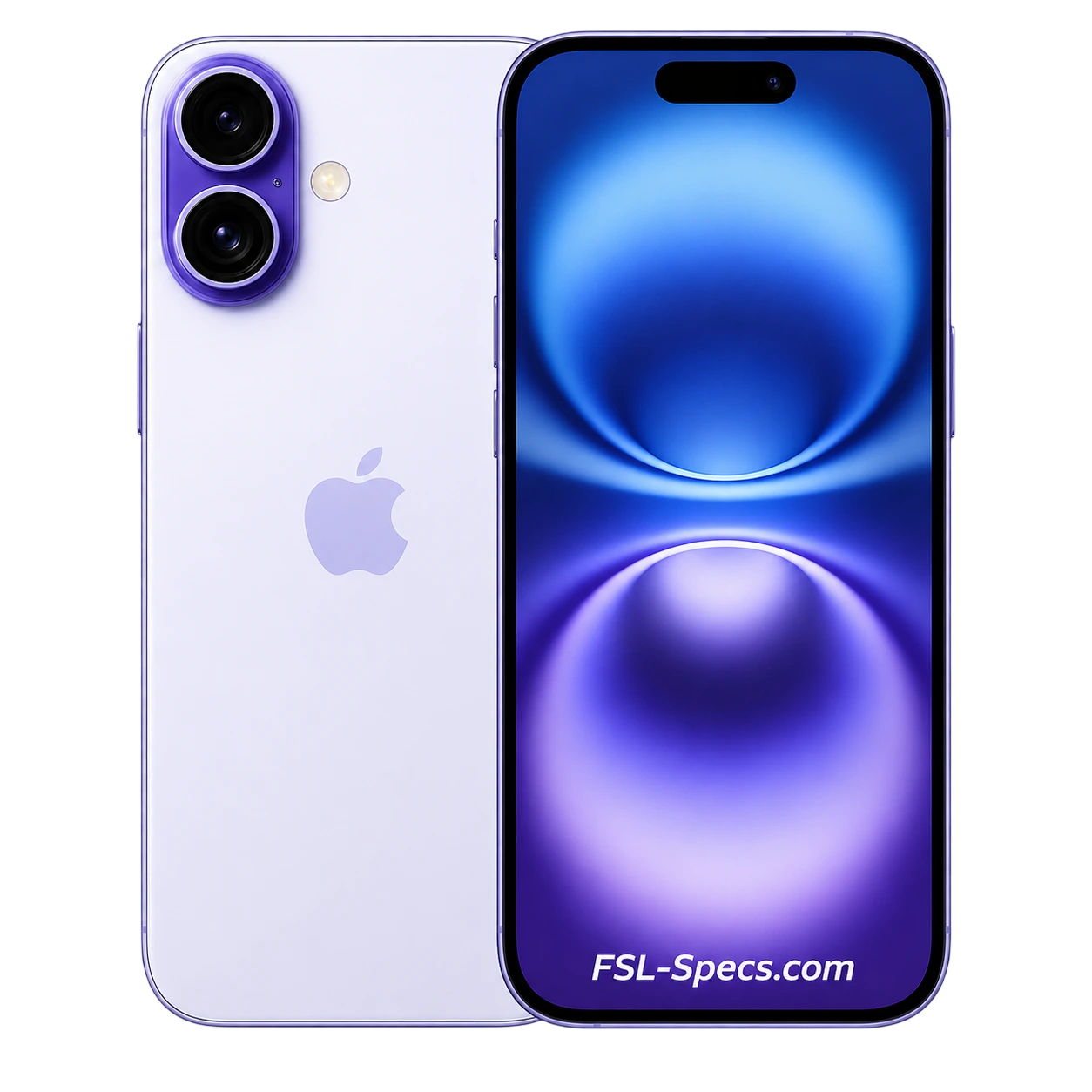
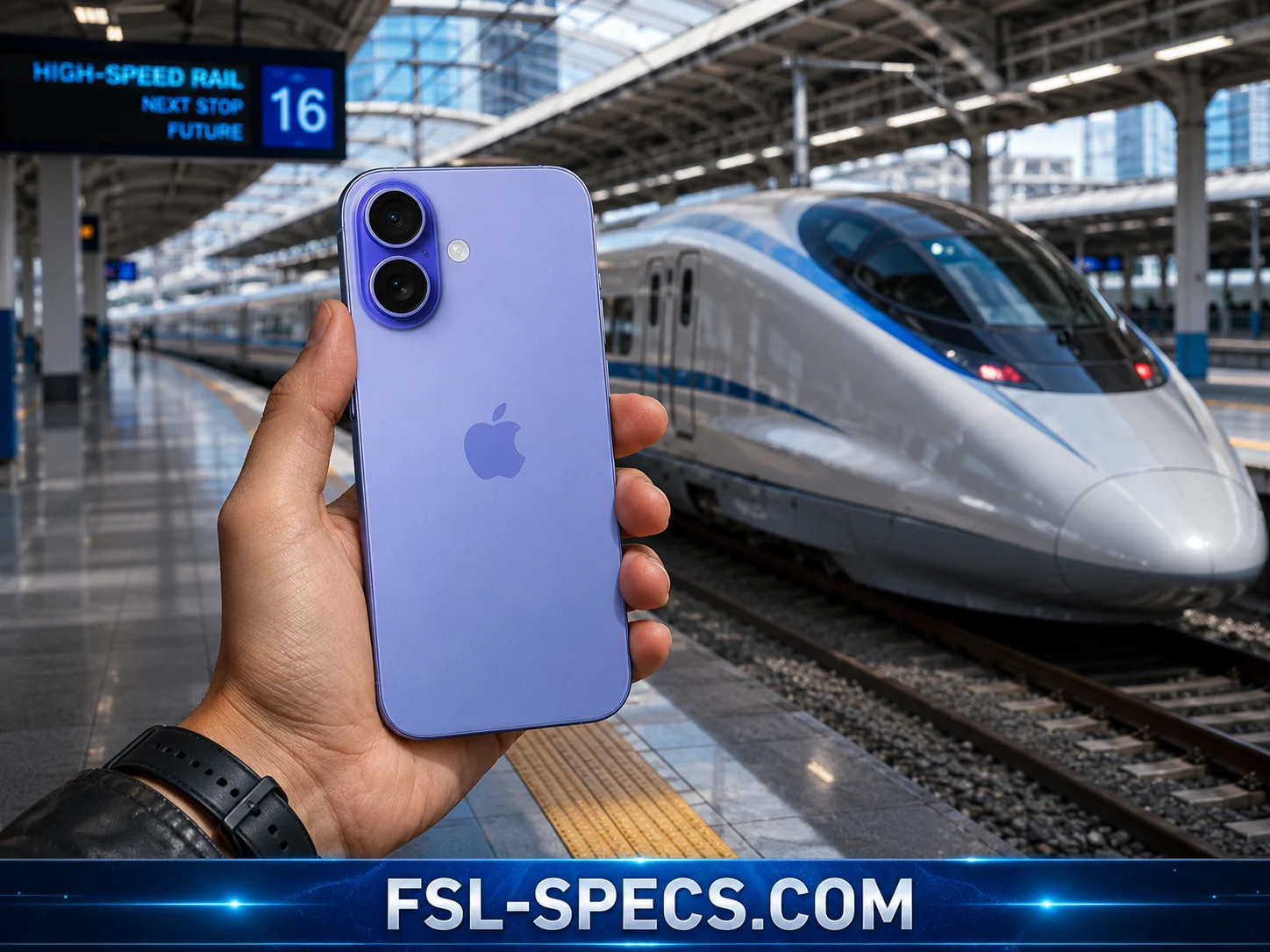
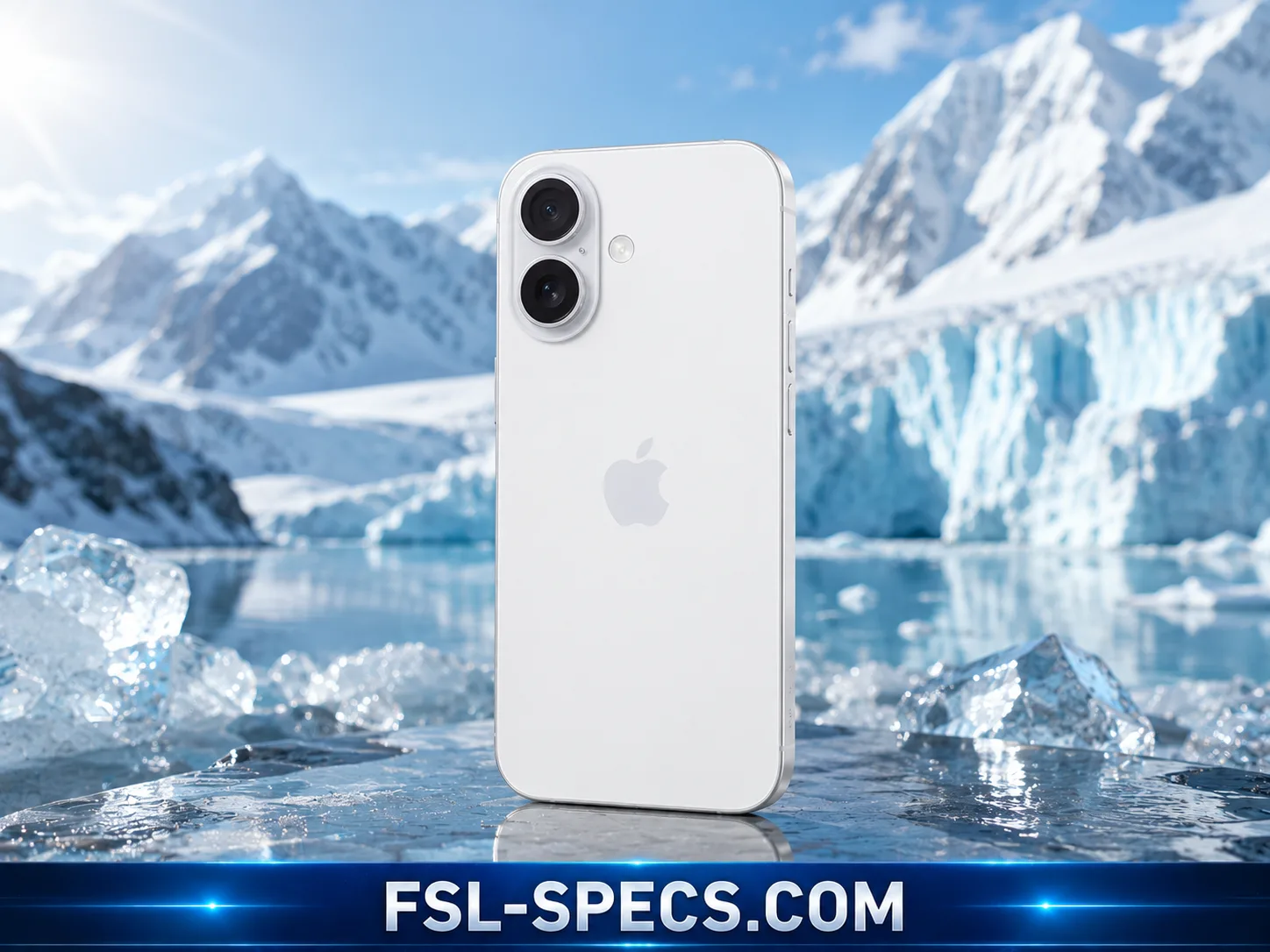
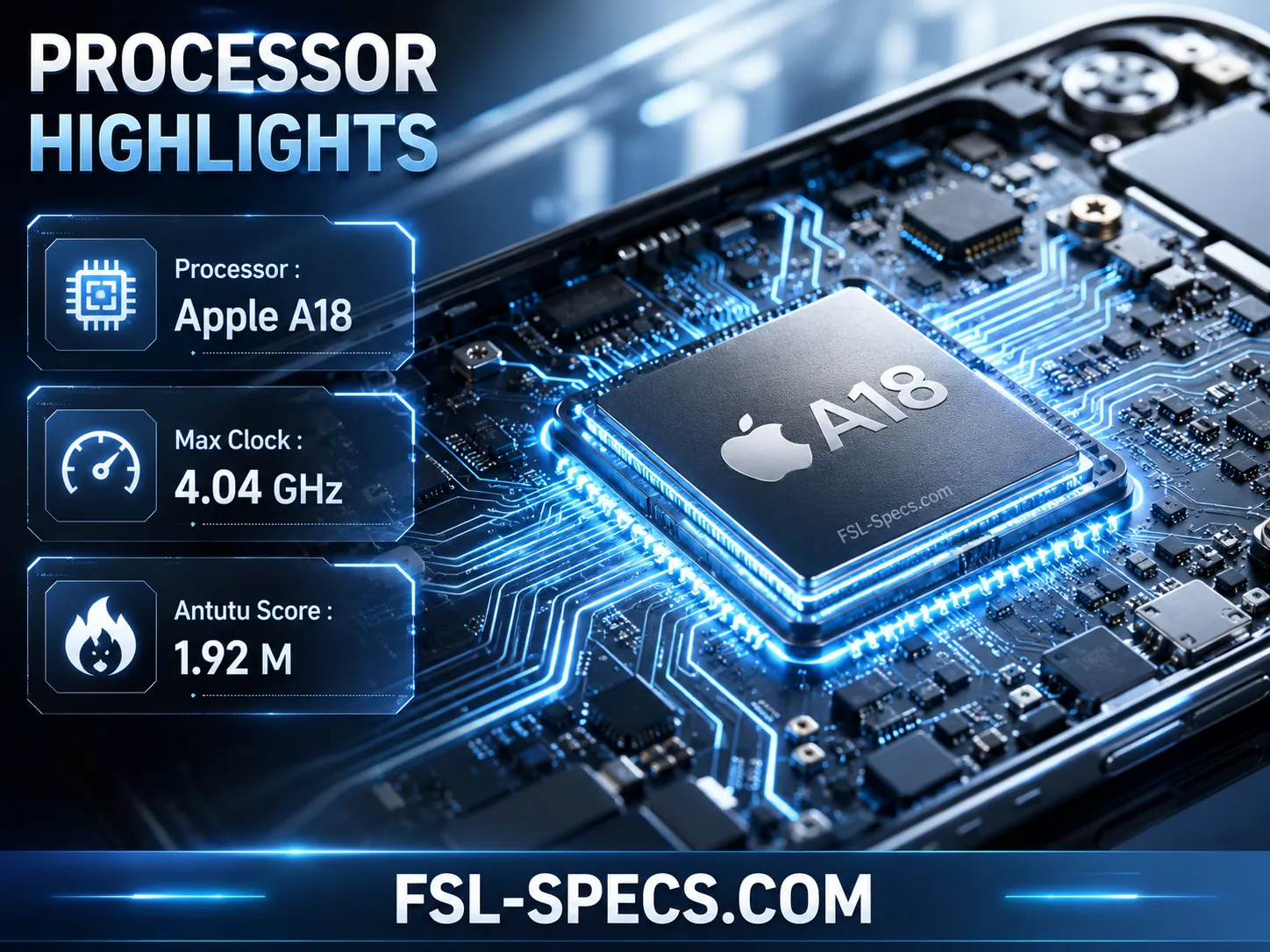
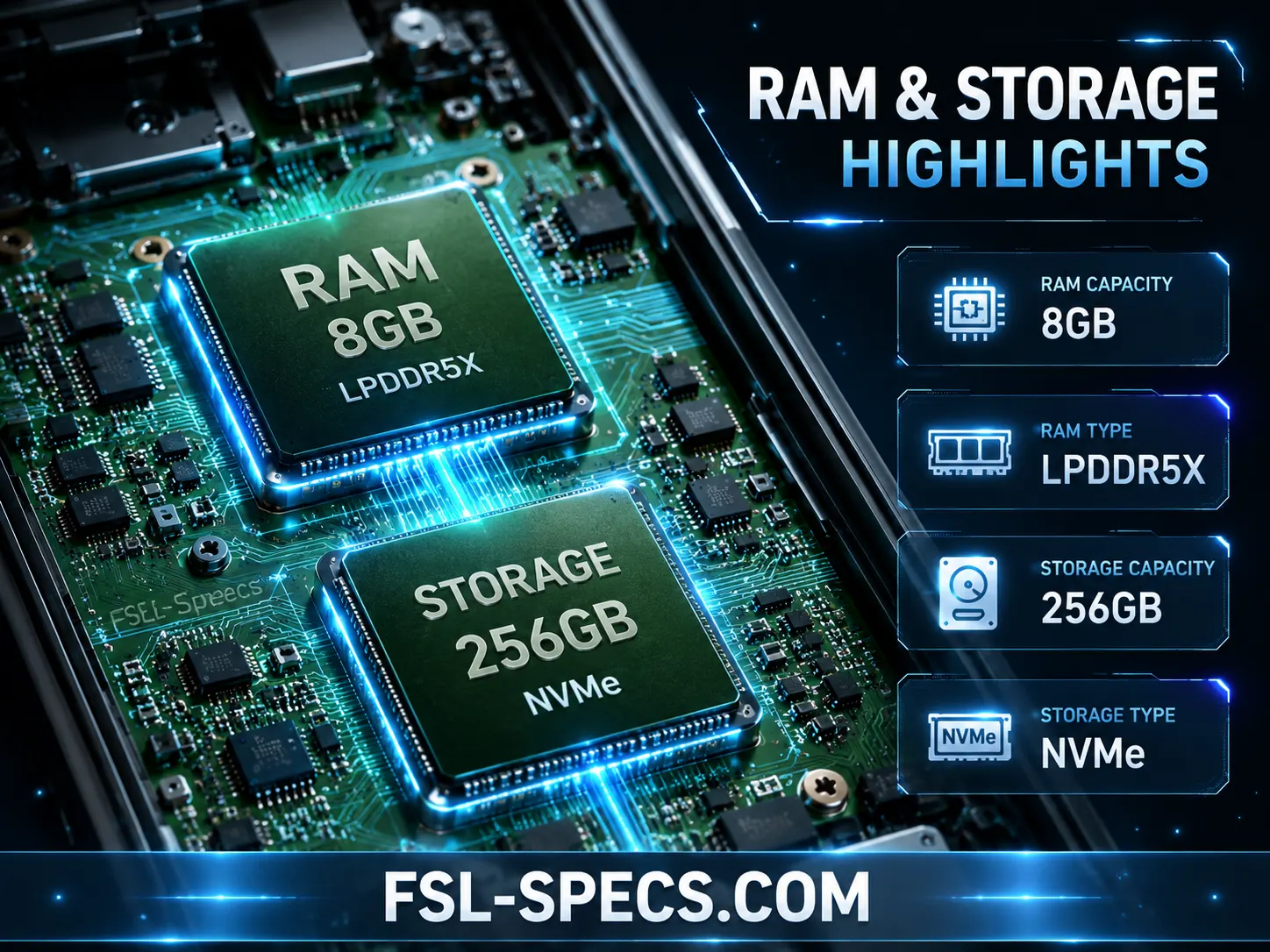
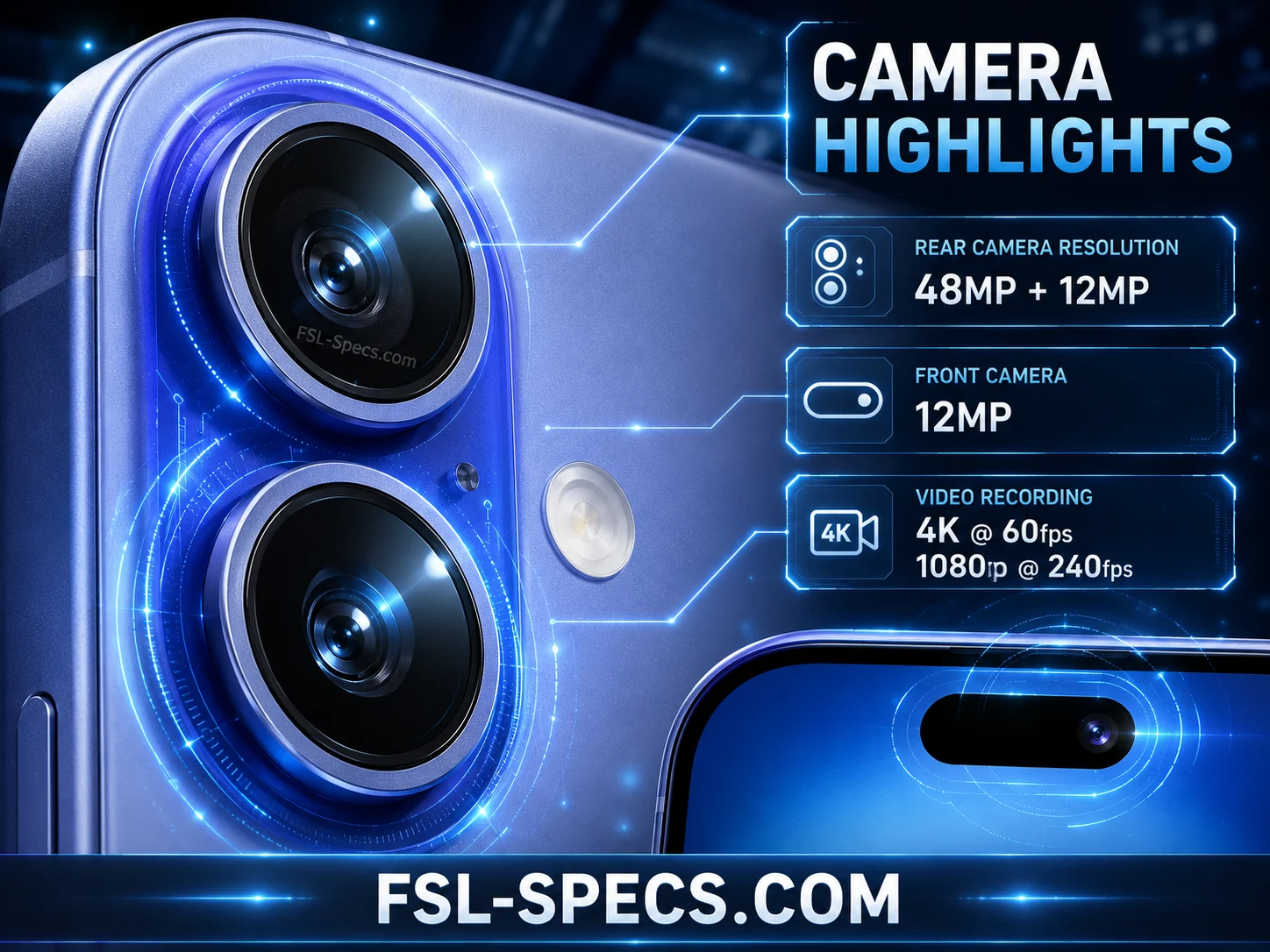
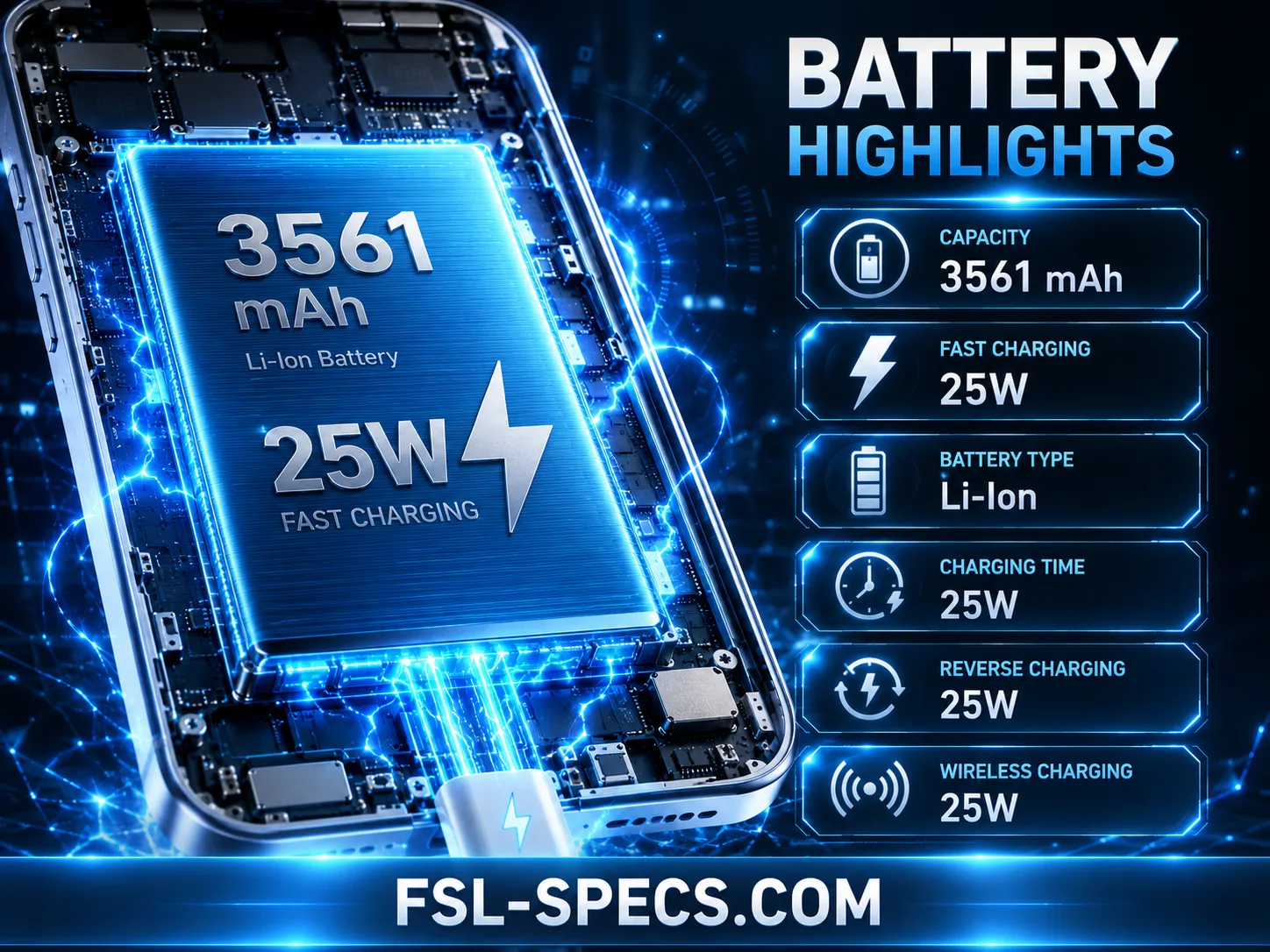
The iPhone 16 is powered by Apple’s A18 (3nm) chipset with a 6-core CPU (2x Everest at 4.05GHz + 4x Sawtooth at 2.42GHz) and 5-core Apple GPU, scoring ~1,586,555 to 1,982,709 points on AnTuTu v11, with Geekbench 6 single-core at ~3,428 and multi-core at ~8,502, making it the slowest in raw AnTuTu scores but highly efficient for iOS optimization and sustained performance.browser.geekbench+7
The Samsung Galaxy S24 Ultra uses the Snapdragon 8 Gen 3 for Galaxy (4nm) chipset with an octa-core CPU (1x 3.39GHz + 3x 3.15GHz + 4x 2.27GHz) and Adreno 750 GPU, scoring ~1,915,536 to 2,026,663 points on AnTuTu v11, with Geekbench 6 single-core at ~2,272 and multi-core at ~7,191, making it competitive with the iPhone 16 in raw AnTuTu scores but slower in single-core Geekbench, with strong sustained performance and One UI 6.1 optimization.gsmarena+6
The Samsung Galaxy S26 Plus comes in two variants: the Snapdragon 8 Elite Gen 5 (3nm) model scores ~2,790,237 to 4,408,019 points on AnTuTu v11 (depending on RAM/storage configuration), while the Exynos 2600 (2nm) variant scores ~3,157,198 points, with Geekbench 6 single-core at ~2,777 and multi-core at ~9,718, making the Snapdragon variant competitive with the RedMagic 11 Pro but the Exynos variant slower in raw scores, though both offer strong sustained performance with One UI 8.5 optimization.
The ZTE Nubia RedMagic 11 Pro is powered by the Snapdragon 8 Elite Gen 5 (3nm) chipset with an octa-core CPU (1x 4.61GHz + 3x 3.8GHz + 4x 3.0GHz) and Adreno 840 GPU, scoring ~4,113,275 to 4,118,059 points on AnTuTu v11, the highest in this group, with Geekbench 6 single-core at ~3,793 and multi-core at ~10,000+, making it the fastest for raw AnTuTu scores, gaming, and sustained performance, thanks to its liquid cooling system and REDMAGIC RedCore R4 optimization.gsmarena+5
Processor & AnTuTu v11 Comparison Table
AnTuTu v11 Percentage Difference
ZTE Nubia RedMagic 11 Pro vs iPhone 16: +108–160% faster (4.11–4.12M vs 1.59–1.98M average)
ZTE Nubia RedMagic 11 Pro vs Samsung Galaxy S24 Ultra: +103–115% faster (4.11–4.12M vs 1.92–2.03M average)
ZTE Nubia RedMagic 11 Pro vs Samsung Galaxy S26 Plus (Snapdragon): -7–48% slower (4.11–4.12M vs 2.79–4.4M average)
ZTE Nubia RedMagic 11 Pro vs Samsung Galaxy S26 Plus (Exynos): +30% faster (4.11–4.12M vs 3.16M average)
Samsung Galaxy S26 Plus (Snapdragon) vs iPhone 16: +41–78% faster (2.79–4.4M vs 1.59–1.98M average)
Samsung Galaxy S26 Plus (Snapdragon) vs Samsung Galaxy S24 Ultra: +38–78% faster (2.79–4.4M vs 1.92–2.03M average)
Samsung Galaxy S26 Plus (Exynos) vs iPhone 16: +59–99% faster (3.16M vs 1.59–1.98M average)
Samsung Galaxy S26 Plus (Exynos) vs Samsung Galaxy S24 Ultra: +56–65% faster (3.16M vs 1.92–2.03M average)
Samsung Galaxy S24 Ultra vs iPhone 16: +2–21% faster (1.92–2.03M vs 1.59–1.98M average)
Verdict
The ZTE Nubia RedMagic 11 Pro leads in raw AnTuTu v11 scores (~4.11–4.12M points) and gaming performance, making it the best choice for users who prioritize peak performance, graphics-intensive tasks, and sustained gaming sessions. The Samsung Galaxy S26 Plus (Snapdragon) offers competitive performance (~2.79–4.4M points) with strong multitasking and One UI optimization, while the Samsung Galaxy S26 Plus (Exynos) provides balanced performance (~3.16M points) with a newer 2nm process.
The Samsung Galaxy S24 Ultra trails with ~1.92–2.03M points but remains competitive for everyday use and productivity, while the iPhone 16 is the slowest in raw AnTuTu scores (~1.59–1.98M points) but offers excellent iOS optimization and sustained performance. For Pakistani buyers, the ZTE Nubia RedMagic 11 Pro at PKR 310,000 offers the best value for gamers, while the iPhone 16 at PKR 360,000 justifies its premium for Apple ecosystem users, and the Samsung Galaxy S26 Plus at PKR 370,000 targets users who prioritize display sharpness and One UI optimization.