









✪ itel Power 80 ✪

itel Power 80 Specs, Price, Camera, Battery & Best Review (2026)
United States flag United States
$120 USD
Pakistan flag Pakistan (PKR)
37,000 PKR
India flag India (INR)
₹12,000 INR

✪ itel Power 80 ✪

itel Power 80 Specs, Price, Camera, Battery & Best Review (2026)
Last Time Update : 11 August, 2026
0

Quick Specifications

TFT IPS

Display Type

Unisoc T7250

Processor

4+128 GB

Ram And Memory

50 MP

Camera

7000 mAh

Battery

18 W

Fast Charging

Full Specification

BASIC INFO
Mobile
itel Power 80
Model
P685L
Series
P Series
Category
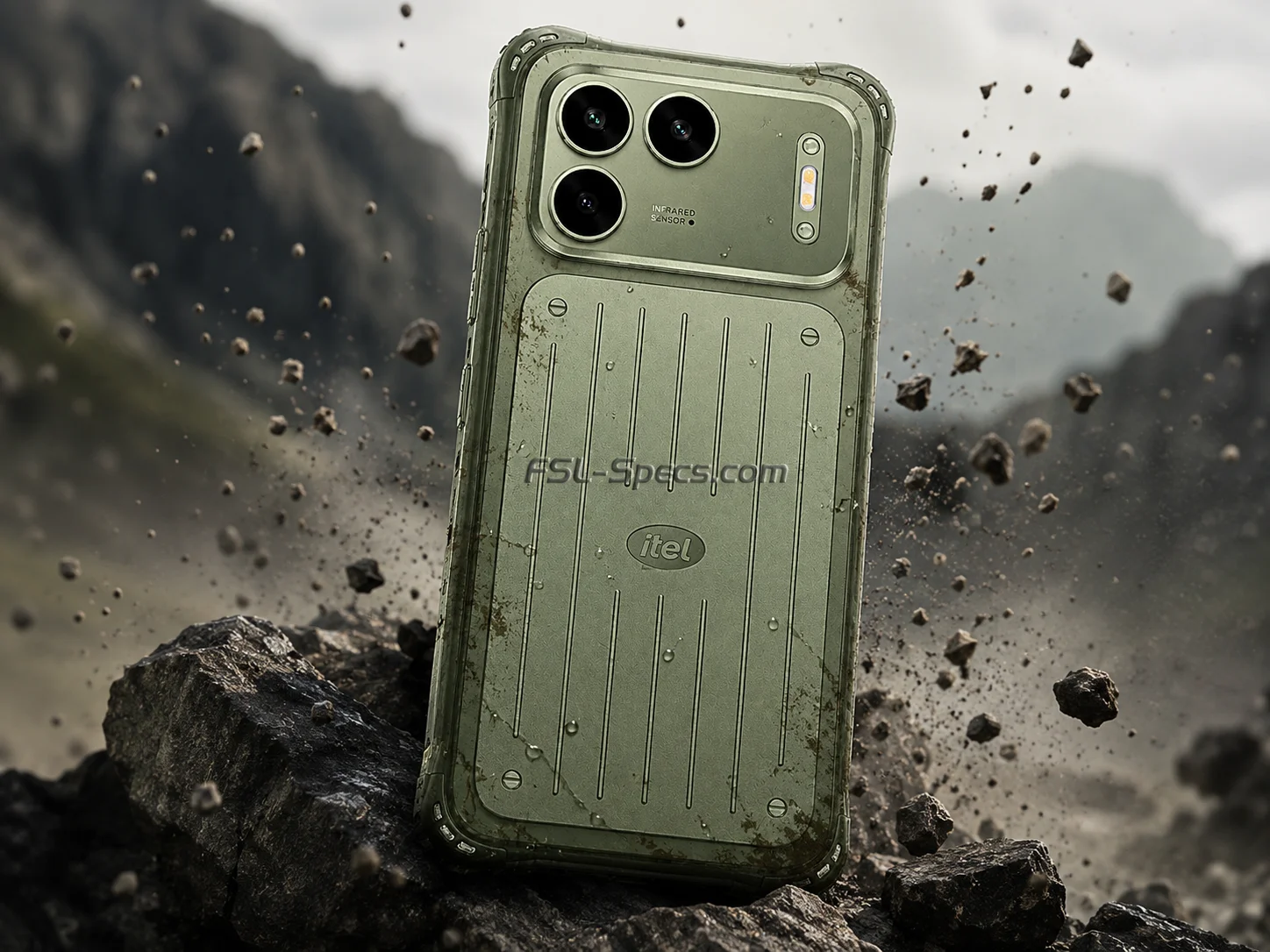
Budget Ruged
Release Date
9 June,2026
Year
2026
CONNECTIVITY
Sim
Dual Nano-SIM
Network
4G / 4G+
WiFi
Wi-Fi 5
Bluetooth
5.0
NFC
No
OS
Android 16
BODY
Dimensions
Not Confirm
Build
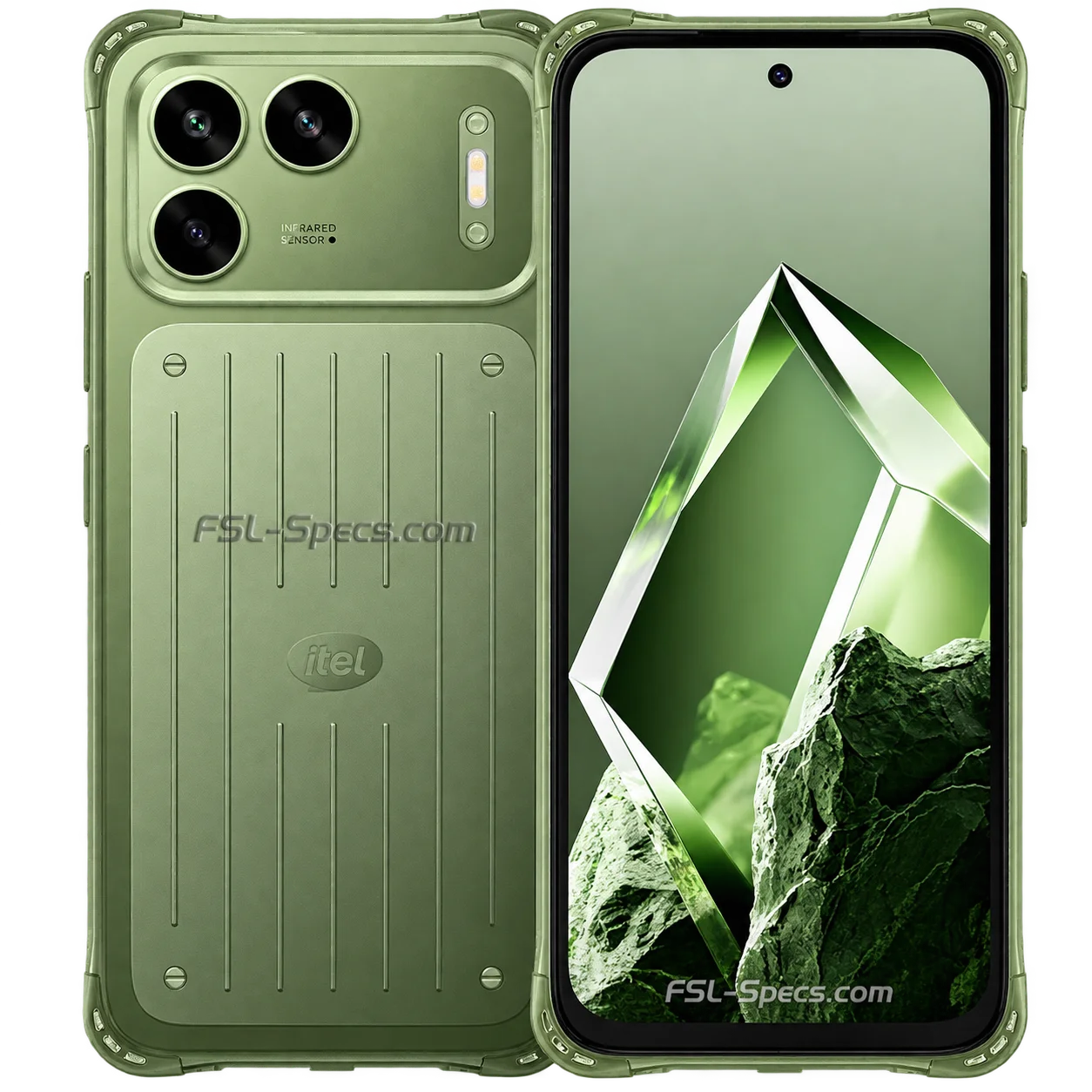
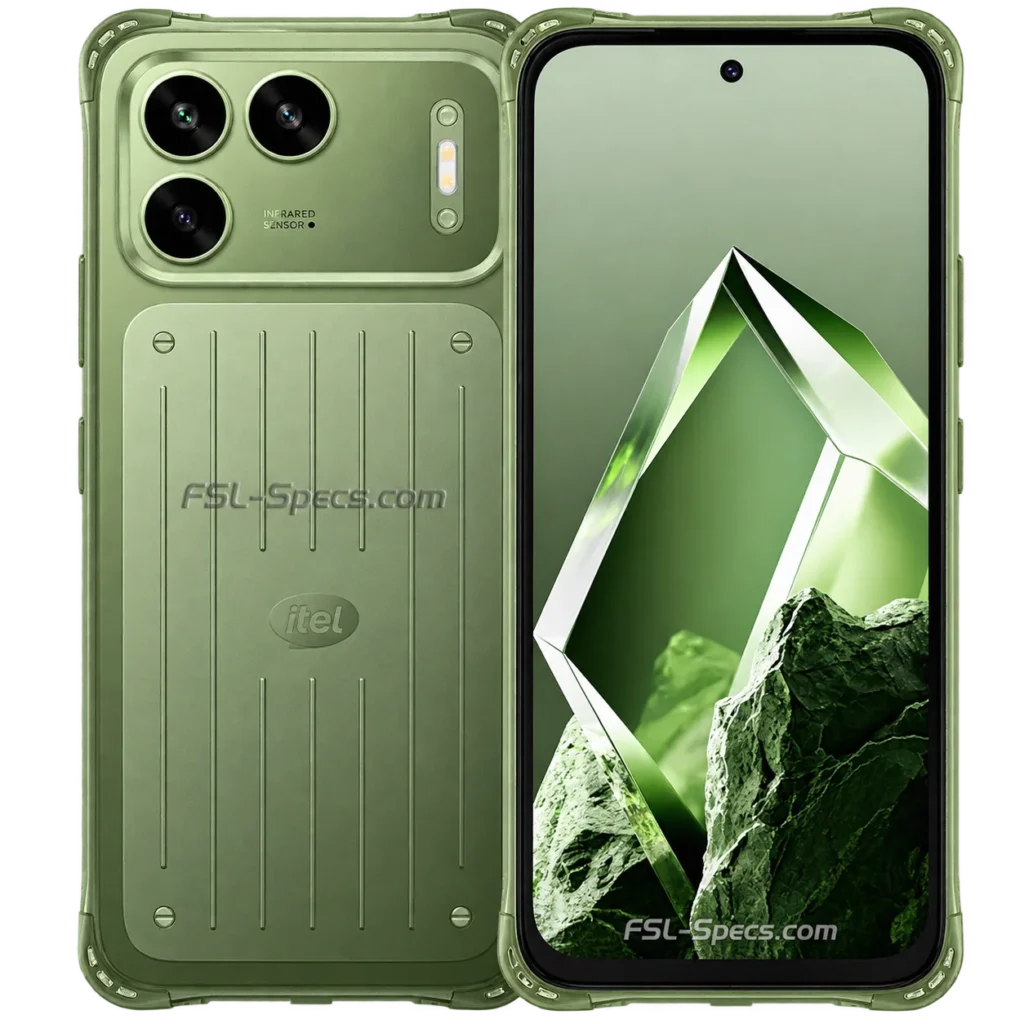
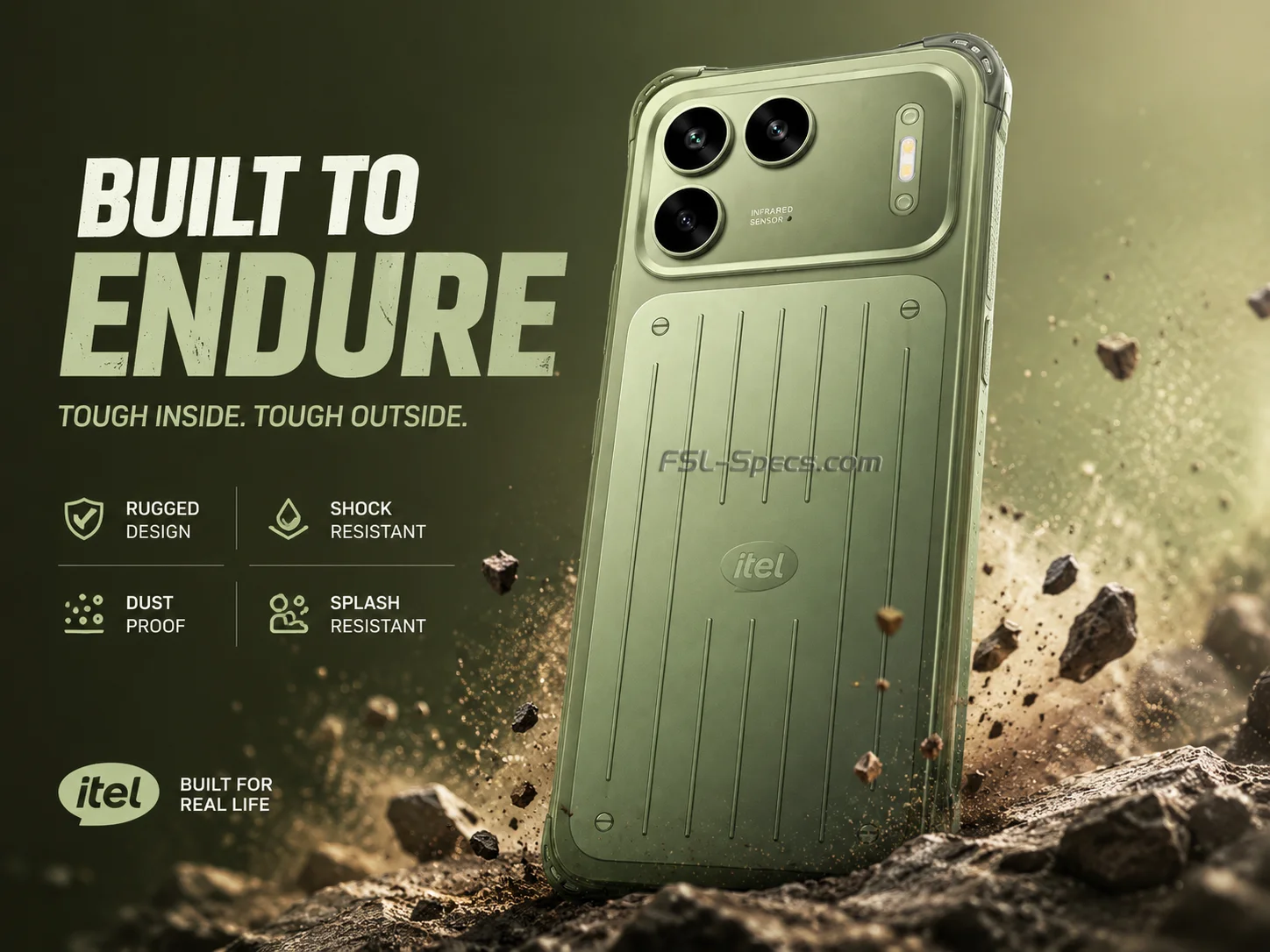
Plastic rugged cage-frame design and TPU-cushioned corners
KG Weight
210 g
Screen Size
6.78 inch
Resolution
720 × 1600 pixels
Type
TFT IPS
Refresh Rate
120 Hz
Peak Brightness
Not Confirm
HBM Brightness
700 Nits
Processor
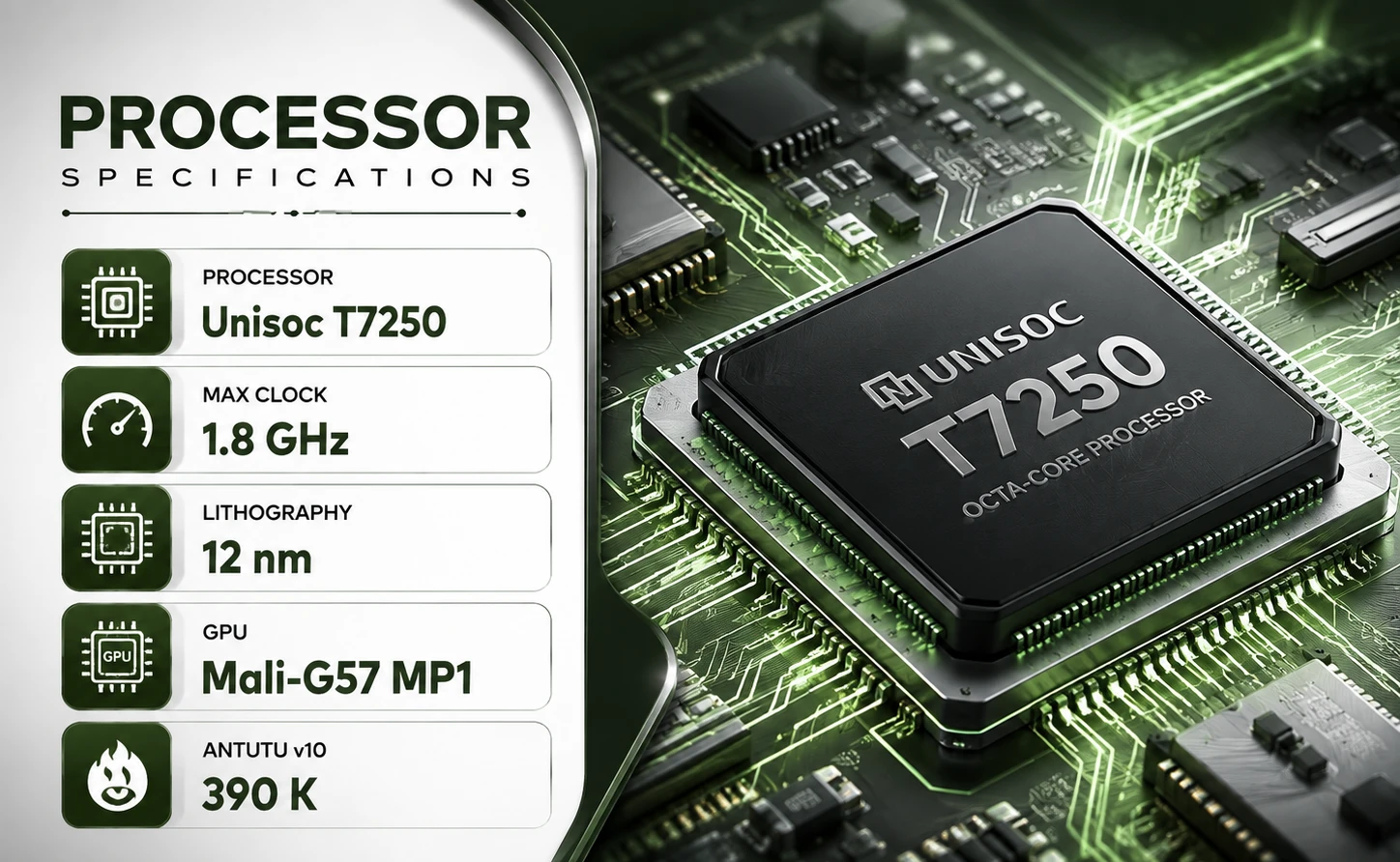
Unisoc T7250
Max Clock
1.8 GHz
Lithography
12 nm
GPU
Mali-G57 MP1
CPU Cores
8 Cores
Antutu v11
Not Confirm
Antutu v10
390 K
Bootup Time
-
Architecture
2×1.8 GHz Cortex-A75
6×1.6 GHz Cortex-A55
Ram Memory
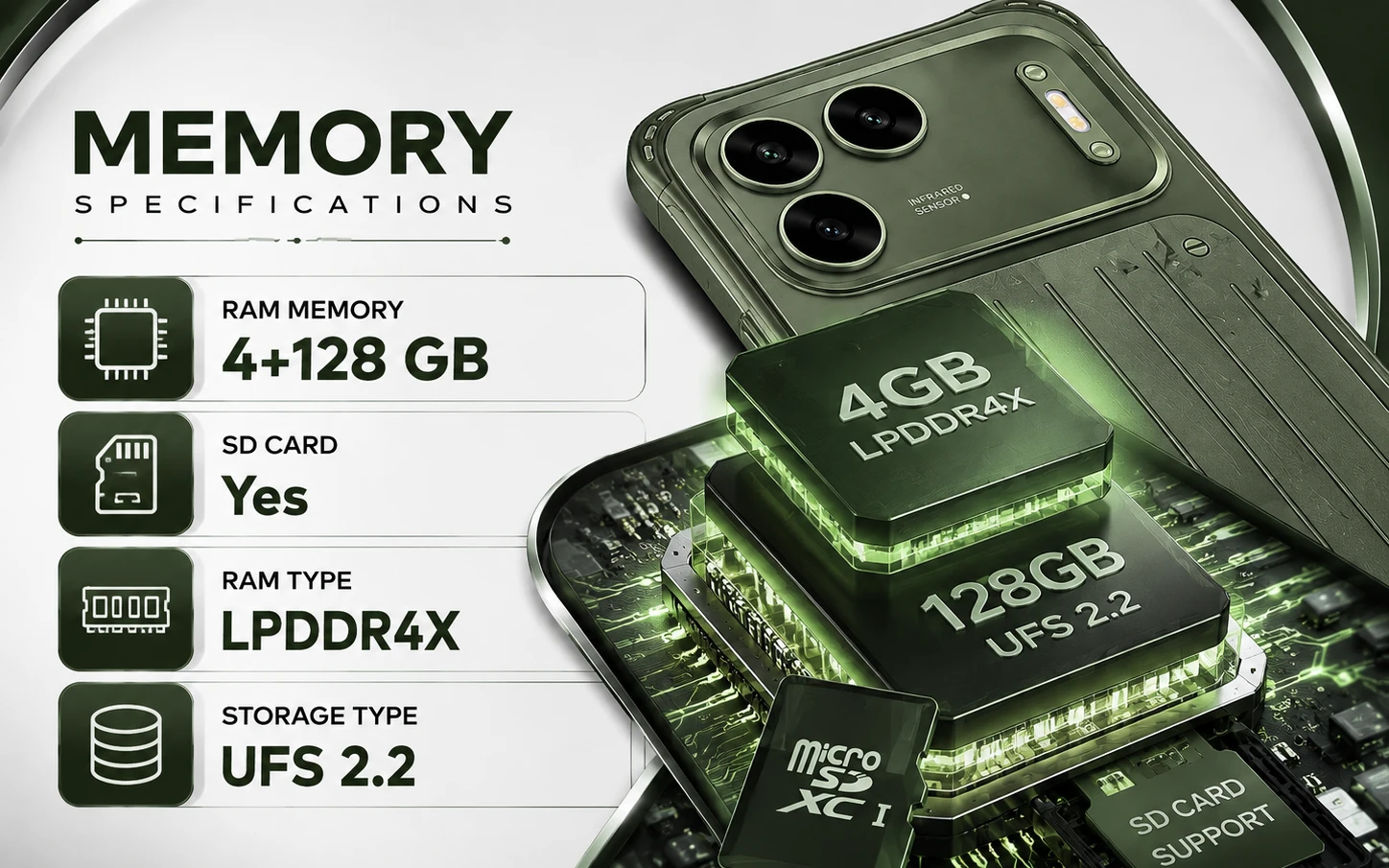
4+128 GB
Ram Type
LPDDR4X
Storage Type
UFS 2.2
SD Card
Yes
Variants
4 + 64GB
4 + 128GB
6 + 128GB
MP
Rear Camera
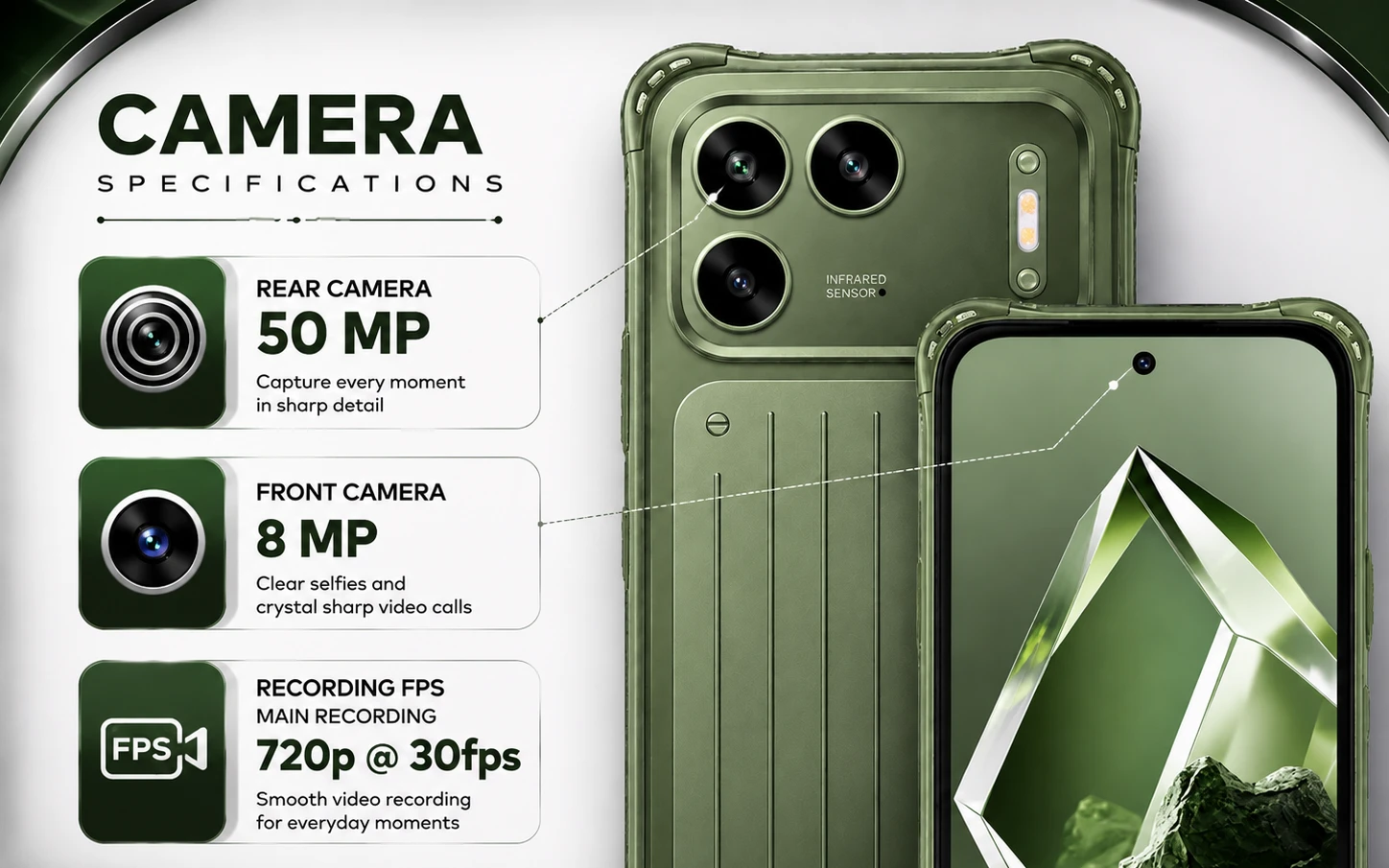
50 MP
Front Camera
8 MP
SENSORS
Camera Sensors
_
Front Sensors
RECORDING FPS
Main Recording
720p @ 30fps
Front Recording
720p@ 30fps
RESOLUTION
Main Resolution
8160 × 6144 Pixels
Front Resolution
3,266 × 2,449 Pixels
ZOOM
Optical Zoom
-
D Digital Zoom
Not Confirm
Stabilization
No
FLASH
Flash
LED Flash
Front Flash
-
Capacity
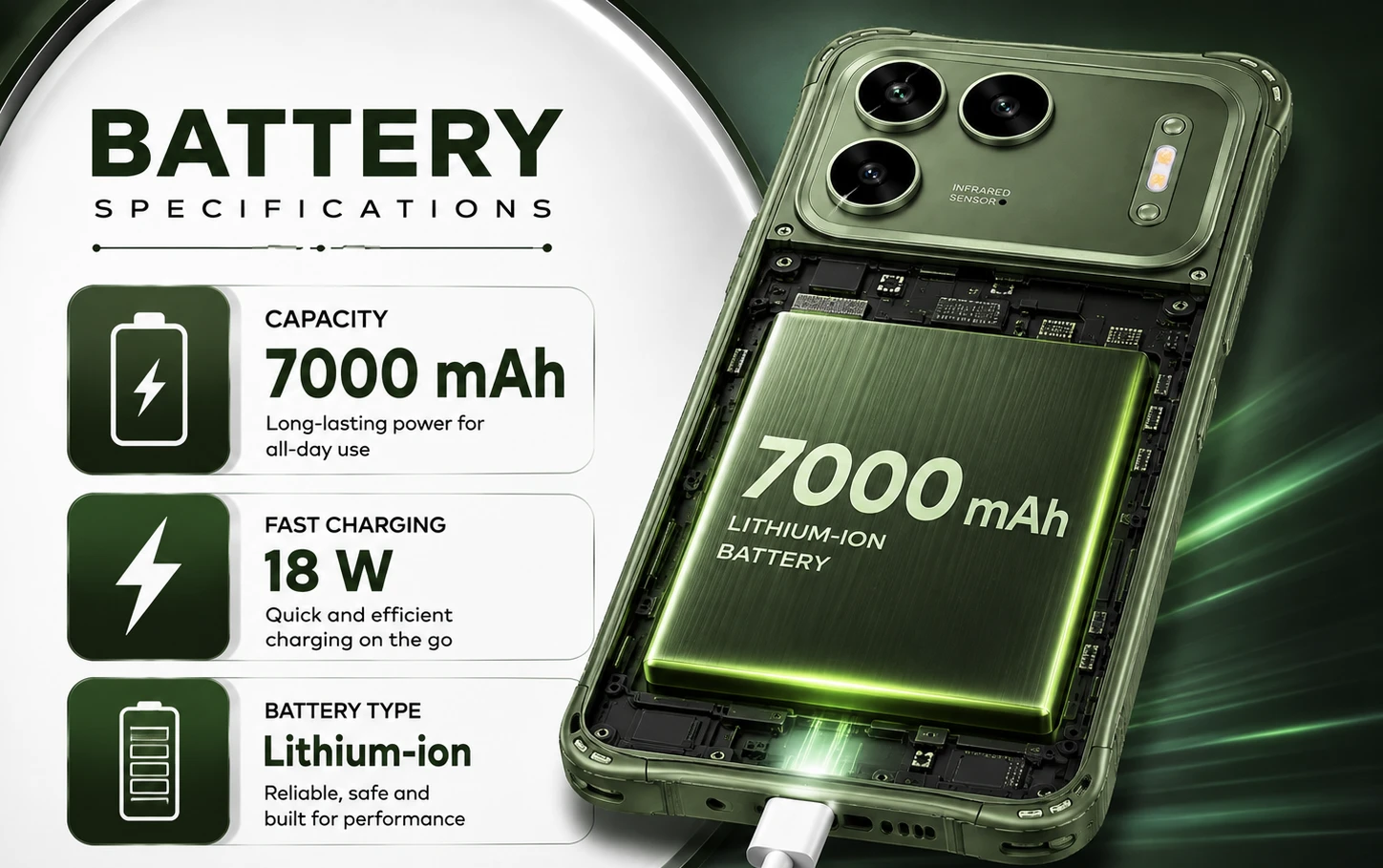
7000 mAh
Fast Charging
18 W
Wireless Charging
No
Li Battery Type
Lithium-ion
REVERSE
Reverse Wired
No
Reverse Wireless
No
OTHER
Battery PC Marks
-
Charging Time
-
AUDIO & SENSORS
Speaker
Single Mono Speaker
Fingerprint Sensor
Side Mounted
Other Sensors
Proximity
Accelerometer
Ambient Light
Face Unlock
Special Features

BASIC INFO
Mobile
itel Power 80
Model
P685L
Series
P Series
Category
Budget Ruged
Release Date
9 June,2026
Year
2026
CONNECTIVITY
Sim
Dual Nano-SIM
Network
4G / 4G+
WiFi
Wi-Fi 5
Bluetooth
5.0
NFC
No
OS
Android 16
BODY
Dimensions
Not Confirm
Build
Plastic rugged cage-frame design and TPU-cushioned corners
KG Weight
210 g
Screen Size
6.78 inch
Resolution
720 × 1600 pixels
Type
TFT IPS
Refresh Rate
120 Hz
Peak Brightness
Not Confirm
HBM Brightness
700 Nits
Processor
Unisoc T7250
Max Clock
1.8 GHz
Lithography
12 nm
GPU
Mali-G57 MP1
CPU Cores
8 Cores
Antutu v11
Not Confirm
Antutu v10
390 K
Bootup Time
-
Architecture
2×1.8 GHz Cortex-A75
6×1.6 GHz Cortex-A55
Ram Memory
4+128 GB
SD Card
Yes
Ram Type
LPDDR4X
Storage Type
UFS 2.2
Variants
4 + 64GB
4 + 128GB
6 + 128GB
MP
Rear Camera
50 MP
Front Camera
8 MP
SENSORS
Main Camera Sensors
_
Front Camera Sensors
RECORDING FPS
Main Recording
720p @ 30fps
Front Recording
720p@ 30fps
RESOLUTION
Main Resolution
8160 × 6144 Pixels
Front Resolution
3,266 × 2,449 Pixels
ZOOM
Optical Zoom
-
D Digital Zoom
Not Confirm
Stabilization
No
FLASH
Flash
LED Flash
Front Flash
-
Capacity
7000 mAh
Fast Charging
18 W
Wireless Charging
No
Li Battery Type
Lithium-ion
REVERSE
Reverse Wired
No
Reverse Wireless
No
OTHER
Battery Life PCMark
-
Charging Time
-
AUDIO & SENSORS
Speaker
Single Mono Speaker
Fingerprint Sensor
Side Mounted
Other Sensors
Proximity
Accelerometer
Ambient Light
Face Unlock
Special Features

Highlights & Review Of itel Power 80

Display Review:

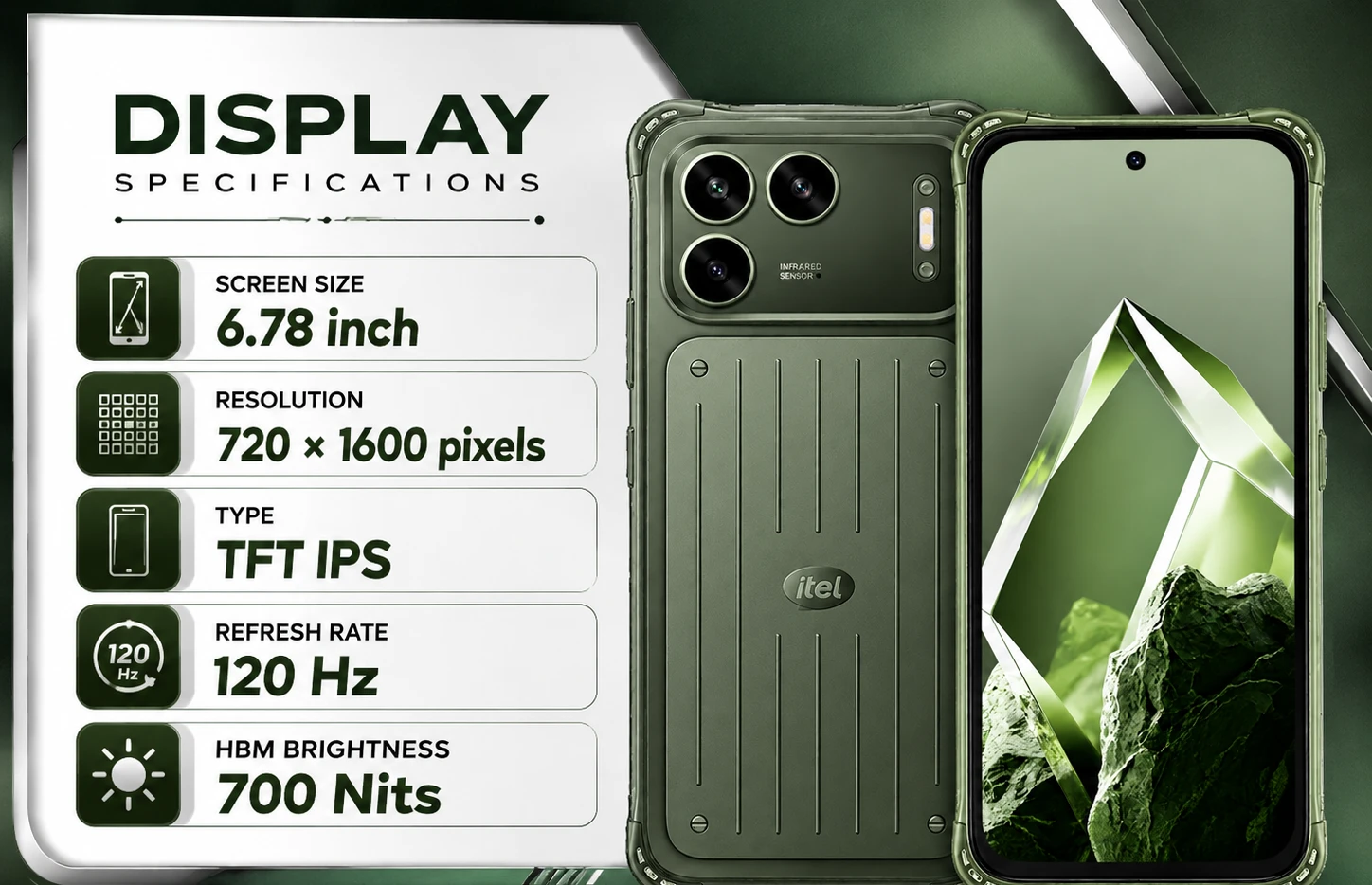
itel Power 80 Specifications – it features a 6.78-inch TFT IPS display with an HD+ 720 x 1600 pixel resolution and a 120Hz refresh rate, backed by a 700 nits HBM brightness rating. At PKR 37,000, it holds a solid middle ground in this comparison.

The ZTE Nubia V60 Design (PKR 32,000), the cheapest of the three, uses a smaller 6.6-inch IPS LCD at a similar 720 x 1612 resolution but only a 90Hz refresh rate, meaning scrolling and animations will feel noticeably less smooth than on the itel Power 80 despite the lower price. Brightness hasn’t been officially confirmed for the V60 Design, making it hard to judge its outdoor visibility against the other two.

The ZTE Nubia V80 Max (PKR 37,000), priced identically to the Power 80, goes bigger with a 6.9-inch IPS LCD panel, also at 720 x 1640 HD+ resolution and matching 120Hz refresh rate. Its 780 nits peak brightness claim edges out the Power 80’s 700 nits HBM rating on paper, though independent testing measured it closer to 682 nits in practice, suggesting the real-world gap between the two is smaller than marketing figures imply.

Verdict: Between the itel Power 80 and ZTE Nubia V80 Max, both matched on price and refresh rate, the difference comes down to screen size preference and marginal brightness gains that may not hold up outside lab conditions. The V60 Design undercuts both on price but trails on refresh rate, making it the better pick only for budget-first buyers who don’t mind slower scrolling.

Processor Review:

The itel Power 80 runs on the Unisoc T7250, a 12nm chipset with two Cortex-A75 cores at 1.8GHz and six Cortex-A55 cores at 1.6GHz, paired with a Mali-G57 MP1 GPU, scoring around 390K in AnTuTu v10. At PKR 37,000, this places it in the same performance class as the ZTE Nubia V80 Max (PKR 37,000), which uses the identical Unisoc T7250 chipset, meaning the two phones should perform almost identically in everyday tasks, app switching, and casual gaming despite their different screen sizes and camera setups.

The ZTE Nubia V60 Design (PKR 32,000) is a clear step down, running on the older Unisoc T606, also a 12nm chip but with both Cortex-A75 cores clocked lower at 1.6GHz, paired with the same Mali-G57 MP1 GPU. Independent benchmarks place the T606 in the 220K-260K AnTuTu v10 range, meaningfully behind the T7250’s 390K, so the V60 Design will feel noticeably slower when multitasking or loading heavier apps, even though its lower price partly explains the gap.

Verdict: The itel Power 80 and ZTE Nubia V80 Max are essentially tied on raw processing power, since they share the exact same chipset, so the choice between them should come down to display size, camera, and battery rather than performance. The ZTE Nubia V60 Design offers real savings at PKR 32,000, but buyers should expect a genuinely slower day-to-day experience in exchange for that lower price, not just a marginal difference.

Ram & Memory Review:

The itel Power 80 offers 4GB RAM + 128GB storage as its main variant, using LPDDR4X RAM and UFS 2.2 storage with microSD support. At PKR 37,000, it trails both rivals on maximum RAM capacity.

The ZTE Nubia V80 Max (PKR 37,000), priced identically, jumps to 8GB RAM paired with 128GB or 256GB storage, giving it double the memory headroom of the Power 80’s base configuration, and it also retains microSDXC expansion.

The ZTE Nubia V60 Design (PKR 32,000) sits in between with 4GB or 6GB RAM and 256GB storage, also supporting microSD expansion through a shared SIM slot.

Verdict: For sheer RAM capacity, the ZTE Nubia V80 Max is the clear winner here, offering 8GB as standard while the itel Power 80 tops out at 6GB in its highest configuration.The V60 Design’s 256GB storage at PKR 32,000 is worth noting for anyone who prioritizes storage space over RAM, though its lower RAM ceiling makes it less future-proof for multitasking than either of the other two.Buyers who multitask heavily or keep many apps running should lean toward the V80 Max, while the itel Power 80 remains adequate for light, casual use. 

Cameras Review:

itel Power 80 Review – it uses a 50MP rear camera with an undisclosed sensor and no stabilization, paired with an 8MP front camera. Video recording is limited to 720p@30fps on both cameras, the weakest video specs in this comparison. At PKR 37,000, this puts it behind both rivals on camera hardware transparency and video quality.

The ZTE Nubia V60 Design (PKR 32,000) offers a confirmed 50MP main sensor at f/1.8 with PDAF autofocus, plus an auxiliary lens, and steps up to 1080p@30fps video recording, a genuine resolution jump over the Power 80 despite costing less. Its 8MP front camera matches the itel Power 80 on paper but also records at 1080p@30fps rather than 720p.

The ZTE Nubia V80 Max (PKR 37,000), priced identically to the itel Power 80, uses the same 50MP f/1.8 PDAF main sensor as the V60 Design, alongside a 2MP depth sensor for portrait shots. It also records 1080p@30fps video on the rear camera, and its 16MP front camera, the strongest selfie shooter in this group, records at the same 1080p@30fps.

Verdict: The itel Power 80 is the clear weak point in this camera comparison, its undisclosed sensor and 720p-only video recording lag behind both rivals, including the cheaper V60 Design. For anyone who values confirmed camera hardware and sharper video, either ZTE Nubia model is the stronger pick, with the V80 Max additionally offering a notably better front camera for selfies and video calls.

Battery Review:

The itel Power 80 packs a massive 7,000mAh battery, the largest capacity in this comparison, but pairs it with modest 18W wired charging and no reverse charging support. At PKR 37,000, this makes it the clear endurance champion, though topping up will take noticeably longer than its rivals.

The ZTE Nubia V80 Max (PKR 37,000), priced identically, uses a smaller 6,000mAh battery but charges faster at 22.5W, and adds 10W reverse wired charging plus bypass charging, features the itel Power 80 doesn’t offer at all. The ZTE Nubia V60 Design (PKR 32,000) has the smallest battery of the three at 5,000mAh, also charging at 22.5W wired, with no reverse charging support confirmed.

Verdict: For buyers who prioritize raw battery capacity and the longest possible time between charges, the itel Power 80’s 7,000mAh cell is unmatched here, even if its 18W charging feels slow by comparison. The ZTE Nubia V80 Max offers a more balanced package with reverse charging and bypass charging convenience despite the smaller battery, while the V60 Design’s 5,000mAh capacity is the weakest of the three, a trade-off for its lower PKR 32,000 price. Heavy users who dislike frequent charging should lean toward the itel Power 80; those who value charging flexibility should consider the V80 Max instead.

Final Verdict :

Final Verdict:

itel Power 80  price is PKR 37,000, the faces a tough comparison against the identically priced ZTE Nubia V80 Max and the cheaper ZTE Nubia V60 Design. Since the Power 80 and V80 Max share the exact same Unisoc T7250 chipset, performance is essentially a tie between them, but the V80 Max pulls ahead almost everywhere else: more RAM (8GB vs the Power 80’s 4-6GB), a confirmed and sharper camera system with 1080p video, and useful extras like reverse and bypass charging. The Power 80’s one genuine advantage is battery capacity, its 7,000mAh cell is the largest in this group by a wide margin, even though it charges slower at just 18W.

The ZTE Nubia V60 Design, at PKR 32,000, is the budget option, trailing on processor, RAM ceiling, and battery size, but its confirmed 50MP camera with 1080p video still beats the Power 80’s undisclosed sensor and 720p-only recording.

Bottom line: For the same price as the Power 80, the V80 Max is the stronger all-round phone. The Power 80 only makes sense for buyers who specifically prioritize maximum battery capacity above camera quality, RAM, and charging speed.


Rankings

🏆 #1 — ZTE Nubia V80 Max (PKR 37,000) Best overall package: ties on processor, leads on RAM (8GB), confirmed camera hardware, best front camera (16MP), plus reverse and bypass charging.

🥈 #2 — itel Power 80 (PKR 37,000) Strongest battery capacity (7,000mAh) in the group, matches the V80 Max on raw processing power, but falls behind on camera transparency, video quality, and RAM ceiling.

🥉 #3 — ZTE Nubia V60 Design (PKR 32,000) The budget pick. Weaker processor and smallest battery of the three, but still edges out the Power 80 on camera hardware and video recording despite the lower price.

Pros And Cons of itel Power 80

Pros of Mobile

✅7000mAh Battery 🔋
✅120Hz Display 📱
✅IP68/IP69 Rated 💧
✅50MP Main Camera 📸
✅Android 16 Software 🤖

Cons of Mobile

❌HD+ & TFT LCD Only 📉
❌4G Only Chipset 📶
❌No 3.5mm Jack 🎧
❌Basic 8MP Selfie 🤳
❌Budget Unisoc Processor 🎮
❌No AMOLED Display 🌈

Best For - Not Best For

Best For

🎯Battery Users 🔋
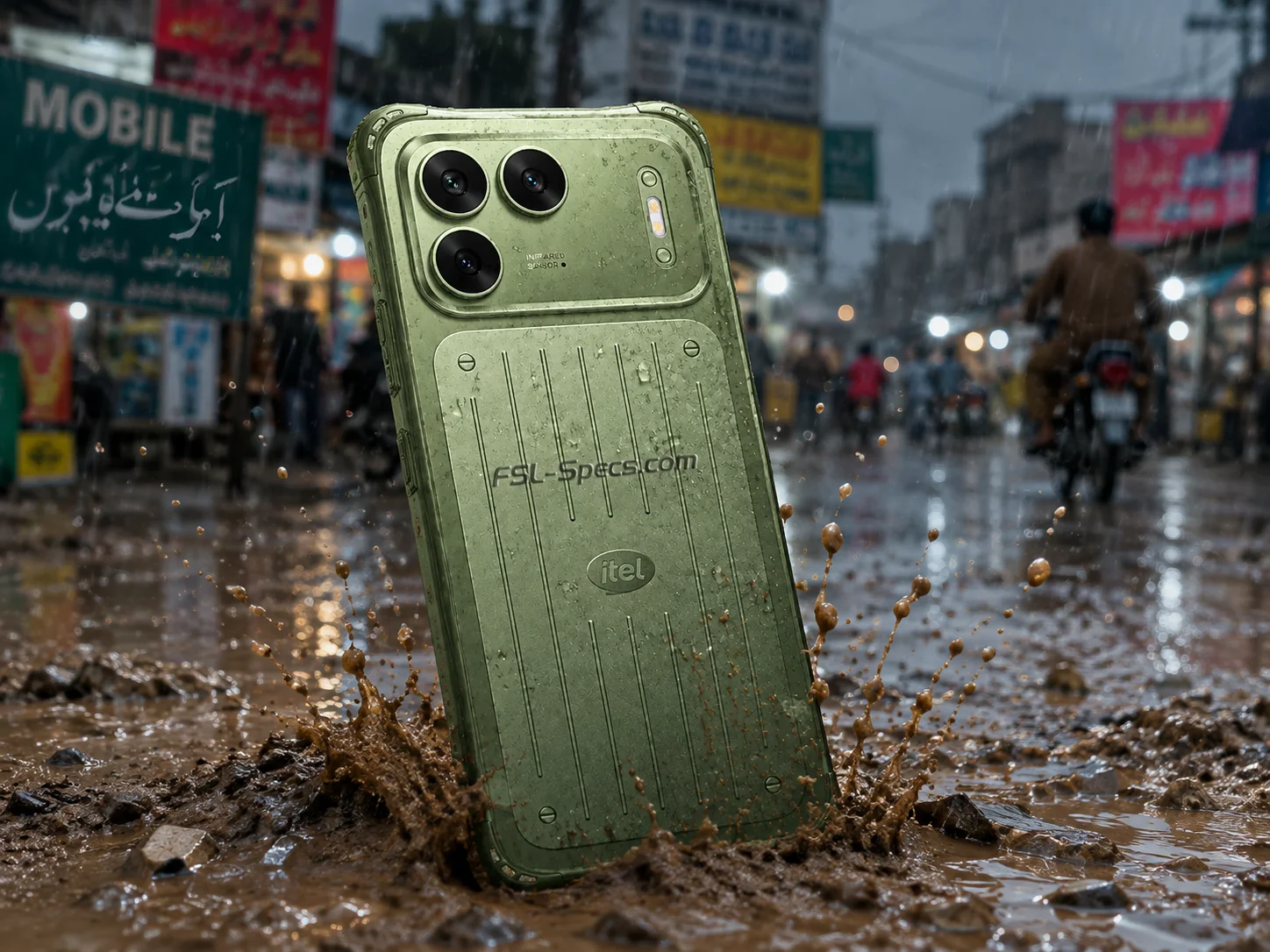
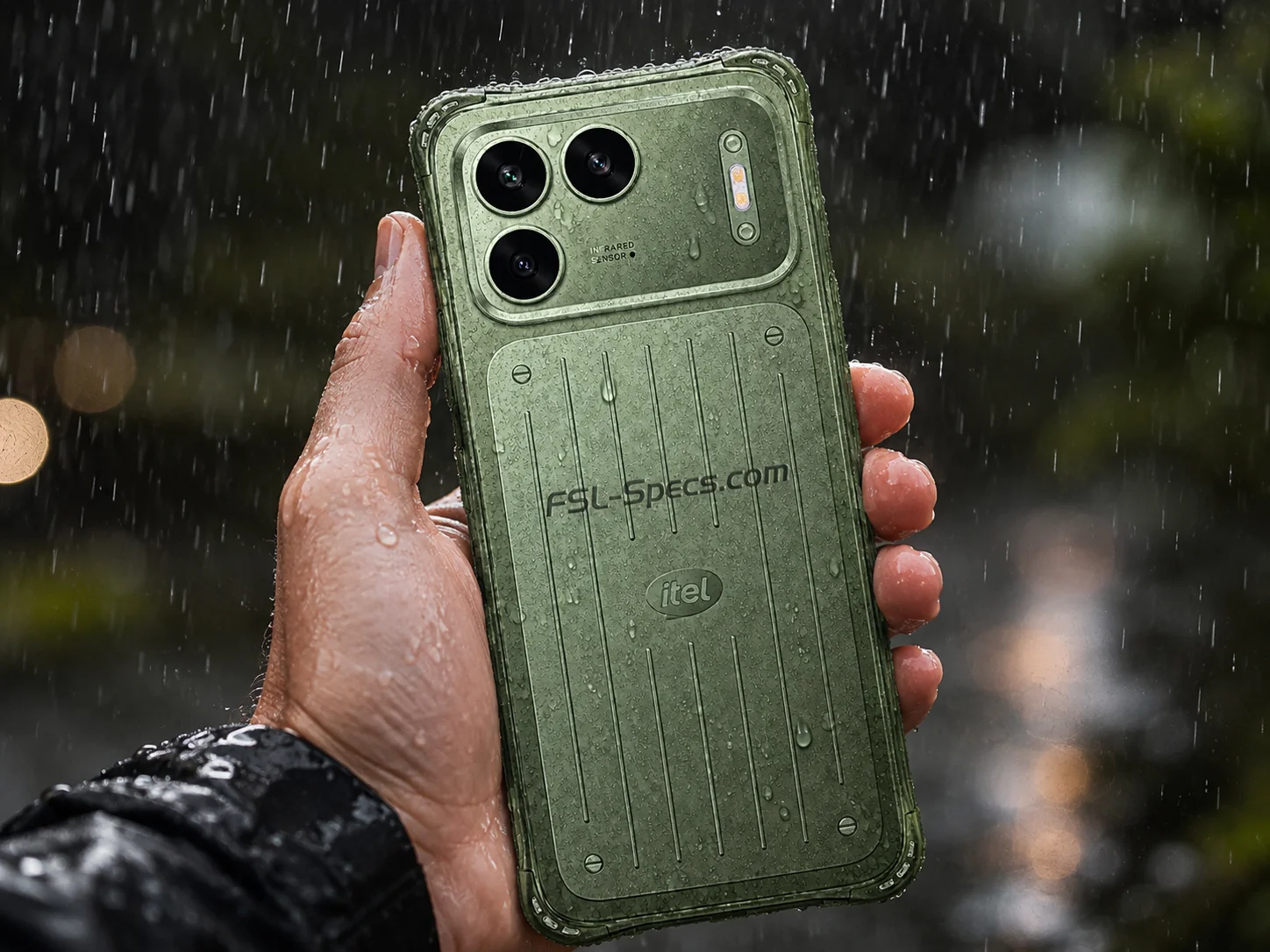
🎯Outdoor Workers 🌧️
🎯Delivery Riders 🛵
🎯Daily Casual Use 📱
🎯Rugged Durability Needs 💪

Not Best For

🚫Heavy Gamers 🎮
🚫5G Users 📶
🚫Audio Jack Lovers 🎧
🚫AMOLED Fans 🌈
🚫Sharp-Display Seekers 🔍
🚫Premium Build Seekers 💎

Trailer And Unboxing of itel Power 80

Disassembly Or Teardown And Gaming Test of itel Power 80

Camera Test itel Power 80

ZTE Nubia V60 Design
itel Power 80
ZTE Nubia V80 Max

itel Series Row
Picture of Faisal Ur Rehman

Faisal Ur Rehman

Faisal Rehman is the founder and editor of FSL Specs, where he publishes in-depth smartphone specifications, comparisons, buying guides, and technology insights. With extensive experience in mobile hardware research and technical analysis, he provides accurate and up-to-date information on Android smartphones, processors, displays, cameras, batteries, performance benchmarks, and software features. His goal is to simplify complex specifications and help readers choose the right device with confidence.

FAQs Questions

The itel S26 Ultra sports a 6.78-inch 3D-curved AMOLED display with 1.5K resolution, a 144Hz refresh rate, and Corning Gorilla Glass 7i protection, up to 4500 Nits Peak Brightness

The itel S26 Ultra is powered by the Unisoc T7300 processor, built on a 6nm process.

The itel S26 Ultra uses LPDDR4X RAM and UFS 2.2 storage.

The itel S26 Ultra has a 50MP main rear camera and a 32MP front camera.

The itel S26 Ultra packs a 6,000 mAh battery with 18W wired fast charging support.

itel S26 Ultra is priced at ₹15,000 for the 8GB/256GB variant. In USD it comes to approximately $150-170. As for Pakistan, the phone has officially launched  with an expected price of around Rs. 47,000 PKR

Leave a Reply

Your email address will not be published. Required fields are marked *

Scroll to Top