
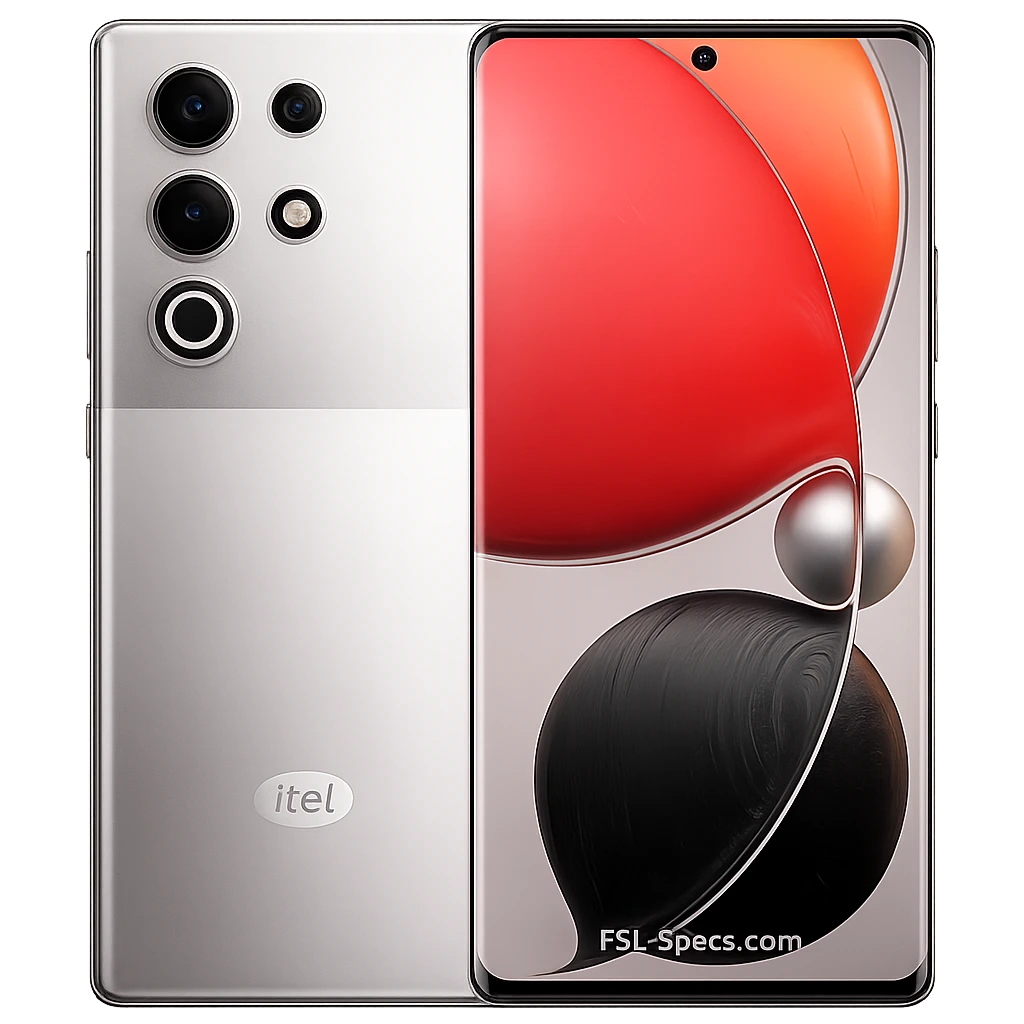


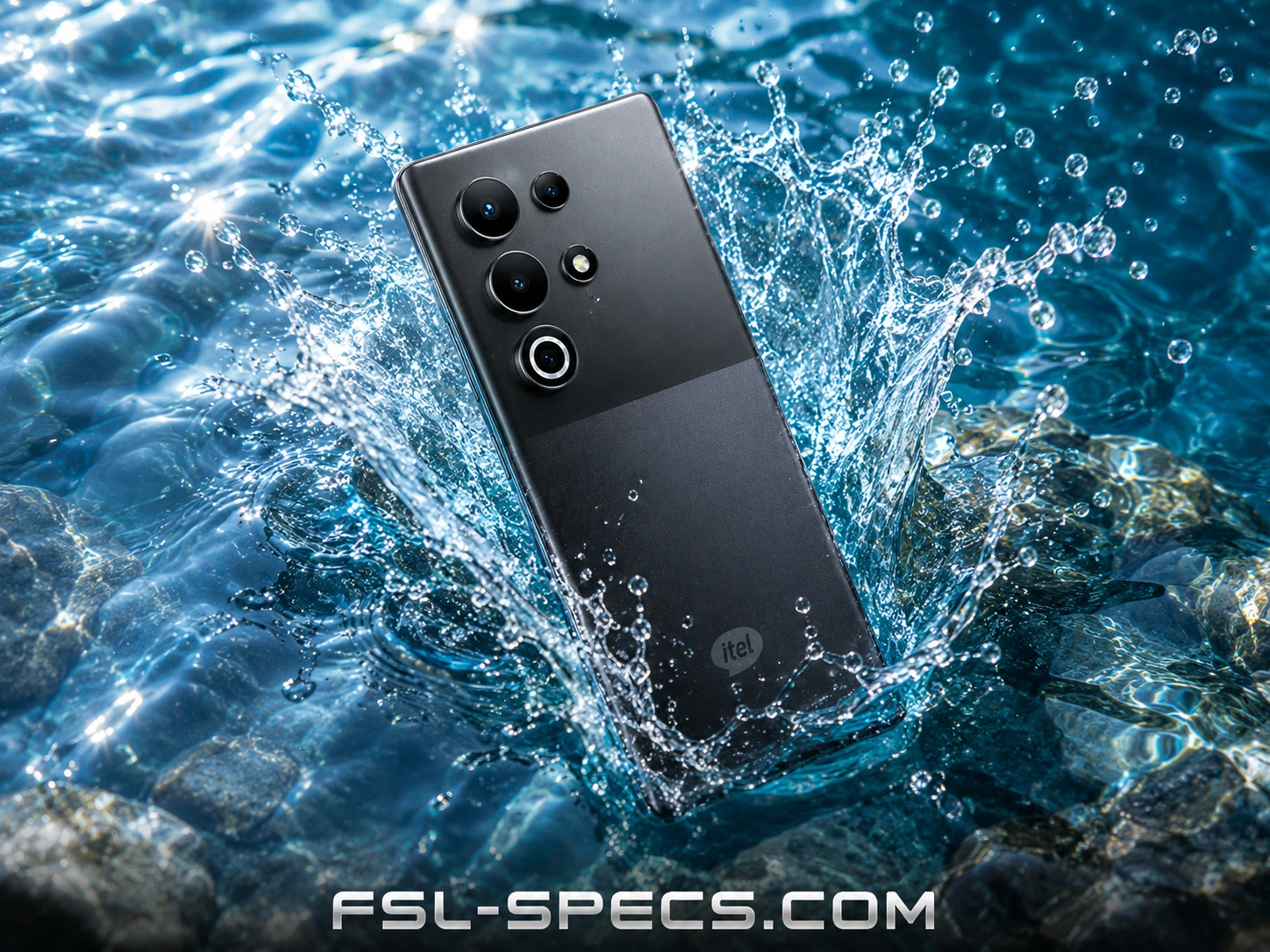
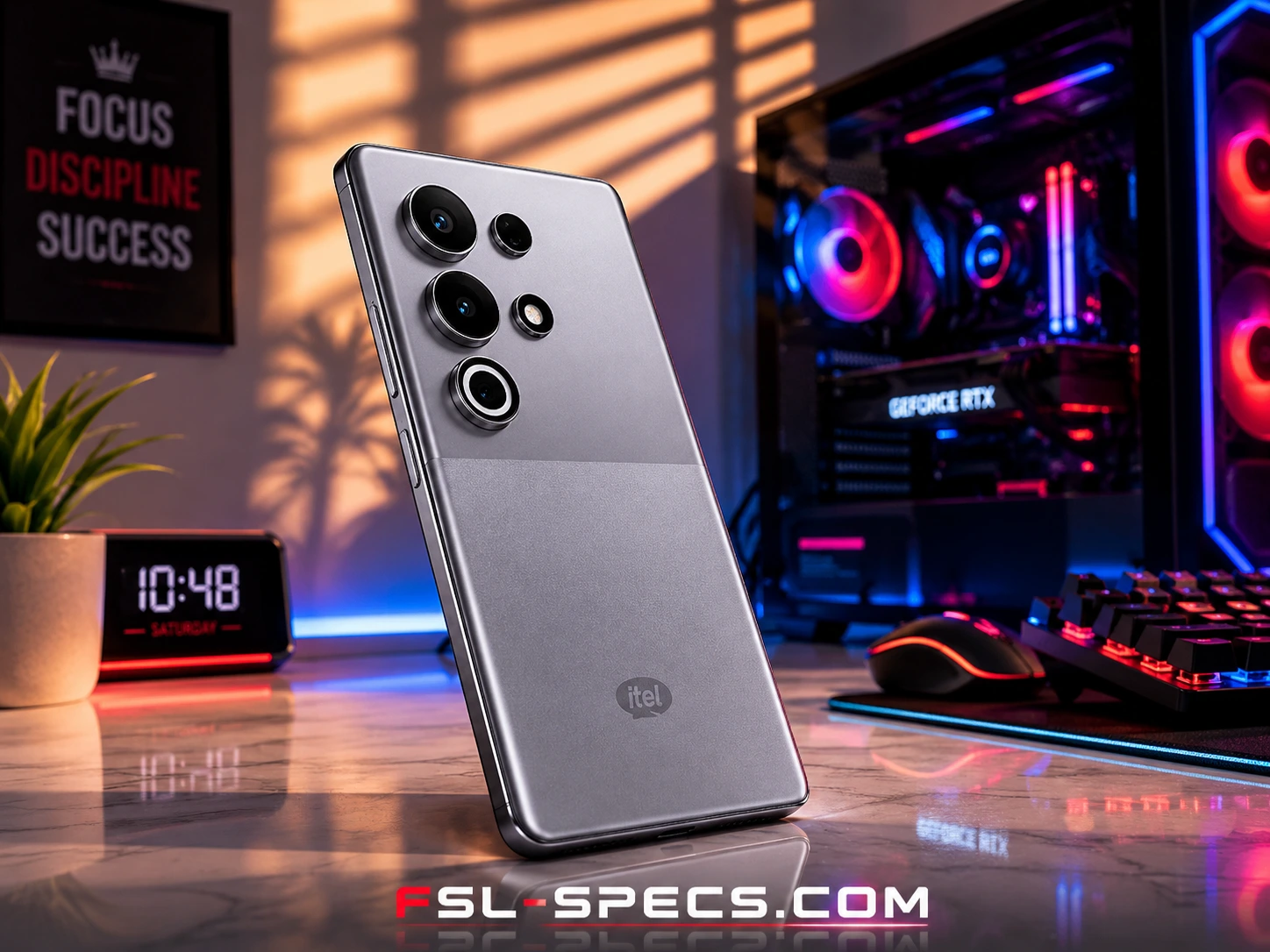
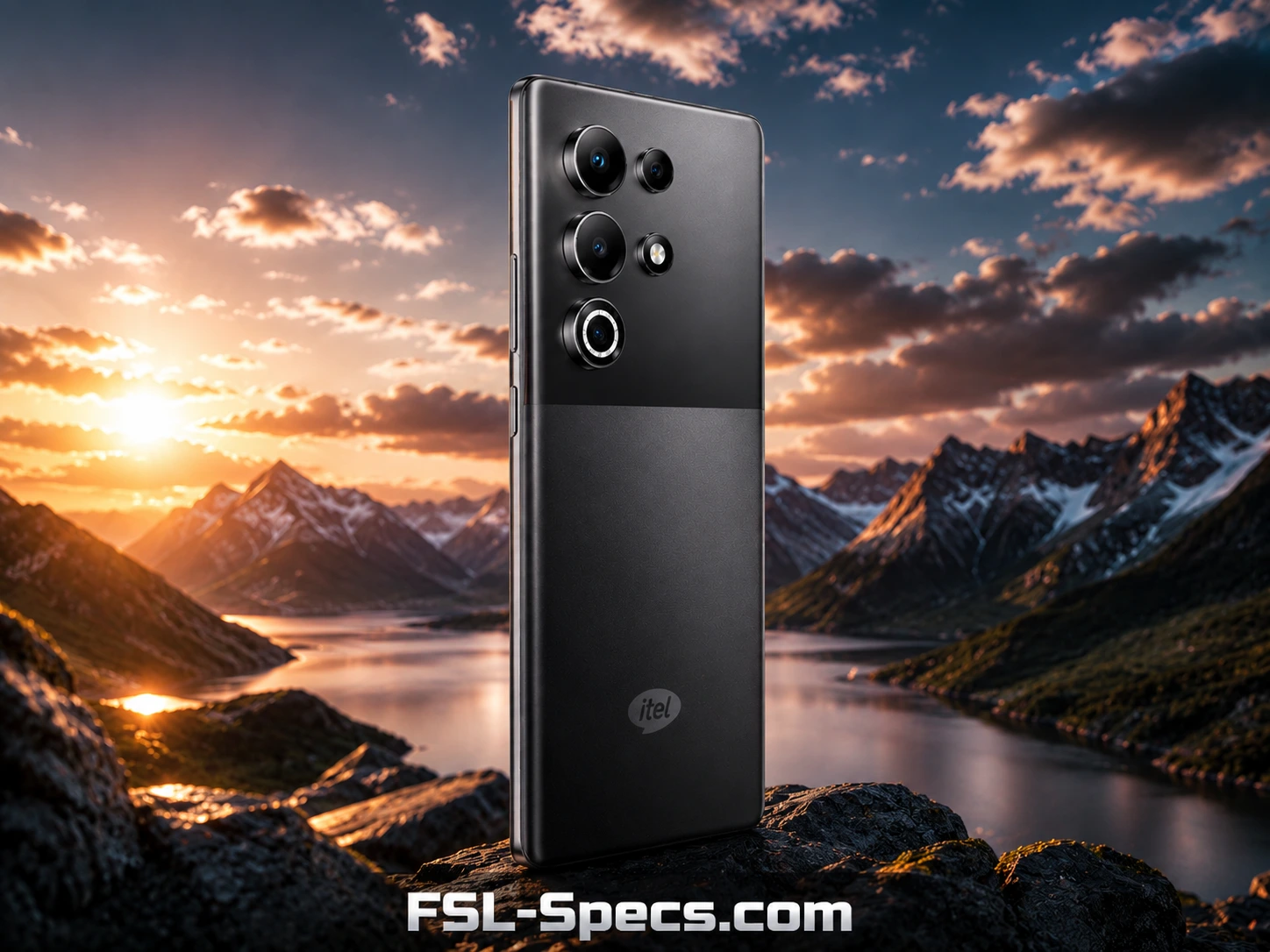







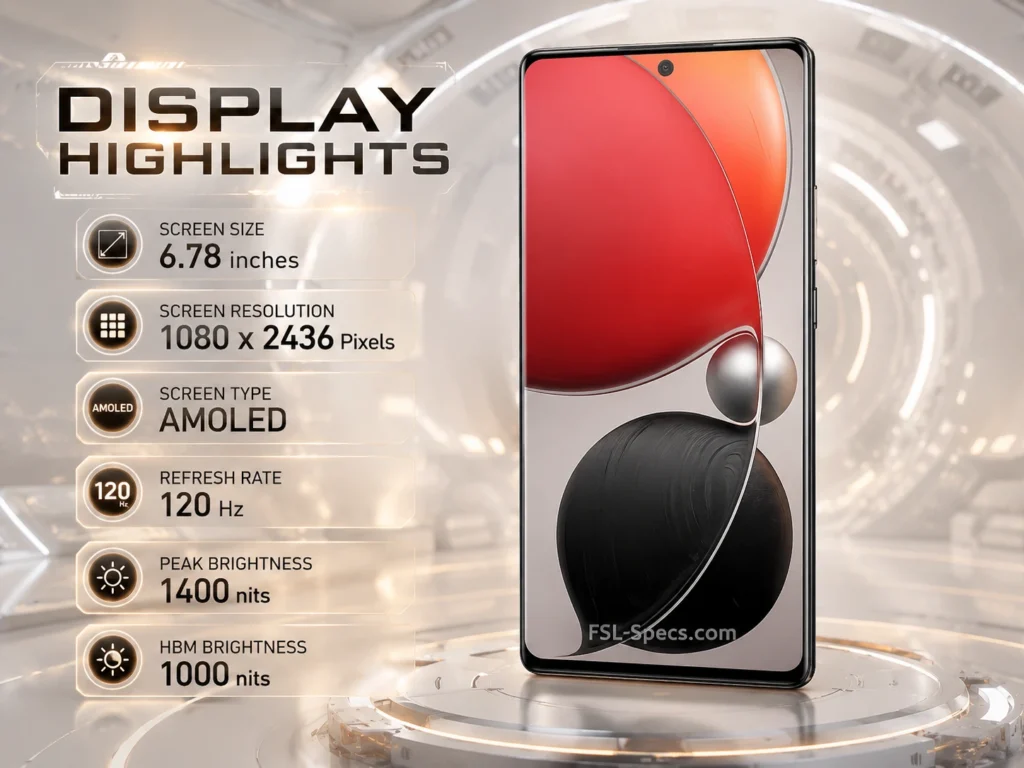
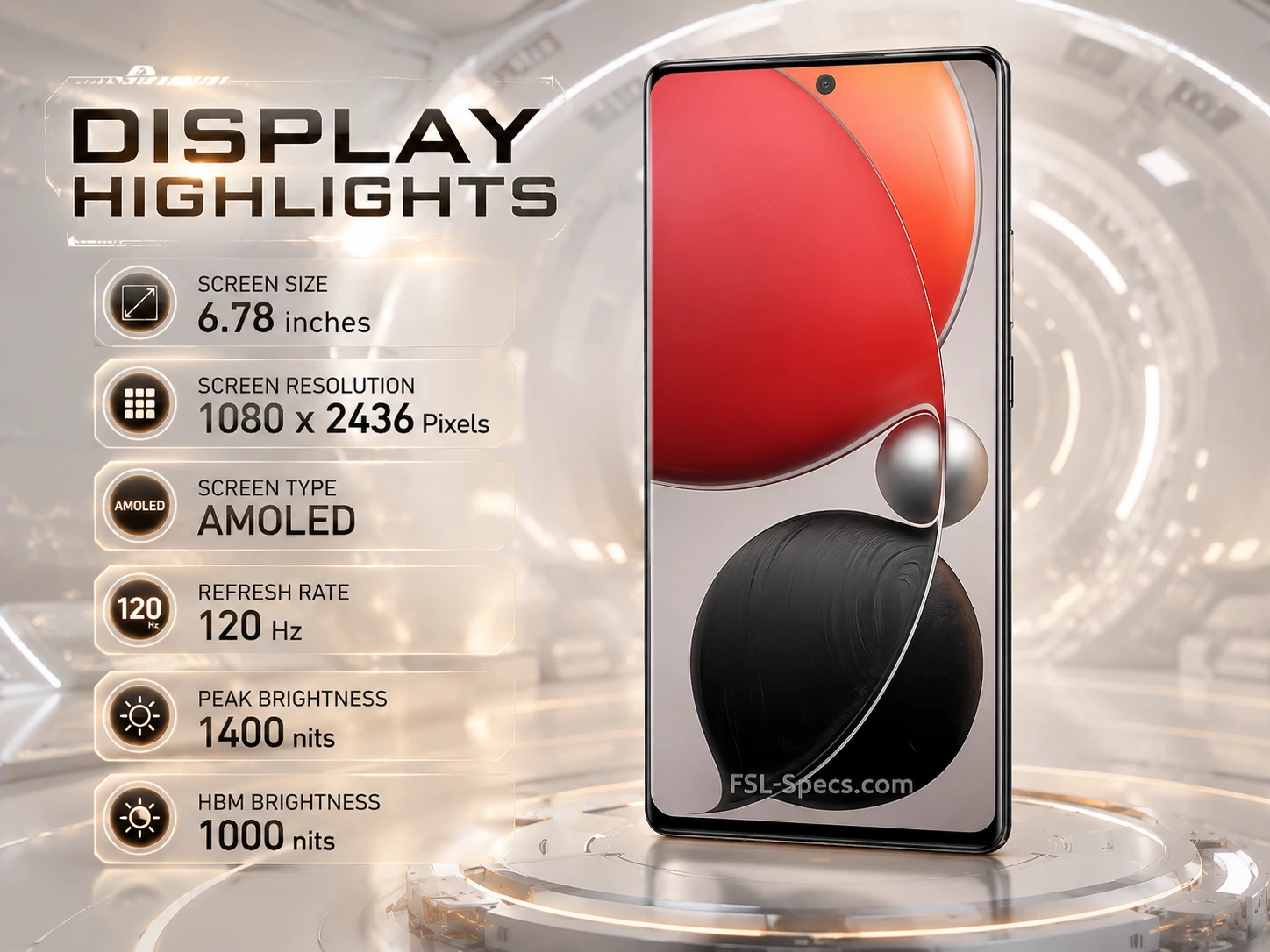
The itel S25 Ultra runs a 6.78-inch AMOLED panel at 1080 x 2436 resolution with a 120Hz refresh rate, backed by 1000 nits (HBM) and 1400 nits peak brightness plus Corning Gorilla Glass 7i protection, specs confirmed directly on its GSMArena listing. The Tecno Camon 30 4G matches the itel on panel type, size, and resolution almost exactly, 6.78-inch AMOLED, 1080 x 2436, 120Hz, and adds an always-on display, but its official spec sheet does not list an HBM or peak nits figure, so that number stays unconfirmed rather than assumed equal to its rivals.
The Tecno Spark 30 Pro also lands on a 6.78-inch AMOLED, 1080 x 2436, 120Hz panel, and several independent reviewers report a 1700 nits peak brightness with 100% DCI-P3 coverage, a figure this high isn’t printed on Tecno’s own spec page, so it’s treated as reviewer-sourced rather than manufacturer-confirmed. The ZTE Nubia V80 Pro is the outlier of the group: it uses an IPS LCD panel instead of AMOLED, at a lower 900 x 1940 resolution and roughly 317 ppi versus the 393 ppi the other three share, with brightness listed at 1000 nits (HBM).
For a buyer comparing sharpness and contrast side by side, the panel-type gap between the Nubia V80 Pro and the three AMOLED phones is a bigger practical difference than any refresh rate or resolution number here, since LCD blacks and viewing angles fall visibly short of AMOLED even at similar price points.
Verdict: On panel technology and confirmed sharpness, the itel S25 Ultra, Tecno Camon 30 4G, and Tecno Spark 30 Pro are functionally tied with matching AMOLED specs, while the ZTE Nubia V80 Pro’s IPS LCD panel is the clear step down in this comparison despite its higher price tag.