
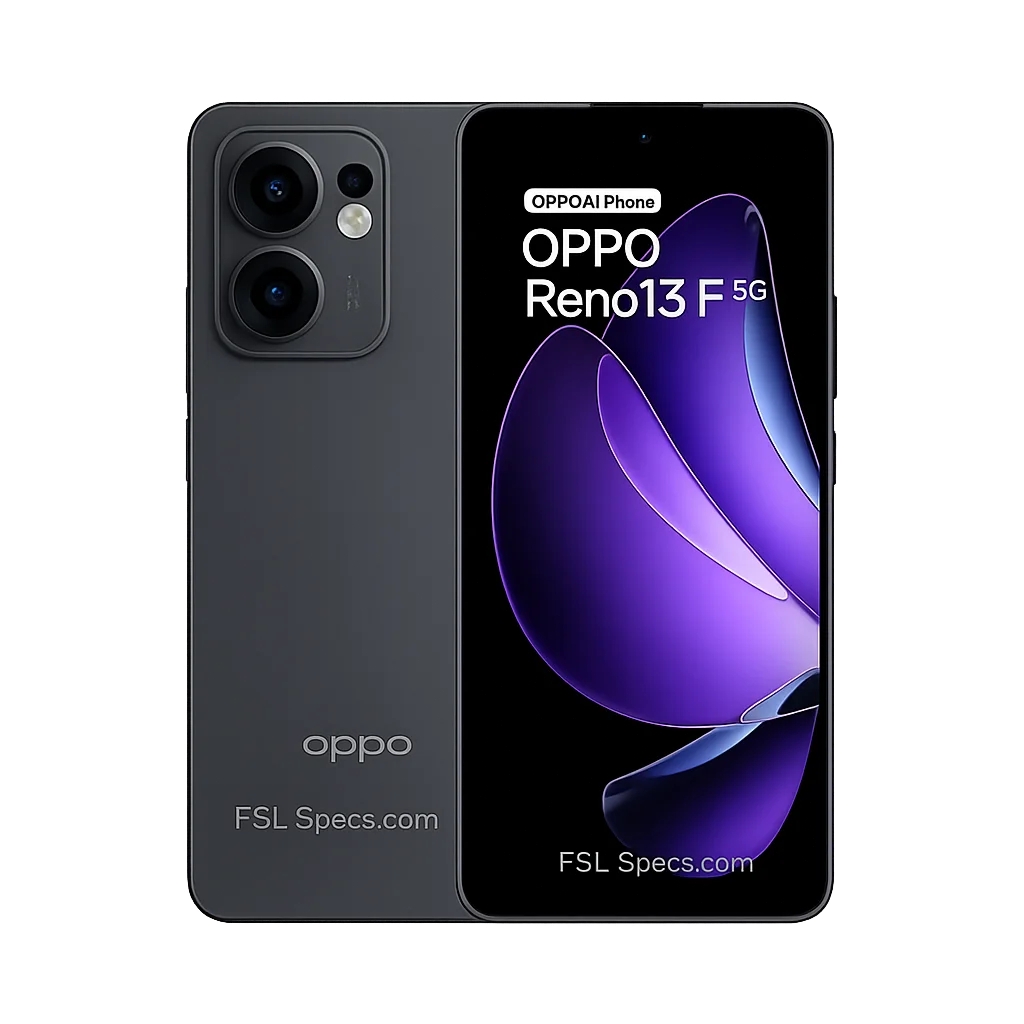











✪ Oppo Reno 13F ✪

OPPO Reno 13F Specs, Price, Camera, Battery & Best Review (2026)
United States flag United States
$260 USD
Pakistan flag Pakistan (PKR)
70,000 PKR
India flag India (INR)
₹25,000 INR

✪ Oppo Reno 13F ✪

OPPO Reno 13F Specs, Price, Camera, Battery & Best Review (2026)
Last Time Update : 14 August, 2026
0

Quick Specifications

Amoled

Display Type

Snapdragon 6 Gen 1

Processor

8+256 GB

Ram And Memory

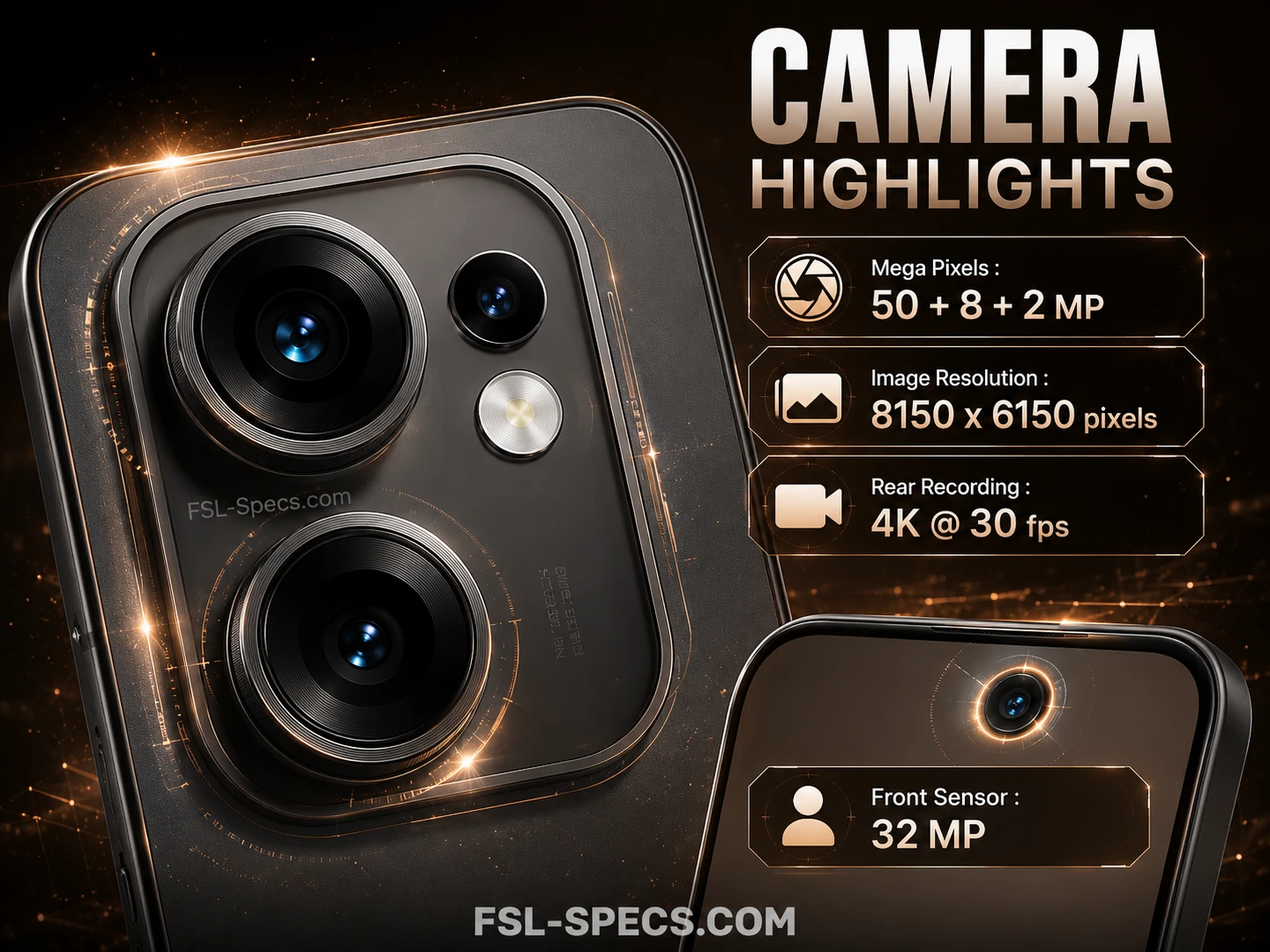
50 + 8 + 2 MP

Camera

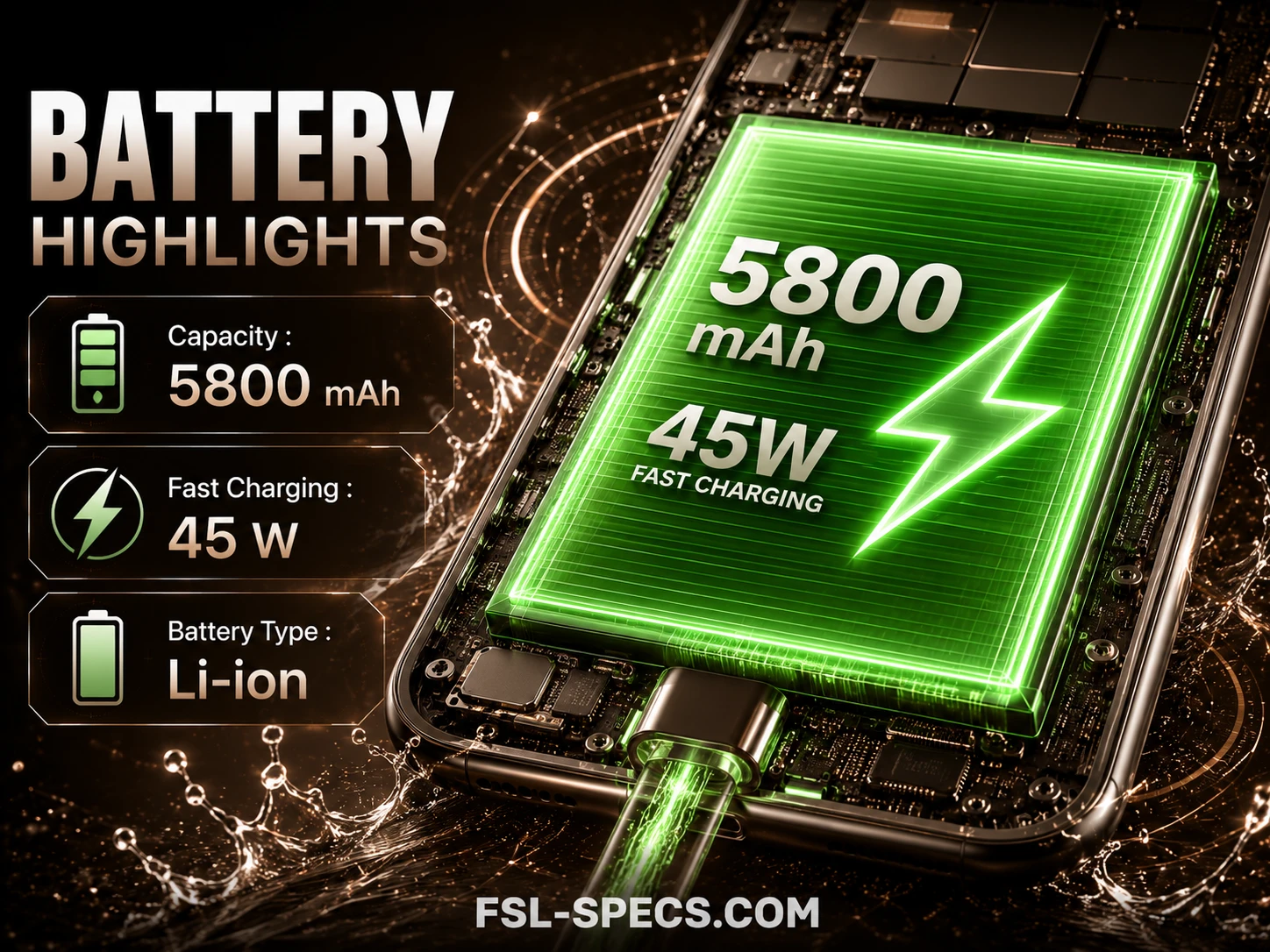
5800 mAh

Battery

45 W

Fast Charging

Full Specification

BASIC INFO
Mobile
Oppo Reno 13F
Model
CPH2699
Series
Oppo Reno Series
Category
Mid Range
Release Date
11 January,2025
Year
2025
CONNECTIVITY
Sim
Dual Nano-SIM
Network
4G / 4G+ / 5G
WiFi
Wi-Fi 5
Bluetooth
5.3
NFC
Yes
OS
Android 17 Now
BODY
Dimensions
162.2 x 75.1 x 7.8 mm
Build
Frame And Back ( Plastic )
KG Weight
192 g
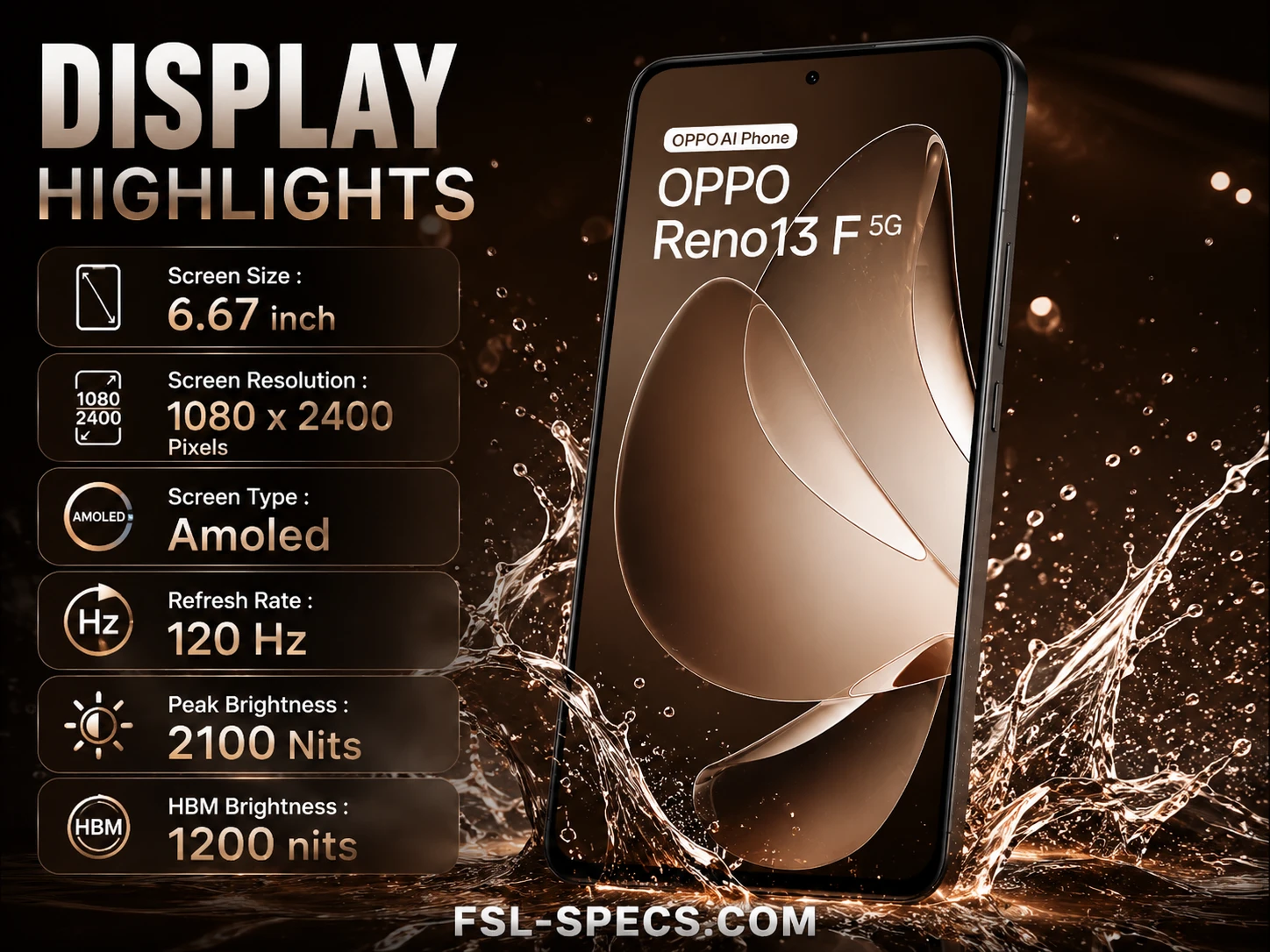
Screen Size
6.67 inch
Resolution
1080 x 2400 Pixels
Type
Amoled
Refresh Rate
120 Hz
Peak Brightness
2100 Nits
HBM Brightness
1200 nits
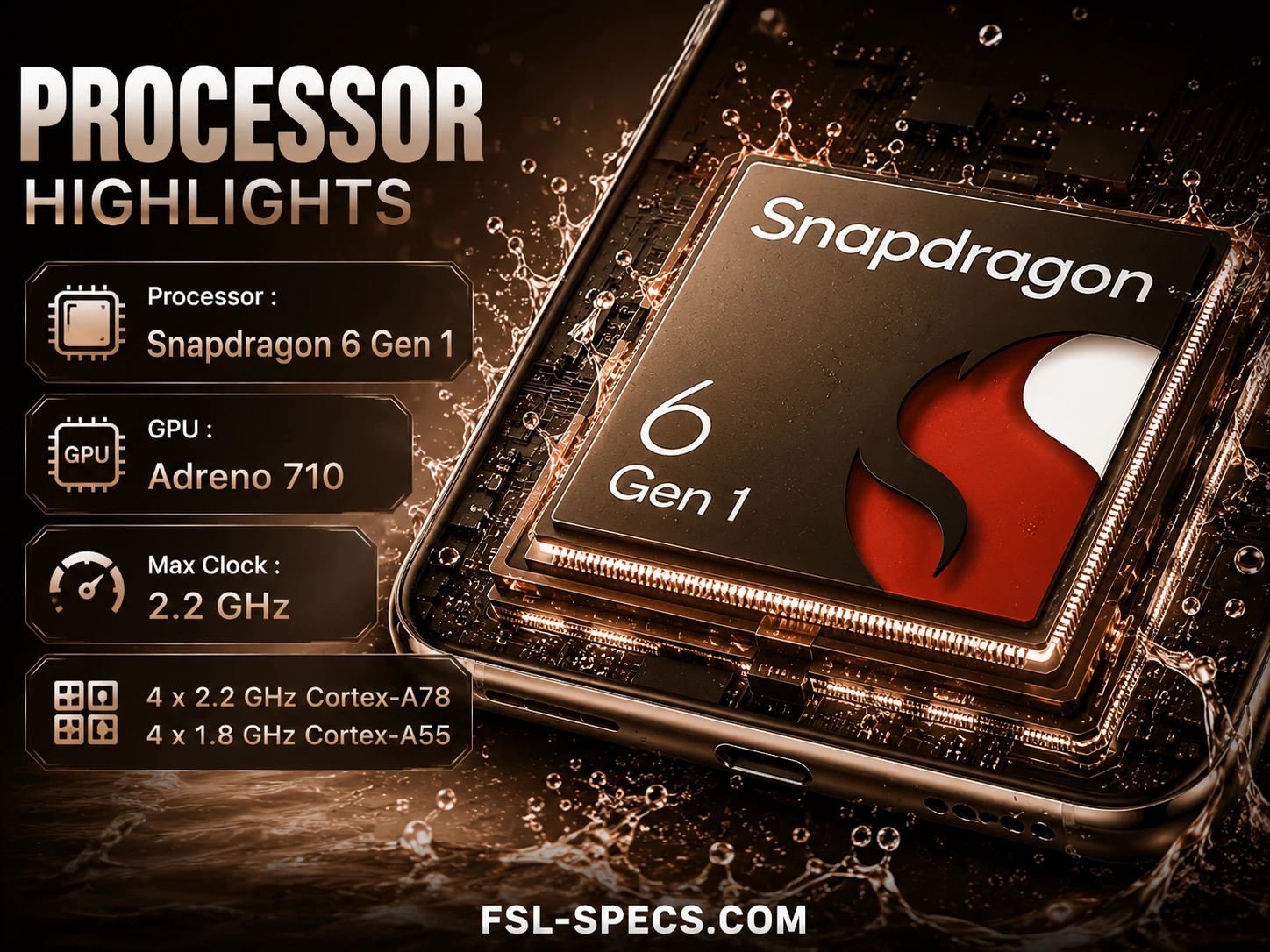
Processor
Snapdragon 6 Gen 1
Max Clock
2.2 GHz
Lithography
4 nm
GPU
Adreno 710
CPU Cores
8 Cores
Antutu v11
-
Antutu v10
570 K
Bootup Time
-
Architecture
4 x 2.2 GHz Cortex-A78
4 x 1.8 GHz Cortex-A55
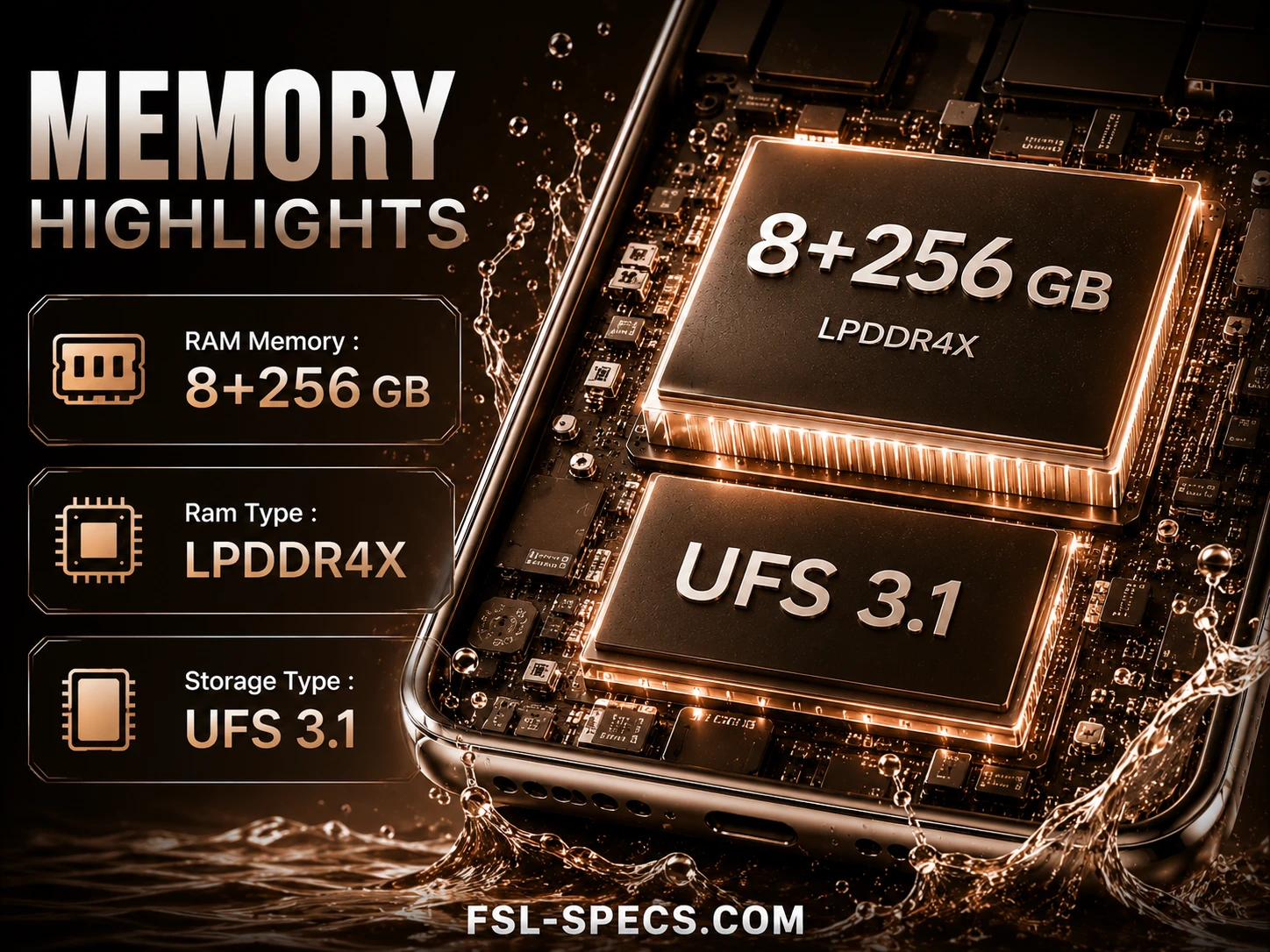
Ram Memory
8+256 GB
Ram Type
LPDDR4X
Storage Type
UFS 3.1
SD Card
Yes
Variants
8 + 256/128 GB
12 + 256/512 GB
MP
Rear Camera
50 + 8 + 2 MP
Front Camera
32 MP
SENSORS
Camera Sensors
Front Sensors
RECORDING FPS
Main Recording
4K @ 30 fps
1080p @ 30/60/120 fps
Front Recording
1080p @ 30 fps
RESOLUTION
Main Resolution
8150 x 6150 pixels
Front Resolution
6,532 × 4,899 Pixels
ZOOM
Optical Zoom
-
D Digital Zoom
-
FLASH
Flash
Yes
Front Flash
Not confirm
Capacity
5800 mAh
Fast Charging
45 W
Wireless Charging
No
Li Battery Type
Li-ion
REVERSE
Reverse Wired
Yes
Reverse Wireless
No
OTHER
Battery PC Marks
-
Charging Time
-
AUDIO & SENSORS
Speaker
Dual Stereo Speaker
Fingerprint Sensor
Front Finger
Other Sensors
Accelerometer
Gyroscope
Proximity
Compass
etc.
Special Features

BASIC INFO
Mobile
Oppo Reno 13F
Model
CPH2699
Series
Oppo Reno Series
Category
Mid Range
Release Date
11 January,2025
Year
2025
CONNECTIVITY
Sim
Dual Nano-SIM
Network
4G / 4G+ / 5G
WiFi
Wi-Fi 5
Bluetooth
5.3
NFC
Yes
OS
Android 17 Now
BODY
Dimensions
162.2 x 75.1 x 7.8 mm
Build
Frame And Back ( Plastic )
KG Weight
192 g
Screen Size
6.67 inch
Resolution
1080 x 2400 Pixels
Type
Amoled
Refresh Rate
120 Hz
Peak Brightness
2100 Nits
HBM Brightness
1200 nits
Processor
Snapdragon 6 Gen 1
Max Clock
2.2 GHz
Lithography
4 nm
GPU
Adreno 710
CPU Cores
8 Cores
Antutu v11
-
Antutu v10
570 K
Bootup Time
-
Architecture
4 x 2.2 GHz Cortex-A78
4 x 1.8 GHz Cortex-A55
Ram Memory
8+256 GB
SD Card
Yes
Ram Type
LPDDR4X
Storage Type
UFS 3.1
Variants
8 + 256/128 GB
12 + 256/512 GB
MP
Rear Camera
50 + 8 + 2 MP
Front Camera
32 MP
SENSORS
Main Camera Sensors
Front Camera Sensors
RECORDING FPS
Main Recording
4K @ 30 fps
1080p @ 30/60/120 fps
Front Recording
1080p @ 30 fps
RESOLUTION
Main Resolution
8150 x 6150 pixels
Front Resolution
6,532 × 4,899 Pixels
ZOOM
Optical Zoom
-
D Digital Zoom
-
FLASH
Flash
Yes
Front Flash
Not confirm
Capacity
5800 mAh
Fast Charging
45 W
Wireless Charging
No
Li Battery Type
Li-ion
REVERSE
Reverse Wired
Yes
Reverse Wireless
No
OTHER
Battery Life PCMark
-
Charging Time
-
AUDIO & SENSORS
Speaker
Dual Stereo Speaker
Fingerprint Sensor
Front Finger
Other Sensors
Accelerometer
Gyroscope
Proximity
Compass
etc.
Special Features

Highlights & Review Of Oppo Reno 13F

Display Review:

The Oppo Reno 13F ships with a 6.67-inch AMOLED display at 1080 x 2400 resolution, a 120Hz refresh rate, and brightness rated at 600 nits typical, 1200 nits HBM, and 2100 nits peak. At PKR 68,000, it matches the panel size and resolution of most rivals here,

but the Realme 14T 5G (PKR 68,000) offers the same panel class with an identical 2100 nits peak brightness, meaning outdoor visibility is essentially tied between these two at the same price. The Xiaomi Redmi Note 14 Pro (PKR 72,000, Helio G100 Ultra variant) uses the same 6.67-inch AMOLED, 1080 x 2400, 120Hz setup but pushes 1800 nits peak brightness, actually falling short of both the Reno 13F and the 14T despite costing PKR 4,000 more.

The real outlier is the Tecno Spark 40 Pro Plus (PKR 70,000), which jumps to a 6.78-inch AMOLED panel at a sharper 1224 x 2720 resolution, a faster 144Hz refresh rate, and a dramatically higher 1600 nits HBM and 4500 nits peak brightness, more than double the oppo Reno 13F’s peak output. In direct sunlight, that brightness gap is the kind of difference a user actually notices, not just a spec-sheet number.

On resolution and size, the Reno 13F holds its own against the Redmi Note 14 Pro and Realme 14T, but it clearly trails the Spark 40 Pro Plus on refresh rate, sharpness, and brightness headroom, all while costing PKR 2,000 less.

Verdict: The Reno 13F’s display is competitive at its price point but not the strongest here. Buyers who prioritize refresh rate and outdoor brightness above all else should look at the Tecno Spark 40 Pro Plus instead.

Processor Review:

The Oppo Reno 13F runs on the MediaTek Helio G100, an octa-core chip (2×2.2GHz Cortex-A76 and 6×2.0GHz Cortex-A55) paired with a Mali-G57 MC2 GPU, scoring around 415,000 on AnTuTu v10.

At PKR 68,000, that’s a modest showing next to the Tecno Spark 40 Pro Plus (PKR 70,000), which uses the newer Helio G200 chip and posts 616,665 on AnTuTu 11, though it’s worth noting these are different AnTuTu versions, so the raw numbers aren’t perfectly apples-to-apples, but the gap is still large enough to reflect a real performance jump.

The Xiaomi Redmi Note 14 Pro (PKR 72,000, Pakistan-market Helio G100 Ultra variant, not the global Dimensity chip) scores 558,203 on AnTuTu 11, comfortably ahead of the Reno 13F despite sharing a near-identical core layout, which points to better memory and UX optimization on Xiaomi’s side.

The Realme 14T 5G (PKR 68,000, same price as the Reno 13F) runs the Dimensity 6300 with slightly higher clocked A76 cores at 2.4GHz, scoring 409,000 on AnTuTu v10, essentially tied with the Reno 13F but adding 5G connectivity the Helio G100 lacks entirely.

For everyday use, all four handle multitasking and light gaming fine, but the Reno 13F sits at the bottom of this group in raw benchmark terms, and it’s the only phone here without 5G support.

Verdict: The Reno 13F’s processor is the weakest link in this comparison. Buyers who care about performance headroom or 5G should lean toward the Tecno Spark 40 Pro Plus or the Realme 14T 5G instead.

Ram & Memory Review:

The Oppo Reno 13F comes with 8GB LPDDR4X RAM and 256GB UFS 2.2 storage, with a dedicated microSD slot supporting expansion. At PKR 68,000, its biggest disadvantage here is capacity, not speed. The Realme 14T 5G, priced identically at PKR 68,000, ships with 12GB LPDDR4X RAM, a full 4GB more than the Reno 13F, while matching it on 256GB UFS 2.2 storage and also including microSD support up to 2TB. For anyone who multitasks heavily or keeps a lot of apps running in the background, that extra RAM on the Realme gives it a real edge at the same price point.

The Tecno Spark 40 Pro Plus (PKR 70,000) matches the Reno 13F on 8GB LPDDR4X RAM and 256GB UFS 2.2 storage, but it drops the microSD slot entirely, meaning storage is fixed once purchased, a real trade-off for buyers who store a lot of photos or offline video.

The Xiaomi Redmi Note 14 Pro (PKR 72,000, Pakistan-market Helio G100 Ultra variant) also sticks with 8GB LPDDR4X RAM and 256GB UFS 2.2 storage, but keeps a hybrid microSD slot supporting up to 1TB expansion, giving it flexibility similar to the Reno 13F despite costing PKR 4,000 more.

None of these four phones use faster UFS 3.1 storage, so read and write speeds are effectively tied across the board. The real differentiator is RAM capacity and whether microSD expansion survives.

Verdict: The Reno 13F holds its own on storage and expandability but loses out on raw RAM capacity. At the same PKR 68,000 price, the Realme 14T 5G is the stronger pick for multitaskers thanks to its 12GB RAM.

Cameras Review:

The Oppo Reno 13F carries a 50MP f/1.8 main sensor with OIS, an 8MP f/2.2 ultrawide, and a 2MP macro, backed by a 32MP f/2.4 front camera. At PKR 68,000, having OIS on the main sensor is a genuine advantage,

since the Tecno Spark 40 Pro Plus (PKR 70,000) skips it entirely. GSMArena’s testing confirms the Spark 40 Pro Plus’s 50MP f/1.6 main camera (Hynix HI5022Q sensor) has no OIS, relying only on the software side, which means handheld low-light shots are more prone to blur despite the wider aperture.

The Xiaomi Redmi Note 14 Pro (PKR 72,000, Pakistan-market Helio G100 Ultra variant) jumps to a 200MP f/1.7 main sensor with OIS (Samsung S5KHP3), the highest resolution in this group by far, though the sensor brand for the Reno 13F and Spark 40 Pro Plus’s units isn’t officially disclosed, so a direct sensor-quality comparison isn’t possible there.

The Realme 14T 5G (PKR 68,000) uses a 50MP f/1.8 main sensor (OmniVision OV50D40) but, like the Spark 40 Pro Plus, has no OIS confirmed on its spec sheet, just PDAF and gyro-EIS for video.

On video, the Reno 13F caps out at 1080p on both rear and front cameras since it’s the 4G variant, while the Redmi Note 14 Pro is similarly limited to 1080p@60fps with no 4K recording. The Spark 40 Pro Plus manages 1440p@30fps, slightly ahead on resolution despite lacking OIS.

Verdict: The Reno 13F’s OIS gives it an edge in photo stability over the Spark 40 Pro Plus and Realme 14T at the same price, but the Redmi Note 14 Pro’s 200MP sensor with OIS makes it the strongest camera overall in this group, if the extra PKR 4,000 is worth it.

Battery Review:

The Oppo Reno 13F packs a 5800mAh battery with 45W wired SuperVOOC charging, hitting 45% in 30 minutes, plus reverse wired charging for topping up accessories.

At PKR 68,000, that’s the second-largest battery in this group, though Oppo hasn’t officially disclosed a full 0-100% charge time. The Tecno Spark 40 Pro Plus (PKR 70,000) has a smaller 5200mAh cell but adds something none of the others offer, 30W wireless charging alongside 45W wired, and reaches full charge in 55 minutes, a genuine feature advantage despite the smaller capacity.

The Xiaomi Redmi Note 14 Pro (PKR 72,000, Pakistan-market Helio G100 Ultra variant) sits at 5500mAh with 45W wired charging only, no wireless and no reverse charging, reaching 42% in 30 minutes and a full charge in 1 hour 21 minutes, the slowest charging speed of the four despite a mid-pack battery size.

The Realme 14T 5G (PKR 68,000) leads on raw capacity with a 6000mAh battery, also on 45W wired charging, reaching 50% in 30 minutes per Realme’s official figures, though a verified full charge time hasn’t been officially published.

For day-to-day endurance, the Realme 14T’s bigger cell should outlast the others on paper, while the Reno 13F sits comfortably in the middle with reverse charging as a small bonus the Redmi and Realme don’t offer. The Spark 40 Pro Plus trades battery size for genuinely useful wireless charging, unusual at this price tier.

Verdict: The Reno 13F’s battery is solid but not standout. Buyers who want the biggest battery should look at the Realme 14T 5G, while those who want wireless charging should consider the Tecno Spark 40 Pro Plus instead.

Final Verdict :

Across display, processor, RAM, camera, and battery, no single phone in this group wins everything, but a clear pattern emerges. The Oppo Reno 13F holds its own with OIS on its main camera and reverse charging at PKR 68,000, but it doesn’t lead in a single category outright, its 1200 nits HBM display, Helio G100 AnTuTu score of around 415,000, and 8GB RAM all trail at least one rival at the same or a lower price. The Realme 14T 5G, priced identically to the Reno 13F, offers 12GB RAM, a bigger 6000mAh battery, and a matching 2100 nits peak display, making it the stronger buy at this exact price point, even though it lacks OIS. The Tecno Spark 40 Pro Plus pulls ahead on raw performance and display quality, with its 144Hz, 4500 nits panel and 616,665 AnTuTu score, plus rare 30W wireless charging at PKR 70,000, but it has no OIS and no microSD slot, real trade-offs for photography and storage flexibility. The Xiaomi Redmi Note 14 Pro commands the highest price at PKR 72,000 but justifies it with a 200MP OIS-equipped camera, the strongest imaging setup here by a clear margin.

Bottom line: For most buyers at this price bracket, the Realme 14T 5G offers the best balance of RAM, battery, and display for the money, while the Reno 13F remains a safe, competent choice without being the standout pick in any single area.

RankPhonePrice (PKR)
1Realme 14T 5G68,000
2Tecno Spark 40 Pro Plus70,000
3Oppo Reno 13F68,000
4Xiaomi Redmi Note 14 Pro72,000

Pros And Cons of Oppo Reno 13F

Pros of Mobile

120Hz AMOLED 📱
5800mAh Battery 🔋
45W Charging
IP69 Rating 💧
Stereo Speakers 🔊
OIS Camera 📷

Cons of Mobile

Plastic Frame 🧱
Wi-Fi 5 📶
USB 2.0 🔌
No Telephoto 🔭
No Wireless 🔋
Midrange Chipset ⚙️

Best For - Not Best For

Best For

🎯 Daily Use 📱
🎯 Social Media 📲
🎯 Casual Gaming 🎮
🎯 Content Streaming 🎬
🎯 Travel Photography 🌄
🎯 Battery Life 🔋

Not Best For

🚫 Pro Gaming 🎮
🚫 Zoom Photography 🔭
🚫 4K Selfies 🤳
🚫 Flagship Speed 🚀
🚫 Wireless Charging 🔋
🚫 Heavy Multitasking 💻

Trailer And Unboxing of Oppo Reno 13F

Disassembly Or Teardown And Gaming Test of Oppo Reno 13F

Camera Test Oppo Reno 13F

Realme 14T 5G
Tecno Spark 40 Pro Plus
Oppo Reno 13F
Xiaomi Redmi Note 14 Pro

Picture of Faisal Ur Rehman

Faisal Ur Rehman

Faisal Rehman is the founder and editor of FSL Specs, where he publishes in-depth smartphone specifications, comparisons, buying guides, and technology insights. With extensive experience in mobile hardware research and technical analysis, he provides accurate and up-to-date information on Android smartphones, processors, displays, cameras, batteries, performance benchmarks, and software features. His goal is to simplify complex specifications and help readers choose the right device with confidence.

OPPO Series Row

FAQs Questions

The OPPO Reno 13F 5G features a 6.67-inch AMOLED display with 1080 × 2400 resolution and a 120Hz refresh rate. It reaches 1200 nits HBM brightness, delivering vibrant colors, smooth scrolling, and good outdoor visibility.

Yes. Powered by the Snapdragon 6 Gen 1 processor and Adreno 710 GPU, it handles everyday apps, multitasking, and popular games smoothly. The chipset also offers improved power efficiency for long gaming and streaming sessions.

The phone features a 50MP + 8MP + 2MP rear camera setup and a 32MP front camera. It captures detailed daylight photos, natural-looking portraits, and sharp selfies, making it a solid choice for everyday photography and social media content.

The 5800mAh battery easily lasts a full day with regular use, including browsing, gaming, and video streaming. When it's time to recharge, 45W SUPERVOOC fast charging helps reduce downtime with quick top-ups.

Yes, the phone supports 5G, NFC, Wi-Fi 5, and reverse wired charging for added convenience. eSIM support is not listed in the official specifications

The phone includes IP69, IP68, and IP66 water and dust resistance ratings, offering excellent protection against water and dust in everyday use. It also uses AGC DT STAR2 glass for added screen durability.

The OPPO Reno 13F 5G is available in 8GB + 128GB, 8GB + 256GB, 12GB + 256GB, and 12GB + 512GB variants. It uses LPDDR4X RAM and UFS 3.1 storage, with support for microSD expansion.

Yes. The rear camera supports 4K video recording, providing sharper footage for travel, family moments, and content creation. However, 8K video recording is not supported.

8 + 256 GB
 | ~25,000 | ~$260 | ~ 70,000 PKR

Leave a Reply

Your email address will not be published. Required fields are marked *

Scroll to Top