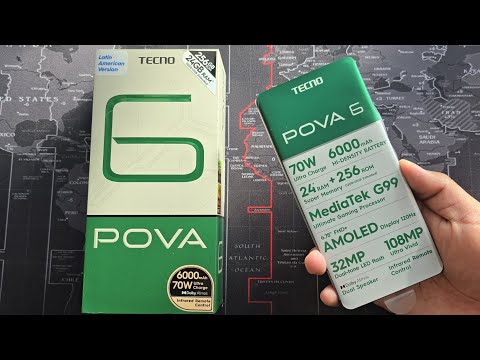











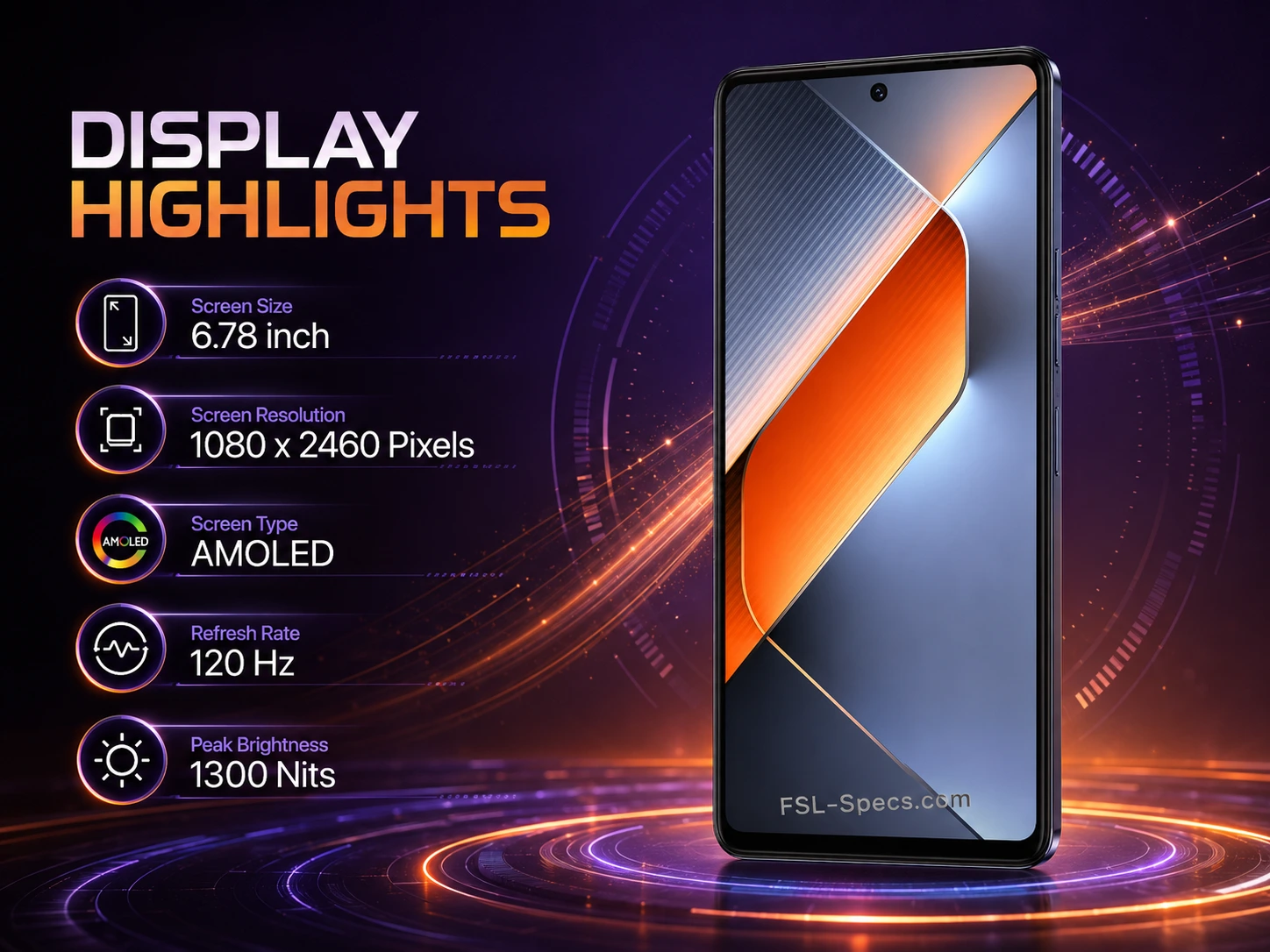
The Tecno Pova 6 4G uses a 6.78-inch AMOLED display with 1080 × 2460 resolution, approximately 396 ppi, a 120Hz refresh rate, and up to 1300 nits peak brightness. Its slightly taller resolution gives it the highest pixel density in this comparison, although the difference from the rivals is too small to create a noticeable sharpness advantage in everyday use. These specifications are listed by GSMArena.
The Tecno Camon 30 4G, available at around PKR 50,000 in the used market, has a 6.78-inch AMOLED panel with 1080 × 2436 resolution, 393 ppi, and a 120Hz refresh rate. It matches the Pova 6 in panel type, screen size, and refresh rate, but its listed display brightness is not consistently specified in the available data, so the Pova 6 has the clearer brightness advantage on paper.
The Infinix Note 40 Pro 4G costs approximately PKR 55,000 used and offers the same core display format as the Camon 30, including a 6.78-inch AMOLED screen, 1080 × 2436 resolution, 393 ppi, 120Hz refresh rate, and 1300 nits peak brightness. Compared with the Pova 6, it provides almost identical sharpness and brightness, but the Pova 6 has a slightly higher pixel density because of its 2460-pixel vertical resolution.
At around PKR 53,000 used, the Infinix Zero 40 4G also features a 6.78-inch AMOLED display, 1080 × 2436 resolution, 393 ppi, 120Hz refresh rate, and up to 1300 nits HBM brightness. It therefore competes closely with the Note 40 Pro, while the Pova 6 remains marginally sharper. The available data does not provide a confirmed brightness advantage for the Zero 40 over the Pova 6 or Note 40 Pro.
Verdict: The Tecno Pova 6 4G ranks first for display specifications because it combines the highest listed pixel density with a 120Hz AMOLED panel and 1300 nits peak brightness, while the Infinix Note 40 Pro 4G and Infinix Zero 40 4G remain close alternatives and the Camon 30 4G is the least complete brightness-wise.