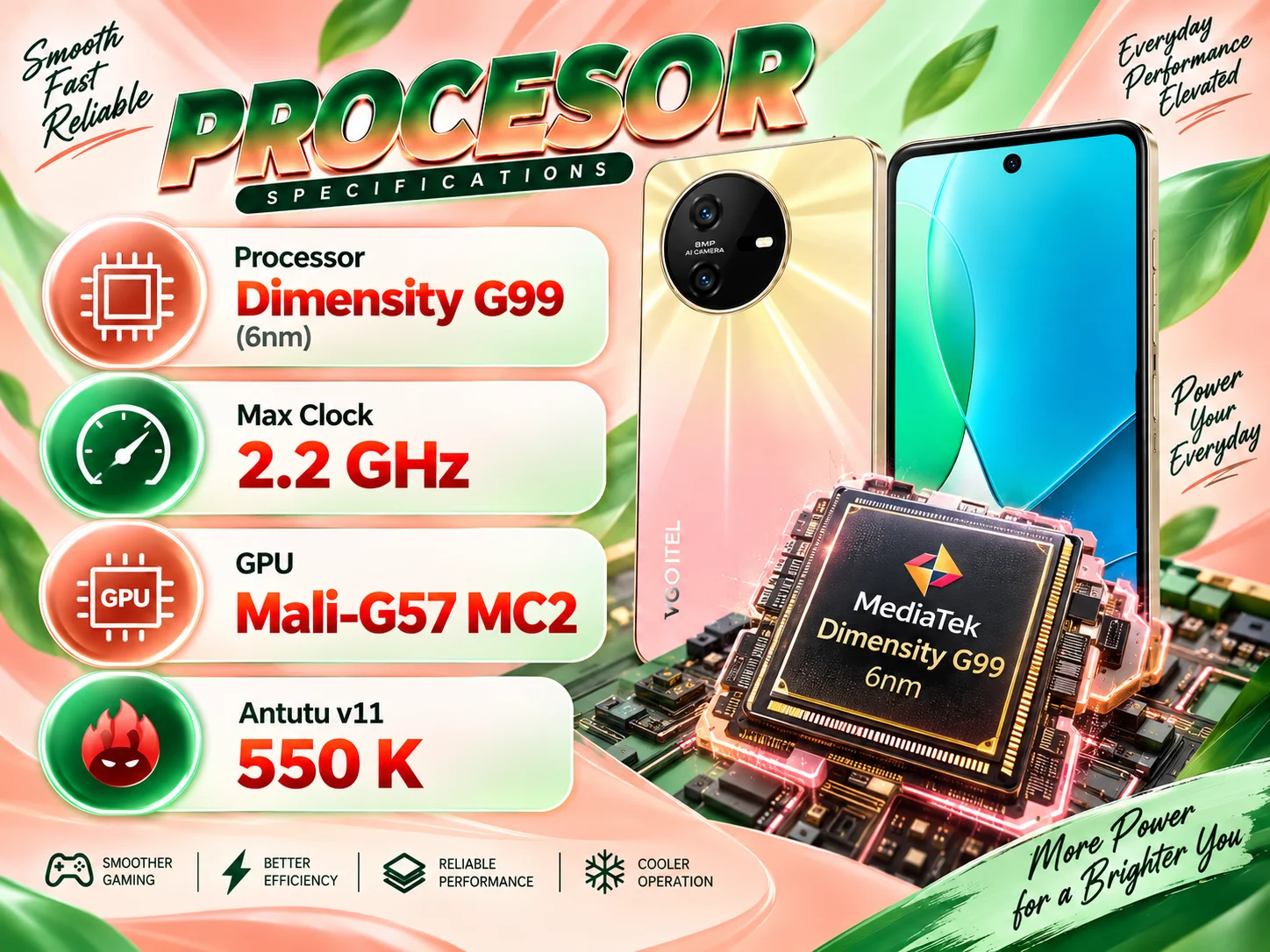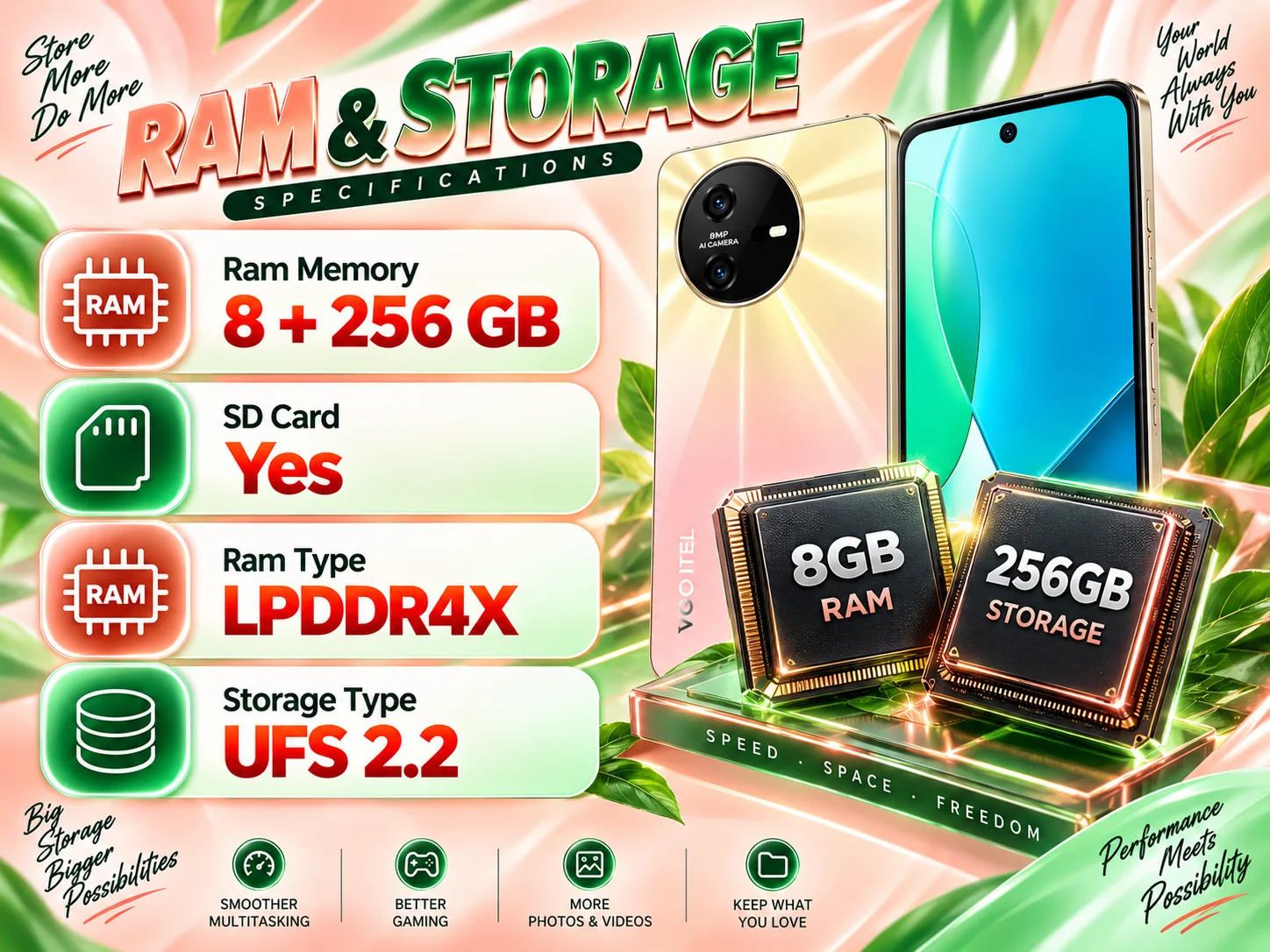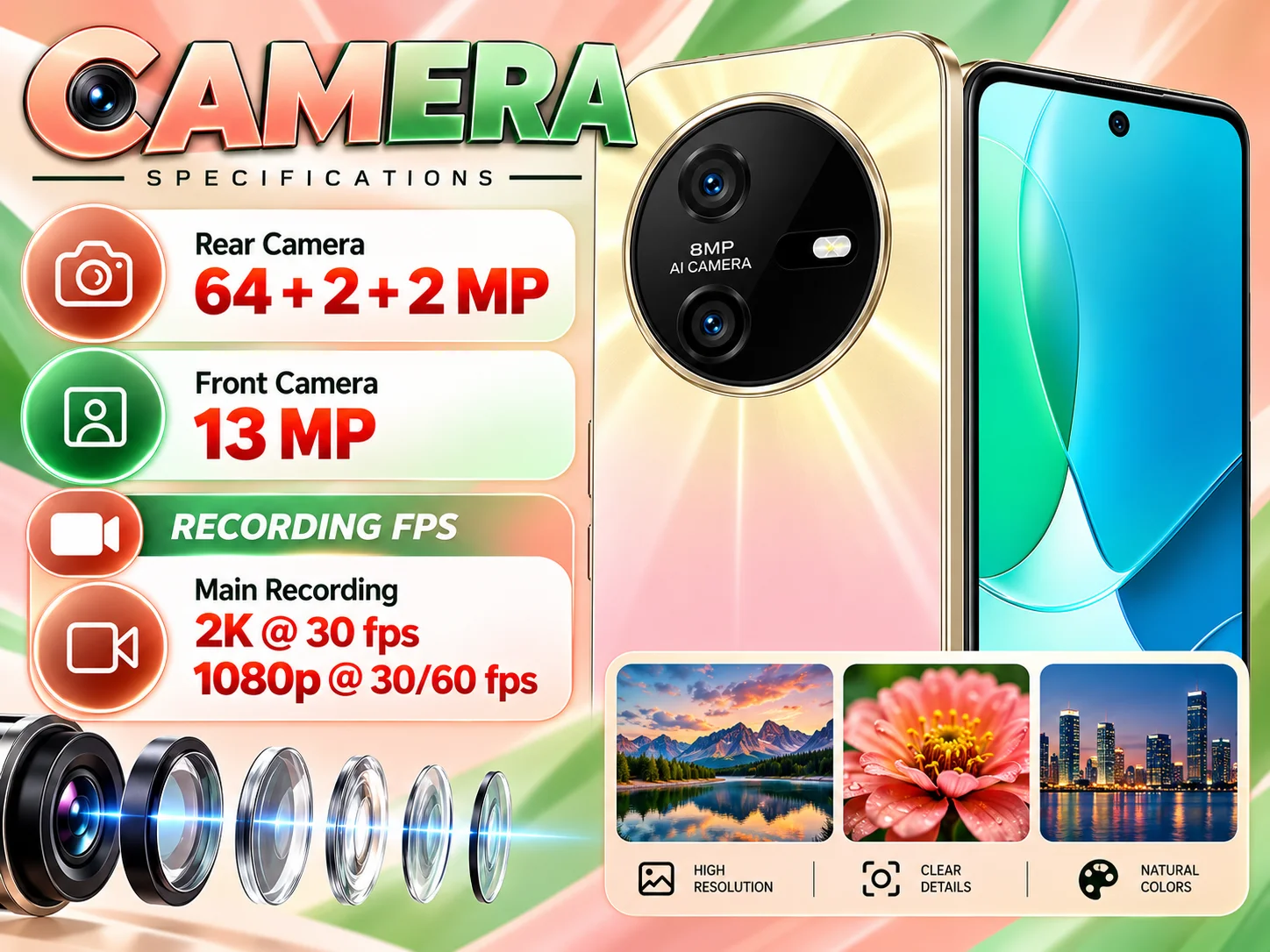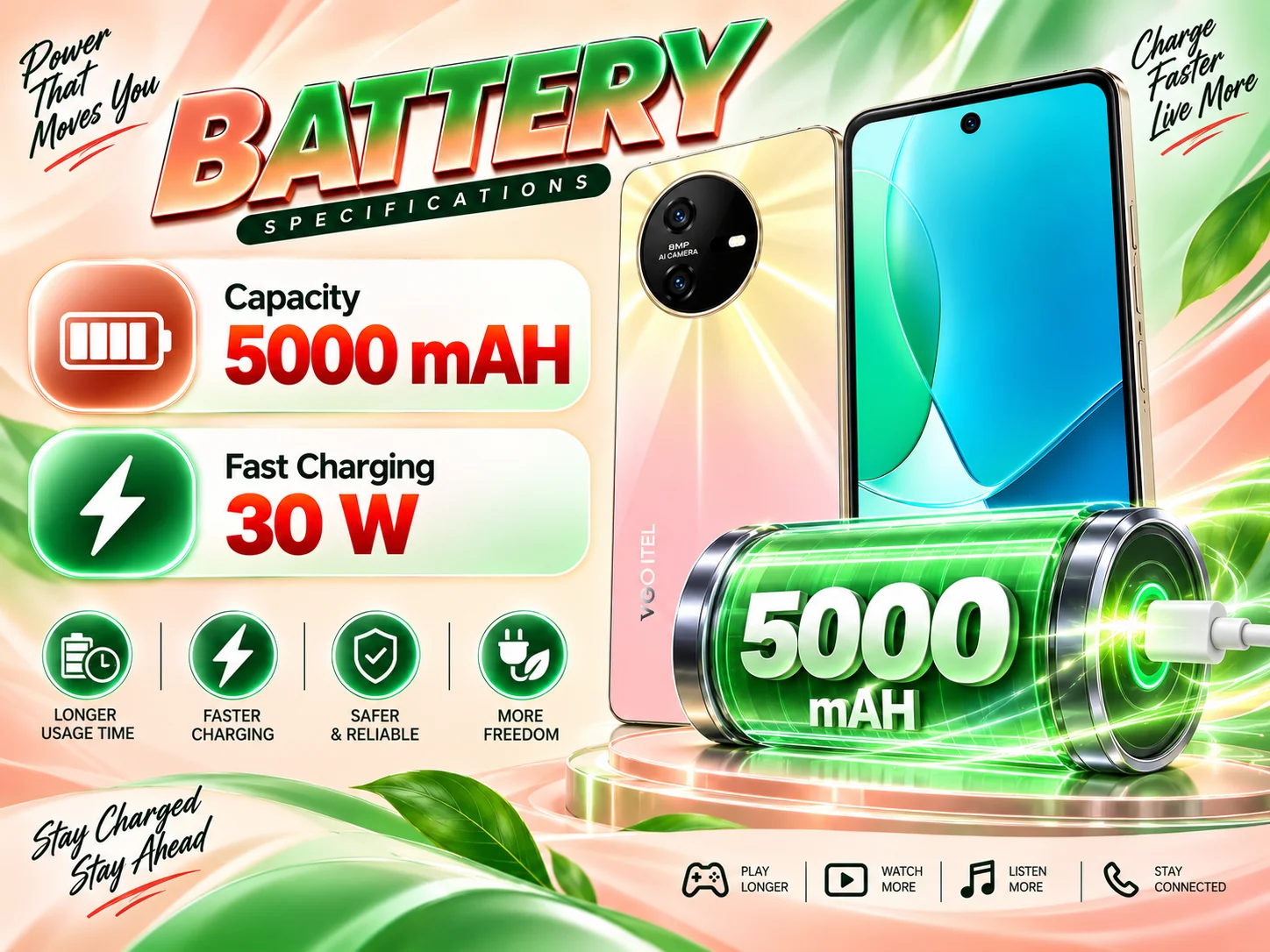

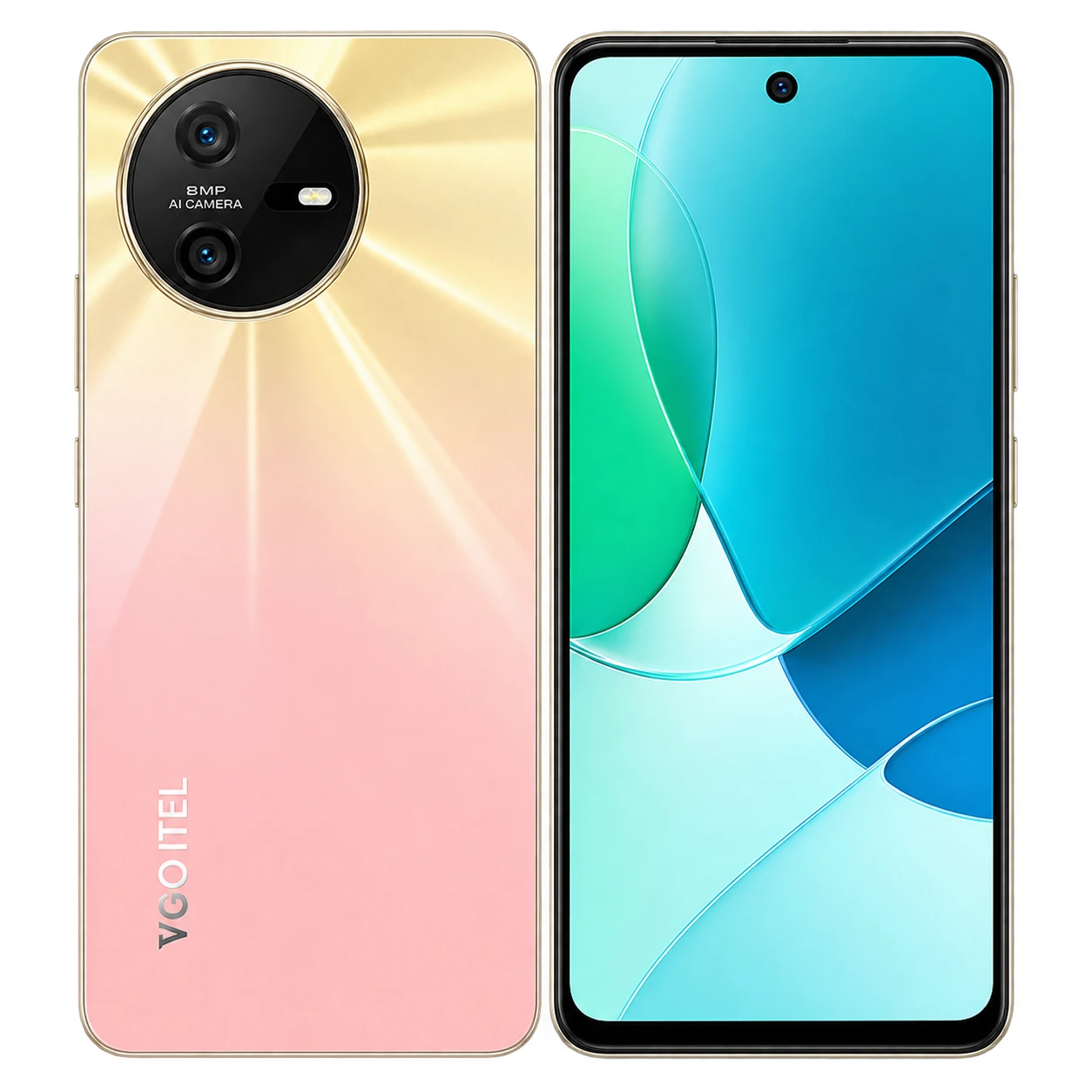


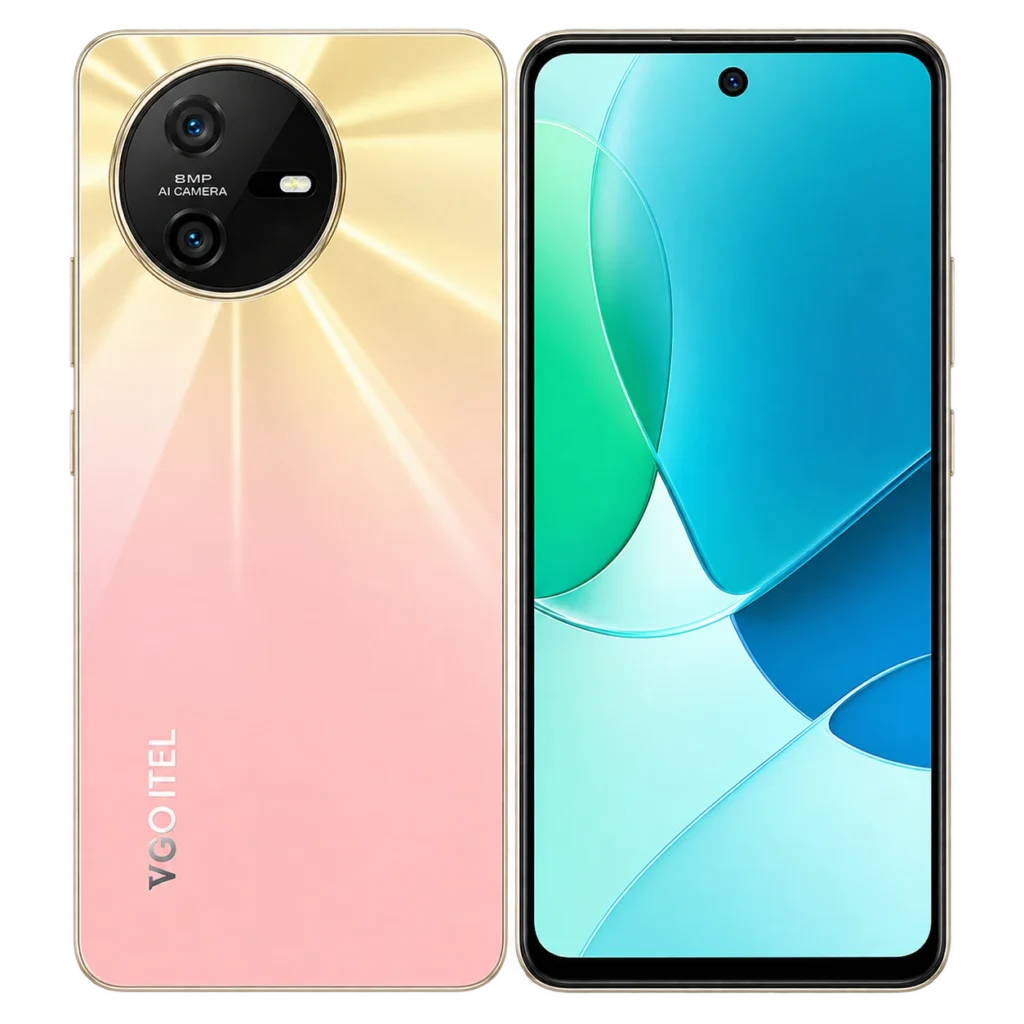
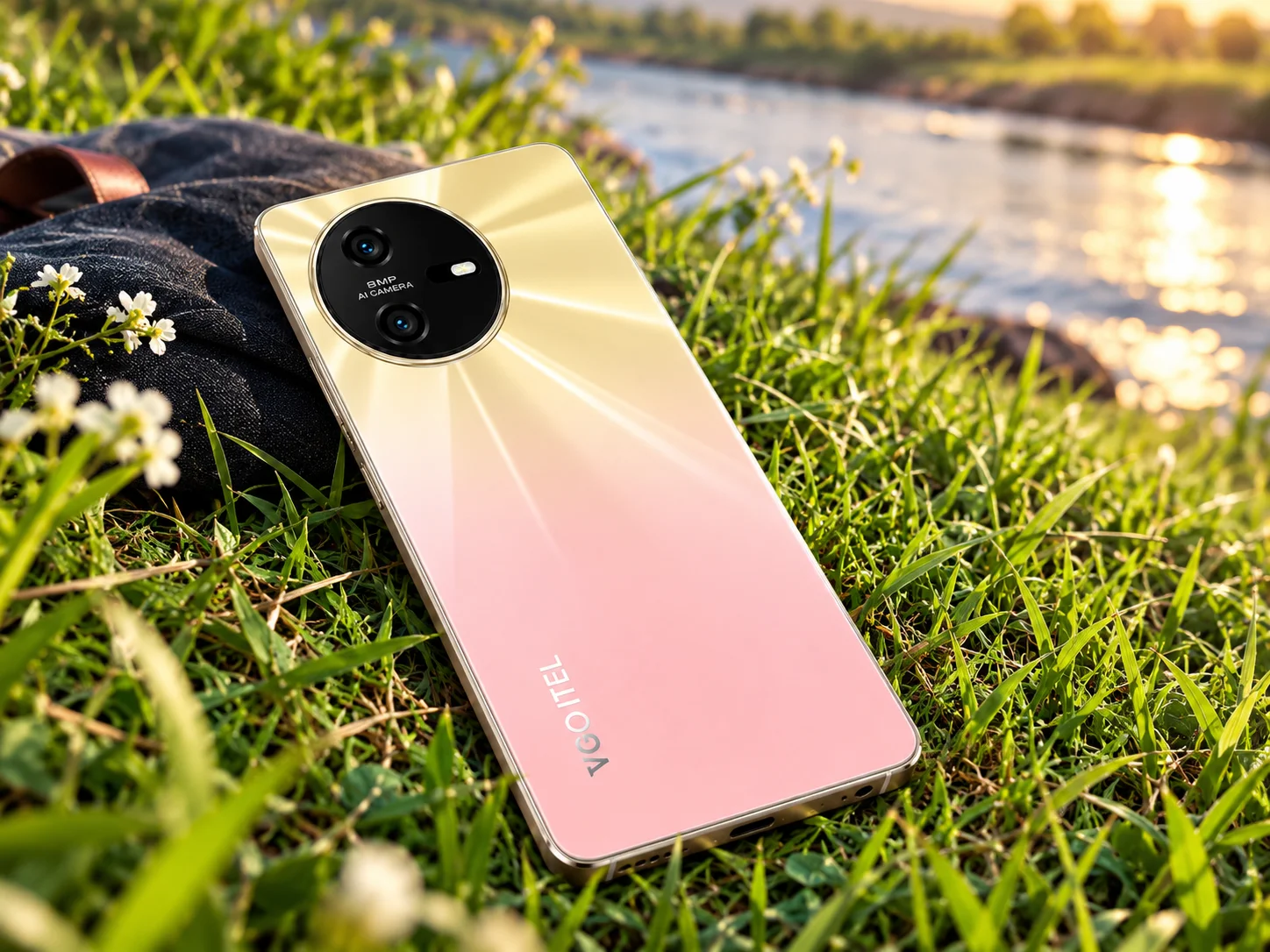




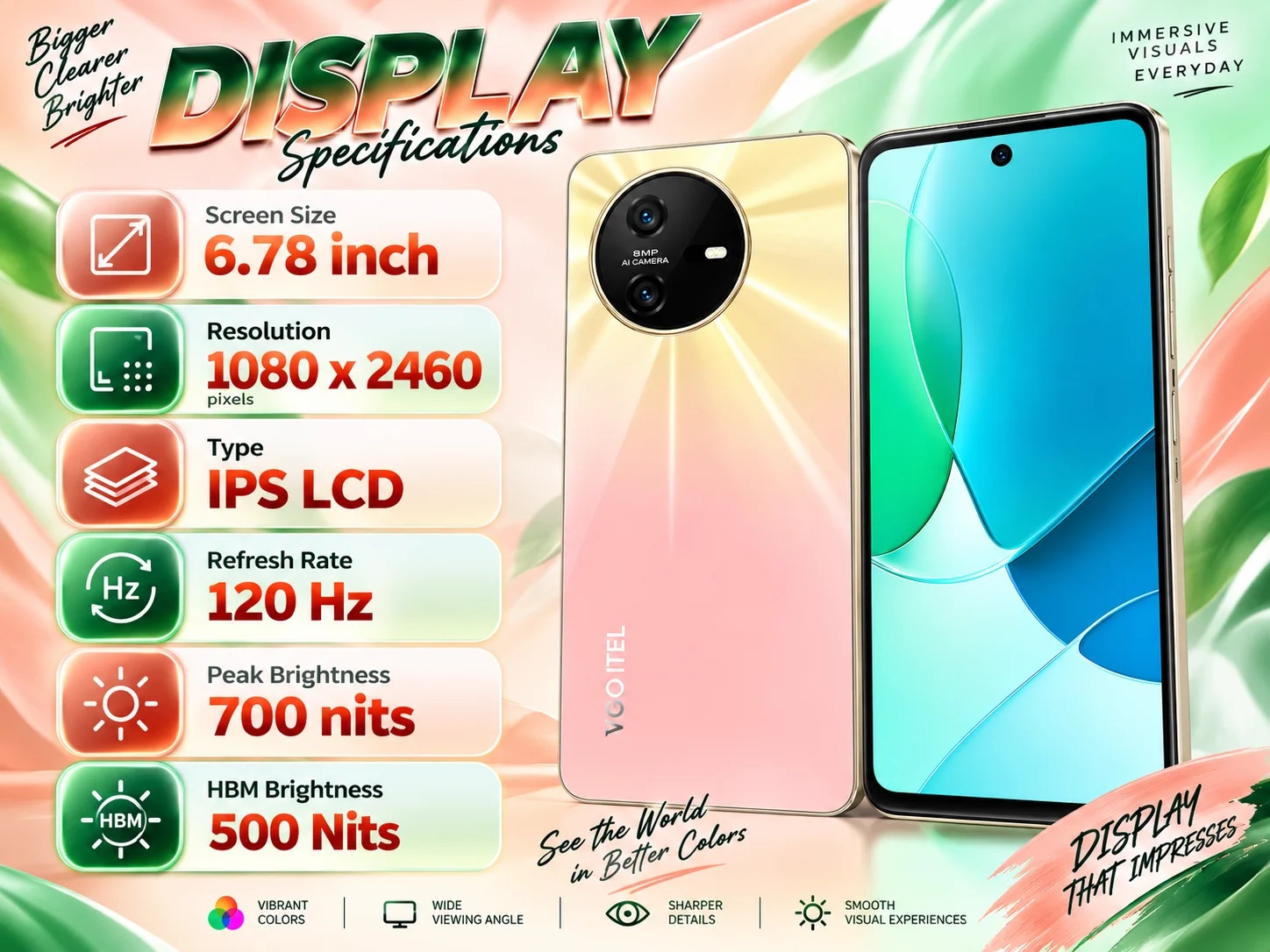
The VGO TEL Note 24 uses a 6.78-inch IPS LCD panel at 1080×2460 (FHD+) resolution with a 120Hz refresh rate, matching the panel size, resolution, and refresh rate of its own predecessor, the VGO TEL Note 23, almost spec for spec. Peak brightness for the Note 24 is [Unconfirmed], since no manufacturer or independent source has published a nits figure for this exact model, while the Note 23’s own peak brightness is listed at 500 nits by retailer sources.
The Infinix Note 30 4G runs the same 6.78-inch IPS LCD, 1080×2460, 120Hz formula but has an independently GSMArena-tested peak brightness of 580 nits , giving it a real, verified edge over both VGO TEL models in outdoor visibility. The biggest differentiator in this group, though, isn’t size or resolution, it’s panel technology. The itel S25 is the only phone here with an AMOLED display rather than IPS LCD, and it also posts the highest confirmed brightness by far at 1200 nits HBM and 1800 nits peak ,
at a slightly different resolution of 1080×2436. AMOLED gives the itel S25 deeper blacks, richer contrast, and better sunlight legibility than any IPS panel in this bracket, a hardware-level advantage that headline numbers like screen size or refresh rate don’t capture on their own. All four phones share the same 120Hz refresh rate, so smoothness is a wash, but panel type and verified brightness are not.
Verdict: For buyers who prioritize outdoor visibility and color depth, the itel S25’s AMOLED panel and confirmed 1800 nits peak brightness make it the strongest display in this comparison, while the VGO TEL Note 24 and Note 23 remain unproven on brightness and rely on IPS LCD technology shared with the Infinix Note 30 4G.