


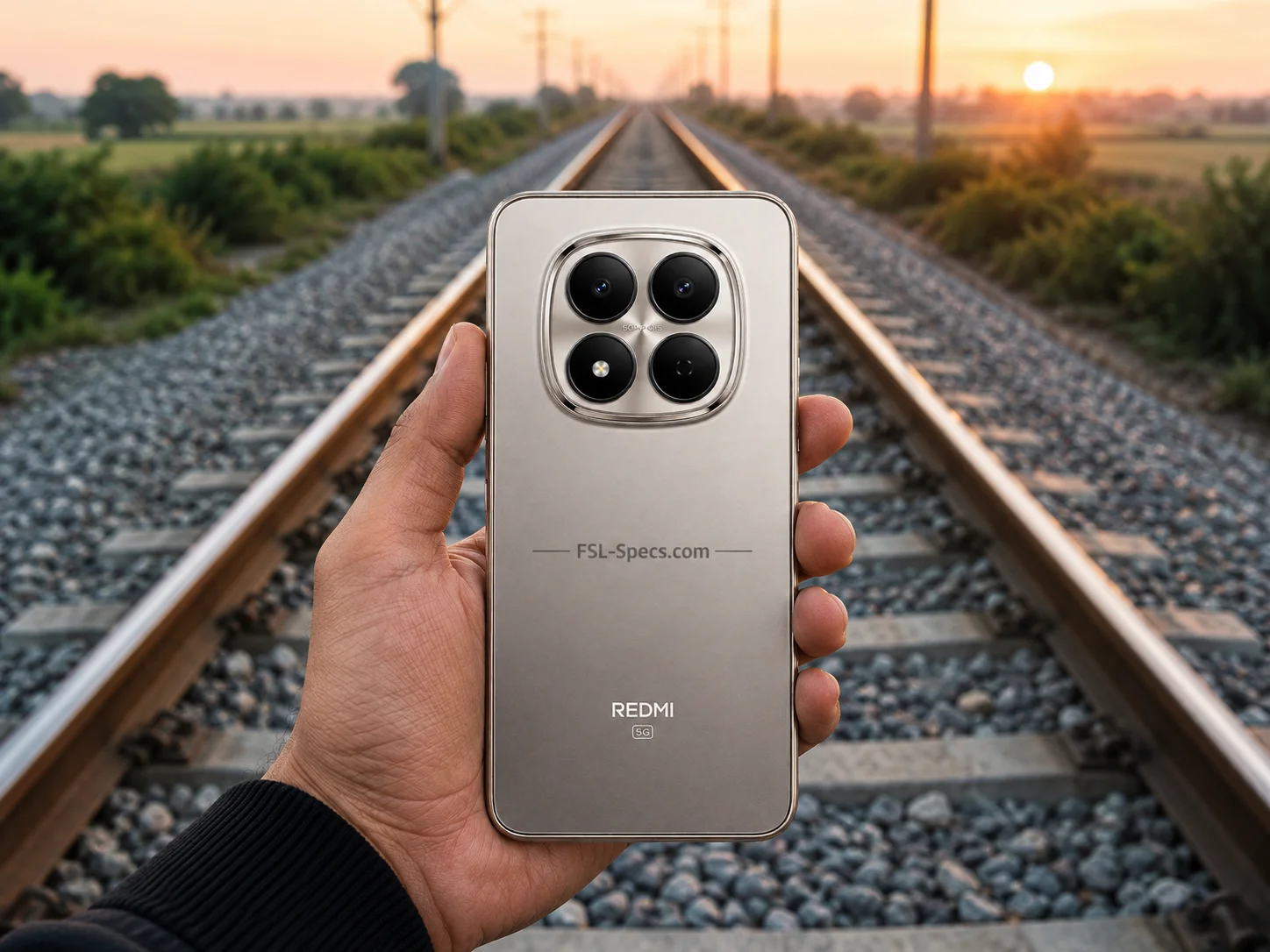
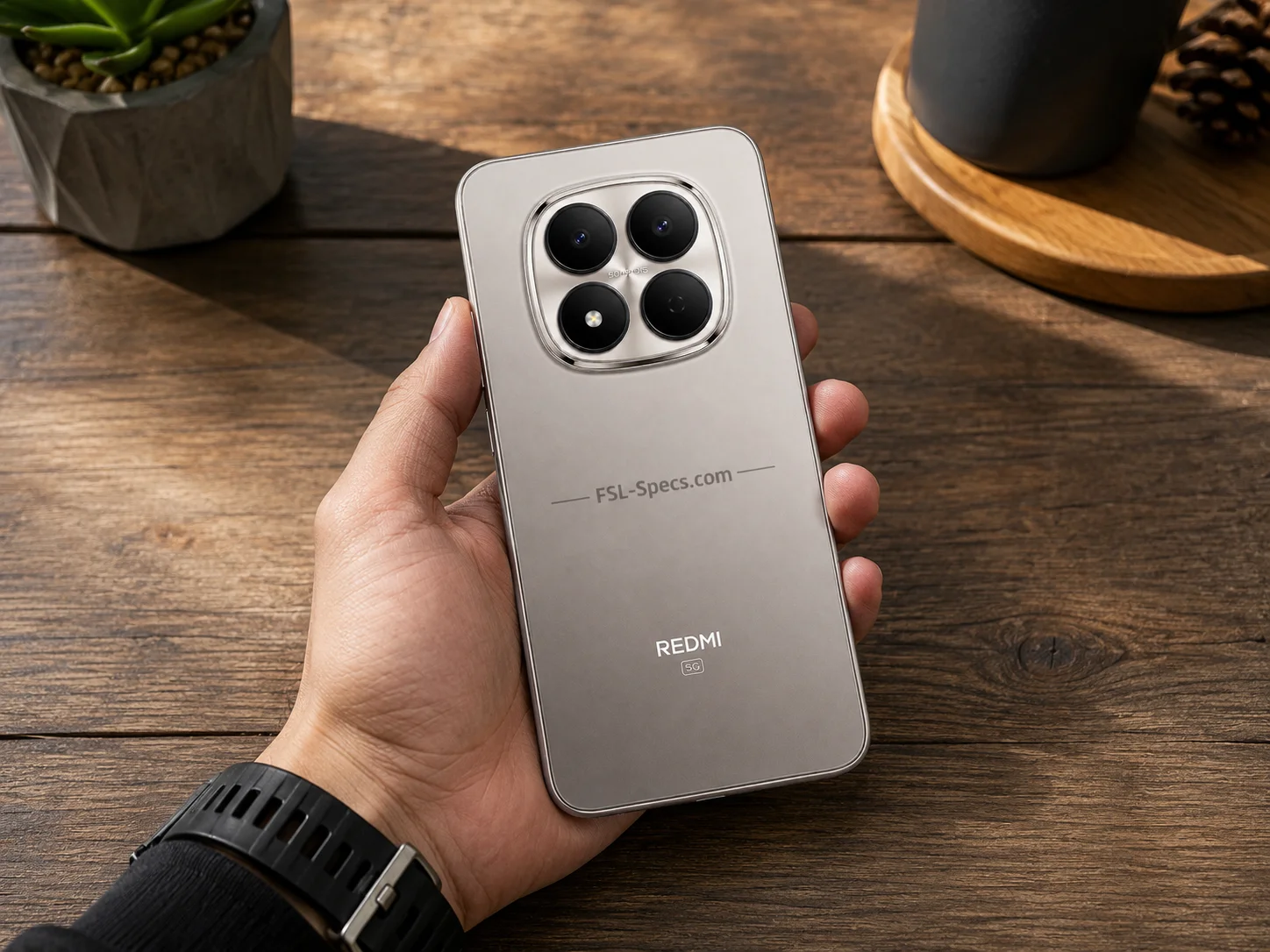
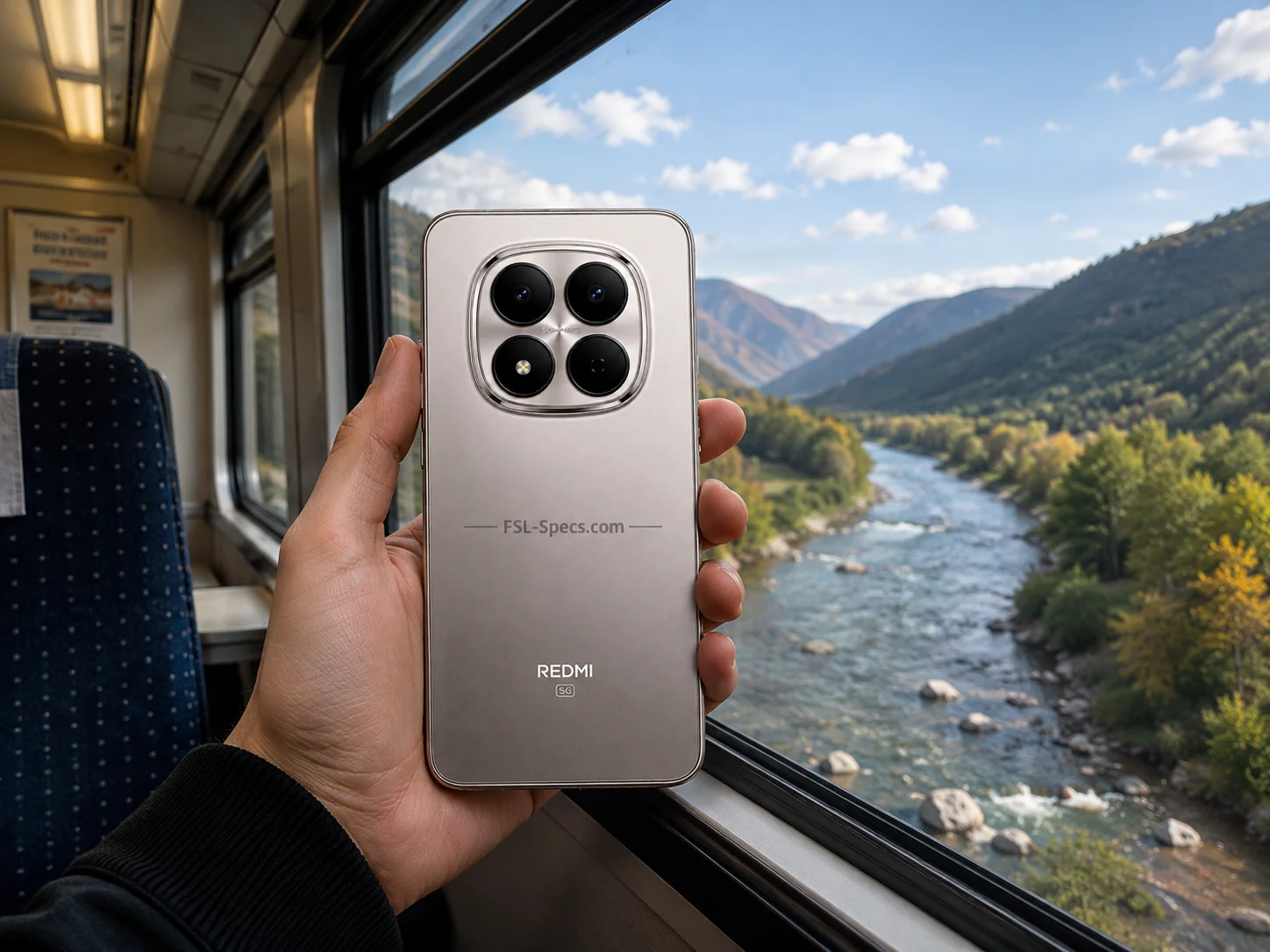


















✪ Redmi Note 14 Pro 4G ✪

Xiaomi Redmi Note 14 Pro Specs, Price, Camera, Battery & Best Review
United States flag United States
$280 USD
Pakistan flag Pakistan (PKR)
88,000 PKR
India flag India (INR)
₹27,000 INR

✪ Redmi Note 14 Pro 4G ✪

Xiaomi Redmi Note 14 Pro Specs, Price, Camera, Battery & Best Review
Last Time Update : 27 August, 2026
0

Quick Specifications

AMOLED

Display Type

Helio G100

Processor

12 + 512 GB

Ram And Memory

200 + 8 + 2 MP

Camera

5500 mAh

Battery

45 W

Fast Charging

Full Specification

BASIC INFO
Mobile
Redmi Note 14 Pro 4G
Model
24116RACCG
Series
Redmi Note
Category
Mid Range
Release Date
16 January,2025
Year
2025
CONNECTIVITY
Sim
Nano-SIM + Nano-SIM
Network
4G
WiFi
Wi-Fi 5
Bluetooth
5.3
NFC
Yes / region dependent
OS
Android 15 / HyperOS 2
BODY
Dimensions
162.2 x 74.9 x 8.2 mm
Build
Aluminum frame And Back plastic
KG Weight
195 grams
Screen Size
6.67 inch
Resolution
1080 × 2400 Pixels
Type
AMOLED
Refresh Rate
120 Hz
Peak Brightness
1800 nits
HBM Brightness
1200 nits
Processor
Helio G100
Max Clock
2.2 GHz
Lithography
6 nm
GPU
Mali-G57 MC2
CPU Cores
Octa-core
Antutu v11
550 K
Antutu v10
420 K
Architecture
2×2.2 GHz Cortex-A76
6×2.0 GHz Cortex-A55
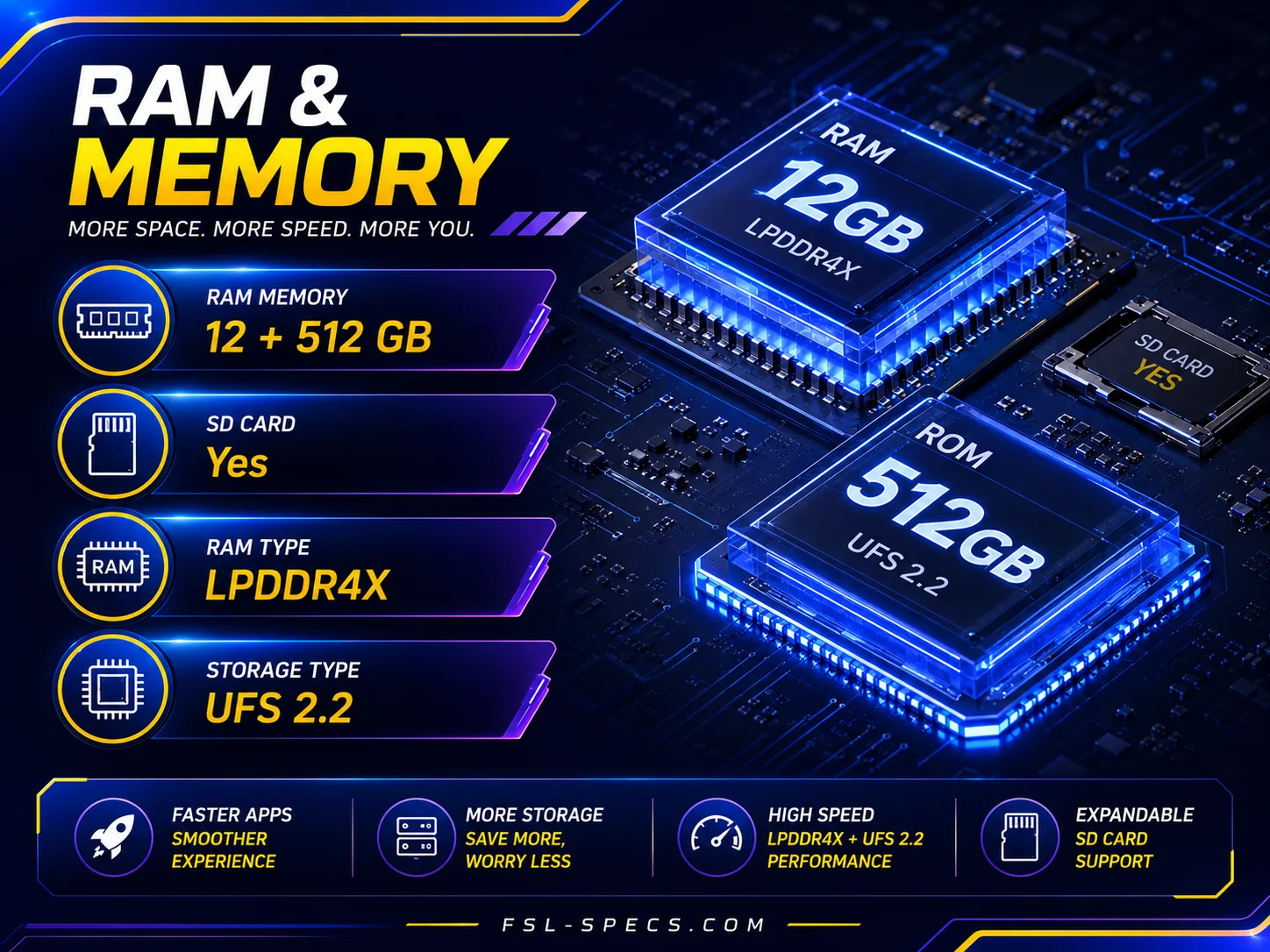
Ram Memory
12 + 512 GB
Ram Type
LPDDR4X
Storage Type
UFS 2.2
SD Card
Yes
Variants
8 + 128 / 256 GB
12 + 256 / 512 GB
MP
Rear Camera
200 + 8 + 2 MP
Front Camera
32 MP
SENSORS
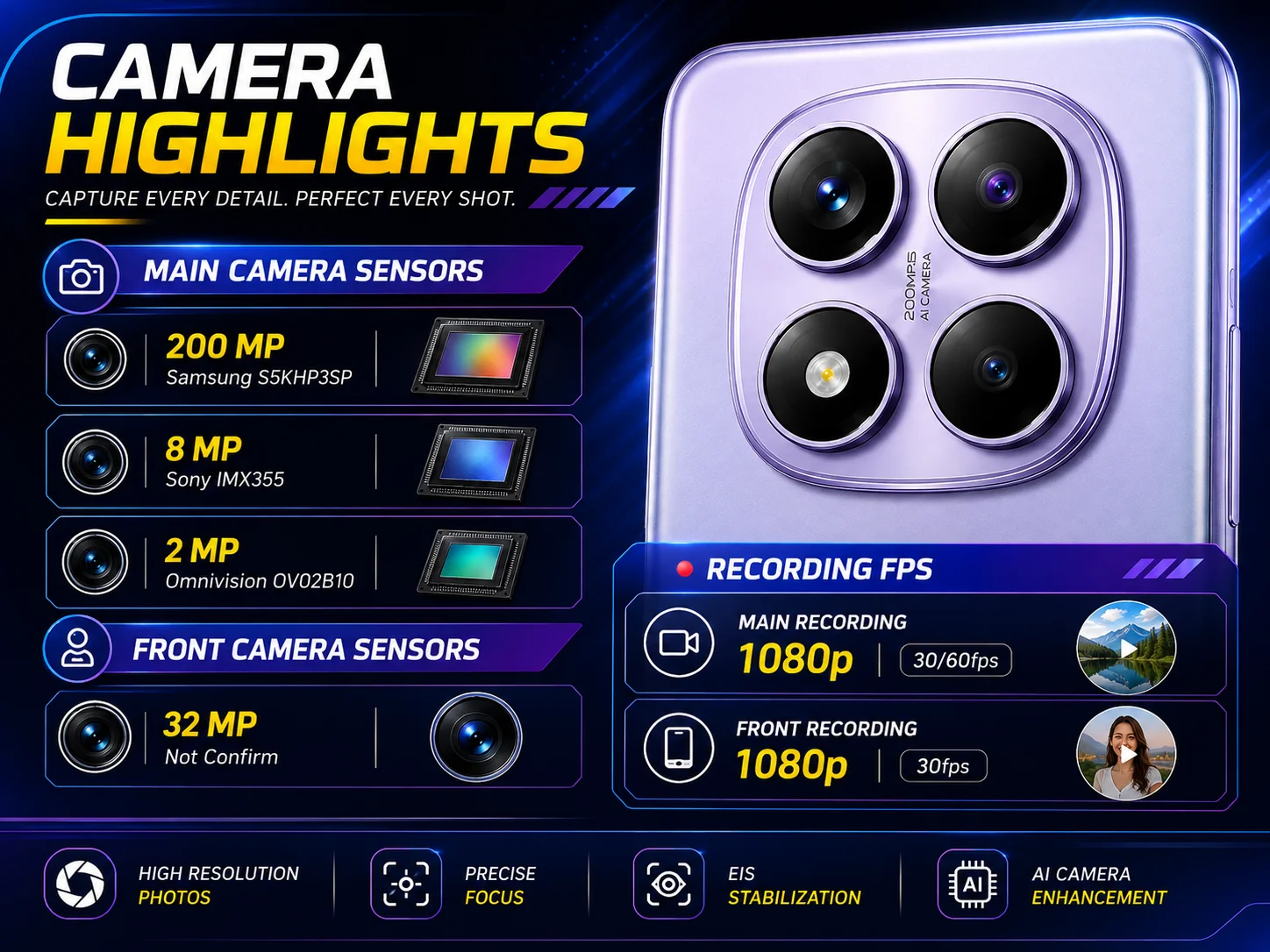
Camera Sensors
200 MP    = Samsung S5KHP3SP
8 MP    = Sony IMX355
2 MP    = Omnivision OV02B10
Front Sensors
32 MP = Not Confirm
RECORDING FPS
Main Recording
1080p @ 30/60fps
Front Recording
1080p @ 30 fps
RESOLUTION
Main Resolution
8150 x 6150 Pixels
Front Resolution
6532 × 4899 pixels
ZOOM
Optical Zoom
-
D Digital Zoom
10 x
Stabilization
Yes
FLASH
Flash
LED
Front Flash
Screen Flash
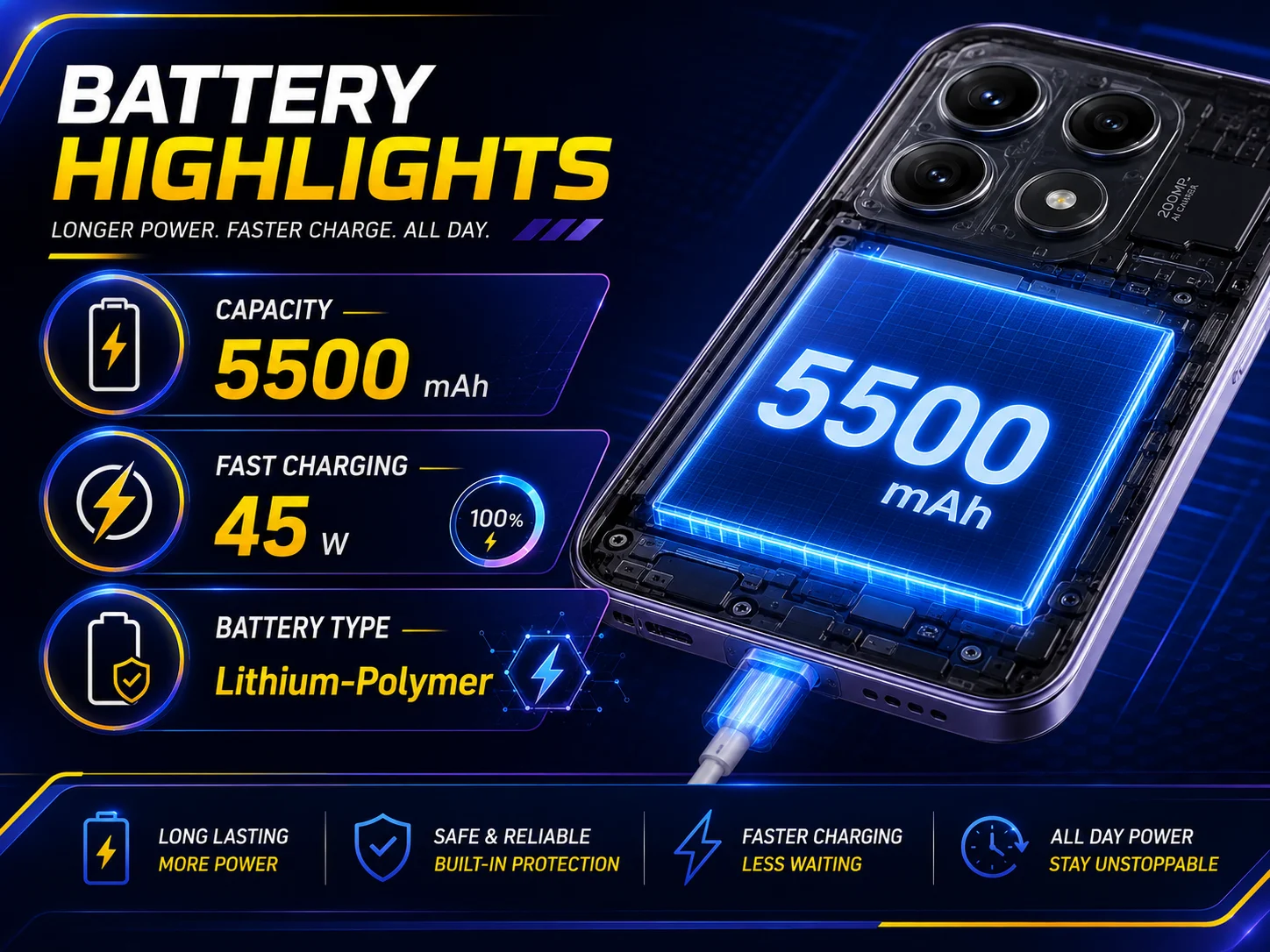
Capacity
5500 mAh
Fast Charging
45 W
Wireless Charging
No
Li Battery Type
Lithium-Polymer
REVERSE
Reverse Wired
No
Reverse Wireless
No
OTHER
Battery PC Marks
Not Confirm
Charging Time
-
AUDIO & SENSORS
Speaker
Dual Stereo Speaker
Fingerprint Sensor
Front Finger
Other Sensors
Proximity sensor
Gyroscope
Accelerometer
Ambient light sensor
Compass, etc
BASIC INFO
Mobile
Redmi Note 14 Pro 4G
Model
24116RACCG
Series
Redmi Note
Category
Mid Range
Release Date
16 January,2025
Year
2025
CONNECTIVITY
Sim
Nano-SIM + Nano-SIM
Network
4G
WiFi
Wi-Fi 5
Bluetooth
5.3
NFC
Yes / region dependent
OS
Android 15 / HyperOS 2
BODY
Dimensions
162.2 x 74.9 x 8.2 mm
Build
Aluminum frame And Back plastic
KG Weight
195 grams
Screen Size
6.67 inch
Resolution
1080 × 2400 Pixels
Type
AMOLED
Refresh Rate
120 Hz
Peak Brightness
1800 nits
HBM Brightness
1200 nits
Processor
Helio G100
Max Clock
2.2 GHz
Lithography
6 nm
GPU
Mali-G57 MC2
CPU Cores
Octa-core
Antutu v11
550 K
Antutu v10
420 K
Architecture
2×2.2 GHz Cortex-A76
6×2.0 GHz Cortex-A55
Ram Memory
12 + 512 GB
SD Card
Yes
Ram Type
LPDDR4X
Storage Type
UFS 2.2
Variants
8 + 128 / 256 GB
12 + 256 / 512 GB
MP
Rear Camera
200 + 8 + 2 MP
Front Camera
32 MP
SENSORS
Main Camera Sensors
200 MP    = Samsung S5KHP3SP
8 MP    = Sony IMX355
2 MP    = Omnivision OV02B10
Front Camera Sensors
32 MP = Not Confirm
RECORDING FPS
Main Recording
1080p @ 30/60fps
Front Recording
1080p @ 30 fps
RESOLUTION
Main Resolution
8150 x 6150 Pixels
Front Resolution
6532 × 4899 pixels
ZOOM
Optical Zoom
-
D Digital Zoom
10 x
Stabilization
Yes
FLASH
Flash
LED
Front Flash
Screen Flash
Capacity
5500 mAh
Fast Charging
45 W
Wireless Charging
No
Li Battery Type
Lithium-Polymer
REVERSE
Reverse Wired
No
Reverse Wireless
No
OTHER
Battery Life PCMark
Not Confirm
Charging Time
-
AUDIO & SENSORS
Speaker
Dual Stereo Speaker
Fingerprint Sensor
Front Finger
Other Sensors
Proximity sensor
Gyroscope
Accelerometer
Ambient light sensor
Compass, etc

Highlights & Review Of Redmi Note 14 Pro 4G

Display Review:

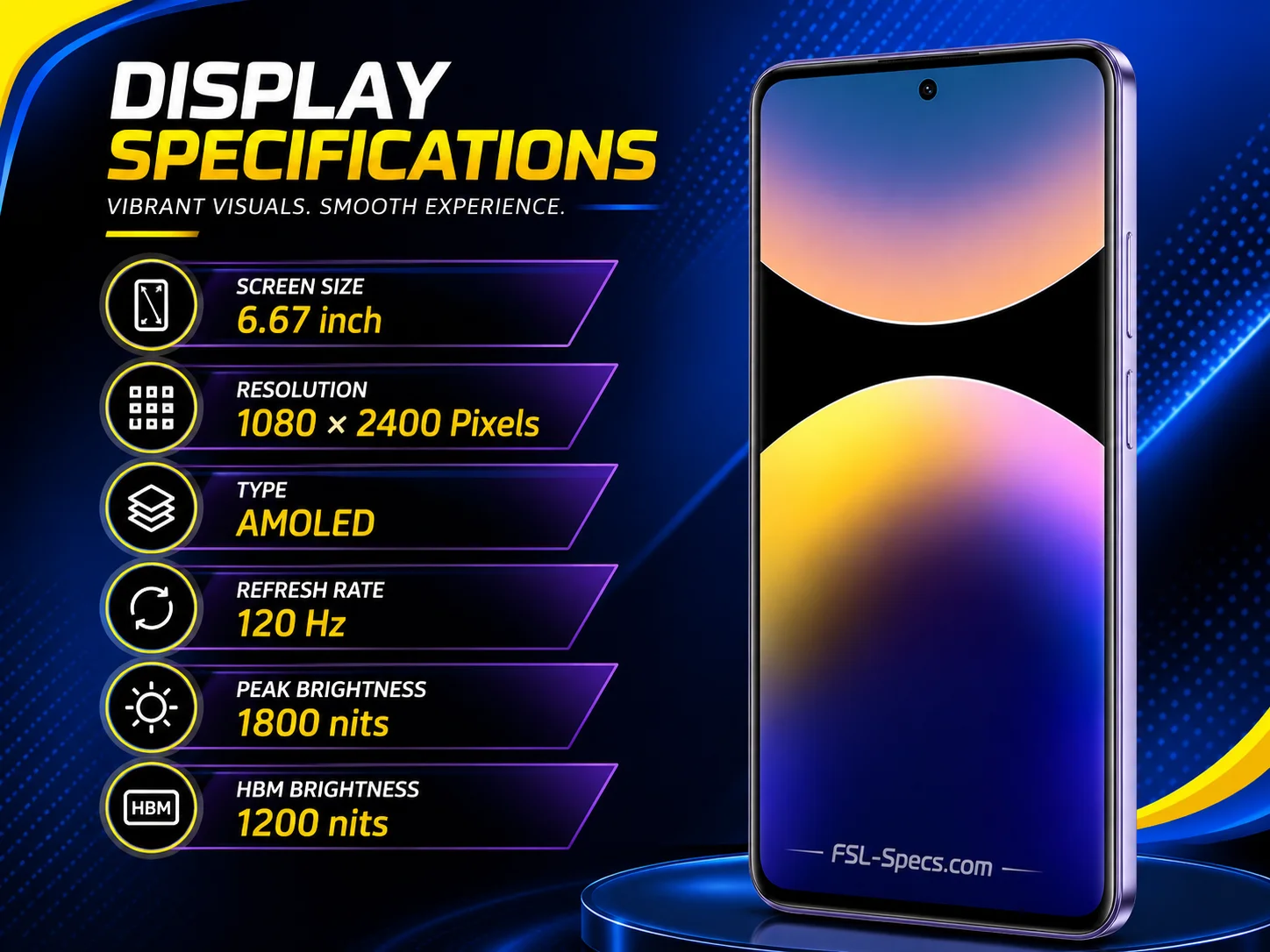
The Xiaomi Redmi Note 14 Pro 4G uses a 6.67-inch AMOLED display with 2400 × 1080 resolution and a 120Hz refresh rate. At PKR 88,000, its screen remains strong for everyday use, but all three rivals push display hardware further in at least one important area. Xiaomi rates the Redmi at 1200 nits HBM and 1800 nits peak brightness, giving it good outdoor visibility.

The Redmi Note 15 Pro 4G, priced at PKR 90,000, moves to a slightly larger 6.77-inch AMOLED panel with 1280 × 2772 resolution and 120Hz refresh rate. Its 1800 nits HBM and 3200 nits peak brightness are substantially higher than the Note 14 Pro 4G’s figures, while the higher-resolution panel provides noticeably greater pixel density for text, photos and fine UI details.

The Infinix Note 60 Edge 5G at PKR 87,000 also has a 6.78-inch AMOLED display with 1208 × 2644 resolution and 120Hz refresh rate. Its 1600 nits HBM falls below the Redmi Note 15 Pro 4G but exceeds the Note 14 Pro 4G’s HBM figure. The Edge therefore offers a larger, sharper screen than the primary Redmi while costing PKR 1,000 less.

The Infinix Note 60 at PKR 97,000 goes further with a 6.78-inch AMOLED, 1208 × 2644 resolution and a faster 144Hz refresh rate. It reaches 1600 nits HBM and 4500 nits peak brightness, making it the smoothest and brightest-on-paper option here.

Verdict: The Redmi Note 14 Pro 4G has a good AMOLED display, but the Infinix Note 60 Edge 5G offers the stronger display value at PKR 87,000, while the Redmi Note 15 Pro 4G delivers the best combination of resolution and HBM brightness.

Processor Review:

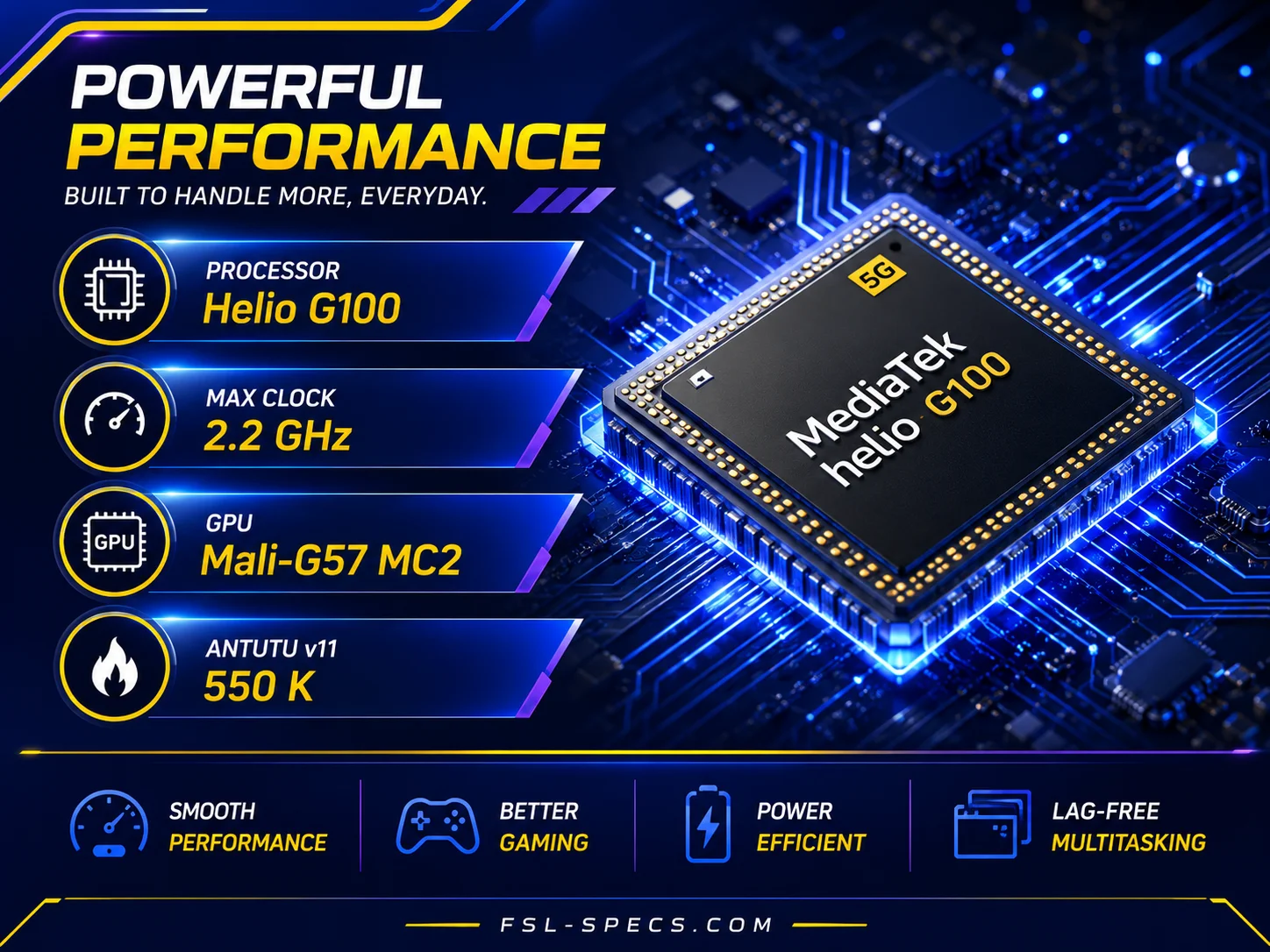
The Xiaomi Redmi Note 14 Pro 4G uses the MediaTek Helio G100 Ultra, a 6nm chipset with an octa-core CPU reaching 2.2GHz and Mali-G57 MP2 graphics. In NanoReview’s AnTuTu 11 testing, it averages 558,203 points. At PKR 88,000, this provides adequate performance for social media, browsing, streaming and everyday multitasking, but its benchmark position is clearly behind two of the rivals.

The Redmi Note 15 Pro 4G, at PKR 90,000, uses the newer Helio G200 Ultra and scores 591,254 in AnTuTu 11. That is approximately 5.9% higher than the Redmi Note 14 Pro 4G. The CPU configuration remains similar, but the G200 Ultra raises GPU clock speed to 1.1GHz, compared with 1.0GHz on the G100 Ultra, giving the newer Redmi a modest performance advantage rather than a major generational jump.

The Infinix Note 60 Edge 5G at PKR 87,000 is substantially faster. Its MediaTek Dimensity 7100 records around 785,352 AnTuTu 11 points, making it approximately 40.7% faster than the Redmi Note 14 Pro 4G in this benchmark. Its 4 × Cortex-A78 performance cores and Mali-G610 MP2 also give it considerably more CPU and GPU headroom for demanding applications and gaming.

The Infinix Note 60, despite costing PKR 97,000, is in another performance tier. Its Dimensity 7400 Ultimate reaches 977,113 AnTuTu 11 points, approximately 75.0% higher than the Redmi Note 14 Pro 4G. It also uses a 4nm process, four Cortex-A78 cores and Mali-G615 MP2 graphics.

Verdict: The Redmi Note 14 Pro 4G is adequate for everyday performance, but the Infinix Note 60 Edge 5G offers dramatically better performance for less money, while the Infinix Note 60 is the clear performance winner.

Ram & Memory Review:

The Xiaomi Redmi Note 14 Pro 4G has a major memory advantage in this comparison because the target configuration offers 12GB RAM + 512GB storage. Xiaomi specifies LPDDR4X RAM and UFS 2.2 storage, with support for expandable storage up to 1TB. At PKR 88,000, that gives the Redmi twice the advertised internal storage of every rival listed here, making it particularly attractive for users who keep large game libraries, videos, photos and downloaded content on the phone.

The Redmi Note 15 Pro 4G at PKR 90,000 is available in 8GB + 256GB, using LPDDR4X + UFS 2.2. It also supports expandable storage, with Xiaomi listing support up to 2TB. Compared with the Redmi Note 14 Pro 4G’s 12GB + 512GB, the newer model in your selected configuration has 4GB less RAM and 256GB less built-in storage, although its much higher theoretical microSD capacity gives it an advantage for users comfortable with external storage.

The Infinix Note 60 Edge 5G, priced at PKR 87,000, comes with 8GB + 256GB according to Infinix’s Pakistan listing. That means the Redmi Note 14 Pro 4G provides 50% more RAM and 100% more internal storage in your selected configurations. However, the Edge’s exact RAM technology and storage technology were not sufficiently verified from the sources checked, so they should not be claimed without confirmation.

The Infinix Note 60 at PKR 97,000 also offers 8GB + 256GB UFS 2.2 and does not provide a microSD card slot.

Verdict: The Redmi Note 14 Pro 4G 12GB + 512GB is the clear memory winner, delivering substantially more RAM and storage for less money than all three selected rivals.

Cameras Review:

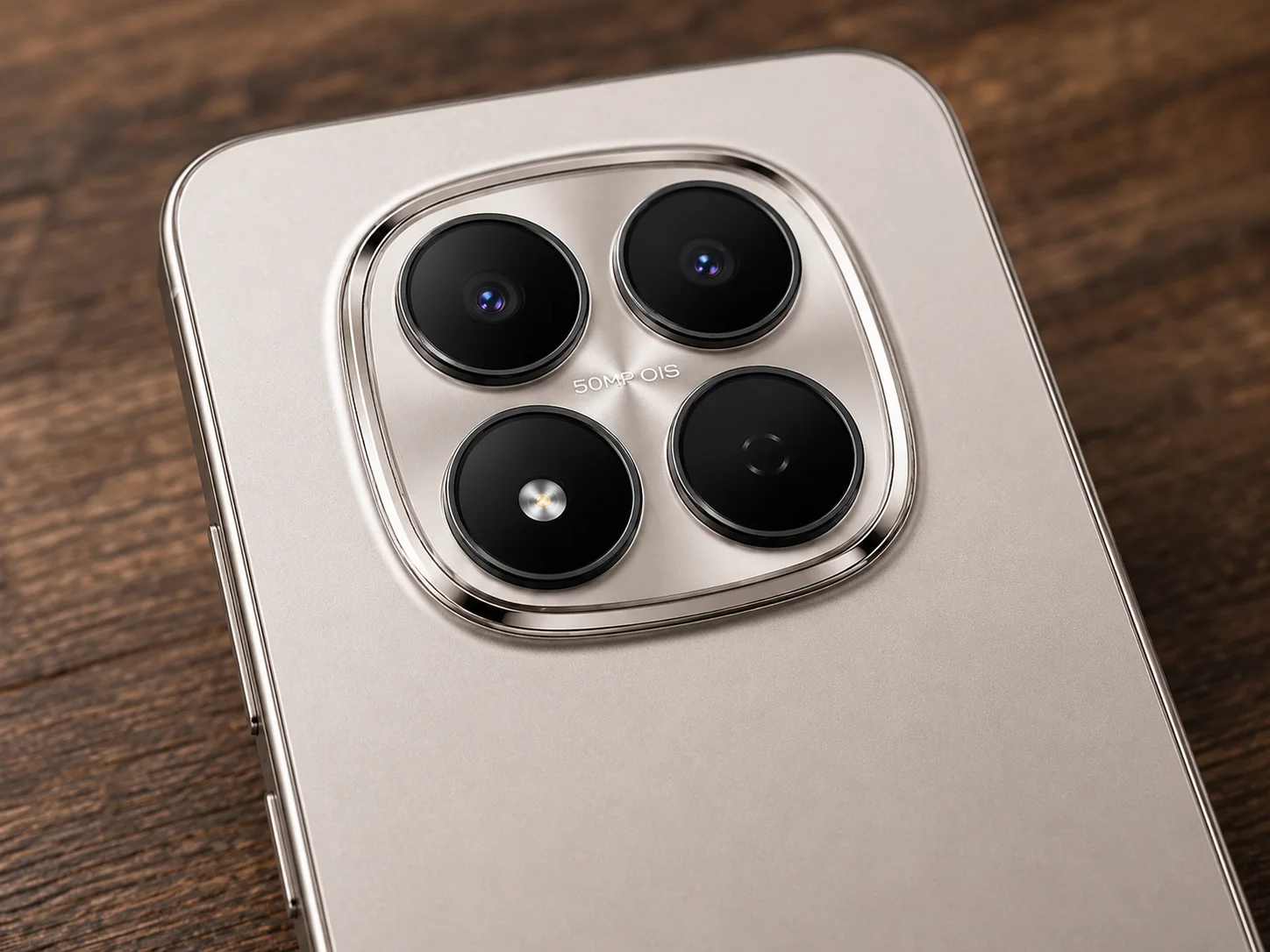
The Xiaomi Redmi Note 14 Pro 4G has the strongest primary-camera hardware in this comparison on paper, with a 200MP main camera supported by OIS, alongside an 8MP ultrawide and 2MP macro camera. Its front camera is 32MP, giving the phone a high-resolution setup for both rear photography and selfies. The combination of a high-resolution main sensor and OIS gives the Redmi a useful advantage for handheld photography, particularly when shooting in lower light where stabilization can help reduce blur.

The Redmi Note 15 Pro 4G also uses a 200MP main camera with OIS, making the two Redmi models closely matched in their headline camera hardware. This means the newer model does not provide a dramatic upgrade over the Note 14 Pro 4G simply from its main-camera megapixel count. At PKR 90,000, the Note 15 Pro 4G therefore needs to compete on processing and other camera characteristics rather than relying on a higher megapixel count.

The Infinix Note 60 Edge 5G, at PKR 87,000, and the Infinix Note 60, at PKR 97,000, are difficult to rank fairly against the Redmi without verified sensor-level information for every camera. Rather than assuming Sony or Samsung sensor models, this comparison should treat any undisclosed sensor branding as not confirmed. That distinction matters because megapixel count alone does not establish image quality.

For video, the Redmi Note 14 Pro 4G provides a well-rounded camera package, while the Redmi’s 200MP + OIS combination gives it particularly strong hardware credentials for still photography. However, the Infinix models can offer competitive results depending on their image processing, and those differences cannot responsibly be quantified without consistent camera samples or verified sensor data.

Verdict: The Redmi Note 14 Pro 4G is the safest camera choice here for buyers prioritizing verifiable hardware, especially its 200MP OIS main camera and 32MP selfie camera. GSMArena could not be directly retrieved during this search, so undisclosed rival sensor details have deliberately not been guessed.

Battery Review:

The Xiaomi Redmi Note 14 Pro 4G packs a 5,500mAh battery with 45W turbo charging. At PKR 88,000, the battery capacity is solid for a mid-range phone, and independent testing from PhoneArena recorded about 7 hours 9 minutes of estimated battery life, including 14h 26m of web browsing, 12h 15m of video playback and 8h 18m of gaming. Its 45W charging reached 48% in 30 minutes and a full charge took around 1 hour 10 minutes in their test.

The Redmi Note 15 Pro 4G at PKR 90,000 has a substantially larger 6,500mAh battery while retaining 45W charging. That gives it 1,000mAh, or about 18.2%, more battery capacity than the Redmi Note 14 Pro 4G. However, charging speed remains the same, so the larger battery does not automatically mean faster charging.

The Infinix Note 60 Edge 5G, priced at PKR 87,000, also carries a 6,500mAh battery and 45W charging. Infinix claims up to 22 hours of continuous video playback and 26 hours of outdoor navigation, while its 10W reverse charging and bypass charging add useful functionality. This gives the Edge a clear capacity advantage over the Redmi Note 14 Pro 4G while costing PKR 1,000 less.

The Infinix Note 60 at PKR 97,000 also reaches 6,500mAh and supports 45W wired charging. More importantly, its published specifications list 30W wireless charging and bypass charging, features the Redmi Note 14 Pro 4G does not offer.

Verdict: The Redmi Note 14 Pro 4G has a respectable 5,500mAh + 45W setup, but the 6,500mAh batteries in the Redmi Note 15 Pro 4G and Infinix Note 60 Edge 5G provide 18.2% more capacity, making those two stronger battery choices, while the Infinix Note 60 offers the most feature-rich charging system.

Final Verdict :

At PKR 88,000, the Xiaomi Redmi Note 14 Pro 4G 12GB + 512GB remains a strong all-rounder, but it does not win this comparison overall. Its biggest advantages are the 12GB RAM + 512GB storage, 200MP OIS camera, AMOLED display and expandable storage. Its main weakness is performance: the Helio G100 Ultra averages 558,203 AnTuTu 11, considerably below the newer Redmi Note 15 Pro 4G and both Infinix options.

1. Infinix Note 60, PKR 97,000: The overall performance winner. Its Dimensity 7400 Ultimate reaches about 977,113 AnTuTu 11, around 75% higher than the Redmi Note 14 Pro 4G. It also combines a 6,500mAh battery, 45W wired charging, 30W wireless charging, 144Hz AMOLED display and 50MP OIS camera. The downside is its 8GB + 256GB configuration, which gives the Redmi a major memory advantage.

2. Infinix Note 60 Edge 5G, PKR 87,000: This is arguably the best value-performance choice. Its Dimensity 7100 records around 785,352 AnTuTu 11, roughly 41% higher than the Redmi Note 14 Pro 4G, while also offering 6,500mAh battery, 5G and a 6.78-inch AMOLED display. At PKR 1,000 less, it is particularly difficult for the Redmi to beat on overall value.

3. Xiaomi Redmi Note 15 Pro 4G, PKR 90,000: The balanced upgrade. Its Helio G200 Ultra scores 591,254 AnTuTu 11, only about 5.9% above the Note 14 Pro 4G, but its 6,500mAh battery and newer platform improve the overall package. However, your selected 8GB + 256GB version gives the Note 14 Pro 4G a clear storage and RAM advantage.

4. Xiaomi Redmi Note 14 Pro 4G, PKR 88,000: Best choice specifically for buyers who prioritize 12GB RAM + 512GB storage and the 200MP OIS camera over raw processing power. Its 558,203 AnTuTu 11 score is the lowest here, so it is not the best pick for performance-focused buyers.

Verdict: Infinix Note 60 ranks #1 overall, Infinix Note 60 Edge 5G ranks #2 for value, Redmi Note 15 Pro 4G ranks #3, and Redmi Note 14 Pro 4G ranks #4 overall. However, if your priority is maximum RAM and storage, the Redmi Note 14 Pro 4G becomes the clear 12GB + 512GB value leader.

Pros And Cons of Redmi Note 14 Pro 4G

Pros of Mobile

✅ 120Hz AMOLED Display 📱
✅ 1800-Nit Peak Brightness ☀️
✅ 200MP Main Camera 📸
✅ 5500mAh Large Battery 🔋
✅ 45W Fast Charging ⚡
✅ 512GB + SD Storage 💾

Cons of Mobile

❌ 4G Network Only 📶
❌ UFS 2.2 Storage 💾
❌ LPDDR4X RAM Type 🧠
❌ 1080p Video Recording 🎥
❌ No Wireless Charging ⚡
❌ 2.2GHz Max Clock 🚀

Best For - Not Best For

Best For

🎯 Media & Streaming 📺
🎯 Mobile Photography 📸
🎯 Outdoor Viewing ☀️
🎯 Long Battery Life 🔋
🎯 Heavy Storage Users 💾
🎯 Everyday Multitasking 🧠

Not Best For

🚫 5G Connectivity Users 📶
🚫 Flagship Gaming 🎮
🚫 Ultra-Fast Storage 💾
🚫 4K Video Creators 🎥
🚫 Wireless Charging Fans ⚡
🚫 Peak Performance Seekers 🚀

Trailer And Unboxing of Redmi Note 14 Pro 4G

Disassembly Or Teardown And Gaming Test of Redmi Note 14 Pro 4G

Xiaomi Series Row
POCO Series Row
Redmi Series Row
Picture of Faisal Ur Rehman

Faisal Ur Rehman

Faisal Rehman is the founder and editor of FSL Specs, where he publishes in-depth smartphone specifications, comparisons, buying guides, and technology insights. With extensive experience in mobile hardware research and technical analysis, he provides accurate and up-to-date information on Android smartphones, processors, displays, cameras, batteries, performance benchmarks, and software features. His goal is to simplify complex specifications and help readers choose the right device with confidence.

FAQs Questions

It's powered by the MediaTek Helio G100 Ultra, an octa-core chip paired with a Mali-G57 MC2 GPU. It's built for smooth everyday performance rather than heavy gaming, so casual apps and social media run fine, but demanding titles at high settings will show its limits.

Yes, the 200MP main sensor comes with OIS, which matters more than the megapixel count itself since it helps reduce blur in handheld shots. It's paired with an 8MP ultrawide and a basic 2MP macro lens, so the setup is solid for everyday photos but not built for advanced photography.

It has a 5500mAh battery with 45W wired charging, which is a comfortable capacity for a full day of typical use. There's no wireless charging support, but the fast wired speeds make up for that when you do need a quick top-up.

It's a 6.67-inch AMOLED panel with a 120Hz refresh rate, 1200 nits HBM, and 1800 nits peak brightness, at 1080x2400 resolution. That combination makes it a genuinely bright, smooth screen for the price, even if it lacks HDR support found on pricier siblings.

It's available in 8GB/128GB, 8GB/256GB, and 12GB/512GB configurations, all using UFS 2.2 storage. There's also a microSDXC slot, though it shares space with the SIM tray, so expandable storage means giving up dual SIM.

It carries an IP64 rating, which protects against dust and light water splashes, but it's not designed to survive submersion. It's fine for rain or accidental spills, just not a phone you'd want to drop in a sink or pool.

No, as the "4G" in the name suggests, this variant is 4G-only, unlike the Redmi Note 14 Pro 5G which runs a different Dimensity 7300 Ultra chipset. If 5G matters to you long-term, that's the model to look at instead, though it comes at a higher price.

12 + 512 GB
₨ 88,000 | ₹27,000 | $ 280

Leave a Reply

Your email address will not be published. Required fields are marked *

Scroll to Top