
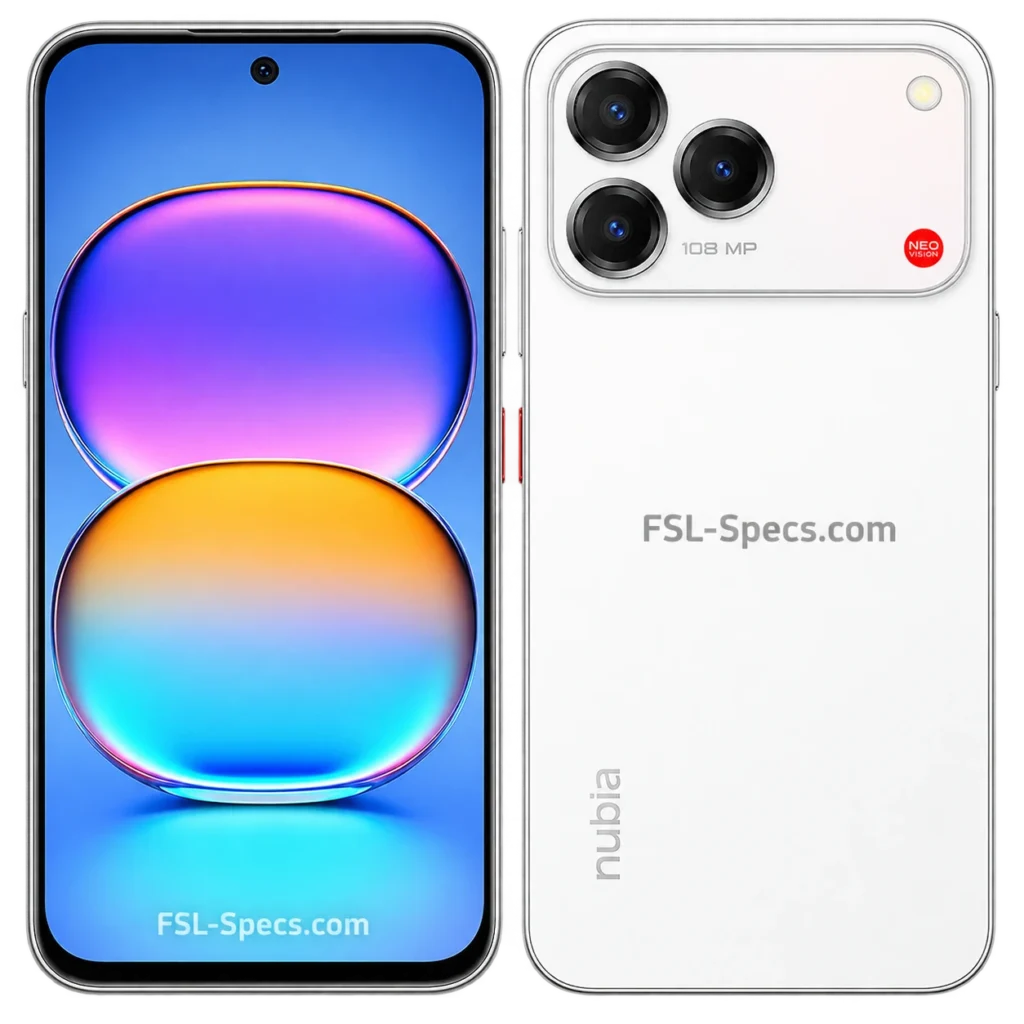













✪ ZTE Nubia V80 Pro ✪

ZTE Nubia V80 Pro png image
United States flag United States
$150 USD
Pakistan flag Pakistan (PKR)
45,000 PKR
India flag India (INR)
₹13,000 INR

✪ ZTE Nubia V80 Pro ✪

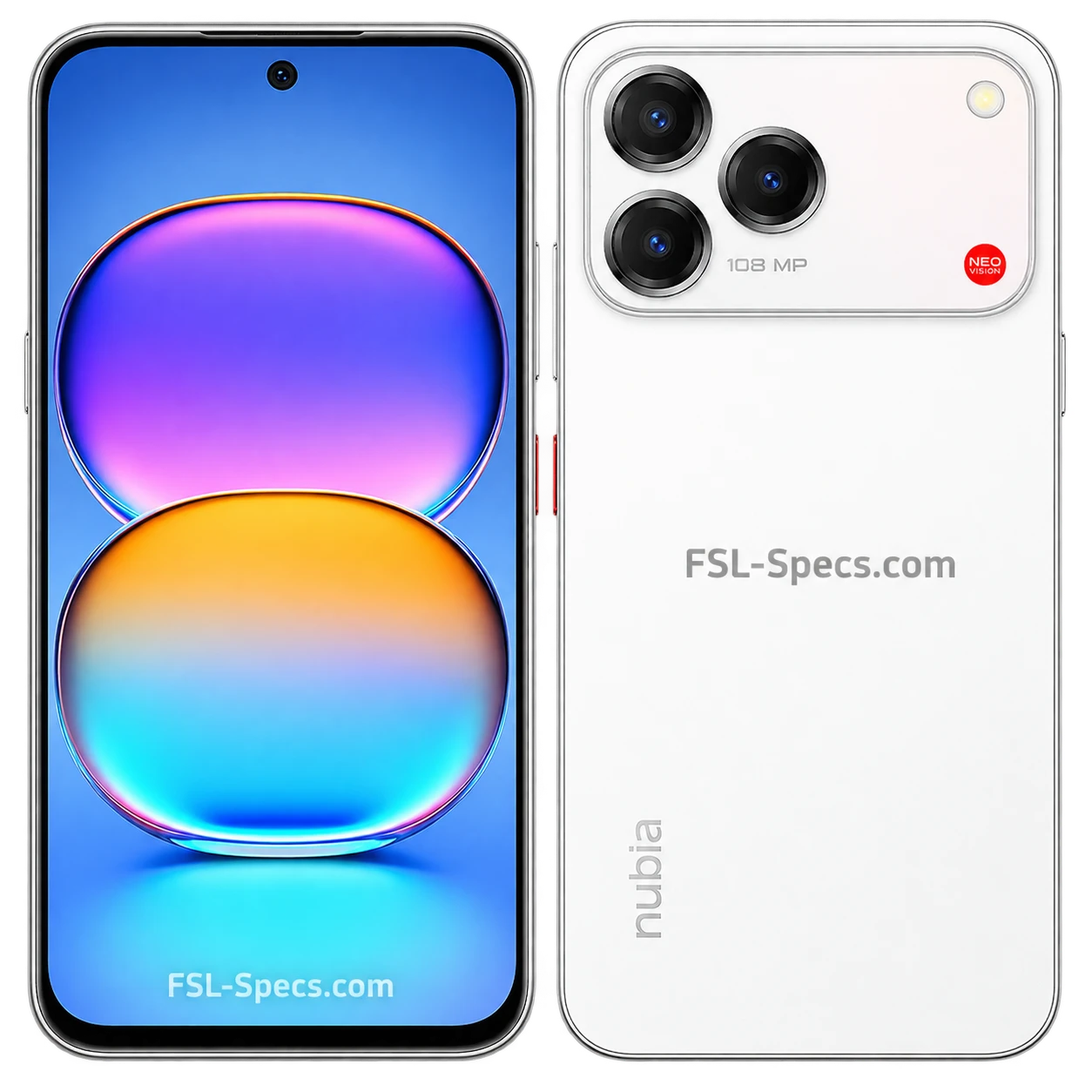
ZTE Nubia V80 Pro png image
Last Time Update : 15 September, 2026
0

Quick Specifications

IPS LCD

Display Type

unisoc T620

Processor

8+ 256 GB

Ram And Memory

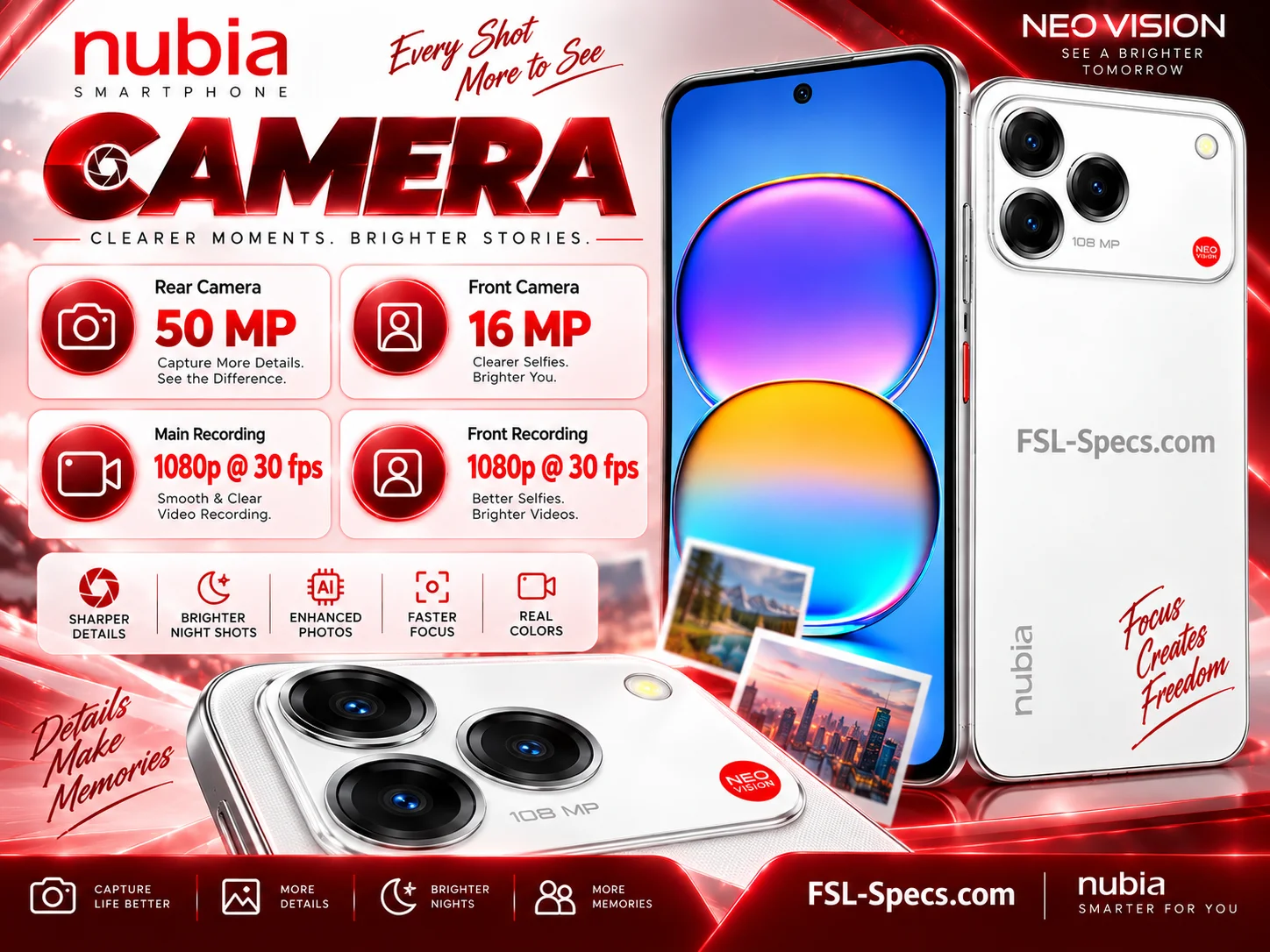
50 MP

Camera

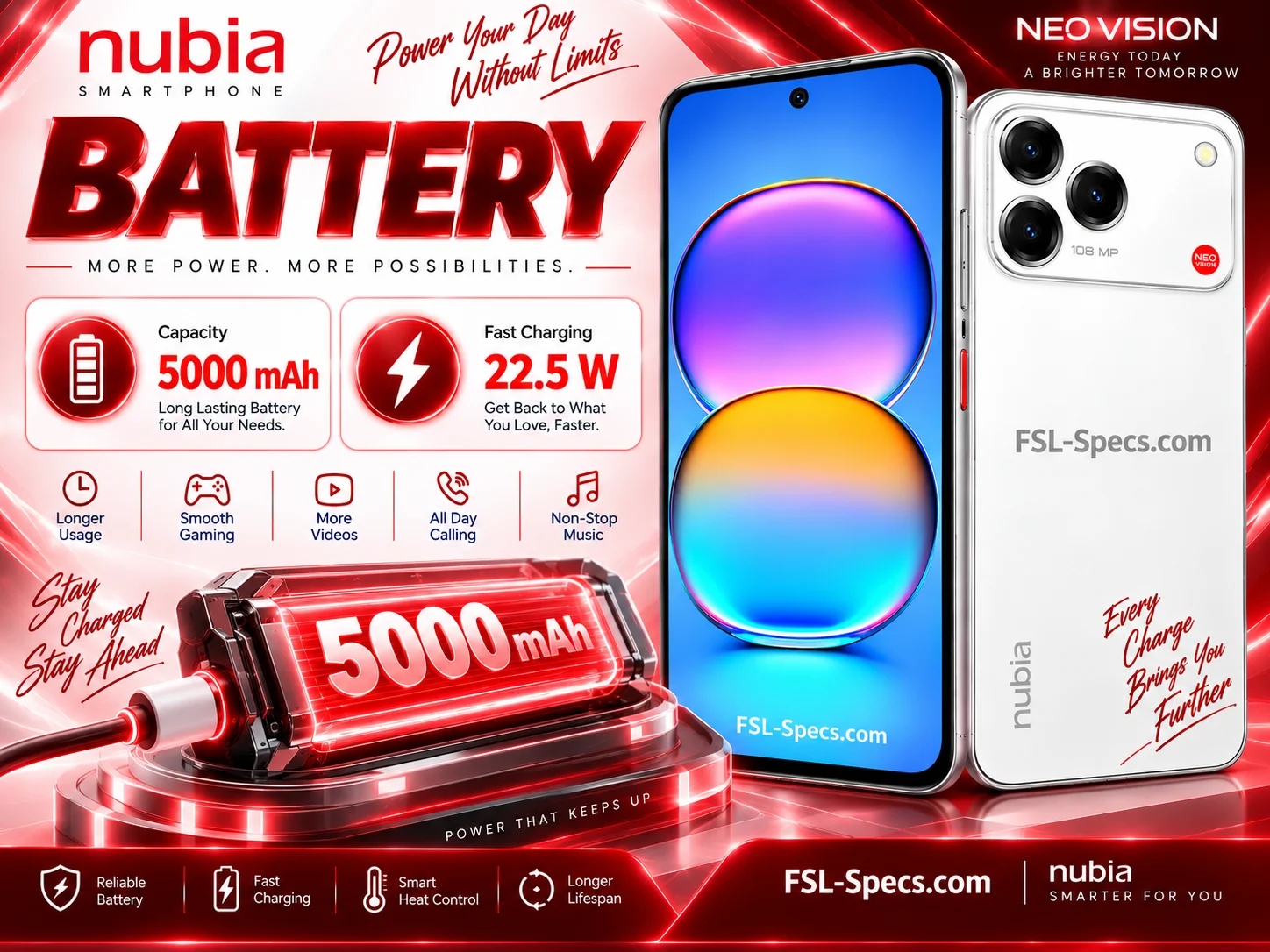
5000 mAh

Battery

22.5 W

Fast Charging

Full Specification

BASIC INFO
Mobile
ZTE Nubia V80 Pro
Series
Nubia V
Category
Budget
Release Date
1 December,2025
Year
2025
CONNECTIVITY
Sim
Nano-SIM + Nano-SIM
Network
4G
WiFi
Wi-Fi 5
Bluetooth
5.2
OS
Android 16
BODY
Dimensions
166 x 79 x 7.7 mm
Build
Plastic Frame & Glass Back
KG Weight
195 g
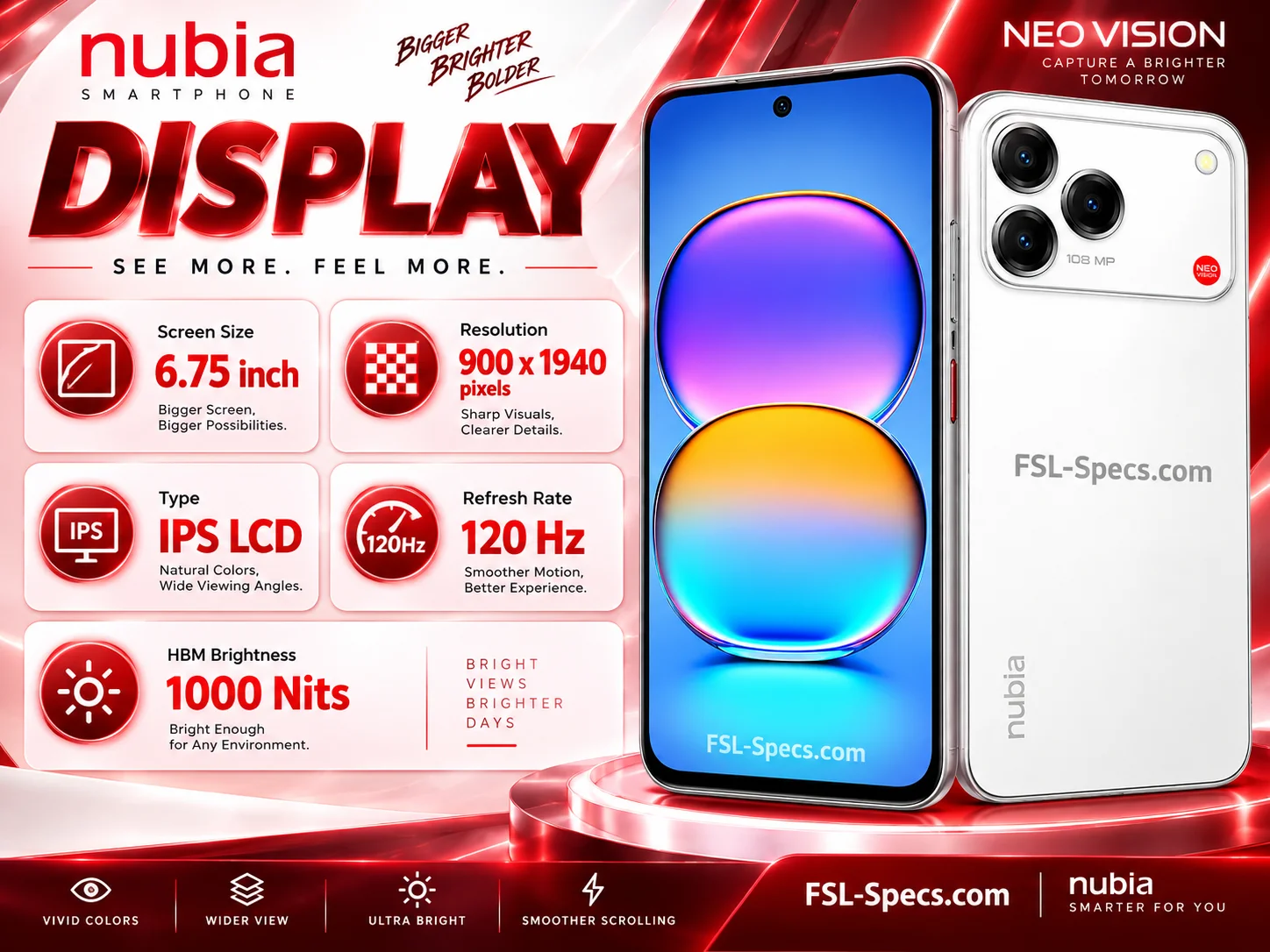
Screen Size
6.75 inch
Resolution
900 x 1940 pixels
Type
IPS LCD
Refresh Rate
120 Hz
HBM Brightness
1000 Nits
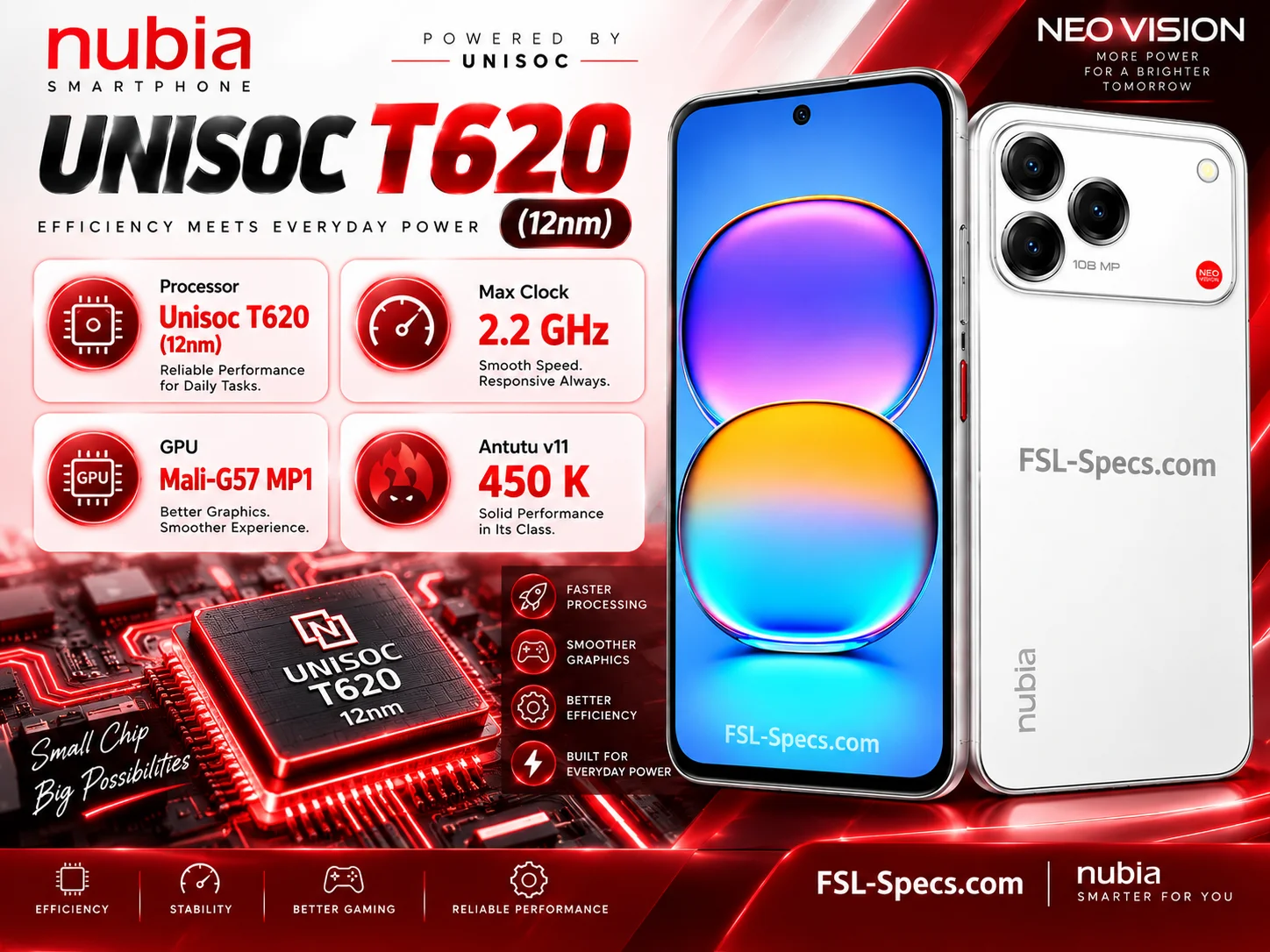
Processor
unisoc T620
Max Clock
2.2 GHz
Lithography
12 nm
GPU
Mali-G57 MP1
CPU Cores
8 Cores
Antutu v11
450 K
Antutu v10
300 K
Architecture
2x 2.2 GHz Cortex-A75
6x 2.0 GHz Cortex-A55
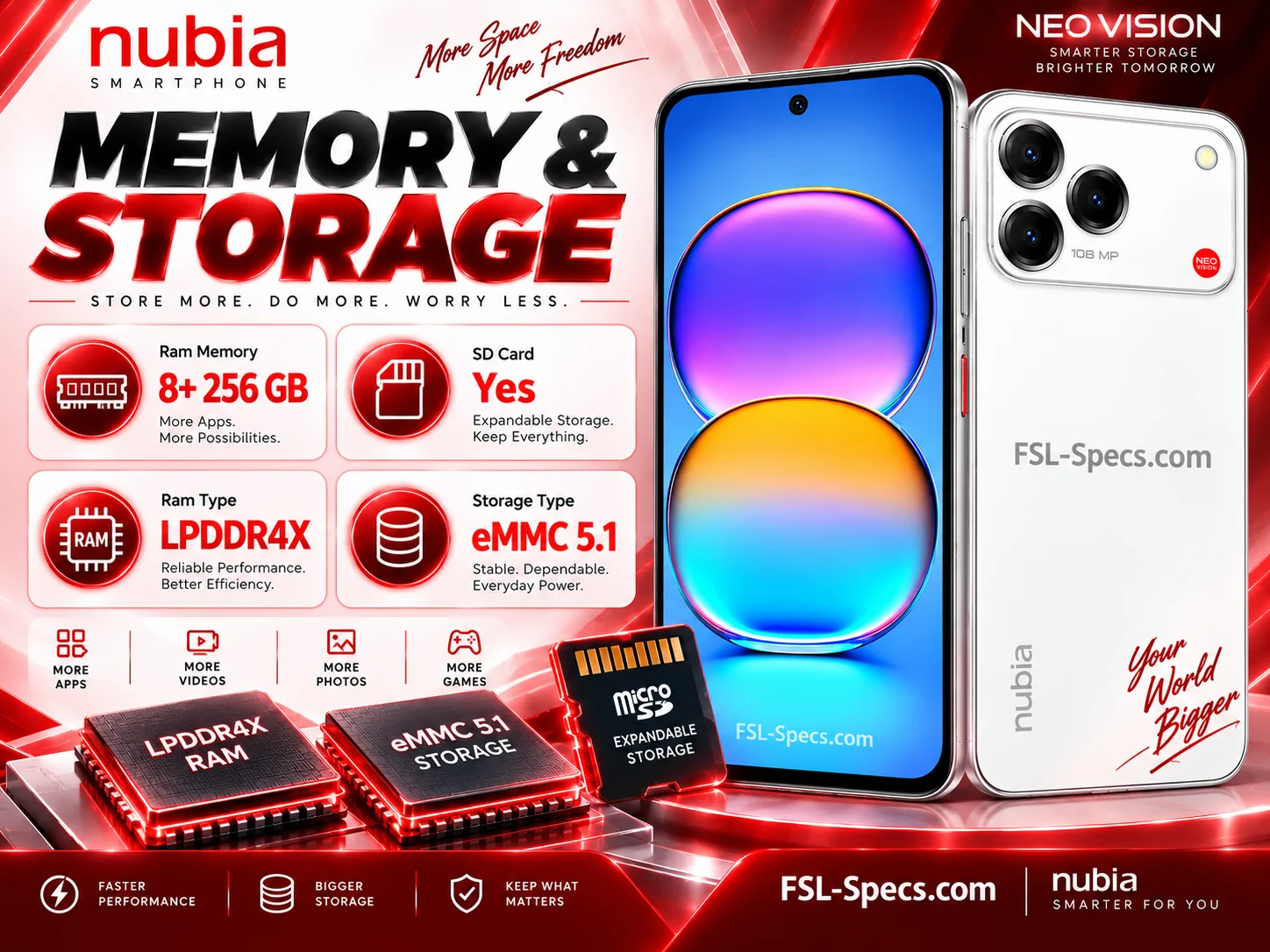
Ram Memory
8+ 256 GB
Ram Type
LPDDR4X
Storage Type
eMMC 5.1
SD Card
Yes
Variants
8 + 256 GB 
MP
Rear Camera
50 MP
Front Camera
16 MP
RECORDING FPS
Main Recording
1080p @ 30 fps
Front Recording
1080p @ 30 fps
RESOLUTION
Main Resolution
8192 × 6144 pixels
Stabilization
No
FLASH
Flash
Flash
Capacity
5000 mAh
Fast Charging
22.5 W
Wireless Charging
No
Li Battery Type
Li-Ion
REVERSE
Reverse Wired
10 W
AUDIO & SENSORS
Speaker
Single Mono Speaker
Fingerprint Sensor
Side Mounted
BASIC INFO
Mobile
ZTE Nubia V80 Pro
Series
Nubia V
Category
Budget
Release Date
1 December,2025
Year
2025
CONNECTIVITY
Sim
Nano-SIM + Nano-SIM
Network
4G
WiFi
Wi-Fi 5
Bluetooth
5.2
OS
Android 16
BODY
Dimensions
166 x 79 x 7.7 mm
Build
Plastic Frame & Glass Back
KG Weight
195 g
Screen Size
6.75 inch
Resolution
900 x 1940 pixels
Type
IPS LCD
Refresh Rate
120 Hz
HBM Brightness
1000 Nits
Processor
unisoc T620
Max Clock
2.2 GHz
Lithography
12 nm
GPU
Mali-G57 MP1
CPU Cores
8 Cores
Antutu v11
450 K
Antutu v10
300 K
Architecture
2x 2.2 GHz Cortex-A75
6x 2.0 GHz Cortex-A55
Ram Memory
8+ 256 GB
SD Card
Yes
Ram Type
LPDDR4X
Storage Type
eMMC 5.1
Variants
8 + 256 GB 
MP
Rear Camera
50 MP
Front Camera
16 MP
RECORDING FPS
Main Recording
1080p @ 30 fps
Front Recording
1080p @ 30 fps
RESOLUTION
Main Resolution
8192 × 6144 pixels
Stabilization
No
FLASH
Flash
Flash
Capacity
5000 mAh
Fast Charging
22.5 W
Wireless Charging
No
Li Battery Type
Li-Ion
REVERSE
Reverse Wired
10 W
AUDIO & SENSORS
Speaker
Single Mono Speaker
Fingerprint Sensor
Side Mounted

Highlights & Review Of ZTE Nubia V80 Pro

Display Review:

The Infinix Zero 40 and Infinix Hot 50 Pro Plus both step up to 6.78-inch AMOLED panels at 1080x2436px (393ppi) with a 120Hz refresh rate and 1300 nits peak brightness, a full display generation ahead of the ZTE Nubia V80 Pro’s 6.75-inch IPS LCD at 900x1940px (317ppi), also 120Hz but capped at 1000 nits, and the Tecno Pova 6 Neo’s 6.78-inch IPS LCD at 1080x2460px (396ppi) with 580 nits typical brightness.

Between the two Infinix AMOLED panels, the Zero 40 carries confirmed HDR support and 1 billion colors, while the Hot 50 Pro Plus’s own GSMArena review notes the absence of HDR certification despite otherwise near-identical hardware, a small but real gap between two very similar panels.

On sharpness, the Tecno Pova 6 Neo actually edges out the ZTE Nubia V80 Pro at 396ppi against 317ppi, despite both using the same IPS LCD technology, meaning the pricier, box-packed Nubia V80 Pro doesn’t automatically win on resolution against a used rival priced PKR 3,000 lower. Brightness tells the opposite story:

the ZTE Nubia V80 Pro’s 1000 nits peak comfortably beats the Tecno Pova 6 Neo’s 580 nits, though both still trail well behind the two Infinix AMOLED phones’ 1300 nits. Since three of these four phones are being bought used this month rather than new, it’s worth noting that AMOLED panels like the Zero 40’s and Hot 50 Pro Plus’s can show burn-in or minor color shift with age in a way the IPS LCD panels on the V80 Pro and Pova 6 Neo generally don’t, a real factor on a secondhand purchase.

Verdict: The Infinix Zero 40 has the strongest display in this group with a sharper AMOLED panel, HDR support, and the highest peak brightness, the Infinix Hot 50 Pro Plus is a close second on nearly the same panel minus HDR, and the ZTE Nubia V80 Pro and Tecno Pova 6 Neo’s IPS LCD screens trail both in panel technology despite the Nubia’s brightness edge and the Tecno’s sharper resolution.

Processor Review:

The ZTE Nubia V80 Pro runs the weakest chip of this group by a wide margin, the entry-level Unisoc T7280 paired with a single-core Mali-G57 MP1 GPU, scoring 306,000 on AnTuTu v10, which Kimovil ranks as better than just 61% of smartphones. The three rivals all use noticeably stronger MediaTek silicon with a dual-core Mali-G57 MC2 GPU: the Infinix Zero 40 runs the Helio G100 and scores around 413,000 to 420,000 on AnTuTu v10 (better than 69% of smartphones).

the Infinix Hot 50 Pro Plus also uses the Helio G100 and lands close behind at 420,000 to 433,000 (better than 68%), and the Tecno Pova 6 Neo runs the Helio G99 Ultimate and actually edges ahead of both Infinix phones at 448,000 on AnTuTu v10 (better than 70%), despite carrying the older-sounding chip name. On the newer AnTuTu v11 scale, NanoReview puts the Infinix Hot 50 Pro Plus slightly ahead at 585,490 against the Tecno Pova 6 Neo’s 568,329, so the two effectively trade places depending on which benchmark version is used, making them close enough in real-world use to call a tie.

What this means for buyers is straightforward: the ZTE Nubia V80 Pro, despite being the only box-packed phone in this comparison, is meaningfully behind all three rivals on raw processing power and GPU capability, a real trade-off for paying a premium for new-unit condition. Among the three MediaTek rivals, the Tecno Pova 6 Neo and Infinix Hot 50 Pro Plus are essentially neck and neck at the top, with the Infinix Zero 40 trailing slightly but still comfortably ahead of the Nubia V80 Pro.

Verdict: The Tecno Pova 6 Neo and Infinix Hot 50 Pro Plus share the top spot for raw performance in this group, the Infinix Zero 40 follows close behind on the same Helio G100 platform as the Hot 50 Pro Plus, and the ZTE Nubia V80 Pro’s Unisoc T7280 is the clear performance bottleneck of the four despite being the only new, box-packed unit.

Ram & Memory Review:

All four phones ship in this comparison’s 8GB RAM and 256GB storage configuration, but the storage technology behind that shared headline number isn’t identical. The Infinix Zero 40, Infinix Hot 50 Pro Plus, and Tecno Pova 6 Neo all confirm UFS 2.2 storage on GSMArena, the faster standard for this price bracket,

while the ZTE Nubia V80 Pro’s own spec sheet doesn’t list a storage type directly; its sibling model, the V80 Design, which shares the identical Unisoc T7280 platform, uses the older eMMC 5.1 standard alongside LPDDR4X RAM, so the V80 Pro likely inherits the same slower storage tech even though GSMArena hasn’t confirmed it for the Pro variant specifically.

Expandable storage is where a real split shows up: the ZTE Nubia V80 Pro and Infinix Hot 50 Pro Plus both include a dedicated microSDXC card slot for adding storage later, while the Infinix Zero 40 and Tecno Pova 6 Neo have no card slot at all, meaning 256GB is the hard ceiling on those two regardless of future needs.

The Tecno Pova 6 Neo does confirm LPDDR4X RAM directly on GSMArena, giving it a verified memory type the two Infinix phones don’t explicitly list, though in practice all three MediaTek-powered phones perform similarly in day-to-day multitasking given their shared Helio-series processors.

For buyers weighing a used purchase this month, the Infinix Hot 50 Pro Plus effectively wins both ways, faster UFS 2.2 storage plus microSD expansion, while the ZTE Nubia V80 Pro’s likely eMMC storage is the one real memory-side compromise on an otherwise new, box-packed phone.

Verdict: The Infinix Hot 50 Pro Plus has the strongest overall memory setup here with confirmed UFS 2.2 storage and microSD expansion, the Infinix Zero 40 and Tecno Pova 6 Neo are close behind on fast storage but lack a card slot, and the ZTE Nubia V80 Pro’s probable eMMC storage makes it the weakest of the four on raw memory speed despite offering expandable storage.

Cameras Review:

The Infinix Zero 40 stands out with the most versatile camera system in this group, a genuine triple rear setup pairing a 108MP main sensor with OIS and PDAF against a real 50MP ultrawide lens with its own autofocus, a combination none of the other three phones matches. The ZTE Nubia V80 Pro also carries a 108MP main camera, tying the Zero 40 on raw resolution, but it lacks OIS entirely and its second rear lens is only a 2MP auxiliary sensor rather than a usable ultrawide, so the megapixel number alone overstates how capable the camera actually is.

The Infinix Hot 50 Pro Plus steps down to a 50MP main sensor, though it’s one of the few in this comparison with confirmed autofocus on the main lens itself, paired with another basic 2MP auxiliary unit and no ultrawide. The Tecno Pova 6 Neo has the simplest setup of the four, a single 50MP main camera with PDAF and no secondary lens at all, making it the least flexible camera here despite sharing the same sensor resolution as the Hot 50 Pro Plus.

Selfie cameras follow a similar pecking order: the Infinix Zero 40 leads with a 50MP front camera that includes PDAF, the ZTE Nubia V80 Pro follows with 16MP, the Infinix Hot 50 Pro Plus trails at 13MP, and the Tecno Pova 6 Neo has the weakest front camera in the group at just 8MP. Video capture tells the same story, the Zero 40 and Hot 50 Pro Plus both reach 1440p@30fps with 1080p@30/60fps as a fallback, the Pova 6 Neo matches that same 1440p@30fps ceiling, while the ZTE Nubia V80 Pro is capped at 1080p@30fps on both its rear and front cameras, the lowest video resolution ceiling of the four despite its high-megapixel main sensor.

Verdict: The Infinix Zero 40 has the clear best camera system in this comparison thanks to its OIS main sensor, real ultrawide lens, and strong 50MP selfie camera, the ZTE Nubia V80 Pro’s matching 108MP resolution is undercut by the lack of OIS and a genuine second lens, and the Infinix Hot 50 Pro Plus and Tecno Pova 6 Neo trail both on versatility, with the Pova 6 Neo’s single-lens, 8MP-front setup the weakest camera of the four.

Battery Review:

The Tecno Pova 6 Neo stands apart with a 7,000mAh battery, roughly 40% larger than the 5,000mAh cells in the ZTE Nubia V80 Pro, Infinix Zero 40, and Infinix Hot 50 Pro Plus, but that bigger capacity comes paired with only 33W wired charging and no official 0-100% lab time from GSMArena, real-user reports on GSMArena’s own review page range widely from roughly 1 hour for a partial top-up to around 5 hours for a full charge in everyday crowdsourced use, so treat the exact charging time as unsettled rather than a confirmed lab figure.

The Infinix Zero 40 has the fastest charging of the four at 45W, reaching 50% in 25 minutes per GSMArena’s testing, while the Infinix Hot 50 Pro Plus charges at 33W and hits 50% in 26 minutes, both on the smaller 5,000mAh cell. The ZTE Nubia V80 Pro trails on charging speed with just 22.5W wired, the slowest in this comparison, on the same 5,000mAh capacity as the two Infinix phones.

Reverse charging is another split worth flagging: the ZTE Nubia V80 Pro, Infinix Zero 40, and Infinix Hot 50 Pro Plus all support 10W reverse wired charging for topping up accessories, while the Tecno Pova 6 Neo offers none. None of the four phones supports wireless charging. For buyers prioritizing raw endurance over charging speed, the Tecno Pova 6 Neo’s larger cell means fewer charges per week even if each charge takes longer, while the Infinix Zero 40 offers the best balance of a standard-size battery with the fastest top-up speed in the group.

Verdict: The Infinix Zero 40 has the best overall battery package here with the fastest charging on a standard 5,000mAh cell plus reverse charging, the Tecno Pova 6 Neo trades charging speed for the largest capacity by a wide margin, the Infinix Hot 50 Pro Plus sits close behind the Zero 40 on nearly identical hardware, and the ZTE Nubia V80 Pro’s 22.5W charging is the clear weak point of the four.

Final Verdict :

Across all five sections, the ZTE Nubia V80 Pro loses ground to all three rivals on Display, Processor, RAM, Camera, and Battery, despite being the only phone in this comparison sold new and box-packed. Its Unisoc T7280 chip, IPS LCD screen, likely eMMC storage, single-lens camera, and 22.5W charging all trail the MediaTek-powered Infinix and Tecno phones by a real, measurable margin, not a marginal one.

That leaves buyers with a genuine trade-off this month: pay PKR 45,000 for a new, sealed-box ZTE Nubia V80 Pro with a full warranty and no prior usage history, or pay PKR 45,000 to 48,000 for a used phone that outperforms it in every technical category but carries the normal risks of buying secondhand, unknown battery health, prior repairs, and a shorter or absent warranty.

Among the three used rivals, the Infinix Zero 40 is the strongest overall performer, winning or tying the Display, Camera, and Battery sections while sitting close behind on Processor and RAM, all for PKR 48,000. The Infinix Hot 50 Pro Plus is a near-identical second choice at the same PKR 48,000 price, actually edging ahead on RAM and matching the processor tier, but falling behind on camera versatility.

The Tecno Pova 6 Neo, at PKR 45,000, the same price as the box-packed Nubia V80 Pro, doesn’t win any single section outright but offers the largest battery by far and ties for the best processor performance, making it the pick for buyers who prioritize battery life and don’t mind a plain single-camera setup.

Bottom line: If specs and everyday performance matter more than sealed-box condition, the Infinix Zero 40 is the best buy in this comparison; if a warranty and unused-device certainty matter more than winning any single spec category, the ZTE Nubia V80 Pro remains the only phone here that offers that peace of mind, at the cost of trailing every rival on hardware.

Ranking:

  1. Infinix Zero 40 – PKR 48,000 (used)
  2. Infinix Hot 50 Pro Plus – PKR 48,000 (used)
  3. Tecno Pova 6 Neo – PKR 45,000 (used)
  4. ZTE Nubia V80 Pro – PKR 45,000 (box packed, new)

Pros And Cons of ZTE Nubia V80 Pro

Pros of Mobile

✅ 120Hz smooth display 🖥️
✅ Big 5000mAh battery 🔋
✅ Expandable microSD storage 💾

Cons of Mobile

❌ No 5G support 📡
❌ Weak Unisoc chipset ⚙️
❌ Basic IPS LCD panel 🖼️
❌ Slow 22.5W charging ⚡
❌ 1080p video cap 🎥
❌ Limited software updates 🔄

Best For - Not Best For

Best For

🎯 Budget camera buyers 📸
🎯 Big battery seekers 🔋
🎯 Casual everyday users 📱
🎯 Media/movie watchers 🎬
🎯 Wired audio lovers 🎧
🎯 Storage-hungry users 💾

Not Best For

🚫 Mobile gamers 🎮
🚫 5G network users 📡
🚫 Fast-charging fans ⚡
🚫 Long-term update seekers 🔄

Trailer And Unboxing of ZTE Nubia V80 Pro

Disassembly Or Teardown And Gaming Test of ZTE Nubia V80 Pro

Camera Test ZTE Nubia V80 Pro

zte nubia v80 max
infinix note 30 Pro
Samsung Galaxy A07
itel s25 Ultra
infinix Hot 50 Pro
POCO C85

Related Comparisions

ZTE Series Row
Picture of Faisal Ur Rehman

Faisal Ur Rehman

Faisal Rehman is the founder and editor of FSL Specs, where he publishes in-depth smartphone specifications, comparisons, buying guides, and technology insights. With extensive experience in mobile hardware research and technical analysis, he provides accurate and up-to-date information on Android smartphones, processors, displays, cameras, batteries, performance benchmarks, and software features. His goal is to simplify complex specifications and help readers choose the right device with confidence.

FAQs Questions

It runs on the Unisoc T7280, a 12nm octa-core chip with Cortex-A75 and Cortex-A55 cores, paired with Mali-G57 MP1 graphics. It's built for basic everyday use rather than gaming or heavy multitasking.

It has a 6.75-inch IPS LCD screen with 900 x 1940 resolution, a 120Hz refresh rate, and up to 1000 nits peak brightness. It's not AMOLED, but the high refresh rate still makes daily scrolling feel smoother than expected at this price.

The rear camera is headlined by a 108MP main sensor with PDAF, accompanied by auxiliary lenses that add limited extra value, while the front camera is a 16MP shooter for selfies and video calls. The big 108MP number looks impressive on paper, but real-world detail depends heavily on lighting conditions.

It packs a 5,000mAh battery with 22.5W wired charging and 10W reverse wired charging. That combination should comfortably cover a full day of moderate use

No, it's a 4G LTE-only device — there's no 5G radio on board. If 5G connectivity is a priority for you, this isn't the phone to look at.

It comes with 8GB RAM and 256GB of storage, with microSD expansion available if you need more space. That's a generous storage allowance for a phone in this segment.

Yes, it carries an IP64 rating, protecting against dust and light water splashes. It's not full submersion-proof, but it adds reasonable peace of mind for everyday accidents.

It ships with Android 16 out of the box. ZTE and Nubia typically don't offer the longest update commitments in the industry, so don't expect many years of major OS upgrades on this model.

45,000 PKR

Leave a Reply

Your email address will not be published. Required fields are marked *

Scroll to Top