
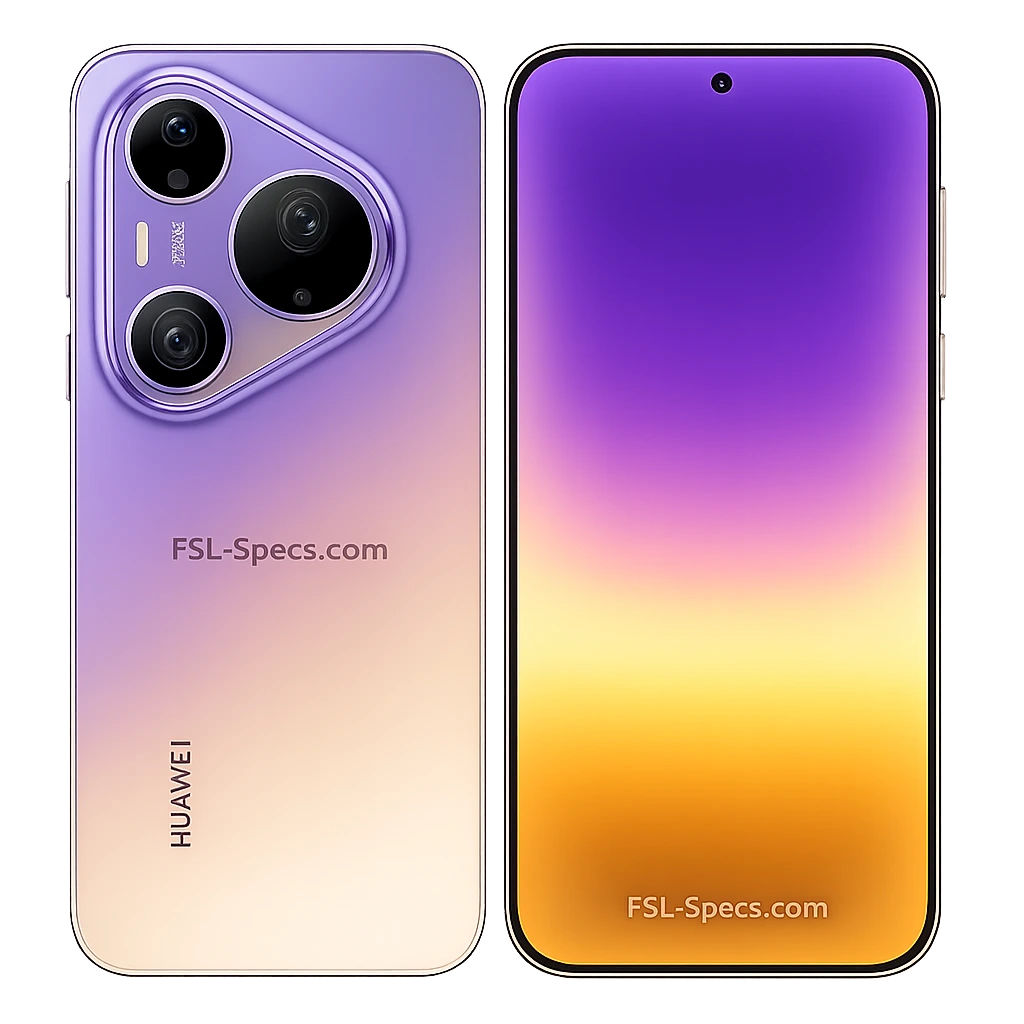


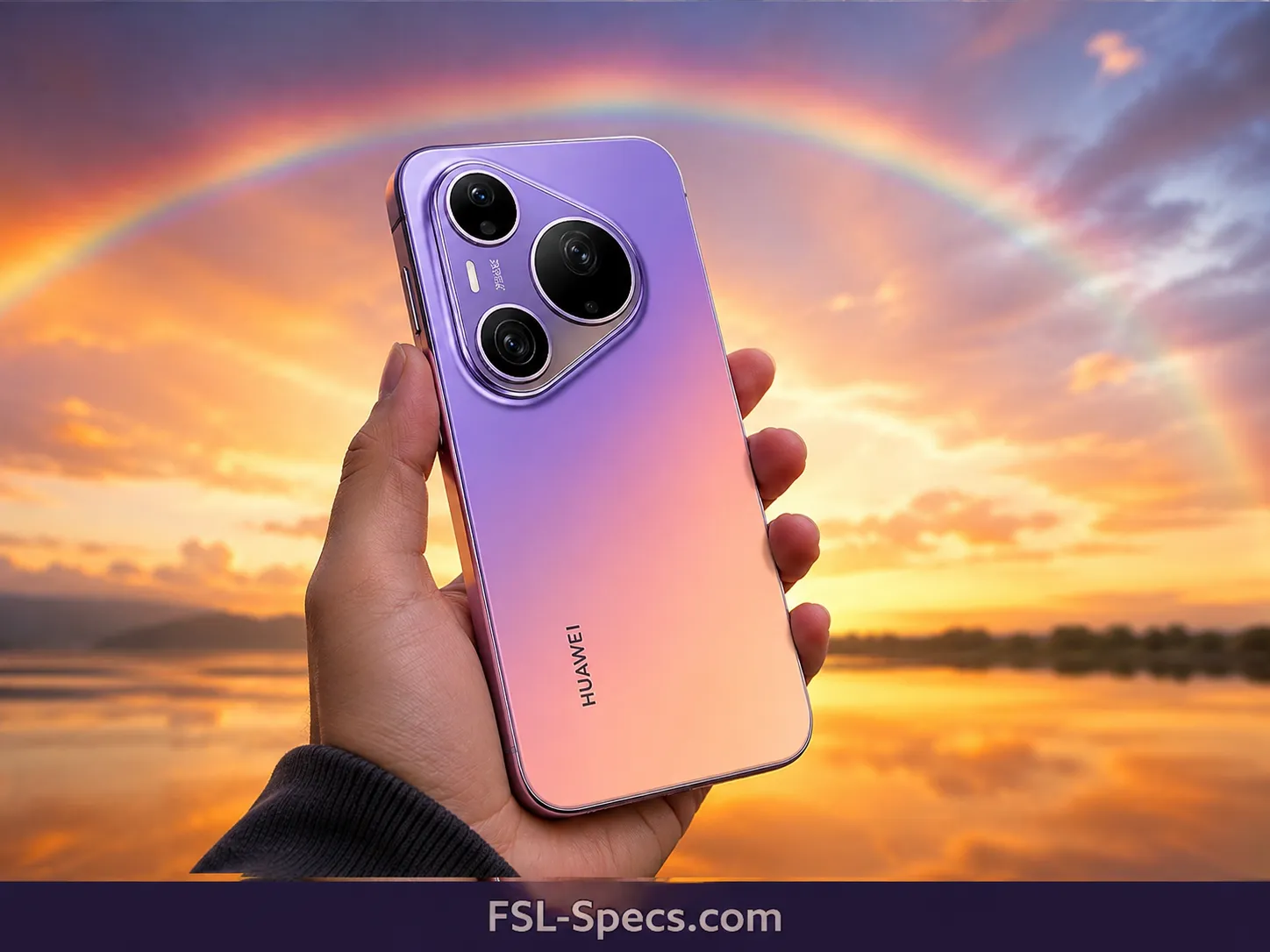
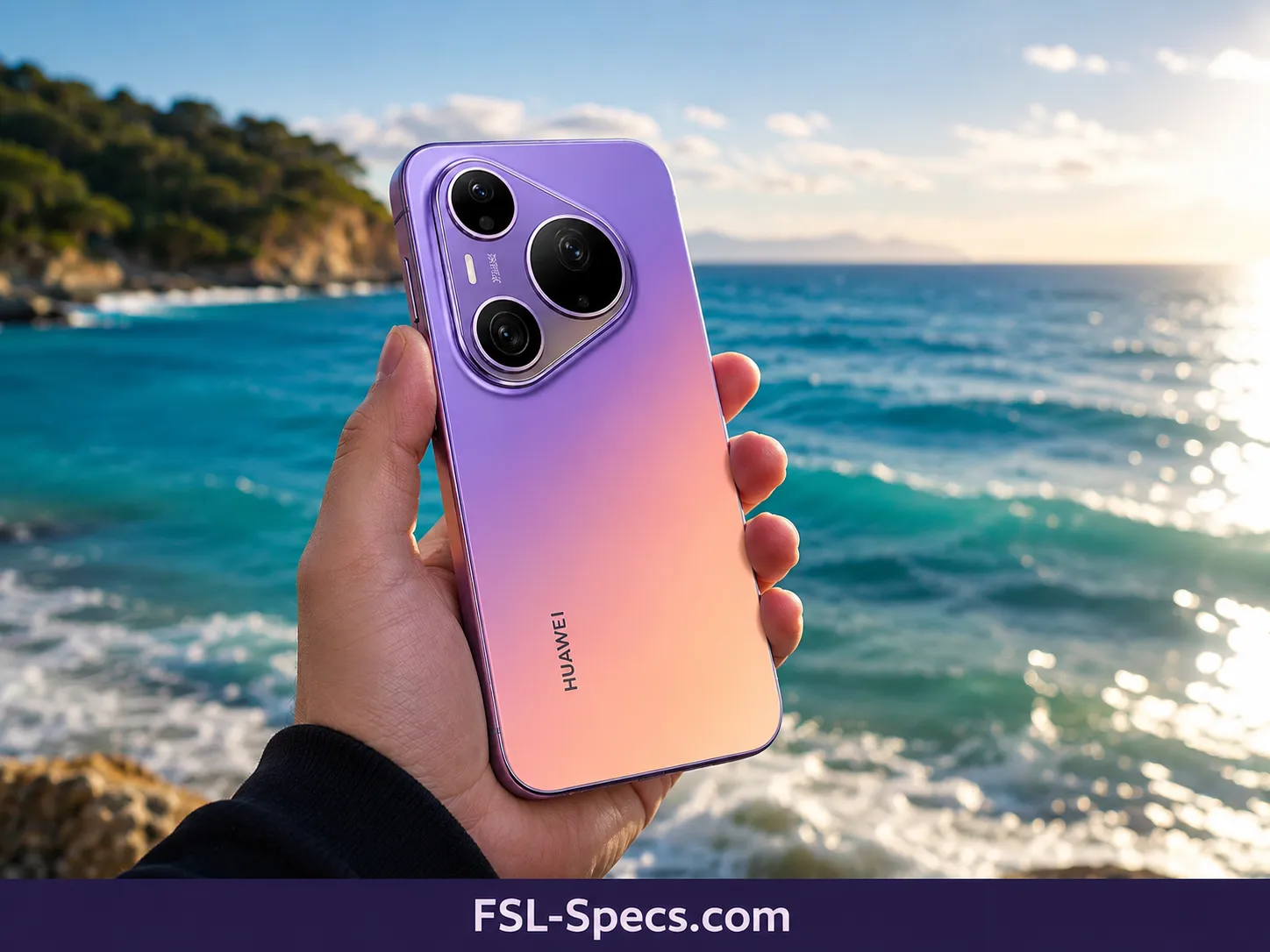
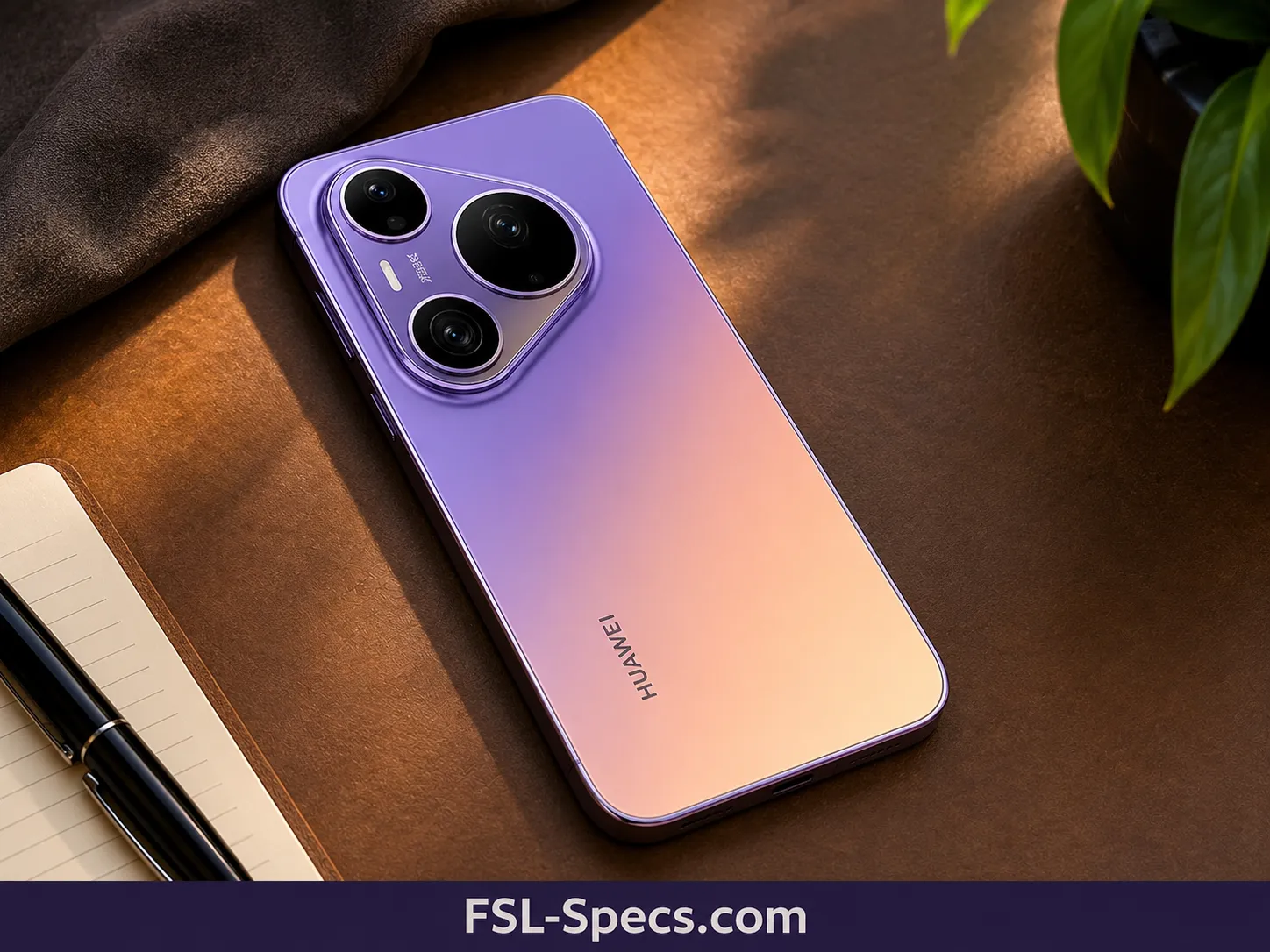
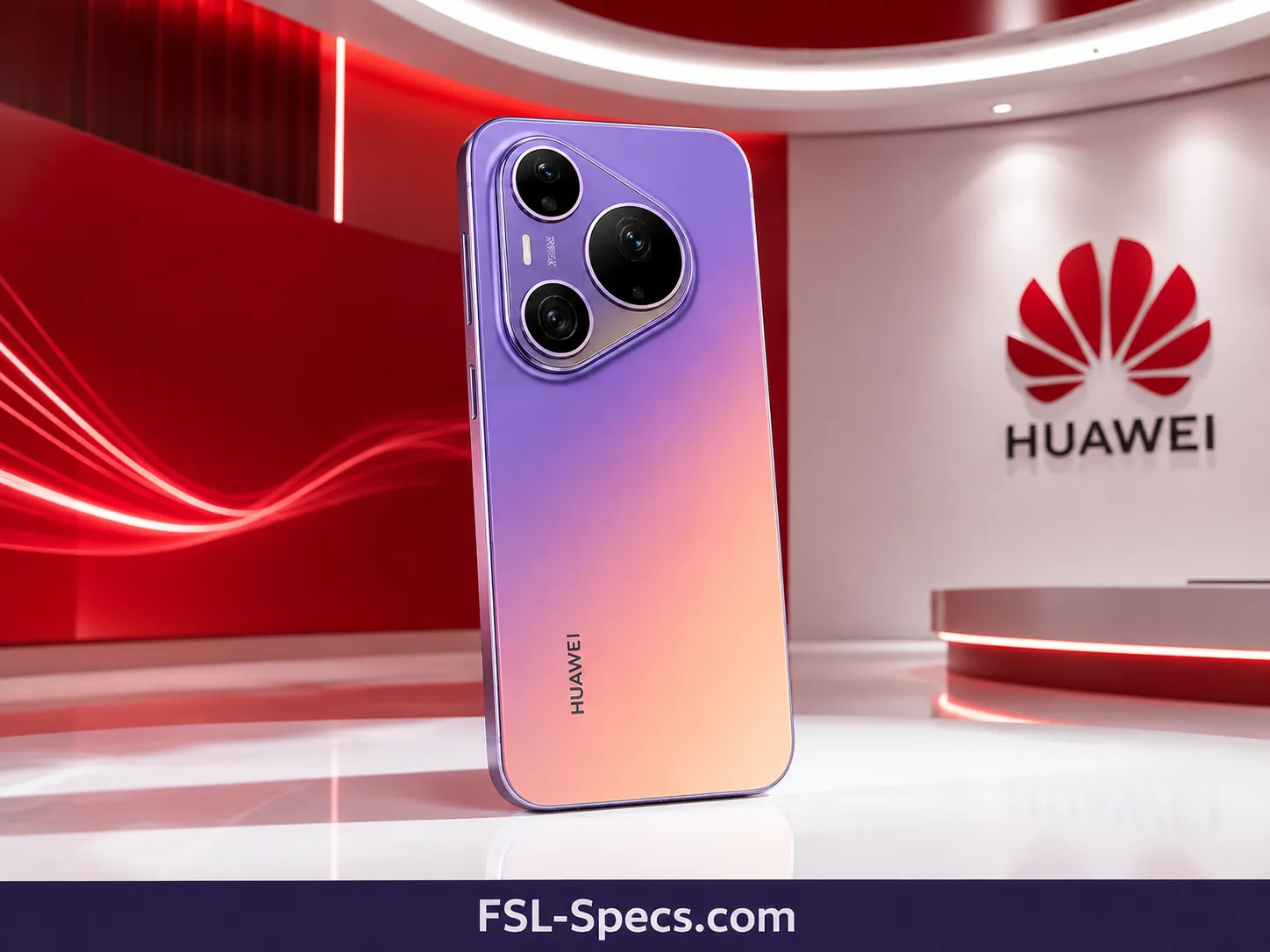






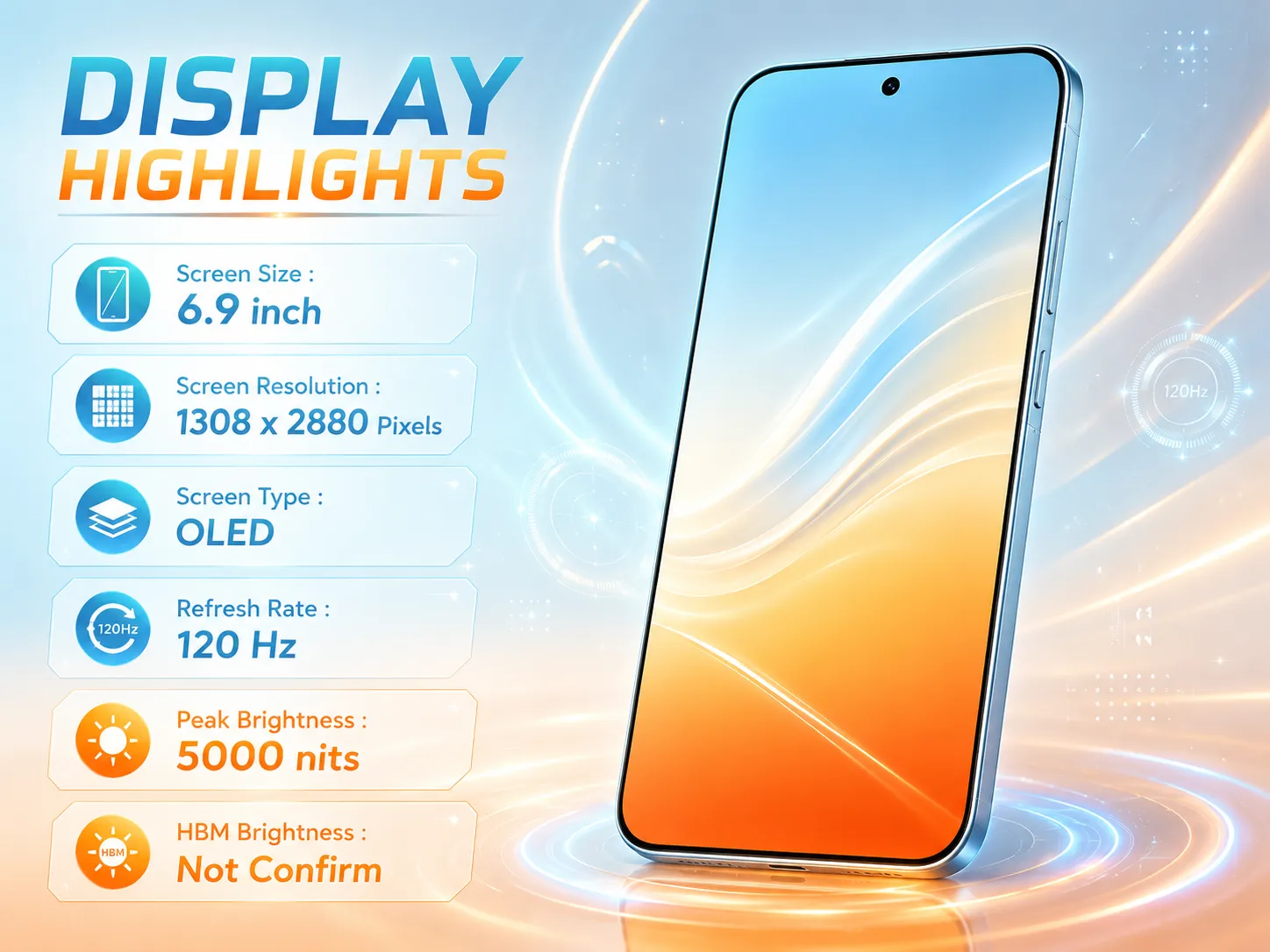
The Huawei Pura 90 Pro Max 12GB/512GB China variant has a 6.9-inch LTPO OLED display with 2880 × 1308 resolution, 460 ppi, adaptive 1–120Hz refresh rate, 10.7 billion colours, P3 wide colour gamut and anti-reflective Kunlun Glass. Huawei does not publish a peak-brightness figure for this panel, so no brightness claim should be added.
The vivo X300 Pro 16GB/512GB uses a 6.78-inch LTPO AMOLED display at 2800 × 1260, 452 ppi, with adaptive 1–120Hz refresh rate and 4,500-nit peak brightness. It also supports HDR10+, HDR Vivid, Dolby Vision and 2,160Hz PWM dimming. Its LTPO range starts at 1Hz, matching the Huawei’s minimum, but it offers a higher documented peak brightness
The Xiaomi 17T Pro 12GB/512GB has a 6.83-inch, 2772 × 1280 AMOLED display with 447 ppi, 144Hz refresh rate, 12-bit colour, Dolby Vision, HDR10+ and 3,500-nit peak brightness. Its 144Hz ceiling makes it the smoothest option for supported games and scrolling, although its 1.5K resolution is less sharp than the Huawei and Samsung panels.
The Samsung Galaxy S26 Ultra 12GB/256GB offers the sharpest panel here: a 6.9-inch Dynamic AMOLED 2X display at 3120 × 1440 Quad HD+ resolution, adaptive 120Hz refresh rate, and S Pen support. Samsung’s Pakistan specification page confirms the display size, Quad HD+ resolution, 120Hz refresh rate and S Pen support, but does not list peak brightness on that page.
At the prices you supplied, the Huawei is PKR 370,000–400,000, the Vivo X300 Pro PKR 340,000, the Xiaomi 17T Pro PKR 268,000, and the Samsung Galaxy S26 Ultra PKR 390,000. These are retailer figures from your brief; public Pakistani listings can differ by seller, warranty and PTA status.
Verdict: The Samsung Galaxy S26 Ultra has the sharpest display and adds S Pen support, while the Xiaomi 17T Pro leads on 144Hz motion; the Huawei Pura 90 Pro Max offers a large 120Hz LTPO OLED panel, and the vivo X300 Pro has the highest documented peak brightness.