
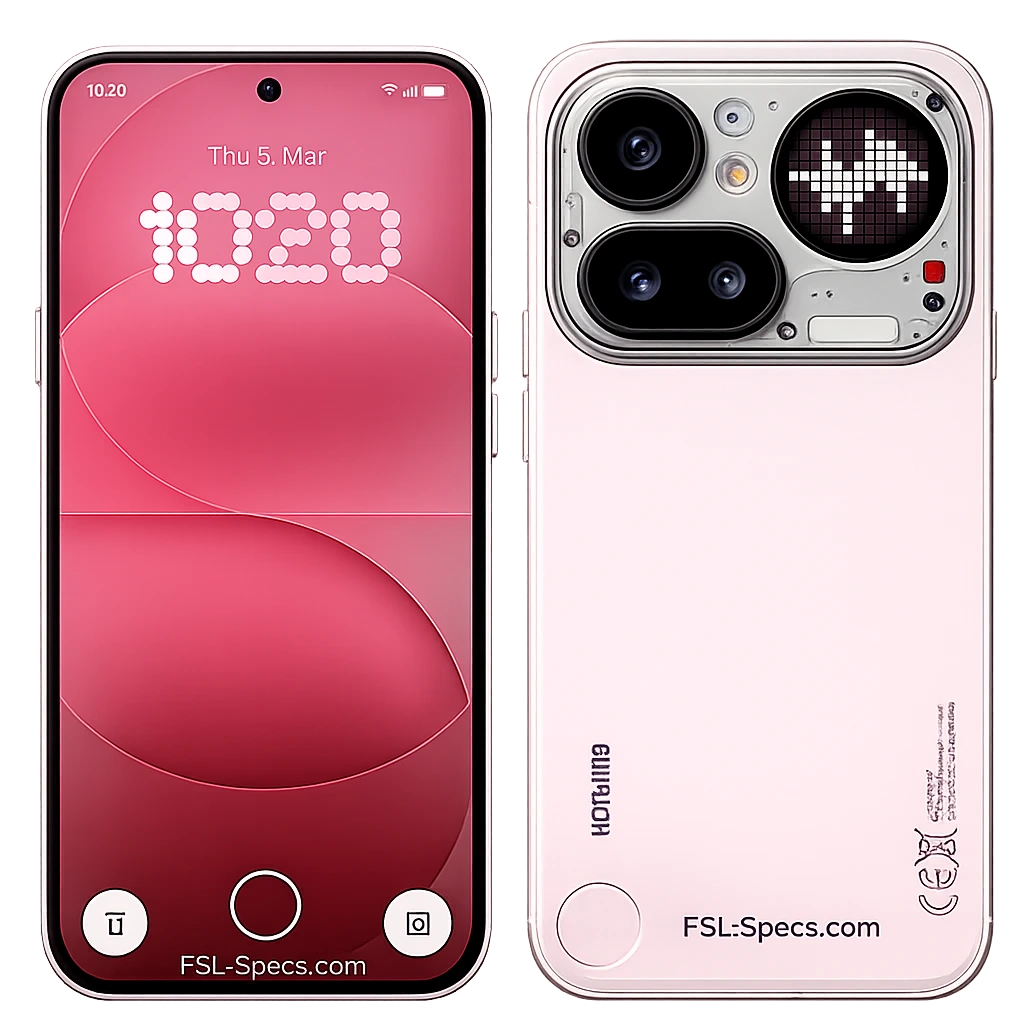

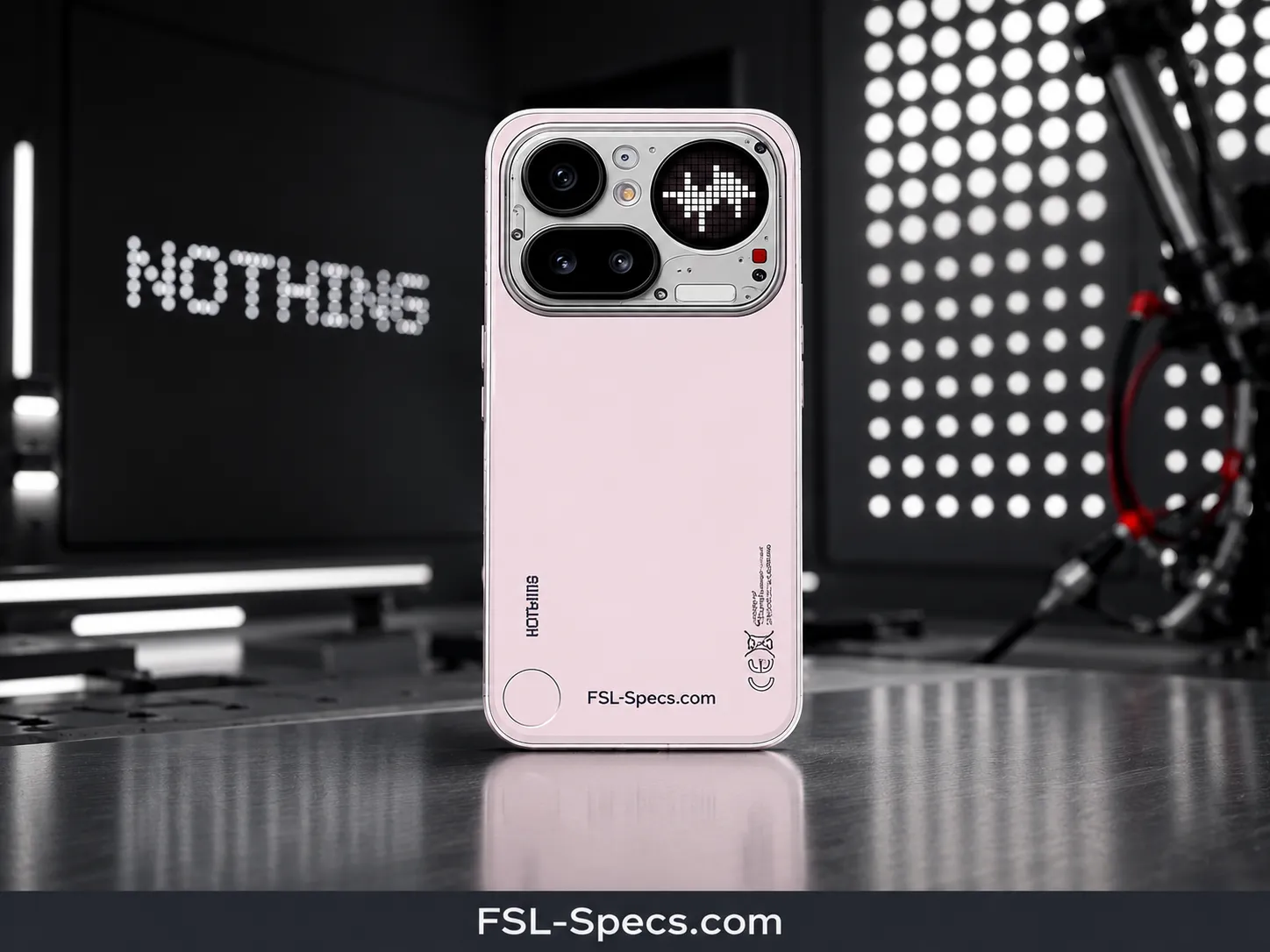
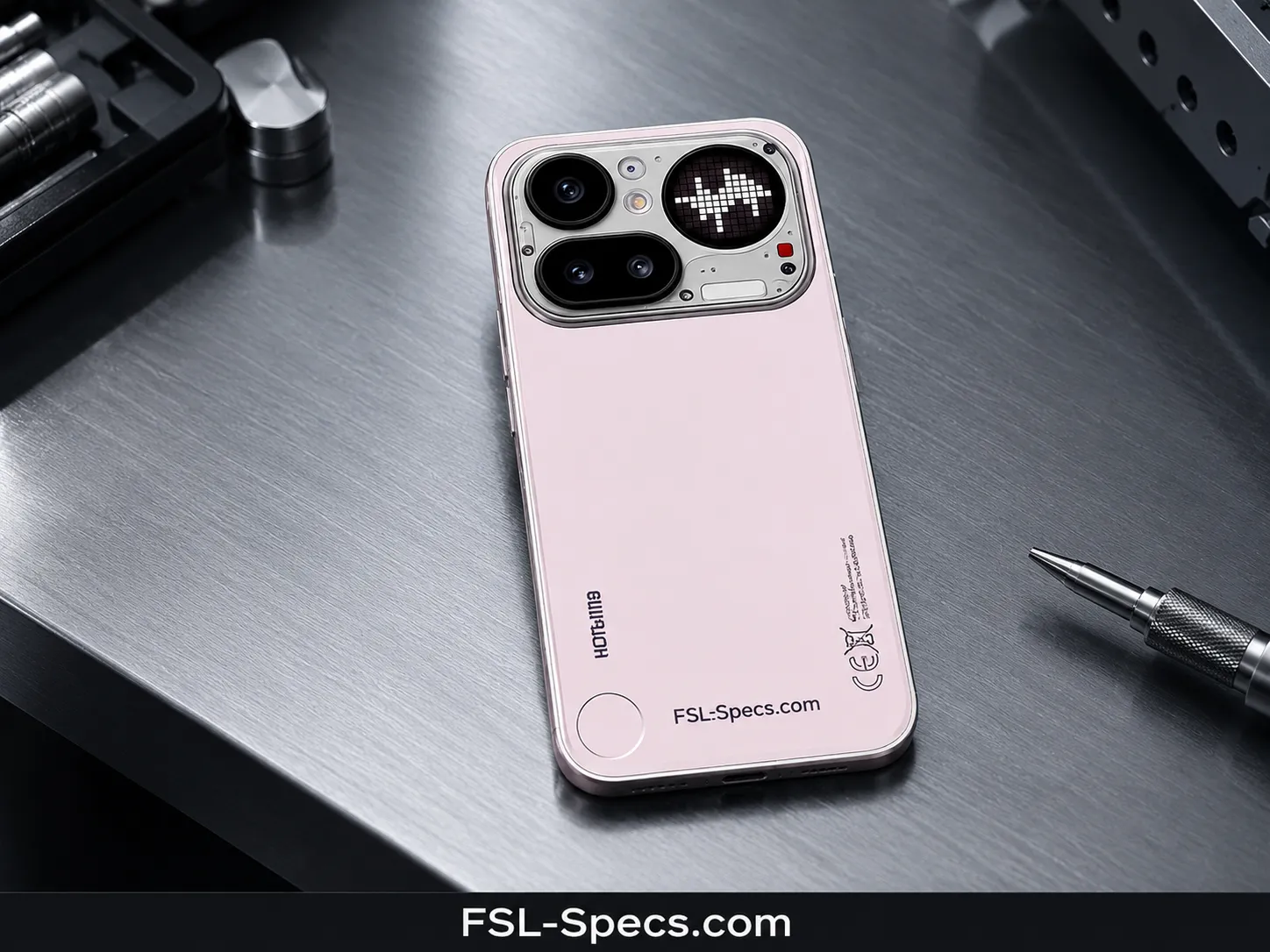
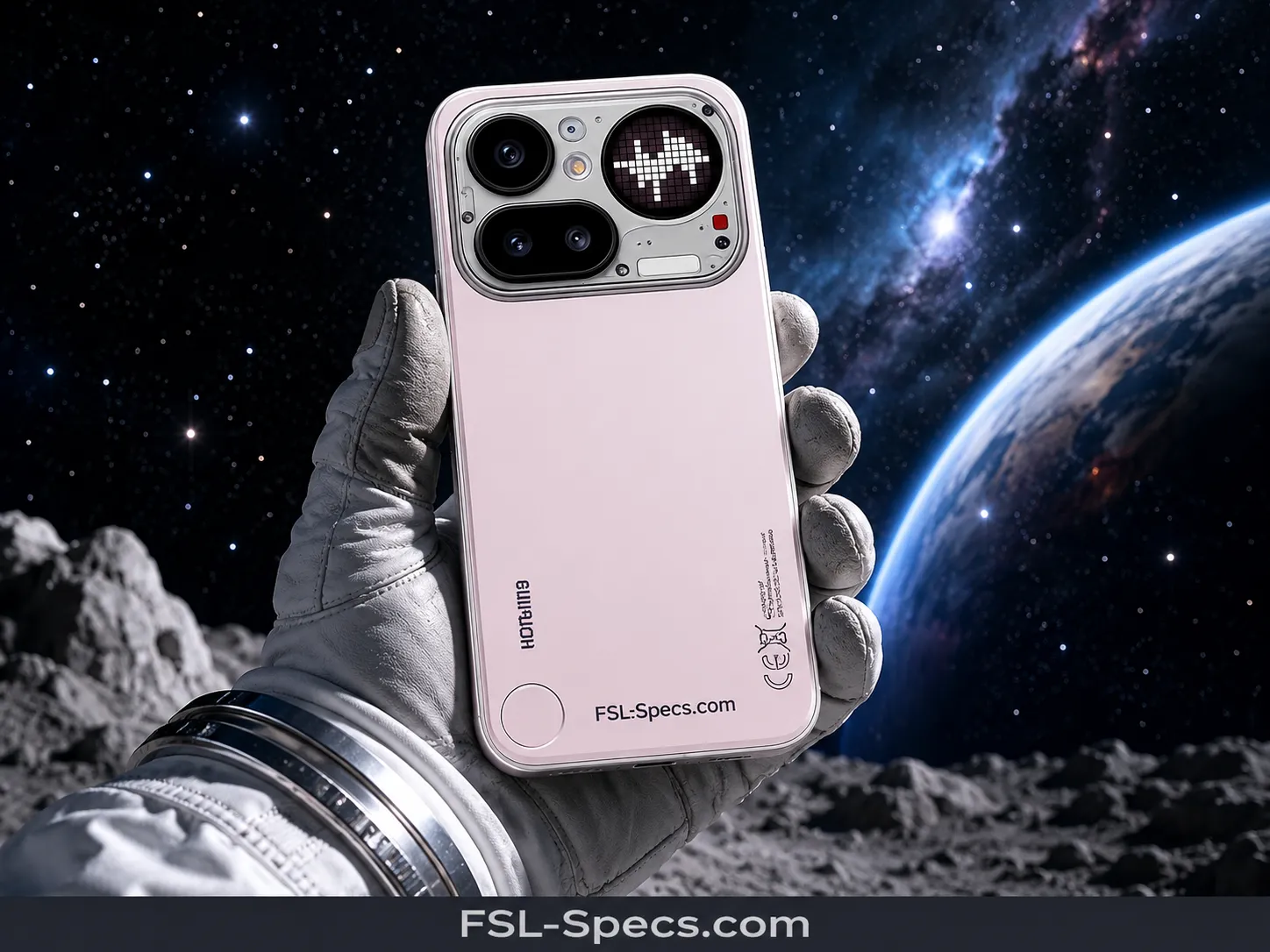















✪ Nothing Phone (4a) Pro ✪

Nothing Phone 4a Pro Specs, Price, Camera, Battery & Best Review (2026)
United States flag United States
$580 USD
Pakistan flag Pakistan (PKR)
230,000 PKR
India flag India (INR)
₹53,000 INR

✪ Nothing Phone (4a) Pro ✪

Nothing Phone 4a Pro Specs, Price, Camera, Battery & Best Review (2026)
Last Time Update : 15 August, 2026
0

Quick Specifications

Amoled

Display Type

Snapdragon 7 Gen 4

Processor

12 + 256 GB

Ram And Memory

50 + 50 + 8 MP

Camera

5080 mAh

Battery

50 W

Fast Charging

Full Specification

BASIC INFO
Mobile
Nothing Phone (4a) Pro
Model
A069P
Series
Nothing a
Category
Mid Range
Release Date
5 March,2026
Year
2026
CONNECTIVITY
Sim
Nano-SIM / E-Sim
Network
4G / 4G+ / 5G
WiFi
WiFi 6
Bluetooth
5.4
NFC
Yes
OS
Android 17 Now
BODY
Dimensions
163.7 x 76.6 x 8 mm
Build
Frame And Back (Aluminum)
KG Weight
210 g
Screen Size
6.83 inch
Resolution
1260 x 2800 Pixels
Type
Amoled
Refresh Rate
144 Hz
Peak Brightness
5000 nits
HBM Brightness
1600 nits
Processor
Snapdragon 7 Gen 4
Max Clock
2.8 GHz
Lithography
4 nm
GPU
Adreno 722
CPU Cores
8 Cores
Antutu v11
1.4 M
Antutu v10
1 M
Bootup Time
-
Architecture
1 x Kryo Prime (Cortex-720) @ 2.8GHz
4 x Kryo Gold (Cortex-720) @ 2.4GHz
3 x Kryo Silver (Cortex-520) @ 1.8GHz
Ram Memory
12 + 256 GB
Ram Type
LPDDR4X / LPDDR5X
Storage Type
UFS 3.1
SD Card
No
Variants
8 + 128 GB
8 + 256 GB
12 + 256 GB
MP
Rear Camera
50 + 50 + 8 MP
Front Camera
32 MP
SENSORS
Camera Sensors
50 MP = Sony LYT-700C
50 MP = Samsung S5KJN5
8MP = Sony IMX355
Front Sensors
RECORDING FPS
Main Recording
4K @ 30 fps
1080p @ 30/60/120 fps
Front Recording
1080p @ 30 fps
RESOLUTION
Main Resolution
8150 x 6150 pixels
Front Resolution
6532 × 4899 MP
ZOOM
Optical Zoom
3.5 x
D Digital Zoom
-
FLASH
Flash
Yes
Front Flash
-
Capacity
5080 mAh
Fast Charging
50 W
Wireless Charging
No
Li Battery Type
Silicon-Carbon
REVERSE
Reverse Wired
7.5 W
Reverse Wireless
No
OTHER
Battery PC Marks
-
Charging Time
60-70 m (0% To 100%)
AUDIO & SENSORS
Speaker
Dual Stereo Speaker
Fingerprint Sensor
Hyper Sonic Front Finger
Other Sensors
Accelerometer
Gyroscope
Proximity
Compass
Hall sensor
RGB/color spectrum sensor
Special Features

137 individually addressable mini-LEDs on the back (Glyph-style lighting design)
Aircraft-grade aluminium unibody construction
Ultra HDR image support + Dolby Vision HDR video recording
IP65 dust/water resistance
3 years of OS updates, 6 years of security updates
EU energy label: Class A efficiency, Class C free-fall resistance (100 drops), Class C repairability

BASIC INFO
Mobile
Nothing Phone (4a) Pro
Model
A069P
Series
Nothing a
Category
Mid Range
Release Date
5 March,2026
Year
2026
CONNECTIVITY
Sim
Nano-SIM / E-Sim
Network
4G / 4G+ / 5G
WiFi
WiFi 6
Bluetooth
5.4
NFC
Yes
OS
Android 17 Now
BODY
Dimensions
163.7 x 76.6 x 8 mm
Build
Frame And Back (Aluminum)
KG Weight
210 g
Screen Size
6.83 inch
Resolution
1260 x 2800 Pixels
Type
Amoled
Refresh Rate
144 Hz
Peak Brightness
5000 nits
HBM Brightness
1600 nits
Processor
Snapdragon 7 Gen 4
Max Clock
2.8 GHz
Lithography
4 nm
GPU
Adreno 722
CPU Cores
8 Cores
Antutu v11
1.4 M
Antutu v10
1 M
Bootup Time
-
Architecture
1 x Kryo Prime (Cortex-720) @ 2.8GHz
4 x Kryo Gold (Cortex-720) @ 2.4GHz
3 x Kryo Silver (Cortex-520) @ 1.8GHz
Ram Memory
12 + 256 GB
SD Card
No
Ram Type
LPDDR4X / LPDDR5X
Storage Type
UFS 3.1
Variants
8 + 128 GB
8 + 256 GB
12 + 256 GB
MP
Rear Camera
50 + 50 + 8 MP
Front Camera
32 MP
SENSORS
Main Camera Sensors
50 MP = Sony LYT-700C
50 MP = Samsung S5KJN5
8MP = Sony IMX355
Front Camera Sensors
RECORDING FPS
Main Recording
4K @ 30 fps
1080p @ 30/60/120 fps
Front Recording
1080p @ 30 fps
RESOLUTION
Main Resolution
8150 x 6150 pixels
Front Resolution
6532 × 4899 MP
ZOOM
Optical Zoom
3.5 x
D Digital Zoom
-
FLASH
Flash
Yes
Front Flash
-
Capacity
5080 mAh
Fast Charging
50 W
Wireless Charging
No
Li Battery Type
Silicon-Carbon
REVERSE
Reverse Wired
7.5 W
Reverse Wireless
No
OTHER
Battery Life PCMark
-
Charging Time
60-70 m (0% To 100%)
AUDIO & SENSORS
Speaker
Dual Stereo Speaker
Fingerprint Sensor
Hyper Sonic Front Finger
Other Sensors
Accelerometer
Gyroscope
Proximity
Compass
Hall sensor
RGB/color spectrum sensor
Special Features

137 individually addressable mini-LEDs on the back (Glyph-style lighting design)
Aircraft-grade aluminium unibody construction
Ultra HDR image support + Dolby Vision HDR video recording
IP65 dust/water resistance
3 years of OS updates, 6 years of security updates
EU energy label: Class A efficiency, Class C free-fall resistance (100 drops), Class C repairability

Highlights & Review Of Nothing Phone (4a) Pro

Display Review:

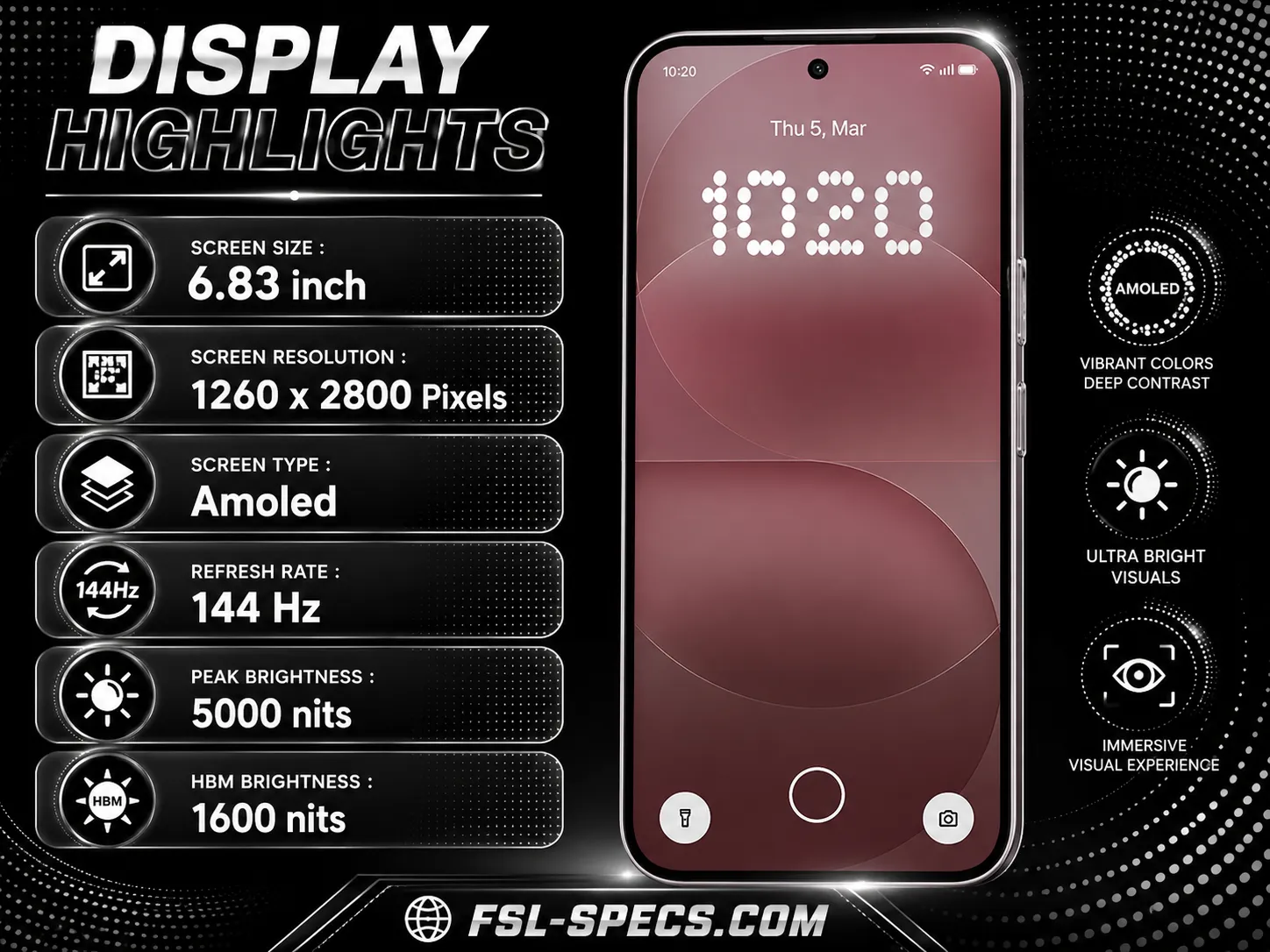
The Nothing Phone 4a Pro comes with a 6.83-inch AMOLED display at 1260 x 2800 resolution and a 144Hz refresh rate, priced at PKR 228,000 for the 12+256GB variant. Peak brightness hits 5000 nits, backed by 1600 nits HBM and 800 nits typical, making it the brightest panel on paper in this group.

Against the Infinix GT 50 Pro (PKR 160,000, 12+256GB), which uses a similarly sized 6.78-inch AMOLED at 1208 x 2644 and the same 144Hz refresh rate, the Nothing Phone 4a Pro wins clearly on confirmed peak brightness since Infinix’s own spec sheet leaves peak brightness unconfirmed, listing only the 1600 nits HBM figure.

The Oppo Reno 15 Pro (PKR 227,000, 12+512GB) drops to a smaller 6.32-inch AMOLED at 1216 x 2640 with a 120Hz refresh rate and 3600 nits peak brightness, meaning the Nothing Phone 4a Pro offers a noticeably larger canvas and a smoother refresh rate, though the Reno 15 Pro’s smaller panel packs in a slightly higher pixel density.

The Xiaomi 17T (PKR 216,000, 12+512GB) also uses a 6.59-inch AMOLED at 1268 x 2756 with a 120Hz refresh rate and 3500 nits peak, undercutting the Nothing Phone 4a Pro’s 144Hz refresh and brightness ceiling while costing PKR 12,000 less.

Verdict: The Nothing Phone 4a Pro genuinely leads this group on display size, refresh rate, and confirmed peak brightness. Buyers who prioritize screen quality and smoothness get real value here, though the Xiaomi 17T remains a close, cheaper alternative if 120Hz is good enough.

Processor Review:

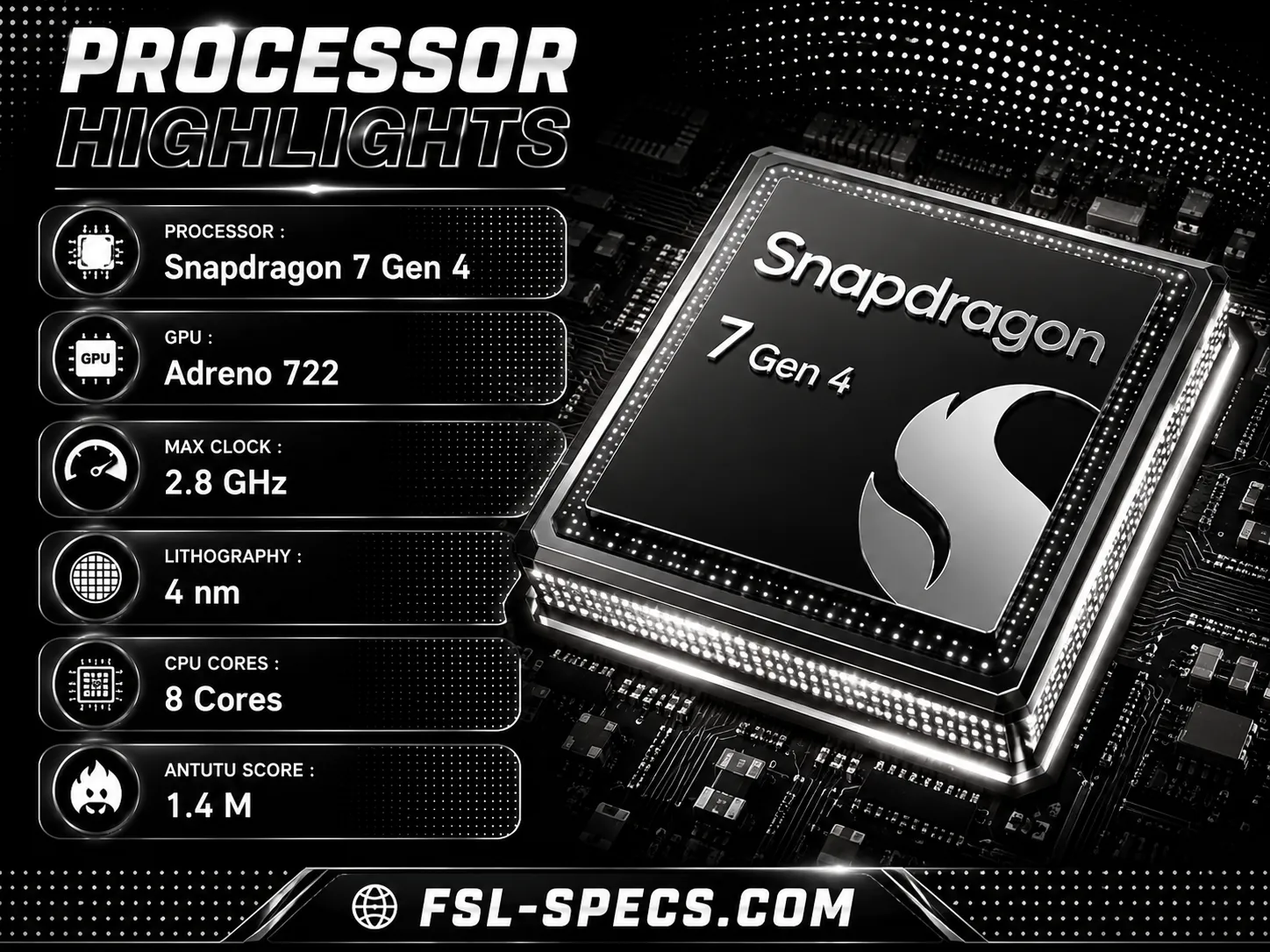
The Nothing Phone 4a Pro runs on a Qualcomm Snapdragon 7 Gen 4 SM7750-AB (4nm) paired with an Adreno 722 GPU, scoring 1,469,717 on AnTuTu v11, priced at PKR 228,000 for the 12+256GB variant. That’s a mid-range platform, and the numbers below make that clear.

The Infinix GT 50 Pro (PKR 160,000, 12+256GB) uses a MediaTek Dimensity 8400 Ultimate (4nm) with a Mali-G720 MC7 GPU, scoring around 2.1 million on AnTuTu v11, roughly 43% higher than the Nothing Phone 4a Pro despite costing PKR 68,000 less, a real gap for gamers and heavy multitaskers.

The Oppo Reno 15 Pro (PKR 227,000, 12+512GB) runs a Dimensity 8450 (4nm) with the same Mali-G720 MC7 GPU, scoring near 2 million on AnTuTu v11, about 36% ahead of the Nothing Phone 4a Pro at essentially the same price, meaning Nothing gives up meaningful performance here for no cost advantage.

The Xiaomi 17T (PKR 216,000, 12+512GB) widens the gap further with its Dimensity 8500 Ultra (4nm) and Mali-G720 MC8 GPU, posting 2,407,614 on AnTuTu v11, around 64% higher than the Nothing Phone 4a Pro while costing PKR 12,000 less. All four scores above are AnTuTu v11, so the comparison is apples to apples.

Verdict: The Nothing Phone 4a Pro is clearly the weakest performer of this group, trailing every rival by 36% to 64% on AnTuTu v11 despite sitting near the top of the price bracket. Buyers who care about raw gaming or multitasking power should look at the Xiaomi 17T or Infinix GT 50 Pro instead.

Ram & Memory Review:

The Nothing Phone 4a Pro ships with 12GB RAM and 256GB storage on UFS 3.1, priced at PKR 228,000. GSMArena’s spec sheet doesn’t confirm the RAM type for this chipset, so it’s listed here as not confirmed rather than assumed. UFS 3.1 is a step behind the newer standard used by two of its three rivals below.

The Infinix GT 50 Pro (PKR 160,000, 12+256GB) pairs the same 12GB RAM with LPDDR5X and steps up to UFS 4.1 storage, meaning faster large file transfers and app installs than the Nothing Phone 4a Pro’s UFS 3.1, all while costing PKR 68,000 less.

The Oppo Reno 15 Pro (PKR 227,000, 12+512GB) offers 12GB LPDDR5X RAM with 512GB on UFS 3.1, matching the Nothing Phone 4a Pro’s storage generation but doubling the capacity at almost the same price, a clear win for Oppo on raw memory headroom.

The Xiaomi 17T (PKR 216,000, 12+512GB) combines 12GB LPDDR5X RAM with 512GB UFS 4.1 storage, giving it both double the storage and a faster storage standard than the Nothing Phone 4a Pro, while undercutting it by PKR 12,000.

Verdict: The Nothing Phone 4a Pro’s memory setup is the weakest here on paper, stuck on older UFS 3.1 with half the storage of the Oppo Reno 15 Pro and Xiaomi 17T, and an unconfirmed RAM type doesn’t help its case. The Xiaomi 17T is the strongest value pick for anyone who wants more storage and faster read speeds for the same money.

Cameras Review:

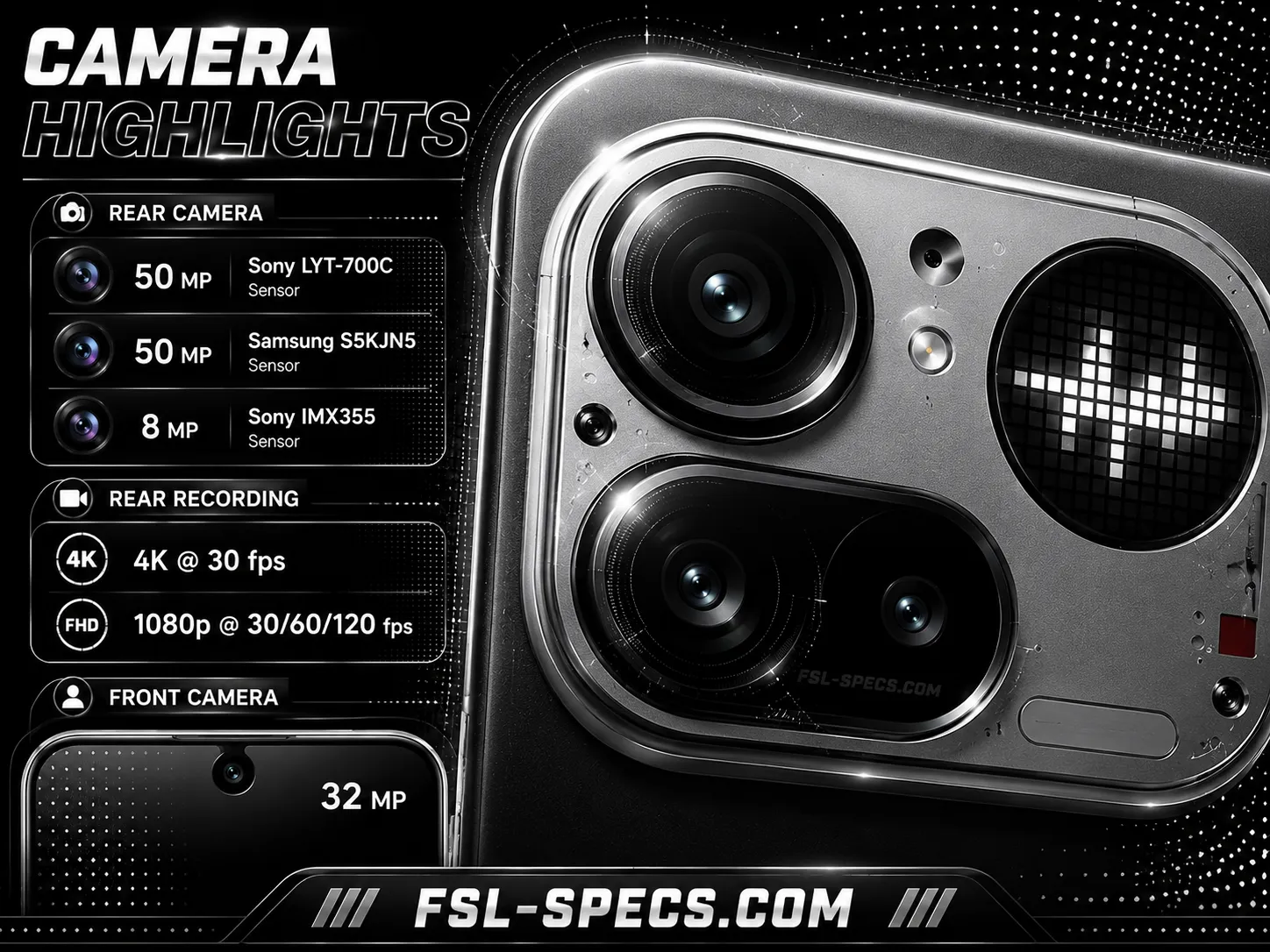
The Nothing Phone 4a Pro’s rear setup pairs a 50MP main sensor at f/1.9 with OIS and a genuine 50MP periscope telephoto at f/2.9 with OIS offering 3.5x optical zoom, plus an 8MP ultrawide at f/2.2, priced at PKR 228,000. The 32MP front camera rounds it out, with video capped at 4K30 on the main and rear cameras and 1080p30 on the front.

Against the Infinix GT 50 Pro (PKR 160,000, 12+256GB), which sticks to a simpler 50MP main (Sony IMX896, OIS) plus 8MP ultrawide, the Nothing Phone 4a Pro clearly wins on hardware since Infinix has no telephoto lens at all, relying on 10x digital zoom instead of genuine optical reach.

The Oppo Reno 15 Pro (PKR 227,000, 12+512GB) counters with a sharper 200MP main sensor, a 50MP periscope telephoto matching the same 3.5x optical zoom, and a useful 50MP ultrawide, beating the Nothing Phone 4a Pro on resolution and ultrawide quality while tying it on zoom hardware. Its 50MP front camera also outresolves Nothing’s 32MP selfie shooter.

The Xiaomi 17T (PKR 216,000, 12+512GB) brings its own 50MP main and 50MP periscope telephoto, but stretches optical zoom to 5x, ahead of the Nothing Phone 4a Pro’s 3.5x, alongside a 12MP ultrawide. Its main and telephoto lenses also record 4K60, versus 4K30 on the Nothing Phone 4a Pro.

Verdict: The Nothing Phone 4a Pro comfortably beats the Infinix GT 50 Pro on camera hardware, but the Oppo Reno 15 Pro’s resolution and the Xiaomi 17T’s longer 5x zoom both edge it out. It’s a solid mid-pack camera setup, not the standout of this group.

Battery Review:

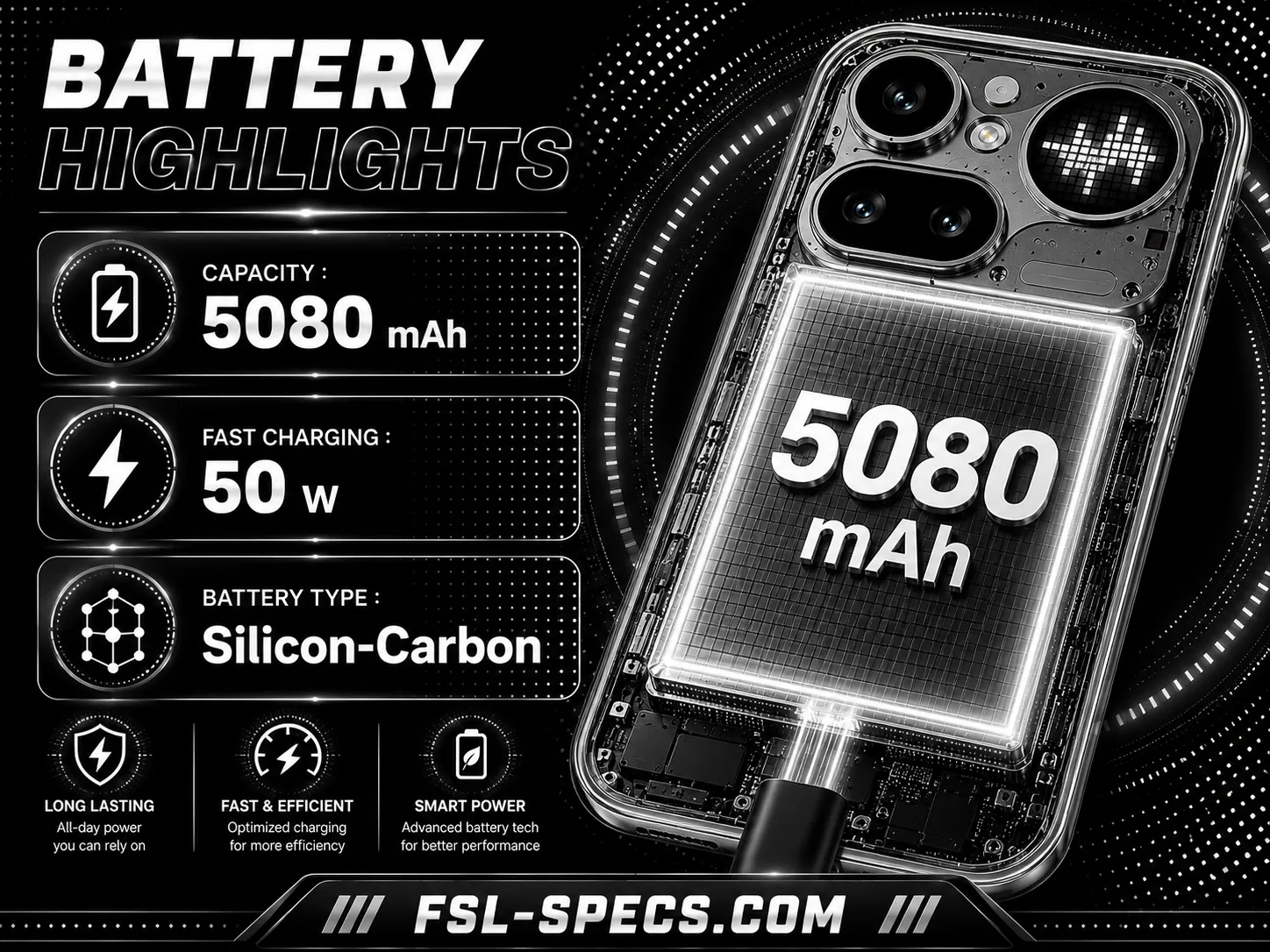
The Nothing Phone 4a Pro packs a 5080mAh battery (5400mAh in the India variant) with 50W wired charging, reaching 50% in 22 minutes and 100% in 64 minutes, plus 7.5W reverse wired charging, priced at PKR 228,000.

The Infinix GT 50 Pro (PKR 160,000, 12+256GB) offers a larger 6500mAh capacity with 45W wired and 30W wireless charging, a 1420mAh advantage over the Nothing Phone 4a Pro, plus wireless charging that Nothing lacks entirely, though its slower wired wattage means a full charge takes 45 to 60 minutes, roughly comparable despite the bigger battery.

The Oppo Reno 15 Pro (PKR 227,000, 12+512GB) sits at 6200mAh with 80W wired charging, restoring a full charge in 60 to 70 minutes. That’s a smaller capacity than the Infinix GT 50 Pro but still 1120mAh ahead of the Nothing Phone 4a Pro, and its 80W rating comfortably outpaces Nothing’s 50W despite no wireless charging on this unit either.

The Xiaomi 17T (PKR 216,000, 12+512GB) leads on capacity with 6500mAh and 67W wired charging, taking 70 to 80 minutes for a full charge, plus 22.5W reverse wired, giving it a 1420mAh edge and meaningfully more headroom than the Nothing Phone 4a Pro despite costing PKR 12,000 less.

Verdict: The Nothing Phone 4a Pro has the smallest battery of this entire group and no wireless charging, though its 50W charger, Buyers who prioritize all-day capacity should look at the Xiaomi 17T or Infinix GT 50 Pro instead.

Final Verdict :

Across display, processor, RAM/memory, camera, and battery, the Nothing Phone 4a Pro only leads on one front: its 6.83-inch, 144Hz, 5000-nit AMOLED is the best screen in this group. Everywhere else it trails.

The Snapdragon 7 Gen 4 loses to every rival’s Dimensity chip by 36% to 64% on AnTuTu v11, its 256GB UFS 3.1 storage is half the capacity of the Oppo Reno 15 Pro and Xiaomi 17T on the faster UFS 4.1 standard, its 5080mAh battery is the smallest of the four with no wireless charging, and its camera sits mid-pack, ahead of the Infinix GT 50 Pro but behind the Oppo Reno 15 Pro on resolution and the Xiaomi 17T on zoom range. All of this at PKR 228,000, the single most expensive phone in the comparison.

The Xiaomi 17T comes out on top overall. It combines the second-strongest AnTuTu score, a genuine 5x periscope telephoto, the joint-largest 6500mAh battery, and UFS 4.1 storage, all for PKR 12,000 less than the Nothing Phone 4a Pro. The Oppo Reno 15 Pro takes second for its 200MP camera and fast 80W charging, despite the weakest processor of the flagship-tier phones here. The Infinix GT 50 Pro is a distant-price outlier that still holds its own on performance and battery capacity.

Bottom line: At PKR 228,000, the Nothing Phone 4a Pro is asking flagship money for a mid-range spec sheet outside its display, and the Xiaomi 17T is the stronger buy in this bracket.

Rankings:

  1. Xiaomi 17T — PKR 216,000
  2. Oppo Reno 15 Pro — PKR 227,000
  3. Infinix GT 50 Pro — PKR 160,000
  4. Nothing Phone 4a Pro — PKR 228,000

Value For Money:

The Infinix GT 50 Pro is the clear value pick of this comparison. At PKR 160,000, it undercuts the Nothing Phone 4a Pro by PKR 68,000 while matching or beating it on processor performance, RAM type, storage speed, and battery capacity, the only real trade-off being a simpler dual-camera setup with no telephoto lens.

The Xiaomi 17T offers the best all-round spec-to-price ratio among the pricier phones, but it still costs PKR 56,000 more than the Infinix. For buyers who don’t need a periscope zoom lens and want the most performance and battery per rupee, the Infinix GT 50 Pro is difficult to beat, and it makes the Nothing Phone 4a Pro’s asking price hard to justify by comparison.

Pros And Cons of Nothing Phone (4a) Pro

Pros of Mobile

✅ 144Hz AMOLED display 📱
✅ 5,000-nit peak brightness ☀️
✅ 50MP periscope telephoto 🔭
✅ Snapdragon 7 Gen 4 ⚡
✅ Aluminum unibody build 🛡️
✅ Glyph Matrix lighting ✨

Cons of Mobile

❌ IP65 rating only 💧
❌ LPDDR4X RAM type 🐌
❌ No wireless charging 🔌
❌ UFS 3.1 storage 💾
❌ 8MP ultra-wide lens 📷
❌ Mid-range GPU (Adreno) 🎮

Best For - Not Best For

Best For

🎯 Zoom photography fans 🔭
🎯 Bright outdoor use ☀️
🎯 Design-focused buyers 🎨
🎯 Mid-range gaming 🎮
🎯 Long software support 🔄
🎯 Smooth 144Hz scrolling 📱

Not Best For

🚫 Heavy water exposure 💧
🚫 Flagship gaming needs 🕹️
🚫 Wireless charging fans 🔌
🚫 Ultra-wide photography lovers 🌄
🚫 Fastest storage seekers 💽
🚫 Budget-tier buyers 💰

Trailer And Unboxing of Nothing Phone (4a) Pro

Disassembly Or Teardown And Gaming Test of Nothing Phone (4a) Pro

Camera Test Nothing Phone (4a) Pro

Xiaomi 17T
Oppo Reno 15 Pro
Infinix GT 50 Pro

Nothing Series Row
Picture of Faisal Ur Rehman

Faisal Ur Rehman

Faisal Rehman is the founder and editor of FSL Specs, where he publishes in-depth smartphone specifications, comparisons, buying guides, and technology insights. With extensive experience in mobile hardware research and technical analysis, he provides accurate and up-to-date information on Android smartphones, processors, displays, cameras, batteries, performance benchmarks, and software features. His goal is to simplify complex specifications and help readers choose the right device with confidence.

FAQs Questions

It runs a 6.83" AMOLED display with 1.5K resolution and a smooth 144Hz refresh rate. Peak brightness comes in around 1600–1800 nits depending on the source, making it plenty punchy for outdoor use.

It's powered by the Snapdragon 7 Gen 4, which handles everyday multitasking smoothly and games decently well at medium-to-high settings. It's a solid mid-range performer rather than a gaming beast, but daily use feels snappy.

It has a triple rear setup led by a 50MP Sony main sensor with OIS, paired with a 50MP periscope telephoto (3.5x optical, up to 140x digital zoom) and an 8MP ultrawide. The 32MP selfie camera rounds things out — genuinely impressive zoom capability for this price range.

The 5080–5400mAh battery (varies slightly by region) comfortably powers a full day of heavy use. It supports 50W wired fast charging, plus 7.5W reverse wired charging for topping up accessories like earbuds.

It supports 5G, NFC, and eSIM (on the Pro variant) without issue. However, it caps out at Wi-Fi 6, and there's no wireless charging at all — the metal back panel rules that out.

It carries an IP65 rating, meaning it's dust-tight and can handle low-pressure water jets — decent everyday protection, but not full submersion-proof like some rivals with IP68/69.

It comes in 8GB/128GB, 8GB/256GB, and 12GB/256GB configurations, giving a fair spread of options depending on budget.

It supports 4K video recording, optimized well for smooth editing — but there's no 8K support here, which is expected at this price tier.

12 + 128 GB
 | ~₹43,000 | ~$450


8 + 256 GB
| ~₹47,000 | ~$ 490 | 


12 + 256 GB
 | ~₹53,000 | ~$ 580 | 230,000 PKR

Leave a Reply

Your email address will not be published. Required fields are marked *

Scroll to Top