



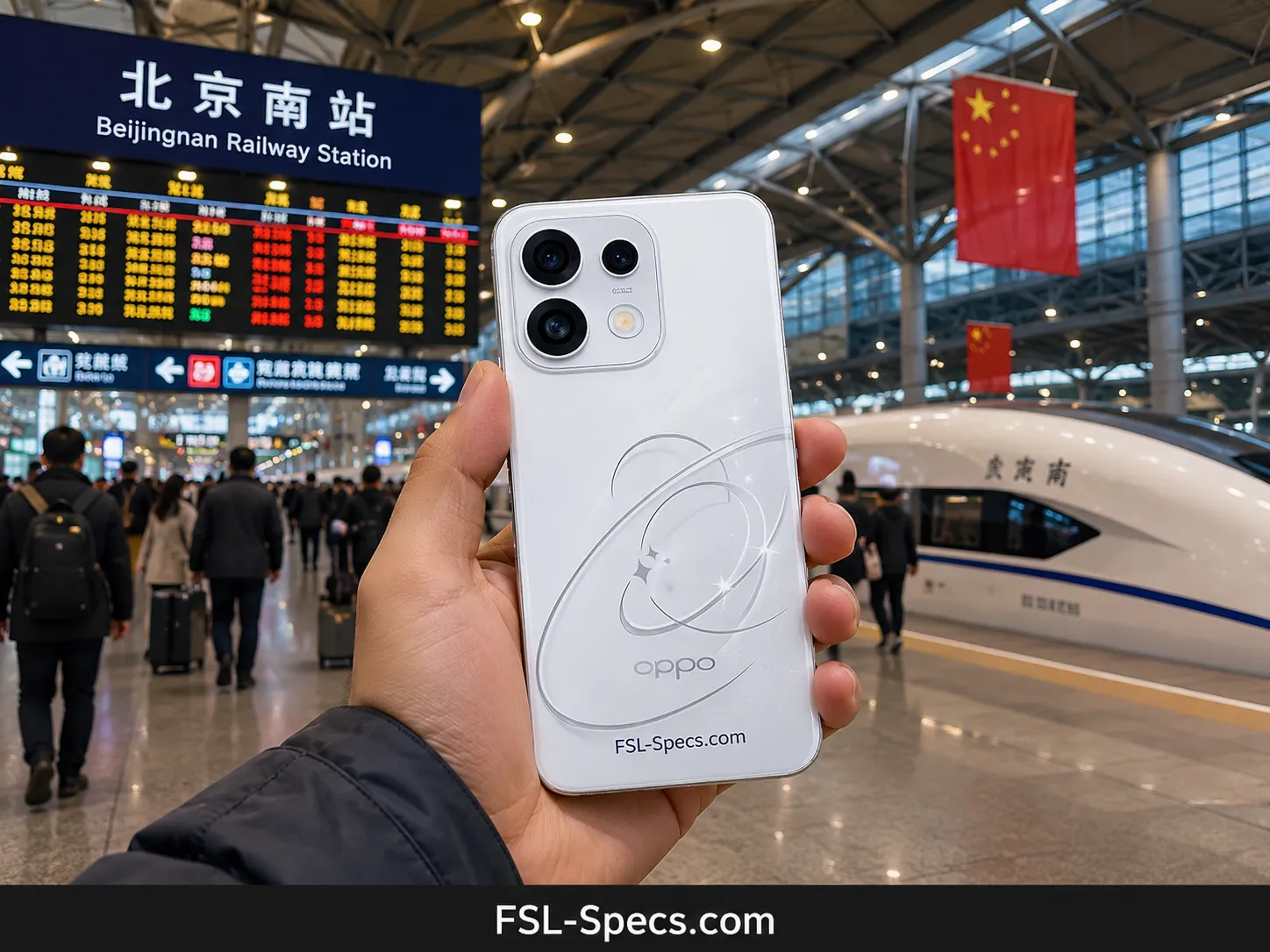
















✪ Oppo Reno 16 Pro ✪

OPPO Reno 16 Pro Specs, Price, Camera, Battery & Best Review (2026)
United States flag United States
$850 USD
Pakistan flag Pakistan (PKR)
255,000 PKR
India flag India (INR)
₹82,000 INR

✪ Oppo Reno 16 Pro ✪

OPPO Reno 16 Pro Specs, Price, Camera, Battery & Best Review (2026)
Last Time Update : 14 August, 2026
0

Quick Specifications

Amoled

Display Type

Dimensity 8550

Processor

12 + 512 GB

Ram And Memory

200 + 50 + 50 MP

Camera

6700 mAh

Battery

80 W

Fast Charging

Full Specification

BASIC INFO
Mobile
Oppo Reno 16 Pro
Model
CPH2863
Series
Oppo Reno Series
Category
Mid Range
Release Date
25 July,2026
Year
2026
CONNECTIVITY
Sim
Nano-SIM / E-Sim
Network
4G / 4G+ / 5G
WiFi
WiFi 7
Bluetooth
5.4
NFC
Yes
OS
Android 17 Now
BODY
Dimensions
151.2 x 72.4 x 8.2 mm
Build
Frame Aluminum And Glass/plastic Back
KG Weight
188 g or 191 g
Screen Size
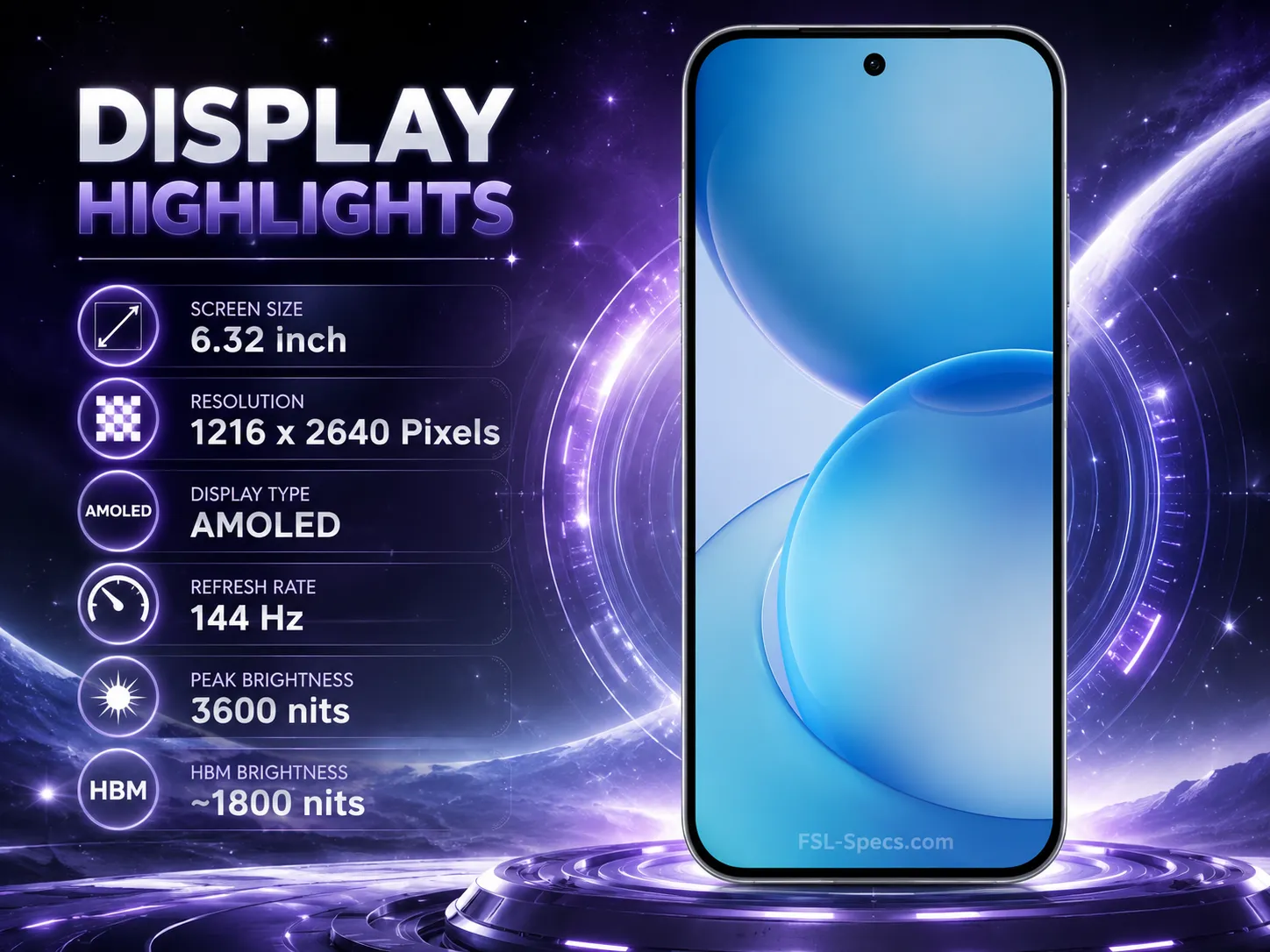
6.32 inch
Resolution
1216 x 2640 Pixels
Type
Amoled
Refresh Rate
144 Hz
Peak Brightness
3600 nits
HBM Brightness
~1800 nits
Processor
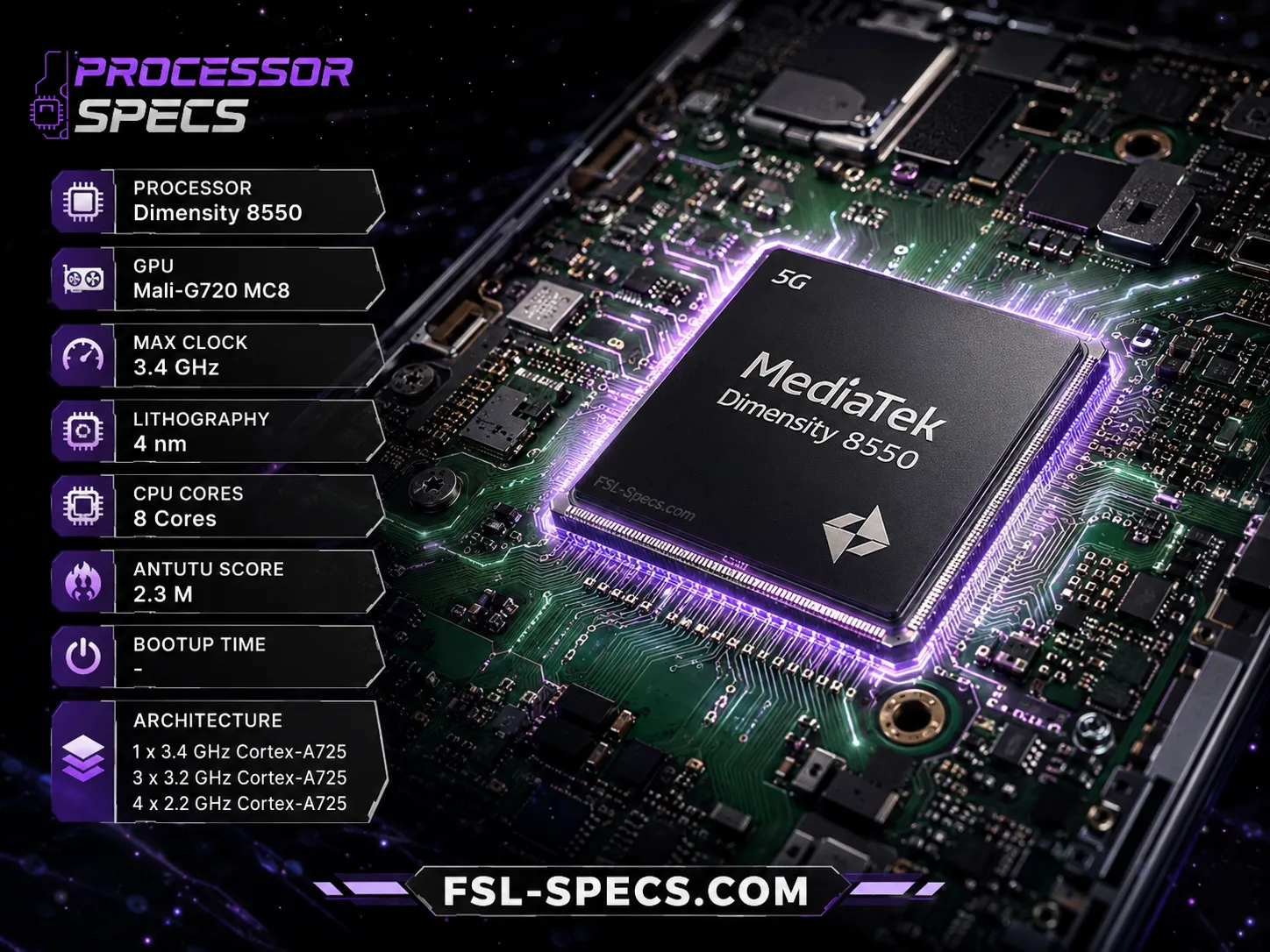
Dimensity 8550
Max Clock
3.4 GHz
Lithography
4 nm
GPU
Mali-G720 MC8
CPU Cores
8 Cores
Antutu v11
2.3 M
Antutu v10
-
Bootup Time
-
Architecture
1 x 3.4 GHz Cortex-A725
3 x 3.2 GHz Cortex-A725
4 x 2.2 GHz Cortex-A725
Ram Memory
12 + 512 GB
Ram Type
LPDDR5X
Storage Type
UFS 3.1
SD Card
No
Variants
12 + 256 GB
12 + 512 GB
MP
Rear Camera
200 + 50 + 50 MP
Front Camera
50 MP
SENSORS
Camera Sensors
Front Sensors
RECORDING FPS
Main Recording
4K @ 30/60 fps
1080p @ 30/60/120/480 fps
Front Recording
4K @ 30/60 fps
1080p @ 30/60 fps
RESOLUTION
Main Resolution
16320 × 12240 pixels
Front Resolution
8192 x 6144 Pixels
ZOOM
Optical Zoom
3.5 x
D Digital Zoom
120 x
FLASH
Flash
Yes
Front Flash
Not confirm
Capacity
6700 mAh
Fast Charging
80 W
Wireless Charging
No
Li Battery Type
Silicon-Carbon
REVERSE
Reverse Wired
Yes
Reverse Wireless
No
OTHER
Battery PC Marks
-
Charging Time
-
AUDIO & SENSORS
Speaker
Dual Stereo Speaker
Fingerprint Sensor
Hyper Sonic Front Finger
Other Sensors
Accelerometer
Gyroscope
Proximity
Compass
Hall sensor
RGB/color spectrum sensor
Special Features

Crystal Guard screen protection, Mohs level 4
IP68/IP69K dust and water resistance (immersible 1.5m/30min, high-pressure jets)
Color spectrum sensor
Silicon-Carbon battery chemistry
Reverse wired charging
5-year OS + 5-year security updates (Kimovil)

BASIC INFO
Mobile
Oppo Reno 16 Pro
Model
CPH2863
Series
Oppo Reno Series
Category
Mid Range
Release Date
25 July,2026
Year
2026
CONNECTIVITY
Sim
Nano-SIM / E-Sim
Network
4G / 4G+ / 5G
WiFi
WiFi 7
Bluetooth
5.4
NFC
Yes
OS
Android 17 Now
BODY
Dimensions
151.2 x 72.4 x 8.2 mm
Build
Frame Aluminum And Glass/plastic Back
KG Weight
188 g or 191 g
Screen Size
6.32 inch
Resolution
1216 x 2640 Pixels
Type
Amoled
Refresh Rate
144 Hz
Peak Brightness
3600 nits
HBM Brightness
~1800 nits
Processor
Dimensity 8550
Max Clock
3.4 GHz
Lithography
4 nm
GPU
Mali-G720 MC8
CPU Cores
8 Cores
Antutu v11
2.3 M
Antutu v10
-
Bootup Time
-
Architecture
1 x 3.4 GHz Cortex-A725
3 x 3.2 GHz Cortex-A725
4 x 2.2 GHz Cortex-A725
Ram Memory
12 + 512 GB
SD Card
No
Ram Type
LPDDR5X
Storage Type
UFS 3.1
Variants
12 + 256 GB
12 + 512 GB
MP
Rear Camera
200 + 50 + 50 MP
Front Camera
50 MP
SENSORS
Main Camera Sensors
Front Camera Sensors
RECORDING FPS
Main Recording
4K @ 30/60 fps
1080p @ 30/60/120/480 fps
Front Recording
4K @ 30/60 fps
1080p @ 30/60 fps
RESOLUTION
Main Resolution
16320 × 12240 pixels
Front Resolution
8192 x 6144 Pixels
ZOOM
Optical Zoom
3.5 x
D Digital Zoom
120 x
FLASH
Flash
Yes
Front Flash
Not confirm
Capacity
6700 mAh
Fast Charging
80 W
Wireless Charging
No
Li Battery Type
Silicon-Carbon
REVERSE
Reverse Wired
Yes
Reverse Wireless
No
OTHER
Battery Life PCMark
-
Charging Time
-
AUDIO & SENSORS
Speaker
Dual Stereo Speaker
Fingerprint Sensor
Hyper Sonic Front Finger
Other Sensors
Accelerometer
Gyroscope
Proximity
Compass
Hall sensor
RGB/color spectrum sensor
Special Features

Crystal Guard screen protection, Mohs level 4
IP68/IP69K dust and water resistance (immersible 1.5m/30min, high-pressure jets)
Color spectrum sensor
Silicon-Carbon battery chemistry
Reverse wired charging
5-year OS + 5-year security updates (Kimovil)

Highlights & Review Of Oppo Reno 16 Pro

Display Review:

The OPPO Reno16 Pro is built around a compact 6.32-inch Crystal Guard+ AMOLED display with 2640 × 1216 FHD+ resolution, 144Hz maximum refresh rate, and 1800 nits HBM brightness. At the expected PKR 250,000–270,000, its biggest advantage is the combination of high refresh rate and compact flagship-style dimensions. The Xiaomi 17T Pro, priced around PKR 260,000, goes larger with a 6.83-inch AMOLED panel, 2772 × 1280 1.5K resolution, and a faster 144Hz refresh rate. Its 3500-nit peak brightness is also substantially higher, giving the Xiaomi a stronger specification advantage for outdoor viewing and HDR content.

The vivo X300 FE, around PKR 245,000, takes a different approach with a 6.31-inch AMOLED display, 2640 × 1216 resolution, adaptive 120Hz refresh rate and an impressive 5000-nit local peak brightness. The oppo Reno 16 Pro therefore matches the vivo closely in size and resolution while offering a higher 144Hz maximum refresh rate, but the X300 FE has a major brightness advantage for intense outdoor conditions.

The OPPO Reno15 Pro, priced around PKR 227,000, is almost identical in display fundamentals, using a 6.32-inch AMOLED, 2640 × 1216 resolution, 120Hz refresh rate and 1800 nits HBM. This makes the oppo Reno 16 Pro’s 144Hz refresh rate its clearest upgrade, while brightness remains essentially unchanged between the two generations.

Verdict: The oppo Reno 16 Pro offers an excellent compact display, but the Xiaomi 17T Pro wins overall for display quality with its larger 1.5K 6.83-inch panel and 3500-nit peak brightness, while the vivo X300 FE is the stronger choice for extreme outdoor brightness.

Processor Review:

The OPPO Reno16 Pro uses the MediaTek Dimensity 8550 SUPER, a 4nm chipset with an 8-core CPU reaching 3.4GHz and an ARM Mali-G720 MC8 GPU. NanoReview currently records an average 2.43 million AnTuTu v11 score for the Reno16 Pro Global, giving it a strong performance position for demanding apps and high-frame-rate gaming.

The Xiaomi 17T Pro, priced around PKR 260,000, is in a completely higher performance class with the 3nm MediaTek Dimensity 9500. Xiaomi lists its all-big-core CPU with a maximum 4.21GHz clock and an official 3.57 million+ AnTuTu score. That puts the Xiaomi roughly 47% ahead of the Reno16 Pro’s current NanoReview score, giving it substantially more CPU and GPU headroom for demanding gaming, emulation and sustained multitasking.

The vivo X300 FE, around PKR 245,000, is even more aggressive because it carries the 3nm Snapdragon 8 Gen 5, with 2× 3.8GHz Oryon Prime and 6× 3.32GHz Oryon Performance cores plus an Adreno 829 GPU. NanoReview’s current AnTuTu v11 result is approximately 3.07 million, around 26% higher than the oppo Reno 16 Pro. This gives the vivo a clear advantage for GPU-heavy gaming and demanding long-term performance.

The OPPO Reno15 Pro, at around PKR 227,000, uses the older 4nm Dimensity 8450, with an average AnTuTu v11 score of about 2.02 million on NanoReview. The oppo Reno 16 Pro therefore delivers roughly 20% higher benchmark performance, making the newer model a meaningful upgrade, although both remain behind the Xiaomi and vivo in raw power.

Verdict: The vivo X300 FE and Xiaomi 17T Pro clearly beat the Reno16 Pro for raw processor performance, while the Reno16 Pro comfortably improves over the cheaper Reno15 Pro.

Ram & Memory Review:

The OPPO Reno16 Pro 12GB+512GB combines 12GB LPDDR5X RAM with 512GB UFS 3.1 storage. OPPO also confirms that there is no microSD card support. The 12GB LPDDR5X capacity is strong enough for heavy multitasking, but at an expected PKR 250,000–270,000, its UFS 3.1 storage is the main weakness because two similarly priced rivals have moved to the substantially newer UFS 4.1 standard.

The Xiaomi 17T Pro 12GB+512GB, around PKR 260,000, offers the same 12GB LPDDR5X RAM and 512GB capacity, but pairs them with UFS 4.1 storage. Xiaomi additionally specifies its LPDDR5X memory at up to 9600Mbps. With equal RAM and storage capacities, the Xiaomi has the stronger memory configuration on paper because its newer UFS 4.1 storage should provide greater storage bandwidth than the Reno16 Pro’s UFS 3.1. Neither phone supports expandable storage.

The vivo X300 FE 12GB+256GB, around PKR 245,000, uses 12GB LPDDR5X Ultra RAM and UFS 4.1 storage. It therefore has the more advanced storage standard than the oppo Reno 16 Pro, but its 256GB configuration provides only half of the oppo Reno 16 Pro’s 512GB internal capacity. vivo also supports 12GB extended RAM, while expandable ROM through a memory card is not supported.

The cheaper OPPO Reno15 Pro 12GB+512GB, around PKR 227,000, is particularly important because it already provides 12GB LPDDR5X + 512GB UFS 3.1, exactly matching the Reno16 Pro’s core RAM and storage specification. It also lacks microSD expansion. Therefore, buyers moving from this Reno15 Pro configuration receive no meaningful RAM capacity, storage capacity, or storage-type upgrade.

Verdict: The Xiaomi 17T Pro wins the RAM and memory comparison with 12GB LPDDR5X + 512GB UFS 4.1. The oppo Reno 16 Pro provides plenty of 512GB storage, but retaining UFS 3.1 at this price is disappointing, especially when the cheaper Reno15 Pro already offers the same 12GB + 512GB LPDDR5X/UFS 3.1 combination.

Cameras Review:

The OPPO Reno16 Pro carries a triple-camera setup built around a 200MP f/1.8 main camera with 2-axis OIS, a 50MP f/2.8 telephoto camera with 2-axis OIS and 3.5x optical zoom, and a 50MP f/2.0 ultrawide camera with autofocus. Its 50MP f/2.0 front camera also offers a 100° field of view, making the oppo Reno 16 Pro particularly well equipped for portraits, group selfies and vlogging. OPPO officially confirms 4K video at 60fps from the rear camera, with EIS/OIS stabilization.

The Xiaomi 17T Pro, at around PKR 260,000, takes a more photography-focused approach with a 50MP Light Fusion 950 main sensor, a large 1/1.31-inch sensor, f/1.67 aperture and OIS, plus a 50MP 5x periscope telephoto with OIS and a 12MP ultrawide. Xiaomi also supports 8K 30fps and 4K 120fps recording, while the 32MP front camera can record 4K HDR10+ at 30fps. The larger main sensor and native 5x telephoto give Xiaomi a stronger hardware advantage for low-light photography and distant subjects.

The vivo X300 FE, around PKR 245,000, uses a 50MP Sony IMX921 main camera at f/1.57, a 50MP Sony IMX882 periscope telephoto with 3x optical zoom, and an 8MP ultrawide. Its 50MP ZEISS front camera provides a 92° ultrawide field of view. While the vivo loses to oppo Reno 16 Pro on ultrawide resolution, its dedicated 50MP Sony telephoto and ZEISS imaging system make it a serious portrait and zoom competitor.

The cheaper OPPO Reno15 Pro, around PKR 227,000, is surprisingly close: it already has 200MP + 50MP telephoto + 50MP ultrawide cameras and a 50MP selfie camera, with OIS on the main and telephoto lenses. Its core camera hardware therefore shows little change from the oppo Reno 16 Pro generation.

Verdict: The Xiaomi 17T Pro wins the overall camera hardware comparison because its 1/1.31-inch main sensor, 50MP 5x periscope and 8K/4K 120fps recording provide the strongest combination. The oppo Reno 16 Pro remains excellent for portraits, selfies and ultrawide photography, but its camera hardware is not a major upgrade over the cheaper Reno15 Pro.

Battery Review:

The OPPO Reno16 Pro 12GB+512GB packs a 6700mAh battery with 80W SUPERVOOC wired charging. OPPO lists the battery at 6700mAh typical / 6490mAh rated, giving the oppo Reno 16 Pro a strong capacity advantage over its predecessor, although its 80W charging is not the fastest among these rivals. Wireless charging is not listed in OPPO’s official specifications, so it should not be claimed as supported.

The Xiaomi 17T Pro, around PKR 260,000, this price, it offers a more performance-oriented package, but the Reno16 Pro’s 6700mAh capacity means OPPO is already competitive for endurance. Because I could not verify the Xiaomi battery figures from an official Xiaomi source in this search,

The vivo X300 FE, around PKR 245,000, has a 6500mAh battery, 90W FlashCharge, and 40W wireless charging. That gives the vivo 200mAh less capacity than the Reno16 Pro but 10W faster wired charging, while the addition of 40W wireless charging is a major feature advantage. vivo also reports 38.4 hours of YouTube video streaming under its laboratory testing.

The cheaper OPPO Reno15 Pro already provides a 6200mAh battery and 80W SUPERVOOC charging according to OPPO’s regional specifications. Therefore, oppo Reno 16 Pro increases capacity by 500mAh while retaining the same 80W maximum charging speed.

Verdict: The vivo X300 FE wins the battery feature comparison because it combines 6500mAh, 90W wired, and 40W wireless charging. The oppo Reno 16 Pro has the largest 6700mAh capacity among the verified figures here, but its 80W charging and lack of confirmed wireless charging make it less versatile than the vivo.

Final Verdict :

Based on the display, processor, RAM/storage, camera and battery comparisons, the Xiaomi 17T Pro is the strongest overall device. Its Dimensity 9500, 12GB LPDDR5X + 512GB UFS 4.1, 6.83-inch 144Hz 1.5K display, Leica camera system and 7000mAh + 100W wired + 50W wireless charging give it the most complete hardware package around the PKR 260,000 level.

The vivo X300 FE is the best value-for-money choice. At roughly PKR 245,000 in your comparison, it combines the Snapdragon 8 Gen 5, LPDDR5X Ultra, UFS 4.1, 6500mAh battery, 90W wired and 40W wireless charging, plus a 50MP ZEISS telephoto system. Its official Pakistan price is currently listed higher, so your PKR 245,000 figure should be treated as your target/market price rather than the current official vivo price.

The Reno16 Pro is a good balanced phone, especially for buyers wanting a compact 6.32-inch design, 200MP + 50MP + 50MP cameras, 12GB/512GB, and a 6700mAh battery. However, its UFS 3.1 storage and Dimensity 8550 SUPER leave it behind Xiaomi and vivo in raw hardware value.

Overall Ranking

RankDevicePriceOverall
🥇 1Xiaomi 17T Pro 12+512GBPKR 260,000Best Overall
🥈 2vivo X300 FE 12+256GBPKR 245,000Best Value for Money
🥉 3OPPO Reno16 Pro 12+512GBPKR 250,000–270,000 expected Best Compact OPPO
4OPPO Reno15 Pro 12+512GBPKR 227,000 Cheapest Option

Final recommendation: If the budget is around PKR 250K–270K, Xiaomi 17T Pro is the best overall purchase. If saving money is the priority, the vivo X300 FE offers the better value proposition. The Reno16 Pro is harder to recommend at PKR 270K because the cheaper rivals offer stronger processor/storage hardware.

Pros And Cons of Oppo Reno 16 Pro

Pros of Mobile

AMOLED Display 📱
120Hz Refresh
Fast Charging ⚡🔌
Triple Cameras 📸
AI Features 🤖
Premium Design

Cons of Mobile

No Headphone Jack 🎧
No SD Slot 💾
No Charger 📦
Average Zoom 🔭
No UWB 📡

Best For - Not Best For

Best For

🎯 Mobile Photography 📸
🎯 Social Media 📱
🎯 Daily Multitasking
🎯 Fast Charging 🔋
🎯 Video Streaming 🎬
🎯 Casual Gaming 🎮

Not Best For

🚫 Audiophile Users 🎧
🚫 Storage Expansion 💾
🚫 Long Zoom 🔭
🚫 Value Hunters 💸

Trailer And Unboxing of Oppo Reno 16 Pro

Disassembly Or Teardown And Gaming Test of Oppo Reno 16 Pro

Camera Test Oppo Reno 16 Pro

vivo X300 FE
OPPO Reno 15 Pro
Xiaomi 17T Pro

Comparisions

Picture of Faisal Ur Rehman

Faisal Ur Rehman

Faisal Rehman is the founder and editor of FSL Specs, where he publishes in-depth smartphone specifications, comparisons, buying guides, and technology insights. With extensive experience in mobile hardware research and technical analysis, he provides accurate and up-to-date information on Android smartphones, processors, displays, cameras, batteries, performance benchmarks, and software features. His goal is to simplify complex specifications and help readers choose the right device with confidence.

OPPO Series Row

FAQs Questions

It features a 6.32" AMOLED display with 1.5K resolution and up to 144Hz refresh rate (in supported games/apps). Peak brightness reaches up to 3600 nits outdoor peak, with 1800 nits HBM brightness for everyday use

It runs on the MediaTek Dimensity 8550 Super chipset, which handles everyday multitasking effortlessly and gaming smoothly for most titles. It's a strong upper-midrange performer, comfortably ahead of its predecessor.

The triple rear setup includes a 200MP main sensor with OIS, a 50MP telephoto with 3.5x optical zoom, and a 50MP ultrawide, paired with a 50MP selfie camera. This is a genuinely versatile, high-resolution camera system that punches well above its price class.

The 6700mAh battery (varies slightly by region, sometimes 6000mAh in Europe) easily lasts a full day-plus of heavy use. It supports 80W wired SuperVOOC charging, getting you fully charged in under an hour.

It supports 5G, NFC, and eSIM confidently. However, the global/India variant sticks with Wi-Fi 6 (not Wi-Fi 7) and skips wireless charging entirely — those extras are reserved for the China-only variant with a different chipset.

Yes, it carries a robust IP66, IP68, IP69, and IP69K rating, meaning it handles dust, submersion, and even high-pressure hot water jets — genuinely excellent durability for this segment.

It comes in 12GB/256GB and 12GB/512GB configurations, with a 16GB/1TB option available in select markets like China.

It supports 4K video recording at up to 60fps on both front and rear cameras — no 8K support, which stays reserved for Oppo's Find series flagships.

12 + 512 GB
| ~82,000 🚫 INR | ~$ 850 | ~255,000🚫 PKR

Leave a Reply

Your email address will not be published. Required fields are marked *

Scroll to Top