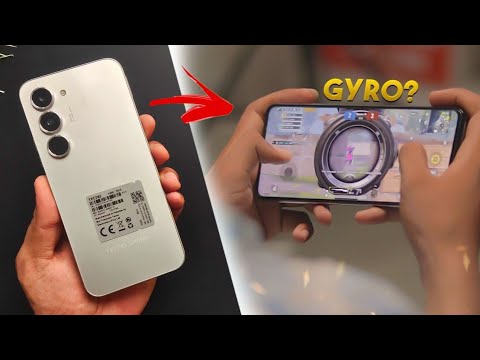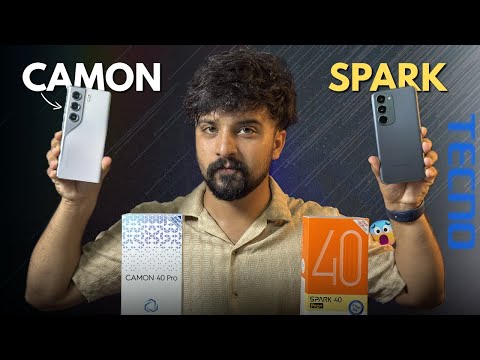

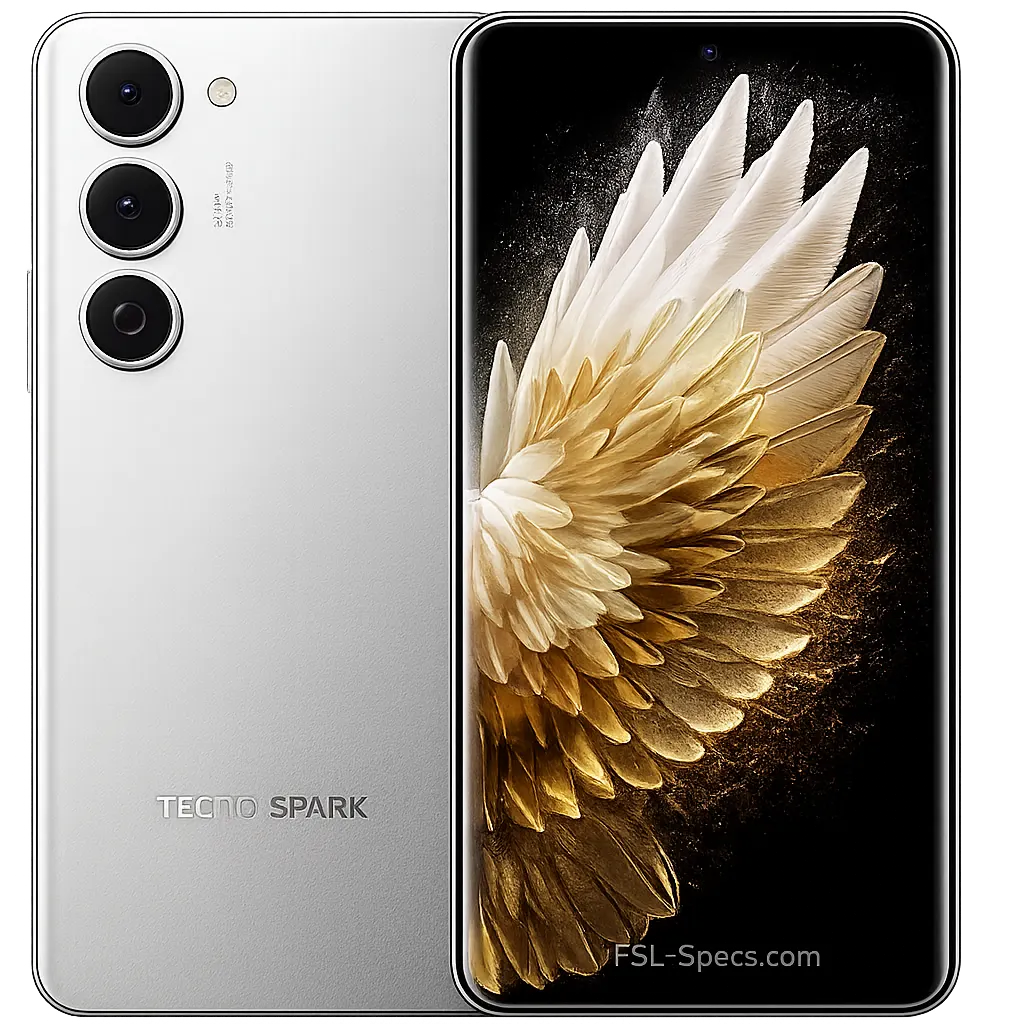


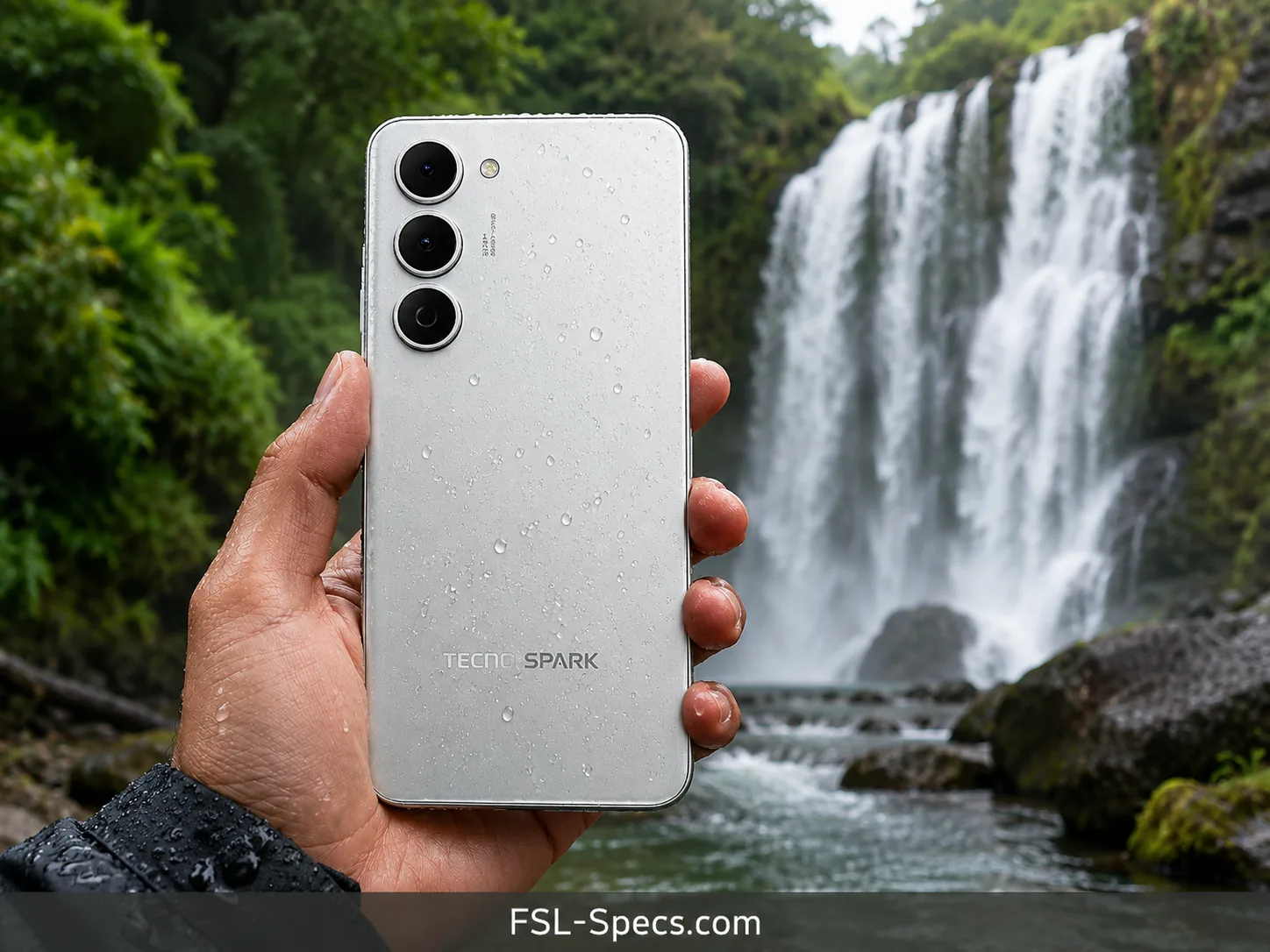
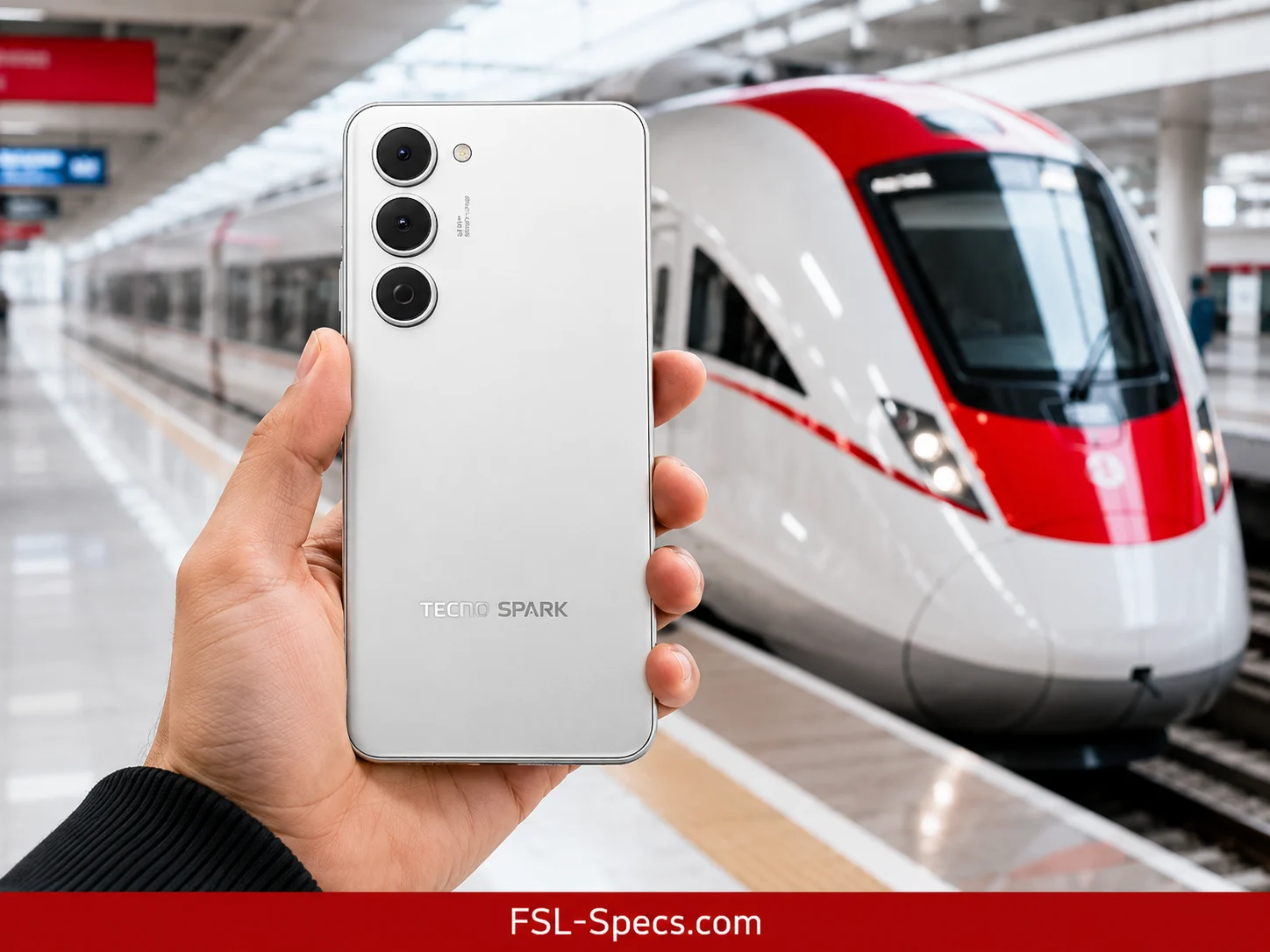
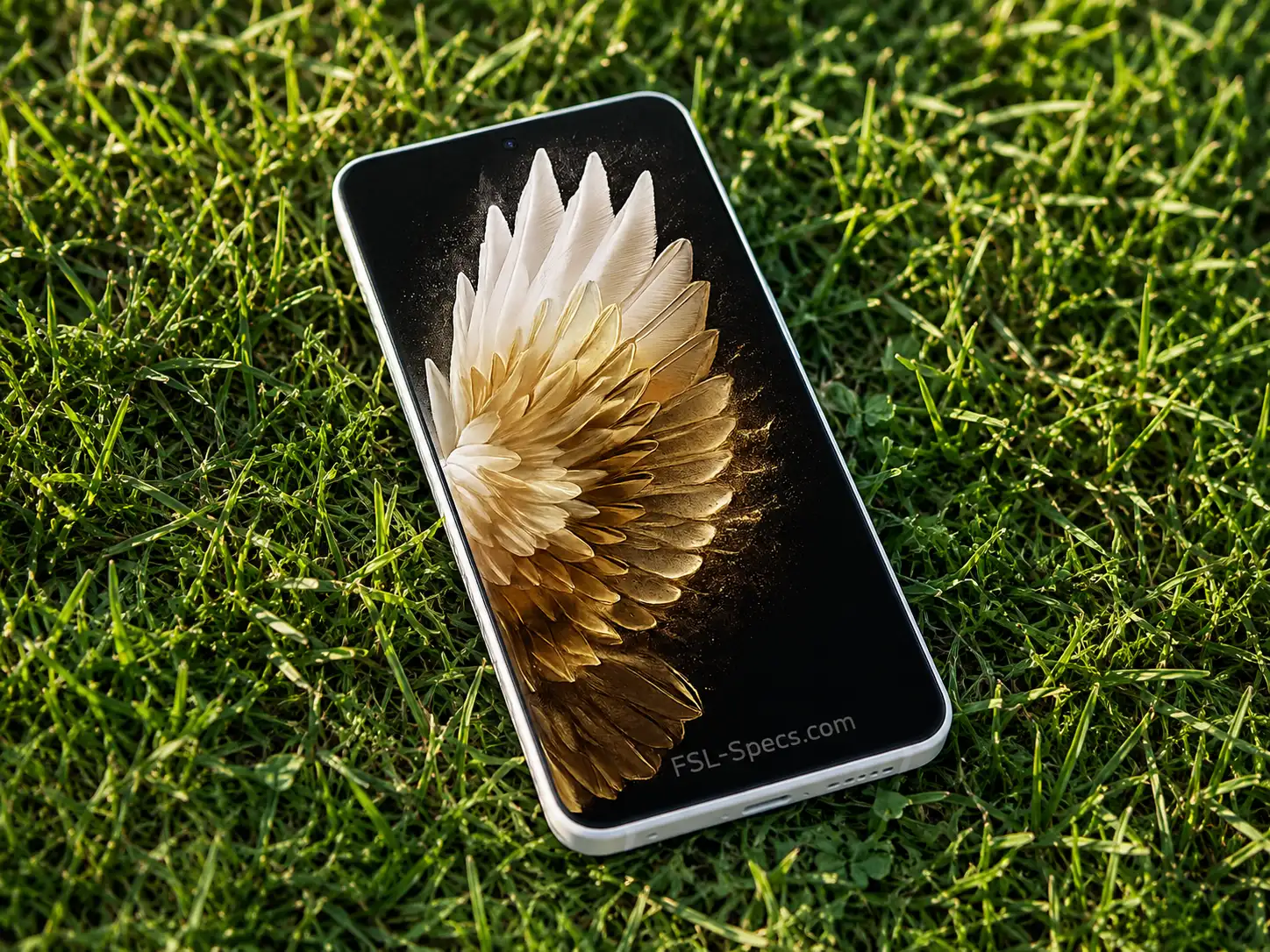
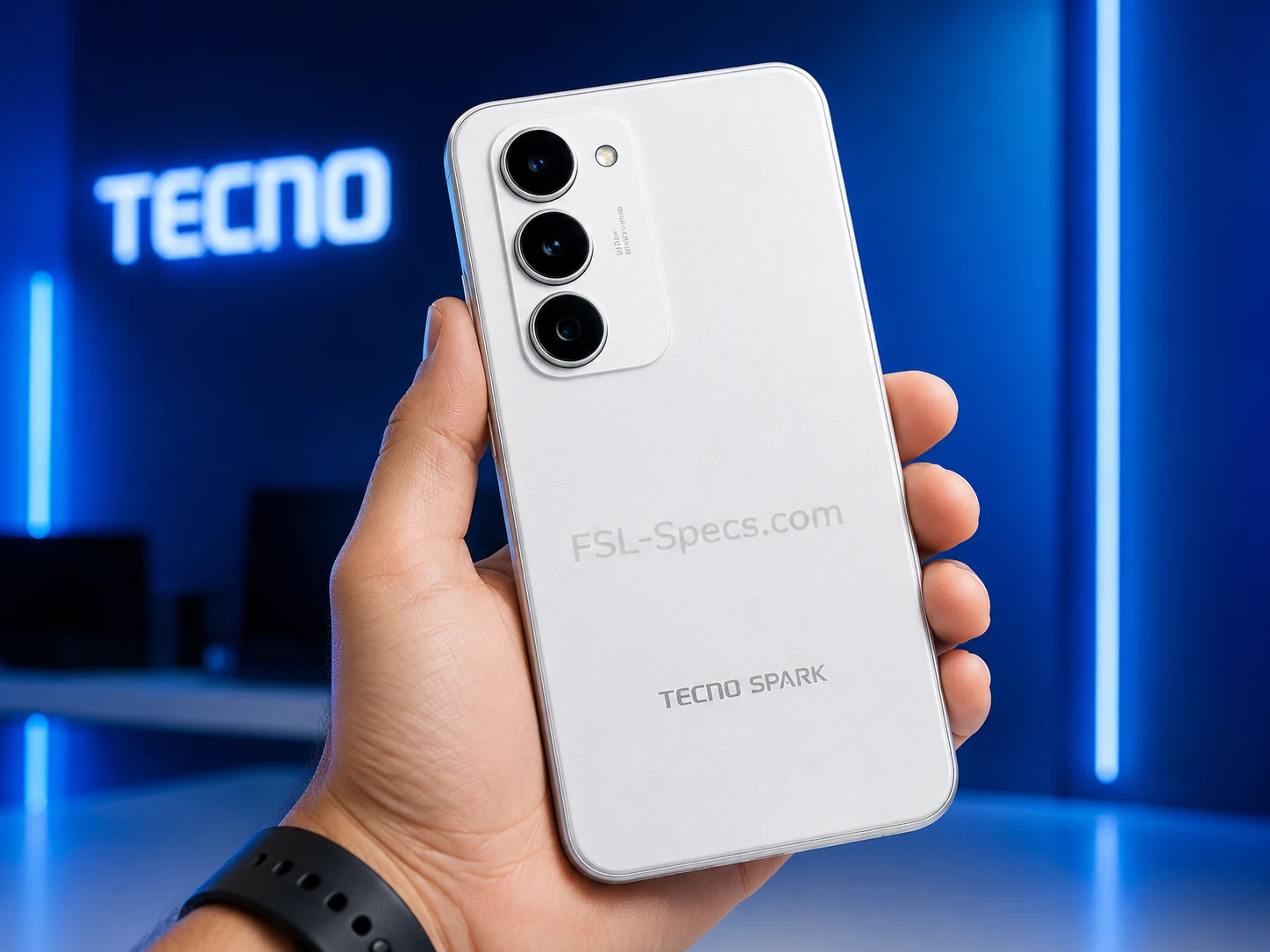






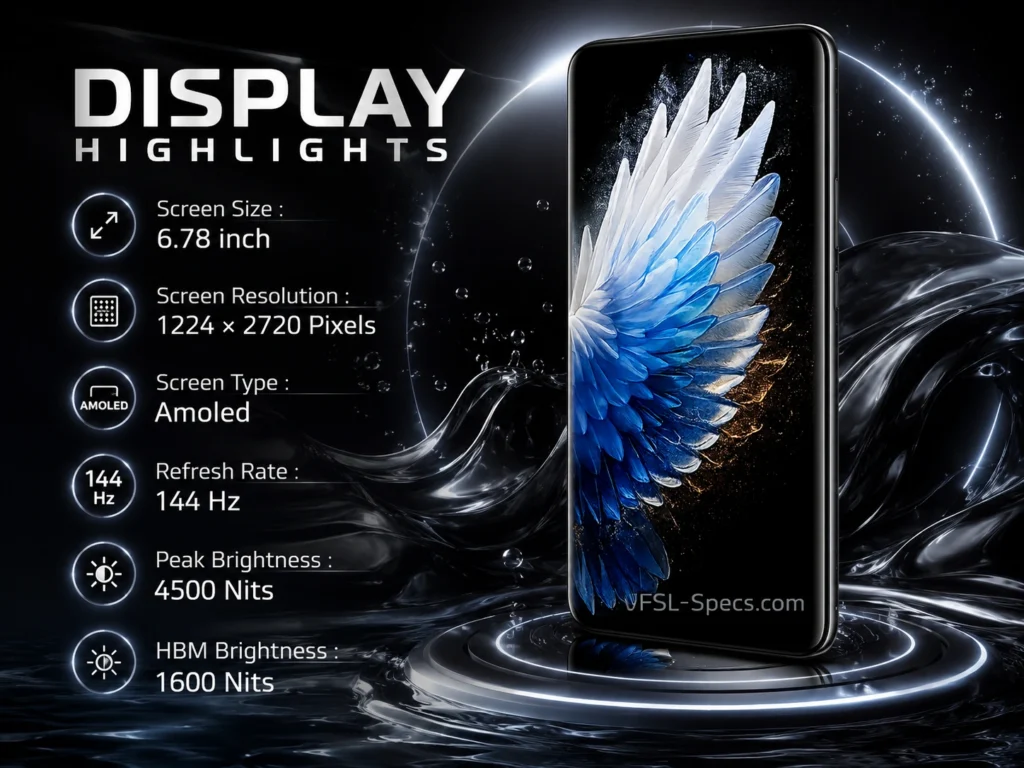
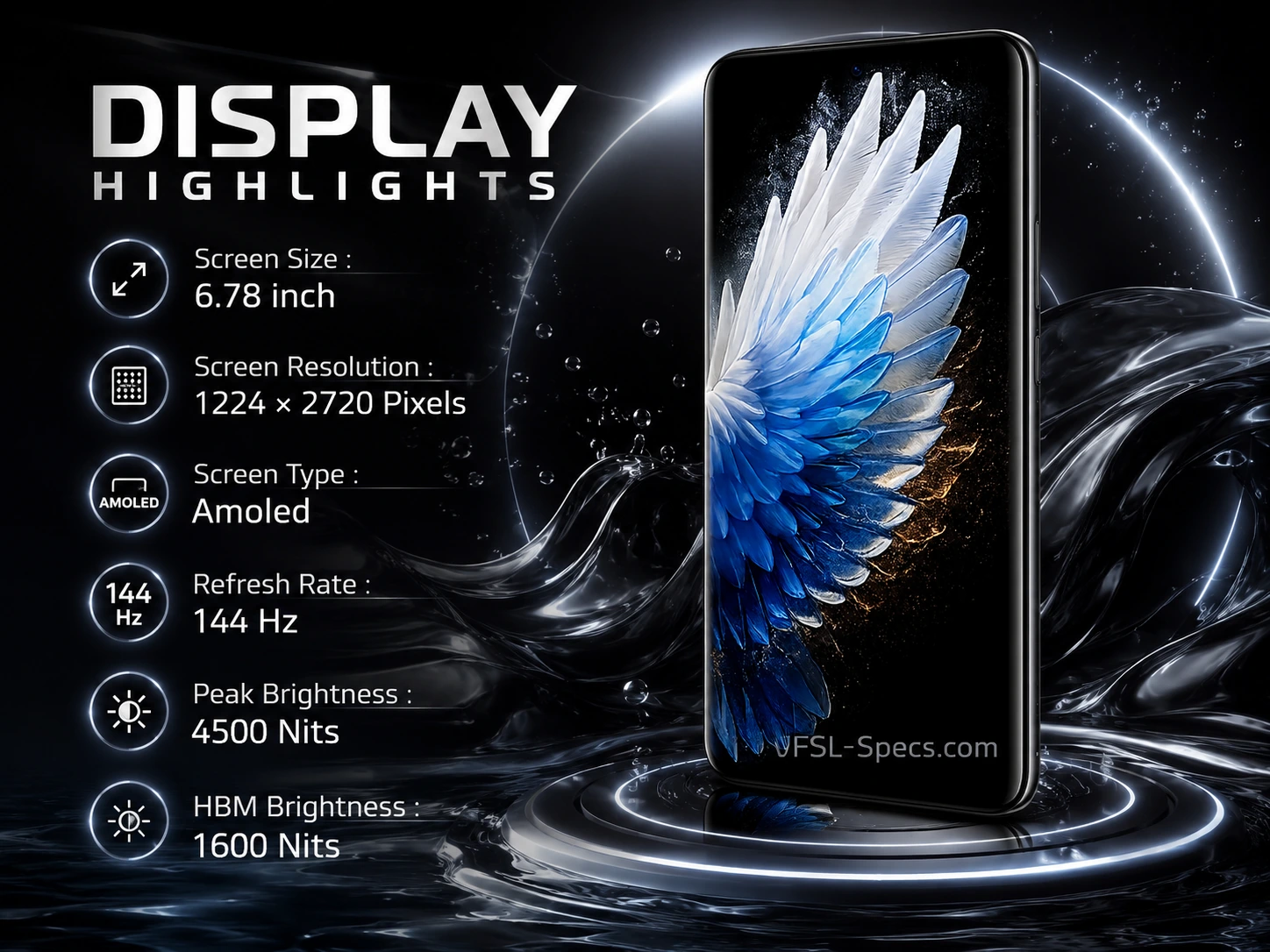
The Tecno Spark 40 Pro at PKR 67,000 has a 6.78-inch AMOLED display with a 2720 × 1224 resolution and 144Hz refresh rate. TECNO lists 1600 nits HBM and 4500 nits peak brightness, giving it a strong advantage for outdoor visibility. One important detail is that the advertised 1.5K resolution is upscaled by TECNO’s T1 chip, while the GPU’s native output is 1080p.
The Redmi Note 14 at PKR 66,000 uses a 6.67-inch AMOLED panel with 2400 × 1080 resolution and 120Hz refresh rate. Xiaomi lists 1200 nits HBM and 1800 nits peak brightness. Compared with the Spark 40 Pro, the TECNO gives you a larger screen, 144Hz instead of 120Hz, and substantially higher advertised peak brightness, although the Redmi’s 1080p output is native rather than upscaled.
The Redmi Note 14 Pro at PKR 73,000 has a 6.67-inch AMOLED curved display with 2400 × 1080 resolution and 120Hz refresh rate. Its 1200 nits HBM and 1800 nits peak brightness are below the Spark 40 Pro’s advertised 1600-nit HBM and 4500-nit peak figures. However, the Redmi Pro adds 10-bit color, DCI-P3, 1920Hz PWM dimming, and Gorilla Glass Victus 2, giving it a more premium display feature set.
The Tecno Spark 40 Pro+ at PKR 68,000 is the closest sibling rival. It also offers a 6.78-inch 3D AMOLED panel with 1224 × 2720 resolution and 144Hz refresh rate. TECNO’s Pakistan specifications confirm the 1.5K 144Hz display, while the Spark 40 series is advertised with 4500 nits peak brightness. This makes the Pro and Pro+ extremely similar for display size, resolution and refresh rate.
Verdict: The Spark 40 Pro offers the strongest display specification package for PKR 67,000, especially its 144Hz refresh rate and 1600-nit HBM. However, the Redmi Note 14 Pro remains the more premium choice for curved-display features, color depth and display protection.