




















✪ Redmi Note 17 ✪

redmi note 17
United States flag United States
$320 USD
India flag India (INR)
₹31,000 INR

✪ Redmi Note 17 ✪

redmi note 17
Last Time Update : 4 September, 2026
0

Quick Specifications

AMOLED

Display Type

Snapdragon 4 Gen 4

Processor

8 + 128 GB

Ram And Memory

50 MP

Camera

7700 mAh

Battery

45 W

Fast Charging

Full Specification

BASIC INFO
Mobile
Redmi Note 17
Model
26081RA18G
Series
redmi Note
Category
Mid Range
Release Date
28 August,2026
Year
2026
CONNECTIVITY
Sim
Nano-SIM + Nano-SIM
Network
4G
WiFi
Wi-Fi 5
Bluetooth
5.1
NFC
Yes / region dependent
OS
Android 16
BODY
Dimensions
169.7 x 79.1 x 8.5 mm
Build
plastic back, plastic frame
KG Weight
225 grams
Screen Size
6.99 inch
Resolution
1080 x 2396 pixels
Type
AMOLED
Refresh Rate
120 Hz
Peak Brightness
1800 nits
HBM Brightness
1200 nits
Processor
Snapdragon 4 Gen 4
Max Clock
2.3 GHz
Lithography
4 nm
GPU
Adreno 613
CPU Cores
Octa-core
Antutu v11
595 K
Architecture
2 x 2.3 GHz Cortex-A78
6 x 1.95 GHz Cortex-A55
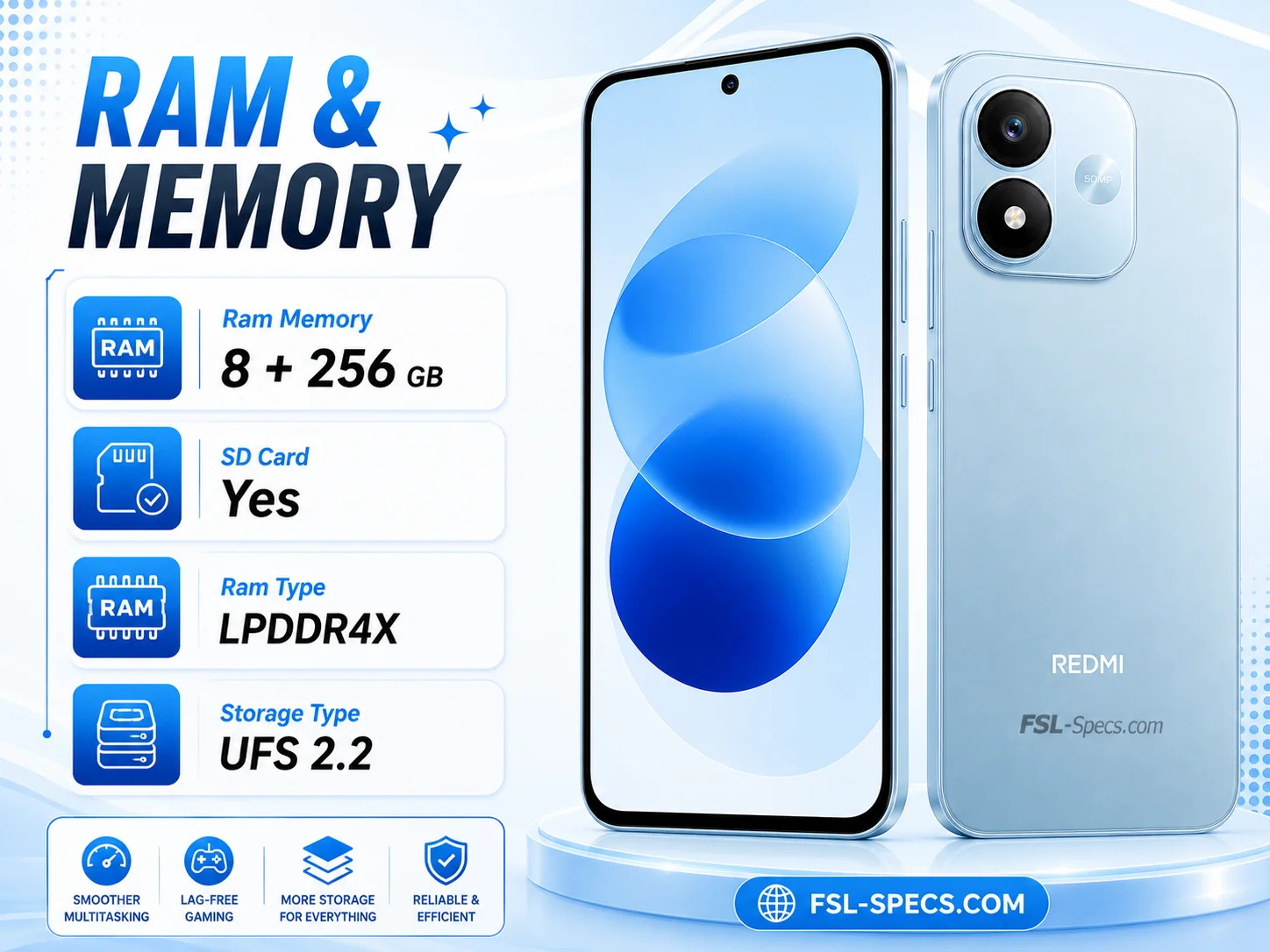
Ram Memory
8 + 128 GB
Ram Type
LPDDR4X
Storage Type
UFS 2.2
SD Card
Yes
Variants
4 + 128/256
6 + 128/256GB
8 + 256 GB
MP
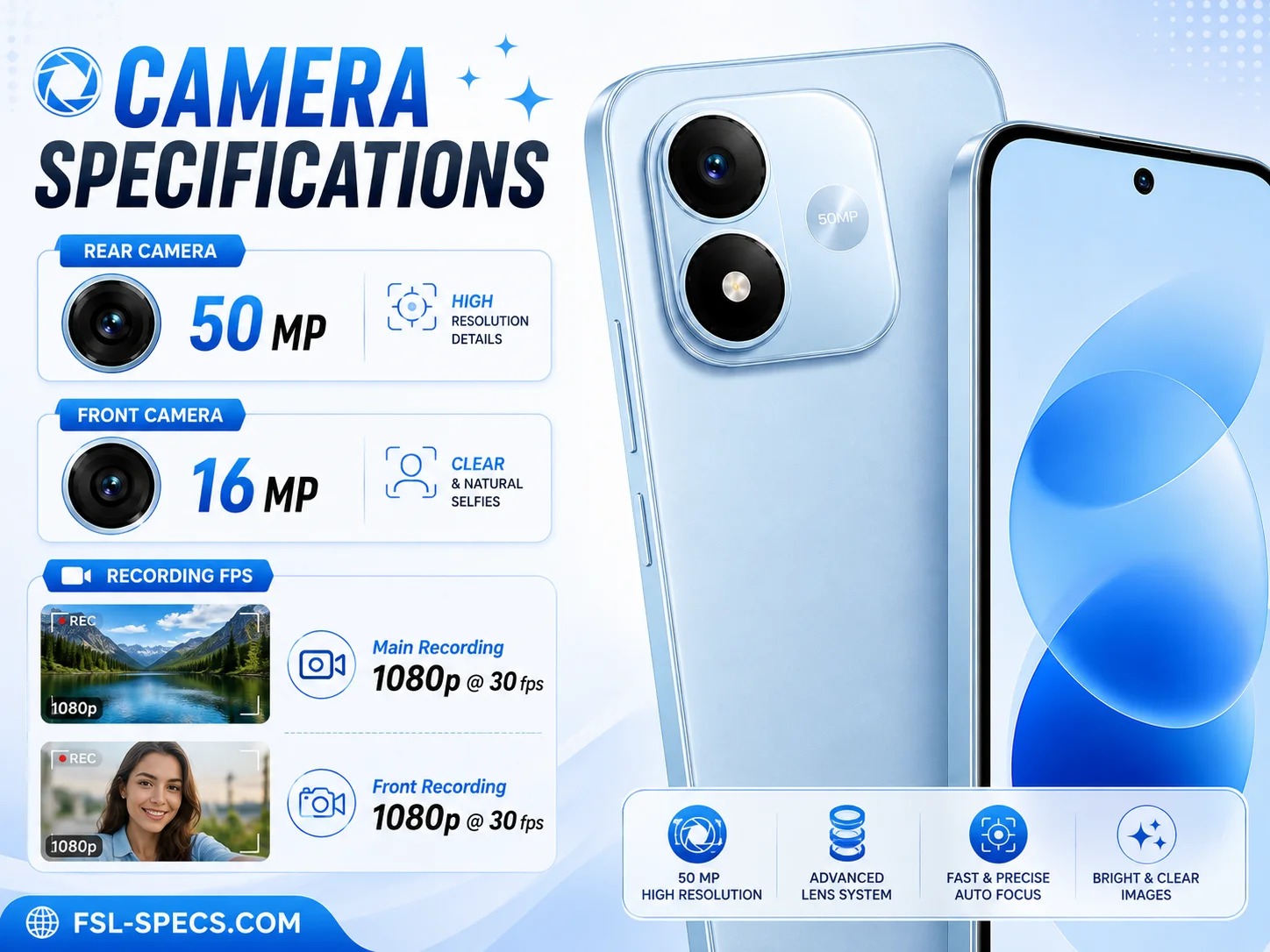
Rear Camera
50 MP
Front Camera
16 MP
RECORDING FPS
Main Recording
1080p @ 30
Front Recording
1080p @ 30
RESOLUTION
Main Resolution
8150 x 6150 Pixels
Front Resolution
4608 × 3456 pixels
FLASH
Flash
LED
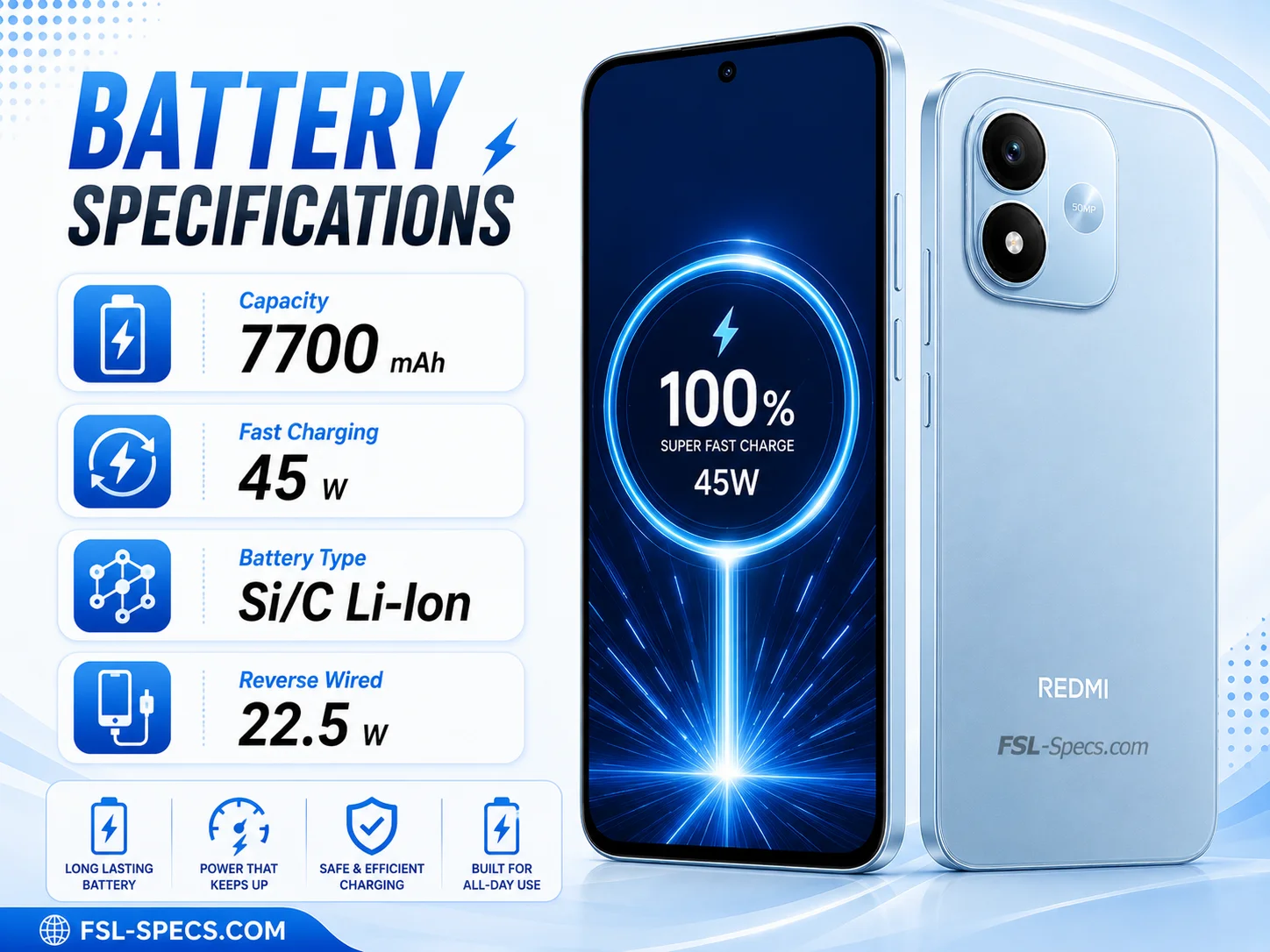
Capacity
7700 mAh
Fast Charging
45 W
Wireless Charging
No
Li Battery Type
Si/C Li-Ion
REVERSE
Reverse Wired
22.5 W
Reverse Wireless
No
AUDIO & SENSORS
Speaker
Dual Stereo Speaker
Fingerprint Sensor
Front Finger
Other Sensors
Proximity sensor
Gyroscope
Accelerometer
Ambient light sensor
Compass, etc
BASIC INFO
Mobile
Redmi Note 17
Model
26081RA18G
Series
redmi Note
Category
Mid Range
Release Date
28 August,2026
Year
2026
CONNECTIVITY
Sim
Nano-SIM + Nano-SIM
Network
4G
WiFi
Wi-Fi 5
Bluetooth
5.1
NFC
Yes / region dependent
OS
Android 16
BODY
Dimensions
169.7 x 79.1 x 8.5 mm
Build
plastic back, plastic frame
KG Weight
225 grams
Screen Size
6.99 inch
Resolution
1080 x 2396 pixels
Type
AMOLED
Refresh Rate
120 Hz
Peak Brightness
1800 nits
HBM Brightness
1200 nits
Processor
Snapdragon 4 Gen 4
Max Clock
2.3 GHz
Lithography
4 nm
GPU
Adreno 613
CPU Cores
Octa-core
Antutu v11
595 K
Architecture
2 x 2.3 GHz Cortex-A78
6 x 1.95 GHz Cortex-A55
Ram Memory
8 + 128 GB
SD Card
Yes
Ram Type
LPDDR4X
Storage Type
UFS 2.2
Variants
4 + 128/256
6 + 128/256GB
8 + 256 GB
MP
Rear Camera
50 MP
Front Camera
16 MP
RECORDING FPS
Main Recording
1080p @ 30
Front Recording
1080p @ 30
RESOLUTION
Main Resolution
8150 x 6150 Pixels
Front Resolution
4608 × 3456 pixels
FLASH
Flash
LED
Capacity
7700 mAh
Fast Charging
45 W
Wireless Charging
No
Li Battery Type
Si/C Li-Ion
REVERSE
Reverse Wired
22.5 W
Reverse Wireless
No
AUDIO & SENSORS
Speaker
Dual Stereo Speaker
Fingerprint Sensor
Front Finger
Other Sensors
Proximity sensor
Gyroscope
Accelerometer
Ambient light sensor
Compass, etc

Highlights & Review Of Redmi Note 17

Display Review:

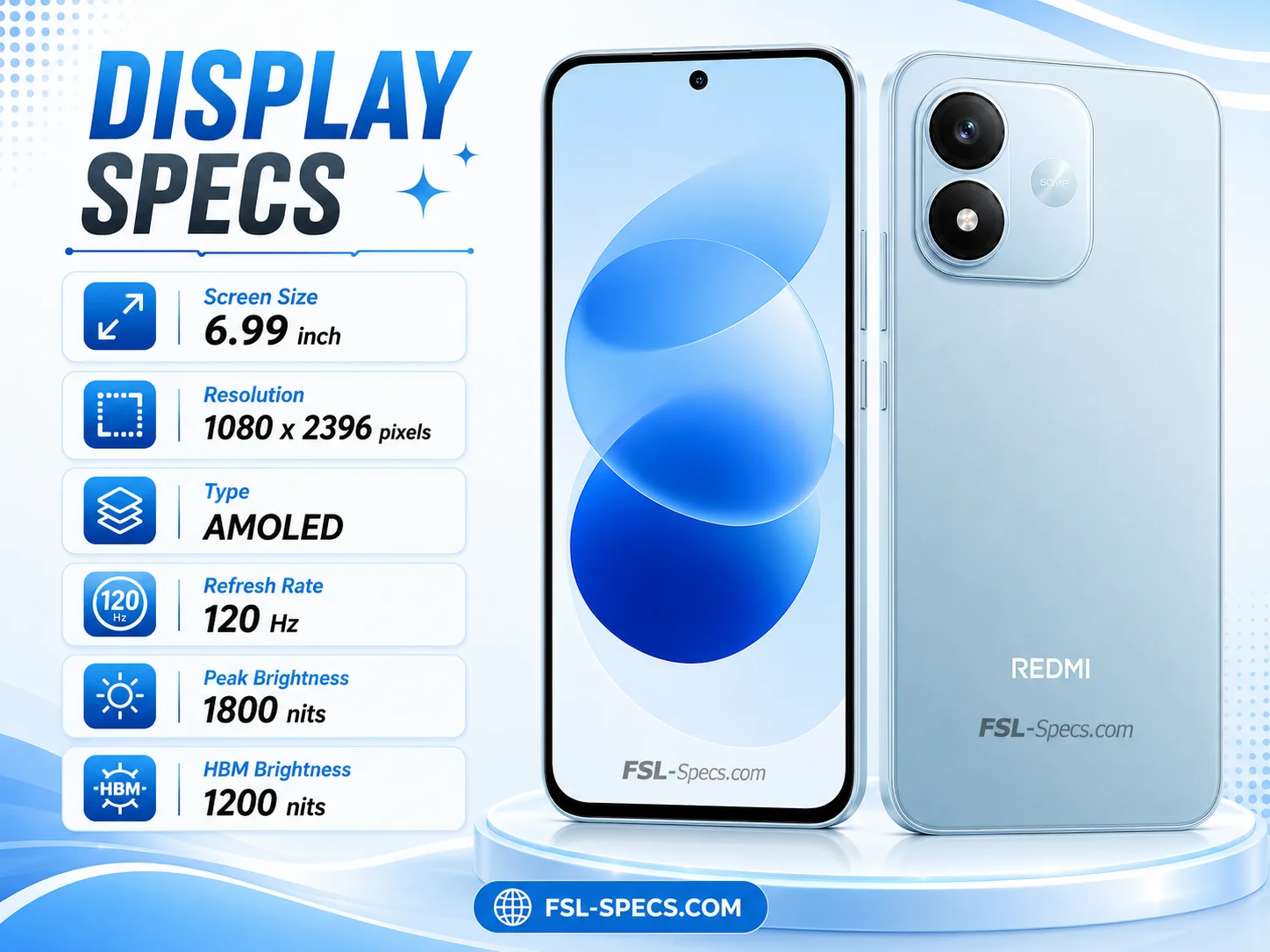
The Redmi Note 17 5G (8GB+256GB) is expected to launch in Pakistan around PKR 90,000 to 110,000, though this remains an estimate since the phone hasn’t officially arrived there yet. It carries a 6.99-inch AMOLED panel with 1080 x 2396 resolution, a 120Hz refresh rate, and 1,800 nits peak brightness, under Gorilla Glass 7i. Against the Redmi Note 15 Pro 4G (PKR 108,000), resolution is nearly identical (1080×2392), but brightness is not: the Note 15 Pro 4G’s 12 bit AMOLED hits 3,200 nits peak, almost double the Note 17 5G’s figure, meaning outdoor visibility favors the older, cheaper 4G model despite it lacking 5G.

The comparison shifts further against the Infinix pair. Both the Infinix Note 60 (PKR 103,000) and Infinix Note Edge (PKR 93,000) use a 6.78-inch AMOLED screen at 1208 x 2644 resolution, sharper than the Redmi’s, with 4,500 nits peak brightness, more than double the Note 17 5G’s rating, also under Gorilla Glass 7i. The Note 60 adds a 144Hz refresh rate for smoother scrolling and gaming, while the Note Edge matches the Redmi’s 120Hz. In real terms, both Infinix rivals should look noticeably brighter under direct sunlight and sharper up close, while the Redmi Note 17 5G’s only edge is its larger 6.99-inch size.

Verdict: On raw display numbers, the Infinix Note 60 wins for sharpness, brightness, and smoothness at a lower expected price than the Redmi Note 17 5G, making it the stronger pick for screen quality alone, though buyers set on 5G and the Xiaomi ecosystem may still lean toward the Note 17 5G once it launches.

Processor Review:

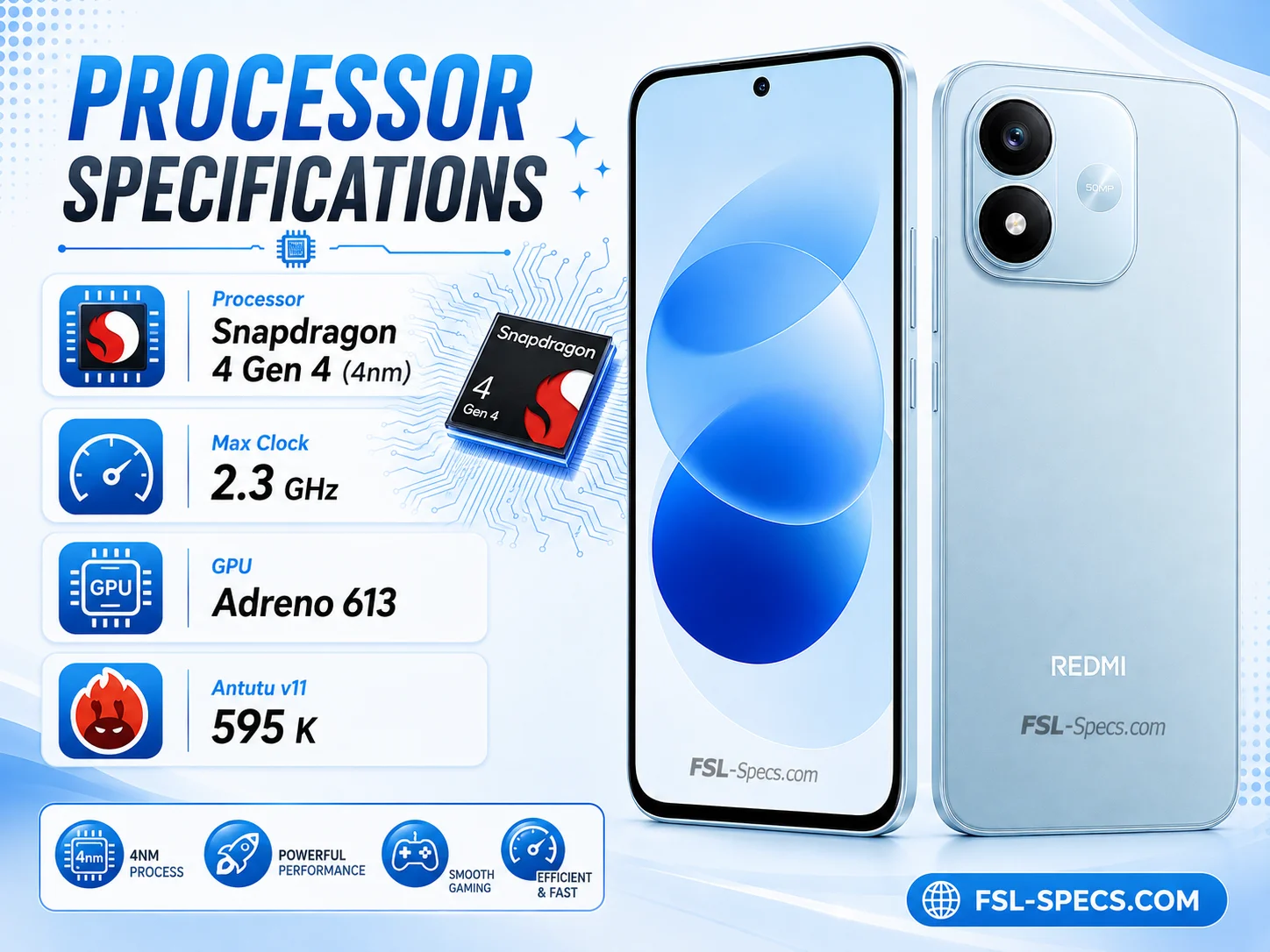
The Redmi Note 17 5G runs on the Snapdragon 4 Gen 4 (4nm), an octa-core setup pairing two 2.3GHz Cortex-A78 cores with six 1.95GHz Cortex-A55 cores. Sources differ on its AnTuTu score: Kimovil lists 570,353 (v11), while NanoReview-sourced data and MySmartPrice’s own lab test put it at 593,849 and 618,785 respectively; this hasn’t been independently confirmed, so no single figure should be treated as final. Against the Infinix Note 60 (Dimensity 7400 Ultimate, 4nm, four 2.6GHz Cortex-A78 cores plus four 2.0GHz Cortex-A55), the gap is stark: the Note 60 posts 849,804 (v11) on AnTuTu, roughly 40 to 50% higher than even the Redmi’s best-reported number, meaning noticeably snappier multitasking and stronger sustained gaming headroom on the Infinix.

The Infinix Note Edge (Dimensity 7100, 6nm) scores 637,742 (v10) on AnTuTu, still ahead of the Redmi Note 17 5G’s reported range, though this uses an older benchmark version than the Note 60’s v11 result, so that comparison isn’t perfectly apples-to-apples. The Redmi Note 15 Pro 4G (Helio G200 Ultra, 6nm) trails everyone at 455,000 (v10), the only rival the Redmi Note 17 5G’s chip is likely to match or edge out.

Overall, the Snapdragon 4 Gen 4 is an entry-tier chip carrying a mid-range price tag, prioritizing efficiency over raw power, while both Infinix rivals pack genuinely stronger silicon at a similar or lower expected cost.

Verdict: For gaming or heavy multitasking, the Infinix Note 60 delivers clearly better performance for less money than the Redmi Note 17 5G’s expected price, making it the stronger processor pick despite the Redmi’s 5G branding.

Ram & Memory Review:

The Redmi Note 17 5G in its 8GB+256GB configuration uses LPDDR4X RAM paired with UFS 2.2 storage, and it supports microSD expansion up to 2TB, a rare feature at this level since most rivals drop it entirely. Against the Redmi Note 15 Pro 4G in its 12GB+512GB variant, the gap is significant: 12GB of LPDDR4X gives noticeably more multitasking headroom than the Redmi Note 17 5G’s 8GB, and 512GB of UFS 2.2 storage doubles the available space, meaning heavy users juggling many apps or storing large media libraries will feel the difference. The Note 15 Pro 4G also keeps microSDXC support via its shared SIM slot, so expandability is not lost either.

Against the Infinix pair, storage capacity is matched but RAM technology differs. Both the Infinix Note 60 and Infinix Note Edge, each in 8GB+256GB, use newer LPDDR5X RAM on UFS 2.2 storage, which should offer somewhat faster memory bandwidth than the Redmi’s LPDDR4X even at the same 8GB capacity. Neither Infinix phone supports microSD expansion, however, so buyers who rely on external storage lose that flexibility compared with the Redmi Note 17 5G.

In short, the Redmi Note 17 5G holds a real advantage in expandable storage, but it uses an older RAM standard than both Infinix rivals and offers less total capacity than the Redmi Note 15 Pro 4G’s higher-end 12GB+512GB build.

Verdict: Buyers who want expandable storage should lean toward the Redmi Note 17 5G, but anyone chasing raw RAM speed or maximum capacity for the money will find the Infinix Note 60 or Redmi Note 15 Pro 4G, respectively, a better match.

Cameras Review:

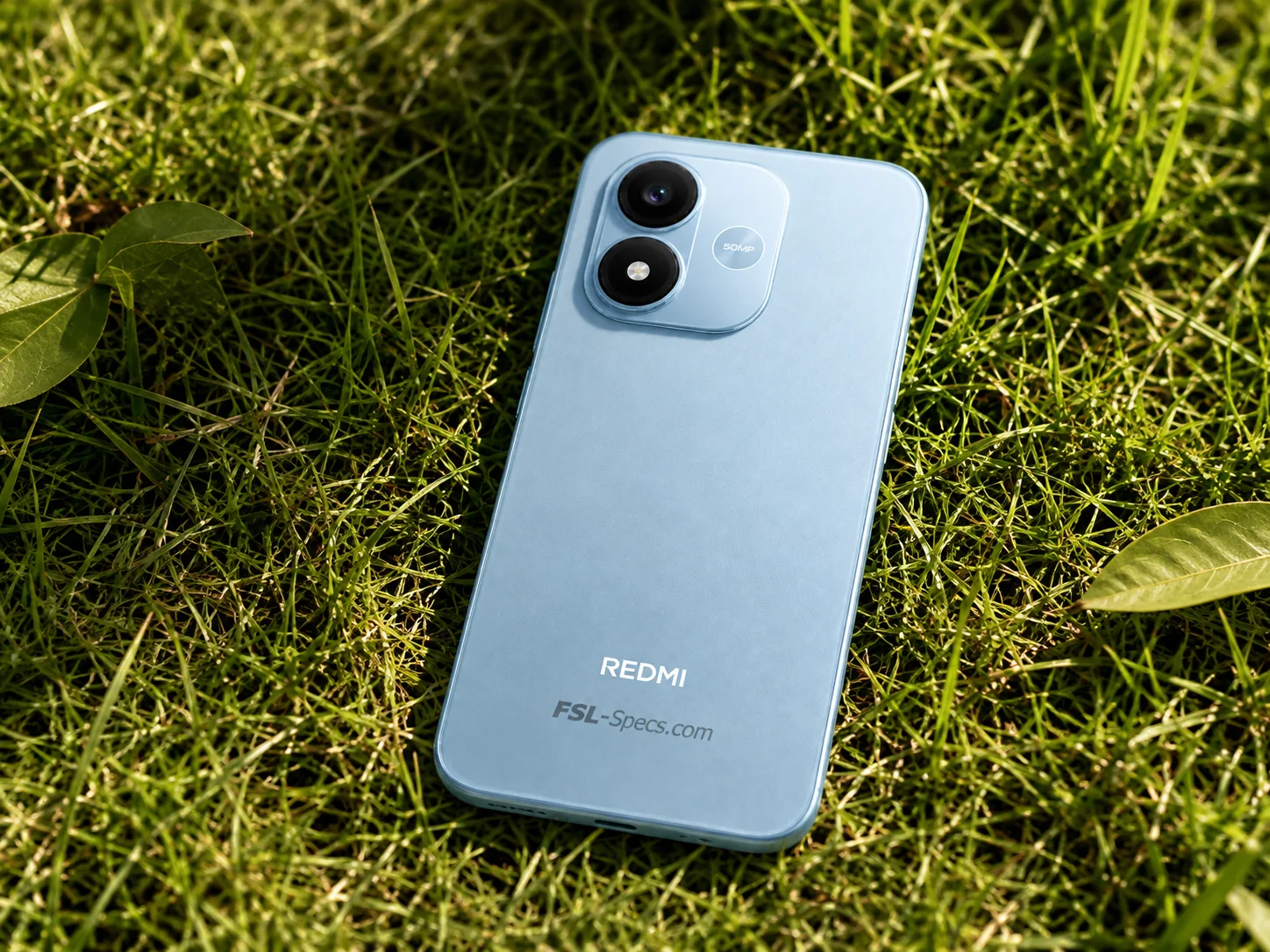
The Redmi Note 17 5G‘s rear setup is a single 50MP f/1.8 main camera with a 1/2.76-inch sensor and 0.64µm pixels, but the sensor brand hasn’t been disclosed, and it lacks OIS. Sources differ on the front camera: Xiaomi’s own official product pages list a 16MP selfie camera, while multiple spec aggregators (91mobiles, PhoneArena, MySmartPrice) list it as 8MP f/2.2 with no autofocus; this hasn’t been independently confirmed. Video tops out at 1080p @30fps on both cameras, with no 4K support.

Against the Redmi Note 15 Pro 4G (PKR 108,000), the difference is night and day: its main camera is a 200MP f/1.7 Samsung ISOCELL sensor at 1/1.4-inch with OIS, backed by an 8MP ultrawide, and a 32MP front camera, meaning far more detail, better low-light stabilization, and sharper selfies than the Redmi Note 17 5G offers, though rear video still caps at 1080p on both phones.

The Infinix Note 60 (PKR 103,000) pairs a 50MP f/1.6 main camera with OIS (sensor brand undisclosed) and an 8MP ultrawide, plus a 13MP front camera, and crucially supports 4K @30fps video on both rear and front cameras, something the Redmi Note 17 5G cannot do. The Infinix Note Edge (PKR 93,000) uses a single 50MP f/1.8 GalaxyCore sensor without OIS and a 13MP front camera, capped at 1440p rear video, still ahead of the Redmi’s 1080p ceiling.

Verdict: On camera hardware alone, the Redmi Note 17 5G is the weakest of the four, missing OIS, 4K video, and a confirmed main sensor brand, making the Infinix Note 60 the stronger all-round camera choice at a lower expected price.

Battery Review:

The Redmi Note 17 5G‘s battery capacity is unconfirmed for certain: Xiaomi’s official India launch materials list an 8,000mAh silicon-carbon cell, while Xiaomi’s own global product pages (Malaysia, Singapore) list 7,700mAh for the same phone; this hasn’t been resolved, and the Pakistan-market figure isn’t yet known. Both figures support 45W wired turbo charging and 22.5W reverse wired charging, though the exact 0-100% charge time hasn’t been confirmed by any source.

Against the Redmi Note 15 Pro 4G (PKR 108,000), capacity favors the Redmi Note 17 5G either way, since the Note 15 Pro 4G carries a smaller 6,500mAh Si/C battery, also on 45W wired charging but with a slower 18W reverse wired rate. Its 0-100% charge time also isn’t confirmed in available data, so charging speed can’t be directly compared beyond the shared 45W rating.

The Infinix Note 60 (PKR 103,000) uses a 6,500mAh battery (some markets get 6,150mAh), reaching 50% in 26 minutes and 100% in 54 minutes on its 45W wired charger, and uniquely adds 30W wireless charging plus 10W reverse wired and 5W wireless reverse charging, features absent on the Redmi Note 17 5G entirely. The Infinix Note Edge (PKR 93,000) also runs a 6,500mAh (or 6,150mAh, market-dependent) battery, hitting 50% in 27 minutes on 45W wired charging with 10W reverse wired, but no wireless charging.

Verdict: If wireless charging and confirmed lab-tested charge speeds matter most, the Infinix Note 60 is the strongest pick here, while the Redmi Note 17 5G’s likely battery-capacity edge is undercut by the unresolved conflict over its true capacity in the Pakistan market.

Final Verdict :

At PKR 103,000, the Infinix Note 60 delivers the strongest price-to-spec ratio of the four. It’s the only phone here pairing OIS on its main camera with 4K video recording, a 144Hz AMOLED display, and 30W wireless charging, features that either cost more elsewhere or aren’t offered at all by the Redmi models, and its 849,804 AnTuTu (v11) score dwarfs every rival tested.

The Infinix Note Edge undercuts it at PKR 93,000 and remains a strong budget pick, offering nearly the same display and a still-capable Dimensity 7100 chipset, but it drops OIS and wireless charging to hit that lower price, so the gap to the Note 60 is a meaningful one, not just a badge difference.

The Redmi Note 15 Pro 4G (PKR 108,000, note this and the Note 60/Note Edge prices should be checked against official retail listings, as they can shift on marketplaces like Daraz) justifies its higher price mainly through its 200MP OIS camera and 3,200 nits peak brightness display, both best-in-group, but its Helio G200 Ultra trails the Infinix chipsets badly in raw performance, weakening its case as a value pick despite the strong optics.

The Redmi Note 17 5G is the weakest value proposition here. Its PKR 90,000 to 110,000 estimated Pakistan price is not yet official since the phone hasn’t launched locally, and for that money buyers get the least capable processor, no OIS, no 4K video, and an unresolved battery capacity discrepancy, making it hard to recommend on specs-per-rupee grounds until its real local price and confirmed specs are known.

Final Verdict:

Across display, processor, RAM, camera, and battery, the Infinix Note 60 (PKR 103,000) comes out ahead of the Redmi Note 17 5G (est. PKR 90,000 to 110,000), the Redmi Note 15 Pro 4G (PKR 108,000), and the Infinix Note Edge (PKR 93,000), combining the sharpest, brightest 144Hz AMOLED panel among the 8GB phones, by far the strongest AnTuTu performance of the group, a camera with OIS and 4K video the Redmi Note 17 5G can’t match, and the only wireless charging on this list, all at a lower price than the Redmi Note 15 Pro 4G and a price close to or below the Redmi Note 17 5G’s uncertain Pakistan launch price.

The Redmi Note 15 Pro 4G remains competitive purely on camera resolution and screen brightness, and the Infinix Note Edge is the strongest budget alternative if the Note 60’s price premium isn’t justified for a given buyer. The Redmi Note 17 5G, meanwhile, is held back by an unresolved battery-capacity conflict across Xiaomi’s own sources, no confirmed Pakistan pricing or launch date, the weakest chipset of the four, and a camera setup lacking OIS or 4K recording, making it the hardest of the four to recommend right now on pure specs.

Bottom line: the Infinix Note 60 is the best all-round phone in this comparison, and buyers should treat the Redmi Note 17 5G as a wait-and-see option until it officially launches in Pakistan with confirmed local pricing and specs.

Ranking:

  1. Infinix Note 60 – PKR 103,000
  2. Infinix Note Edge – PKR 93,000
  3. Redmi Note 15 Pro 4G – PKR 108,000
  4. Redmi Note 17 5G – PKR 90,000–110,000 (estimated, not yet launched in Pakistan)

Pros And Cons of Redmi Note 17

Pros of Mobile

7700mAh Huge Battery 🔋
120Hz AMOLED Display 📱
1800-Nit Peak Brightness ☀️
Gorilla Glass 7i 🛡️
45W Turbo Charging
Expandable Storage 💾

Cons of Mobile

Snapdragon 6s 4G ⚙️
50MP Single Camera 📸
1080p Video Limit 🎥
UFS 2.2 Storage 💾
No 5G Connectivity 📶

Best For - Not Best For

Best For

🎯 Long Battery Life 🔋
🎯 Big Screen Viewing 🎬
🎯 Outdoor Display Use ☀️
🎯 Casual Gaming 🎮
🎯 Daily Photography 📸

Not Best For

🚫 Hardcore Gaming 🎮
🚫 5G Users 📶
🚫 Advanced Photography 📸
🚫 Pro Video Recording 🎥
🚫 Flagship Performance 🚀
🚫 Lightweight Phone Fans ⚖️

Trailer And Unboxing of Redmi Note 17

Disassembly Or Teardown And Gaming Test of Redmi Note 17

Camera Test Redmi Note 17

Redmi Note 17 Pro
Redmi Note 15 Pro 4G
Redmi Note 17 Pro Max
infinix note edge
infinix note 60

Xiaomi Series Row
POCO Series Row
Redmi Series Row
Picture of Faisal Ur Rehman

Faisal Ur Rehman

Faisal Rehman is the founder and editor of FSL Specs, where he publishes in-depth smartphone specifications, comparisons, buying guides, and technology insights. With extensive experience in mobile hardware research and technical analysis, he provides accurate and up-to-date information on Android smartphones, processors, displays, cameras, batteries, performance benchmarks, and software features. His goal is to simplify complex specifications and help readers choose the right device with confidence.

FAQs Questions

It comes in two versions: a 5G variant with the Snapdragon 4 Gen 4, and a 4G variant with the Snapdragon 6s Gen 2. Both are paired with Xiaomi's Surge G1 chip for extra efficiency handling.

It has a 7-inch FHD+ OLED panel — one of the larger screens in its segment. It's built more for comfortable everyday viewing than headline refresh-rate numbers.

It packs a 7,700mAh battery with 45W wired charging and 22.5W wired reverse charging. That's a genuinely large capacity for this tier, aimed at buyers who want multi-day comfort.

The rear camera is a 50MP Light Fusion 400 sensor, while the front houses a 16MP Sony IMX480 selfie camera. It keeps things simple with a single main lens rather than a multi-camera array.

Yes, it carries an IP65 rating, which protects against dust ingress and low-pressure water jets. That's a solid layer of everyday protection for a phone in this price range.

It ships with Android 16 and HyperOS 3, backed by 4 years of OS upgrades and 6 years of security updates. That's a strong update promise for a budget-focused model.

Yes, it includes an IR blaster for controlling appliances, plus support for microSD expansion up to 2TB. Combined with the optical in-display fingerprint sensor, it's a well-rounded basics list.

8 + 128 GB
₨ ~90,000 | ₹31,000 | $320

Leave a Reply

Your email address will not be published. Required fields are marked *

Scroll to Top