
Tecno Spark 40 Pro Plus vs Infinix Note 50 Pro Plus
Why Consider Each
An overview of the main advantages of each phone
Reasons to consider the Tecno Spark 40 Pro Plus
- 23% lighter Weight (160 g vs 209 g)
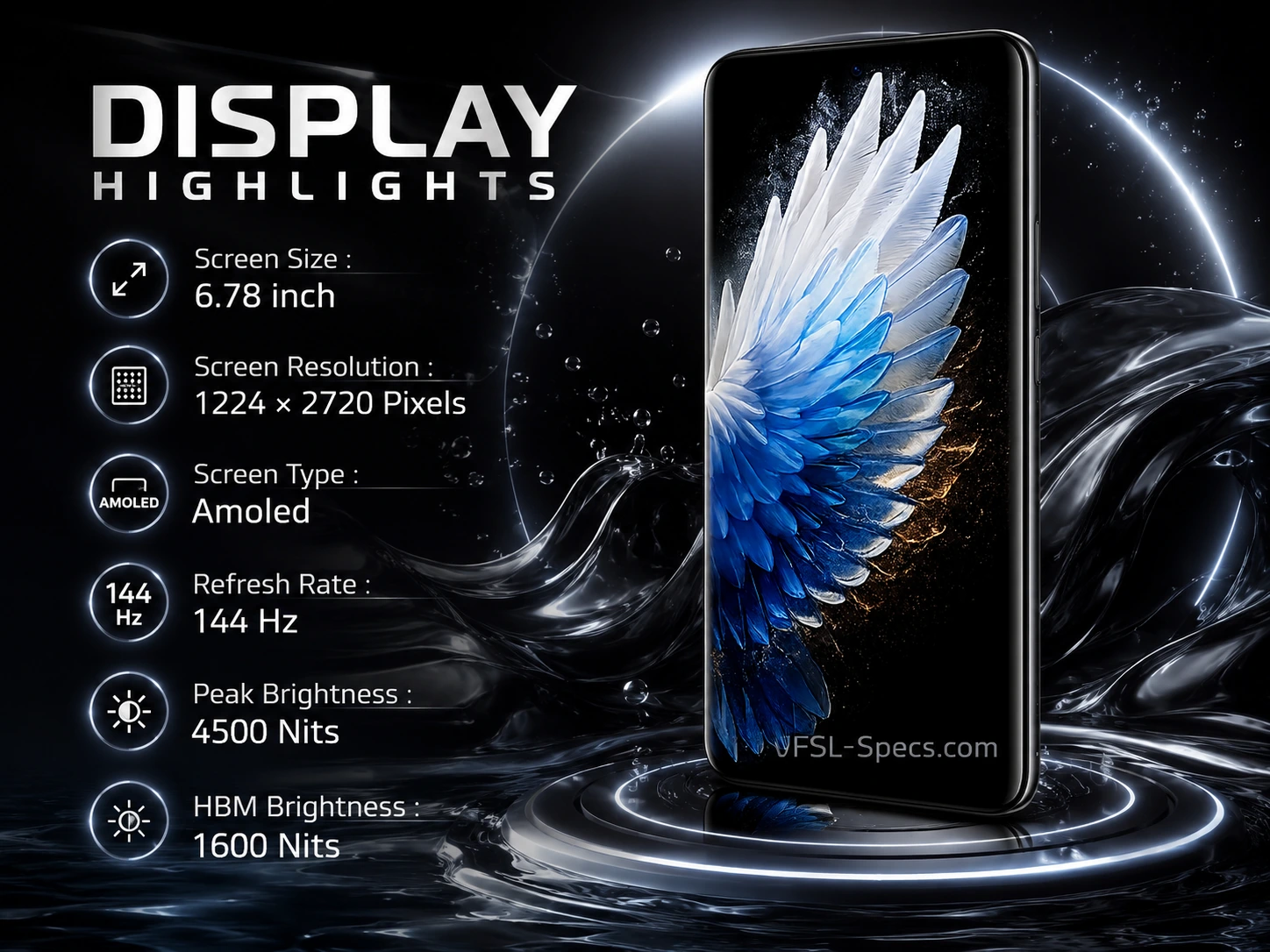
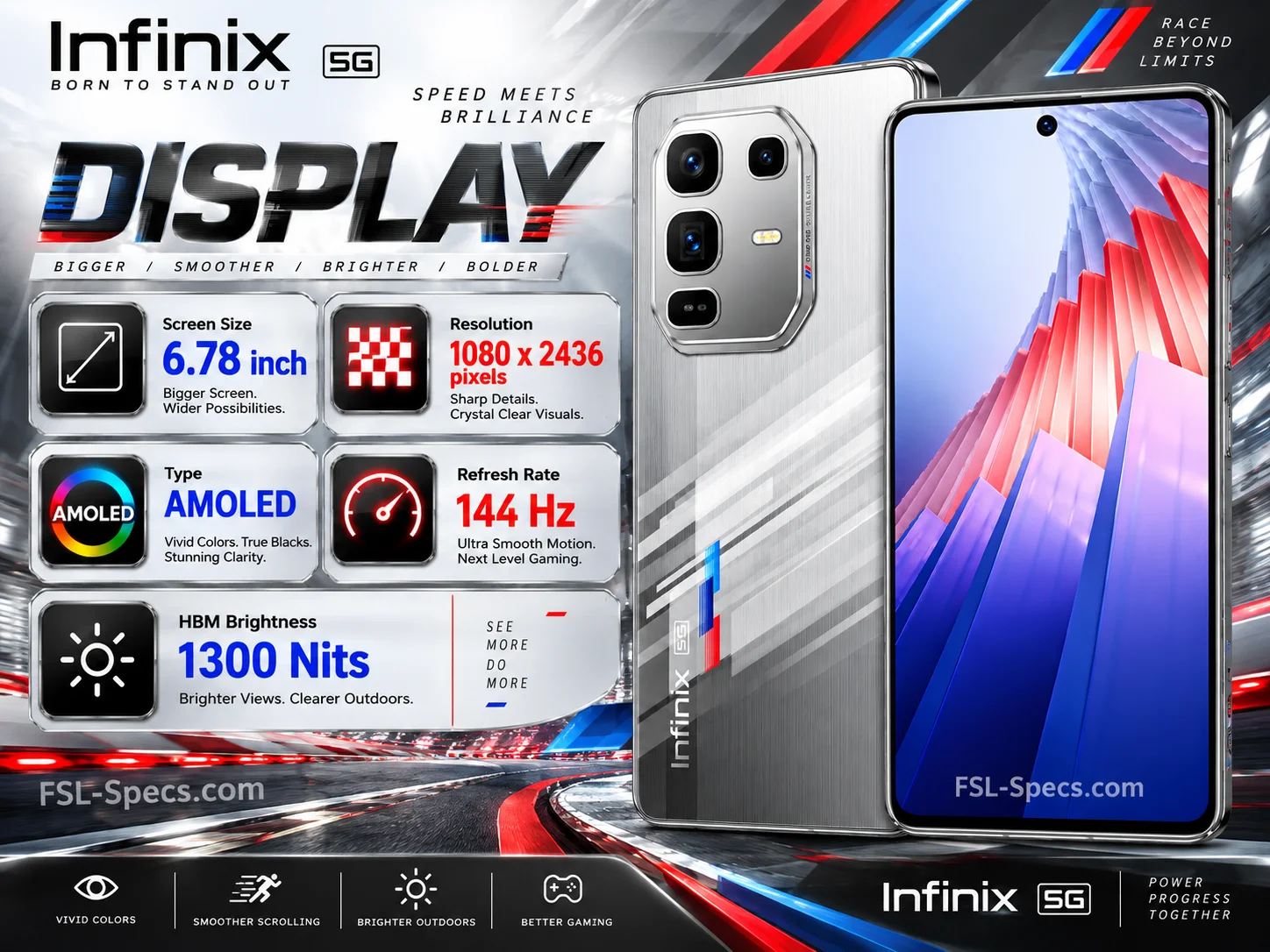
- 23% higher HBM Brightness (1600 Nits vs 1300 Nits)
- 13% higher Screen Resolution (1224 × 2720 Pixels vs 1080 x 2436 pixels)
- Variants Prices: 8 + 256GB = 19,500 INR | 200 $ | 70,0…
- Peak Brightness: 4500 Nits
- Front Flash: Dual-LED Flash
- Includes Reverse Charging
- Special Features: –
Reasons to consider the Infinix Note 50 Pro Plus
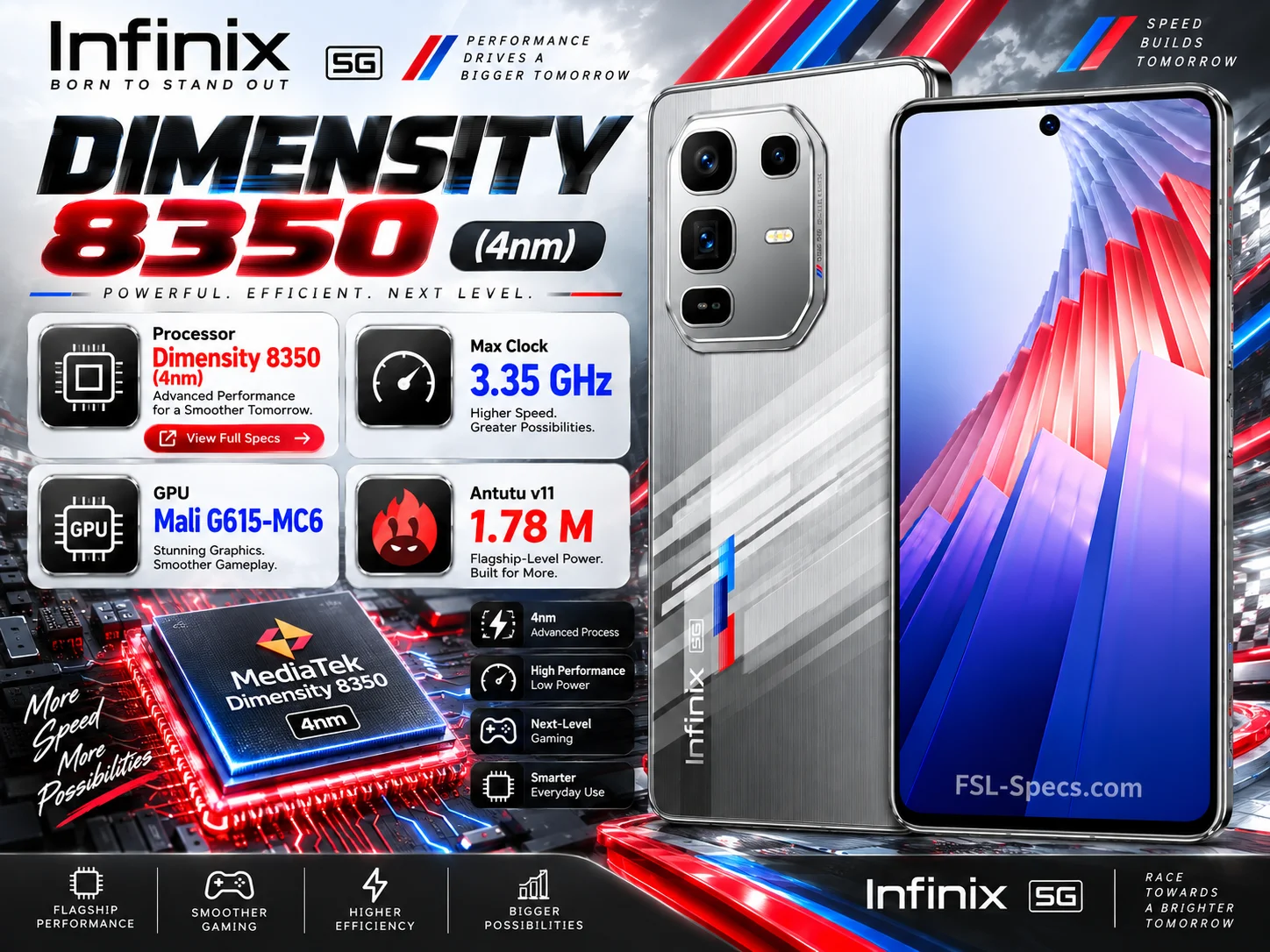
- 4.0x better performance in AnTuTu Benchmark (1.78 M vs 450 K)
- 2.5x better Front Camera (32 MP vs 13 MP)
- 2.2x better Charging Watts (100 W vs 45 W)
- 52% higher Max Clock (3.35 GHz vs 2.2 GHz)
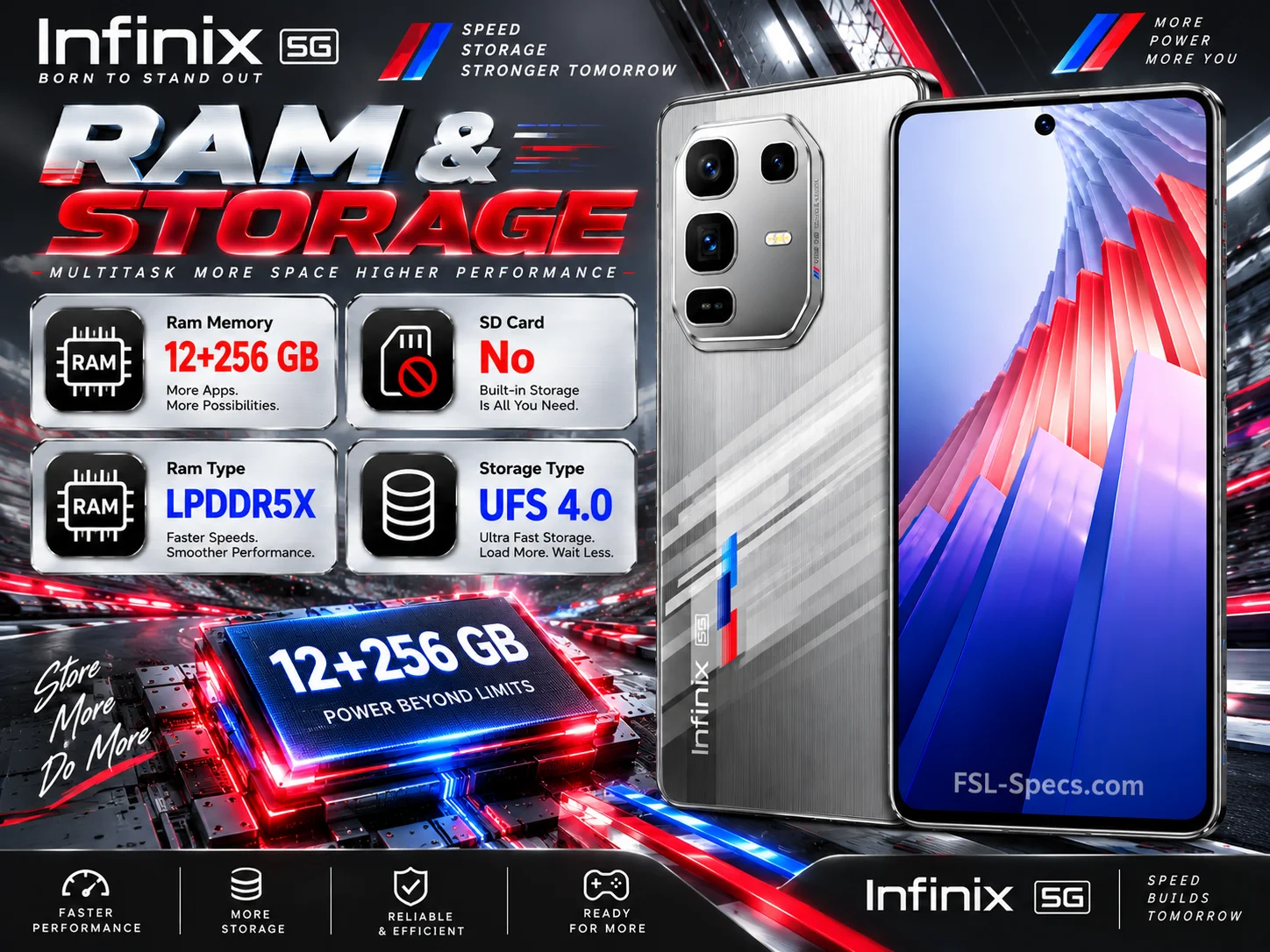
- 50% more RAM Memory (12+256 GB vs 8 + 256 GB)
- 33% smaller Lithography Process (4 nm vs 6 nm)
- Better Processor: Dimensity 8350 vs Helio G200
- Processor Link: https://fsl-specs.com/mobile-processo…
- Better RAM Type: LPDDR5X vs LPDDR4X
- Faster Storage Type: UFS 4.0 vs UFS 2.2
- Zoom: 3 x
- Higher Video Recording: 4K @ 30/60fps (1080p) @ 30/60/120/240… vs 2K@ 30 fps 1080p@ 60 fps
- Higher Front Recording: 4K @ 30 fps (1080p) @ 30/60fps vs 2K@ 30 fps 1080p@ 60 fps
- IP Rating: ip 64
- Newer Network: 4G / 4G+ / 5G vs 4G / 4G+
| Specification | ||
|---|---|---|
| General Information | ||
| Product Name | Tecno Spark 40 Pro Plus | Infinix Note 50 Pro Plus |
| Brand | Tecno | infinix |
| Official Brand Link | Visit | Visit |
| Mobile Image |
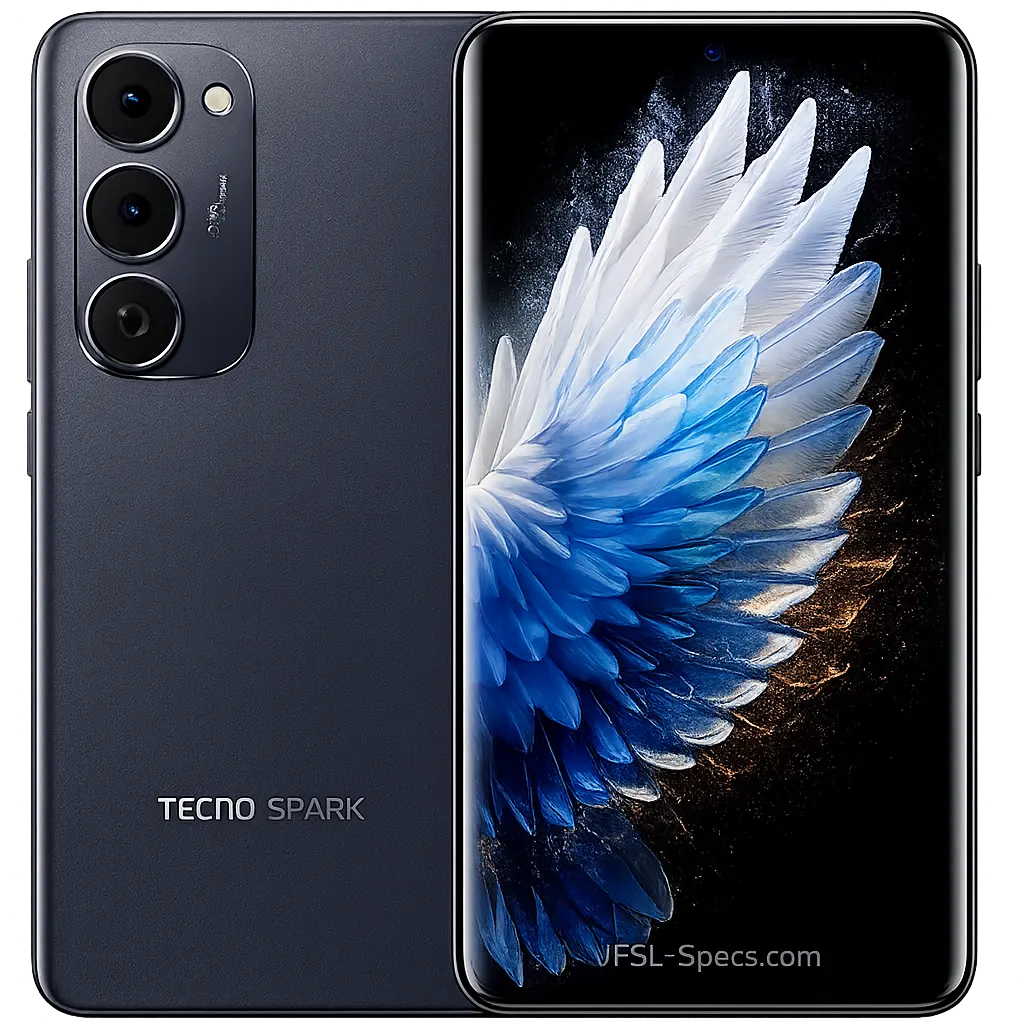 |
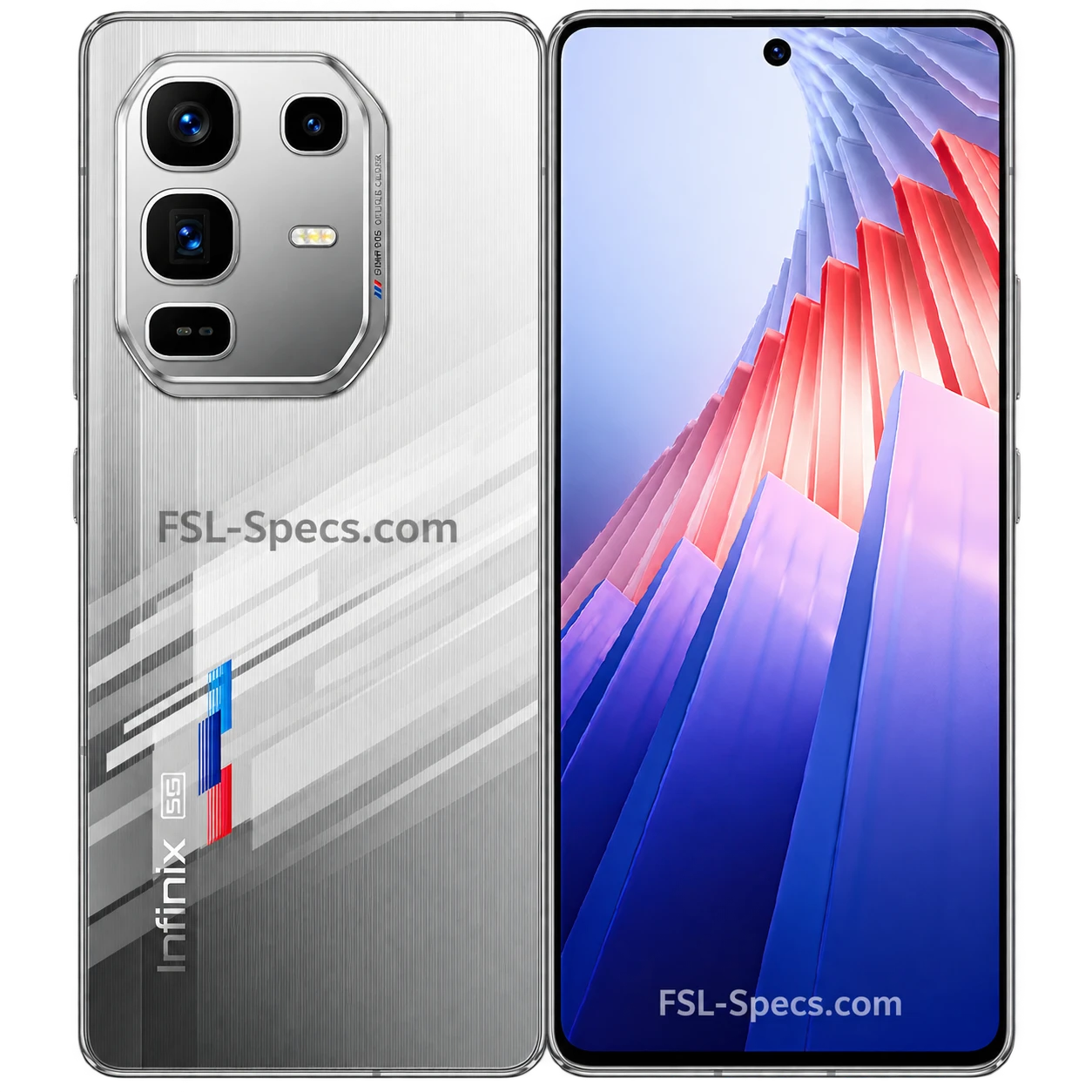 |
| Price | 70000 PKR | 120000 PKR |
| Price India | ₹19500 | ₹32000 |
| Price USA | $200 | $400 |
| Variants Prices | 8 + 256GB = 19,500 INR | 200 $ | 70,000 PKR | — |
| Display | ||
| Phone Dimensions | 163.9 × 75.8 × 6.49 mm | 163.4 x 74.5 x 8 mm |
| Screen Size | 6.78 inch | 6.78 inch |
| Screen Resolution | 1224 × 2720 Pixels | 1080 x 2436 pixels |
| Refresh Rate | 144 Hz | 144 Hz |
| Screen Type | Amoled | AMOLED |
| Peak Brightness | 4500 Nits | — |
| HBM Brightness | 1600 Nits | 1300 Nits |
| Performance | ||
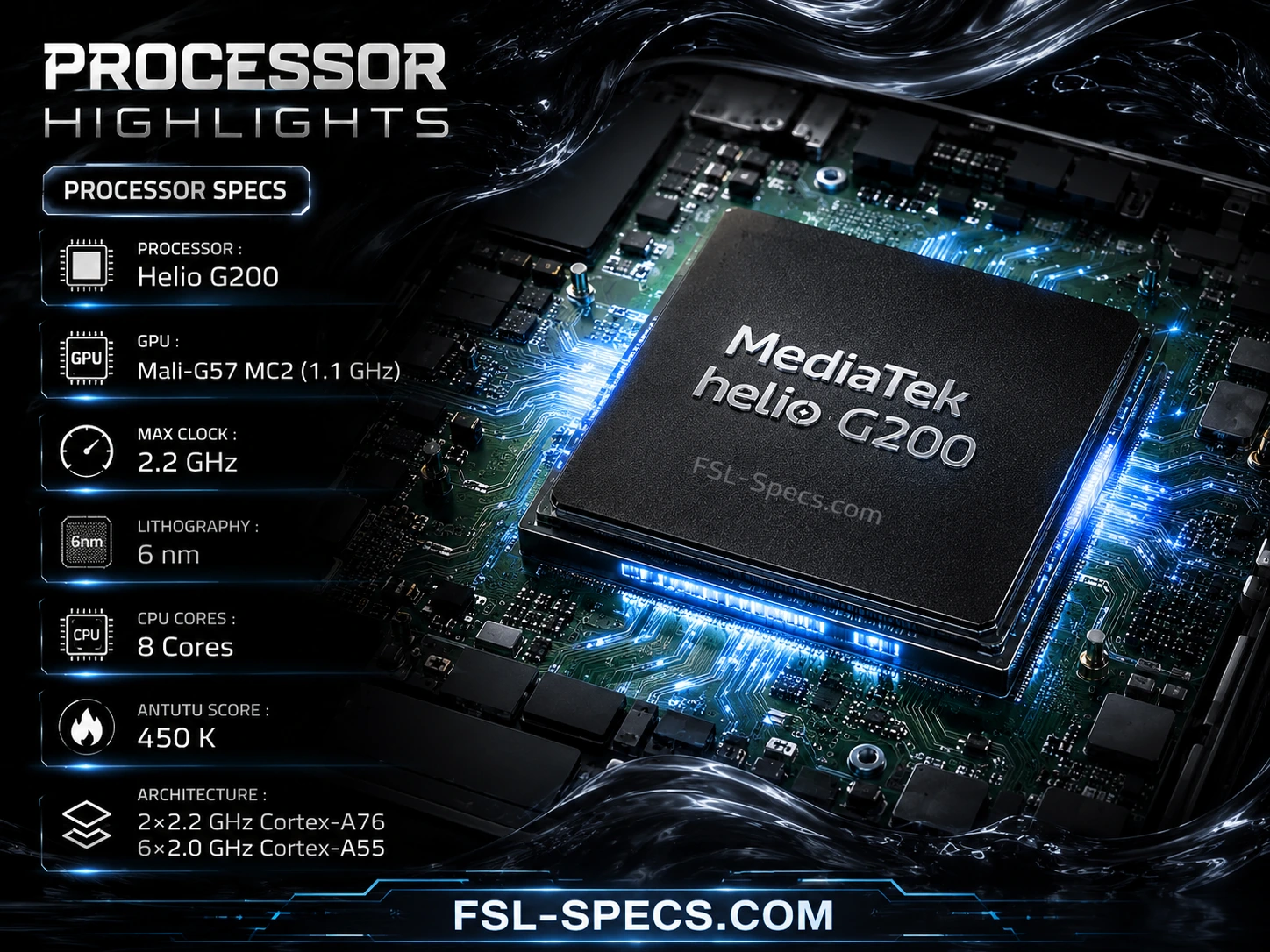
| Processor | Helio G200 | Dimensity 8350 |
| Processor Link | — | Visit |
| Lithography Process | 6 nm | 4 nm |
| Max Clock | 2.2 GHz | 3.35 GHz |
| CPU Cores | 8 Cores | 8 Cores |
| Architecture | 2×2.2 GHz Cortex-A76 | 1 x 3.35 GHz Cortex-A715 |
| GPU | Mali-G57 MC2 (1.1 GHz) | Mali G615-MC6 |
| AnTuTu Benchmark | 450 K | 1.78 M |
| Bootup Time | - | — |
| Memory | ||
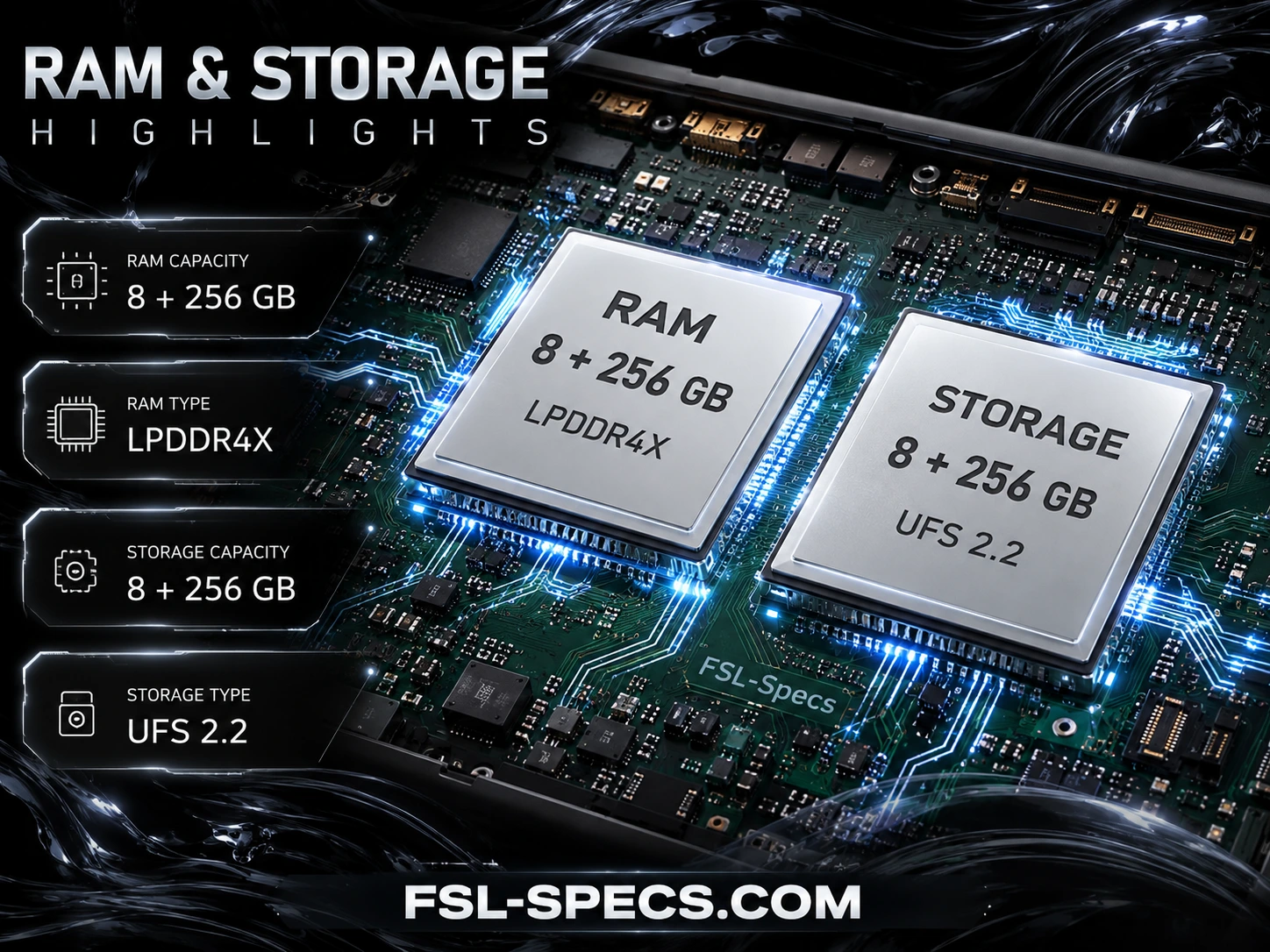
| RAM Memory | 8 + 256 GB | 12+256 GB |
| RAM Type | LPDDR4X | LPDDR5X |
| Storage Type | UFS 2.2 | UFS 4.0 |
| Card Slot | Not Confirm | No |
| Variants | 8 + 128 GB 8 + 256 GB | 12+256 GB |
| Rear Camera | ||
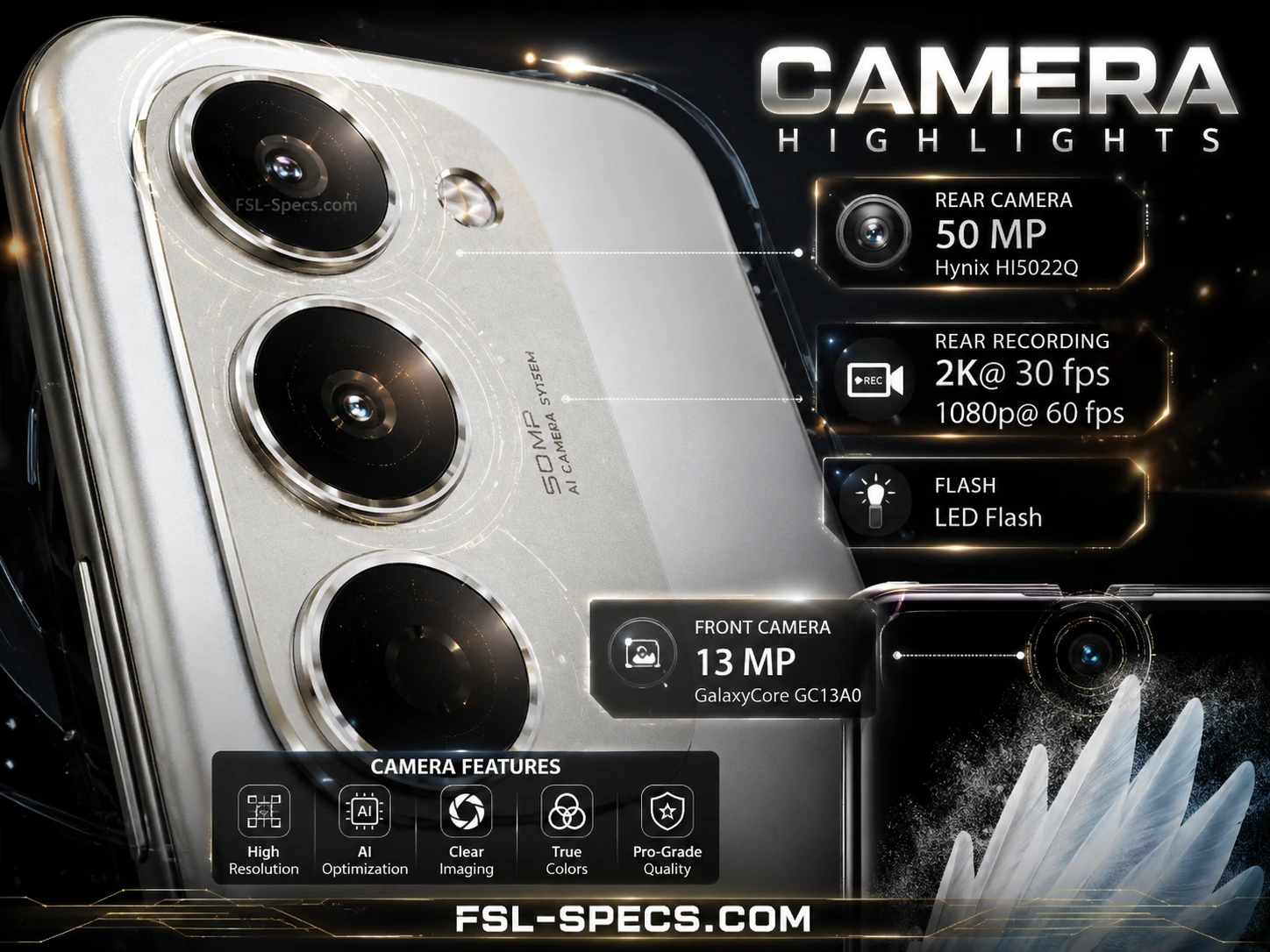
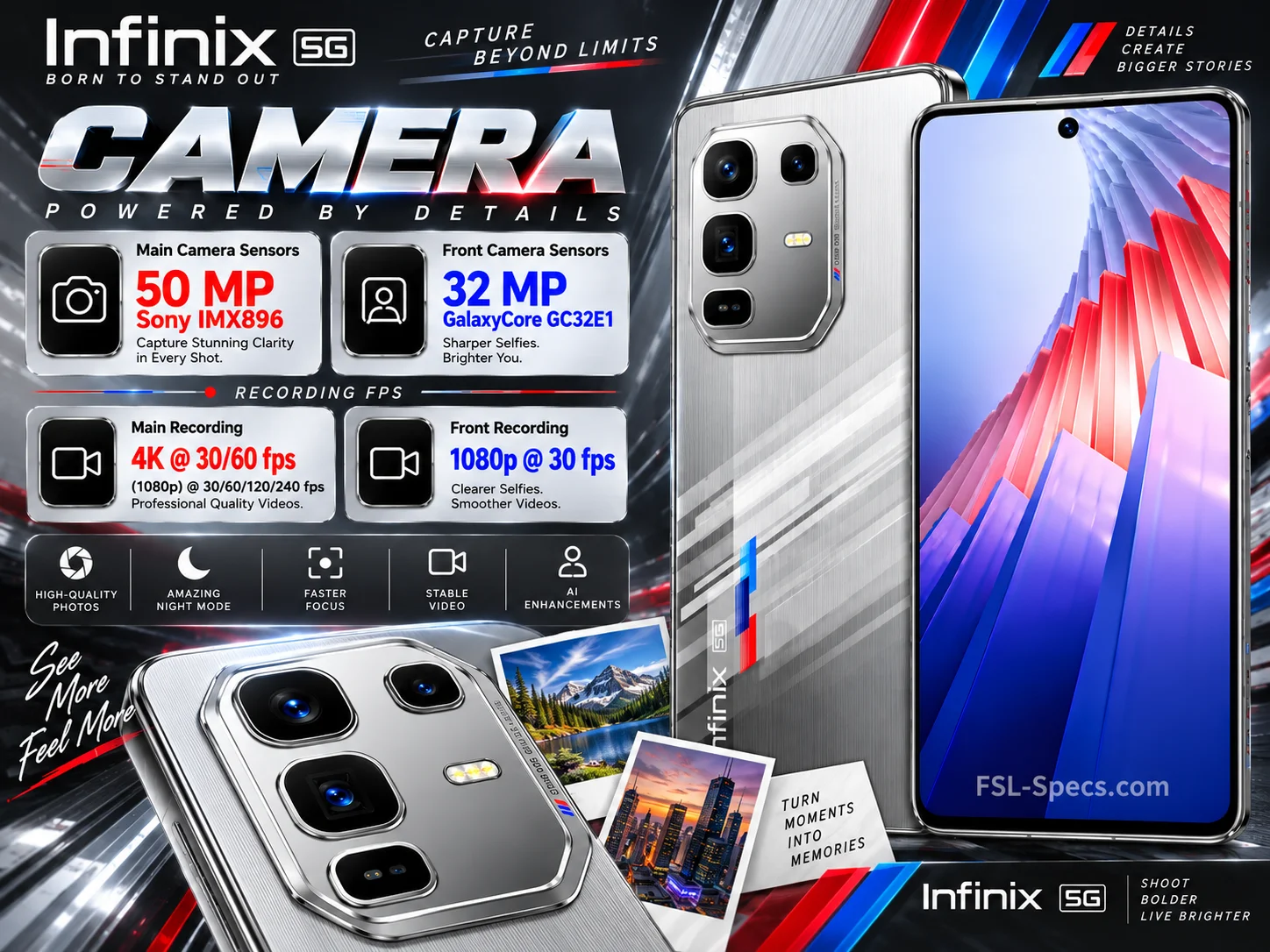
| Camera | 50 MP | 50 + 50 + 2 MP |
| Image Resolution | 8160 × 6144 pixels | 8150 x 6150 pixels |
| Camera Sensor | 50 MP = Hynix HI5022Q | 50 MP = Sony IMX896 |
| Zoom | - | 3 x |
| Digital Zoom | - | — |
| Video Recording | 2K@ 30 fps | 4K @ 30/60fps |
| Flash | Dual-LED Flash | Dual-LED Flash |
| Front Camera | ||
| Front Camera | 13 MP | 32 MP |
| Front Sensor | 13 MP = GalaxyCore GC13A0 | 32 MP = GalaxyCore GC32E1 |
| Front Resolution | 4608 × 3456 Pixels | — |
| Front Recording | 2K@ 30 fps | 4K @ 30 fps |
| Front Flash | Dual-LED Flash | — |
| Battery | ||
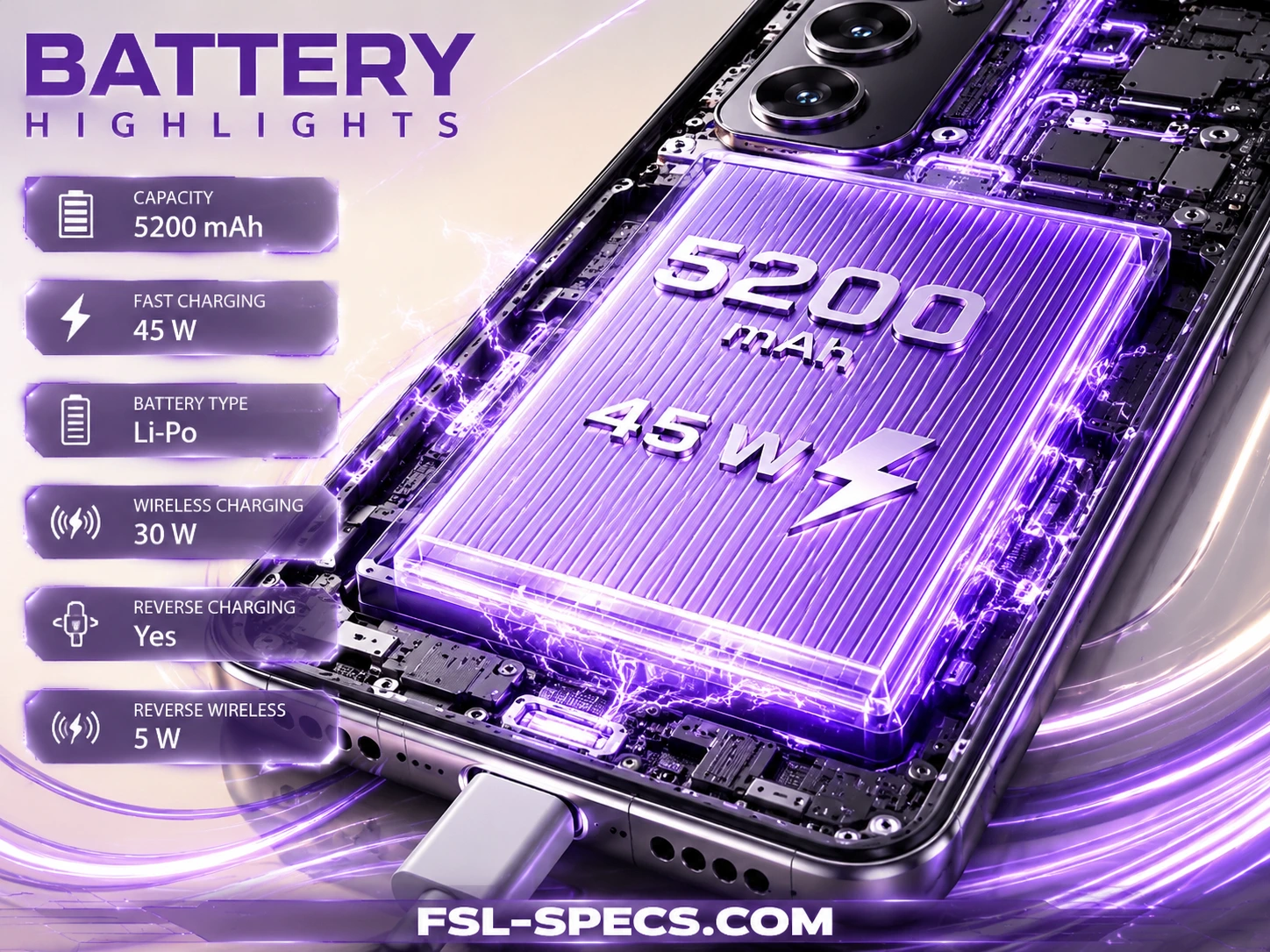
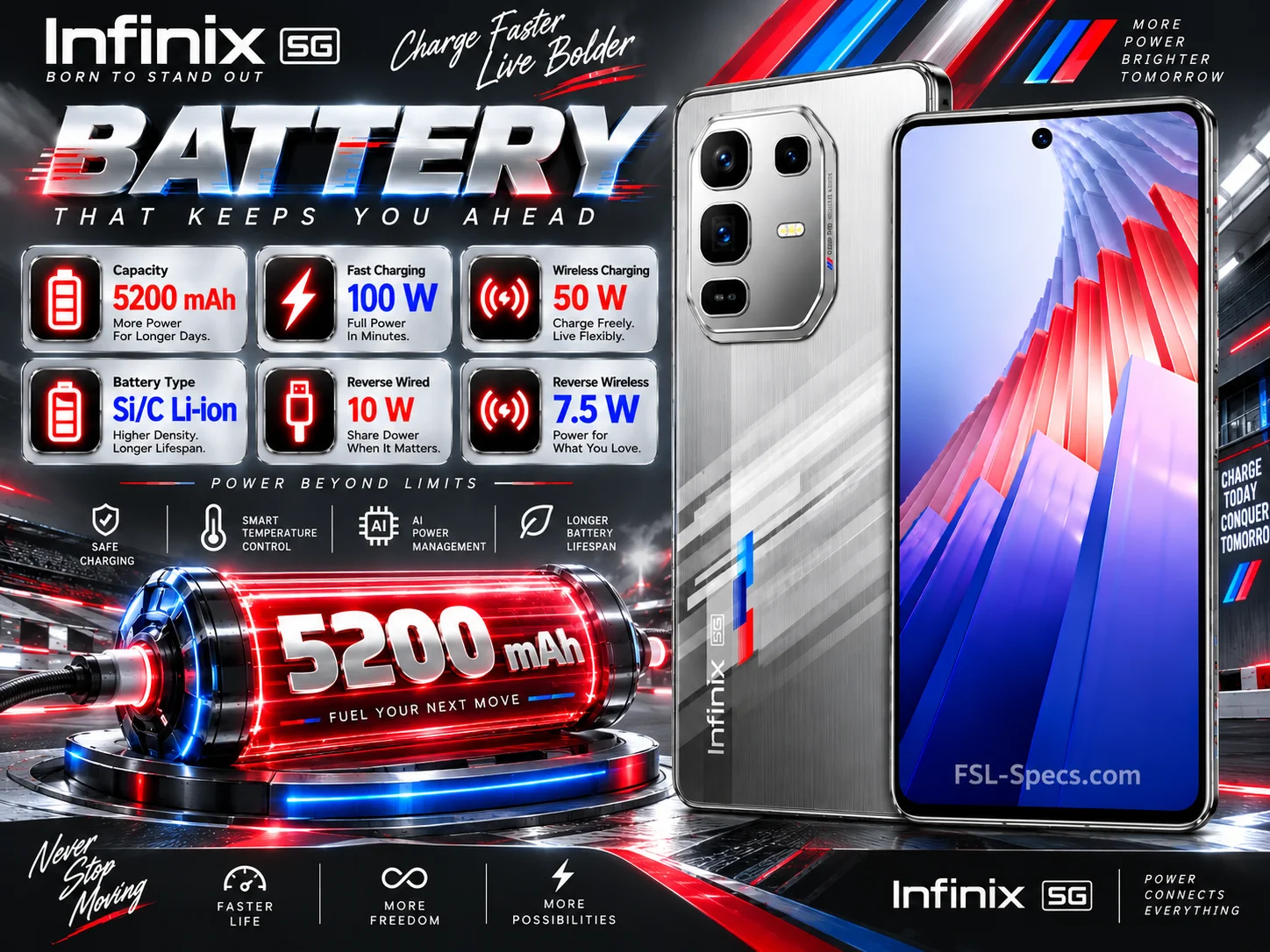
| Battery | 5200 mAh | 5200 mAH |
| Charging Watts | 45 W | 100 W |
| Battery Type | Li-Po | Si/C Li-Ion |
| Wireless Charging | 30 W | 50 W |
| Reverse Charging | Yes | 10 W |
| Reverse Wireless | 5 W | 7.5 W |
| Battery Life (PC Mark) | - | — |
| Charging Time | 50-55 Mints (0-100%) | — |
| Software | ||
| Model Number | KM7 | X6856 |
| Release Date | 2 July, 2025 | 29 August, 2025 |
| Year | 2025 | 2025 |
| Series Name | Spark Series | Note Series |
| Category | Mid-Range | Mid-range |
| Android OS | Android 17, HiOS 17 ( 1 Android upgrades Remains ) | Android 15, up to 2 major OS updates |
| Body | ||
| Weight | 160 g | 209 g |
| Build | Plastic ( Back And Frame ) | aluminum frame, glass back |
| IP Rating | — | ip 64 |
| Special Features | – | — |
| Connectivity | ||
| SIM | Dual Nano-SIM | Nano-SIM + Nano-SIM |
| Network | 4G / 4G+ | 4G / 4G+ / 5G |
| WiFi | Wi-Fi 5 (802.11 a/b/g/n/ac) | Wi-Fi 6 |
| Bluetooth | 5.4 | 5.4 |
| NFC | Yes | Yes |
| Security & Audio | ||
| Speakers | Dual Stereo Speaker | Dual Stereo Speaker |
| Fingerprint | Front Finger | Front Finger |
| Other Sensors | ✅ Accelerometer | – Proximity sensor |
| Highlights | ||
| Display Highlights |
 |
 |
| Processor Highlights |
 |
 |
| Memory Highlights |
 |
 |
| Camera Highlights |
 |
 |
| Battery Highlights |
 |
 |
| Verdict | ||
| Pros | ✅ 144Hz AMOLED Display | ✅ 144Hz AMOLED Display 📱 |
| Cons | ❌ No 5G Support | ❌ No MicroSD Slot 💾 |
| Best For | ✅ Smooth Display Lovers | 🎯 Fast Charging ⚡ |
| Not Best For | ❌ 5G Network Users | 🚫 Expandable Storage 💾 |
| Related Media | ||
| Rival Devices | Honor X8D | — |
| Unboxing | ||
| Mobile Disassembly | ||
| PUBG Gaming Test | ||
| Camera Test | ||
Cast your vote
So, which phone would you choose?
Total votes: 0