
vivo V70 FE vs Realme 15 Pro
Why Consider Each
An overview of the main advantages of each phone
Reasons to consider the vivo V70 FE
- 4.0x better Camera (200 + 8 MP vs 50 + 50 + MP)
- 50% higher Digital Zoom (30 x vs 20 x)
- 13% higher Charging Watts (90 W vs 80 W)
- 6% higher HBM Brightness (1900 nits vs 1800 nits)
- Processor Link: https://fsl-specs.com/mobile-processo…
- Better RAM Type: LPDDR5 vs LPDDR4X
- Includes Wireless Charging
- Includes Reverse Charging
- Includes Reverse Wireless
- Category: Mid-Range
Reasons to consider the Realme 15 Pro
- 56% higher Front Camera (50 MP vs 32 MP ( 50 MP india ))
- 50% more RAM Memory (12 + 512 GB vs 8 + 256 GB)
- 20% higher Refresh Rate (144 Hz vs 120 Hz)
- 12% higher Max Clock (2.8 GHz vs 2.5 GHz)
- 11% better performance in AnTuTu Benchmark (1.1 M vs 990 K)
- 7% lighter Weight (187 g vs 200 g (variant dependent))
- Peak Brightness: 6500 nits
- Better Processor: Snapdragon 7 Gen 4 vs Dimensity 7360 Turbo
| Specification | ||
|---|---|---|
| General Information | ||
| Product Name | vivo V70 FE | Realme 15 Pro |
| Brand | Vivo | Realme |
| Official Brand Link | Visit | Visit |
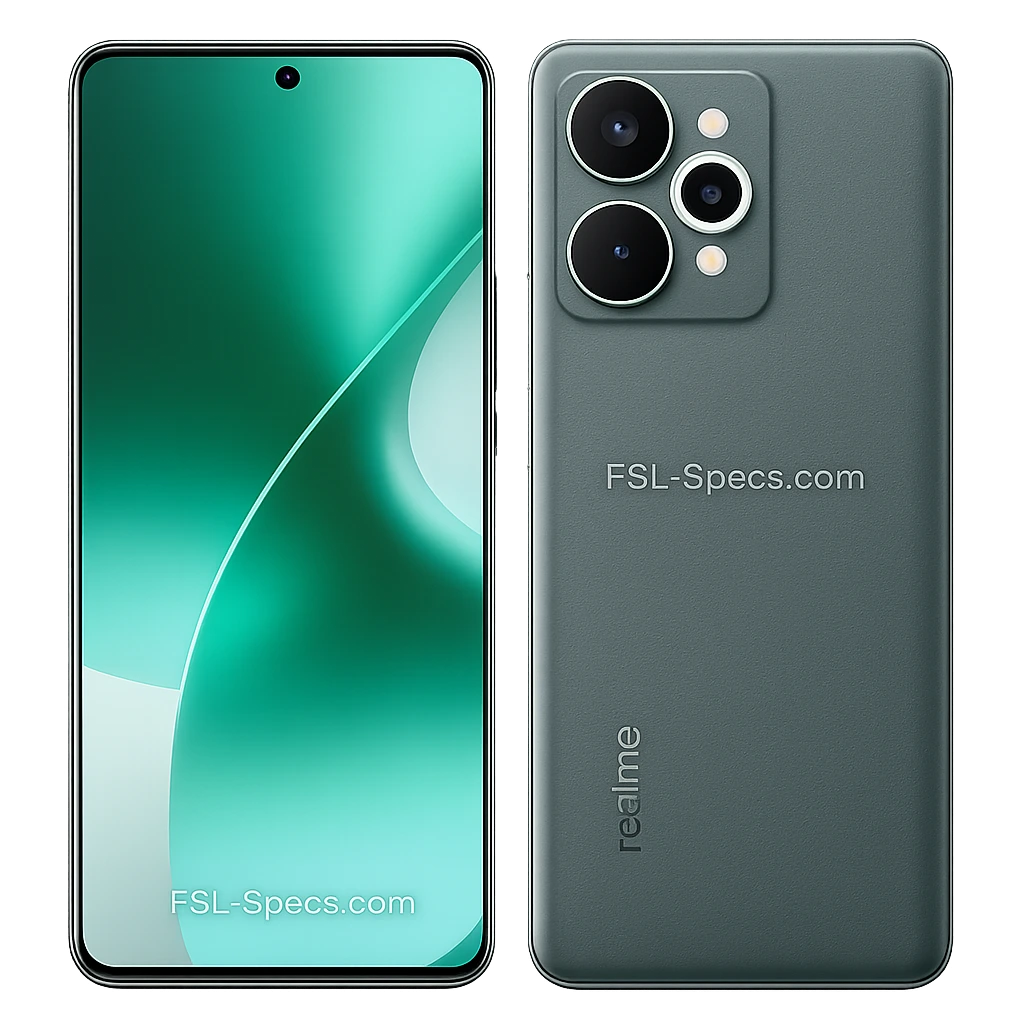
| Mobile Image |
 |
 |
| Price | 120000 PKR | 152000 PKR |
| Price India | ₹43500 | ₹40000 |
| Price USA | $440 | $400 |
| Variants Prices | 8 + 128 GB 8 + 256 GB 12 + 256 GB | 8 + 128 GB 8 + 256 GB 12 + 256 GB 12 + 512 GB |
| Display | ||
| Phone Dimensions | 163.7 x 76.2 x 7.6 mm | 162.3 x 76.2 x 7.7 mm |
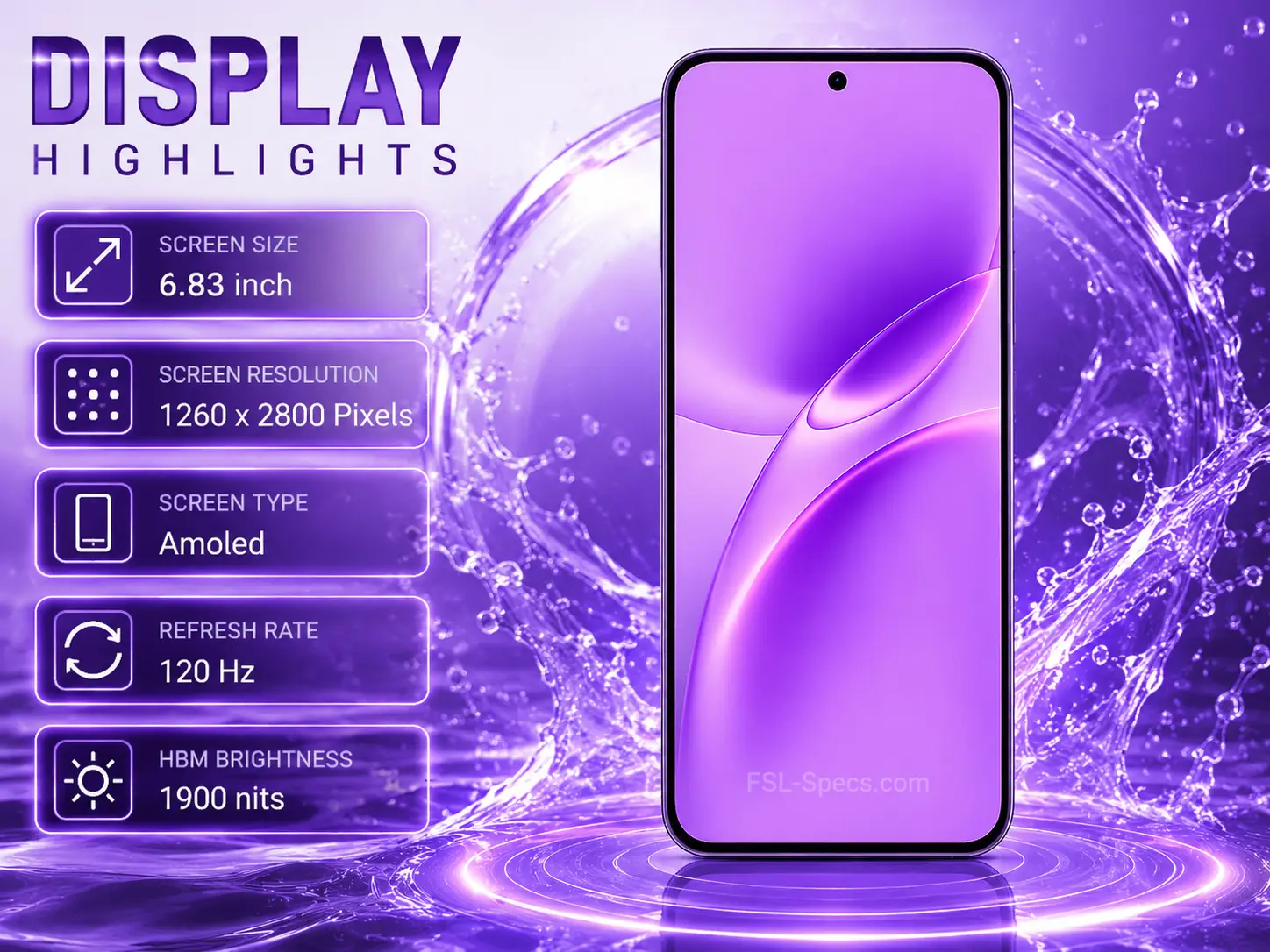
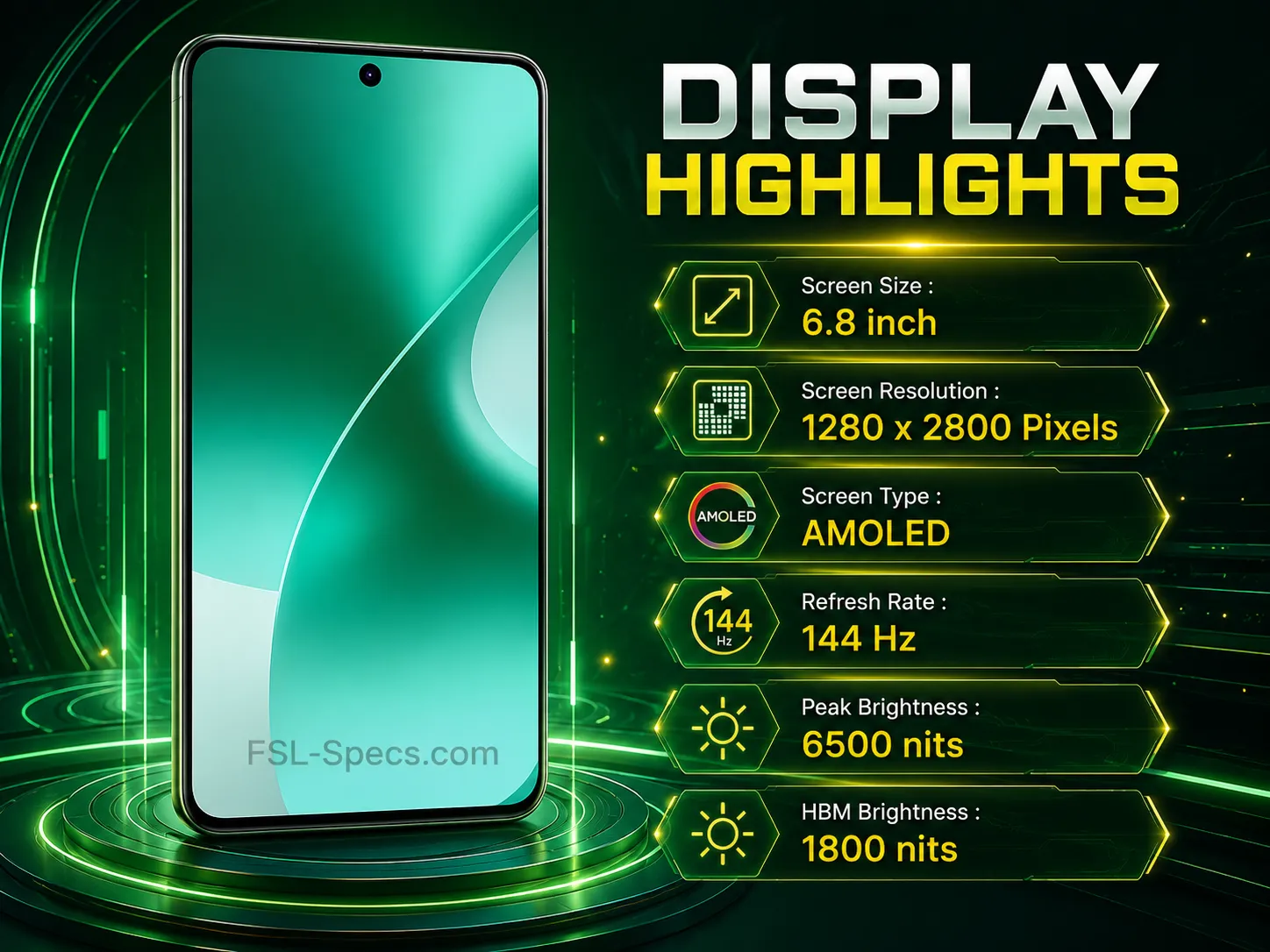
| Screen Size | 6.83 inch | 6.8 inch |
| Screen Resolution | 1260 x 2800 Pixels | 1280 x 2800 Pixels |
| Refresh Rate | 120 Hz | 144 Hz |
| Screen Type | Amoled | AMOLED |
| Peak Brightness | — | 6500 nits |
| HBM Brightness | 1900 nits | 1800 nits |
| Performance | ||
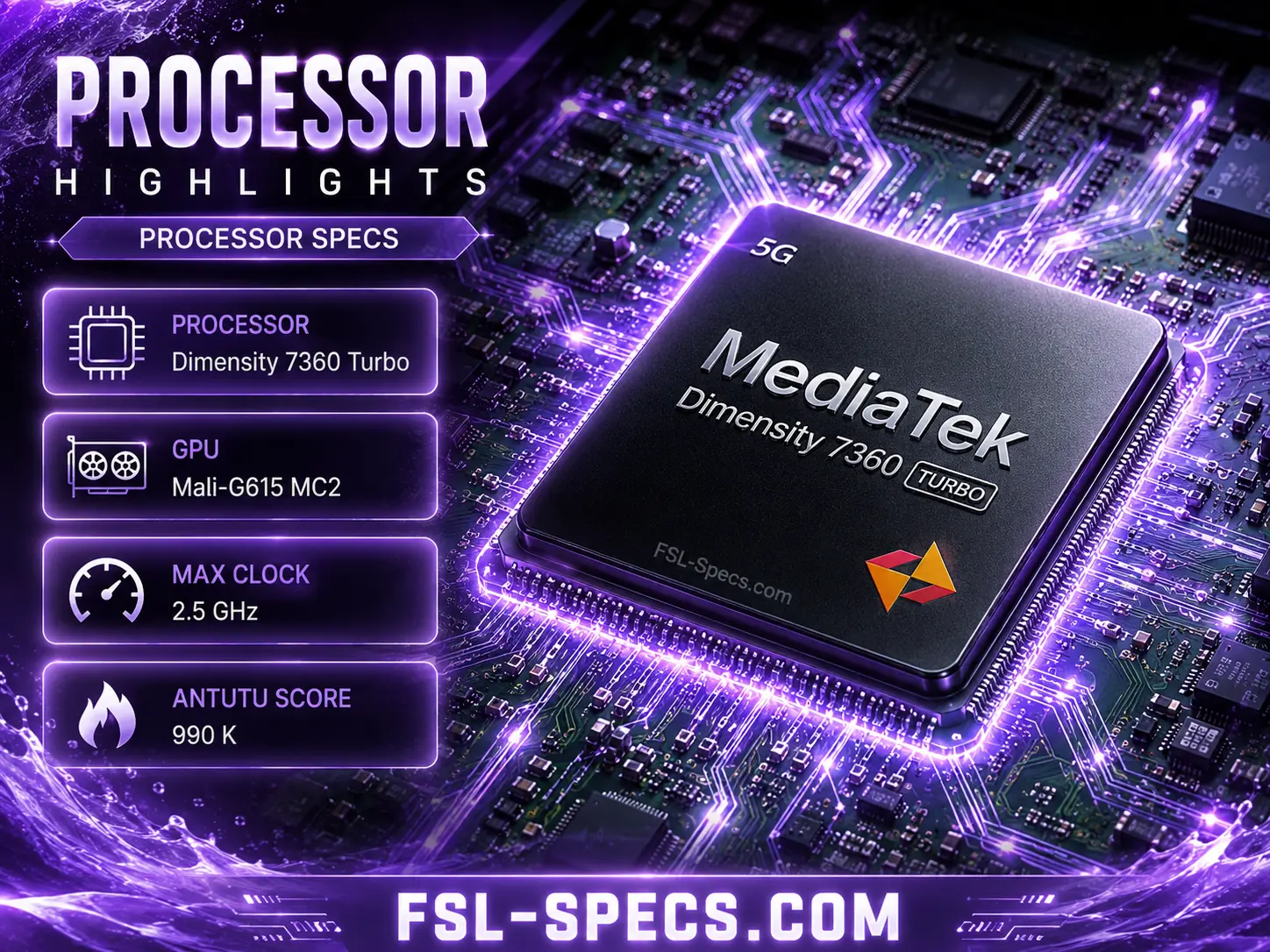
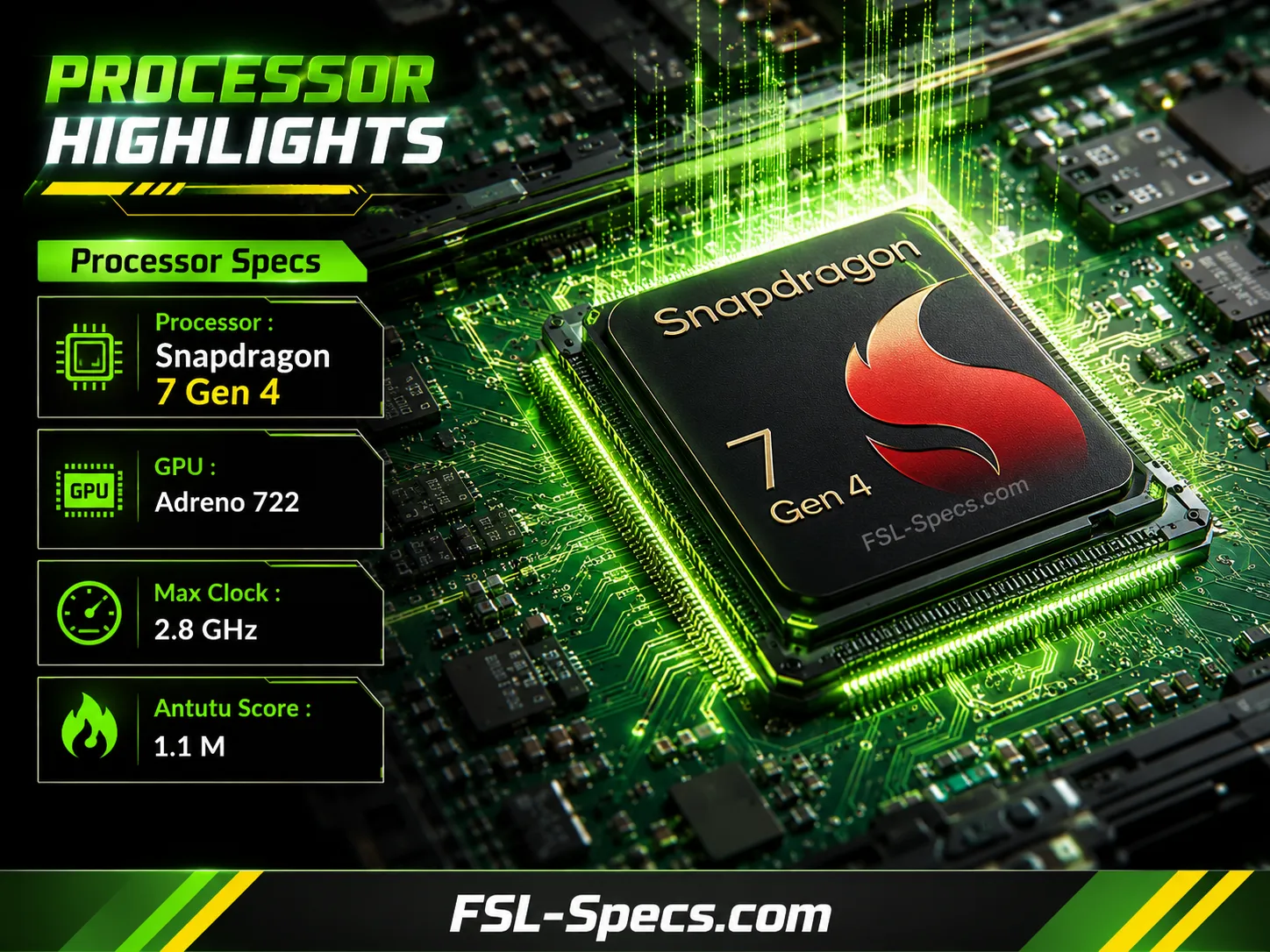
| Processor | Dimensity 7360 Turbo | Snapdragon 7 Gen 4 |
| Processor Link | Visit | — |
| Lithography Process | 4 nm | 4 nm |
| Max Clock | 2.5 GHz | 2.8 GHz |
| CPU Cores | 8 Cores | 8 Cores |
| Architecture | 4 x 2.5 GHz Cortex-A78 | 1 x 2.8 GHz Cortex-720 |
| GPU | Mali-G615 MC2 | Adreno 722 |
| AnTuTu Benchmark | 990 K | 1.1 M |
| Bootup Time | 15 s | 24 s |
| Memory | ||
| RAM Memory | 8 + 256 GB | 12 + 512 GB |
| RAM Type | LPDDR5 | LPDDR4X |
| Storage Type | UFS 3.1 | UFS 3.1 |
| Card Slot | No | No |
| Variants | 8 + 128 GB | 8 + 128GB |
| Rear Camera | ||
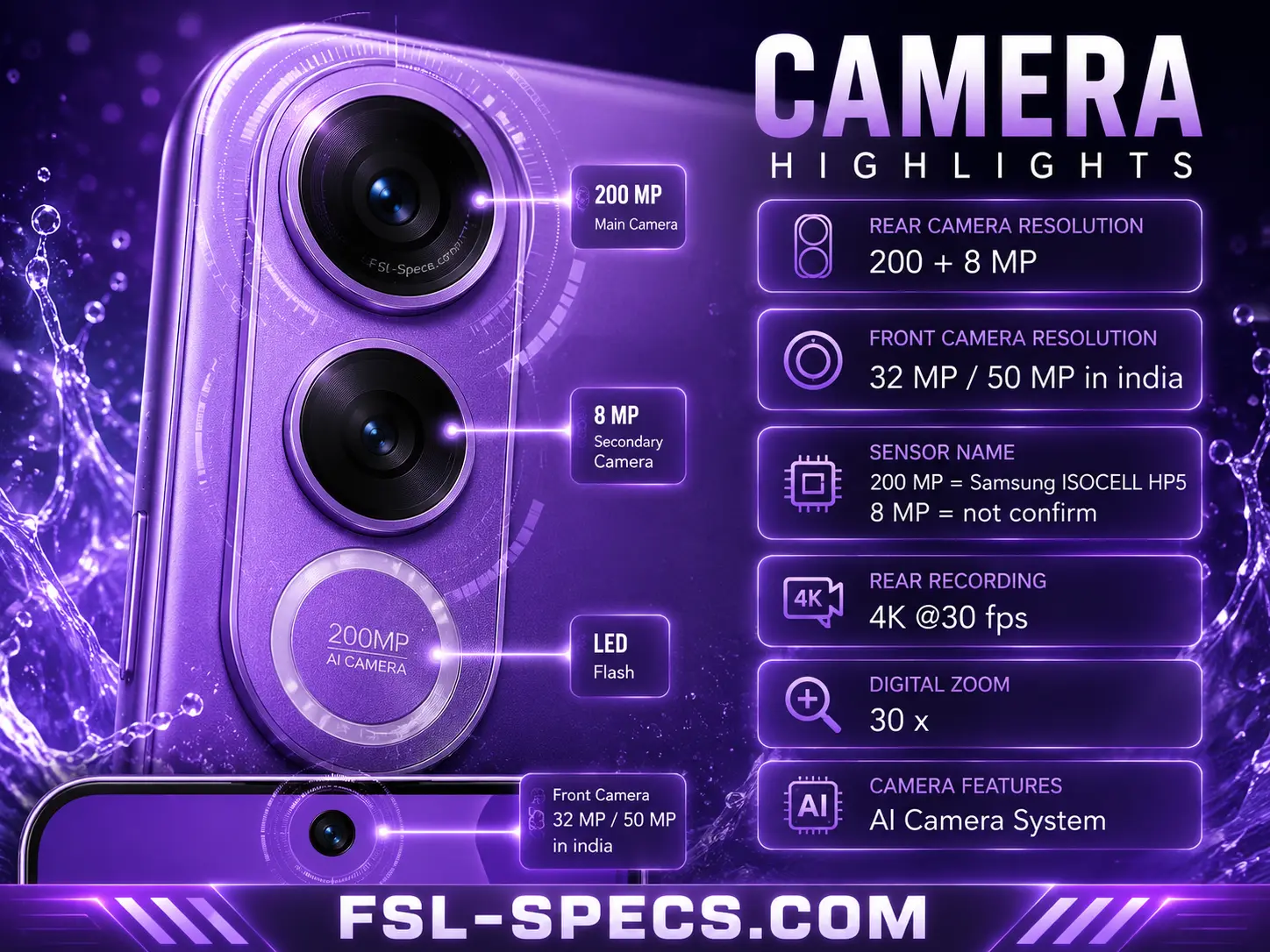
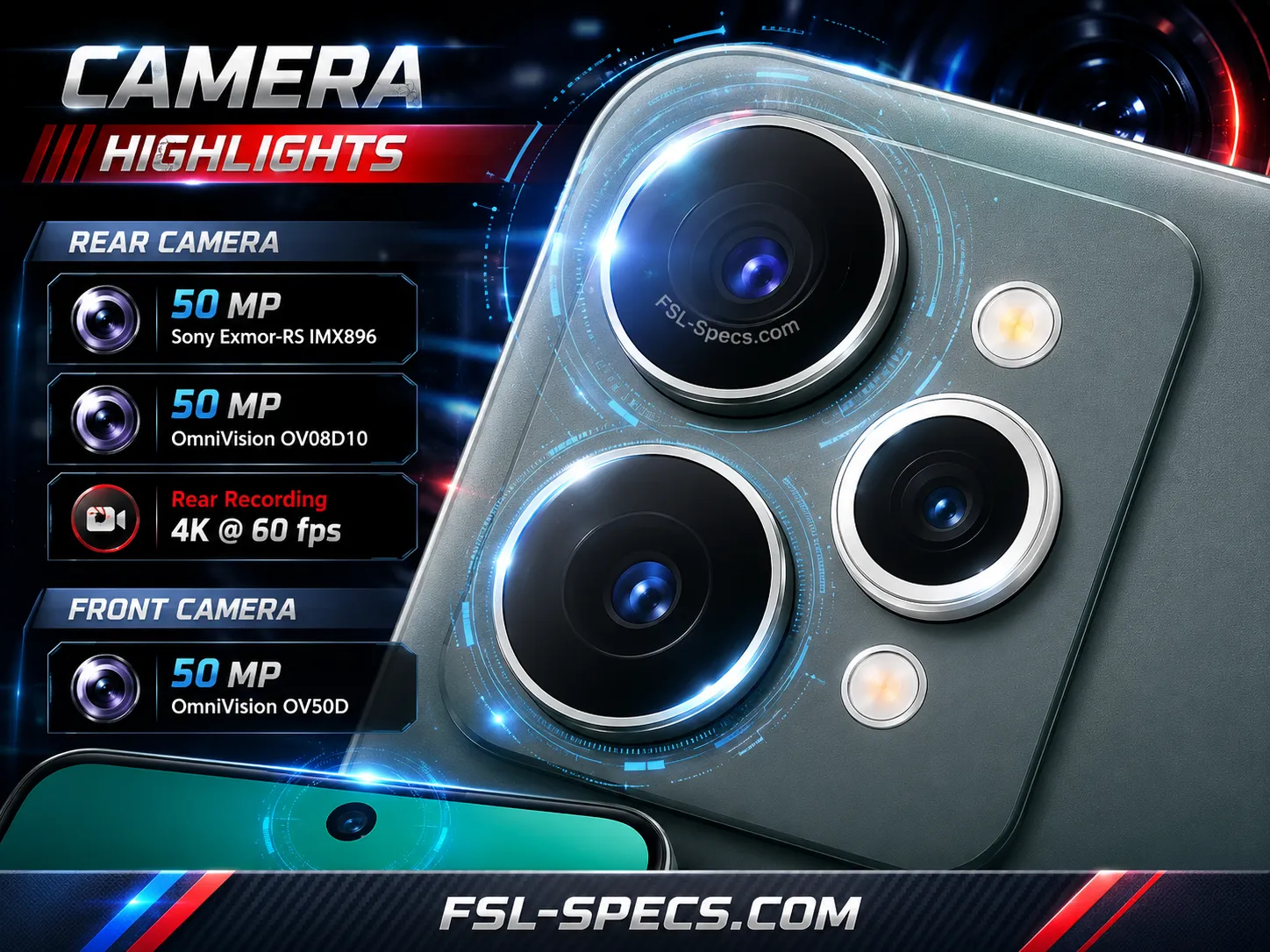
| Camera | 200 + 8 MP | 50 + 50 + MP |
| Image Resolution | 16,384 × 12,288 pixels | 8150 x 6150 pixels |
| Camera Sensor | 200 MP = Samsung ISOCELL HP5 | 50 MP = Sony Exmor-RS IMX896 |
| Zoom | - | - |
| Digital Zoom | 30 x | 20 x |
| Video Recording | 4K @30 fps | 4K @ 60 fps |
| Flash | Ring Light | Dual-LED Flash |
| Front Camera | ||
| Front Camera | 32 MP ( 50 MP india ) | 50 MP |
| Front Sensor | 50 MP = OmniVision OV50D | |
| Front Resolution | 8192 x 6144 Pixels | 8192 x 6144 Pixels |
| Front Recording | 4K@ 30 fps | 4K @ 30 fps |
| Front Flash | Screen Flash | Not Confirm |
| Battery | ||
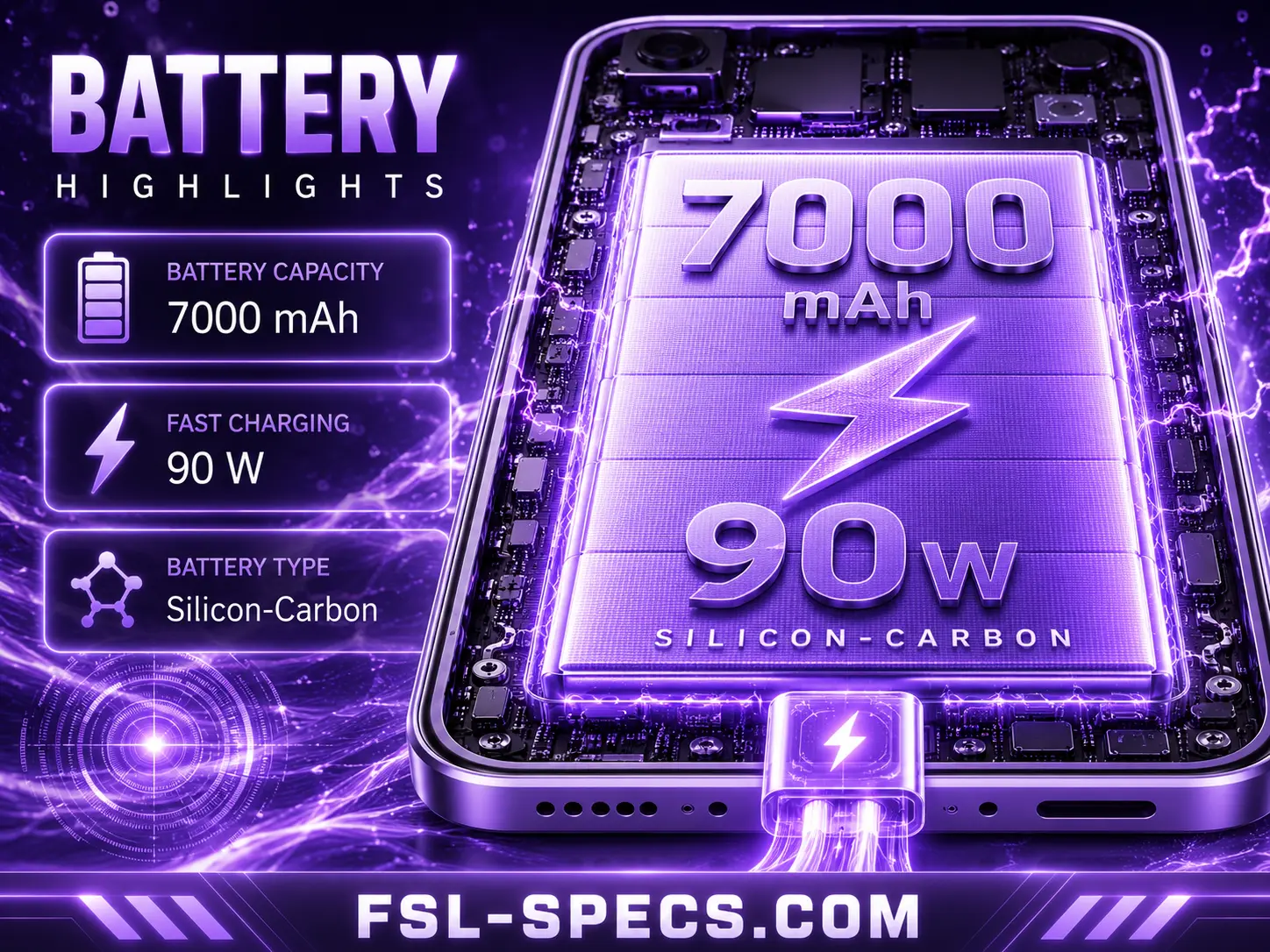
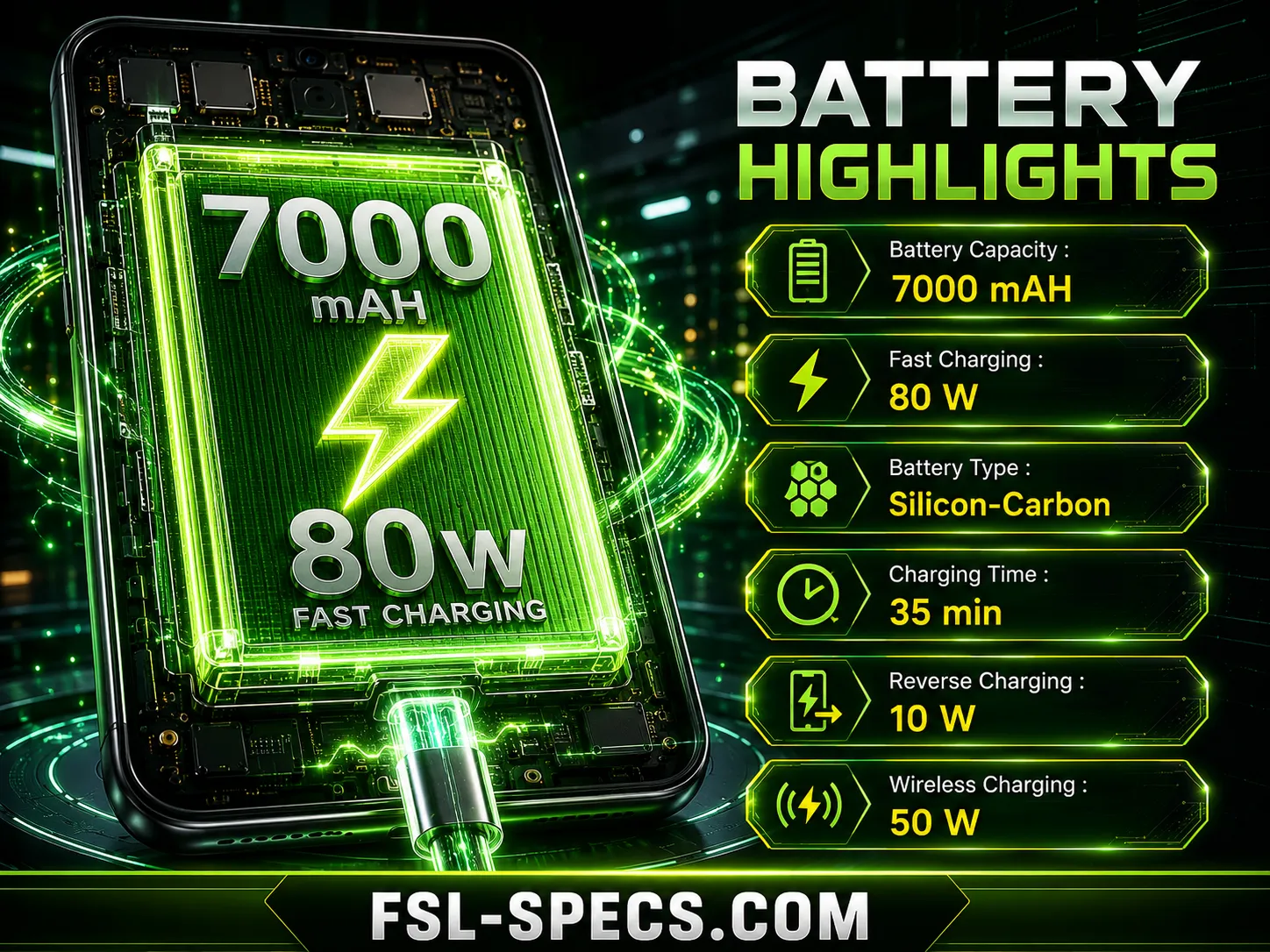
| Battery | 7000 mAh | 7000 mAH |
| Charging Watts | 90 W | 80 W |
| Battery Type | Silicon-Carbon | Silicon-Carbon = Li-Ion (India, China) |
| Wireless Charging | No | - |
| Reverse Charging | Not Confirm | - |
| Reverse Wireless | No | - |
| Battery Life (PC Mark) | ~16 hours | 15 h 40 m |
| Charging Time | 60m-70m (0% To 100%) | ~70-80m ( 0% To 100% ) |
| Software | ||
| Model Number | V2550 | RMX5101 |
| Release Date | 17 March, 2026 | 30 July, 2025 |
| Year | 2026 | 2025 |
| Series Name | Vivo V-series (Fan Edition) | Realme Number |
| Category | Mid-Range | - |
| Android OS | Android 17 | Android 17 |
| Body | ||
| Weight | 200 g (variant dependent) | 187 g |
| Build | plastic frame, plastic back | ( Aluminum Frame And Plastic Back) |
| IP Rating | — | — |
| Special Features |
| Always-On Display, DC Dimming |
| Connectivity | ||
| SIM | Nano-SIM / E-Sim | Nano-SIM |
| Network | 4G / 4G+ / 5G | 4G / 4G+ / 5G |
| WiFi | Wi-Fi 6 | Wi-Fi 6 |
| Bluetooth | 5.4 | 5.4 v |
| NFC | Yes | Yes |
| Security & Audio | ||
| Speakers | Dual Stereo Speaker | Dual Stereo Speaker |
| Fingerprint | Front Finger | Hyper Sonic Front Finger |
| Other Sensors | Accelerometer | Accelerometer |
| Highlights | ||
| Display Highlights |
 |
 |
| Processor Highlights |
 |
 |
| Memory Highlights |
 |
 |
| Camera Highlights |
 |
 |
| Battery Highlights |
 |
 |
| Verdict | ||
| Pros | ✅ 200MP Camera | ✅ Massive Battery — 🔋 7000 mAh capacity |
| Cons | ❌ No Telephoto | ❌ Mid Chipset — 🧠 Snapdragon 7 Gen 4 |
| Best For | ✅ Mobile Photography | 🎯 Battery Endurance Users — 🔋 7000mAh all-day |
| Not Best For | ❌ Fast Transfers | 🚫 Heavy Gamers — 🧠 mid-tier chipset limits |
| Related Media | ||
| Rival Devices |
| Samsung Galaxy A57 |
| Unboxing | ||
| Mobile Disassembly | ||
| PUBG Gaming Test | ||
| Camera Test | ||
Cast your vote
So, which phone would you choose?
Total votes: 0