

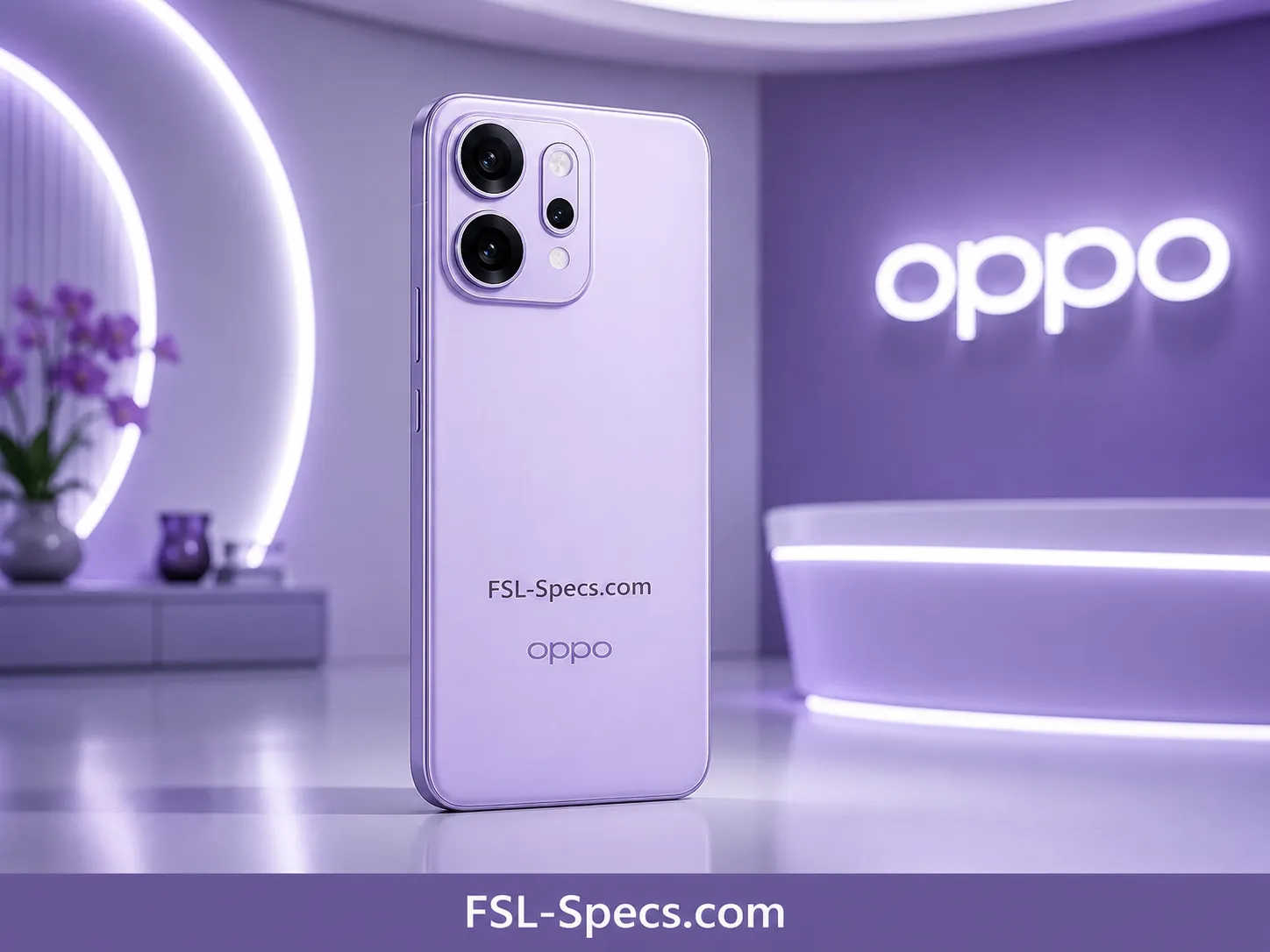
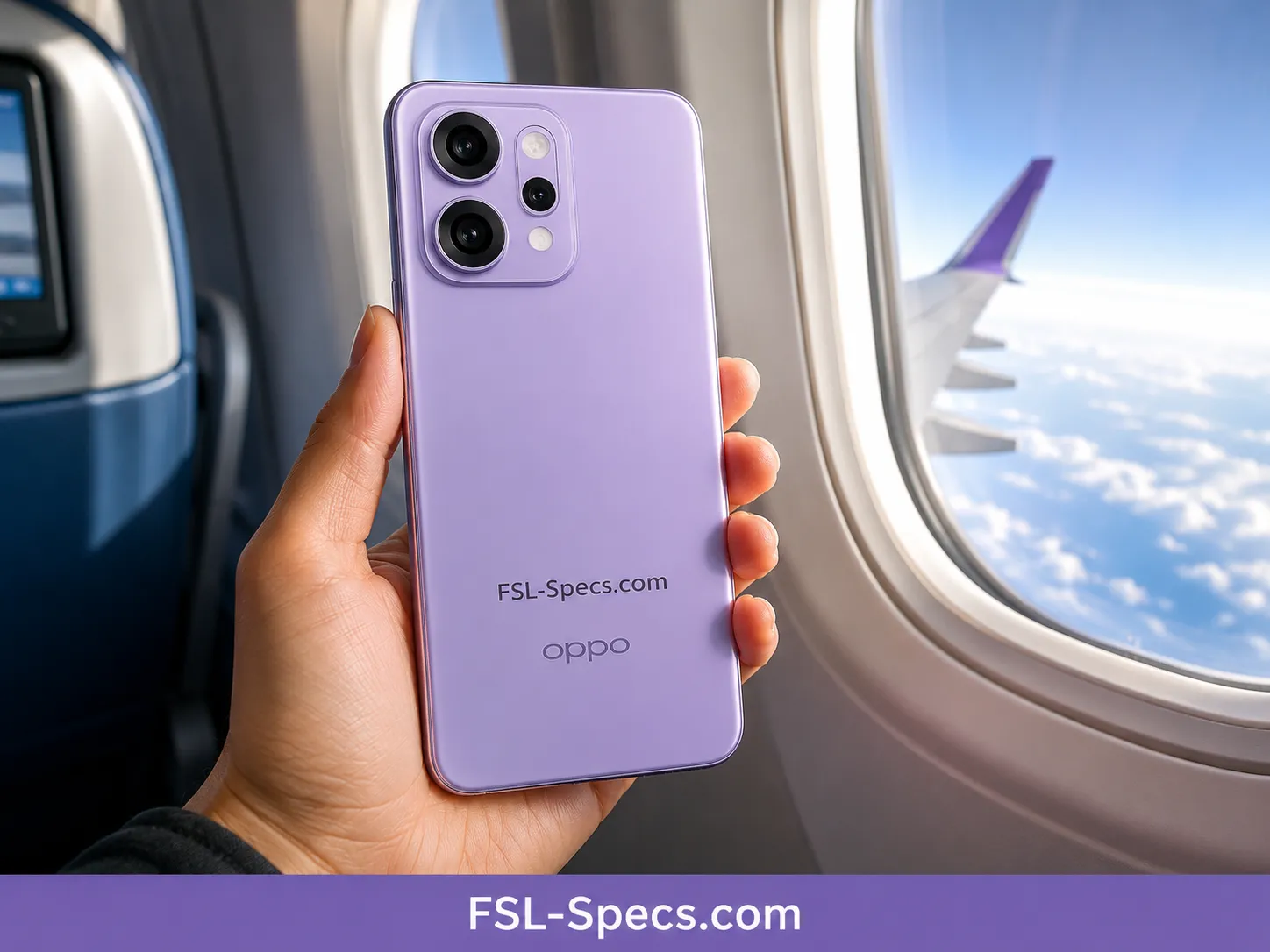
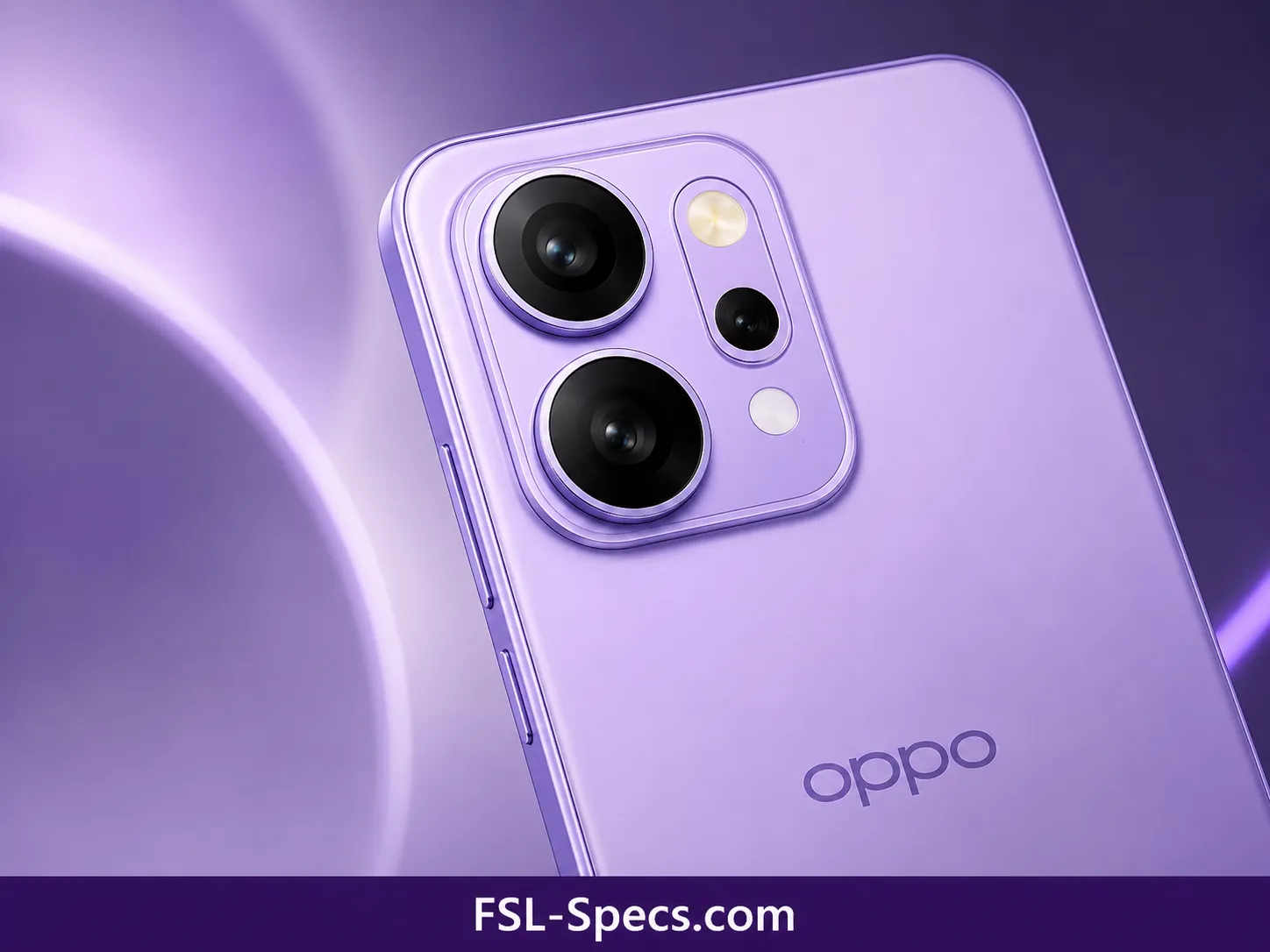
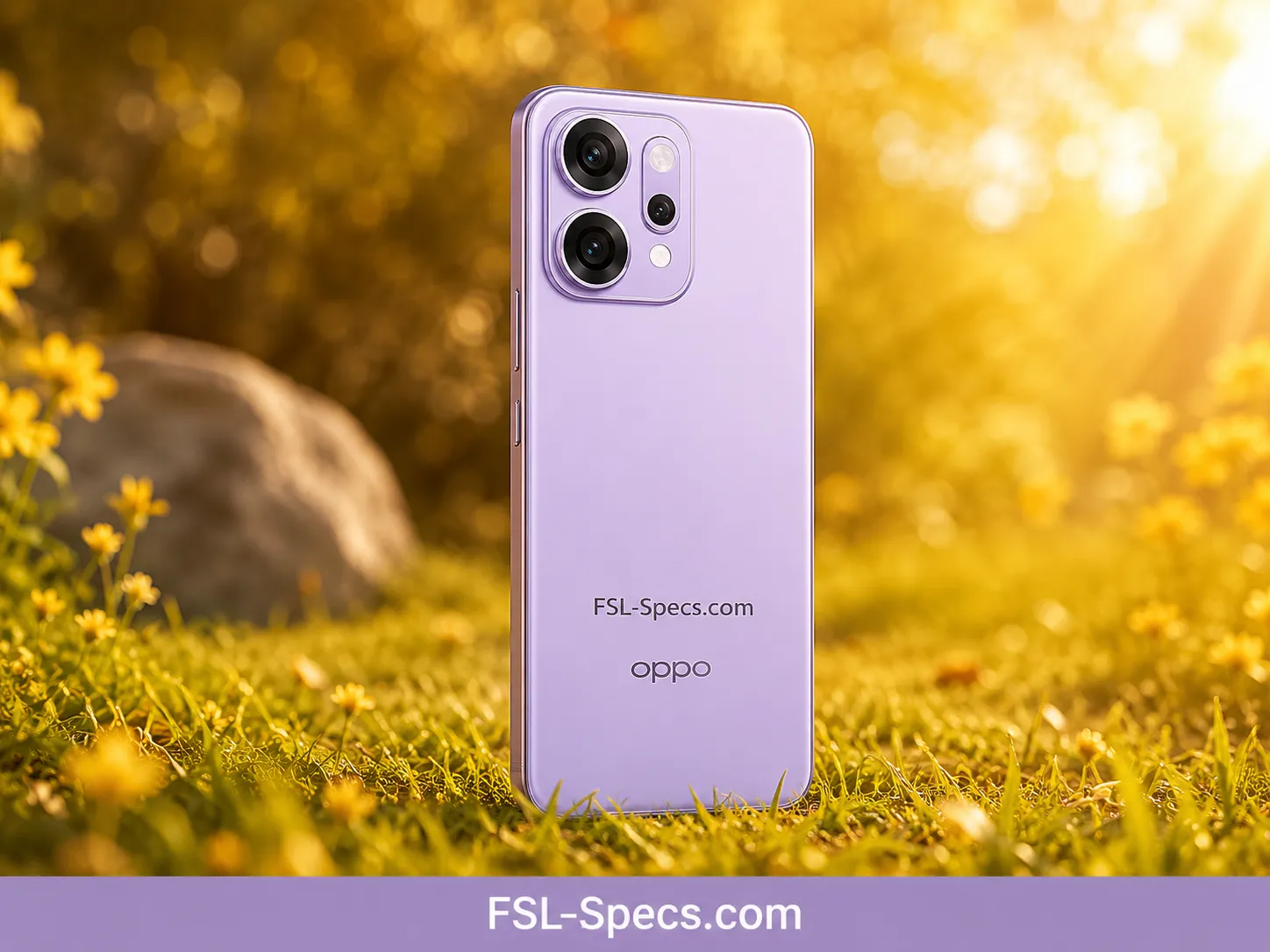













✪ oppo Reno 14 Pro ✪

Oppo Reno 14 Pro Specs, Price, Camera, Battery & Best Review (2026)
United States flag United States
$580 USD
Pakistan flag Pakistan (PKR)
180,000 PKR
India flag India (INR)
₹55,000 INR

✪ oppo Reno 14 Pro ✪

Oppo Reno 14 Pro Specs, Price, Camera, Battery & Best Review (2026)
Last Time Update : 16 August, 2026
0

Quick Specifications

Amoled

Display Type

Dimensity 8450

Processor

12 + 512 GB

Ram And Memory

50 + 50 + 50 MP

Camera

6200 mAh

Battery

80 W

Fast Charging

Full Specification

BASIC INFO
Mobile
oppo Reno 14 Pro
Model
CPH2739
Series
Oppo Reno Series
Category
Mid Range
Release Date
23 May,2025
Year
2025
CONNECTIVITY
Sim
Nano-SIM / E-Sim
Network
4G / 4G+ / 5G
WiFi
WiFi 6 / 6E
Bluetooth
5.4
NFC
Yes
OS
Android 17 Now
BODY
Dimensions
163.4 x 77 x 7.5 mm
Build
Frame Aluminum And Glass Back
KG Weight
201 g
Screen Size
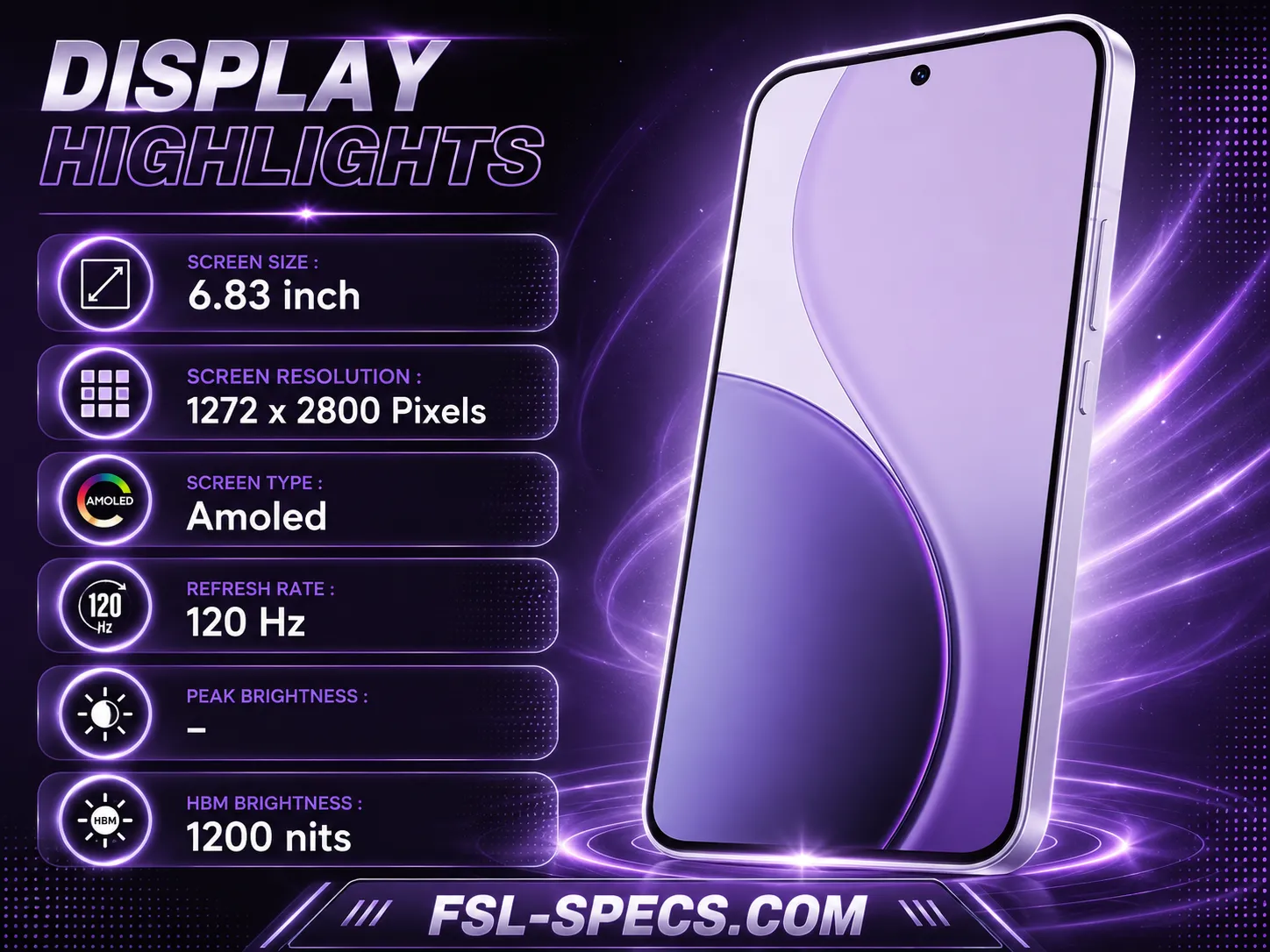
6.83 inch
Resolution
1272 x 2800 Pixels
Type
Amoled
Refresh Rate
120 Hz
Peak Brightness
-
HBM Brightness
1200 nits
Processor
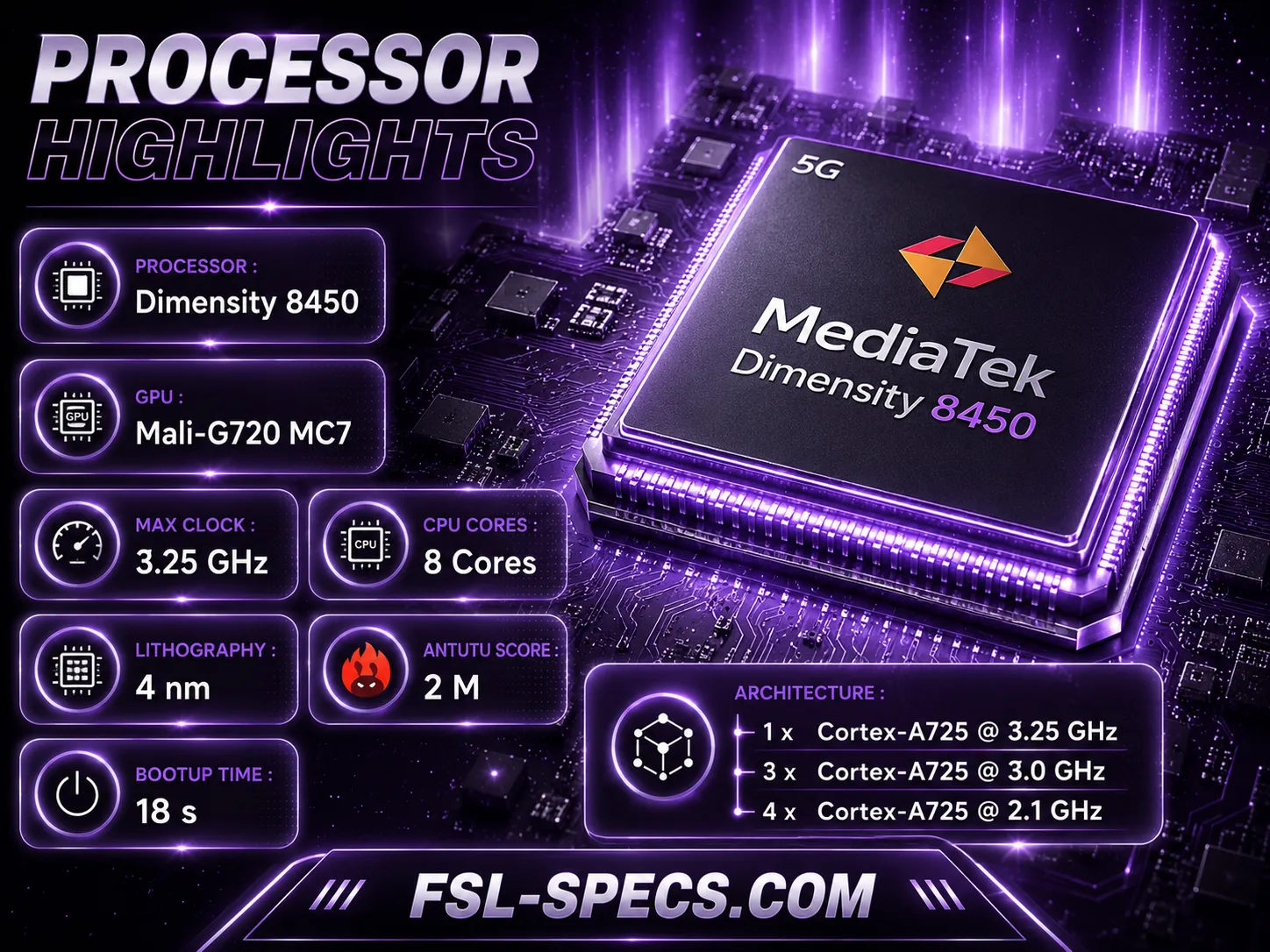
Dimensity 8450
Max Clock
3.25 GHz
Lithography
4 nm
GPU
Mali-G720 MC7
CPU Cores
8 Cores
Antutu v11
2 M
Antutu v10
-
Bootup Time
18 s
Architecture
1 x  Cortex-A725 @ 3.25 GHz
3 x  Cortex-A725 @ 3.0 GHz
4 x  Cortex-A725 @ 2.1 GHz
Ram Memory
12 + 512 GB
Ram Type
LPDDR5X
Storage Type
UFS 3.1
SD Card
No
Variants
12 + 256 GB
12 + 512 GB
16 +512 GB
16 + 1TB
MP
Rear Camera
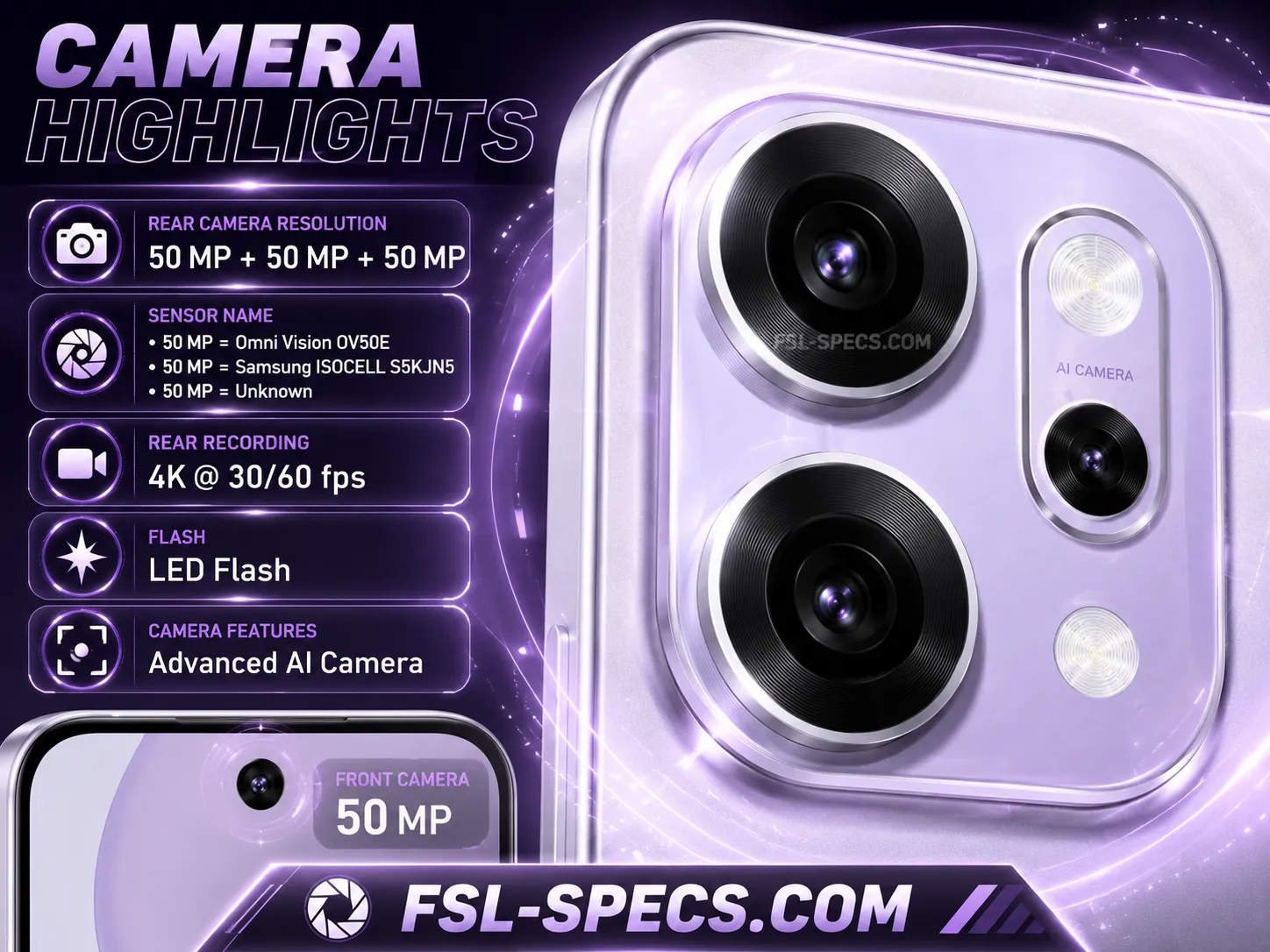
50 + 50 + 50 MP
Front Camera
50 MP
SENSORS
Camera Sensors
50 MP = Omni Vision OV50E
50 MP = Samsung ISOCELL S5KJN5
50 MP = Unknown 
Front Sensors
50 MP = Samsung ISOCELL S5KJN5
RECORDING FPS
Main Recording
4K @ 30/60 fps
1080p @ 30/60/120/240 fps
Front Recording
4K @ 30/60 fps
1080p @ 30/60 fps
RESOLUTION
Main Resolution
8150 x 6150 Pixels
Front Resolution
8192 x 6144 Pixels
ZOOM
Optical Zoom
3.5 x
D Digital Zoom
120 x
FLASH
Flash
Yes
Front Flash
Screen Flash
Capacity
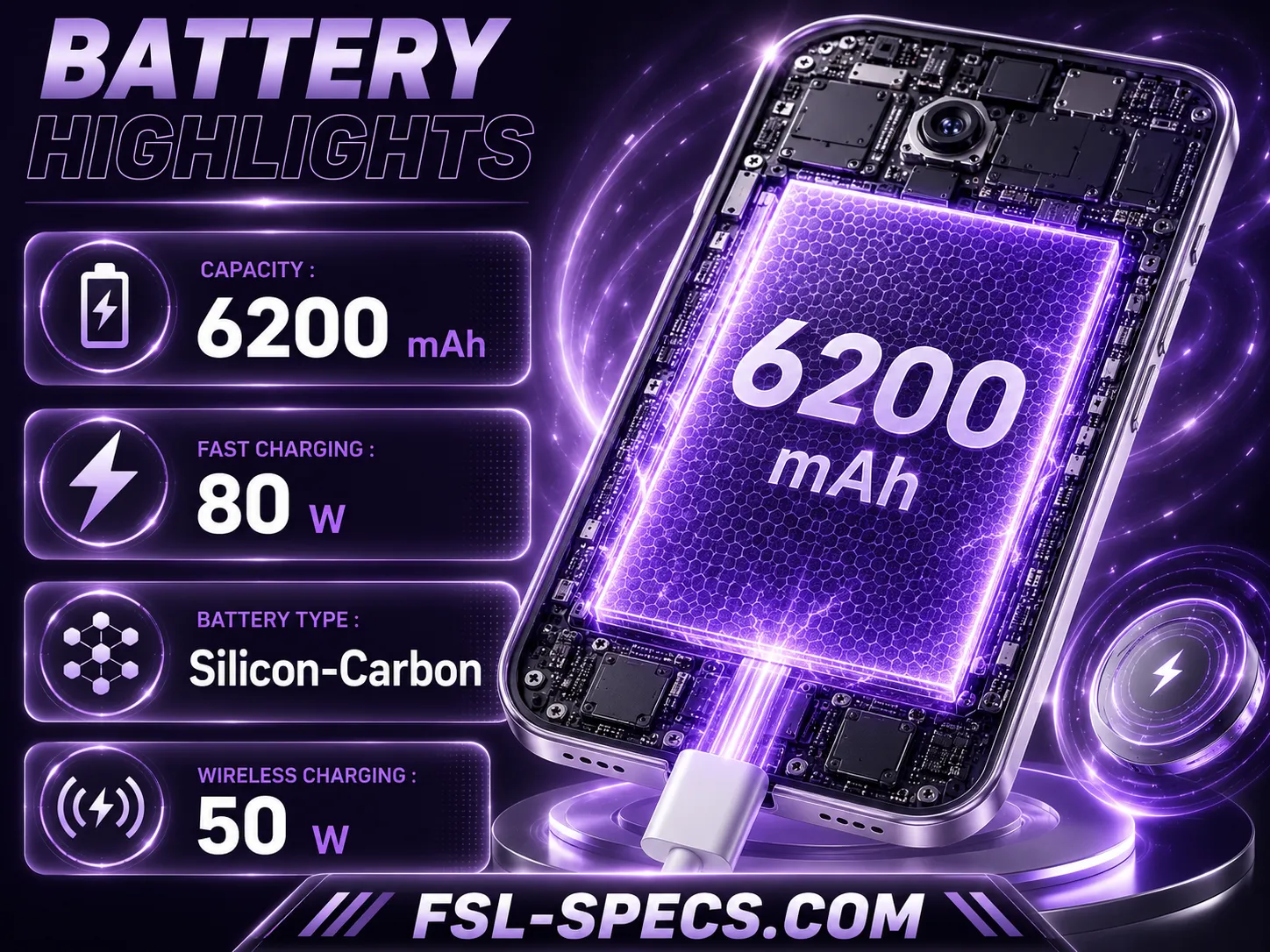
6200 mAh
Fast Charging
80 W
Wireless Charging
50 W
Li Battery Type
Silicon-Carbon
REVERSE
Reverse Wired
Yes
Reverse Wireless
Not confirm
OTHER
Battery PC Marks
9h 29 Mints
Charging Time
45-50 m (0% To 100%)
AUDIO & SENSORS
Speaker
Dual Stereo Speaker
Fingerprint Sensor
Hyper Sonic Front Finger
Other Sensors
Accelerometer
Gyroscope
Proximity
Compass
Hall sensor
RGB/color spectrum sensor
Special Features

IP68/IP69 dust and water resistance
80W SuperVOOC wired charging + 50W wireless charging
Vapor chamber cooling (OPPO Tiangong system, 5400 mm² VC heat spreader)
TÜV Rheinland Eye Comfort Certification
Infrared remote-control port
Triple 50MP rear camera system with periscope telephoto

BASIC INFO
Mobile
oppo Reno 14 Pro
Model
CPH2739
Series
Oppo Reno Series
Category
Mid Range
Release Date
23 May,2025
Year
2025
CONNECTIVITY
Sim
Nano-SIM / E-Sim
Network
4G / 4G+ / 5G
WiFi
WiFi 6 / 6E
Bluetooth
5.4
NFC
Yes
OS
Android 17 Now
BODY
Dimensions
163.4 x 77 x 7.5 mm
Build
Frame Aluminum And Glass Back
KG Weight
201 g
Screen Size
6.83 inch
Resolution
1272 x 2800 Pixels
Type
Amoled
Refresh Rate
120 Hz
Peak Brightness
-
HBM Brightness
1200 nits
Processor
Dimensity 8450
Max Clock
3.25 GHz
Lithography
4 nm
GPU
Mali-G720 MC7
CPU Cores
8 Cores
Antutu v11
2 M
Antutu v10
-
Bootup Time
18 s
Architecture
1 x  Cortex-A725 @ 3.25 GHz
3 x  Cortex-A725 @ 3.0 GHz
4 x  Cortex-A725 @ 2.1 GHz
Ram Memory
12 + 512 GB
SD Card
No
Ram Type
LPDDR5X
Storage Type
UFS 3.1
Variants
12 + 256 GB
12 + 512 GB
16 +512 GB
16 + 1TB
MP
Rear Camera
50 + 50 + 50 MP
Front Camera
50 MP
SENSORS
Main Camera Sensors
50 MP = Omni Vision OV50E
50 MP = Samsung ISOCELL S5KJN5
50 MP = Unknown 
Front Camera Sensors
50 MP = Samsung ISOCELL S5KJN5
RECORDING FPS
Main Recording
4K @ 30/60 fps
1080p @ 30/60/120/240 fps
Front Recording
4K @ 30/60 fps
1080p @ 30/60 fps
RESOLUTION
Main Resolution
8150 x 6150 Pixels
Front Resolution
8192 x 6144 Pixels
ZOOM
Optical Zoom
3.5 x
D Digital Zoom
120 x
FLASH
Flash
Yes
Front Flash
Screen Flash
Capacity
6200 mAh
Fast Charging
80 W
Wireless Charging
50 W
Li Battery Type
Silicon-Carbon
REVERSE
Reverse Wired
Yes
Reverse Wireless
Not confirm
OTHER
Battery Life PCMark
9h 29 Mints
Charging Time
45-50 m (0% To 100%)
AUDIO & SENSORS
Speaker
Dual Stereo Speaker
Fingerprint Sensor
Hyper Sonic Front Finger
Other Sensors
Accelerometer
Gyroscope
Proximity
Compass
Hall sensor
RGB/color spectrum sensor
Special Features

IP68/IP69 dust and water resistance
80W SuperVOOC wired charging + 50W wireless charging
Vapor chamber cooling (OPPO Tiangong system, 5400 mm² VC heat spreader)
TÜV Rheinland Eye Comfort Certification
Infrared remote-control port
Triple 50MP rear camera system with periscope telephoto

Highlights & Review Of oppo Reno 14 Pro

Display Review:

The Oppo Reno 14 Pro’s display is a 6.83-inch AMOLED panel running at 120Hz with 3840Hz PWM dimming, HDR10+ support, and brightness rated at 600 nits (typ) and 1200 nits (HBM), at a resolution of 1272 x 2800px (~450ppi), protected by Gorilla Glass 7i or Crystal Shield. At PKR 180,000, it sits in a tough spot against three very different rivals.

The cheaper Infinix GT 50 Pro (PKR 160,000) actually pushes past it on refresh rate with a 144Hz panel and claims up to 4500 nits peak brightness, though its 6.78-inch screen has a lower 1208 x 2644px resolution (~440ppi), meaning motion looks smoother on the Infinix but text and fine detail are sharper on the Reno14 Pro.

The Xiaomi 17T (PKR 215,000) undercuts both on refresh rate at 120Hz but wins outright on brightness with a GSMArena-verified 3500 nits peak, plus Dolby Vision support that neither Oppo panel offers, at a sharper 1268 x 2756px (~460ppi) on a smaller 6.59-inch screen.

The Oppo Reno15 Pro (PKR 225,000, India variant, 6.78-inch) matches the Reno14 Pro’s 120Hz and HDR10+ but edges ahead on brightness with 1800 nits (HBM) versus the Reno14 Pro’s 1200 nits, at a similar 1272 x 2772px resolution, while dropping down to plain Gorilla Glass Victus 2 instead of 7i.

Note: Oppo also sells a compact 6.32-inch “Reno15 Pro mini” variant in some markets; specs above reflect the standard-size India model, which better matches this price and size bracket.

Verdict: The Oppo Reno 14 Pro’s display holds its ground on resolution and sharpness but loses on brightness to both the Xiaomi 17T and the Reno15 Pro, and loses on refresh rate to the Infinix GT 50 Pro. Buyers who watch a lot of HDR content or use their phone outdoors often should lean toward the Xiaomi 17T or Reno15 Pro instead.

Processor Review:

The Oppo Reno 14 Pro runs on a MediaTek Dimensity 8450 chipset (4nm), an octa-core setup with 1×3.25GHz + 3×3.0GHz + 4×2.1GHz Cortex-A725 cores and a Mali-G720 MC7 GPU, scoring 2,048,465 on AnTuTu v11 and 1617/6406 on GeekBench 6 single/multi-core.

At PKR 180,000, this same silicon actually shows up cheaper elsewhere. The Infinix GT 50 Pro (PKR 160,000) uses the Dimensity 8400 Ultimate, a near-identical 4nm chip with the same core layout and GPU, but edges the Reno14 Pro with 2,137,843 on AnTuTu and 1621/6535 on GeekBench, meaning the cheaper Infinix is marginally faster despite costing 20,000 rupees less, largely thanks to its liquid cooling system sustaining clocks longer.

The Xiaomi 17T (PKR 215,000) steps up a full tier with the Dimensity 8500 Ultra and a faster Mali-G720 MC8 GPU, posting 2,194,731 on AnTuTu and 1704/6686 on GeekBench, a clear real-world jump in both CPU and graphics headroom over the Oppo Reno 14 Pro.

Most notably, the Oppo Reno 15 Pro (PKR 225,000) uses the exact same Dimensity 8450 chipset as the Oppo Reno 14 Pro, yet scores slightly higher at 2,050,891 AnTuTu and 1671/6695 GeekBench, pointing to better software optimization on the newer ColorOS 16 build rather than any hardware advantage.

Verdict: The Reno14 Pro’s Dimensity 8450 is respectable but no longer distinguishes it at this price, since the cheaper Infinix GT 50 Pro nearly matches it and the pricier Xiaomi 17T clearly beats it. Buyers chasing raw performance per rupee should look at the Infinix GT 50 Pro, while those willing to spend more for a genuine generational jump should go with the Xiaomi 17T.

Ram & Memory Review:

The Oppo Reno 14 Pro ships with 12GB of LPDDR5X RAM and 512GB of UFS 3.1 storage in this configuration, with no microSD support, at PKR 180,000.

Storage protocol matters here: the Infinix GT 50 Pro (PKR 160,000) pairs the same 12GB LPDDR5X with newer UFS 4.1 storage, though its 12+256GB trim gives you half the storage of the Oppo Reno 14 Pro for 20,000 rupees less, meaning app installs and large file transfers will be noticeably faster on the Infinix despite the smaller capacity.

The Xiaomi 17T (PKR 215,000) also runs 12GB LPDDR5X on UFS 4.1, matching the Reno14 Pro’s 512GB storage capacity exactly, so the real difference here is read and write speed rather than space, with UFS 4.1 offering roughly double the sequential throughput of the Oppo Reno 14 Pro’s UFS 3.1

The Oppo Reno15 Pro (PKR 225,000) keeps things closest to the Reno14 Pro, also using 12GB LPDDR5X and UFS 3.1 at the same 512GB capacity, so buyers upgrading from the Reno14 Pro to the Reno15 Pro at this configuration gain nothing on the memory front. None of these four phones offer a memory card slot, so the storage you buy is the storage you are stuck with for the life of the phone.

Verdict: The Oppo Reno 14 Pro’s RAM capacity is competitive, but its UFS 3.1 storage is now a generation behind both the Infinix GT 50 Pro and Xiaomi 17T, which both moved to faster UFS 4.1. Buyers who care about faster file transfers and app load times should lean toward the Xiaomi 17T, since it matches the Oppo Reno 14 Pro’s 512GB capacity while offering quicker storage.

Cameras Review:

The Oppo Reno14 Pro carries a triple 50MP f/1.8 main camera (1/1.55″, OIS), a 50MP f/2.8 3.5x telephoto with OIS, and a 50MP f/2.0 116° ultrawide with autofocus, plus a 50MP f/2.0 selfie camera, all capable of 4K@60fps video. At PKR 180,000, its all-50MP quad setup is the most balanced.

The Infinix GT 50 Pro (PKR 160,000) drops sharply here, using just a dual 50MP f/1.8 main and an 8MP ultrawide, with only a 13MP selfie, and GSMArena’s lab tests confirmed the GT 50 Pro’s ultrawide loses detail at the edges and its selfie camera is a clear step down, meaning the Oppo Reno 14 Pro’s extra ultrawide resolution and selfie quality justify part of the price gap.

The Xiaomi 17T (PKR 215,000) actually beats the Reno14 Pro’s telephoto outright, with a 50MP f/3.0 5x optical zoom Leica-tuned lens versus the Reno14 Pro’s 3.5x, and GSMArena’s review called the 17T’s telephoto “excellent at 5x,” while its 32MP selfie lacks autofocus, a real drawback for close-up selfies that the Reno14 Pro doesn’t have.

The Oppo Reno15 Pro (PKR 225,000) uses a much larger 200MP f/1.8 Samsung ISOCELL HP5 main sensor, and both GadgetMatch and 91mobiles’ hands-on reviews praised its punchy detail and dynamic range, though 91mobiles specifically flagged its ultrawide as inconsistent with color shifts versus the main lens, a complaint not raised about the Oppo Reno 14 Pro’s ultrawide.

Real user sentiment on GSMArena’s own opinion threads for the Oppo Reno 14 Pro is mixed: several owners praised the telephoto and low-light AI Night Mode, while others noted camera sharpness got worse after a ColorOS update, a software-side inconsistency worth knowing before buying.

Verdict: The Oppo Reno 14 Pro’s camera is well-rounded but outgunned in two specific areas, the Xiaomi 17T’s zoom range and the Reno15 Pro’s main sensor resolution. Buyers who zoom often should pick the Xiaomi 17T, while those who shoot mostly wide shots in daylight will get more detail from the Reno15 Pro’s 200MP sensor, even at a higher price.

Battery Review:

The Oppo Reno14 Pro packs a 6200mAh Si/C battery with 80W wired and 50W wireless charging, reaching a full charge in 0:53hr (73% in 30 minutes) per NanoReview’s lab test. At PKR 180,000, its charging speed is actually the fastest of this group on paper.

The Infinix GT 50 Pro (PKR 160,000) uses a larger 6500mAh cell but slower 45W wired and 30W wireless charging, and GSMArena’s lab test recorded a strong 15:28h Active Use Score, its best-in-class result versus the Reno14 Pro’s real-world runtime, meaning the Infinix trades faster charging for genuinely longer screen-on time.

The Xiaomi 17T (PKR 215,000) also carries a 6500mAh Si/C battery with 67W wired charging but drops wireless charging entirely, something GSMArena’s review flagged directly as a letdown at this price, though TechRadar’s hands-on testing reported the 17T lasting just over three days of mixed daily use, a genuinely strong real-world result despite the missing wireless feature.

The Oppo Reno15 Pro (PKR 225,000, India variant) matches the Xiaomi and Infinix at 6500mAh with 80W wired charging, though sources conflict on whether this India model includes wireless charging, so treat that spec as not confirmed until verified on the retail box.

On GSMArena’s own user opinion threads for the Reno14 Pro, feedback on battery is mixed rather than glowing: several owners report the phone comfortably lasts a full day of typical WhatsApp, social media, and streaming use, while one described inconsistent battery backup appearing after a ColorOS software update, a pattern worth watching for buyers who plan to update immediately after purchase.

Verdict: The oppo Reno 14 Pro charges the fastest of the four, but the Infinix GT 50 Pro and Xiaomi 17T both deliver longer real-world battery life on paper despite slower wired speeds. Buyers who prioritize all-day endurance over charging speed should lean toward the Infinix GT 50 Pro, while those who charge briefly and often will appreciate the oppo Reno 14 Pro’s 50-minute full charge.

Final Verdict :

Across five rounds of testing, the Oppo Reno14 Pro holds its ground but rarely wins outright. Its 6.83-inch 120Hz AMOLED display, balanced quad-50MP camera, and 80W/50W fast charging make it a competent all-rounder at PKR 180,000,

but but the Xiaomi 17T (PKR 215,000) beats it decisively on performance with the Dimensity 8500 Ultra, on display brightness with 3500 nits peak and Dolby Vision, and on zoom with a genuine 5x optical telephoto,

while the Infinix GT 50 Pro (PKR 160,000) undercuts it on price yet still edges it in raw benchmarks, storage speed with UFS 4.1, and real-world battery endurance at 15:28h Active Use Score.

The Oppo Reno15 Pro (PKR 225,000) offers a sharper 200MP main camera and slightly better AnTuTu scores than the Reno14 Pro, but shares the same Dimensity 8450 chipset and UFS 3.1 storage, making its 45,000 rupee premium hard to justify next to the Xiaomi 17T at a lower price point.

Bottom line: The Xiaomi 17T is the strongest overall package in this comparison, the Infinix GT 50 Pro is the smartest budget pick, and the Reno14 Pro only makes sense if you specifically want Oppo’s camera balance or fastest charging at its price.

Ranking (Best Value to Weakest Value):

  1. Xiaomi 17T — PKR 215,000. Best processor, best display brightness, best zoom camera. The clear performance leader, let down only by no wireless charging.
  2. Infinix GT 50 Pro — PKR 160,000. Cheapest by far, nearly matches the Reno14 Pro’s chipset, wins on battery endurance and UFS 4.1 storage. Weakest camera and only IP64-rated.
  3. Oppo Reno14 Pro — PKR 180,000 (primary phone). Balanced camera and fastest charging speed, but outperformed on chipset, display brightness, and storage speed by both the Infinix and Xiaomi at similar or lower prices.
  4. Oppo Reno15 Pro — PKR 225,000. Best main camera sensor in the group, but the most expensive phone here runs the same chipset as the Reno14 Pro and offers no clear reason to pay the premium over the Xiaomi 17T.

Pros And Cons of oppo Reno 14 Pro

Pros of Mobile

✅ 50MP triple camera 📸 (OIS)
✅ 6200mAh battery 🔋
✅ 80W fast charging ⚡
✅ IP68/IP69 rating 💧
✅ 120Hz AMOLED display 📱
✅ 3.5x periscope zoom 🔭

Cons of Mobile

❌ No microSD slot 🗂️
❌ Mali-G720 GPU 🎮 (limited gaming)

Best For - Not Best For

Best For

🎯 Mobile photography 📷
🎯 Outdoor/water use 🌊
🎯 All-day battery users 🔋
🎯 Social media creators 🎥
🎯 Sleek design lovers ✨

Not Best For

🚫 Expandable storage users 🗂️
🚫 Stock Android fans 🤖
🚫 Flagship chipset seekers 🚀

Trailer And Unboxing of oppo Reno 14 Pro

Disassembly Or Teardown And Gaming Test of oppo Reno 14 Pro

Camera Test oppo Reno 14 Pro

infinix GT 50 Pro
Xiaomi 17T
Oppo Reno 15 Pro
Samsung Galaxy S25 FE
Xiaomi Redmi Note 15 Pro Plus

Picture of Faisal Ur Rehman

Faisal Ur Rehman

Faisal Rehman is the founder and editor of FSL Specs, where he publishes in-depth smartphone specifications, comparisons, buying guides, and technology insights. With extensive experience in mobile hardware research and technical analysis, he provides accurate and up-to-date information on Android smartphones, processors, displays, cameras, batteries, performance benchmarks, and software features. His goal is to simplify complex specifications and help readers choose the right device with confidence.

OPPO Series Row

FAQs Questions

It has a 6.83" AMOLED display with 1.5K resolution, a smooth 120Hz refresh rate, and peak brightness of around 1200 nits — solid clarity indoors and outdoors alike.

It runs on the MediaTek Dimensity 8450, which handles everyday multitasking effortlessly and gaming reasonably well too. It's not built for hardcore gamers, but for daily use and casual-to-moderate gaming, it's dependable.

It features a triple 50MP rear setup — main, ultrawide, and a 3.5x periscope telephoto — plus a 50MP selfie camera. It's a genuinely versatile, all-50MP system that punches above its price point.

The 6200mAh battery easily gets you through a full day, even with heavy use. Charging is fast with 80W wired, and it's one of the few in this segment to also offer 50W wireless charging.

It supports 5G, NFC, and wireless charging (50W) confidently. Wi-Fi 7 isn't onboard though — it sticks with Wi-Fi 6, and eSIM support varies slightly by region/market.

Yes, it carries an IP68 + IP69 rating, meaning it handles submersion, dust, and even hot high-pressure water jets — genuinely rugged for its price class.

It comes in 12GB/256GB and 12GB/512GB configurations in most markets, with a 16GB/1TB option available in select regions like China.

It supports 4K HDR video recording at up to 60fps on both front and rear cameras — no 8K support, which is reserved for higher-end Find series phones.

12 + 256 GB
 | ~₹50,000 | ~$520


12 + 512 GB
| ~₹55,000 | ~$ 580 | ~190,000 PKR


16 + 512 GB
Not Confirm

Leave a Reply

Your email address will not be published. Required fields are marked *

Scroll to Top