



















✪ Oppo Reno 15 Pro ✪

OPPO Reno 15 Pro Specs, Price, Camera, Battery & Best Review (2026)
United States flag United States
$780 USD
Pakistan flag Pakistan (PKR)
226,000 PKR
India flag India (INR)
₹73,000 INR

✪ Oppo Reno 15 Pro ✪

OPPO Reno 15 Pro Specs, Price, Camera, Battery & Best Review (2026)
Last Time Update : 15 August, 2026
0

Quick Specifications

Amoled

Display Type

Dimensity 8450

Processor

12 + 512 GB

Ram And Memory

200 + 50 + 50 MP

Camera

6200 mAh

Battery

80 W

Fast Charging

Full Specification

BASIC INFO
Mobile
Oppo Reno 15 Pro
Model
CPH2813
Series
Oppo Reno Series
Category
Flagship
Release Date
2 January,2026
Year
2026
CONNECTIVITY
Sim
Nano-SIM / E-Sim
Network
4G / 4G+ / 5G
WiFi
WiFi 7
Bluetooth
5.4
NFC
Yes
OS
Android 17 Now
BODY
Dimensions
151.2 x 72.4 x 8 mm
Build
Frame Aluminum And Glass Back
KG Weight
187 g
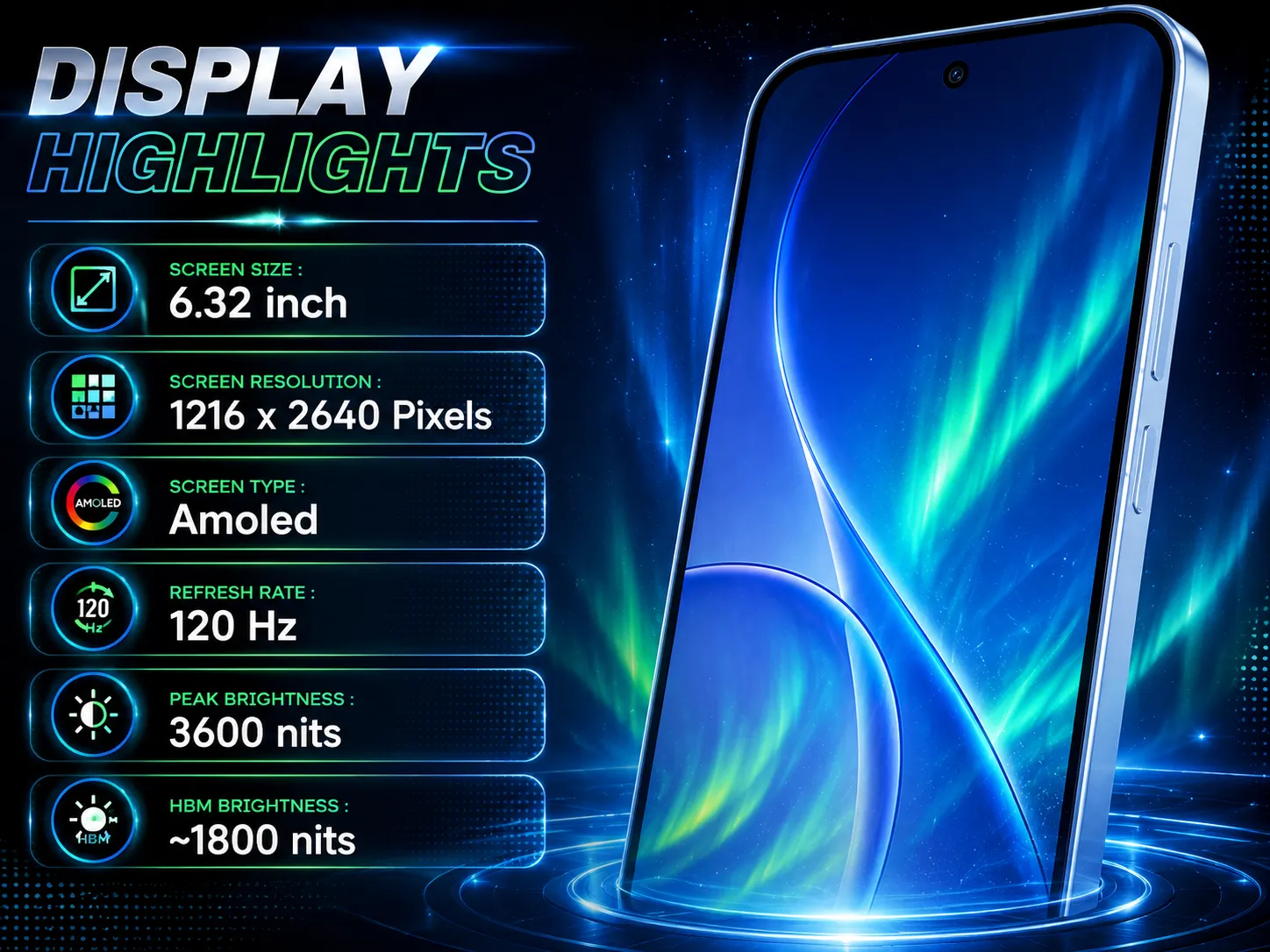
Screen Size
6.32 inch
Resolution
1216 x 2640 Pixels
Type
Amoled
Refresh Rate
120 Hz
Peak Brightness
3600 nits
HBM Brightness
~1800 nits
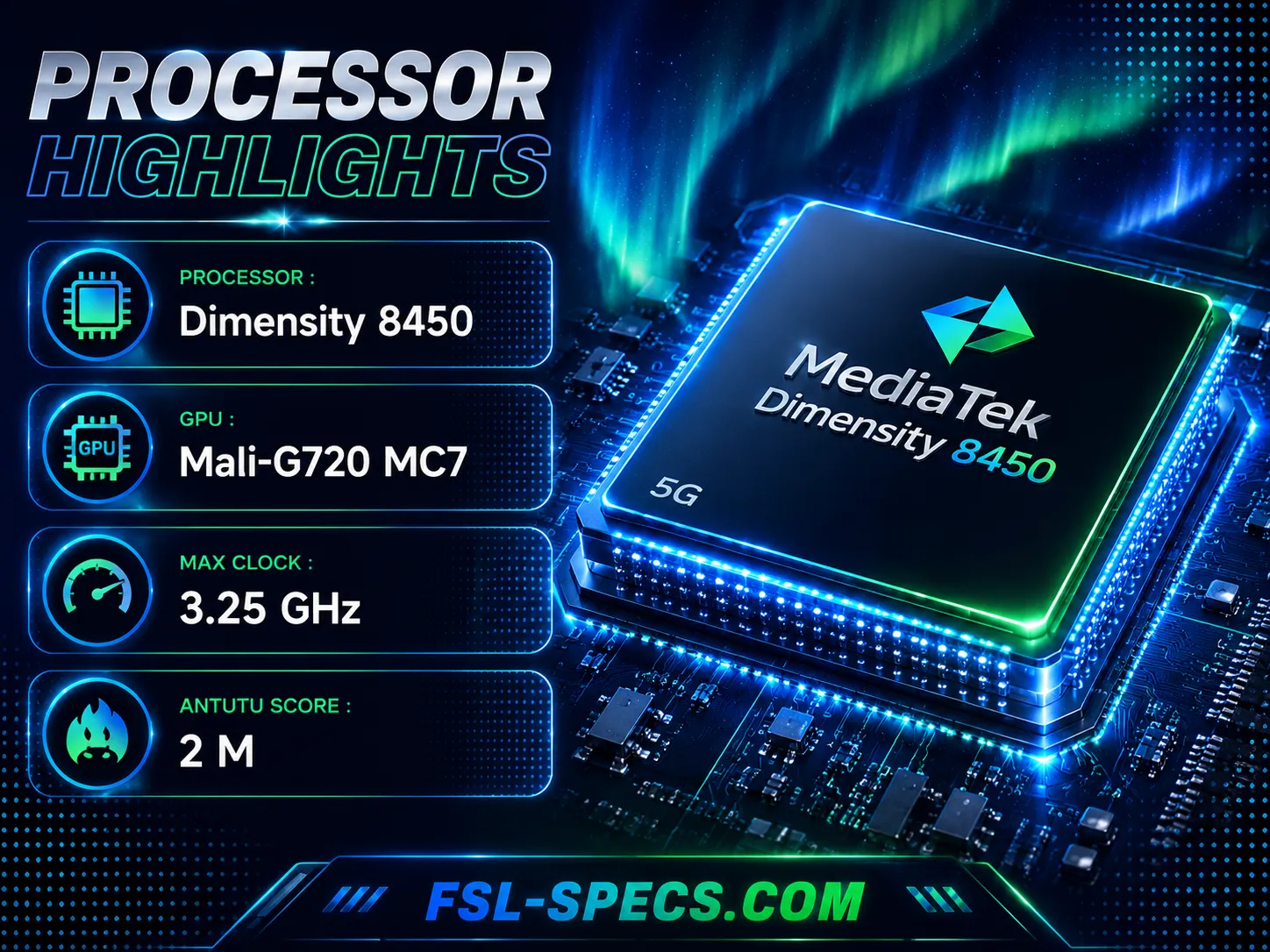
Processor
Dimensity 8450
Max Clock
3.25 GHz
Lithography
4 nm
GPU
Mali-G720 MC7
CPU Cores
8 Cores
Antutu v11
2 M
Antutu v10
-
Bootup Time
19 s
Architecture
1 x 3.25 GHz Cortex-A725
3 x 3.0 GHz Cortex-A725
4 x 2.1 GHz Cortex-A725
Ram Memory
12 + 512 GB
Ram Type
LPDDR5X
Storage Type
UFS 3.1
SD Card
No
Variants
12 + 256 GB
12 + 512 GB
MP
Rear Camera
200 + 50 + 50 MP
Front Camera
50 MP
SENSORS
Camera Sensors
Front Sensors
RECORDING FPS
Main Recording
4K @ 30/60 fps
1080p @ 30/60/120/480 fps
Front Recording
4K @ 30/60 fps
1080p @ 30/60 fps
RESOLUTION
Main Resolution
16320 × 12240 pixels
Front Resolution
8192 x 6144 Pixels
ZOOM
Optical Zoom
3.5 x
D Digital Zoom
18 x
FLASH
Flash
Yes
Front Flash
Screen Flash
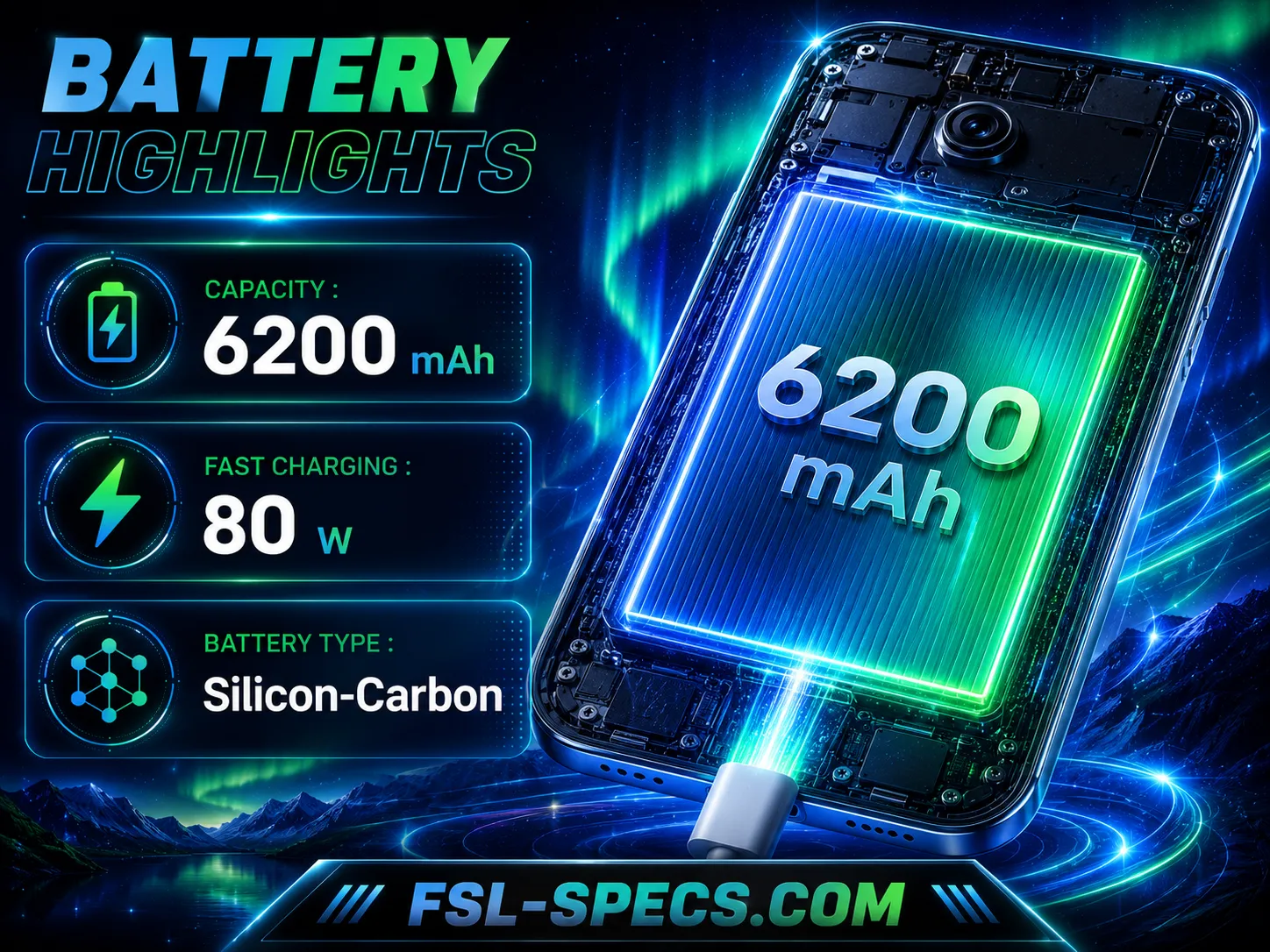
Capacity
6200 mAh
Fast Charging
80 W
Wireless Charging
No
Li Battery Type
Silicon-Carbon
REVERSE
Reverse Wired
Yes
Reverse Wireless
No
OTHER
Battery PC Marks
10h 30m
Charging Time
60-70 m (0% To 100%)
AUDIO & SENSORS
Speaker
Dual Stereo Speaker
Fingerprint Sensor
Hyper Sonic Front Finger
Other Sensors
Accelerometer
Gyroscope
Proximity
Compass
Hall sensor
RGB/color spectrum sensor
Special Features

Color spectrum sensor (main camera)
Vapor chamber cooling system
Reverse wired charging
IP68/IP69 dust and water resistance
TÜV Rheinland Flicker-Free & Eye Comfort certification, TÜV Low Blue Light
SGS-certified display
DC Dimming
960fps slow-motion video

BASIC INFO
Mobile
Oppo Reno 15 Pro
Model
CPH2813
Series
Oppo Reno Series
Category
Flagship
Release Date
2 January,2026
Year
2026
CONNECTIVITY
Sim
Nano-SIM / E-Sim
Network
4G / 4G+ / 5G
WiFi
WiFi 7
Bluetooth
5.4
NFC
Yes
OS
Android 17 Now
BODY
Dimensions
151.2 x 72.4 x 8 mm
Build
Frame Aluminum And Glass Back
KG Weight
187 g
Screen Size
6.32 inch
Resolution
1216 x 2640 Pixels
Type
Amoled
Refresh Rate
120 Hz
Peak Brightness
3600 nits
HBM Brightness
~1800 nits
Processor
Dimensity 8450
Max Clock
3.25 GHz
Lithography
4 nm
GPU
Mali-G720 MC7
CPU Cores
8 Cores
Antutu v11
2 M
Antutu v10
-
Bootup Time
19 s
Architecture
1 x 3.25 GHz Cortex-A725
3 x 3.0 GHz Cortex-A725
4 x 2.1 GHz Cortex-A725
Ram Memory
12 + 512 GB
SD Card
No
Ram Type
LPDDR5X
Storage Type
UFS 3.1
Variants
12 + 256 GB
12 + 512 GB
MP
Rear Camera
200 + 50 + 50 MP
Front Camera
50 MP
SENSORS
Main Camera Sensors
Front Camera Sensors
RECORDING FPS
Main Recording
4K @ 30/60 fps
1080p @ 30/60/120/480 fps
Front Recording
4K @ 30/60 fps
1080p @ 30/60 fps
RESOLUTION
Main Resolution
16320 × 12240 pixels
Front Resolution
8192 x 6144 Pixels
ZOOM
Optical Zoom
3.5 x
D Digital Zoom
18 x
FLASH
Flash
Yes
Front Flash
Screen Flash
Capacity
6200 mAh
Fast Charging
80 W
Wireless Charging
No
Li Battery Type
Silicon-Carbon
REVERSE
Reverse Wired
Yes
Reverse Wireless
No
OTHER
Battery Life PCMark
10h 30m
Charging Time
60-70 m (0% To 100%)
AUDIO & SENSORS
Speaker
Dual Stereo Speaker
Fingerprint Sensor
Hyper Sonic Front Finger
Other Sensors
Accelerometer
Gyroscope
Proximity
Compass
Hall sensor
RGB/color spectrum sensor
Special Features

Color spectrum sensor (main camera)
Vapor chamber cooling system
Reverse wired charging
IP68/IP69 dust and water resistance
TÜV Rheinland Flicker-Free & Eye Comfort certification, TÜV Low Blue Light
SGS-certified display
DC Dimming
960fps slow-motion video

Highlights & Review Of Oppo Reno 15 Pro

Display Review:

The Oppo Reno 15 Pro‘s 6.78-inch AMOLED display uses a sharp 1272 x 2772 pixel resolution with a 120Hz refresh rate, backed by 3600 nits peak brightness, and it’s priced at PKR 226,000 in the 12+512GB configuration.

The Xiaomi 17T (PKR 216,000) comes close on paper with its 6.59-inch AMOLED, 1268 x 2756 pixels, and 120Hz refresh rate, but tops out at 3500 nits peak, meaning the two look nearly identical on a spec sheet despite the Oppo Reno 15 Pro costing PKR 10,000 more.

The Vivo X300 FE (PKR 244,000) is a different story, its 6.31-inch LTPO AMOLED panel drops to a smaller screen size but pushes 5000 nits peak brightness with a full 1Hz to 120Hz adaptive refresh range, giving it noticeably better outdoor visibility and idle power efficiency than the Reno 15 Pro’s fixed 120Hz panel.

The Poco F7 Ultra (PKR 250,000) flips the comparison again with its 6.67-inch AMOLED at a sharper 1440 x 3200 pixel WQHD+ resolution, the highest pixel density of the group, though its 3200 nits peak brightness actually trails the Oppo Reno 15 Pro’s 3600 nits, meaning the sharper screen doesn’t necessarily read brighter under direct sun.

Verdict: The OPPO Reno 15 Pro holds its own against the Xiaomi 17T on brightness and resolution but loses ground to the Vivo X300 FE’s superior LTPO adaptive display, and buyers chasing maximum sharpness should look at the Poco F7 Ultra’s QHD+ panel instead.

Processor Review:

The Oppo Reno 15 Pro runs on the MediaTek Dimensity 8450 octa-core chipset paired with a Mali-G720 MC7 GPU, scoring 2,050,891 on AnTuTu v11, at PKR 226,000.

The Xiaomi 17T (PKR 216,000) uses the newer Dimensity 8500 Ultra with a Mali-G720 MC8 GPU, posting 2,407,614 on AnTuTu v11, roughly 17% higher than the Reno 15 Pro despite costing PKR 10,000 less, meaning the 17T pulls ahead on both multitasking headroom and price.

The Vivo X300 FE (PKR 244,000) jumps into a different performance class entirely with the Snapdragon 8 Gen 5 and Adreno 829 GPU, hitting 3,080,247 on AnTuTu v11, about 50% higher than the Oppo Reno 15 Pro, which reflects the real gap between the Oppo Reno 15 Pro’s upper-midrange Dimensity chip and a true current-gen flagship platform.

The Poco F7 Ultra (PKR 250,000) runs the Snapdragon 8 Elite and scored 2,843,461, though that figure is on AnTuTu v10 rather than v11, so it isn’t a perfectly apples-to-apples number against the other three; even so, the Snapdragon 8 Elite is a known flagship-tier chip and typically outperforms the Dimensity 8450 by a wide margin in sustained gaming loads.

Verdict: The Oppo Reno 15 Pro’s Dimensity 8450 is adequate for everyday use but is outclassed on raw performance by all three rivals, including the cheaper Xiaomi 17T, so buyers prioritizing gaming or heavy multitasking will get noticeably more chip for similar or less money with the Xiaomi 17T or Vivo X300 FE.

Ram & Memory Review:

The Oppo Reno 15 Pro pairs 12GB of LPDDR5X RAM with 512GB of UFS 3.1 storage in this configuration, priced at PKR 226,000, and has no microSD slot.

The Xiaomi 17T (PKR 216,000) matches the 12GB LPDDR5X RAM but jumps to UFS 4.1 storage at the same 512GB capacity, meaning app installs, large file transfers, and 4K video exports will be noticeably faster on the 17T despite it costing PKR 10,000 less, since UFS 4.1 offers roughly double the sequential read/write speeds of UFS 3.1.

The Vivo X300 FE (PKR 244,000) also runs 12GB LPDDR5X RAM with UFS 4.1 storage, but drops to 256GB in this configuration, half the Reno 15 Pro’s storage despite costing PKR 18,000 more, so buyers who shoot a lot of 200MP photos or 4K footage will fill it up faster.

The Poco F7 Ultra (PKR 250,000) leads on raw memory with 16GB of LPDDR5X RAM and 512GB of UFS 4.1 storage, giving it both more headroom for background apps and the faster storage standard, though it’s also the most expensive phone in this group. None of the four phones support microSD expansion, so the onboard storage figure is final in every case.

Verdict: The Reno 15 Pro’s UFS 3.1 storage is the clear weak point here, since even the cheaper Xiaomi 17T outpaces it on real-world read and write speeds, and buyers wanting the most RAM and fastest storage together should lean toward the Poco F7 Ultra instead.

Cameras Review:

The Oppo Reno 15 Pro‘s 200MP main camera runs f/1.8 with OIS, though the exact sensor model isn’t officially disclosed on Oppo’s own spec sheet, paired with a 50MP f/2.8 OIS telephoto (3.5x) and a 50MP f/2.0 autofocus ultrawide, plus a 50MP f/2.0 front camera; rear video tops out at 4K@60fps, but Oppo doesn’t specify a front camera video resolution.

The Xiaomi 17T (PKR 216,000) uses a confirmed 50MP OmniVision Light Fusion 800 sensor at f/1.7 with OIS, and its standout is a genuine 50MP f/3.0 periscope telephoto delivering 5x optical zoom, well beyond the Reno 15 Pro’s 3.5x, though its 13MP ultrawide and 32MP front camera are both fixed-focus and capped at 4K30.

The Vivo X300 FE (PKR 244,000) pairs a 50MP Sony IMX921 main sensor at f/1.6 with OIS and a 50MP Sony IMX882 3x telephoto, both verifiable hardware, but its 8MP ultrawide is the weakest of the four, with no autofocus and video capped at 1080p; its 50MP autofocus front camera shoots up to 4K60, the best selfie video spec here.

The Poco F7 Ultra (PKR 250,000) has a confirmed 50MP OmniVision Light Fusion 800 main sensor at f/1.6, but GSMArena’s testing found no OIS listed on that main lens, only PDAF; its 50MP f/2.0 telephoto does carry OIS at 2.5x zoom, while the 32MP ultrawide and 32MP front camera are both fixed-focus and limited to 1080p60, the lowest front video ceiling in this group.

Verdict: The Xiaomi 17T’s 5x optical telephoto gives it the strongest zoom hardware for the price, while the Reno 15 Pro’s undisclosed main sensor and unspecified front video spec make it the least transparent of the four on paper.

Battery Review:

The Oppo Reno 15 Pro packs a 6500mAh battery with 80W wired SuperVOOC and 50W wireless AIRVOOC charging, though Oppo hasn’t published an official 0-100% charge time for this specific 6.78-inch variant.

The Xiaomi 17T (PKR 216,000) matches the same 6500mAh capacity but charges slower at 67W wired with no wireless option, taking a confirmed 60 minutes for a full charge in GSMArena’s lab tests, and it does add 22.5W reverse wired charging which the Reno 15 Pro doesn’t list.

The Vivo X300 FE (PKR 244,000) also runs a 6500mAh cell, but its 90W wired and 40W wireless charging combination gets it to full in just 55 minutes, faster than both the Reno 15 Pro and the Xiaomi 17T despite carrying the same battery size, and it adds both reverse wired and reverse wireless charging.

The Poco F7 Ultra (PKR 250,000) trades battery capacity for raw charging speed, its smaller 5300mAh battery paired with 120W wired and 50W wireless charging hits full charge in just 30 minutes, nearly twice as fast as the Vivo X300 FE and by far the quickest in this group, meaning it sacrifices roughly 1200mAh of capacity for a dramatically shorter time tethered to a charger.

Verdict: The Reno 15 Pro’s 80W charging is the slowest confirmed spec on paper against the Xiaomi 17T’s tested 60-minute full charge, and buyers who prioritize charging speed over raw capacity should look at the Poco F7 Ultra, while those who want the biggest battery with fast wired and wireless charging together are better served by the Vivo X300 FE.

Final Verdict :

Across all five categories, no single phone dominates, but the Vivo X300 FE comes out ahead most consistently. Its LTPO AMOLED display and Snapdragon 8 Gen 5 chipset outperform the other three, and its 50MP Sony main and telephoto cameras are the most verifiably capable hardware in this group, backed by a 6500mAh battery that charges faster than both the Reno 15 Pro and the Xiaomi 17T. Its weak points are real, though: an 8MP ultrawide with no autofocus, only 256GB storage despite the highest price among the rivals at PKR 244,000, and no clear RAM/storage advantage over the cheaper Xiaomi 17T.

The Oppo Reno 15 Pro trails in this comparison, losing to the Xiaomi 17T on chipset, storage speed, and price, and to the Vivo X300 FE on display and camera hardware, without a standout advantage of its own to offset the PKR 226,000 asking price.

Bottom line: If money is no object, the Vivo X300 FE is the strongest all-rounder here, but the Xiaomi 17T is the smarter buy for most people since it undercuts the Oppo Reno 15 Pro on price while beating it almost everywhere.

Pros And Cons of Oppo Reno 15 Pro

Pros of Mobile

✅ 200MP main camera 📸
✅ Triple 50MP+ lenses 🔭
✅ 80W fast charging ⚡
✅ 50W wireless charging 🔋
✅ IP66/68/69 rating 💧
✅ 12GB/512GB config 💾

Cons of Mobile

❌ No headphone jack 🎧
❌ Mid-range chipset 🐢
❌ Small 6.32″ screen 📱
❌ No RAW mode 🚫📷
❌ Reinforced (not Gorilla) glass 🛡️

Best For - Not Best For

Best For

🎯 Mobile photographers 📷
🎯 Social media creators 🎥
🎯 Compact phone lovers 📱
🎯 Fast-charging fans ⚡
🎯 Water-resistance seekers 💧

Not Best For

🚫 Heavy gamers 🎮
🚫 Pro camera editors 🖥️
🚫 Large-screen users 📺
🚫 Wired-audio purists 🎧
🚫 Flagship chip seekers 🚀

Trailer And Unboxing of Oppo Reno 15 Pro

Disassembly Or Teardown And Gaming Test of Oppo Reno 15 Pro

Camera Test Oppo Reno 15 Pro

Poco F7 Ultra
Vivo X300 FE
Xiaomi 17T

Picture of Faisal Ur Rehman

Faisal Ur Rehman

Faisal Rehman is the founder and editor of FSL Specs, where he publishes in-depth smartphone specifications, comparisons, buying guides, and technology insights. With extensive experience in mobile hardware research and technical analysis, he provides accurate and up-to-date information on Android smartphones, processors, displays, cameras, batteries, performance benchmarks, and software features. His goal is to simplify complex specifications and help readers choose the right device with confidence.

OPPO Series Row

FAQs Questions

It sports a 6.78" LTPO AMOLED display with 1.5K resolution and a smooth 120Hz refresh rate. Peak brightness goes up to 3600 nits, so outdoor visibility is genuinely impressive for this segment.

It's powered by the MediaTek Dimensity 8450, which handles daily multitasking, social apps, and even heavier games smoothly without much heat buildup. It's not a flagship-tier gaming chip, but for everyday use and casual-to-mid gaming, it's more than capable.

The triple rear setup leads with a 200MP main sensor (OIS-assisted), paired with a 50MP periscope telephoto offering 3.5x optical zoom and a 50MP ultrawide. The 50MP selfie camera with autofocus rounds it out nicely for both photos and vlogging.

The 6500mAh battery is built for a full day of heavy use, easily lasting into a second day for lighter users. It supports 80W SUPERVOOC wired charging, getting you topped up fast — though there's no wireless charging on this one.

It covers 5G, NFC, and eSIM without issue, but it sticks with Wi-Fi 6 rather than Wi-Fi 7, and skips wireless charging entirely.

Yes, it carries IP69 protection along with Corning Gorilla Glass 7i, so it handles dust, splashes, and even high-pressure water pretty confidently for a mid-premium phone.

It comes mainly in 12GB/256GB and 12GB/512GB configurations, with some regional variants (like China) offering up to 16GB RAM and 1TB storage.

It supports 4K recording at 30/60fps on both rear and front cameras, but there's no 8K support here — that's reserved for Oppo's Ultra-tier flagships.

12 + 256 GB
 | ~₹63,000 | ~$720 | 223,000 PKR


12 + 512 GB
| ~₹73,000 | ~$ 790 | ~210,000 PKR


Leave a Reply

Your email address will not be published. Required fields are marked *

Scroll to Top