
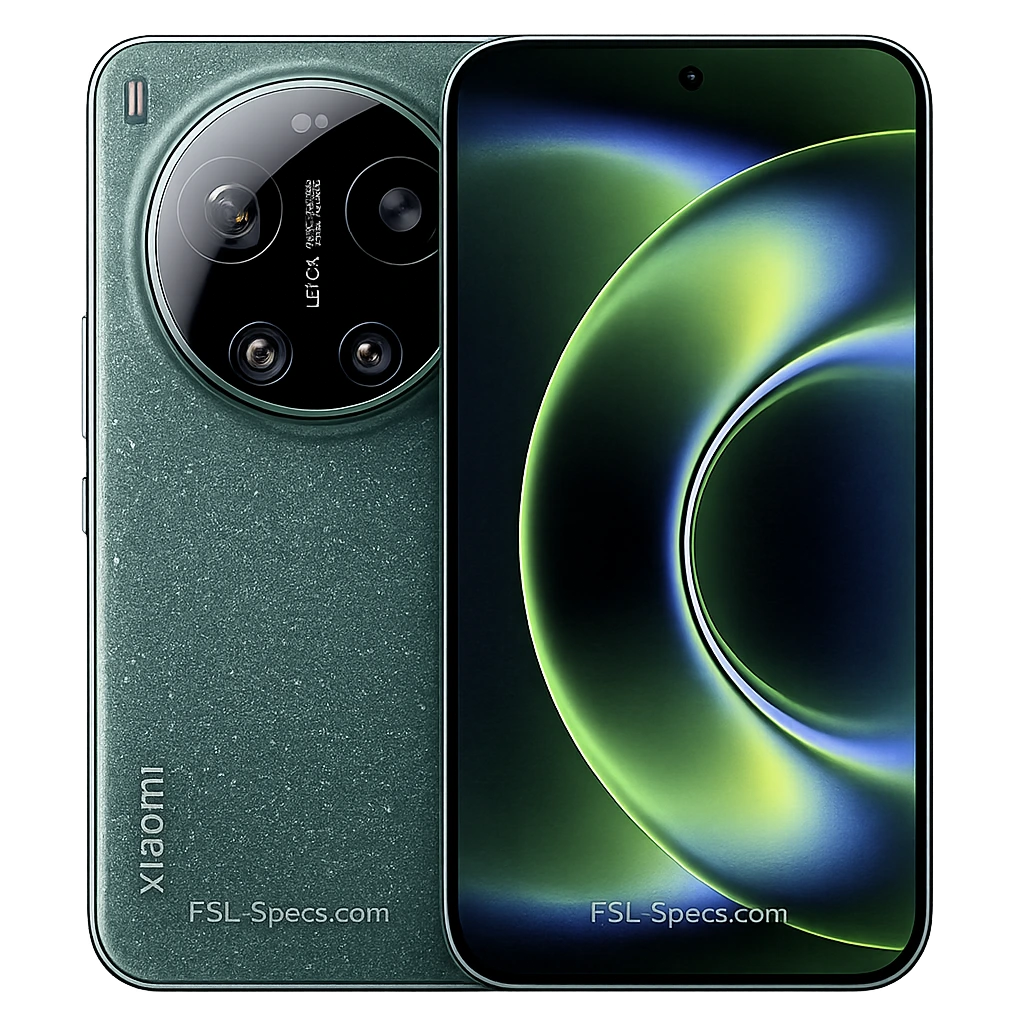









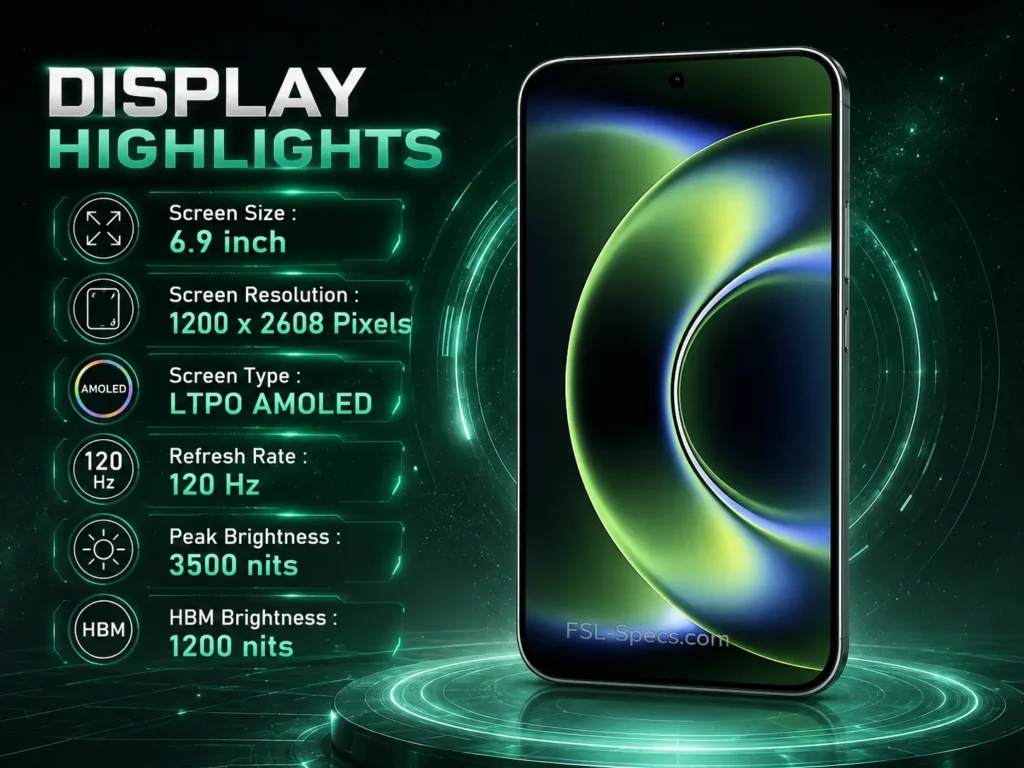

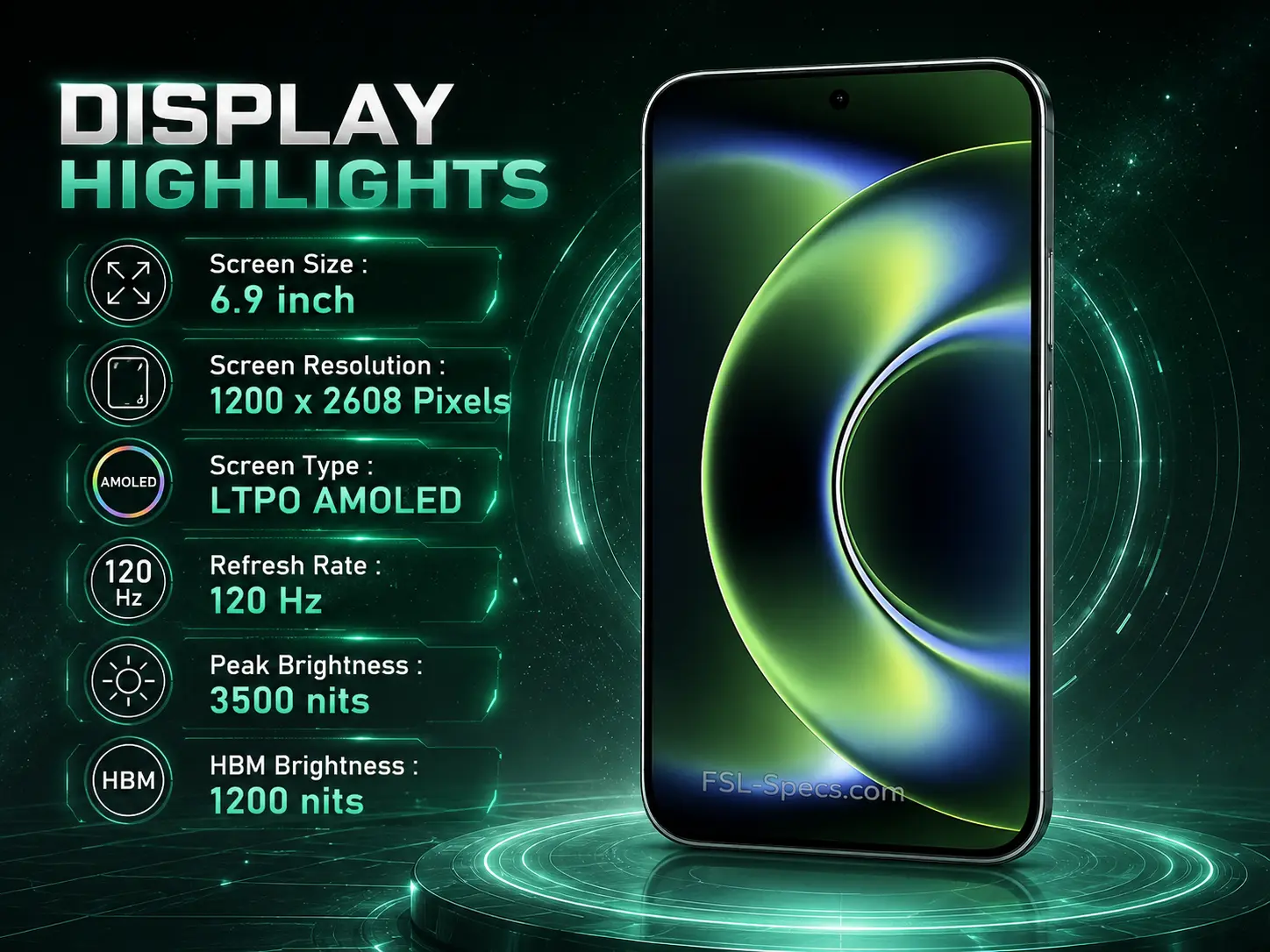
The Xiaomi 17 Ultra 16GB + 512GB, priced around PKR 450,000, uses a 6.9-inch Xiaomi HyperRGB OLED display with 2608 × 1200 resolution, adaptive 1–120Hz refresh rate, 12-bit color depth and 3500-nit multi-scenario peak brightness. It also supports Dolby Vision, HDR10+, DCI-P3 and up to 300Hz touch sampling. The 17 Ultra’s biggest display advantage is brightness, with its 3500 nits rating giving it stronger outdoor and HDR performance than both rivals.
The Samsung Galaxy S26 Ultra 12GB + 512GB, also around PKR 450,000, uses a larger 6.9-inch Dynamic AMOLED 2X panel with 3120 × 1440 QHD+ resolution and adaptive 1–120Hz refresh rate. Samsung specifies up to 2600 nits brightness. Therefore, the Samsung has a significantly higher pixel resolution than the Xiaomi 17 Ultra, 3120 × 1440 versus 2608 × 1200, which gives it a sharper image on paper, while Xiaomi counters with higher peak brightness, 3500 nits versus 2600 nits. Samsung also adds its new Privacy Display technology.
The Xiaomi 15 Ultra 16GB + 512GB, at approximately PKR 383,000, actually has the highest resolution of the three, using a 6.73-inch WQHD+ AMOLED panel at 3200 × 1440, with 1–120Hz LTPO refresh rate and 3200-nit peak brightness. Its smaller size combined with the higher resolution gives it excellent pixel density, while its brightness remains only 300 nits below the newer Xiaomi 17 Ultra.
Verdict: The Samsung Galaxy S26 Ultra wins for resolution and sharpness, while the Xiaomi 17 Ultra wins for peak brightness. The older Xiaomi 15 Ultra remains surprisingly competitive with its WQHD+ 3200 × 1440 panel. Overall, the Galaxy S26 Ultra gets the display edge for users who prioritize maximum sharpness, while the 17 Ultra is stronger for outdoor brightness.