
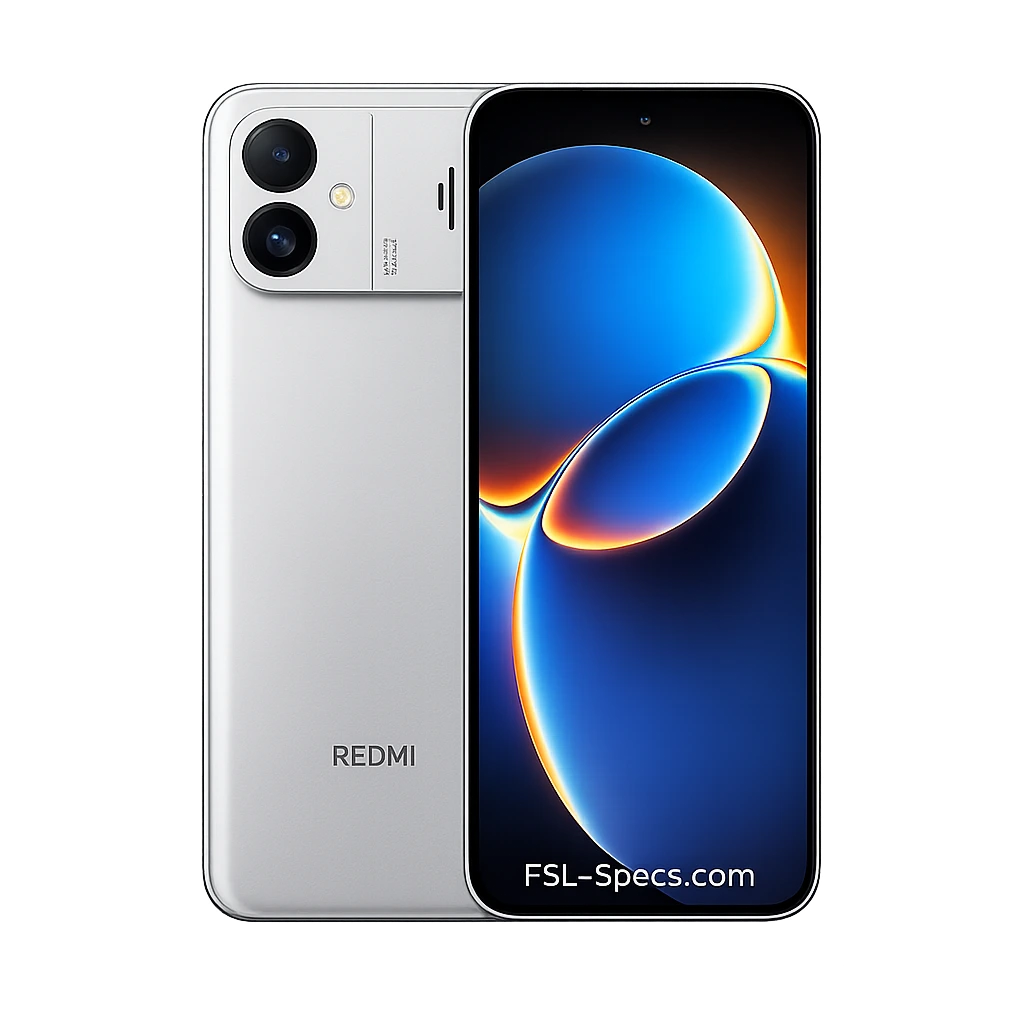


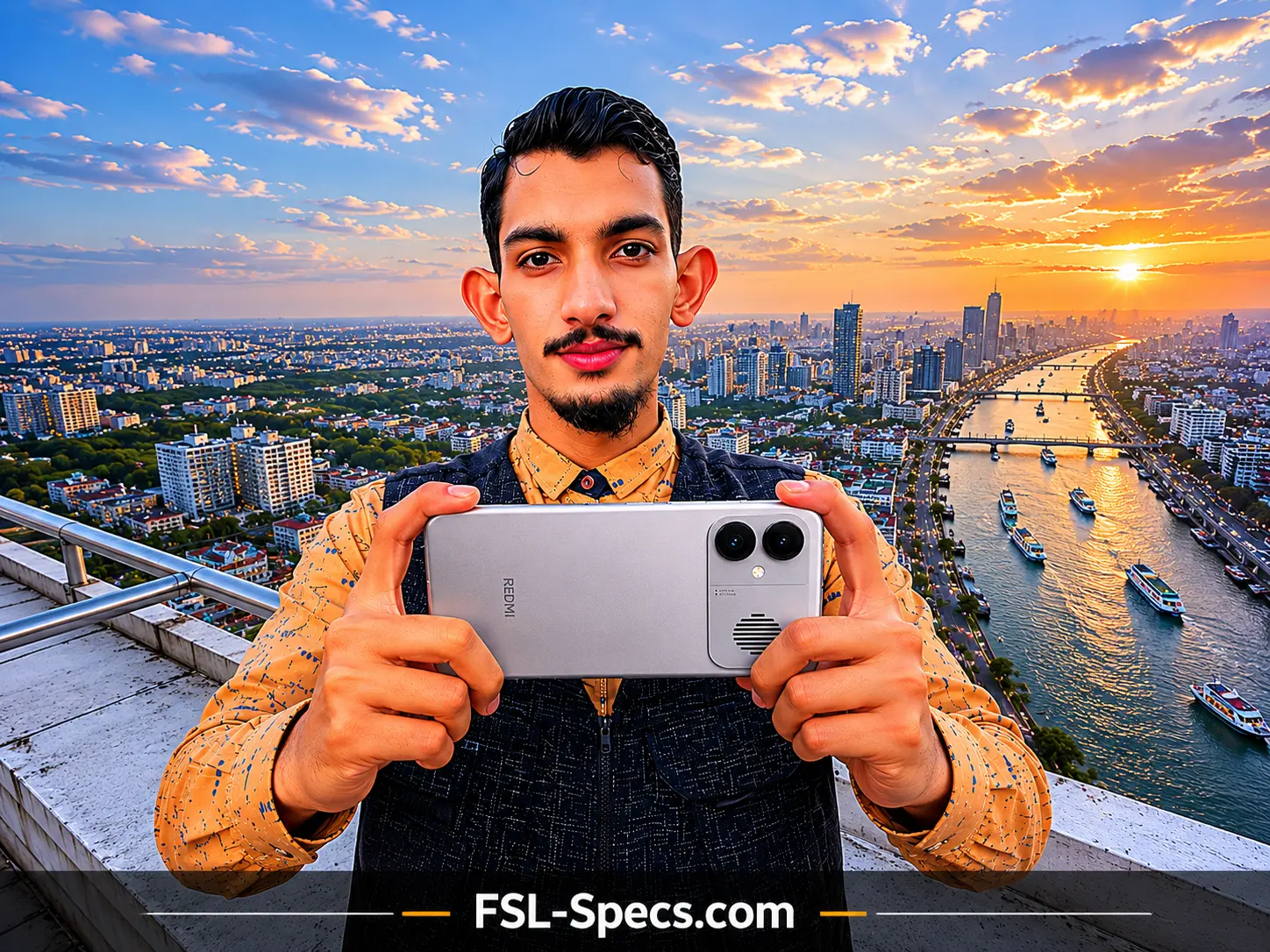
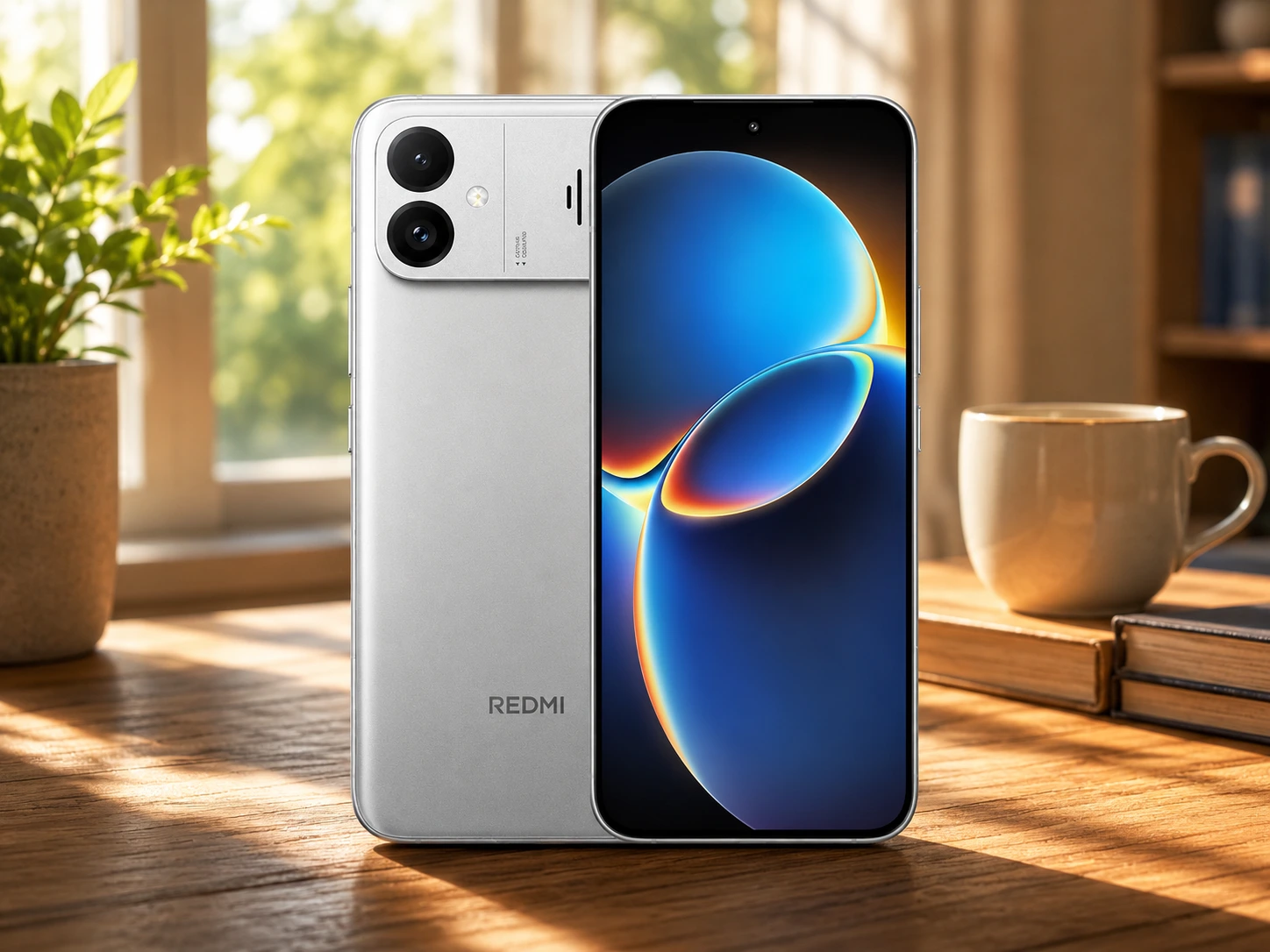
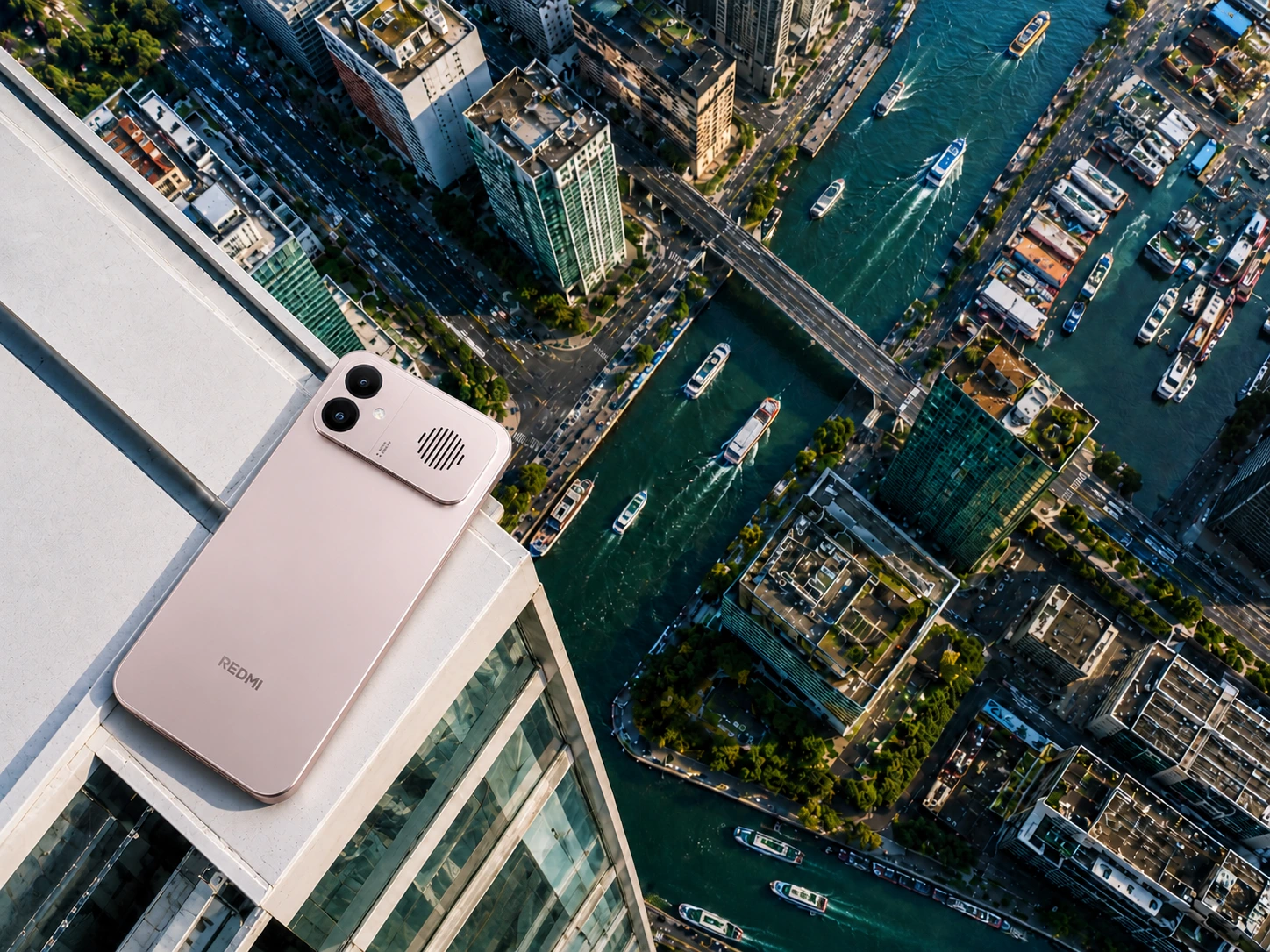
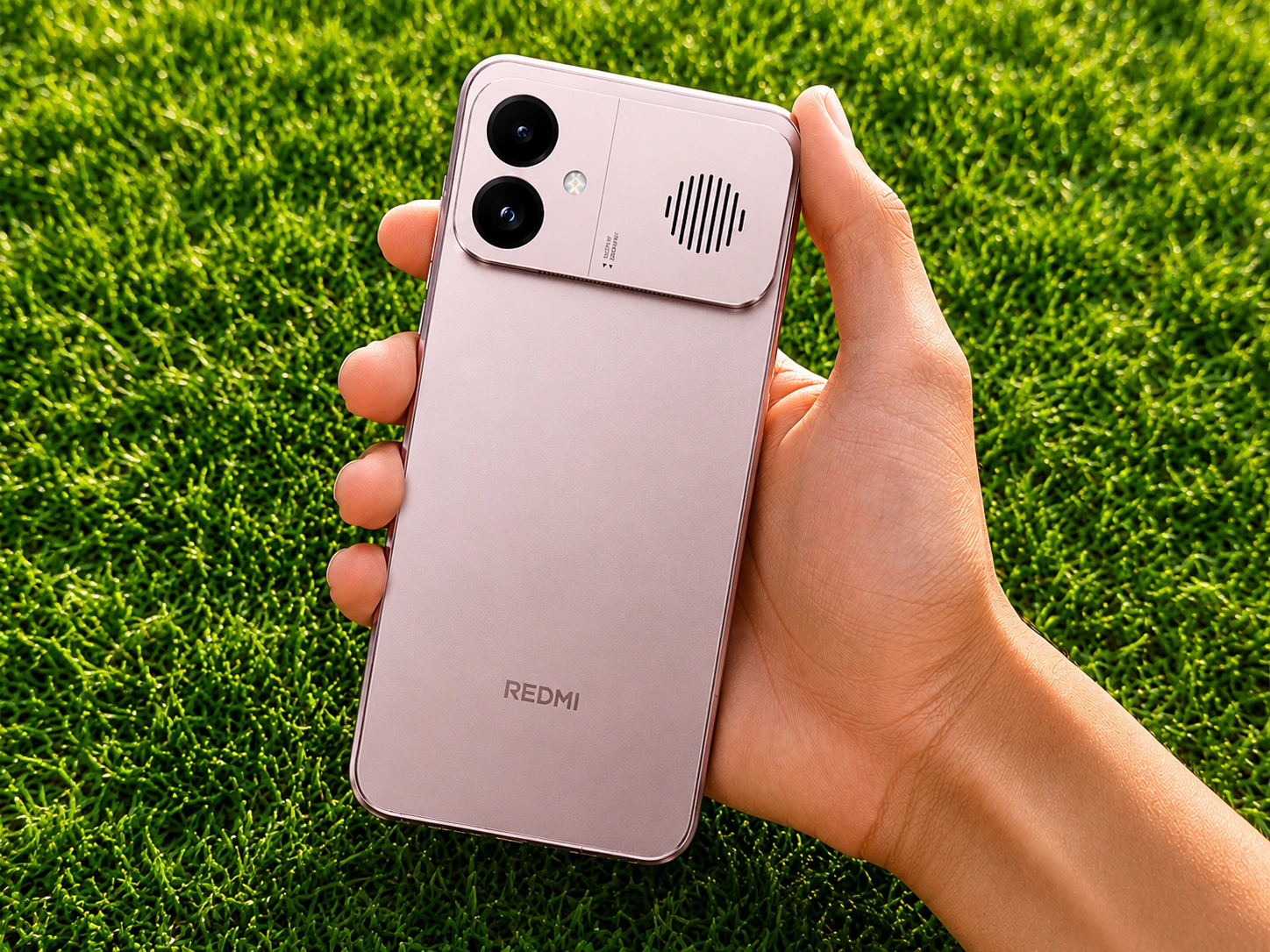





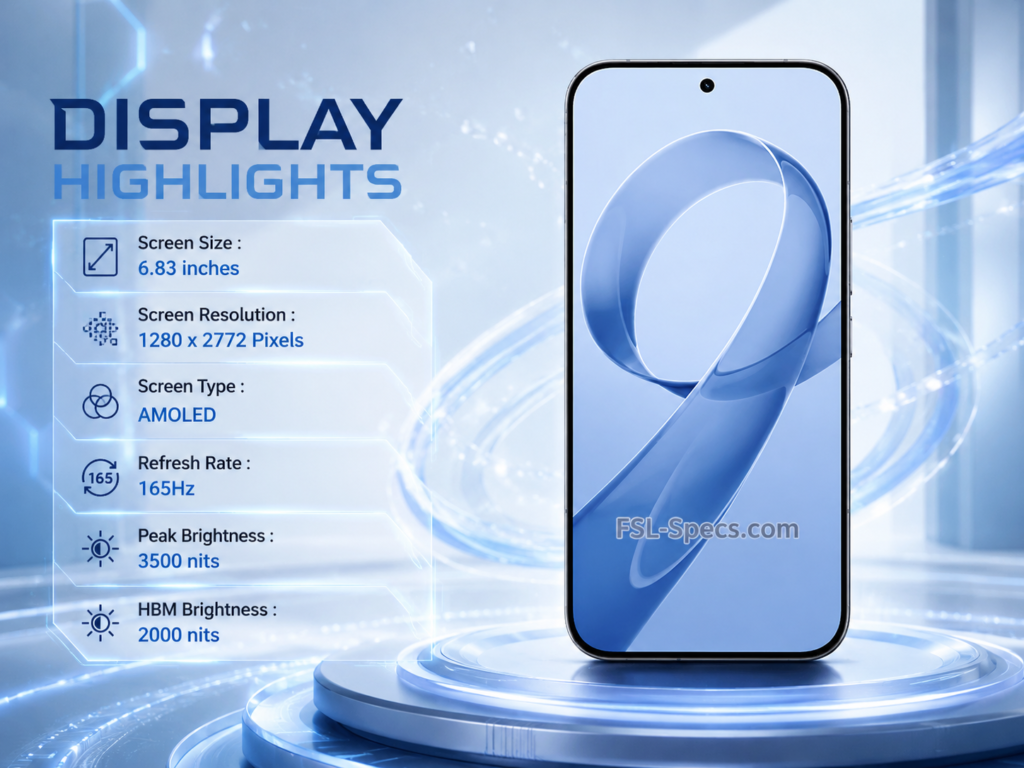
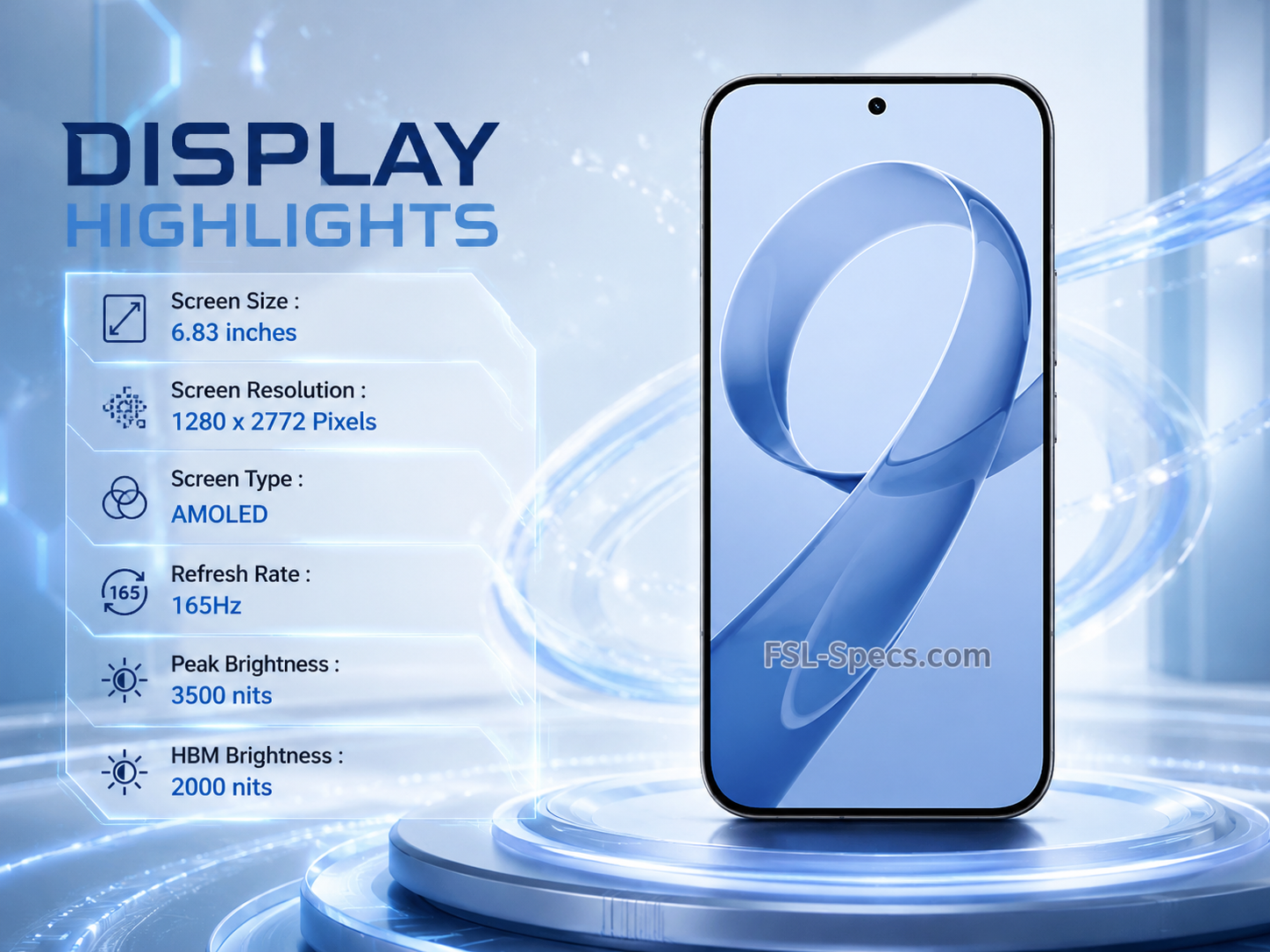
The Redmi K80 Max 12GB + 512GB variant is the strongest display pick in this comparison if its listed 6.83-inch AMOLED, 165Hz refresh rate and 3,500-nit peak brightness specifications are the intended model data, but I could not verify a reliable public listing for a phone specifically named “Redmi K80 Max.” Current indexed sources instead identify the Redmi K90 Max with those display specifications
Against it, the vivo X200 FE uses a smaller 6.31-inch LTPO AMOLED panel with 1216 × 2640 resolution, 120Hz refresh rate and up to 5,000 nits peak brightness. Its LTPO technology gives it an advantage for adaptive refresh-rate efficiency, while the smaller size makes it more compact. However, the Redmi’s 165Hz refresh rate is higher, and its larger display provides more screen area for gaming and media
The Xiaomi 17T sits between the two in size with a 6.59-inch AMOLED display, 1268 × 2756 resolution, 120Hz refresh rate and 3,500-nit peak brightness. It also supports Dolby Vision and HDR10+, giving it a strong multimedia specification set, but the Redmi’s 165Hz panel has the higher refresh-rate ceiling
The Samsung Galaxy S26 FE takes a different approach with a 6.7-inch Dynamic AMOLED 2X panel, 1080 × 2340 resolution, 120Hz refresh rate and 1,900-nit HBM brightness. Its resolution is substantially lower than the Redmi and Xiaomi 17T, at around 385 ppi, although Samsung’s panel remains well suited to everyday viewing and HDR content.
Verdict: If the target device is indeed the Redmi K80 Max with the listed 6.83-inch 165Hz AMOLED configuration, it leads this group for refresh rate and overall display specification depth, while the vivo X200 FE has the strongest advertised peak-brightness figure and the Xiaomi 17T offers the best middle ground; the exact Redmi model name should be verified before publishing.