
IQOO 13 vs Poco F8 Pro
Why Consider Each
An overview of the main advantages of each phone
Reasons to consider the IQOO 13
- 60% higher Front Camera (32 MP vs 20 MP)
- 33% more RAM Memory (16 + 512 GB vs 12 + 512 GB)
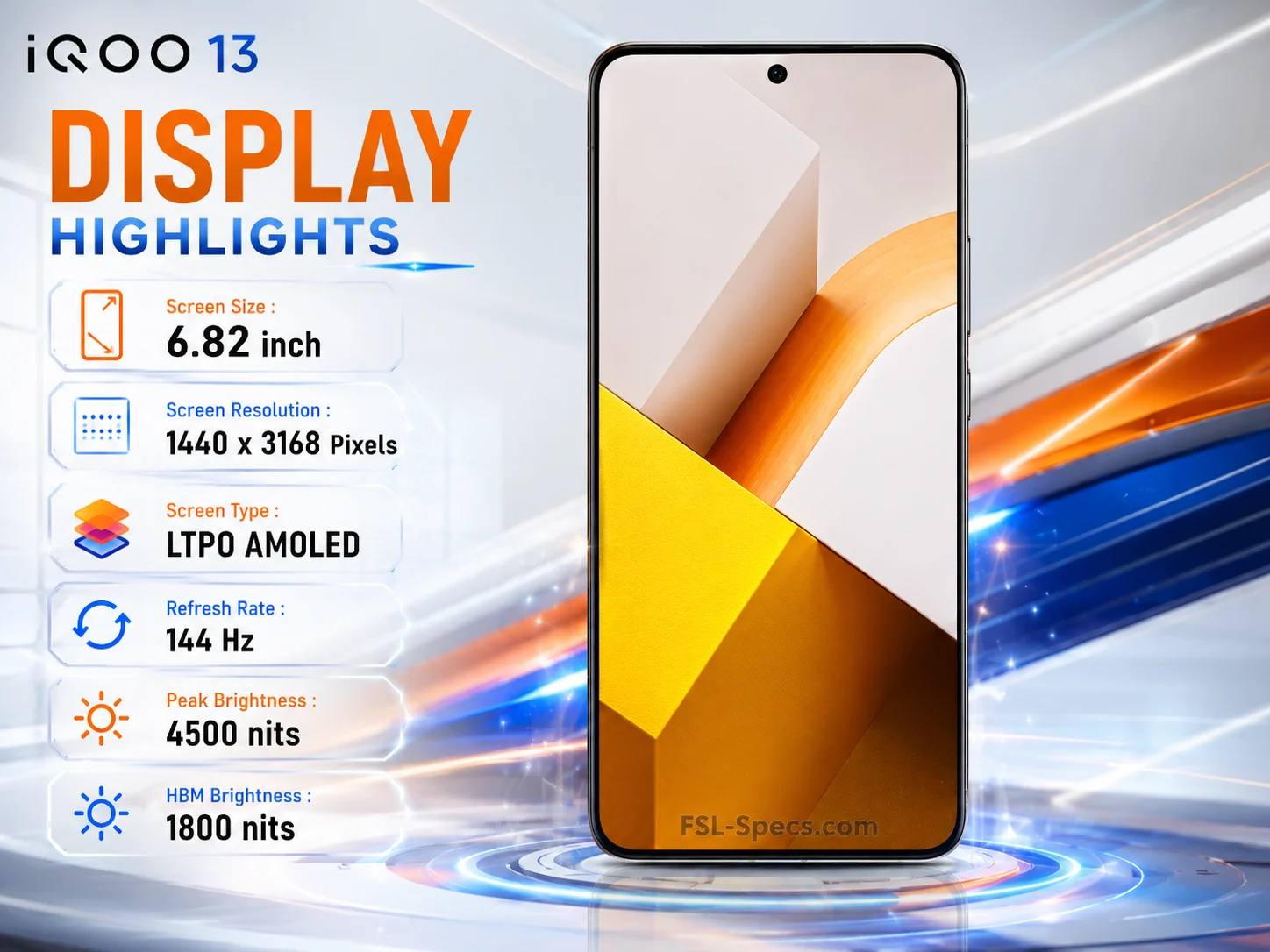
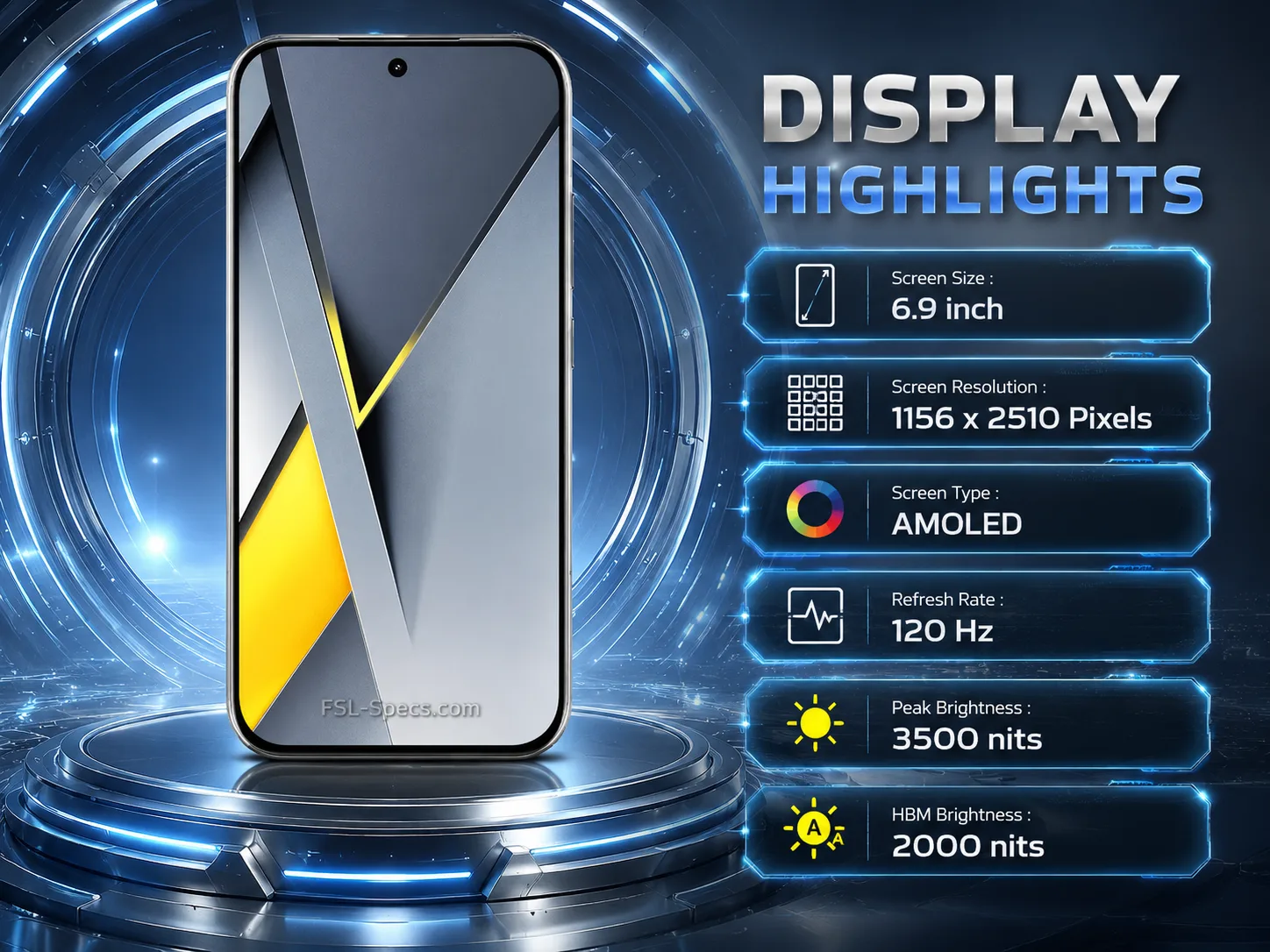
- 29% higher Peak Brightness (4500 nits vs 3500 nits)
- 25% higher Screen Resolution (1440 x 3168 Pixels vs 1156 x 2510 Pixels)
- 20% higher Refresh Rate (144 Hz vs 120 Hz)
- 20% higher Charging Watts (120 W vs 100 W)
- Better Screen Type: LTPO AMOLED vs AMOLED
- Higher Front Recording: 4K @30/60fps 1080p @30/60fps vs 1080p @ 60 fps
- Includes Reverse Charging
Reasons to consider the Poco F8 Pro
- 50% higher Digital Zoom (30 x vs 20 x)
- 11% higher HBM Brightness (2000 nits vs 1800 nits)
- Better Processor: Snapdragon 8 Elite Gen 5 vs Snapdragon 8 Elite
- Zoom: 5 x
- Includes Wireless Charging
- Includes Reverse Wireless
| Specification | ||
|---|---|---|
| General Information | ||
| Product Name | IQOO 13 | Poco F8 Pro |
| Brand | IQOO | Poco |
| Official Brand Link | Visit | Visit |
| Mobile Image |
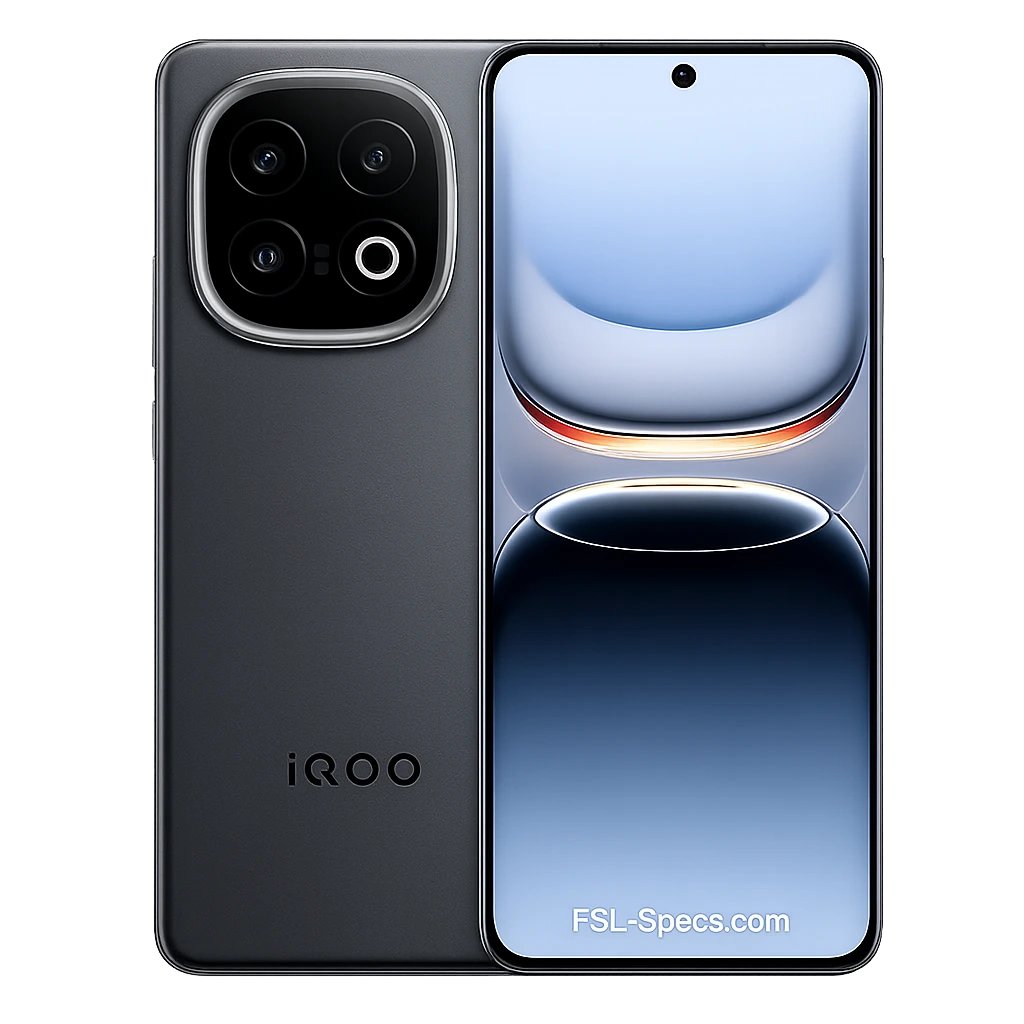 |
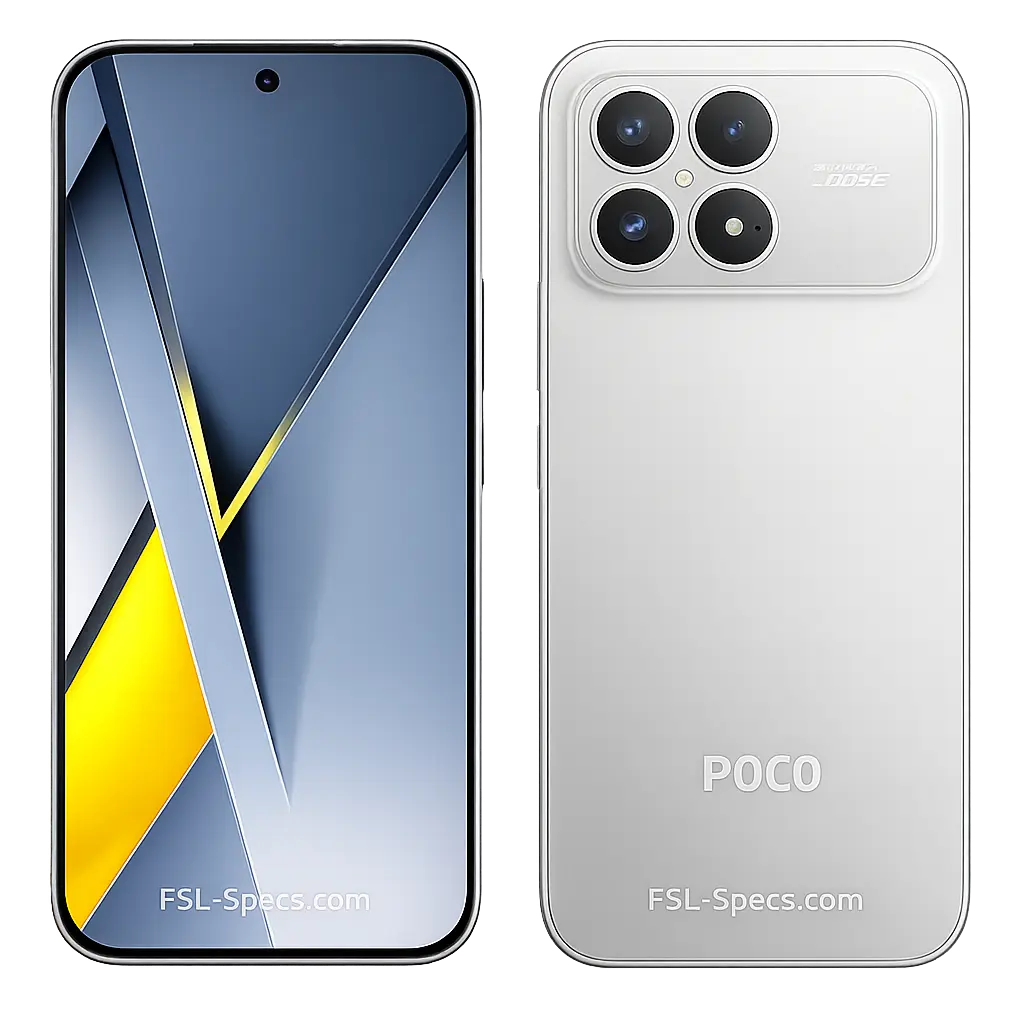 |
| Price | 220000🚫 PKR | 215000 🚫 PKR |
| Price India | ₹60000 | ₹53000 |
| Price USA | $620 | $550 |
| Variants Prices | 12 + 256 GB 16 + 256 GB 16 + 512 GB 16 + 1 TB | 12 + 512 GB |
| Display | ||
| Phone Dimensions | 163.4 x 76.7 x 8 mm | 157.5 x 75.2 x 8.0 mm |
| Screen Size | 6.82 inch | 6.9 inch |
| Screen Resolution | 1440 x 3168 Pixels | 1156 x 2510 Pixels |
| Refresh Rate | 144 Hz | 120 Hz |
| Screen Type | LTPO AMOLED | AMOLED |
| Peak Brightness | 4500 nits | 3500 nits |
| HBM Brightness | 1800 nits | 2000 nits |
| Performance | ||
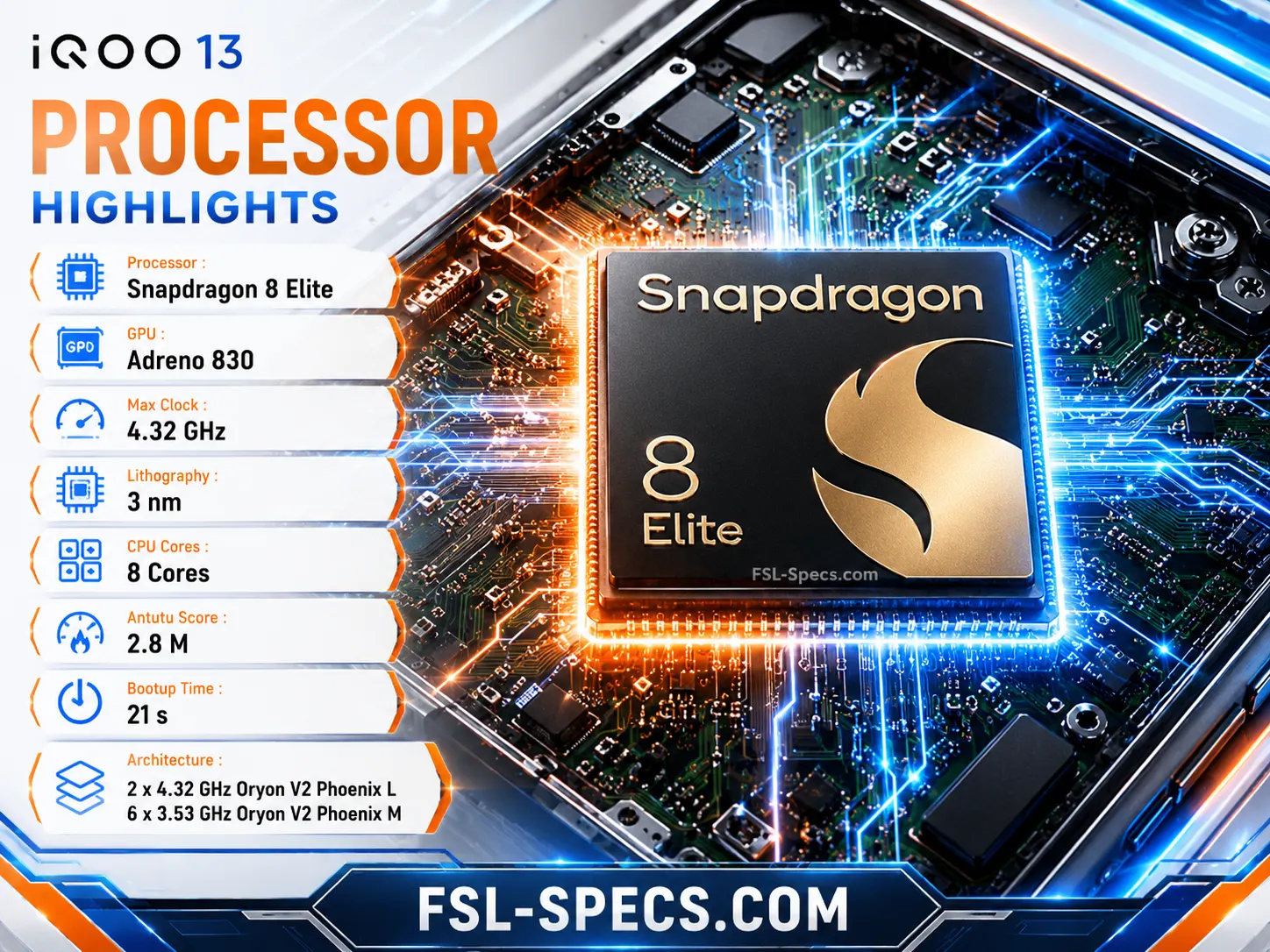
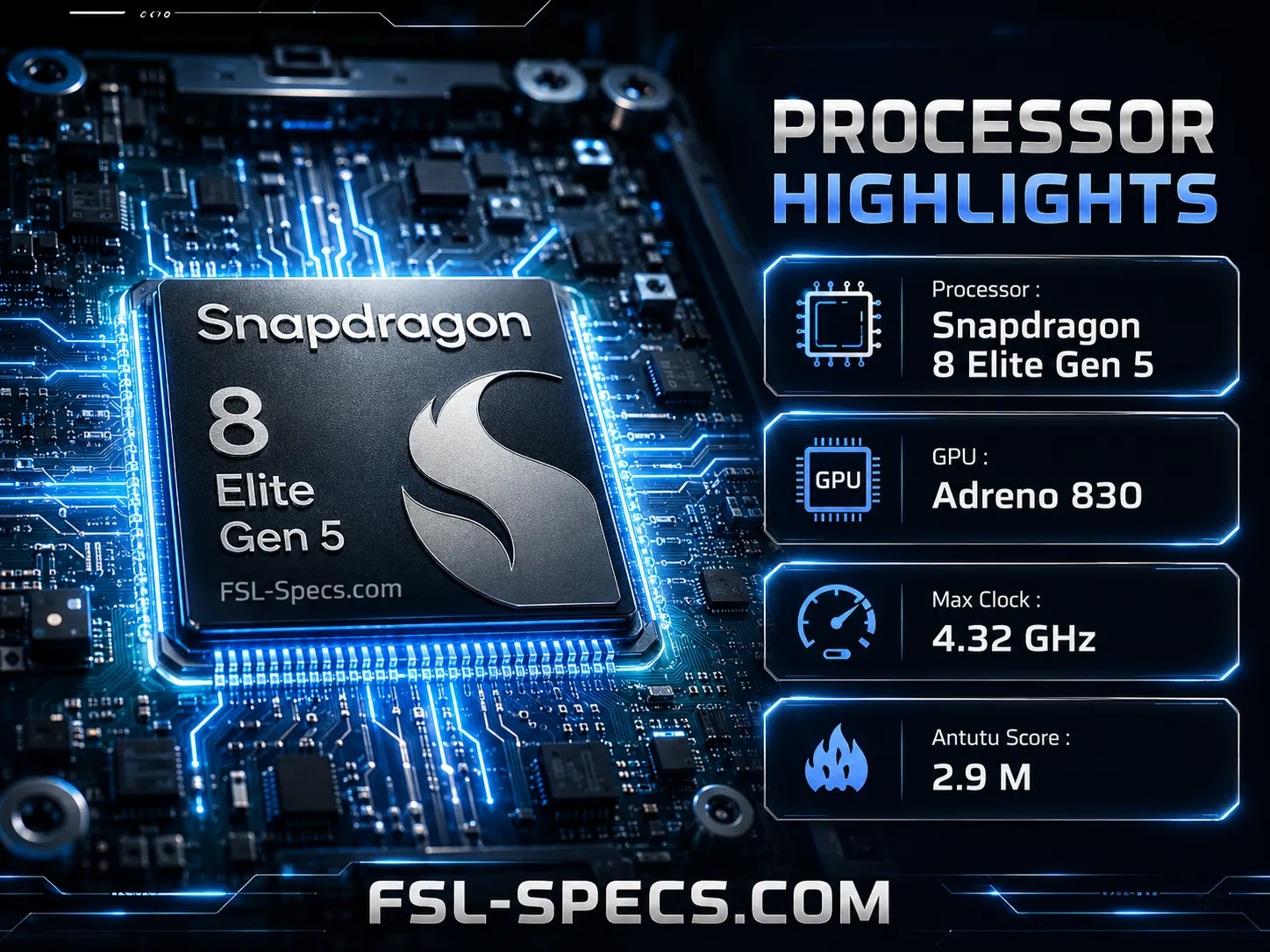
| Processor | Snapdragon 8 Elite | Snapdragon 8 Elite Gen 5 |
| Lithography Process | 3 nm | 3 nm |
| Max Clock | 4.32 GHz | 4.32 GHz |
| CPU Cores | 8 Cores | Octa-core |
| Architecture | 2 x 4.32 GHz Oryon V2 Phoenix L | 2 x 4.32 GHz Oryon V2 Phoenix L |
| GPU | Adreno 830 | Adreno 830 |
| AnTuTu Benchmark | 2.8 M | 2.9 M |
| Bootup Time | 21 s | - |
| Memory | ||
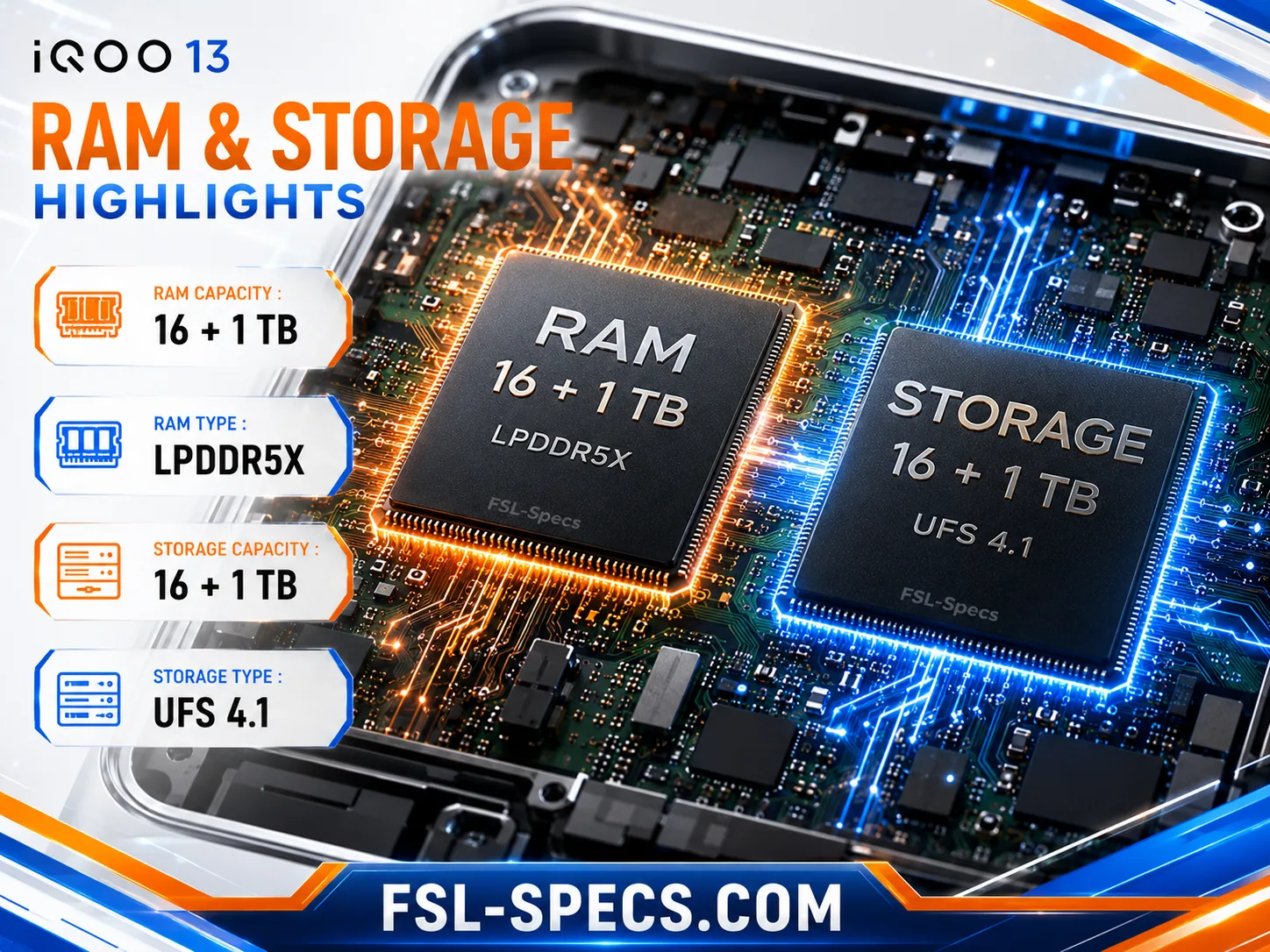
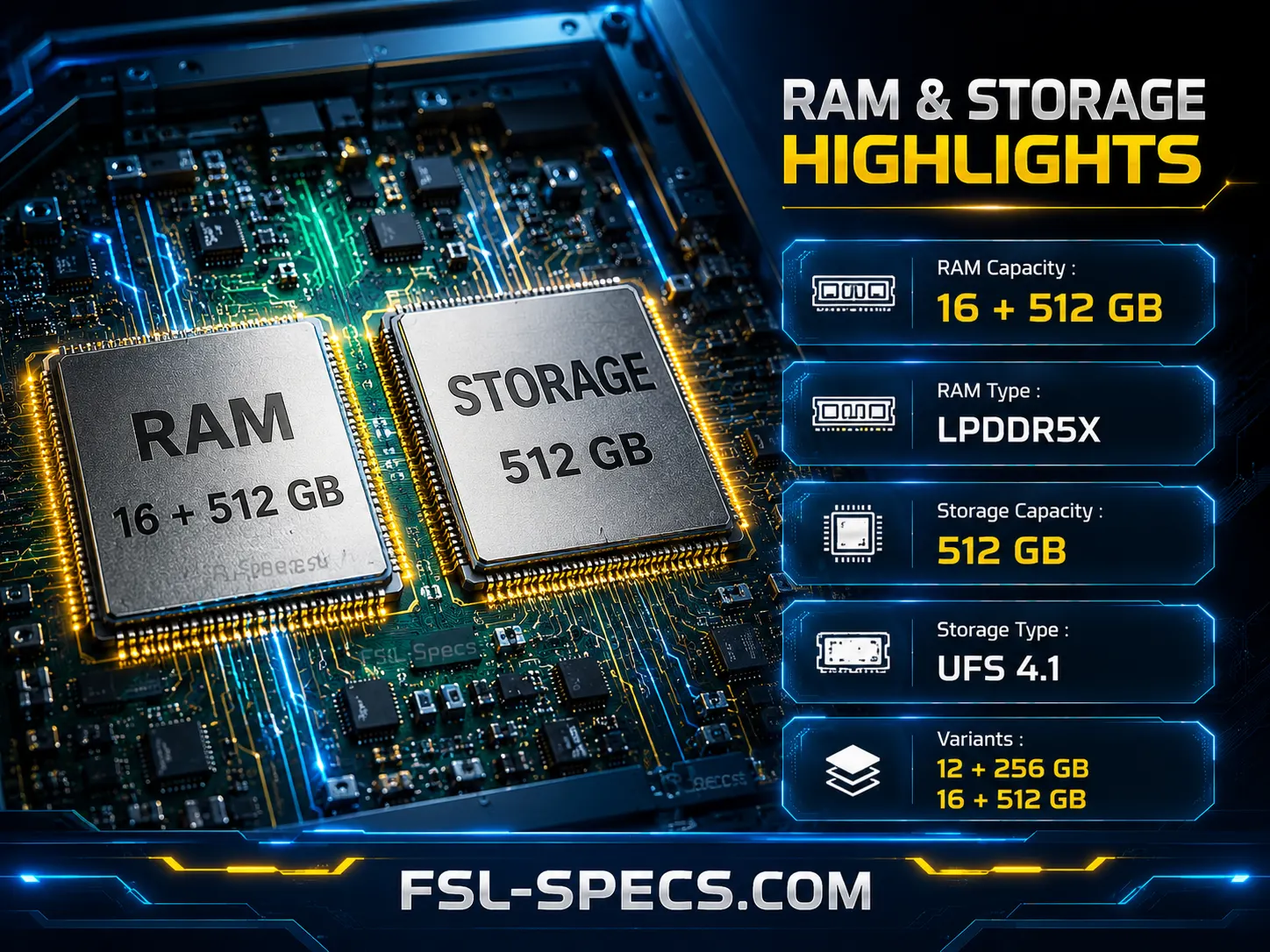
| RAM Memory | 16 + 512 GB | 12 + 512 GB |
| RAM Type | LPDDR5X | LPDDR5X |
| Storage Type | UFS 4.1 | UFS 4.1 |
| Card Slot | No | No |
| Variants | 12+ 256 GB | 12 + 256 GB |
| Rear Camera | ||
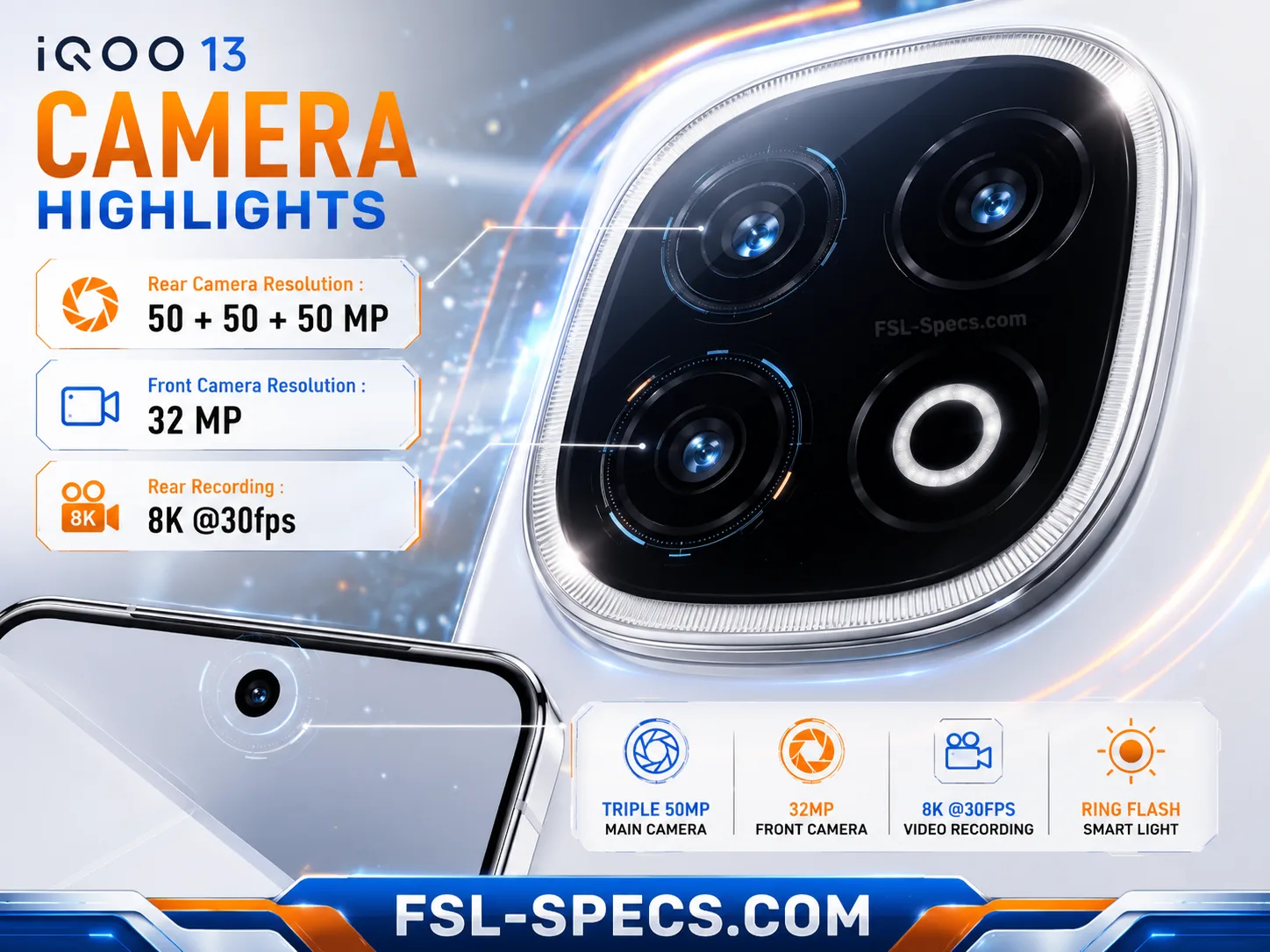
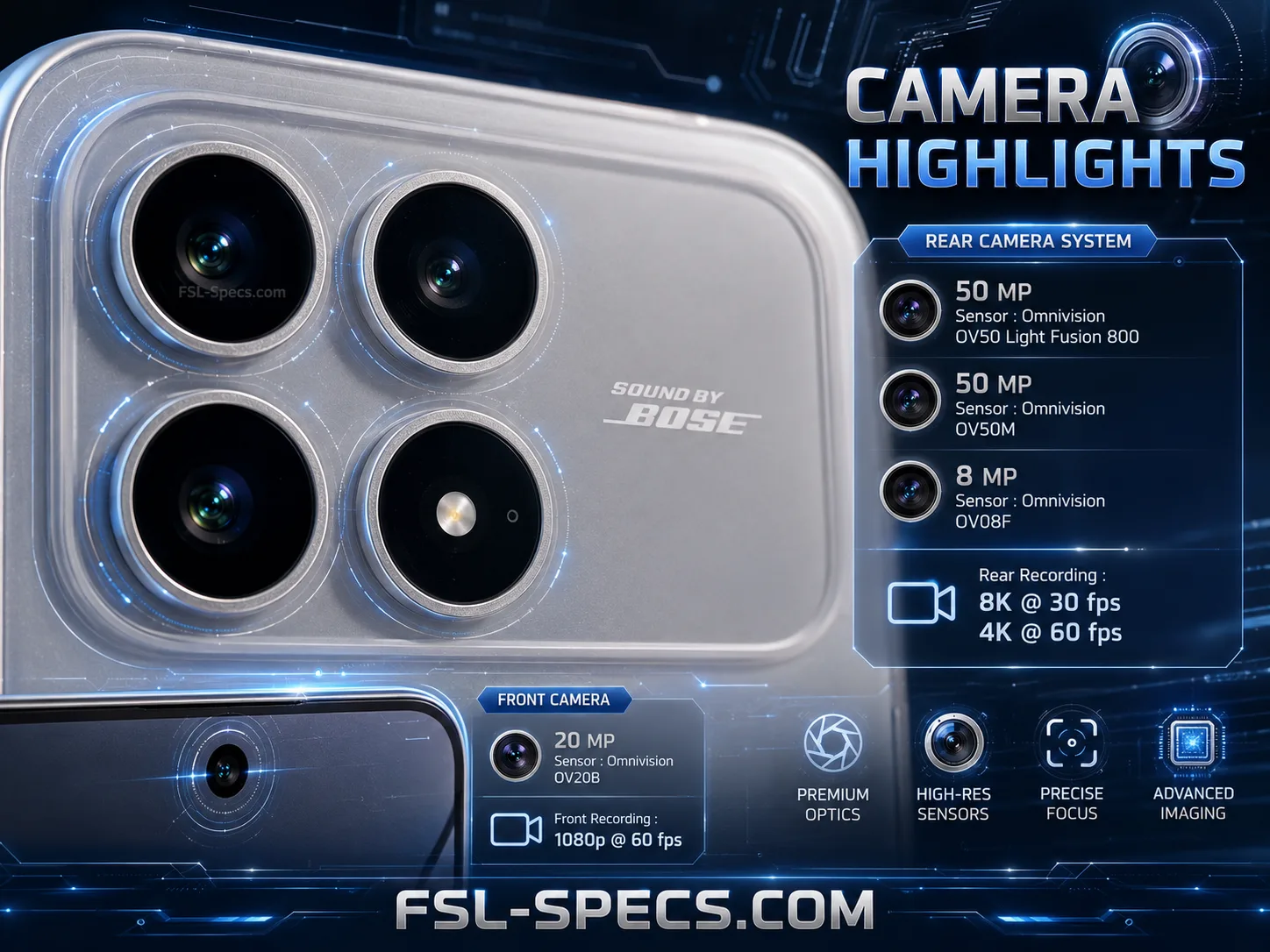
| Camera | 50 + 50 + 50 MP | 50 + 50 + 8 MP |
| Image Resolution | 8160 × 6144 pixels | 8160 × 6144 pixels |
| Camera Sensor | 50 MP= Sony IMX921 | 50 MP = Omnivision OV50 Light Fusion 800 |
| Zoom | - | 5 x |
| Digital Zoom | 20 x | 30 x |
| Video Recording | 8K @30fps | 8K @ 30 fps |
| Flash | LED Flash | Dual LED |
| Front Camera | ||
| Front Camera | 32 MP | 20 MP |
| Front Sensor | 32 MP= GalaxyCore GC32E1 | 20 MP = Omnivision OV20B |
| Front Resolution | 6528 ×4896 Pixels | 5184 × 3888 pixels |
| Front Recording | 4K @30/60fps | 1080p @ 60 fps |
| Front Flash | No | Screen Flash |
| Battery | ||
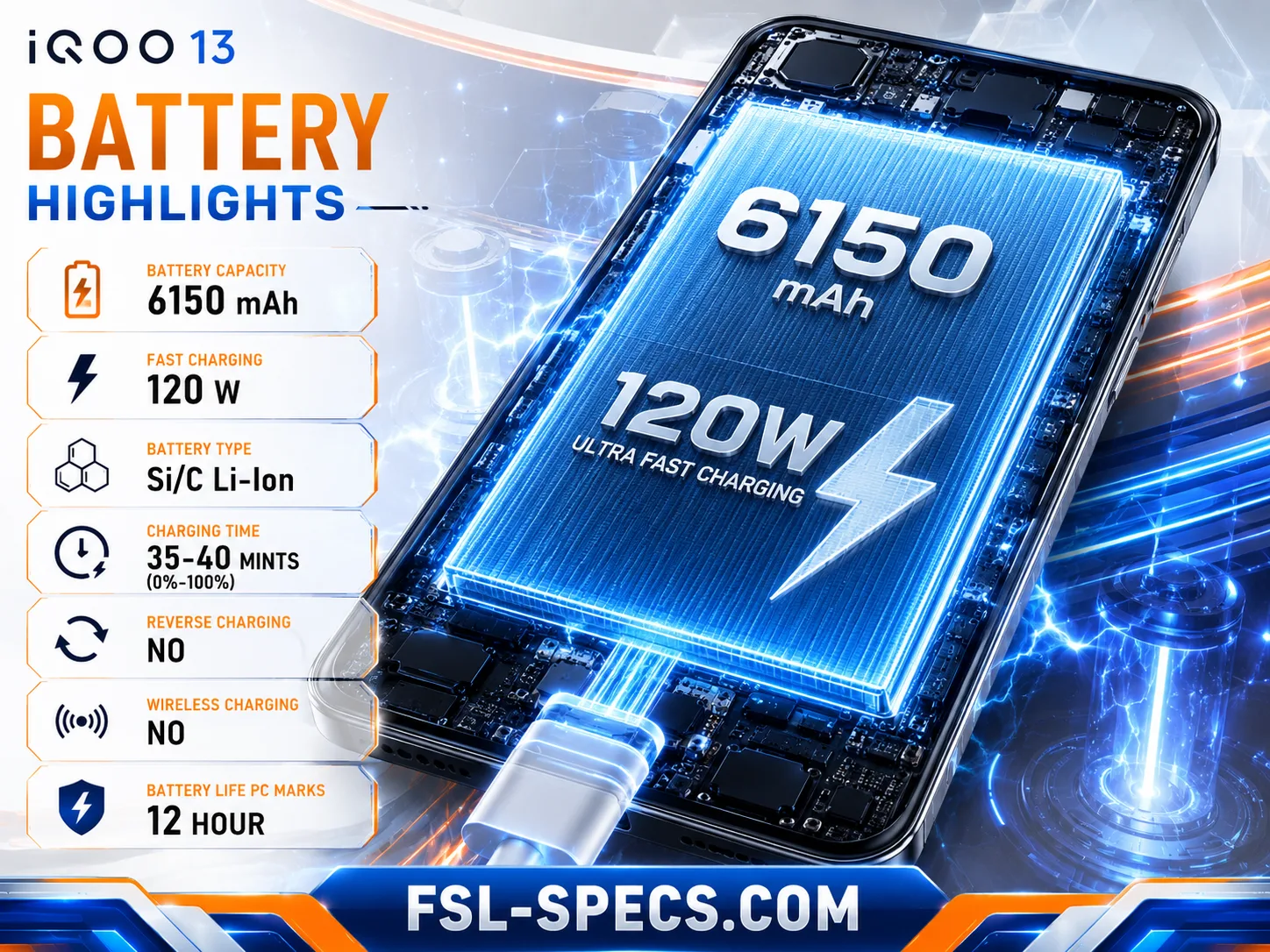
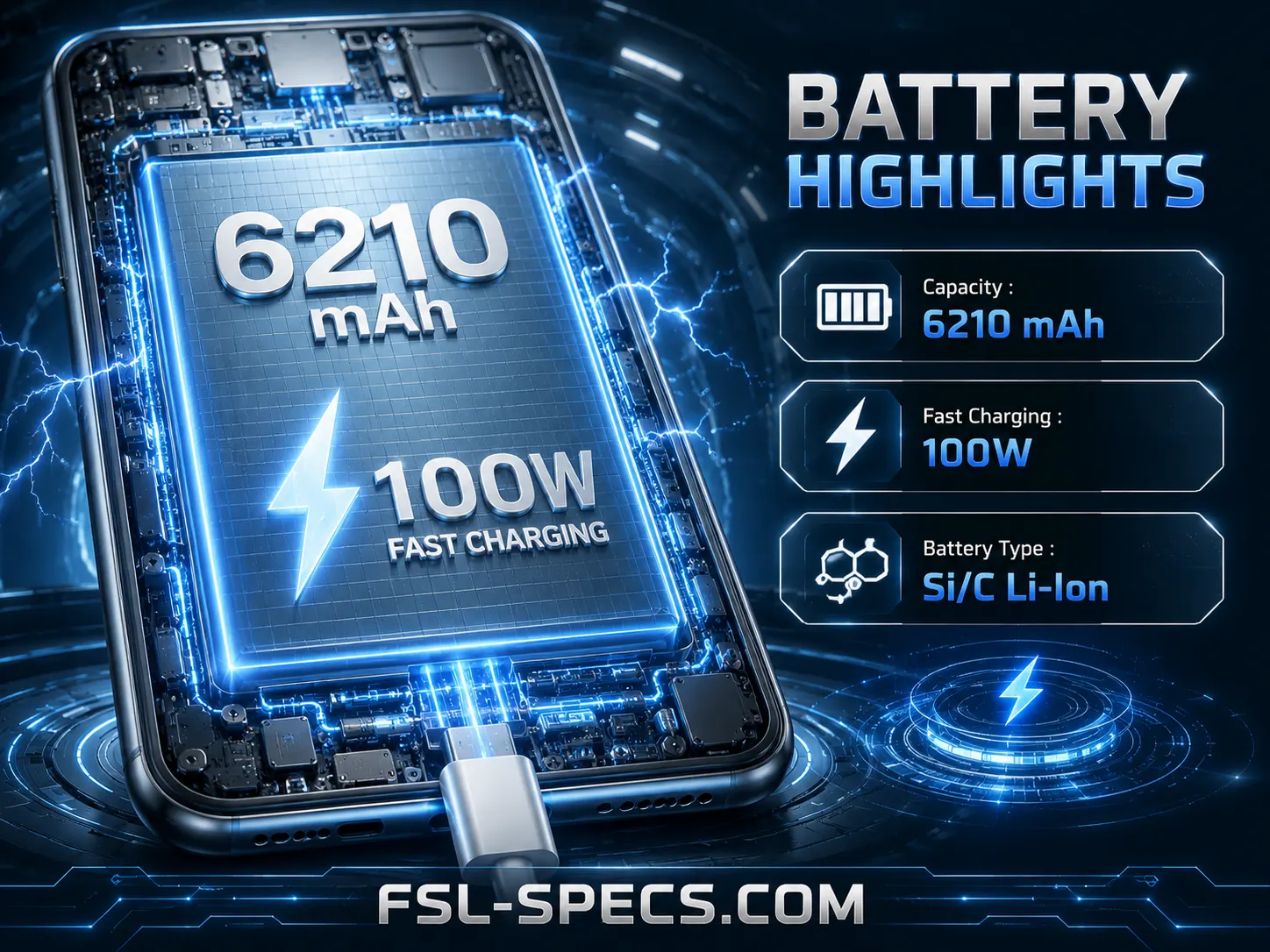
| Battery | 6150 mAh | 6210 mAh |
| Charging Watts | 120 W | 100 W |
| Battery Type | Si/C Li-Ion | Si/C Li-Ion |
| Wireless Charging | - | No |
| Reverse Charging | Yes | 22.5 W |
| Reverse Wireless | - | No |
| Battery Life (PC Mark) | 12 hour | - |
| Charging Time | 35-40 mints (0%-100%) | 35–40 minutes ( 0-100% ) |
| Software | ||
| Model Number | V2408A | 2510DPC44G |
| Release Date | 8 November, 2024 | 26 November, 2025 |
| Year | 2025 | 2025 |
| Series Name | iQOO Number Series | Poco F |
| Category | Flagship / Gaming | Flagship |
| Android OS | Android 17 | Android 17 , HyperOS 4 |
| Body | ||
| Weight | 207 g | 199 grams |
| Build | Metal frame , Back Glass | Aluminium Frame+ glass back |
| IP Rating | — | — |
| Special Features | Built-in active cooling fan | Stereo speakers with Dolby Atmos, tuned by Bose |
| Connectivity | ||
| SIM | Nano-SIM + Nano-SIM | Nano-SIM / E-Sim |
| Network | 4G / 4G+ / 5G/ 5G+ | 4G / 4G+ / 5G/ 5G+ |
| WiFi | Wi-Fi 7 | Wi-Fi 7 |
| Bluetooth | 5.4 | 5.4 |
| NFC | Yes | Yes |
| Security & Audio | ||
| Speakers | Dual Stereo Speaker | Dual Stereo Speaker |
| Fingerprint | Hyper Sonic Front Finger | Hyper Sonic Front Finger |
| Other Sensors | Vapor chamber cooling | Proximity sensor |
| Highlights | ||
| Display Highlights |
 |
 |
| Processor Highlights |
 |
 |
| Memory Highlights |
 |
 |
| Camera Highlights |
 |
 |
| Battery Highlights |
 |
 |
| Verdict | ||
| Pros | ✅ Snapdragon 8 Elite | ✅ Elite Performance (Snapdragon 8 Elite, 3nm) |
| Cons | ❌ No SD Slot | ❌ Weak Ultrawide (8MP ultra-wide camera) |
| Best For | ✅ Hardcore Gaming | ✅ Hardcore Gaming |
| Not Best For | ❌ Budget Buyers | ❌ Selfie Lovers (20 MP) |
| Related Media | ||
| Unboxing | ||
| Mobile Disassembly | ||
| PUBG Gaming Test | ||
| Camera Test | ||
Cast your vote
So, which phone would you choose?
Total votes: 0