





✪ Poco X8 Pro ✪

Poco X8 Pro Specs, Price, Camera, Battery & Best Review (2026)
Last Time Update : 27 October, 2026
United States flagUnited States
490USD
…iPrice NoteYour Country price depends on USD. Prices may be different in your region due to taxes and duties.
Pakistan flagPakistan (PKR)
175000PKR
India flagIndia (INR)
47000INR

✪ Poco X8 Pro ✪

Poco X8 Pro Specs, Price, Camera, Battery & Best Review (2026)
Quick Specs
Display
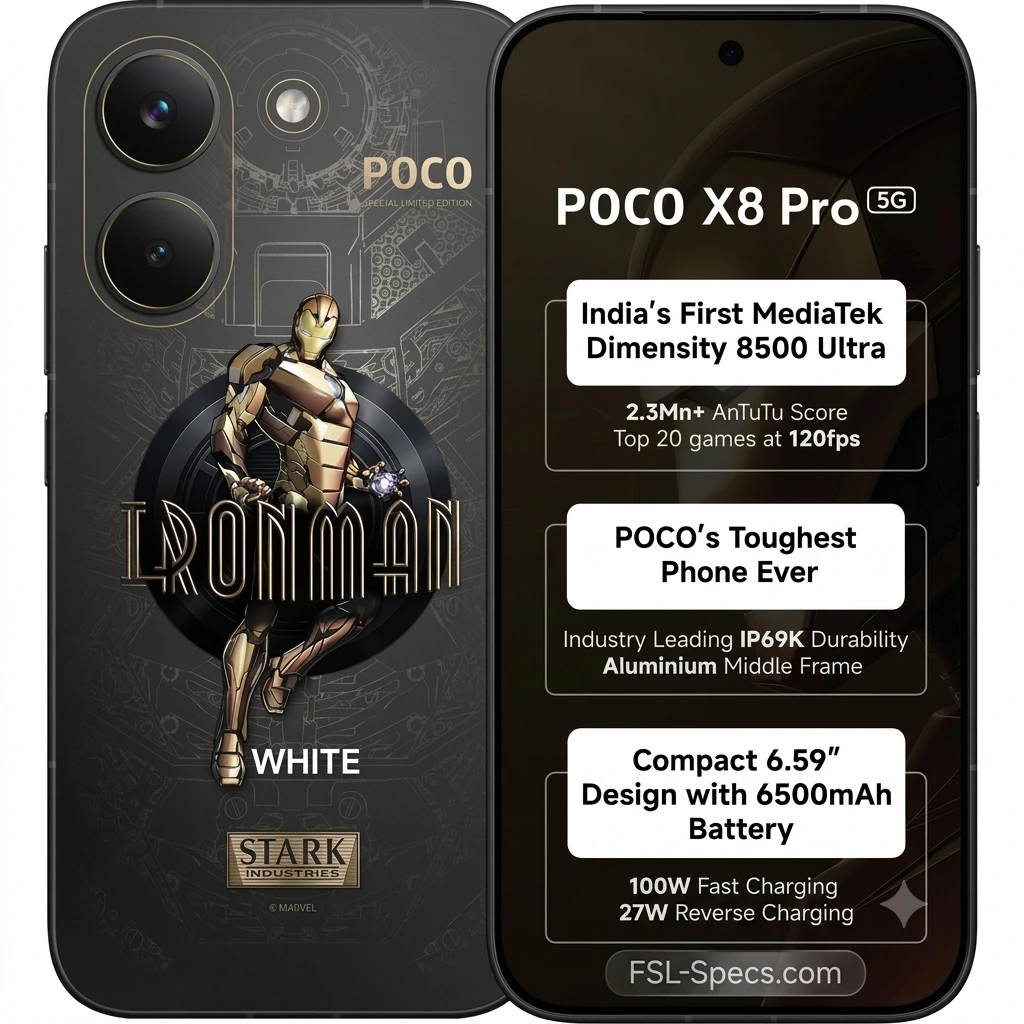
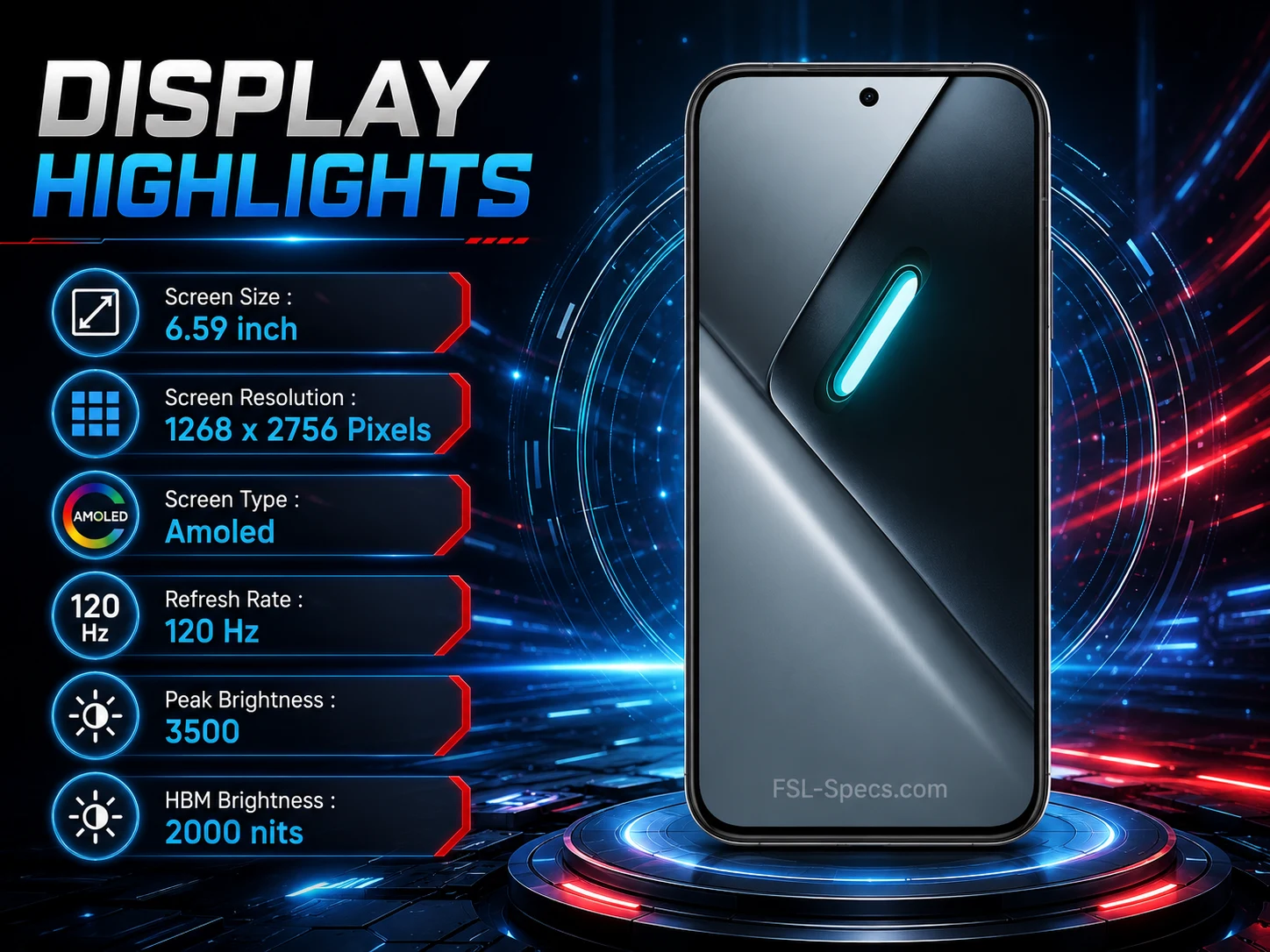
6.59 inchAMOLED120 Hz
Processor
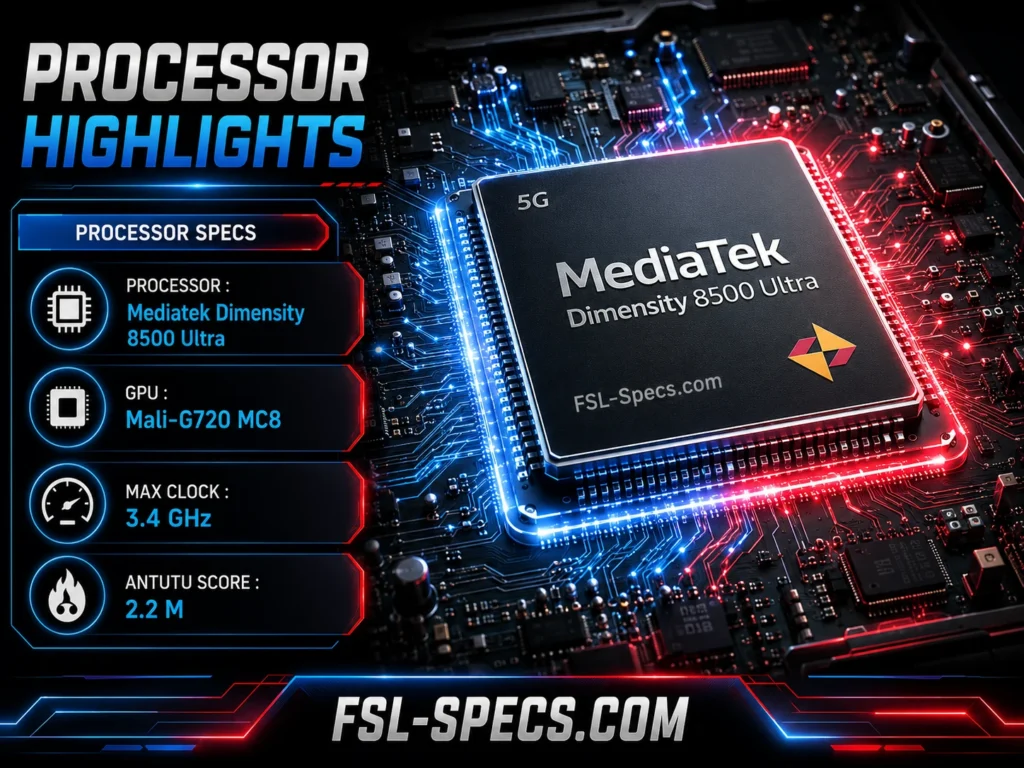
Dimensity 85003.4 GHz
RAM & Storage
12 + 512 GB
Rear Camera
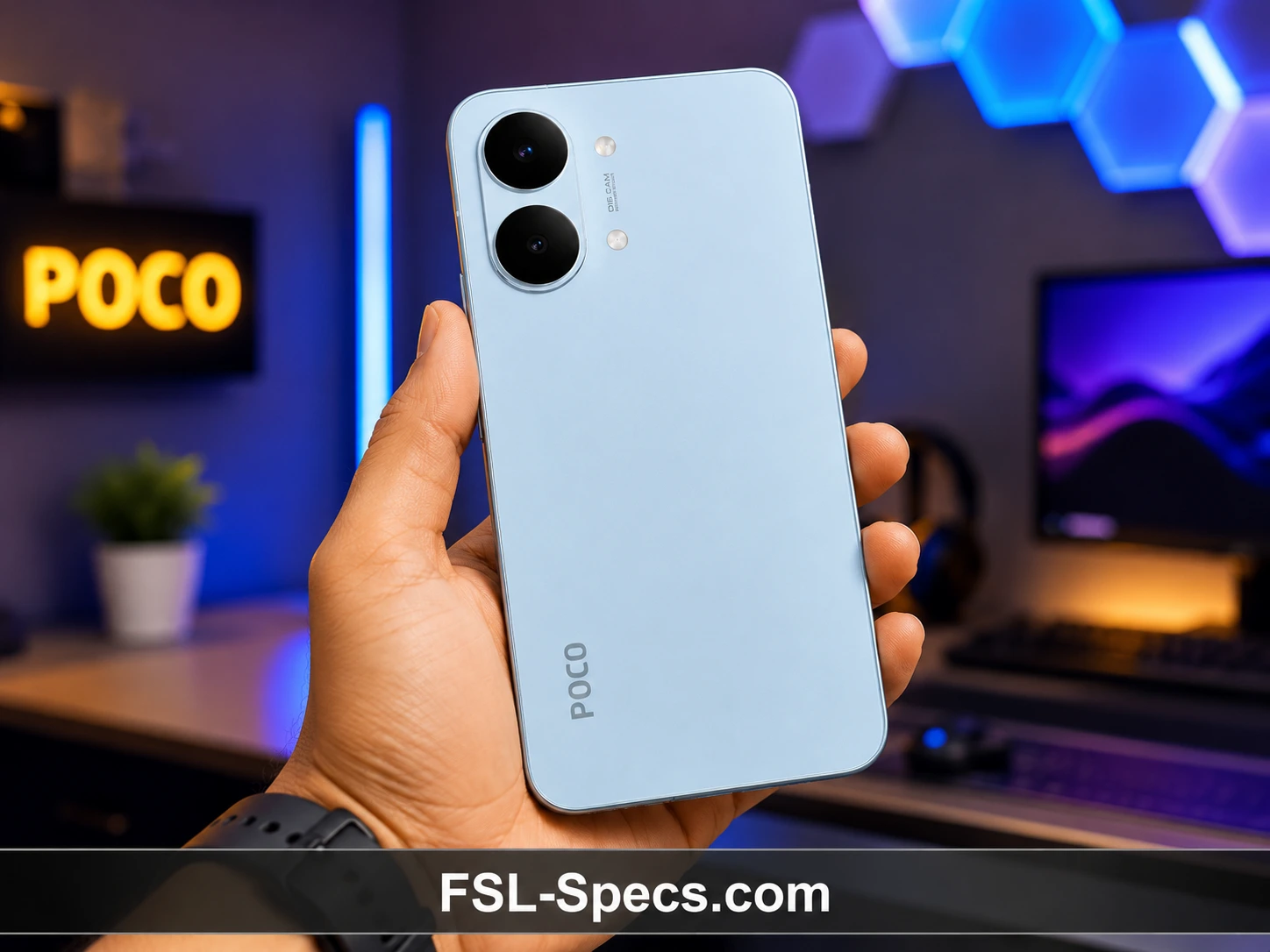
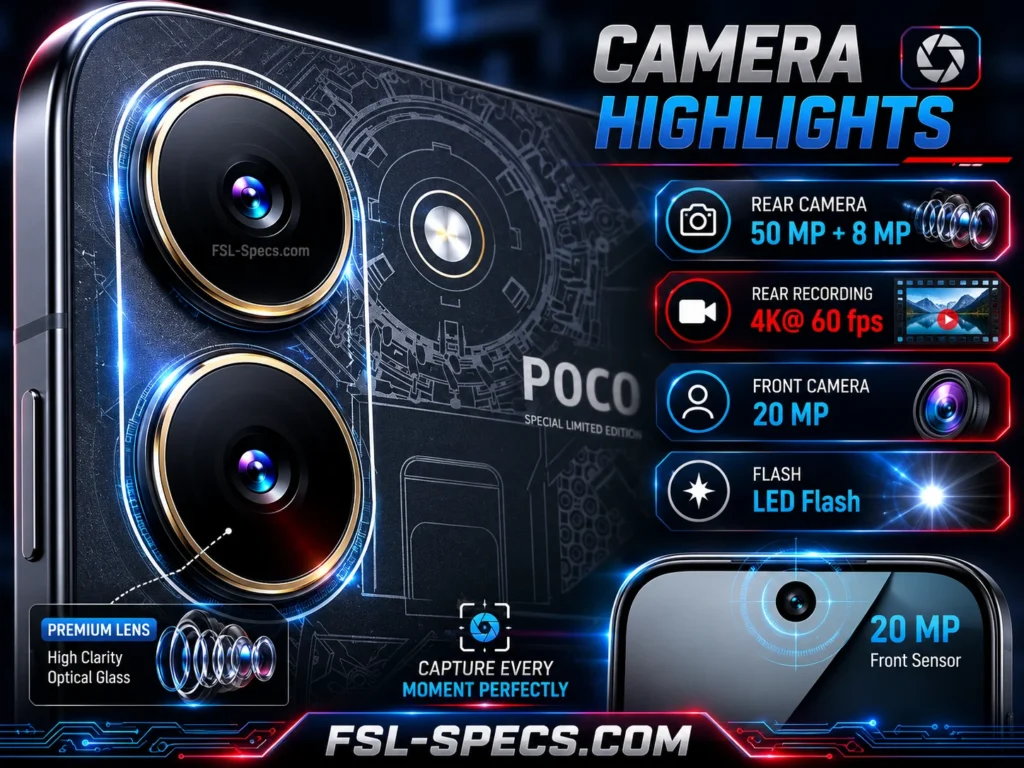
50 + 8 MP
Front Camera
20 MP
Battery & Charging
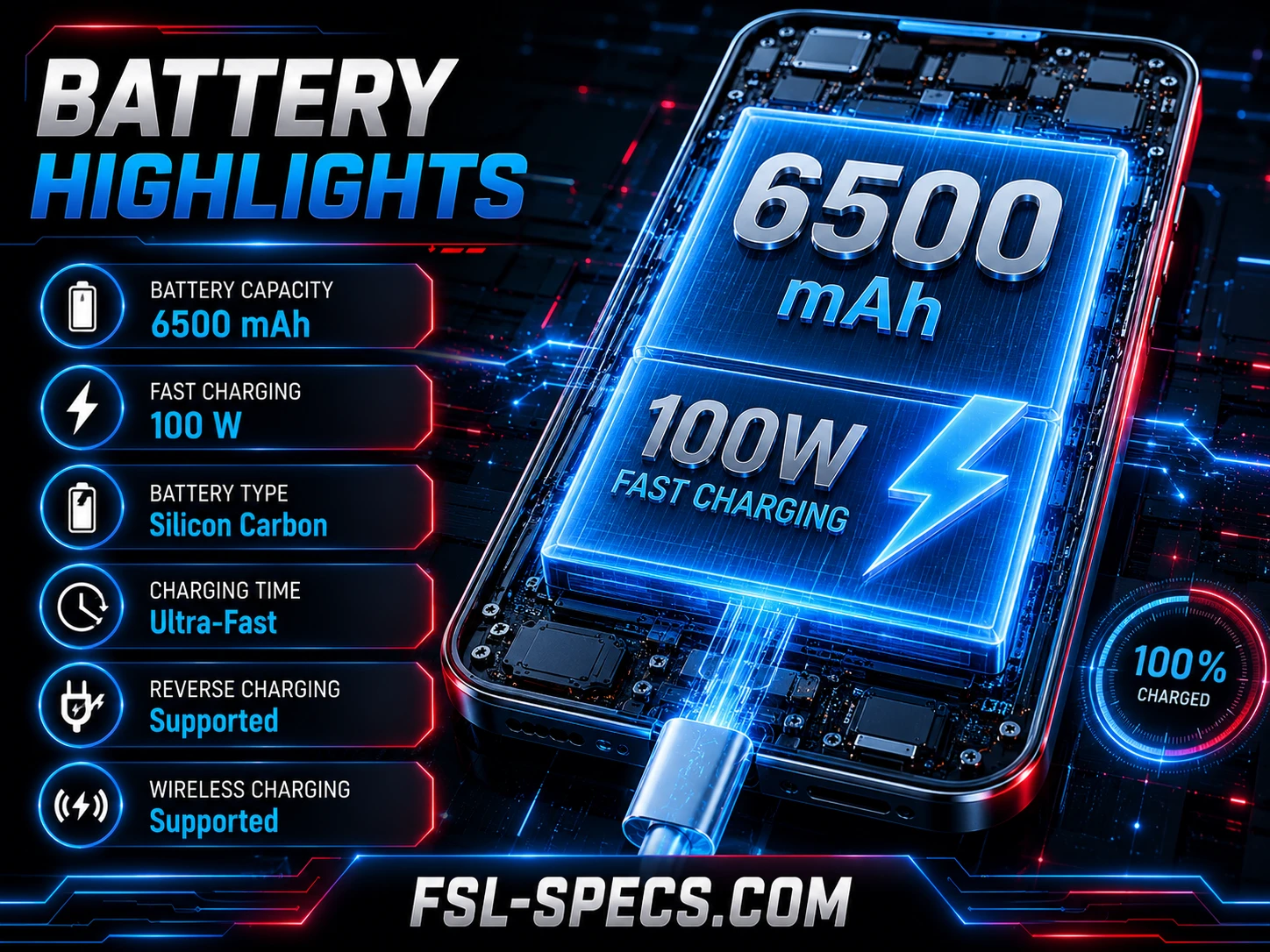
6500 mAh100 W

Full Specification

!
IMPORTANT INFORMATION

Specifications Disclaimer

NOTICE

Specifications are collected from official manufacturers and trusted sources. Actual details may vary by region, model variant, or software updates. We strive for accuracy but cannot guarantee error-free information.

Basic Info

Mobile
Poco X8 Pro
Model
2511FPC34G
Series
Poco X
Category
Mid-Range Performance
Release Date
17 March,2026
Year
2026

Connectivity

SIM
Nano-SIM + Nano-SIM
Network
4G / 4G+ / 5G
WiFi
Wi-Fi 6
Bluetooth
6.0
NFC
Yes
OS
Android 17 , HyperOS 4

Body

Dimensions
157.5 x 75.2 x 8.4 mm
Build
Aluminium Frame+ glass back
Weight
201 grams
Screen Size
6.59 inch
Resolution
1268 x 2756 Pixels
Type
AMOLED
Refresh Rate
120 Hz
Peak Brightness
3500 nits
HBM Brightness
2000 nits
Processor Specs
Processor
Dimensity 8500
Processor Link
Max Clock
3.4 GHz
Lithography
3 nm
GPU
Mali-G720 MC8
CPU Cores
Octa-core
Antutu v11
2.2 M
Architecture
1 x 3.4 GHz
3 x 3.2 GHz
4 x 2.2 GHz
RAM & ROM Specs
RAM Memory
12 + 512 GB
RAM Type
LPDDR5X
Storage Type
UFS 4.1
SD Card
No
Variants
8 + 256 GB
12 + 256 GB
12 + 512 GB
Camera Specs
MP
Rear Camera
50 + 8 MP
Front Camera
20 MP
Sensors
Camera Sensors
50 MP    = Sony IMX882
8 MP      = Not Confirm
Front Sensors
20 MP    = Omnivision OV20B
Recording FPS
Main Recording
4K @ 60 fps
1080p @ 960 fps
Front Recording
1080p @ 60 fps
Zoom
Digital Zoom
10 x
Stabilization
Yes
Flash
Flash
LED Flash
Front Flash
Screen Flash
Battery Specs
Capacity
6500 mAh
Fast Charging
100 W
Battery Type
Si/C Li-Ion
Reverse
Reverse Wired
27 W
Other
Charging Time
40–50 minutes ( 0-100% )
Other Specs
Audio & Sensors
IP Rating
IP68 / IP69K
Speaker
Dual Stereo Speaker
Fingerprint Sensor
Hyper Sonic Front Finger
Other Sensors
Proximity sensor
Gyroscope
Accelerometer
Ambient light sensor
Compass, rgb sensor etc
Special Features

Vapor chamber cooling
Dolby Vision + HDR10+ display
Always-On Display, DC Dimming, DCI-P3
IP68/IP69K dust & water resistance
Infrared blaster
100 W charger bundled in box
Silicon-Carbon battery cell

BASIC INFO
Mobile
Poco X8 Pro
Model
2511FPC34G
Series
Poco X
Category
Mid-Range Performance
Release Date
17 March,2026
Year
2026
CONNECTIVITY
Sim
Nano-SIM + Nano-SIM
Network
4G / 4G+ / 5G
WiFi
Wi-Fi 6
Bluetooth
6.0
NFC
Yes
OS
Android 17 , HyperOS 4
BODY
Dimensions
157.5 x 75.2 x 8.4 mm
Build
Aluminium Frame+ glass back
Weight
201 grams
Screen Size
6.59 inch
Resolution
1268 x 2756 Pixels
Type
AMOLED
Refresh Rate
120 Hz
Peak Brightness
3500 nits
HBM Brightness
2000 nits
Processor
Dimensity 8500
Processor Link
Max Clock
3.4 GHz
Lithography
3 nm
GPU
Mali-G720 MC8
CPU Cores
Octa-core
Antutu v11
2.2 M
Architecture
1 x 3.4 GHz
3 x 3.2 GHz
4 x 2.2 GHz
Ram Memory
12 + 512 GB
SD Card
No
Ram Type
LPDDR5X
Storage Type
UFS 4.1
Variants
8 + 256 GB
12 + 256 GB
12 + 512 GB
MP
Rear Camera
50 + 8 MP
Front Camera
20 MP
SENSORS
Main Camera Sensors
50 MP    = Sony IMX882
8 MP      = Not Confirm
Front Camera Sensors
20 MP    = Omnivision OV20B
RECORDING FPS
Main Recording
4K @ 60 fps
1080p @ 960 fps
Front Recording
1080p @ 60 fps
RESOLUTION
Main Resolution
8160 × 6144 pixels
Front Resolution
5184 × 3888 pixels
ZOOM
Digital Zoom
10 x
Stabilization
Yes
FLASH
Flash
LED Flash
Front Flash
Screen Flash
Capacity
6500 mAh
Fast Charging
100 W
Battery Type
Si/C Li-Ion
REVERSE
Reverse Wired
27 W
OTHER
Charging Time
40–50 minutes ( 0-100% )
PROTECTION
IP Rating
IP68 / IP69K
AUDIO & SENSORS
Speaker
Dual Stereo Speaker
Fingerprint Sensor
Hyper Sonic Front Finger
Other Sensors
Proximity sensor Gyroscope Accelerometer Ambient light sensor Compass, rgb sensor etc
Special Features

Vapor chamber cooling Dolby Vision + HDR10+ display Always-On Display, DC Dimming, DCI-P3 IP68/IP69K dust & water resistance Infrared blaster 100 W charger bundled in box Silicon-Carbon battery cell

Verify Mobile Specifications

Official information & trusted references

Official Manufacturer WebsiteExplore the original product information (opens in a new tab)

Trusted Specification Sources

Cross-reference · 5 sources

Links open third-party websites. The Purple ticks are a design marker only; they do not mean a source has verified these specifications or endorses FSL-Specs.

Last Time Update : 27 October, 2026

Highlights & Review Of Poco X8 Pro

Display Highlights

Display Highlights

The POCO X8 Pro features a 6.59-inch 1.5K AMOLED display with a 2756 x 1268 resolution, 120Hz refresh rate, 460 PPI, and 68 billion colours. It supports HDR10+ and Dolby Vision, DCI-P3 colour, 3840Hz PWM dimming, 480Hz touch sampling, and up to 2560Hz instant touch sampling in Game Turbo mode. The panel is protected by Corning Gorilla Glass 7i and is rated for up to 3,500 nits peak brightness.

The Infinix GT 50 Pro has a larger 6.78-inch AMOLED display with a 1208 x 2644 1.5K resolution, approximately 440 PPI, and a higher 144Hz refresh rate. It offers up to 4,500 nits peak brightness, 330Hz touch sampling, up to 2,800Hz instant touch sampling, 2304Hz PWM dimming, 10-bit colour depth, and 100% DCI-P3 coverage. Corning Gorilla Glass 7i protects the screen.

The Xiaomi 15T offers the biggest display in this comparison: a 6.83-inch 1.5K AMOLED panel with 2772 x 1280 resolution, 447 PPI, and a 120Hz refresh rate. It reaches 3,200 nits peak brightness, supports HDR10+ and Dolby Vision, 3840Hz PWM dimming, 480Hz touch sampling, 2560Hz instant touch sampling, wet-touch technology, and Gorilla Glass 7i protection.

The Motorola Edge 70 Pro uses a 6.78-inch AMOLED display with a 1272 x 2772 resolution, 450 PPI, and a 144Hz refresh rate. It is rated for up to 5,200 nits peak brightness, supports HDR10+, PWM dimming, and Gorilla Glass 7i protection. Its 144Hz mode is mainly accessible through the Gametime overlay in supported games, while normal use can reach 120Hz.

Display Verdict :

The Motorola Edge 70 Pro leads in brightness with a claimed 5,200 nits peak, which should make it especially strong under direct sunlight. The Infinix GT 50 Pro is the best choice for gaming-focused buyers because it combines a 144Hz refresh rate, 4,500 nits brightness, and a large 6.78-inch AMOLED panel.

The POCO X8 Pro has the smallest display, but its 6.59-inch 1.5K AMOLED panel is more compact and easier to use one-handed. It also offers excellent HDR support with both HDR10+ and Dolby Vision, along with 3840Hz PWM dimming and a high 3,500 nits peak brightness. The Xiaomi 15T is the best option for users who want the largest screen for videos, games, and multitasking.
Performance Highlights

Performance Highlights

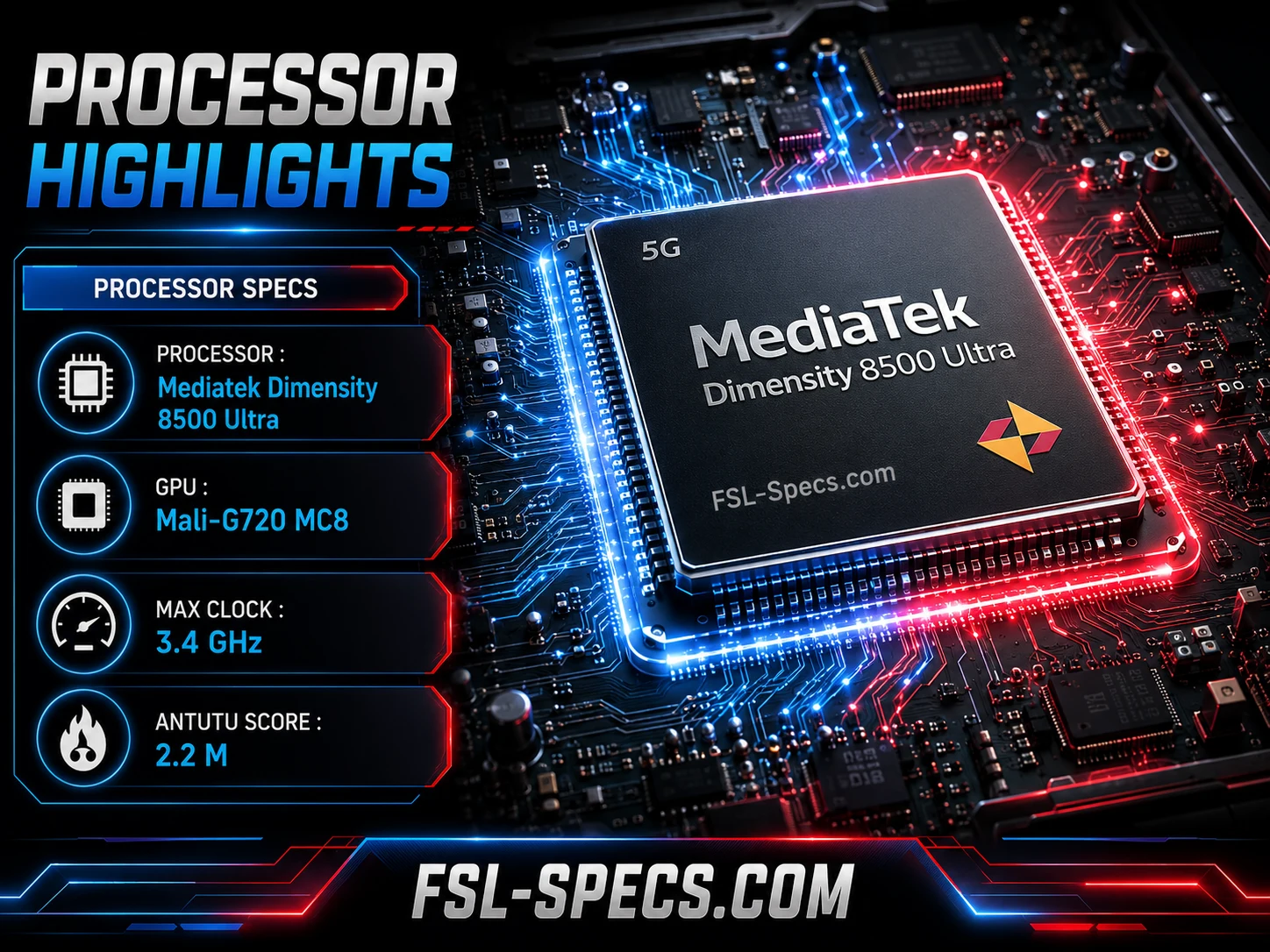
The POCO X8 Pro is powered by the MediaTek Dimensity 8500-Ultra, a 4nm chipset with an octa-core CPU and Mali-G720 MC8 GPU. In the expected 12GB+512GB configuration, it uses LPDDR5X RAM and UFS 4.1 storage. POCO’s official AnTuTu v11 result is 2,283,558, while independent testing has recorded around 2,074,721 on AnTuTu v11 and 1,663,640 on AnTuTu v10.

The Infinix GT 50 Pro uses the MediaTek Dimensity 8400 Ultimate, a 4nm all-big-core chipset with a prime CPU core clocked up to 3.25GHz and a Mali-G720 MC7 GPU. It is paired with 12GB LPDDR5X RAM and UFS 4.1 storage. In independent testing, it recorded 1,755,589 on AnTuTu v10 and 2,139,330 on AnTuTu v11.

The Xiaomi 15T uses the MediaTek Dimensity 8400-Ultra, a 4nm processor paired with LPDDR5X RAM and UFS 4.1 storage. Its 12GB+512GB variant is designed for gaming, multitasking, and heavy everyday use. According to NanoReview, the Xiaomi 15T records 1,915,524 on AnTuTu v11, with a CPU score of 601,024 and a GPU score of 581,727.

The Motorola Edge 70 Pro is powered by the Snapdragon 8s Gen 4, a flagship-class 4nm chipset with an octa-core CPU and Adreno 835 GPU. It is paired with 8GB LPDDR5X RAM and 256GB UFS 4.1 storage in the specified variant. According to NanoReview, it records 2,186,261 on AnTuTu v11, with a CPU score of 668,010 and a GPU score of 675,888.

Processor & Performance Comparison

FeaturePOCO X8 ProInfinix GT 50 ProXiaomi 15TMotorola Edge 70 Pro
ProcessorMediaTek Dimensity 8500-UltraMediaTek Dimensity 8400 UltimateMediaTek Dimensity 8400-UltraSnapdragon 8s Gen 4
Process node4nm4nm4nm4nm
CPUOcta-coreOcta-core, up to 3.25GHzOcta-coreOcta-core
GPUMali-G720 MC8Mali-G720 MC7Mali-G720 GPUAdreno 835
RAM12GB LPDDR5X12GB LPDDR5X12GB LPDDR5X8GB LPDDR5X
Storage512GB UFS 4.1256GB UFS 4.1512GB UFS 4.1256GB UFS 4.1
Cooling3D IceLoop coolingHydroFlow liquid coolingNot clearly verifiedNot clearly verified
AnTuTu v101,663,6401,755,589Not independently verifiedNot independently verified
AnTuTu v112,074,7212,139,3301,915,5242,186,261
Best forGaming, storage, and multitaskingGaming and coolingLarge-screen performanceFlagship-level gaming and AI performance

The Motorola Edge 70 Pro is the fastest phone in this comparison based on AnTuTu v11 results. It is approximately 5.38% faster than the POCO X8 Pro, 2.15% faster than the Infinix GT 50 Pro, and 12.39% faster than the Xiaomi 15T. The POCO X8 Pro is approximately 5.10% slower than the Motorola Edge 70 Pro in the same test. 1326

Performance Verdict

The Motorola Edge 70 Pro leads in raw AnTuTu v11 performance because of its Snapdragon 8s Gen 4 chipset. However, its 8GB RAM and 256GB storage make it less suitable for heavy gaming, long-term multitasking, and users who need more storage compared with the POCO X8 Pro’s 12GB+512GB configuration.

The Infinix GT 50 Pro is the second-fastest verified performer and offers a more gaming-focused package with 12GB RAM, UFS 4.1 storage, and HydroFlow liquid cooling. The POCO X8 Pro is extremely close behind and offers the best balance of performance, memory, storage, and charging speed.

The Xiaomi 15T is still a strong performer, but its AnTuTu v11 result is the lowest in this comparison. It is better suited to users who want a large display and versatile camera system rather than maximum benchmark performance.

Memory & Storage Highlights

Memory & Storage Highlights

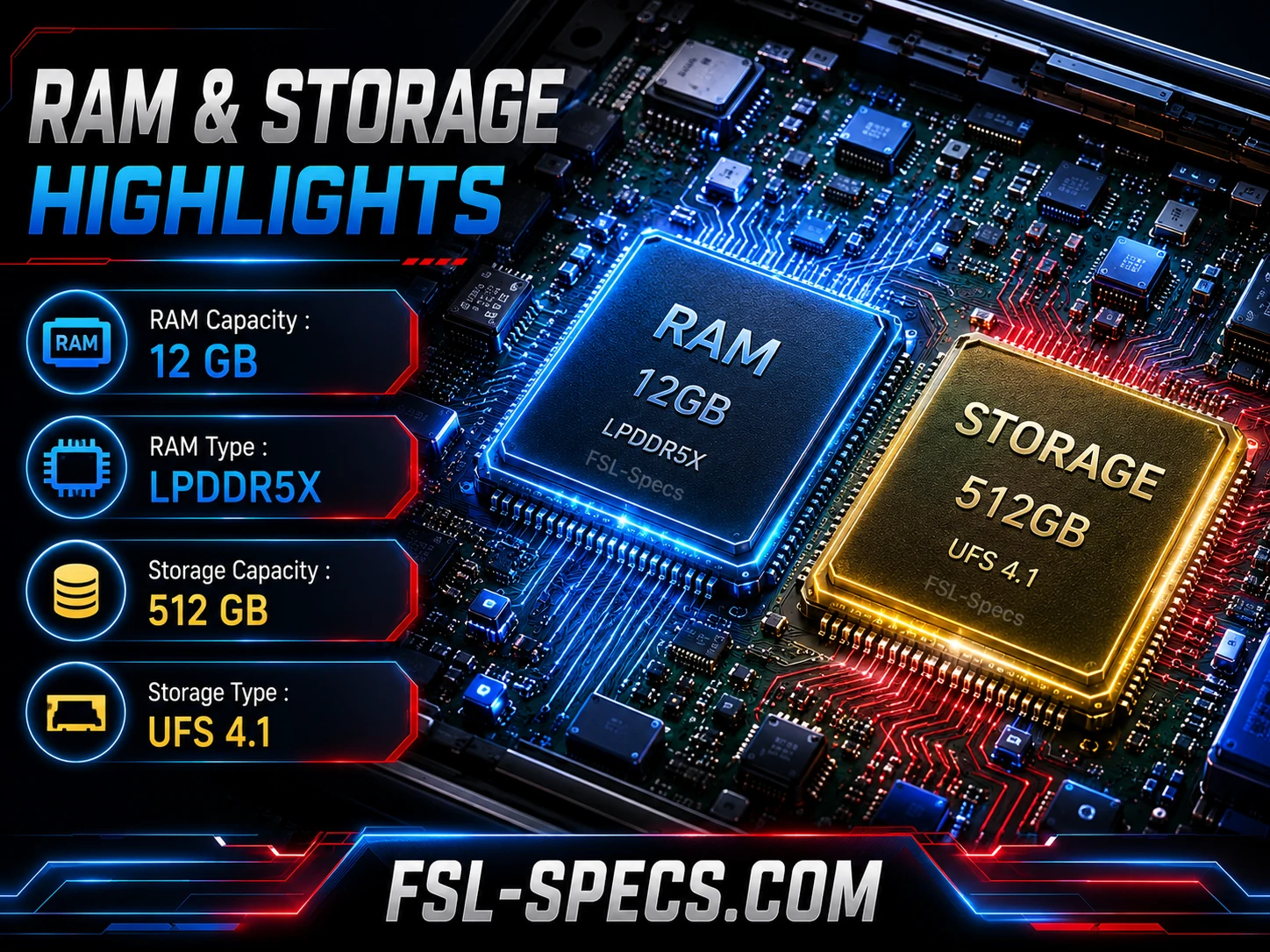
The POCO X8 Pro 12GB+512GB offers the best memory configuration in this comparison. It uses 12GB of LPDDR5X RAM and 512GB of UFS 4.1 storage, delivering fast app loading, smooth multitasking, and excellent gaming performance. It also supports virtual RAM expansion of up to 12GB, allowing the 12GB model to reach up to 24GB total memory. The phone does not support a microSD card.

The Infinix GT 50 Pro 12GB+256GB comes with 12GB of LPDDR5X RAM and 256GB of UFS 4.1 storage. It also supports virtual RAM expansion of up to 12GB, bringing its total extended memory to 24GB. The phone does not include a microSD card slot, so 256GB is the maximum built-in storage in this variant.

The Xiaomi 15T 12GB+512GB offers 12GB of LPDDR5X RAM and 512GB of UFS 4.1 storage. This configuration provides the same fast memory and storage technology as the POCO X8 Pro, making it a strong option for gaming, video recording, and heavy multitasking. It does not support expandable storage.

The Motorola Edge 70 Pro 8GB+256GB uses 8GB of LPDDR5X RAM and 256GB of UFS 4.1 storage. While its UFS 4.1 storage is fast, its 8GB RAM is lower than the 12GB RAM offered by the POCO X8 Pro, Infinix GT 50 Pro, and Xiaomi 15T. This makes it less suitable for heavy gaming, long-term multitasking, and users who keep many apps open.

Verdict :

The POCO X8 Pro 12GB+512GB is the best overall choice for memory and storage. It combines 12GB LPDDR5X RAM, 512GB UFS 4.1 storage, and up to 24GB total virtual memory, making it ideal for gaming, heavy multitasking, and long-term use.

The Xiaomi 15T 12GB+512GB matches the POCO in RAM and storage capacity, but its higher price of PKR 170,000 makes the POCO a better value. The Infinix GT 50 Pro 12GB+256GB offers excellent 12GB RAM and UFS 4.1 storage, but its 256GB storage limit is lower than the POCO and Xiaomi.

The Motorola Edge 70 Pro 8GB+256GB is the weakest memory configuration in this comparison because of its 8GB RAM. It is still a good phone for normal use, but buyers who want the best long-term performance should prefer the POCO X8 Pro or Xiaomi 15T.

Camera Highlights

Camera Highlights

The POCO X8 Pro features a 50MP main camera with a Light Fusion 600 sensor, f/1.5 aperture, OIS, and multi-directional PDAF. It also includes an 8MP ultrawide camera and a 20MP wide selfie camera. The main camera records up to 4K at 60fps, while the ultrawide camera is limited to 1080p at 30fps and the selfie camera supports 1080p at 60fps.

The Infinix GT 50 Pro has a 50MP main camera with f/1.59 aperture, OIS, and PDAF, paired with an 8MP ultrawide camera and a 13MP selfie camera. Its main camera records up to 4K at 60fps, while the ultrawide camera supports up to 1440p at 30fps and the selfie camera records up to 4K at 30fps.

The Xiaomi 15T offers the most versatile rear-camera system in this comparison. It includes a 50MP main camera with f/1.7 aperture, OIS, and Leica optics; a 50MP 2x telephoto camera; and a 12MP ultrawide camera. It also has a 32MP selfie camera. The main camera records up to 4K at 60fps, while the ultrawide and telephoto cameras support up to 4K at 30fps.

The Motorola Edge 70 Pro uses a triple 50MP rear-camera system: a 50MP main camera, a 50MP ultrawide camera, and a 50MP telephoto camera. It also has a 50MP selfie camera. The main camera records up to 4K at 30fps, while the ultrawide and telephoto cameras support up to 4K at 30fps.

Camera Comparison Table

FeaturePOCO X8 ProInfinix GT 50 ProXiaomi 15TMotorola Edge 70 Pro
Main camera50MP Light Fusion 600, f/1.5, OIS50MP, f/1.59, OIS50MP Leica, f/1.7, OIS50MP, OIS
Ultrawide camera8MP, f/2.28MP, f/2.212MP, f/2.250MP
Telephoto cameraNoneNone50MP, 2x optical zoom50MP
Selfie camera20MP, f/2.2, wide 21mm13MP, f/2.232MP, f/2.250MP
Main video4K@60fps4K@60fps4K@60fps4K@30fps
Ultrawide video1080p@30fps1440p@30fps4K@30fps4K@30fps
Telephoto videoNot availableNot available4K@30fps4K@30fps
Selfie video1080p@60fps4K@30fps4K@30fps4K@30fps
HDR videoHDR10+ up to 30fpsHDR10+ up to 4K@30fpsHDR10+ across focal lengthsHDR10+
Best forMain-camera photos and videoGaming and casual photographyZoom, portraits, and versatile photographySelfies and high-resolution photos

Camera Verdict

The Xiaomi 15T is the best overall camera phone in this comparison because it is the only model with a dedicated 2x telephoto camera, along with a 50MP main camera, 12MP ultrawide camera, and 32MP selfie camera. Its Leica-tuned imaging system also gives it an advantage in portraits, low-light photography, and creative shooting.

The Motorola Edge 70 Pro is the best choice for selfies because of its 50MP front camera, while its triple 50MP rear-camera setup provides strong versatility. The POCO X8 Pro and Infinix GT 50 Pro both offer excellent 50MP OIS main cameras and 4K@60fps video, but neither includes a telephoto camera.

Battery & Charging Highlights

Battery & Charging Highlights

The POCO X8 Pro combines its 6,500mAh typical-capacity battery with 100W HyperCharge and support for up to 27W wired reverse charging. POCO states that its laboratory charging time is approximately 48 minutes from 1% to 100% under specified conditions using the 100W in-box adapter, with the screen off and top-speed charging enabled. Actual charging time depends on temperature, settings, battery condition and adapter availability in the local market.

The Motorola Edge 70 Pro has a 6,500mAh silicon-carbon battery, 90W wired charging and 5W wired reverse charging. Motorola advertises up to 51 hours of battery life, but this is a manufacturer claim rather than an independently controlled result directly comparable with the other phones. Its combination of a thin body and substantial battery capacity is attractive on paper.

The Infinix GT 50 Pro’s 6,500mAh battery is paired with 45W charging. Its cooling system and gaming-oriented features suit users who expect long sessions, although sustained gaming drain will depend on game settings, frame rate, temperature and network conditions. Its Pakistan product page also contains inconsistent descriptions of wireless charging, so wireless charging is not credited as a verified advantage here.

The Xiaomi 15T offers a 5,500mAh battery and 67W HyperCharge. Its capacity is smaller than the three 6,500mAh alternatives, but actual endurance depends on the display, chipset load and software efficiency.

Battery and charging winner: POCO X8 Pro. It combines 6,500mAh capacity, the highest specified wired-charging power in this group at 100W, and 27W wired reverse charging. Motorola remains a strong battery alternative, but the available claims do not establish a definitive real-world endurance winner.

Final Verdict

The POCO X8 Pro is the overall winner for this four-phone comparison, provided the retailer offers the 12GB/512GB model within PKR 150,000–160,000. It combines a powerful Dimensity 8500-Ultra processor, fast UFS 4.1 storage, a 6,500mAh battery, 100W wired charging and a high-quality 120Hz AMOLED display. Its biggest weakness against the rivals is the lack of a dedicated telephoto camera, which limits its hardware versatility for zoom photography.

The Motorola Edge 70 Pro is the strongest alternative for users who prioritize display specifications and a modern performance-focused chipset. However, its supplied price and exact 8GB/256GB variant should be verified before purchase. The Xiaomi 15T is the better specialist choice for photography thanks to its dedicated 50MP telephoto camera, OIS-equipped main sensor and wide-angle coverage. The Infinix GT 50 Pro remains a sensible gaming-oriented option, particularly for users who value gaming controls and a 144Hz display.

Quick winner-by-category summary

  • Overall and value: POCO X8 Pro
  • Display specifications: Motorola Edge 70 Pro
  • Performance evidence: Motorola Edge 70 Pro, with exact-variant benchmark limitations
  • Camera versatility: Xiaomi 15T
  • RAM and storage capacity: POCO X8 Pro and Xiaomi 15T
  • Charging package: POCO X8 Pro
  • Gaming-focused features: Infinix GT 50 Pro

For most buyers who can obtain the POCO X8 Pro at its stated retailer price, it is the most balanced package. Photography enthusiasts should consider Xiaomi 15T first, while the Motorola’s value depends substantially on confirming the local price, warranty and PTA status.

Display Highlights

Display Highlights

The POCO X8 Pro features a 6.59-inch 1.5K AMOLED display with a 2756 x 1268 resolution, 120Hz refresh rate, 460 PPI, and 68 billion colours. It supports HDR10+ and Dolby Vision, DCI-P3 colour, 3840Hz PWM dimming, 480Hz touch sampling, and up to 2560Hz instant touch sampling in Game Turbo mode. The panel is protected by Corning Gorilla Glass 7i and is rated for up to 3,500 nits peak brightness.

The Infinix GT 50 Pro has a larger 6.78-inch AMOLED display with a 1208 x 2644 1.5K resolution, approximately 440 PPI, and a higher 144Hz refresh rate. It offers up to 4,500 nits peak brightness, 330Hz touch sampling, up to 2,800Hz instant touch sampling, 2304Hz PWM dimming, 10-bit colour depth, and 100% DCI-P3 coverage. Corning Gorilla Glass 7i protects the screen.

The Xiaomi 15T offers the biggest display in this comparison: a 6.83-inch 1.5K AMOLED panel with 2772 x 1280 resolution, 447 PPI, and a 120Hz refresh rate. It reaches 3,200 nits peak brightness, supports HDR10+ and Dolby Vision, 3840Hz PWM dimming, 480Hz touch sampling, 2560Hz instant touch sampling, wet-touch technology, and Gorilla Glass 7i protection.

The Motorola Edge 70 Pro uses a 6.78-inch AMOLED display with a 1272 x 2772 resolution, 450 PPI, and a 144Hz refresh rate. It is rated for up to 5,200 nits peak brightness, supports HDR10+, PWM dimming, and Gorilla Glass 7i protection. Its 144Hz mode is mainly accessible through the Gametime overlay in supported games, while normal use can reach 120Hz.

Display Verdict :

The Motorola Edge 70 Pro leads in brightness with a claimed 5,200 nits peak, which should make it especially strong under direct sunlight. The Infinix GT 50 Pro is the best choice for gaming-focused buyers because it combines a 144Hz refresh rate, 4,500 nits brightness, and a large 6.78-inch AMOLED panel.

The POCO X8 Pro has the smallest display, but its 6.59-inch 1.5K AMOLED panel is more compact and easier to use one-handed. It also offers excellent HDR support with both HDR10+ and Dolby Vision, along with 3840Hz PWM dimming and a high 3,500 nits peak brightness. The Xiaomi 15T is the best option for users who want the largest screen for videos, games, and multitasking.
Performance Highlights

Performance Highlights

The POCO X8 Pro is powered by the MediaTek Dimensity 8500-Ultra, a 4nm chipset with an octa-core CPU and Mali-G720 MC8 GPU. In the expected 12GB+512GB configuration, it uses LPDDR5X RAM and UFS 4.1 storage. POCO’s official AnTuTu v11 result is 2,283,558, while independent testing has recorded around 2,074,721 on AnTuTu v11 and 1,663,640 on AnTuTu v10.

The Infinix GT 50 Pro uses the MediaTek Dimensity 8400 Ultimate, a 4nm all-big-core chipset with a prime CPU core clocked up to 3.25GHz and a Mali-G720 MC7 GPU. It is paired with 12GB LPDDR5X RAM and UFS 4.1 storage. In independent testing, it recorded 1,755,589 on AnTuTu v10 and 2,139,330 on AnTuTu v11.

The Xiaomi 15T uses the MediaTek Dimensity 8400-Ultra, a 4nm processor paired with LPDDR5X RAM and UFS 4.1 storage. Its 12GB+512GB variant is designed for gaming, multitasking, and heavy everyday use. According to NanoReview, the Xiaomi 15T records 1,915,524 on AnTuTu v11, with a CPU score of 601,024 and a GPU score of 581,727.

The Motorola Edge 70 Pro is powered by the Snapdragon 8s Gen 4, a flagship-class 4nm chipset with an octa-core CPU and Adreno 835 GPU. It is paired with 8GB LPDDR5X RAM and 256GB UFS 4.1 storage in the specified variant. According to NanoReview, it records 2,186,261 on AnTuTu v11, with a CPU score of 668,010 and a GPU score of 675,888.

Processor & Performance Comparison

FeaturePOCO X8 ProInfinix GT 50 ProXiaomi 15TMotorola Edge 70 Pro
ProcessorMediaTek Dimensity 8500-UltraMediaTek Dimensity 8400 UltimateMediaTek Dimensity 8400-UltraSnapdragon 8s Gen 4
Process node4nm4nm4nm4nm
CPUOcta-coreOcta-core, up to 3.25GHzOcta-coreOcta-core
GPUMali-G720 MC8Mali-G720 MC7Mali-G720 GPUAdreno 835
RAM12GB LPDDR5X12GB LPDDR5X12GB LPDDR5X8GB LPDDR5X
Storage512GB UFS 4.1256GB UFS 4.1512GB UFS 4.1256GB UFS 4.1
Cooling3D IceLoop coolingHydroFlow liquid coolingNot clearly verifiedNot clearly verified
AnTuTu v101,663,6401,755,589Not independently verifiedNot independently verified
AnTuTu v112,074,7212,139,3301,915,5242,186,261
Best forGaming, storage, and multitaskingGaming and coolingLarge-screen performanceFlagship-level gaming and AI performance

The Motorola Edge 70 Pro is the fastest phone in this comparison based on AnTuTu v11 results. It is approximately 5.38% faster than the POCO X8 Pro, 2.15% faster than the Infinix GT 50 Pro, and 12.39% faster than the Xiaomi 15T. The POCO X8 Pro is approximately 5.10% slower than the Motorola Edge 70 Pro in the same test. 1326

Performance Verdict

The Motorola Edge 70 Pro leads in raw AnTuTu v11 performance because of its Snapdragon 8s Gen 4 chipset. However, its 8GB RAM and 256GB storage make it less suitable for heavy gaming, long-term multitasking, and users who need more storage compared with the POCO X8 Pro’s 12GB+512GB configuration.

The Infinix GT 50 Pro is the second-fastest verified performer and offers a more gaming-focused package with 12GB RAM, UFS 4.1 storage, and HydroFlow liquid cooling. The POCO X8 Pro is extremely close behind and offers the best balance of performance, memory, storage, and charging speed.

The Xiaomi 15T is still a strong performer, but its AnTuTu v11 result is the lowest in this comparison. It is better suited to users who want a large display and versatile camera system rather than maximum benchmark performance.

Memory & Storage Highlights

Memory & Storage Highlights

The POCO X8 Pro 12GB+512GB offers the best memory configuration in this comparison. It uses 12GB of LPDDR5X RAM and 512GB of UFS 4.1 storage, delivering fast app loading, smooth multitasking, and excellent gaming performance. It also supports virtual RAM expansion of up to 12GB, allowing the 12GB model to reach up to 24GB total memory. The phone does not support a microSD card.

The Infinix GT 50 Pro 12GB+256GB comes with 12GB of LPDDR5X RAM and 256GB of UFS 4.1 storage. It also supports virtual RAM expansion of up to 12GB, bringing its total extended memory to 24GB. The phone does not include a microSD card slot, so 256GB is the maximum built-in storage in this variant.

The Xiaomi 15T 12GB+512GB offers 12GB of LPDDR5X RAM and 512GB of UFS 4.1 storage. This configuration provides the same fast memory and storage technology as the POCO X8 Pro, making it a strong option for gaming, video recording, and heavy multitasking. It does not support expandable storage.

The Motorola Edge 70 Pro 8GB+256GB uses 8GB of LPDDR5X RAM and 256GB of UFS 4.1 storage. While its UFS 4.1 storage is fast, its 8GB RAM is lower than the 12GB RAM offered by the POCO X8 Pro, Infinix GT 50 Pro, and Xiaomi 15T. This makes it less suitable for heavy gaming, long-term multitasking, and users who keep many apps open.

Verdict :

The POCO X8 Pro 12GB+512GB is the best overall choice for memory and storage. It combines 12GB LPDDR5X RAM, 512GB UFS 4.1 storage, and up to 24GB total virtual memory, making it ideal for gaming, heavy multitasking, and long-term use.

The Xiaomi 15T 12GB+512GB matches the POCO in RAM and storage capacity, but its higher price of PKR 170,000 makes the POCO a better value. The Infinix GT 50 Pro 12GB+256GB offers excellent 12GB RAM and UFS 4.1 storage, but its 256GB storage limit is lower than the POCO and Xiaomi.

The Motorola Edge 70 Pro 8GB+256GB is the weakest memory configuration in this comparison because of its 8GB RAM. It is still a good phone for normal use, but buyers who want the best long-term performance should prefer the POCO X8 Pro or Xiaomi 15T.

Camera Highlights

Camera Highlights

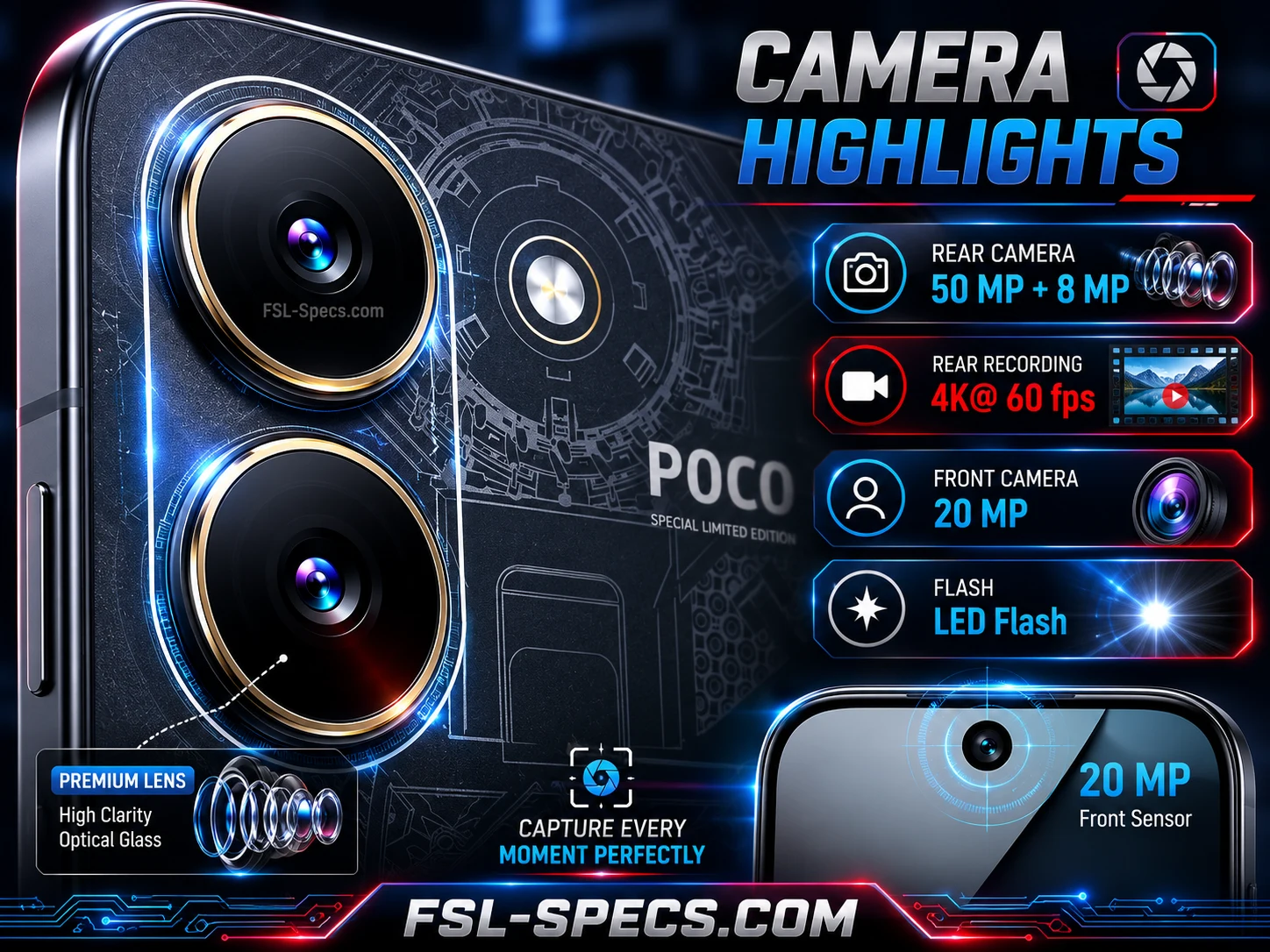
The POCO X8 Pro features a 50MP main camera with a Light Fusion 600 sensor, f/1.5 aperture, OIS, and multi-directional PDAF. It also includes an 8MP ultrawide camera and a 20MP wide selfie camera. The main camera records up to 4K at 60fps, while the ultrawide camera is limited to 1080p at 30fps and the selfie camera supports 1080p at 60fps.

The Infinix GT 50 Pro has a 50MP main camera with f/1.59 aperture, OIS, and PDAF, paired with an 8MP ultrawide camera and a 13MP selfie camera. Its main camera records up to 4K at 60fps, while the ultrawide camera supports up to 1440p at 30fps and the selfie camera records up to 4K at 30fps.

The Xiaomi 15T offers the most versatile rear-camera system in this comparison. It includes a 50MP main camera with f/1.7 aperture, OIS, and Leica optics; a 50MP 2x telephoto camera; and a 12MP ultrawide camera. It also has a 32MP selfie camera. The main camera records up to 4K at 60fps, while the ultrawide and telephoto cameras support up to 4K at 30fps.

The Motorola Edge 70 Pro uses a triple 50MP rear-camera system: a 50MP main camera, a 50MP ultrawide camera, and a 50MP telephoto camera. It also has a 50MP selfie camera. The main camera records up to 4K at 30fps, while the ultrawide and telephoto cameras support up to 4K at 30fps.

Camera Comparison Table

FeaturePOCO X8 ProInfinix GT 50 ProXiaomi 15TMotorola Edge 70 Pro
Main camera50MP Light Fusion 600, f/1.5, OIS50MP, f/1.59, OIS50MP Leica, f/1.7, OIS50MP, OIS
Ultrawide camera8MP, f/2.28MP, f/2.212MP, f/2.250MP
Telephoto cameraNoneNone50MP, 2x optical zoom50MP
Selfie camera20MP, f/2.2, wide 21mm13MP, f/2.232MP, f/2.250MP
Main video4K@60fps4K@60fps4K@60fps4K@30fps
Ultrawide video1080p@30fps1440p@30fps4K@30fps4K@30fps
Telephoto videoNot availableNot available4K@30fps4K@30fps
Selfie video1080p@60fps4K@30fps4K@30fps4K@30fps
HDR videoHDR10+ up to 30fpsHDR10+ up to 4K@30fpsHDR10+ across focal lengthsHDR10+
Best forMain-camera photos and videoGaming and casual photographyZoom, portraits, and versatile photographySelfies and high-resolution photos

Camera Verdict

The Xiaomi 15T is the best overall camera phone in this comparison because it is the only model with a dedicated 2x telephoto camera, along with a 50MP main camera, 12MP ultrawide camera, and 32MP selfie camera. Its Leica-tuned imaging system also gives it an advantage in portraits, low-light photography, and creative shooting.

The Motorola Edge 70 Pro is the best choice for selfies because of its 50MP front camera, while its triple 50MP rear-camera setup provides strong versatility. The POCO X8 Pro and Infinix GT 50 Pro both offer excellent 50MP OIS main cameras and 4K@60fps video, but neither includes a telephoto camera.

Battery & Charging Highlights

Battery & Charging Highlights

The POCO X8 Pro combines its 6,500mAh typical-capacity battery with 100W HyperCharge and support for up to 27W wired reverse charging. POCO states that its laboratory charging time is approximately 48 minutes from 1% to 100% under specified conditions using the 100W in-box adapter, with the screen off and top-speed charging enabled. Actual charging time depends on temperature, settings, battery condition and adapter availability in the local market.

The Motorola Edge 70 Pro has a 6,500mAh silicon-carbon battery, 90W wired charging and 5W wired reverse charging. Motorola advertises up to 51 hours of battery life, but this is a manufacturer claim rather than an independently controlled result directly comparable with the other phones. Its combination of a thin body and substantial battery capacity is attractive on paper.

The Infinix GT 50 Pro’s 6,500mAh battery is paired with 45W charging. Its cooling system and gaming-oriented features suit users who expect long sessions, although sustained gaming drain will depend on game settings, frame rate, temperature and network conditions. Its Pakistan product page also contains inconsistent descriptions of wireless charging, so wireless charging is not credited as a verified advantage here.

The Xiaomi 15T offers a 5,500mAh battery and 67W HyperCharge. Its capacity is smaller than the three 6,500mAh alternatives, but actual endurance depends on the display, chipset load and software efficiency.

Battery and charging winner: POCO X8 Pro. It combines 6,500mAh capacity, the highest specified wired-charging power in this group at 100W, and 27W wired reverse charging. Motorola remains a strong battery alternative, but the available claims do not establish a definitive real-world endurance winner.

Final Verdict

The POCO X8 Pro is the overall winner for this four-phone comparison, provided the retailer offers the 12GB/512GB model within PKR 150,000–160,000. It combines a powerful Dimensity 8500-Ultra processor, fast UFS 4.1 storage, a 6,500mAh battery, 100W wired charging and a high-quality 120Hz AMOLED display. Its biggest weakness against the rivals is the lack of a dedicated telephoto camera, which limits its hardware versatility for zoom photography.

The Motorola Edge 70 Pro is the strongest alternative for users who prioritize display specifications and a modern performance-focused chipset. However, its supplied price and exact 8GB/256GB variant should be verified before purchase. The Xiaomi 15T is the better specialist choice for photography thanks to its dedicated 50MP telephoto camera, OIS-equipped main sensor and wide-angle coverage. The Infinix GT 50 Pro remains a sensible gaming-oriented option, particularly for users who value gaming controls and a 144Hz display.

Quick winner-by-category summary

  • Overall and value: POCO X8 Pro
  • Display specifications: Motorola Edge 70 Pro
  • Performance evidence: Motorola Edge 70 Pro, with exact-variant benchmark limitations
  • Camera versatility: Xiaomi 15T
  • RAM and storage capacity: POCO X8 Pro and Xiaomi 15T
  • Charging package: POCO X8 Pro
  • Gaming-focused features: Infinix GT 50 Pro

For most buyers who can obtain the POCO X8 Pro at its stated retailer price, it is the most balanced package. Photography enthusiasts should consider Xiaomi 15T first, while the Motorola’s value depends substantially on confirming the local price, warranty and PTA status.

Pros and Cons

Pros

  • 🖥️ Vivid AMOLED display (6.59″ 1.5K, 120Hz, 3500 nits)
  • 🔋 Massive battery life (6500mAh + 100W charging)
  • ⚡ Strong flagship chipset (Dimensity 8500 Ultra)
  • 🛡️ Premium build quality (metal frame, glass back)
  • 💧 IP69K water resistance
  • 🚀 Fast storage/RAM (LPDDR5X + UFS 4.1)

Cons

  • 📷 Weak ultrawide camera (only 8MP)
  • 🔭 No telephoto lens
  • 📦 MIUI/HyperOS bloatware
  • 📻 No FM radio
  • 📶 Wi-Fi 6 only (no Wi-Fi 7)
  • 🎯 Camera quality inconsistent

Who Is It Best For?

Best For

  • 🎮 Heavy gamers/multitaskers
  • 🔋 Long battery-life users
  • 🎬 Display/media lovers
  • 💰 Value-flagship seekers
  • ⚡ Fast-charging fans
  • 🛡️ Durability-focused buyers

Not Best For

  • 🔭 Zoom photography fans
  • 🚫 Bloatware-averse users
  • 📶 Wi-Fi 7 enthusiasts
  • 📻 FM radio users
  • 🌄 Ultrawide photo lovers
  • 🤖 Stock Android purists
Video Reviews & Tests
// hands-on videos for this phone

Official Trailer

Launch Teaser
Official Trailer

Unboxing

What's In The Box
Unboxing

Disassembly / Teardown

Inside Look
Disassembly / Teardown

PUBG Gaming Test

FPS & Heat Test
PUBG Gaming Test

Camera Test

Photo & Video Samples
Camera Test
Xiaomi Series Row
Redmi Series Row
POCO Series Row
Picture of Faisal Ur Rehman

Faisal Ur Rehman

Faisal Rehman is the founder and editor of FSL Specs, where he publishes in-depth smartphone specifications, comparisons, buying guides, and technology insights. With extensive experience in mobile hardware research and technical analysis, he provides accurate and up-to-date information on Android smartphones, processors, displays, cameras, batteries, performance benchmarks, and software features. His goal is to simplify complex specifications and help readers choose the right device with confidence.

FAQs Questions

poco x8 pro runs a 6.59" AMOLED panel with a 120Hz refresh rate and 3840Hz PWM dimming, protected by Gorilla Glass 7i. Xiaomi rates it at up to 3500 nits peak brightness, though real-world lab tests showed closer to ~1090 nits in auto mode still plenty bright for outdoor use, just not quite the marketing number.

Yes, poco x8 pro powered by the Dimensity 8500 Ultra (4nm) with a Mali-G720 GPU, delivering near-flagship performance with barely any throttling under sustained load. For everyday tasks it's fast and fluid too, though the body does run noticeably hotter than the Pro Max during heavy gaming sessions.

You get a 50MP OIS main camera paired with an 8MP ultrawide, plus a 20MP selfie shooter up front. It's a solid, reliable setup for everyday shooting rather than a standout same sensor combo as the Pro Max, so photo quality is comparable.

poco x8 pro  packs with a 6500mAh battery, which easily gets you through a full day and then some. Charging is quick too 100W wired support means you're not waiting around, and it also does 27W reverse charging if you need to power up other gadgets.

poco x8 pro's got 5G and NFC covered, and connectivity leans toward Wi-Fi 6 rather than Wi-Fi 7 (that's reserved for the Pro Max). There's no wireless charging on this one you're sticking to the cable, though the fast wired speeds make up for it.

poco x8 pro carries an IP68 rating, so it's built to handle submersion up to 1.5m for 30 minutes along with everyday dust and splashes. Just don't go treating it like a pool toy lab conditions and daily life aren't quite the same thing.

Three configs to choose from: 8GB+256GB, 8GB+512GB, and 12GB+512GB, all running UFS 4.1 storage for quick load and transfer speeds. No expandable storage, so it's worth picking the right tier upfront.

It tops out at 4K recording no 8K here, which is expected at this price point and matches what the Pro Max offers too.

8 + 256 GB
~₹39,000 INR | ~ $400 | PKR ~130,000

12 + 256 GB
~₹41,000 INR | ~$430 | PKR ~140,000

12 + 512 GB
~₹44,000 INR | ~$450 | PKR ~155,000

Scroll to Top