



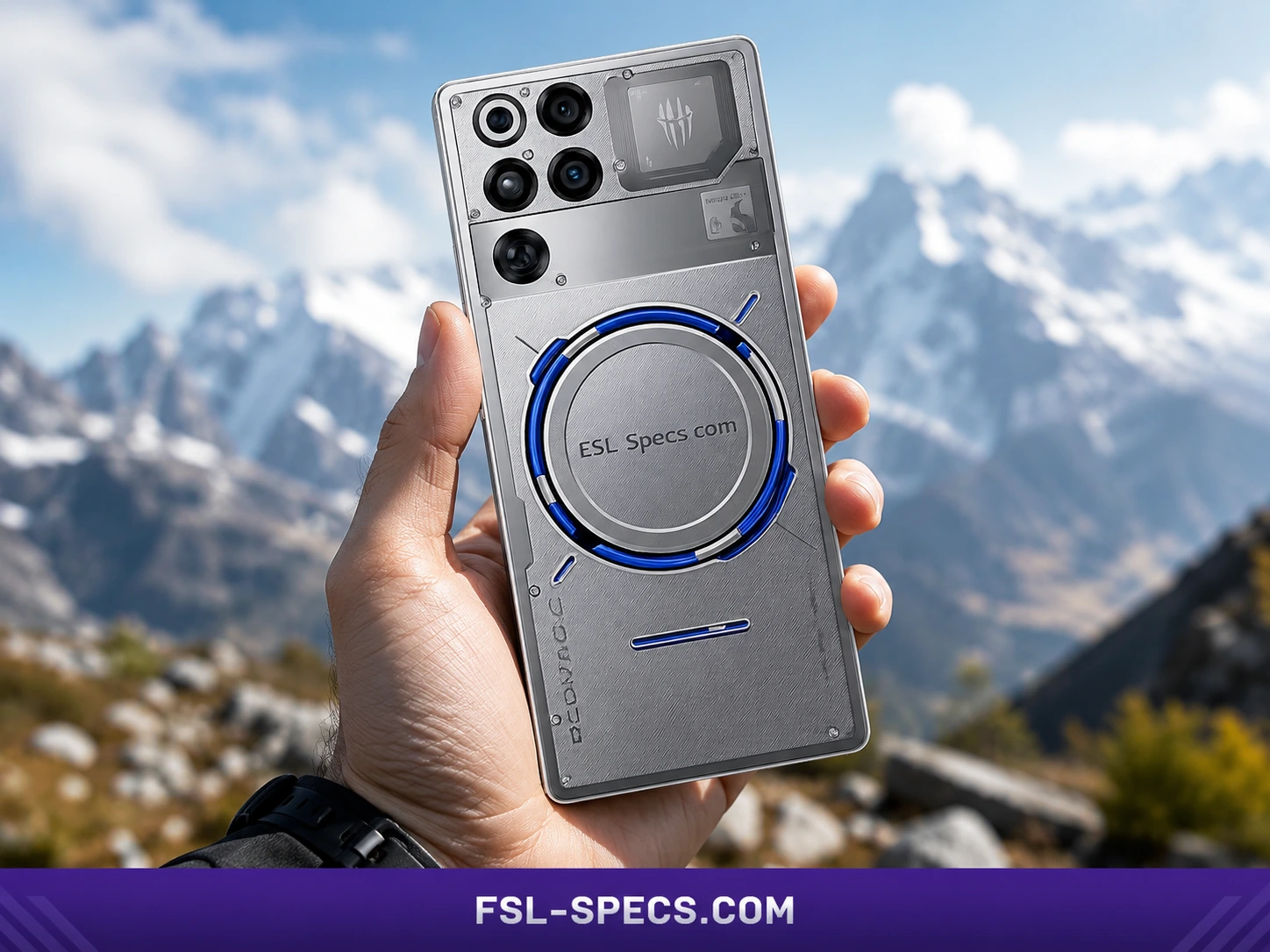
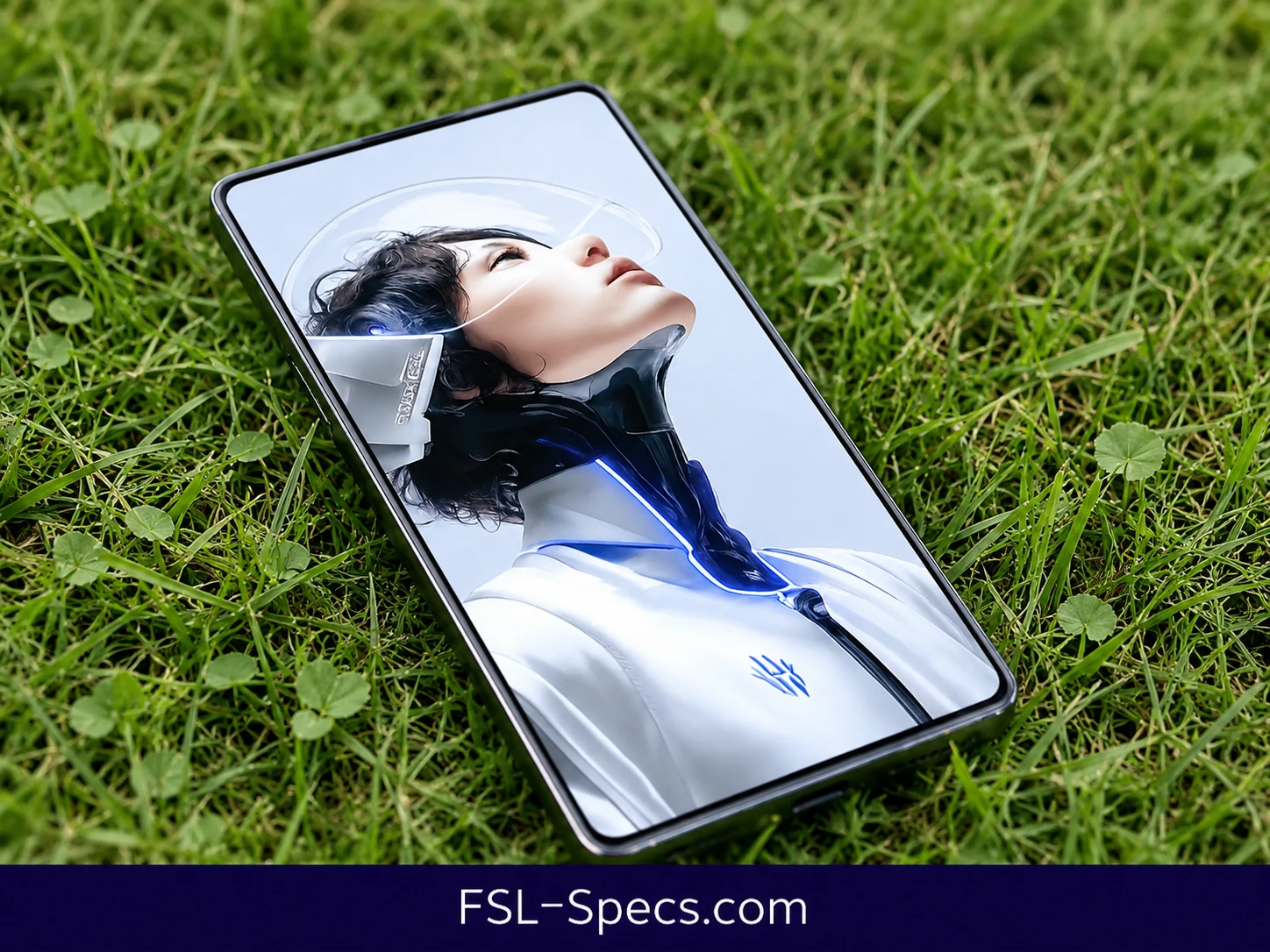
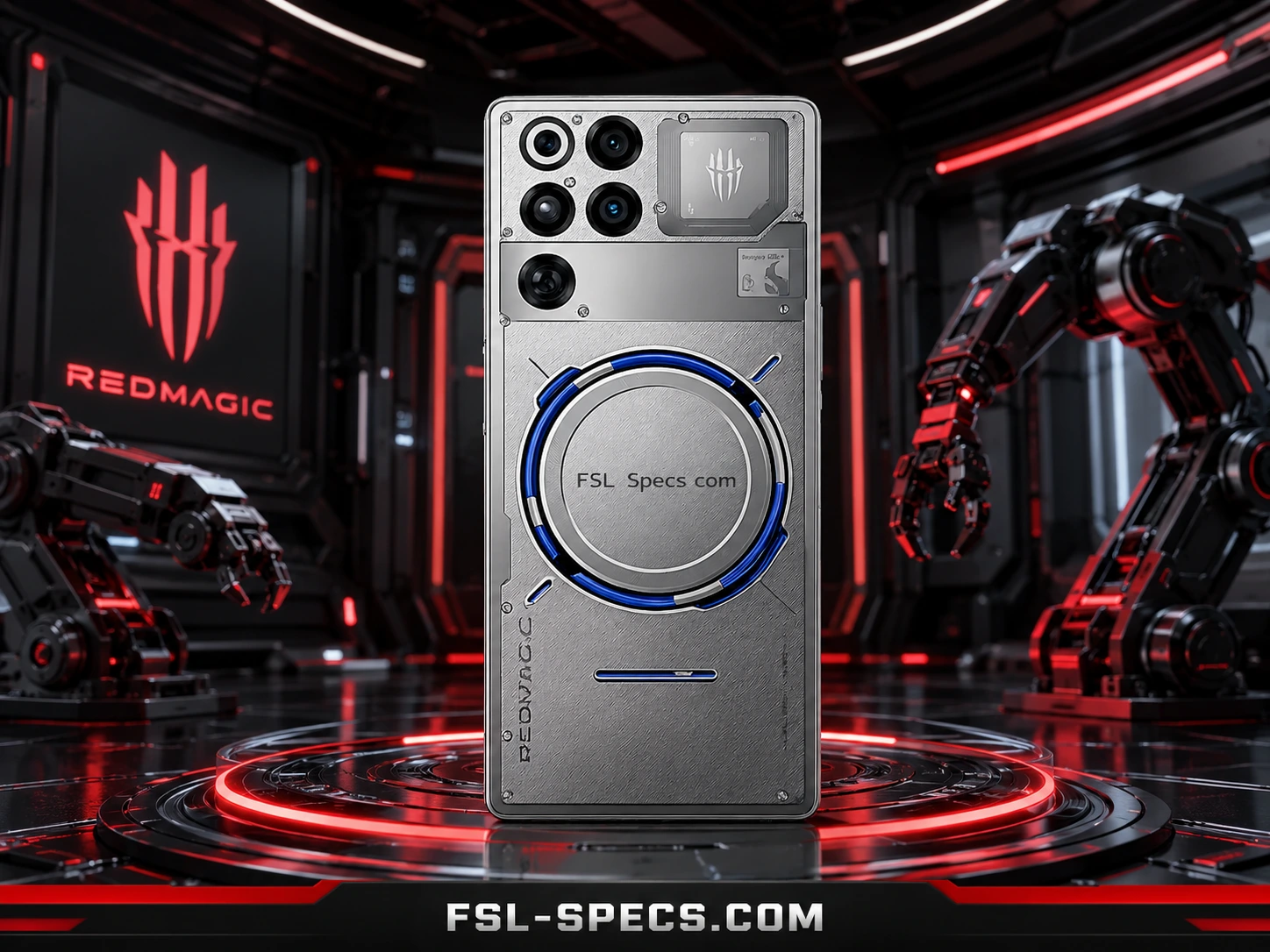











The REDMAGIC 11 Pro 12GB + 512GB, available around PKR 295,000, uses a 6.85-inch BOE X10 AMOLED display with 2688 × 1216 resolution, 144Hz refresh rate, 100% DCI-P3 coverage and 1,800-nit peak brightness. Its 144Hz refresh rate is particularly well suited to gaming, while the FHD+ resolution keeps the display sharp without pushing the GPU as hard as a higher-resolution panel. REDMAGIC also specifies ΔE <1 color accuracy.
The vivo X300 Pro 16GB + 512GB, priced around PKR 317,000, takes a more premium display approach with a 6.78-inch Q10 Plus AMOLED, 2800 × 1260 resolution and an adaptive 1–120Hz LTPO refresh rate. Its 4500-nit local peak brightness is dramatically higher than the REDMAGIC 11 Pro’s 1,800 nits, giving the vivo a substantial specification advantage for bright outdoor environments and HDR content. The LTPO panel can also dynamically reduce refresh rate to 1Hz, whereas the REDMAGIC is designed around its fixed high-refresh gaming experience.
The Xiaomi 17T Pro 12GB + 512GB, at around PKR 261,000, offers the largest panel here, a 6.83-inch AMOLED with 2772 × 1280 1.5K resolution, 144Hz refresh rate and up to 3500 nits peak brightness. Its resolution is noticeably higher than the REDMAGIC’s 2688 × 1216, while its maximum refresh rate matches the REDMAGIC. Xiaomi also specifies 12-bit color, 100% DCI-P3, Dolby Vision and HDR10+.
Verdict: The Xiaomi 17T Pro wins overall for display, combining 1.5K resolution, 144Hz and 3500 nits at a much lower price. The REDMAGIC 11 Pro remains the more gaming-focused choice because of its 144Hz AMOLED and gaming-oriented design, while the vivo X300 Pro has the strongest brightness and LTPO technology.